Top 20 Lakes around Tejeda
Best lakes around Tejeda, a village in the mountainous interior of Gran Canaria, are primarily characterized by man-made reservoirs and natural pools. The region's geography, with its volcanic rock formations and barrancos, contributes to unique water features. While large natural lakes are uncommon, the area offers several significant water bodies that serve as important resources and scenic spots. These locations provide opportunities for hiking and enjoying the natural landscape.
Best lakes around Tejeda
- The most popular lakes is Ayagaures Dam…
Last updated: August 27, 2026
Ayagaures Dam
Highlight • Lake
Showing Translation
Tip by

Los Hornos Dam
Highlight • Lake
Translated by Google •
Tip by

Sign up now to discover places like this
Get recommendations on the best single tracks, peaks, & plenty of other exciting outdoor places.
Sign up for free
Ayagaures Dam
Highlight • Lake
Translated by Google •
Tip by

Pool with view of the Azulejos
Highlight • Natural Monument
Translated by Google •
Tip by

Chira Dam
Highlight (Segment) • Lake
There is also construction work going on at the moment, we actually wanted to go back up to the reservoir.
But still a nice round.
Translated by Google •
Tip by

Sign up for free to discover even more lakes around Tejeda.
Sign up for free
Already have an account?
Start today with a free account
Your next adventure awaits.
Login or Signup
Popular around Tejeda
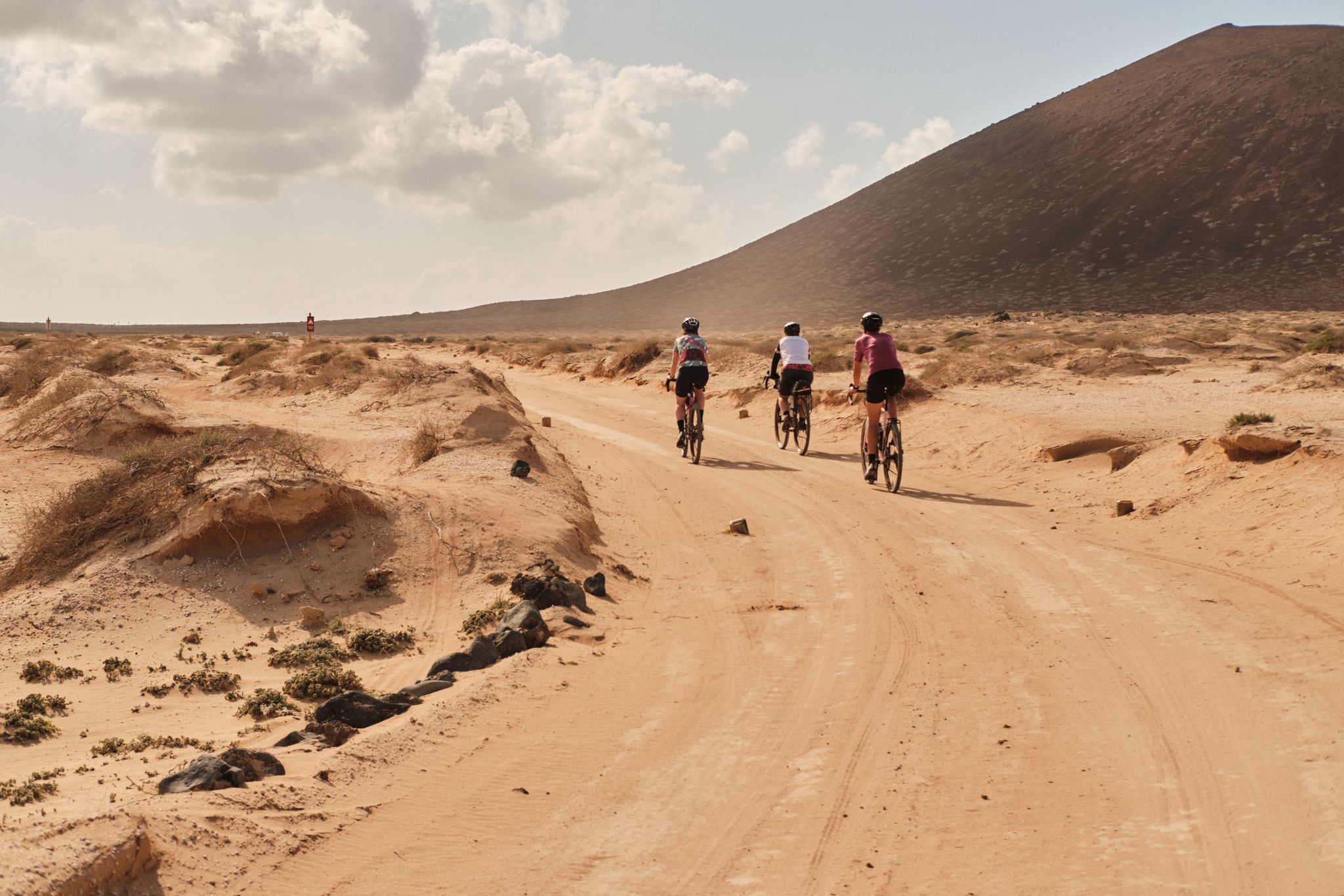
GranGuanche gravel – Komoot women's rally 2023
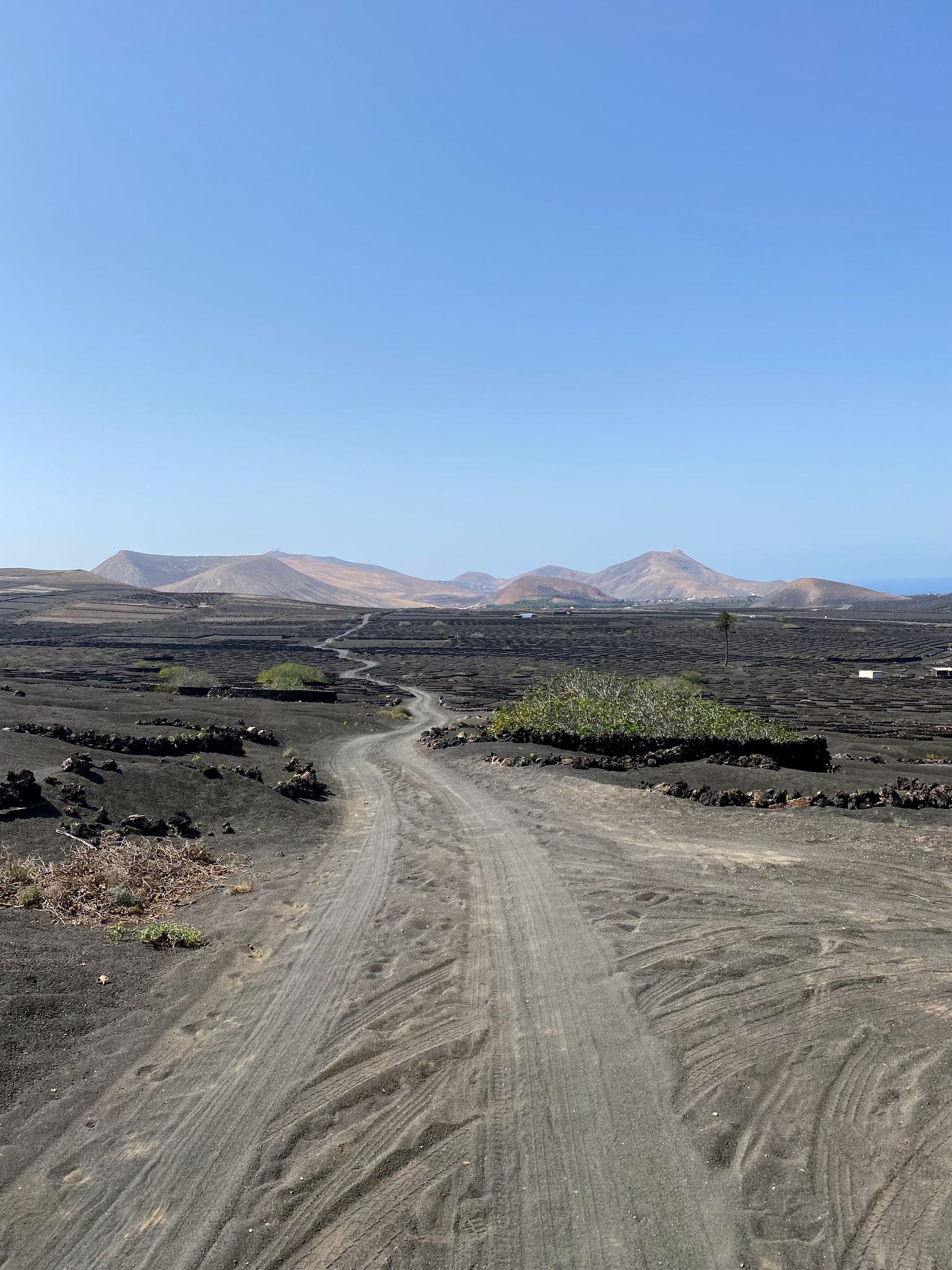
Bikepack in the Canary Islands – surprising adventures in the sun
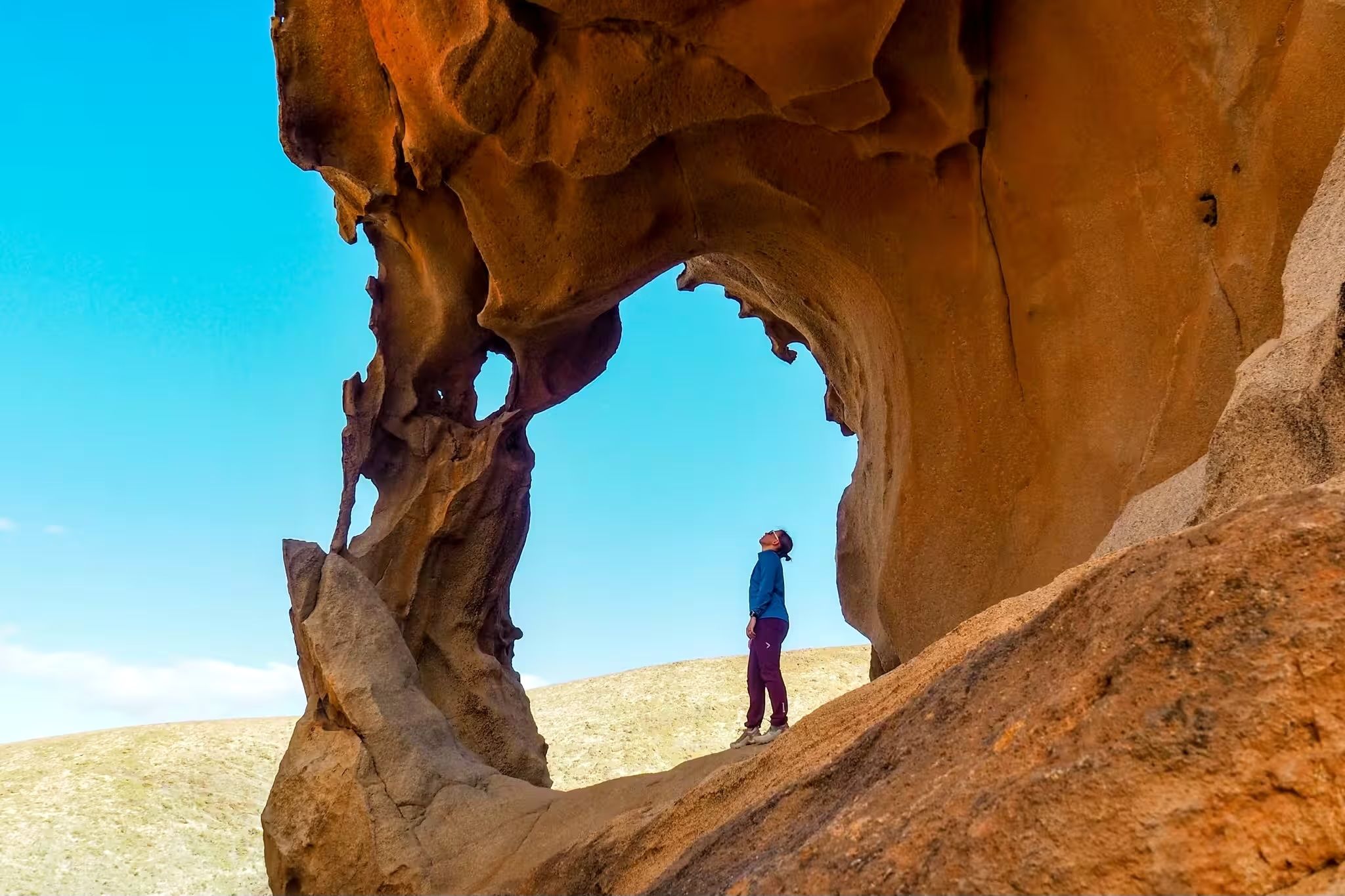
Canary Islands at a slow pace – six hikes immersed in nature
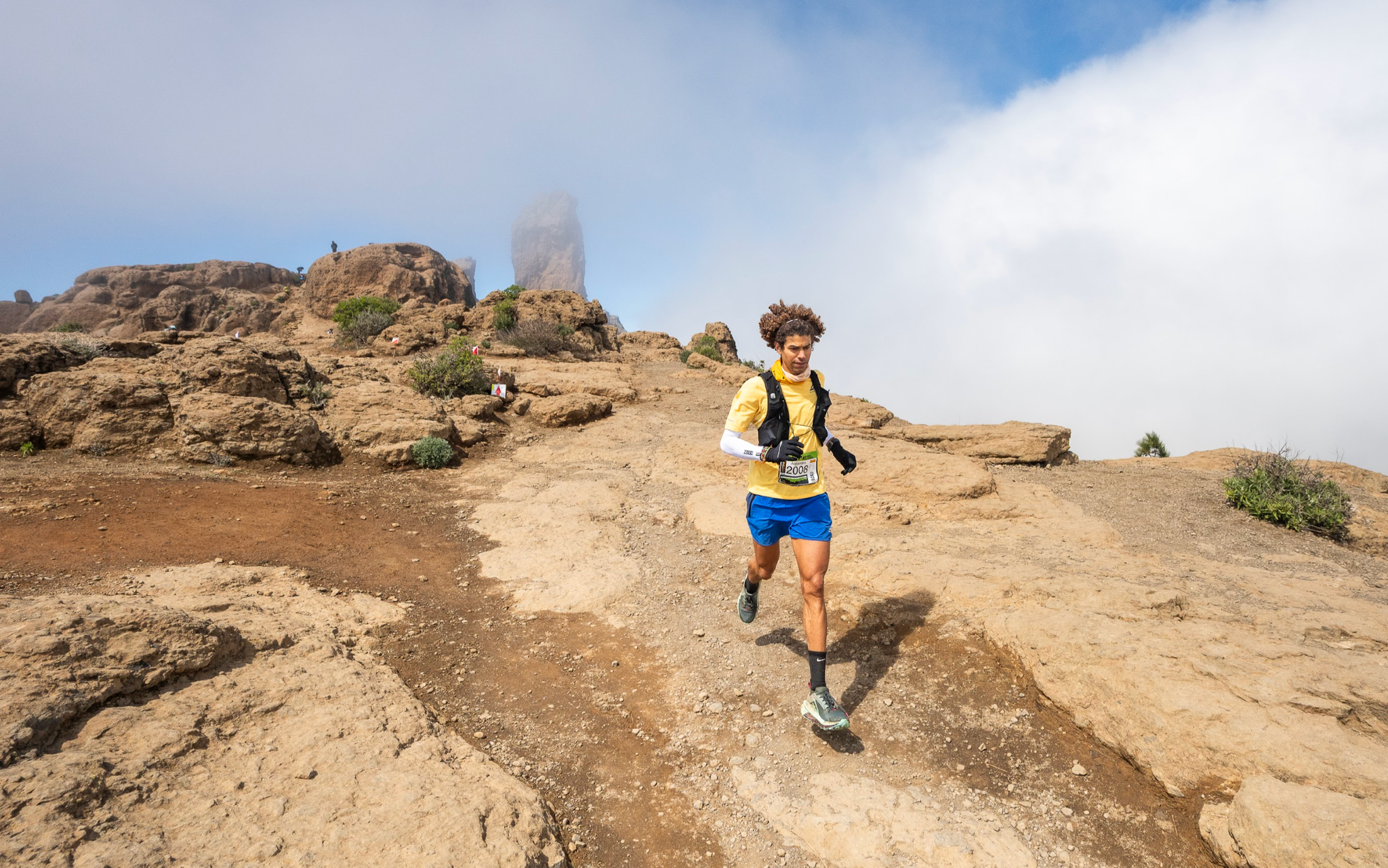
Trail on the Canary Islands – discover the legendary races!
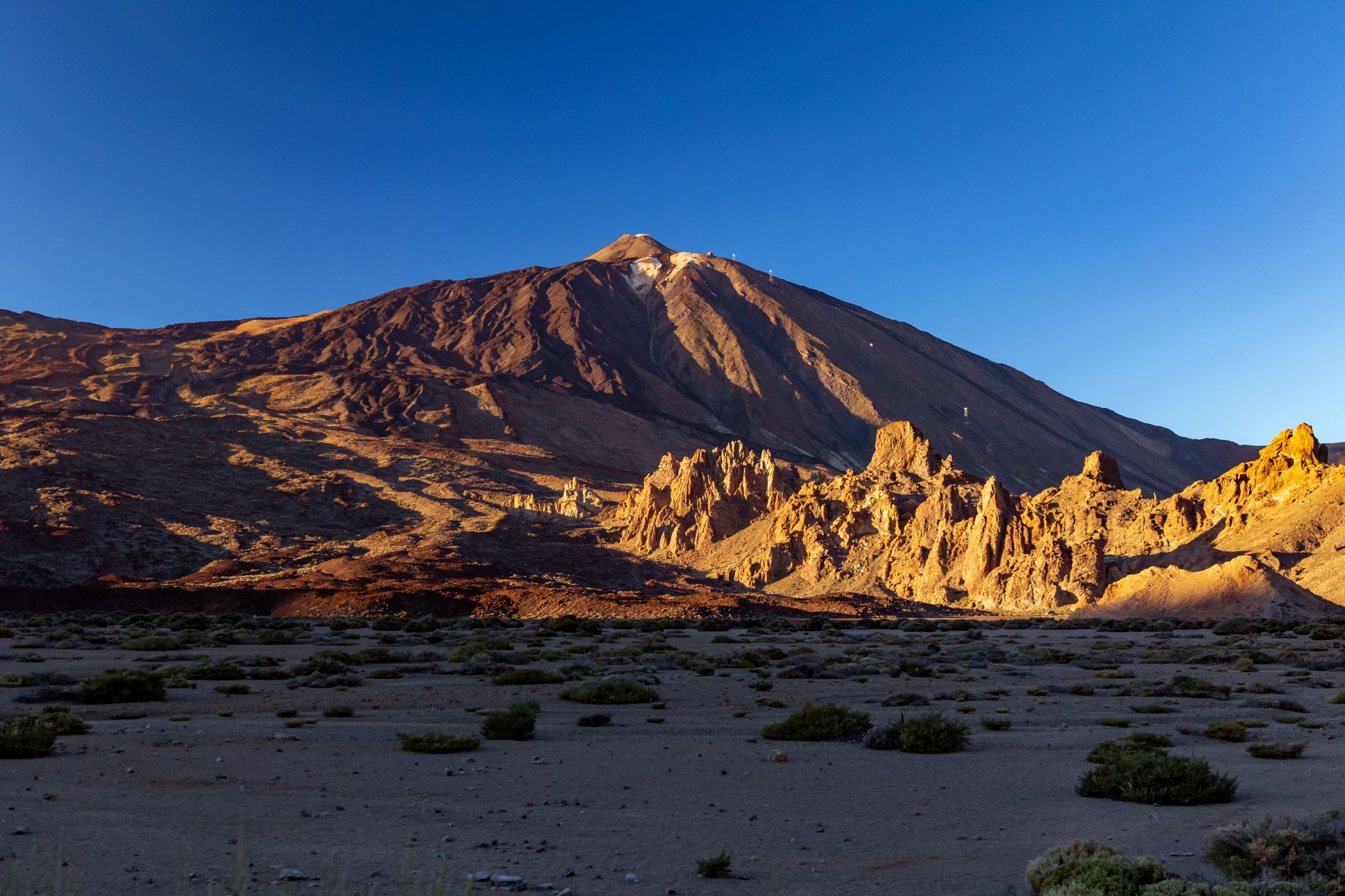
Six fascinating ways to discover the Canary Islands on foot
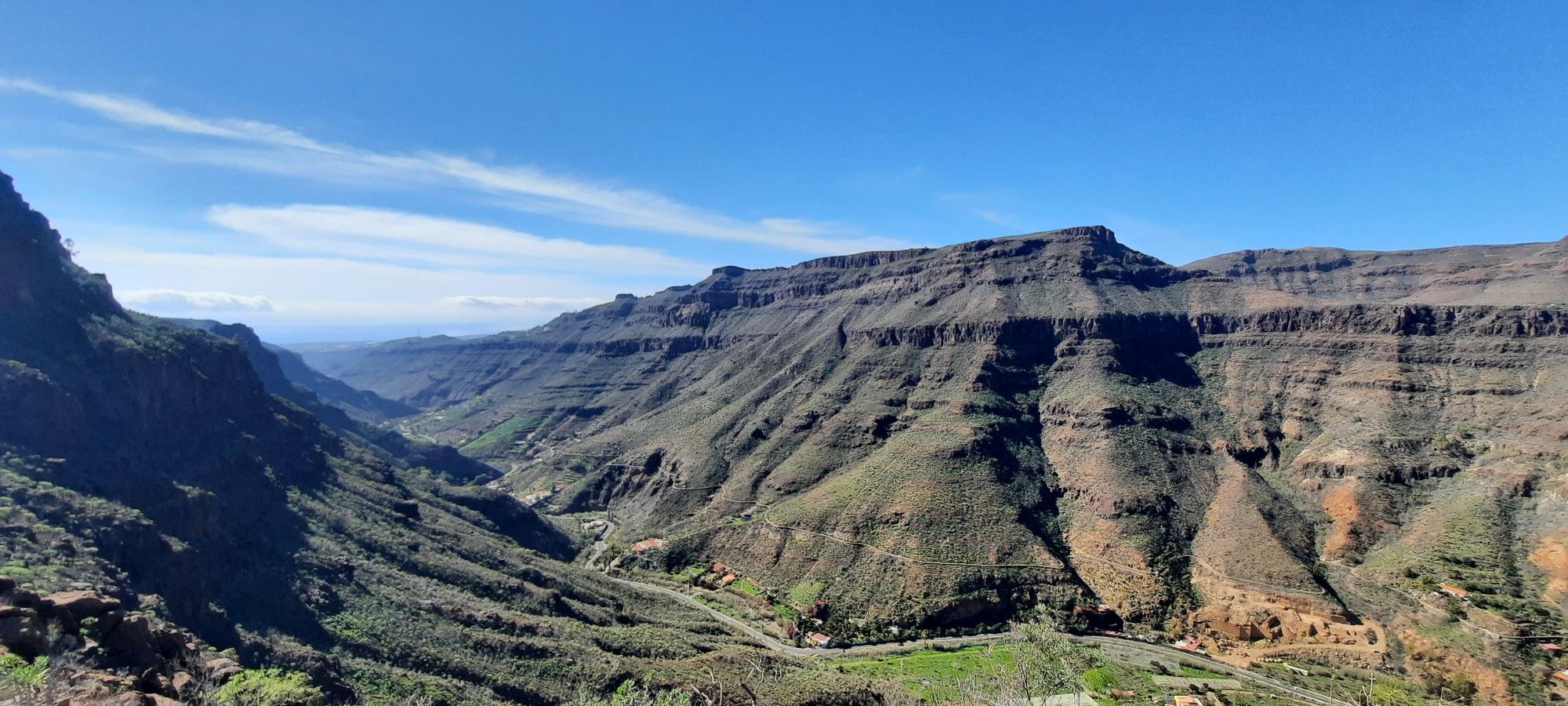
The challenge of the year — Transgrancanaria Classic
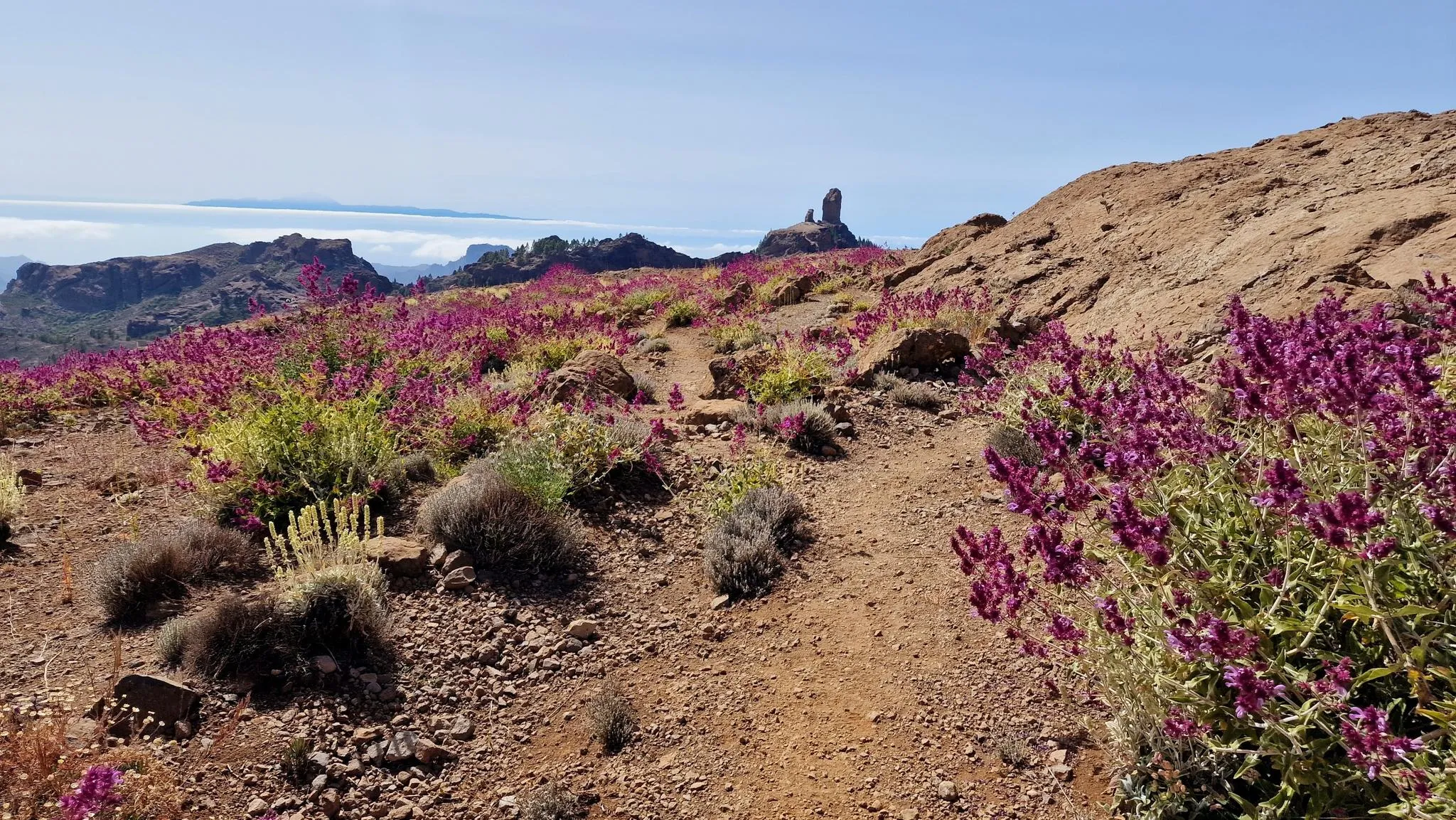
An island of contrasts – crossing Gran Canaria
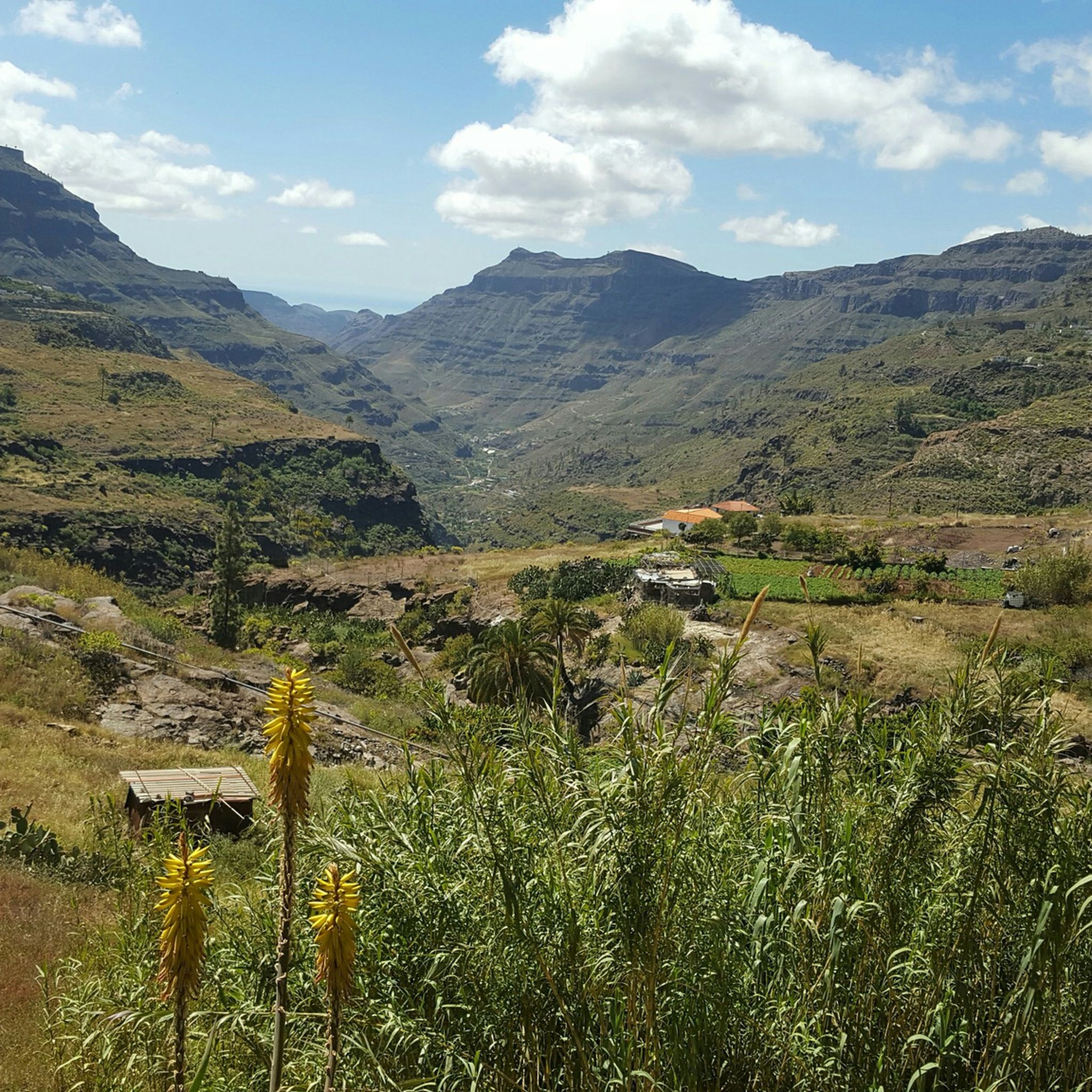
Hiking around Tejeda
Running Trails around Tejeda
Road Cycling Routes around Tejeda
Other adventures around Tejeda


Tips from the Community

These "pools" are small holes that sometimes contain a little water. There are also frogs here, so these pools are probably not intended for swimming or suitable if you respect nature - even if the name "pool" used here suggests that.
0
1

The Charcos Azules of Los Azulejos in Veneguera should not be confused with El Charco Azul de Agaete near El Risco. The water has become rare here due to the dry years. The best chance is in spring. If it has rained for a long time, you can enjoy beautiful scenery here, such as water reflections or a refreshing swim. https://saldelatlantico.com/de/excursiones-en-las-islas-canarias/charcos-azules-azulejos-venegueras
1
0

At the very end of the Barranco de la Data gorge lies the small town of Ayagaures and the two reservoirs Presa de Ayagaures
2
0

Almost no water available
1
0

Be sure to wear hiking boots, it's steep and there are lots of loose rocks along the way. But it's worth the climb.
5
1

In August there is no water to be seen anywhere. Just a few dried edges in the pools. Not recommended at this time of year...
3
0

Los Hornos Dam Viewpoint The Los Hornos Dam or Cumbre Dam has a height of 1,565 meters above sea level. It dates from 1933, but was later enlarged. Made of ordinary masonry, it reached a height of 27 m and had a capacity of 697,000 m3 of water, which flows between ditches and tunnels towards the municipalities of Arucas and San Mateo.
3
1
Los Hornos Dam Viewpoint The Los Hornos Dam or Cumbre Dam has a height of 1,565 meters above sea level. It dates from 1933, but was later enlarged. Made of ordinary masonry, it reached a height of 27 m and had a capacity of 697,000 m3 of water, which flows between ditches and tunnels towards the municipalities of Arucas and San Mateo.
6
0
Frequently Asked Questions
What types of 'lakes' can I expect to find around Tejeda?
The 'lakes' around Tejeda are primarily characterized by man-made reservoirs and natural pools. Due to the region's mountainous geography, large natural lakes are uncommon. Instead, you'll find significant water bodies like dams and temporary natural pools that form after rainfall, offering unique scenic spots.
Which are the most popular water bodies around Tejeda for visitors?
Visitors frequently enjoy the tranquil surroundings of Ayagaures Dam, which is one of Gran Canaria's many reservoirs. Another popular spot is the Pool with view of the Azulejos, a natural monument where a pool forms with spectacular views, depending on the season. The historic Los Hornos Dam is also appreciated for its setting on volcanic rock.
When is the best time to visit the natural pools and waterfalls like El Charco de la Paloma?
Natural pools and waterfalls, such as El Charco de la Paloma, are best visited during the 'rainy season' in autumn and winter. During these months, there's a higher chance of water flowing and filling the pools. From spring to autumn, these spots can often be dry due to scarce rainfall.
Are there hiking opportunities near the lakes and reservoirs around Tejeda?
Yes, the area around Tejeda's reservoirs and water features offers numerous hiking opportunities. You can explore trails that lead to viewpoints, through reforested pine groves, and along barrancos. For a comprehensive list of routes, check out the Hiking around Tejeda guide, which includes routes like the 'Circular Llanos de la Pez Trail' and paths near Presa de Chira.
What kind of terrain should I expect on trails around these water bodies?
The terrain around Tejeda's water bodies can vary. For natural pools like the Pool with view of the Azulejos, expect steep sections with loose rocks, requiring sturdy hiking boots. Other areas, especially around reservoirs like Los Hornos Dam, might feature reforested pine groves and more established paths, though some routes can still involve unstable rocky ground or sections less suitable for those with a fear of heights, as noted near Chira Dam.
Are there family-friendly options among the lakes and water features?
Yes, some water features are considered family-friendly. Ayagaures Dam is noted as family-friendly, offering tranquil surroundings. El Charco de la Paloma, a small lake with a waterfall, is also a popular and easily accessible excursion spot for families, especially when water levels are good.
Can I go wild swimming in the lakes or natural pools around Tejeda?
While some natural pools like Pool with view of the Azulejos or El Charco de la Paloma might appear inviting, especially after rain, it's important to note that these are often temporary and can be dry for much of the year. Reservoirs are primarily for water storage, and wild swimming may be restricted or unsafe. Always check local regulations and conditions before considering entering the water.
What are the water levels like in the reservoirs around Tejeda?
Water levels in the reservoirs around Tejeda, like the Chira Dam, can vary significantly depending on recent rainfall and seasonal conditions. Gran Canaria experiences scarce rainfall, so reservoirs are crucial for water management. It's common for them to have low water levels, especially outside the rainy season. For natural pools, water is often only present after significant rain.
Are there any cafes or restaurants near the lakes and reservoirs?
While the immediate vicinity of many reservoirs and natural pools is often remote, you might find limited facilities. For example, near Ayagaures Dam, there's a kiosk mentioned as the only place for drinks in the wider area. For more dining options, you would typically need to visit Tejeda village or other nearby towns.
What other outdoor activities can I do near these lakes?
Beyond hiking, the mountainous region around Tejeda offers excellent opportunities for other outdoor activities. You can find numerous routes for mountain biking and running. Explore the MTB Trails around Tejeda guide or the Running Trails around Tejeda guide for detailed routes, many of which pass through the scenic landscapes near the reservoirs and mountains.
Are there any historical insights about the dams in the area?
Yes, many dams in Gran Canaria have a rich history. For instance, the Chira Dam has a history dating back to 1932, with construction efforts spanning decades to address water storage needs. Similarly, Los Hornos Dam was built in 1933 from mortar masonry and later expanded, serving as a vital water reservoir for local communities.
What do visitors enjoy most about the water bodies around Tejeda?
Visitors often appreciate the tranquil and idyllic settings of the reservoirs, which offer a sense of refreshment and peace. The unique geological formations, such as the volcanic rock around Los Hornos Dam, and the spectacular views from spots like the Pool with view of the Azulejos, are also highly valued. The opportunity to witness the island's efforts to conserve water in such beautiful surroundings is a common highlight.
Most popular attractions around Tejeda

Get inspired with the komoot mobile app


Explore more
Still not found your perfect lake around Tejeda? Check out the guides of these regions to see even more beautiful places.
