Top 16 Caves around Valsequillo De Gran Canaria
Best caves around Valsequillo De Gran Canaria offer a glimpse into the island's pre-Hispanic past, featuring numerous cave dwellings of archaeological significance. This municipality is characterized by its integration of historical sites within a natural landscape, particularly in ravines like Barranco de San Miguel and El Roque. These sites provide insight into the indigenous population's adaptation to the environment and their unique cultural identity. The area's volcanic origins have shaped these formations, creating a setting for exploring historical remnants.
Best…
Last updated: July 4, 2026
Roque Nublo Cave
Highlight • Cave
Translated by Google •
Tip by

Fortaleza Grande Cave
Highlight • Cave
Translated by Google •
Tip by

Sign up now to discover places like this
Get recommendations on the best single tracks, peaks, & plenty of other exciting outdoor places.
Sign up for free
Caballero Caves
Highlight • Cave
Translated by Google •
Tip by

Roque Bentayga
Highlight • Natural Monument
The Bentayga …
Translated by Google •
Tip by
Cave of Four Doors
Highlight • Cave
Translated by Google •
Tip by

Sign up for free to discover even more caves around Valsequillo De Gran Canaria.
Sign up for free
Already have an account?
Start today with a free account
Your next adventure awaits.
Login or Signup
Popular around Valsequillo De Gran Canaria
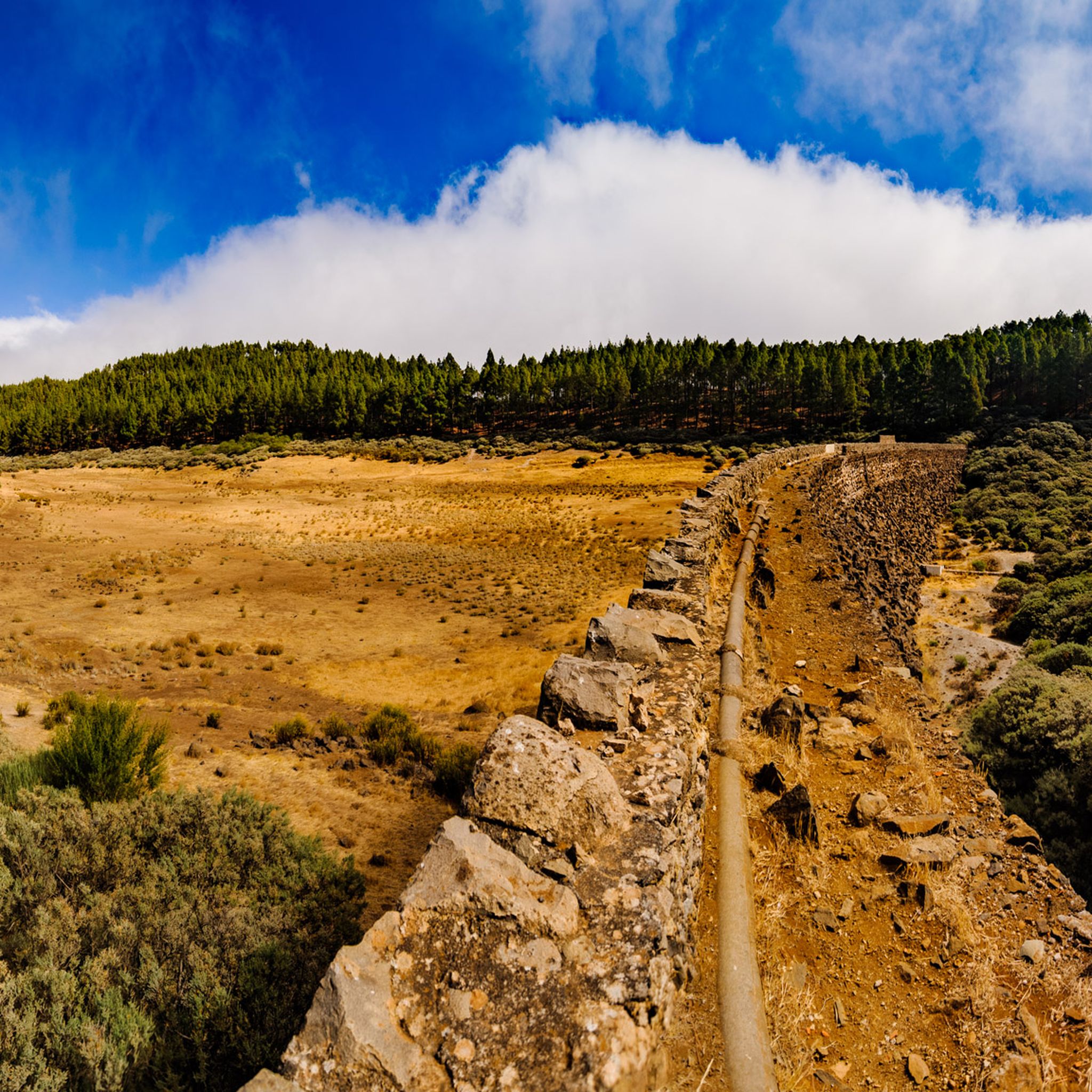
Hiking around Valsequillo De Gran Canaria
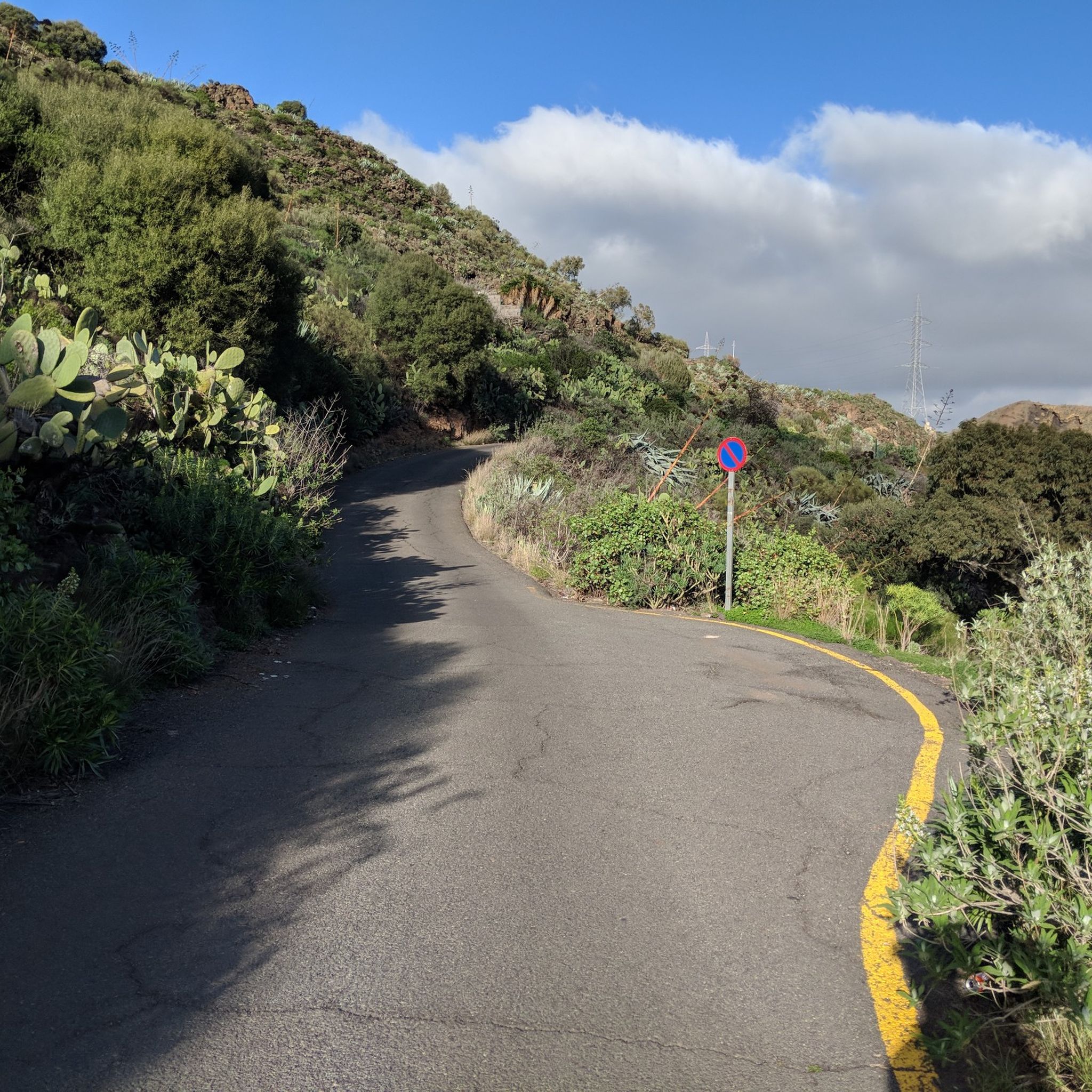
Road Cycling Routes around Valsequillo De Gran Canaria
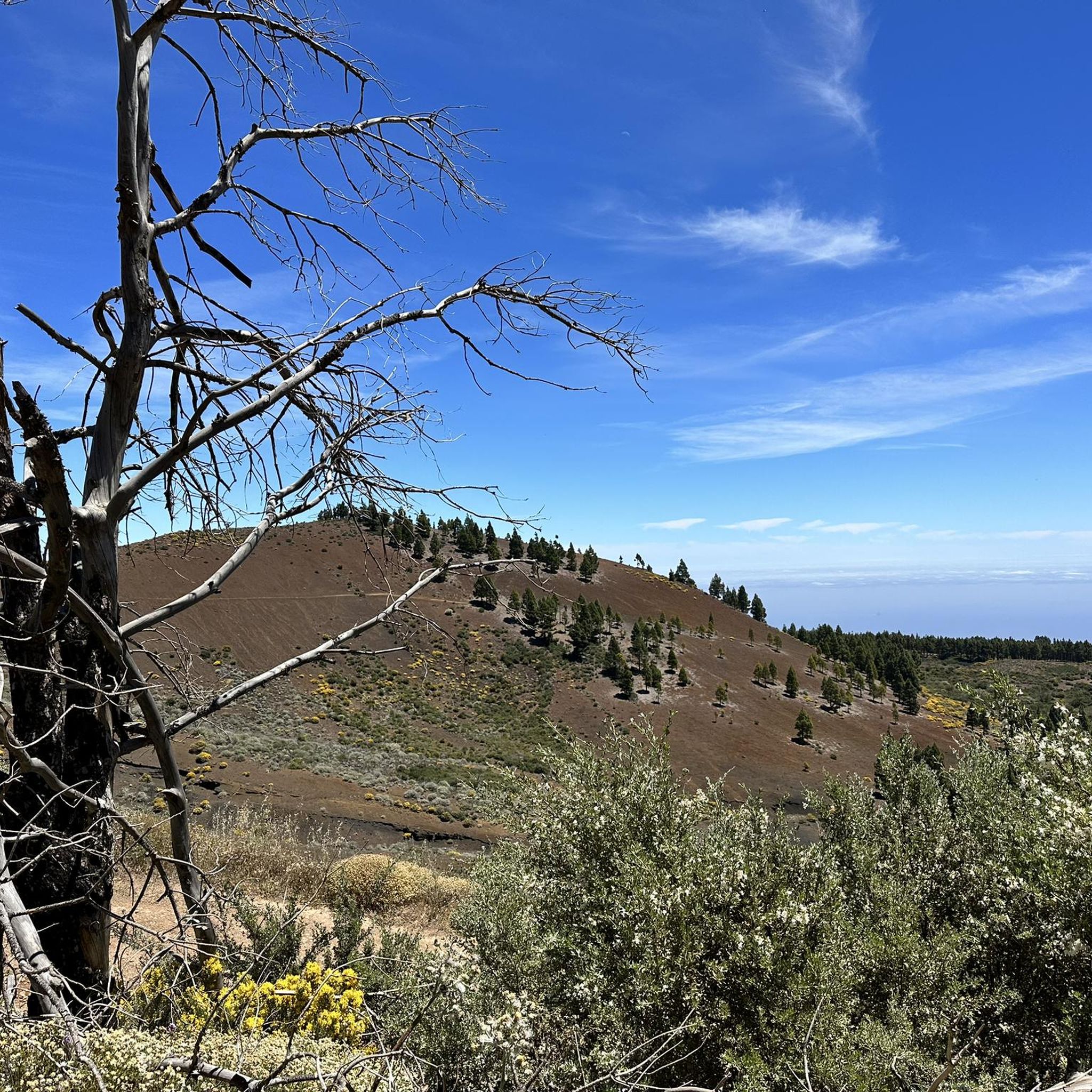
MTB Trails around Valsequillo De Gran Canaria
Cycling around Valsequillo De Gran Canaria
Running Trails around Valsequillo De Gran Canaria

Mountain Hikes around Valsequillo De Gran Canaria

Gravel biking around Valsequillo De Gran Canaria
Tips from the Community


They are an archaeological complex made up of twelve natural caves, most of which were adapted to be habitable through their chiseling. These caves are distributed along a south-facing platform, which protects them from the northern trade winds and offers beautiful views over the Bentayga and the Cuenca del Nublo.
0
0

The archaeological hiking trail on the Roque Bentayga offers not only a museum and great views but also impressions of the historical religious place of worship.
0
0
There is a free visitor center at Roque Bentayga - with parking. From there you can walk up the Bentaga in a few minutes, which was used as a religious place of worship. Great views from this impressive and historic mountain in the middle of the crater. Hikers should note that the access road is only open during opening hours. There are two barriers that are otherwise closed. Below the first barrier there are some parking spaces at the road junction.
0
0
Really impressive! Great location and photo spot. You can walk through the cave, on the left a narrow path leads back, so it's basically a circular route 😉👍
4
0

A steep, short but slippery path leads up there. Well worth seeing.
1
0


Frequently Asked Questions
What is the historical significance of the caves in Valsequillo de Gran Canaria?
The caves around Valsequillo de Gran Canaria offer a deep dive into the island's pre-Hispanic past. Many are archaeological sites, showcasing how the indigenous population adapted to the local environment and developed a unique cultural identity. Sites like Fortaleza Grande Cave are historically significant, reportedly being the site of the final battle between Spanish conquistadors and natives. Ongoing excavations at such sites continue to reveal insights into their past.
Can I visit aboriginal cave dwellings in Valsequillo de Gran Canaria?
Yes, Valsequillo de Gran Canaria is known for its aboriginal dwellings and historical cave complexes. The Caballero Caves, for instance, are an archaeological site with seven cavities, six of which are artificial and were possibly used as dwelling places or sites of worship. Similarly, the Caves of Morros de Ávila are manmade caves inhabited by the Guanches, featuring two rooms and faded wall paintings.
What kind of natural formations can I expect to see in the caves?
The caves in Valsequillo de Gran Canaria are largely shaped by the island's volcanic origins. You'll find natural formations integrated into the landscape, particularly within ravines like Barranco de San Roque and Barranco de San Miguel. These often include caves formed within the rock, contributing to the scenic beauty and historical context of the area. Some caves, like the Cave of Four Doors, are carved into tufa, showcasing unique geological and man-made alterations.
Are there hiking trails that include cave exploration in Valsequillo de Gran Canaria?
Yes, many caves in Valsequillo de Gran Canaria are encountered as part of scenic hiking routes rather than standalone attractions. The Barranco de San Roque and Barranco de San Miguel ravines are notable areas where hiking trails lead you past natural cave formations, alongside palm trees, almond trees, and typical Canarian vegetation. For more extensive hiking options, explore the Running Trails around Valsequillo De Gran Canaria guide, which includes routes like the 'Mina de los Llanetes loop'.
What outdoor activities can I do near the caves in Valsequillo de Gran Canaria?
Beyond exploring the caves themselves, the region offers a variety of outdoor activities. You can find numerous routes for gravel biking, running, and road cycling. For example, the Gravel biking around Valsequillo De Gran Canaria guide features routes like the 'Las Alcaravaneras Beach – Plaza de Santa Ana loop'. If you prefer road cycling, check out the Road Cycling Routes around Valsequillo De Gran Canaria guide for scenic rides.
What do visitors enjoy most about the caves in this region?
Visitors particularly appreciate the blend of natural beauty and historical significance. The opportunity to explore ancient aboriginal sites, such as the Roque Bentayga, which served as a religious center, offers a unique cultural experience. Many also enjoy the panoramic views from these elevated cave sites, like those over the Caldera de Tejeda crater from the Caballero Caves.
Are there any caves with unique archaeological features?
Yes, the Cave of Four Doors is a unique complex carved into tufa, featuring dwelling caves, granaries, and areas likely used for worship. It includes a large artificial square and indentations that suggest a covered area. Nearby, you can find a circular channel carved into the bedrock, believed to be a cult place, and the Cueva de los Papeles with walls decorated with triangular fertility symbols.
Is it possible to visit caves that were used as religious sites?
Absolutely. Roque Bentayga is a prime example, a natural monument and historical site that was used by the ancient Canarians as a religious center. Remains of stone walls and pens from its ancient use are still preserved there. The Caballero Caves were also possibly used as places of worship, offering a glimpse into the spiritual practices of the indigenous population.
What should I bring for a cave visit in Valsequillo de Gran Canaria?
Given that many caves are part of hiking routes, comfortable hiking shoes are essential. Depending on the specific cave and trail, a headlamp or flashlight can be useful for exploring darker sections. Always carry water, sun protection, and a camera to capture the unique landscapes and historical sites. For sites like Roque Bentayga, be aware of visitor center opening hours if you plan to access the summit.
Are there any caves that offer impressive views?
Many cave sites in the region are situated in locations that provide stunning vistas. The Caballero Caves, for instance, offer magnificent views over the Caldera de Tejeda crater. Similarly, Roque Bentayga, a prominent monolith, provides expansive views of the surrounding valleys and other geological formations.
What is the best time of year to visit the caves in Valsequillo de Gran Canaria?
Gran Canaria generally enjoys a mild climate year-round, making cave visits possible in most seasons. However, the cooler, drier months from autumn to spring (roughly October to May) are often preferred for outdoor activities like hiking and cave exploration, as summer temperatures can be quite high. This period offers more comfortable conditions for exploring the natural landscapes and archaeological sites.
Most popular routes around Valsequillo De Gran Canaria
Most popular attractions around Valsequillo De Gran Canaria

Get inspired with the komoot mobile app


Explore more
Extend your search for the best caves by checking out these guides of the top ones around Valsequillo De Gran Canaria:
