Top 15 Caves around Mogán
Best caves around Mogán are found within a municipality on Gran Canaria, characterized by its diverse landscape of coastal areas and mountainous ravines. The region features unique geological formations, including volcanic structures and ancient aboriginal sites. Subterranean attractions range from natural rock shelters to historical cave dwellings, reflecting both natural processes and human history. This area provides insights into the island's past inhabitants and offers distinct natural experiences.
Best caves around Mogán
- The most popular caves is Roque Bentayga, a natural monument that served as an ancient aboriginal religious center. It features remnants of old plant structures and is a significant stone monolith in Gran Canaria.
- Another must-see spot is Goat Caves at Degollada de las Yeguas, a cave used by locals as goat pens. These crevices are found on a narrow mountain path, offering impressive rock formations.
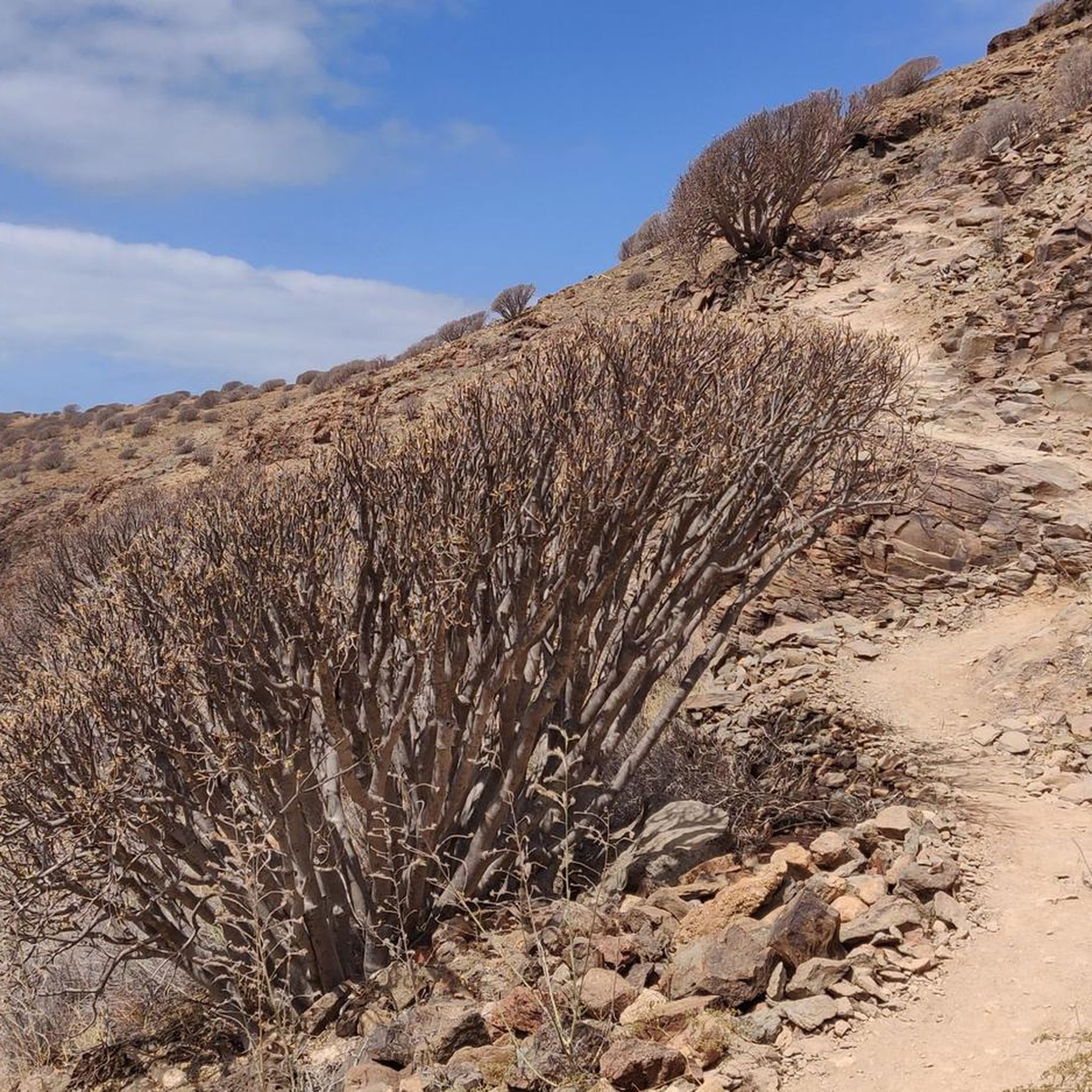
- Visitors also love Cave on the Hiking Trail, a well-preserved cave located along an intermediate hiking path. This cave is situated within a section that can be narrow and steep, sometimes requiring attention to stone heaps for navigation.
- Mogán is known for natural rock shelters, historical cave dwellings, and archaeological sites. The region offers a variety of caves to see and explore, from ancient burial sites to modern cave houses.
- The caves around Mogán are appreciated by the komoot community, with 85 upvotes and 192 photos shared across 5 highlights.
Last updated: August 28, 2026
Roque Bentayga
Highlight • Natural Monument
The Bentayga is on the road between Ayacata and Tejeda and is easy to reach by car.
The rocks of the Bentayga group include other monoliths, the Roque Camello (also called Andes del Tabacalete), the Cuevas del Rey and el Roquete, which are distributed on an east-west axis of 2 kilometers.
The Bentayga is 1404 meters high and rises about 600 meters from the surrounding valleys of the Barranco of Tejeda and Espinillo. Seen from the west side in the image below.
Translated by Google •
Tip by

Goat Caves at Degollada de las Yeguas
Highlight • Cave
Translated by Google •
Tip by

Sign up now to discover places like this
Get recommendations on the best single tracks, peaks, & plenty of other exciting outdoor places.
Sign up for free
Cave on the Hiking Trail
Highlight (Segment) • Cave
Half way there is a well-preserved cave.
Translated by Google •
Tip by

Hilltop Memorial Shrine
Highlight • Religious Site
Translated by Google •
Tip by

Cave house
Highlight • Cave
Doors and windows in and the rock dwelling is ready.
Translated by Google •
Tip by

Sign up for free to discover even more caves around Mogán.
Sign up for free
Already have an account?
Start today with a free account
Your next adventure awaits.
Login or Signup
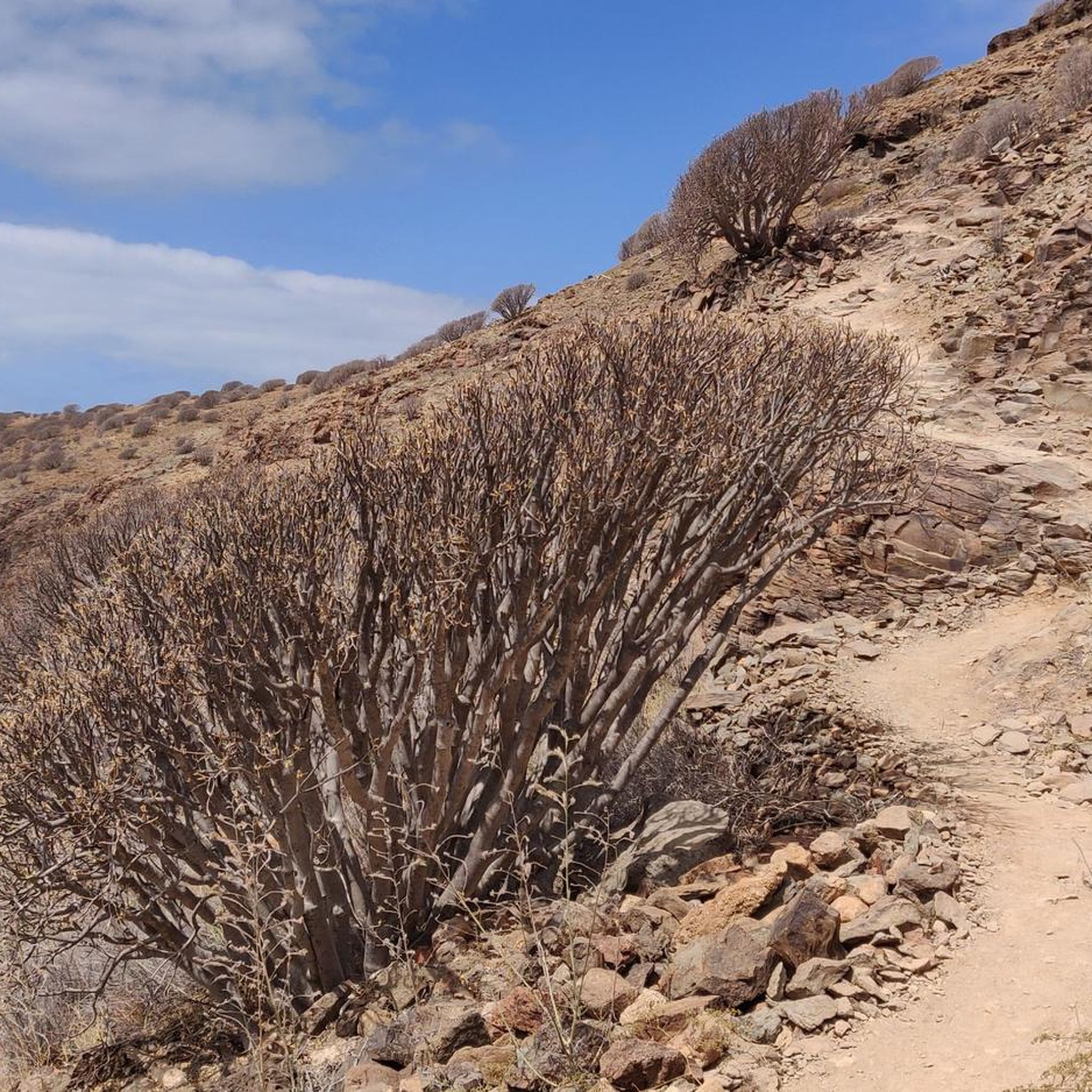
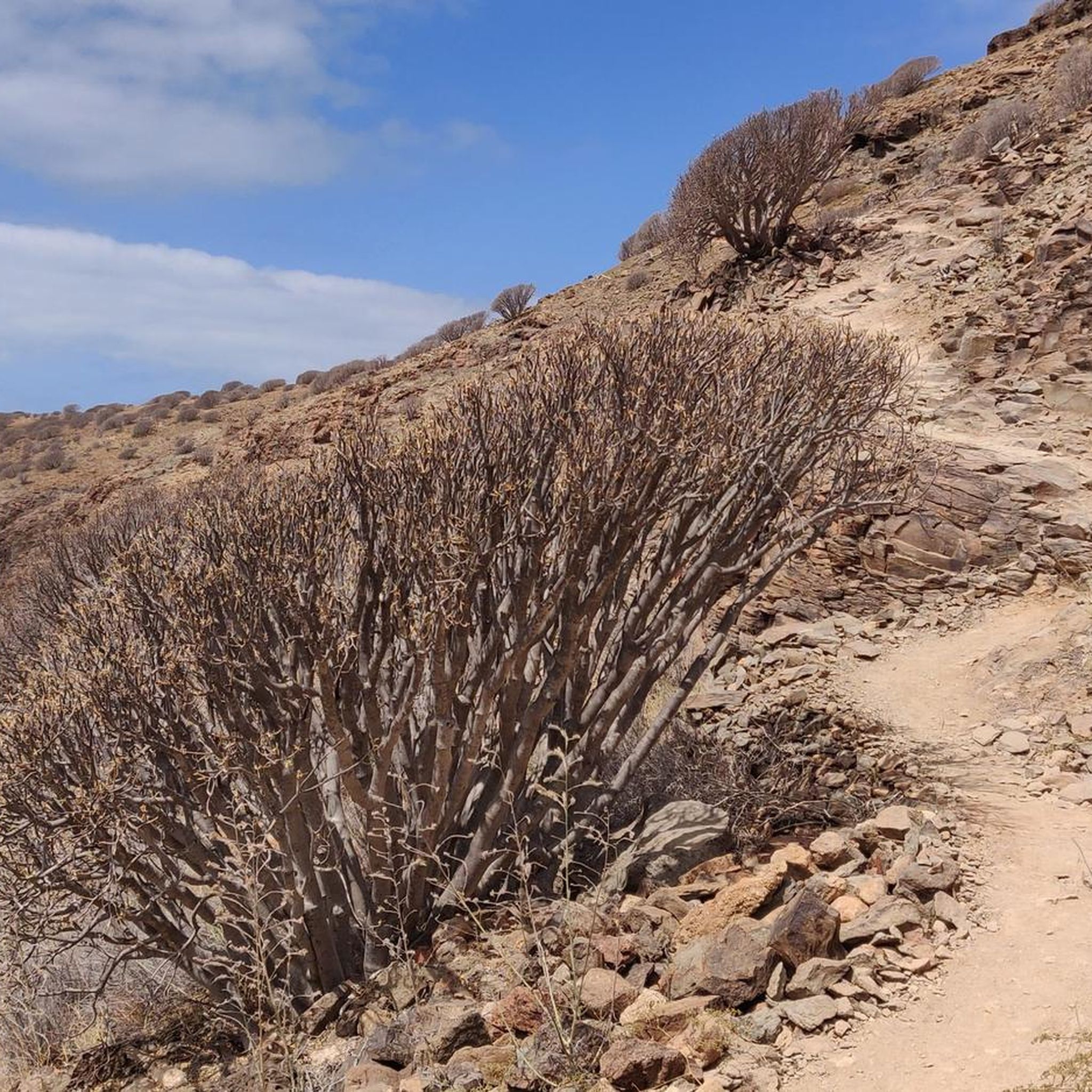
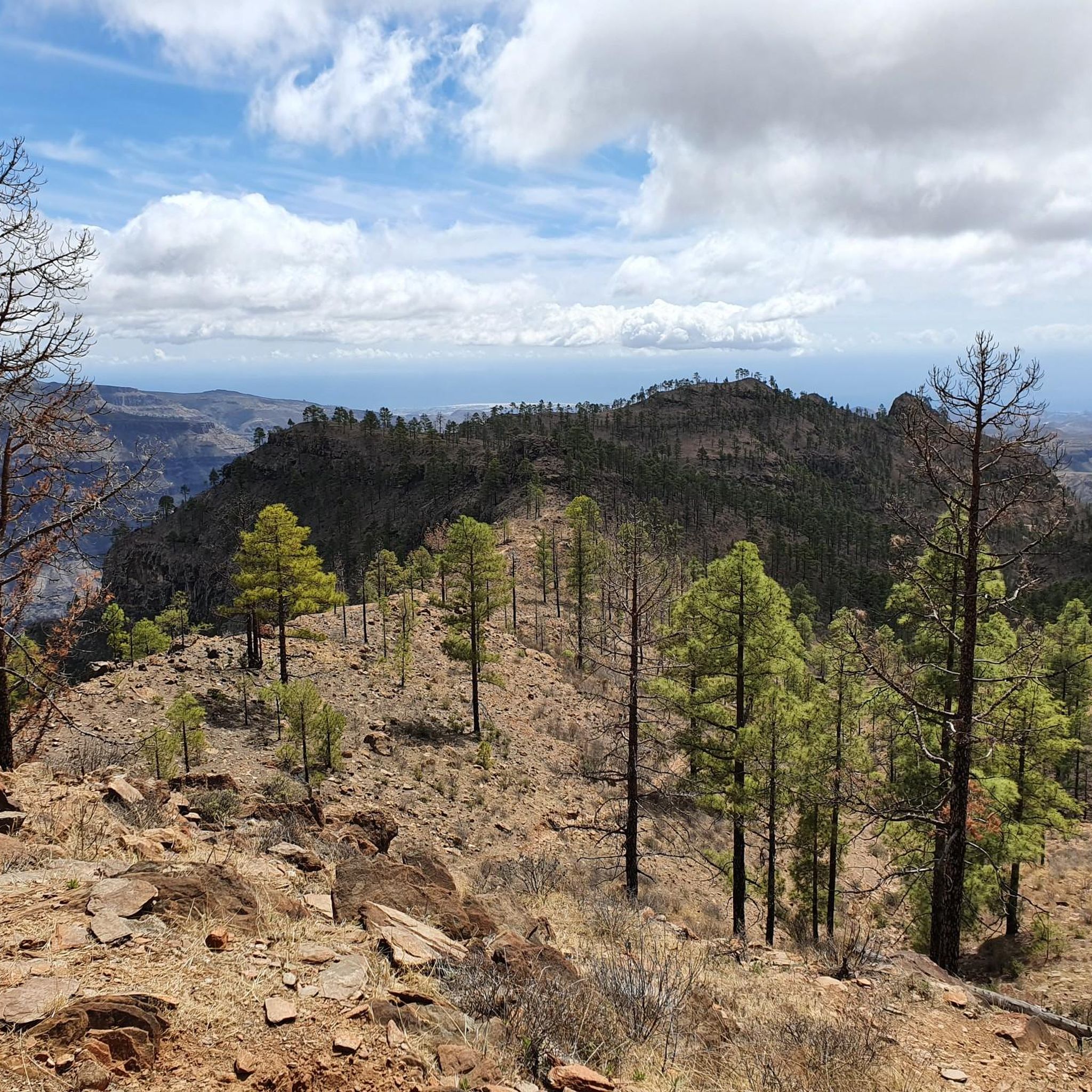
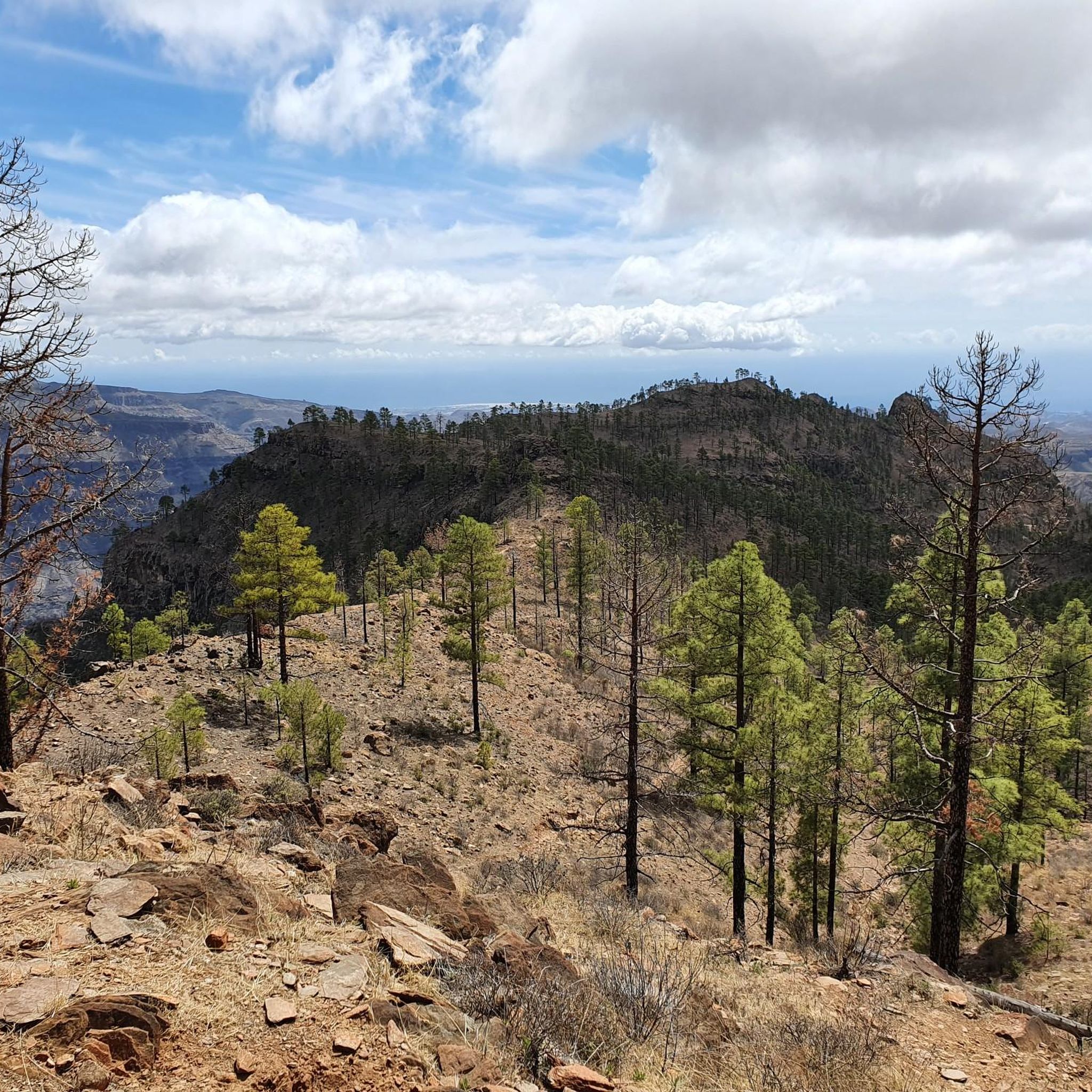


Tips from the Community

A very impressive area with many small "highlights", a little something to "discover", never too difficult but exciting; however, a head for heights and sure footing are very advantageous.
0
0

The archaeological hiking trail on the Roque Bentayga offers not only a museum and great views but also impressions of the historical religious place of worship.
0
0
There is a free visitor center at Roque Bentayga - with parking. From there you can walk up the Bentaga in a few minutes, which was used as a religious place of worship. Great views from this impressive and historic mountain in the middle of the crater. Hikers should note that the access road is only open during opening hours. There are two barriers that are otherwise closed. Below the first barrier there are some parking spaces at the road junction.
0
0


At the beginning of March the path is free again and really easy to walk. Scenic terrific 😀
1
1

A small cave with memorabilia that are very touching.
2
0
The navigation with GPS only worked very moderately for us. Sometimes a good old hiking map does the best here in the middle of nowhere.
0
0
The crevices in the rocks are impressive, the path leads very close to the edge... you should have a head for heights... the path is currently (mid-Jan.2023) closed due to falling rocks, use it at your own risk
1
0
Frequently Asked Questions
What are the most historically significant caves to visit in Mogán?
For a deep dive into Gran Canaria's pre-Hispanic history, visit Roque Bentayga and the adjacent Cuevas del Rey. This archaeological complex features over a hundred caves used as dwellings, burial sites, and religious centers by ancient aboriginal inhabitants. You can find remnants of old plant structures, rock paintings, and inscriptions. Another important site is Majada Alta, which contains anthropomorphic pictograms painted in red ochre.
Are there any unique natural cave formations in Mogán that are not traditional caves?
Yes, Barranco de las Vacas is a visually stunning geological formation often compared to Antelope Canyon. It features uniquely sculpted, colorful tuff (volcanic rock) walls formed by erosion, creating vibrant and winding passages. It's particularly popular with photographers for its dramatic light and shadow play.
Can I explore underwater caves in Mogán?
Yes, the underwater Mogán Caves are a spectacular dive site located southwest of Puerto de Mogán within the marine reserve of El Perchel. This volcanic reef system features two main caves at depths of 10 to 16 meters, home to diverse marine life like cuttlefish eggs, small reef fish, moray eels, and anemones. The smaller cave has a partially open roof, allowing sunlight to create stunning photographic opportunities.
What kind of historical cave dwellings can I see in Mogán?
Mogán is known for its natural rock shelters and historical cave dwellings, many dating back to the pre-Hispanic era. These structures, carved into volcanic rock, maintain a naturally stable indoor temperature. Some are preserved in their traditional form, while others have been converted into modern accommodations or museums. Exploring them offers a unique cultural and historical experience, showcasing the ingenuity of the island's ancient inhabitants. You can see examples like the Cave house highlight.
Are there any caves in Mogán that require specific hiking skills?
Some cave sites, like the Goat Caves at Degollada de las Yeguas, are located along narrow mountain paths. These require sure-footedness and appropriate hiking footwear due to their sometimes steep nature. Similarly, the Cave on the Hiking Trail is situated along an intermediate path that can be narrow and steep in sections, sometimes requiring attention to stone heaps for navigation.
What outdoor activities can I do near the caves in Mogán?
Mogán offers a variety of outdoor activities. You can find numerous cycling routes, including challenging ones like the 'View of Ayagaures Valley' loop. For runners, there are trails such as the 'Los Azulejos Circular Trail'. Mountain hiking is also popular, with routes like 'Caves of Cebuche' and 'View of Roque Nublo' available. For more details on these activities, refer to the Cycling around Mogán, Running Trails around Mogán, and Mountain Hikes around Mogán guides.
Is there a sea cave in Mogán that is worth visiting?
Yes, Cueva de Taurito, also known as Cueva de Lucas, is a charming sea cave located in the seaside town of Taurito. It's best visited during low tide as it can be submerged at high tide. This cave is particularly beautiful at sunset, offering striking views as the sky and ocean are bathed in golden hues, making it a great spot for photography.
What do visitors find most appealing about the caves around Mogán?
Visitors appreciate the diverse experiences offered by Mogán's caves. Many are captivated by the historical significance of sites like Roque Bentayga, which served as an ancient aboriginal religious center. Others enjoy the unique natural formations, such as the impressive rock crevices at the Goat Caves at Degollada de las Yeguas, or the striking visual appeal of Barranco de las Vacas. The opportunity to explore well-preserved caves along hiking trails, like the Cave on the Hiking Trail, is also highly valued.
Are there any caves in Mogán that were used for traditional agricultural practices?
Yes, the Goat Caves at Degollada de las Yeguas are distinctive crevices in rock formations that were historically utilized by locals as pens for goats. Visiting these caves offers a glimpse into traditional agricultural practices and allows you to experience the striking geological scenery of the area.
What is the best time to visit the caves in Mogán?
Gran Canaria generally enjoys a mild climate year-round. For hiking and exploring the historical and natural caves, the cooler months from autumn to spring (October to May) are often preferred to avoid the peak summer heat. For underwater caves, diving conditions are generally good throughout the year, but it's always best to check local weather and sea conditions before planning a dive.
Most popular routes around Mogán
Most popular attractions around Mogán

Get inspired with the komoot mobile app


Explore more
Extend your search for the best caves by checking out these guides of the top ones around Mogán:
