Top 11 Caves around Oliva
Best caves around Oliva are found within the Marina Alta region of Spain, offering diverse natural and historical experiences. This area is characterized by its mountainous terrain and coastal proximity, providing a rich environment for geological formations. The region holds significant archaeological value, with many caves revealing evidence of ancient human occupation and unique natural phenomena. Visitors can explore a variety of subterranean landscapes, from accessible show caves to more challenging natural caverns.
Best caves around Oliva
- The most popular…
Last updated: August 28, 2026
Dark Cave
Highlight • Cave
Translated by Google •
Tip by

Forat de la Juvea
Highlight • Cave
Translated by Google •
Tip by

Sign up now to discover places like this
Get recommendations on the best single tracks, peaks, & plenty of other exciting outdoor places.
Sign up for free
Cova de la Verge
Highlight • Cave
Translated by Google •
Tip by

Cave of the Skulls
Highlight • Cave
Translated by Google •
Tip by

Camino de Petracos – Remote Beauty & Ancient Rock Art
Highlight (Segment) • Cave
Tip by

Sign up for free to discover even more caves around Oliva.
Sign up for free
Already have an account?
Start today with a free account
Your next adventure awaits.
Login or Signup

Tips from the Community

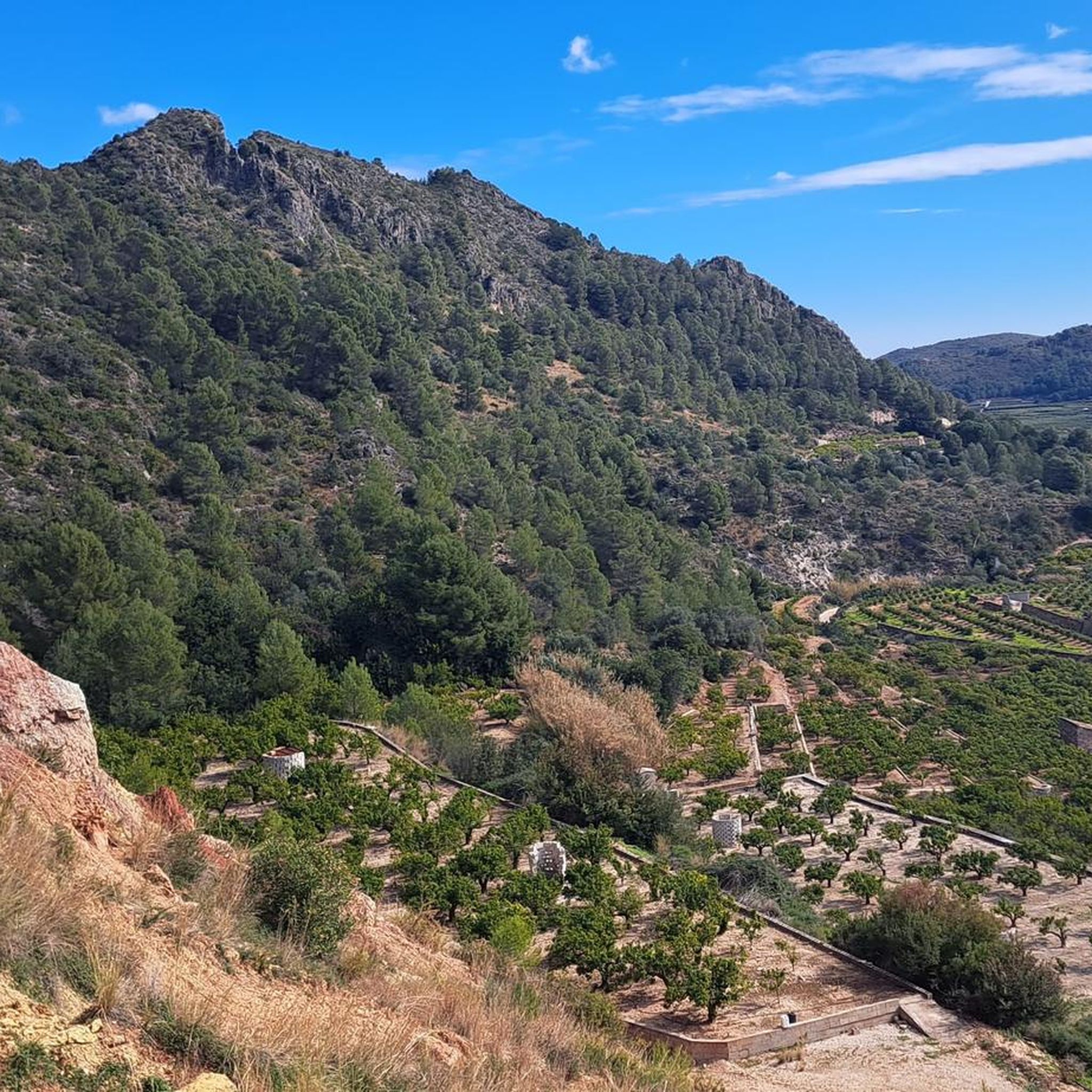
An approximately 1 km long area within the Sierra Segaria, which contains various caves - the Cova Fosca is of course the largest, most famous, and most spectacular!
1
0

About halfway up the narrow road toward Petracos, there's a path leading to one of the Costa Blanca’s hidden gems: the prehistoric rock paintings of Les Coves de Pintures Rupestres de la Sarga de Petracos. These sacred cave sites are over 6,000 years old and are recognised as UNESCO World Heritage. The paintings are protected behind fences but still visible — abstract symbols, anthropomorphic figures, and mysterious shapes left by early Iberian cultures. It’s absolutely worth a stop for a moment of silence and awe — but be warned: the trail isn’t cycling-shoe friendly. You’ll either need cleat covers or the willingness to carry your bike over rocky steps for a short hike. 😅 A unique mix of nature, history, and quiet that most riders simply roll past.
2
0

The start of the climb is demanding and gradually becomes easier. A rocky climb with ruts. A slight descent on stones, an accessible path and a descent on a well-paved road.
1
0

Short video about my hikes around this area could be found under the following links: https://www.youtube.com/watch?v=O44Xq6hudm8 https://www.youtube.com/watch?v=GWr6CrRNXL8 https://www.youtube.com/watch?v=v44NMToT9tA
1
0
Short video about sunrise taken from COVA FOSCA could be found under the following link:https://www.youtube.com/watch?v=GWr6CrRNXL8
1
0

Medium difficulty is an understatement! We are in good shape and really fit, but this tour was difficult. Partly there were no paths, it was more of a climbing tour on the mountainside. Good shoes and a head for heights are a must!
3
1


Even if the highway noise is annoying, it's beautiful. If you're lucky you'll see bats.
1
1
Frequently Asked Questions
What are some of the most unique caves to explore near Oliva?
Beyond the well-known spots, consider visiting Forat de la Juvea, a natural hole through the mountain with a spectacular entrance and a seasonal 30-meter waterfall. Another unique option is the Cova Tallada, a sea cave located within the Montgó Natural Park that historically served as a sandstone quarry. It's accessible by hiking or kayaking and offers a blend of natural beauty and historical intrigue.
Are there any caves near Oliva with significant historical or archaeological importance?
Yes, the region is rich in history. The Cave of the Skulls (Cueva de las Calaveras) in Benidoleig is known for its archaeological findings, including evidence of Neanderthal and Homo Sapiens habitation over 100,000 years ago, and served as a sanctuary during the Iberian-Roman period. Additionally, the Camino de Petracos features prehistoric rock paintings, recognized as UNESCO World Heritage, dating back over 6,000 years.
Which caves are suitable for families with children?
The Cave of the Skulls is an excellent choice for families, offering an accessible and engaging journey through history and geology with amenities like a playground. The Cueva del Rull also provides a family-friendly experience with guided tours through its stunning formations. For a smaller, more tranquil visit, the Cova de la Verge is easily reachable on foot, even with children.
What kind of natural formations can I expect to see in the caves around Oliva?
The caves in the Marina Alta region showcase diverse geological features. The Cueva del Rull is renowned for its intricate stalactites and stalagmites. The Cave of the Skulls impresses with towering ceilings, magnificent stalactites, stalagmites, and domes up to 20 meters high. The Cova Tallada, a sea cave, features five openings allowing seawater and light to create a natural pool at its base, alongside unique rock formations shaped by the sea.
Are there any challenging caves for experienced explorers?
For those seeking a more challenging experience, the Dark Cave (Cova Fosca) is of great geological importance and is a site for caving and abseiling. It's recommended to go with guides who have the necessary safety equipment due to its demanding nature and climbing sections.
What outdoor activities can I do near these caves?
The area around Oliva offers a variety of outdoor activities. You can find numerous cycling routes, including touring, mountain biking, and road cycling. For example, explore routes like the 'Mouth of the Molinell River – Dénia to Gandía Greenway loop' for touring, or 'Forna Church – Castell de Forna loop' for mountain biking. You can find more details on these and other routes in the Cycling around Oliva, MTB Trails around Oliva, and Road Cycling Routes around Oliva guides.
Do I need to make reservations or obtain permits to visit any of the caves?
For the Cova Tallada, advance reservations are mandatory during specific periods: March 28 to April 13, April 28 to May 5, and June 15 to October 15. For other publicly accessible caves like Cueva del Rull and Cave of the Skulls, it's advisable to check their official websites for current entry requirements and operating hours.
What is the best time of year to visit the caves near Oliva?
Many caves, such as the Cave of the Skulls, maintain a cool temperature year-round, making them ideal for visiting even in summer. However, for sea caves like Cova Tallada, access can be challenging due to varying sea conditions, so checking local weather and sea forecasts is recommended. Generally, spring and autumn offer pleasant temperatures for exploring both the caves and surrounding outdoor areas.
Are there any caves that are accessible for visitors with mobility challenges or wheelchairs?
The Cave of the Skulls is noted for being an accessible site, providing an engaging experience for all visitors, which typically includes considerations for accessibility. The Cueva del Rull also offers a well-maintained path for exploration. It's always best to contact the specific cave attraction directly to confirm their current accessibility features and any limitations.
Can I bring my dog to any of the caves or nearby trails?
While specific cave interiors often have restrictions on pets for safety and preservation, many surrounding natural parks and trails are dog-friendly. For instance, the Montgó Natural Park, where Cova Tallada is located, generally allows dogs on trails, though they may need to be leashed. Always check individual cave regulations and park rules regarding pets before your visit.
What should I wear when exploring caves in this region?
Comfortable, sturdy footwear with good grip is essential, especially for caves with uneven or slippery terrain like Cova Tallada or the more challenging Dark Cave. Even in summer, cave interiors can be cool, so a light jacket or long-sleeved top is advisable. For sea caves or those requiring more extensive exploration, consider clothing that can get wet or dirty, and bring a flashlight or headlamp.
Where can I find refreshments or accommodation near the caves?
Many popular caves, such as the Cave of the Skulls, have on-site facilities including cafeterias. The towns and villages surrounding the caves, such as Benidoleig, La Vall d'Ebo, and Oliva itself, offer a range of cafes, restaurants, and accommodation options from hotels to rural guesthouses. It's recommended to plan your visit and check local listings for dining and lodging.
Most popular attractions around Oliva

Get inspired with the komoot mobile app


Explore more
Extend your search for the best caves by checking out these guides of the top ones around Oliva:
