Top 6 Lakes around San Sebastián De La Gomera
Best lakes around San Sebastián De La Gomera are primarily reservoirs and natural swimming pools, as the island does not feature natural lakes in the traditional sense. San Sebastián De La Gomera, the capital of La Gomera, is known for its coastal beaches and serves as a gateway to the island's diverse landscapes. The region's water features include man-made reservoirs for water management and natural pools formed by volcanic rock. These areas offer opportunities for hiking and experiencing the island's…
Last updated: May 7, 2026
La Laja Reservoir and Roque de Ojila
Highlight • Lake
Translated by Google •
Tip by

Chejelipes Reservoir
Highlight • Lake
Translated by Google •
Tip by

Sign up now to discover places like this
Get recommendations on the best single tracks, peaks, & plenty of other exciting outdoor places.
Sign up for free
La Encantadora Reservoir
Highlight • Lake
A path leads over the dam wall, ideal for great photos 👍
Translated by Google •
Tip by

La Laguna Grande, Garajonay National Park
Highlight • Forest
Translated by Google •
Tip by

La Encantadora Reservoir
Highlight • Lake
Translated by Google •
Tip by
Sign up for free to discover even more lakes around San Sebastián De La Gomera.
Sign up for free
Already have an account?
Start today with a free account
Your next adventure awaits.
Login or Signup
Popular around San Sebastián De La Gomera
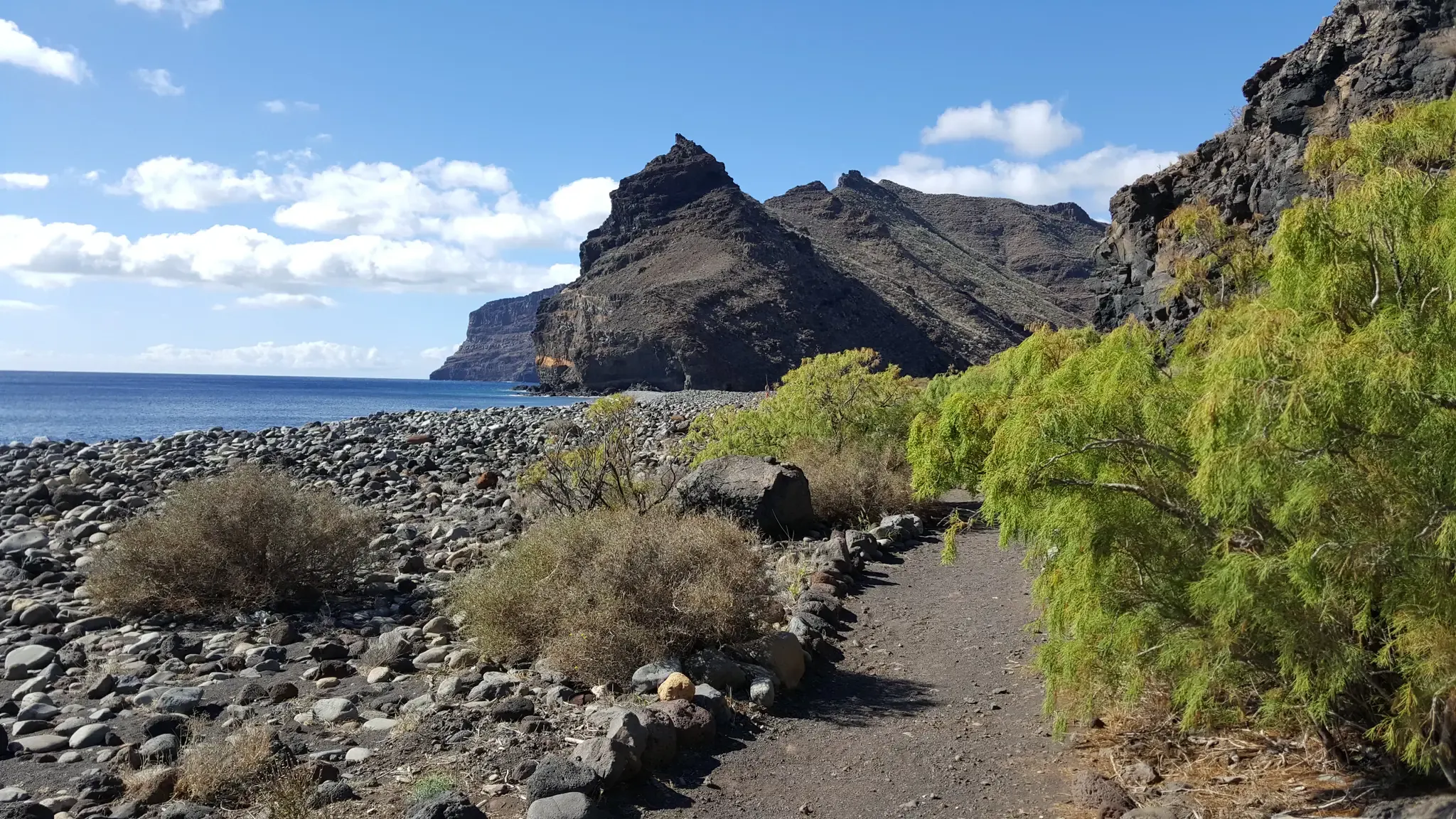
GR 132 – Up and down on an island loop of La Gomera
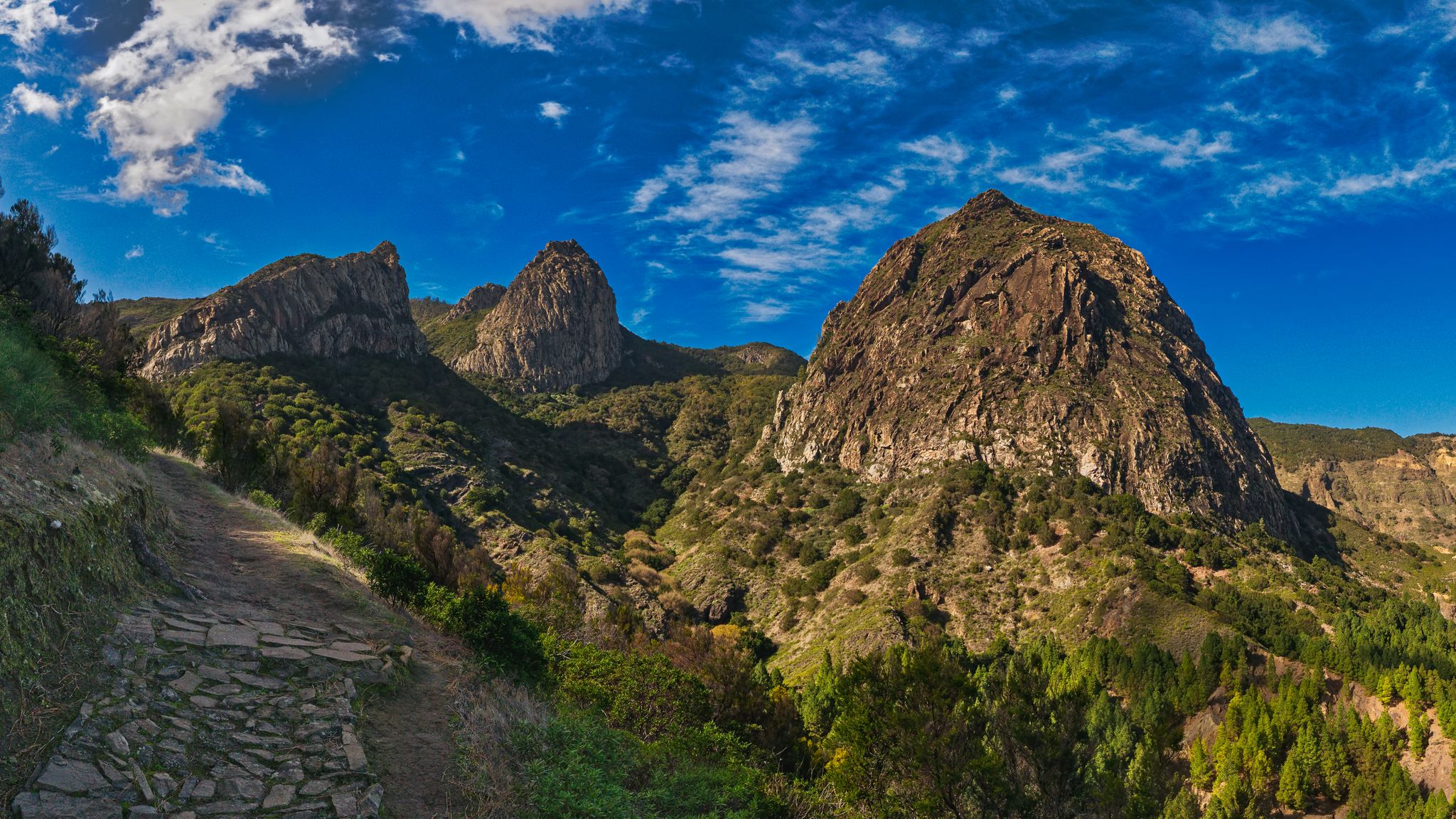
The magical island – Cumbres de La Gomera Natural Trail (GR 131)
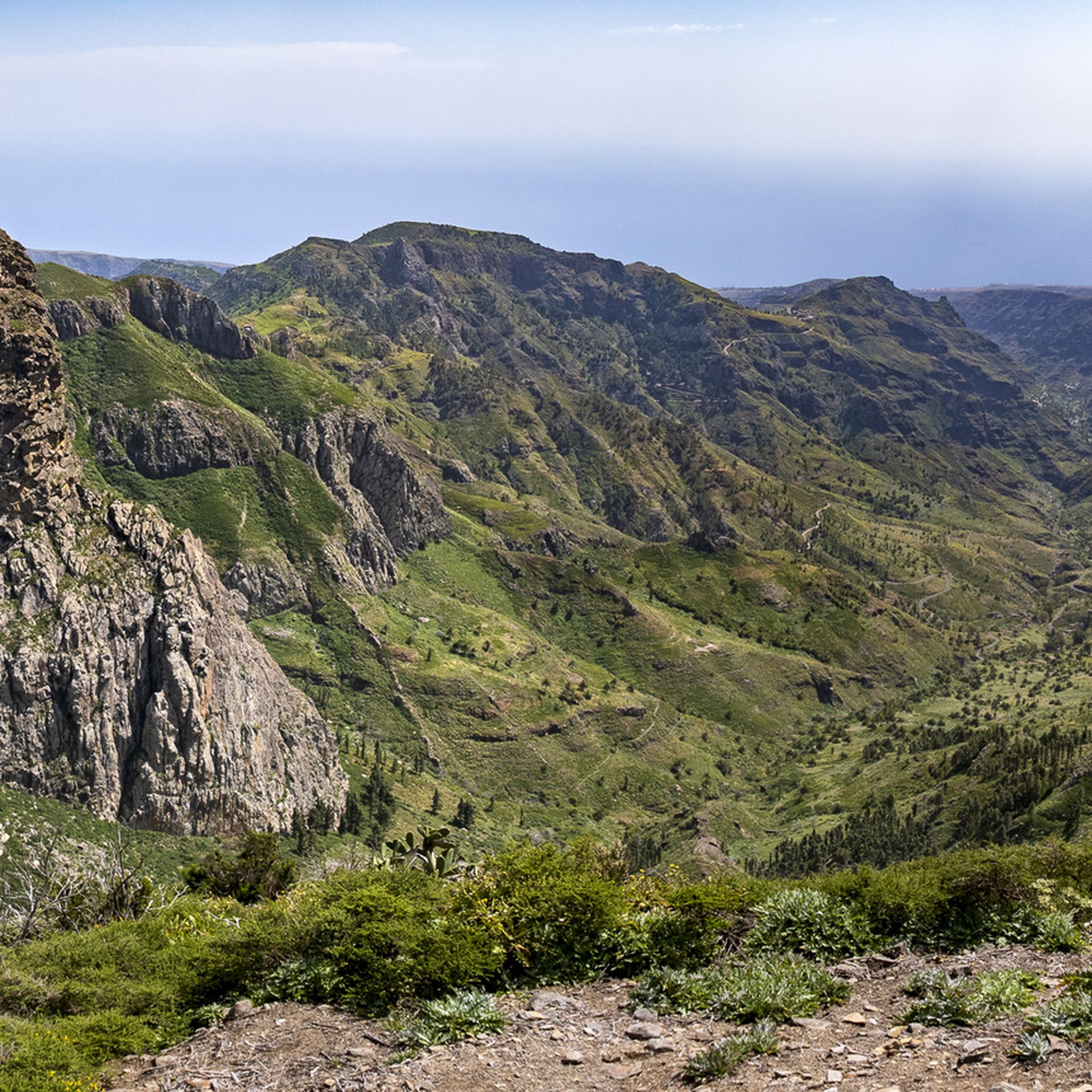
Hiking around San Sebastián De La Gomera
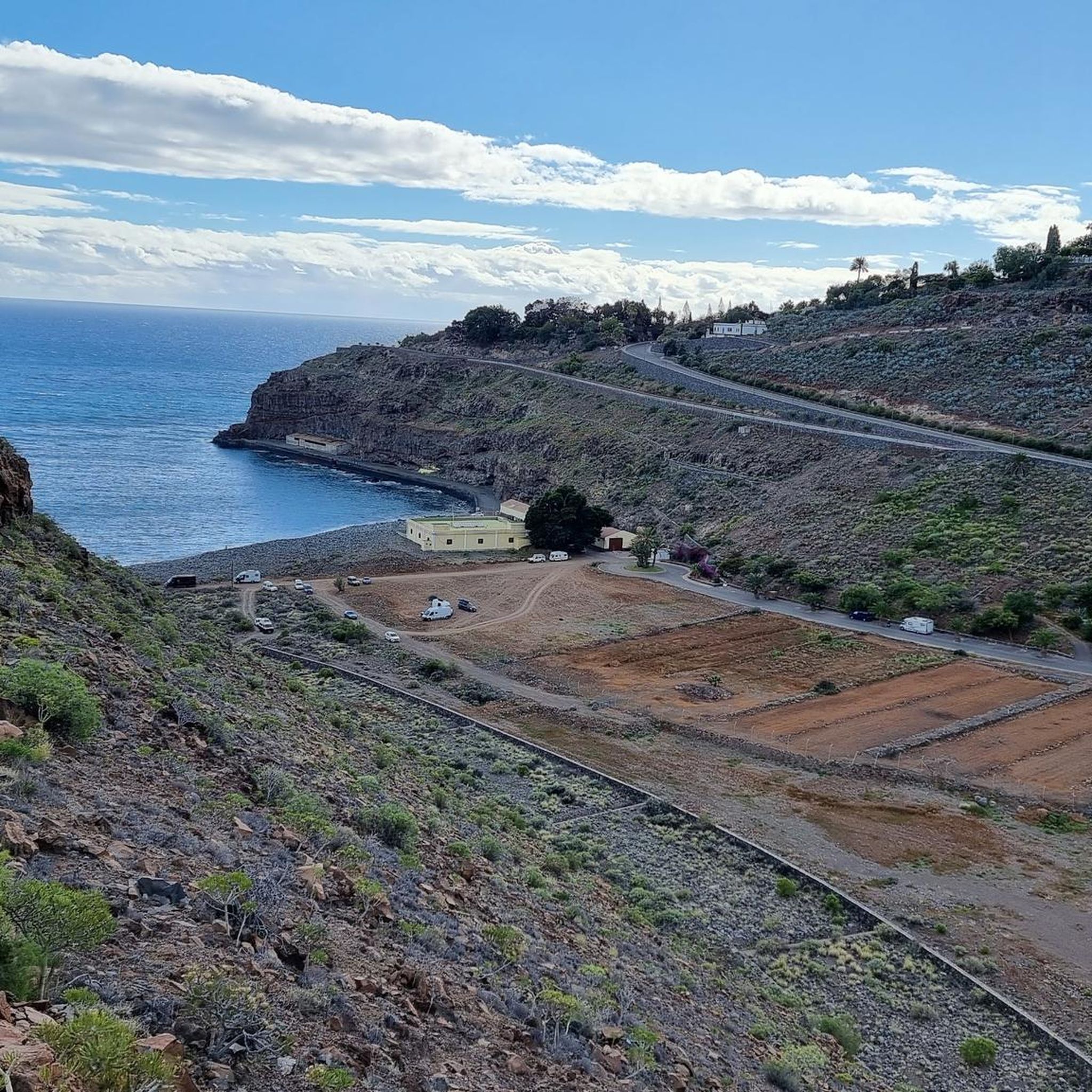
Road Cycling Routes around San Sebastián De La Gomera
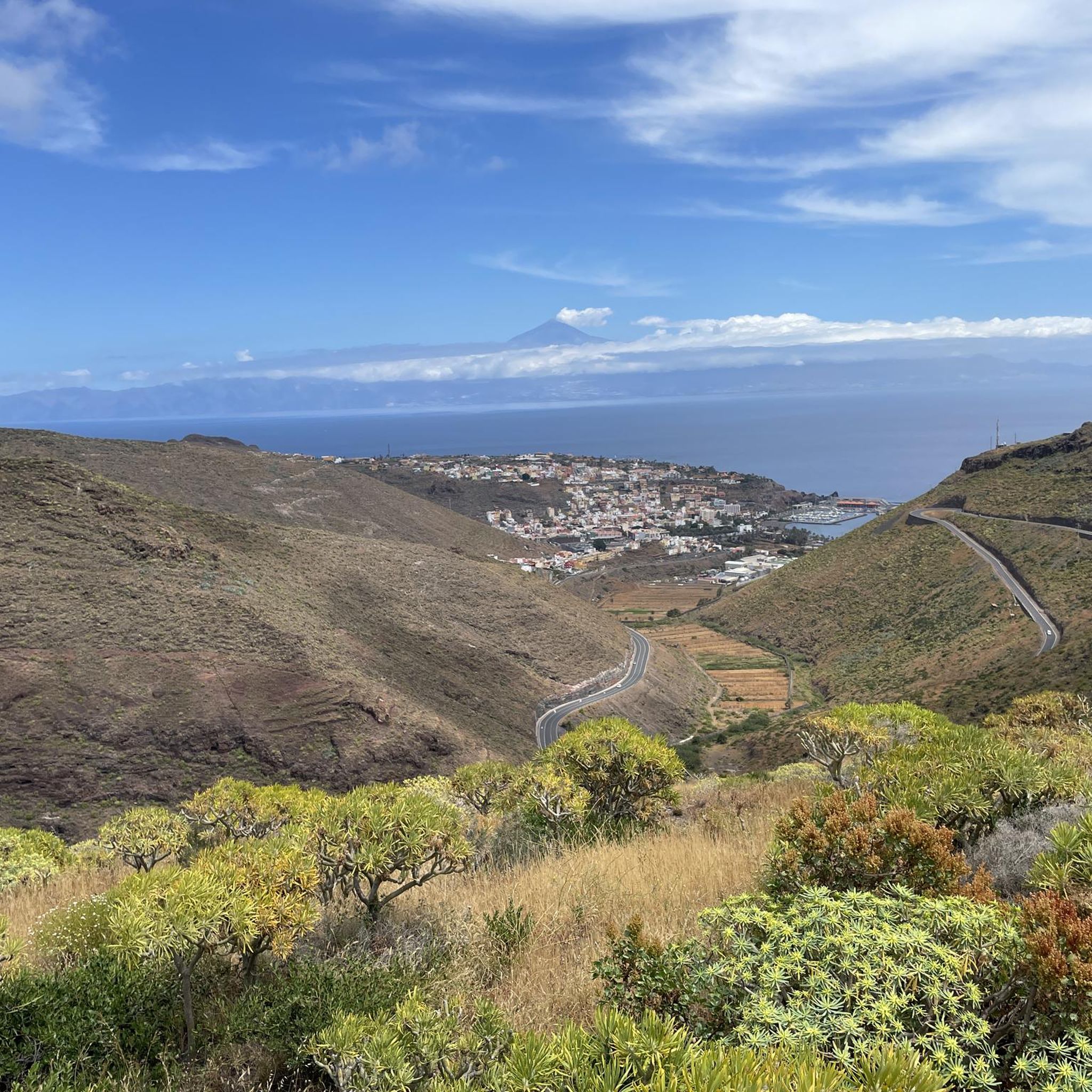
Running Trails around San Sebastián De La Gomera
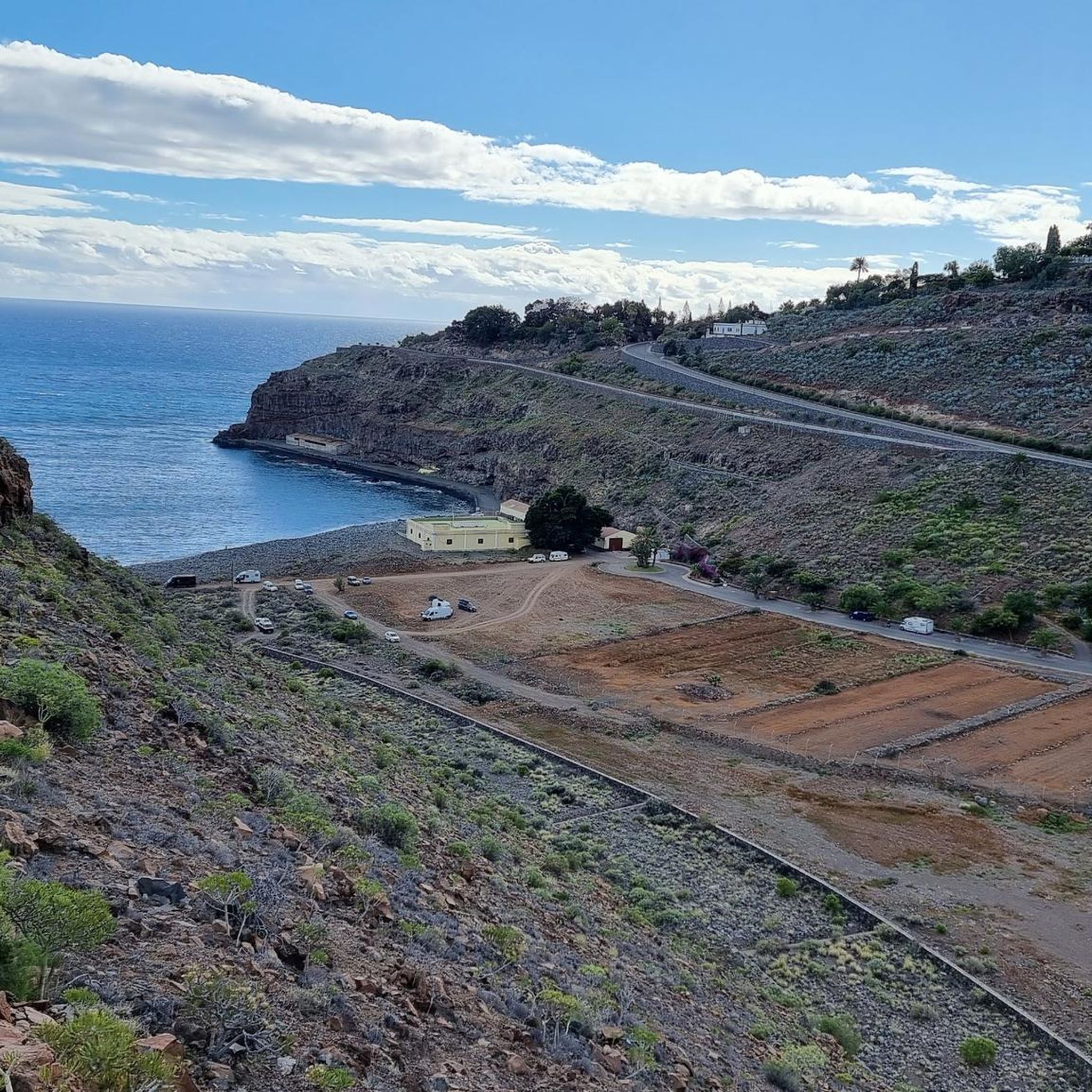
Cycling around San Sebastián De La Gomera
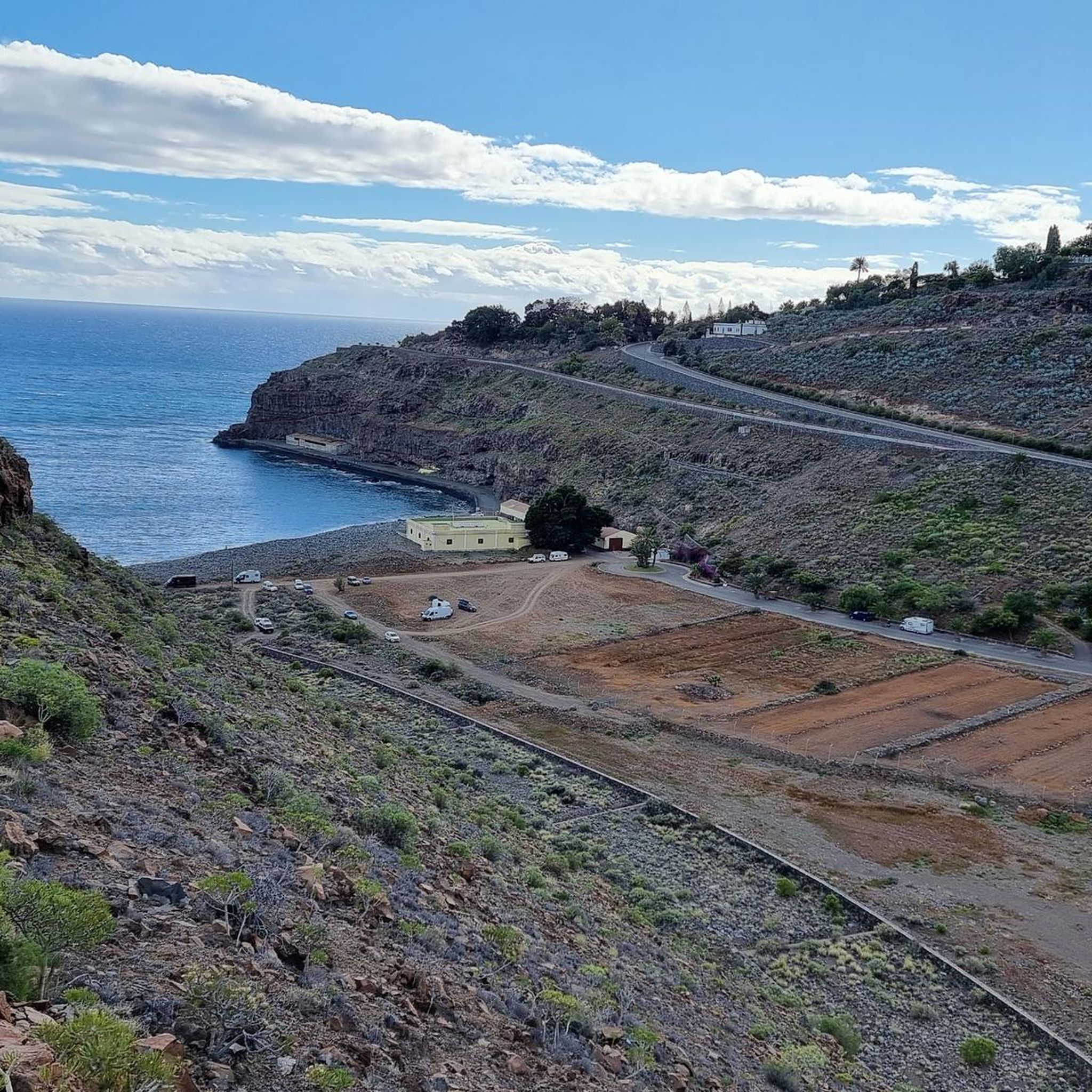
MTB Trails around San Sebastián De La Gomera
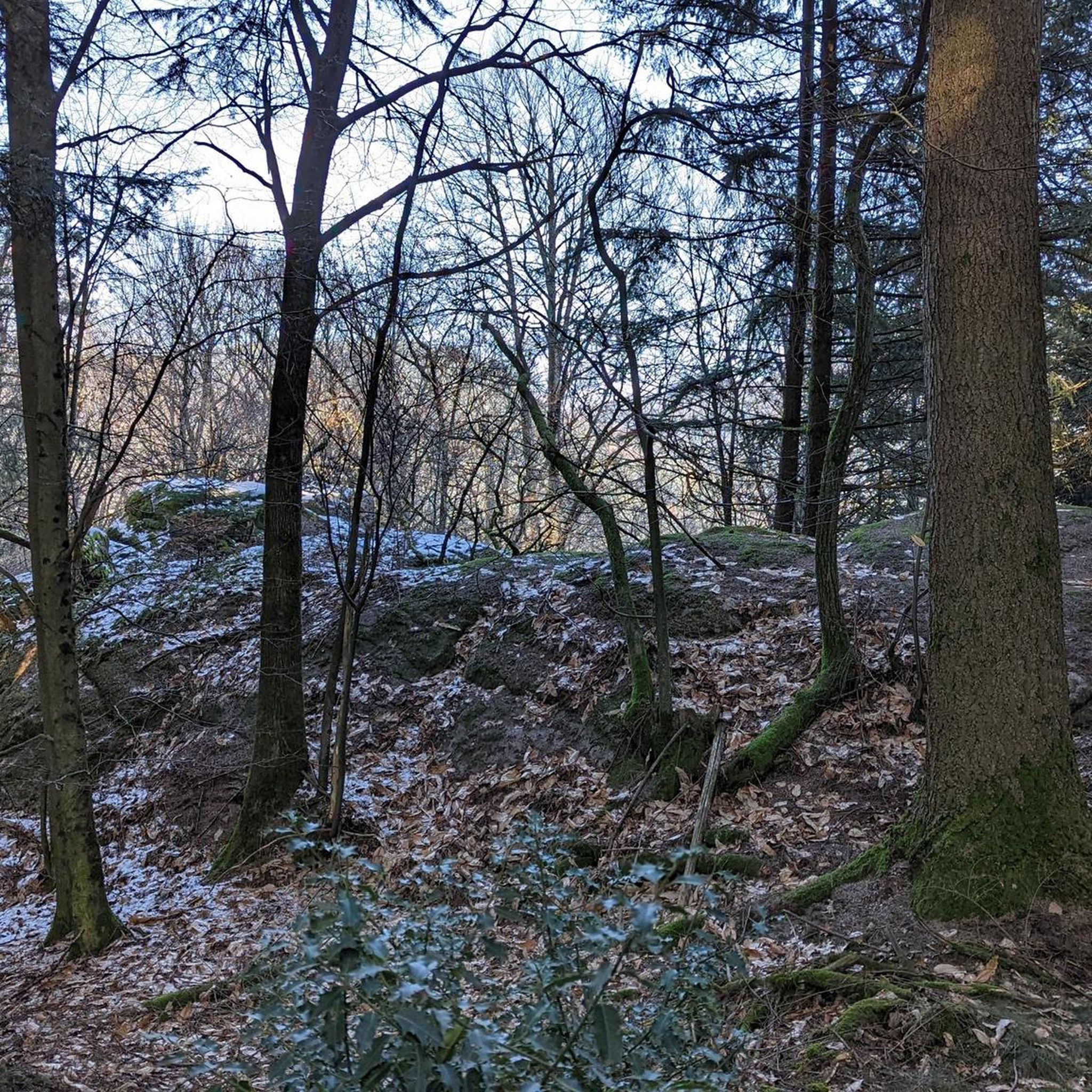
Mountain Hikes around San Sebastián De La Gomera
Other adventures around San Sebastián De La Gomera


Tips from the Community

Laguna Grande is probably one of the best starting points on all of La Gomera to explore the upper part of the island by bike. Many people arrive here by van or car precisely to start their routes from this point and avoid some of the toughest climbs from the coast. From the recreational area, you can easily link up with routes towards San Sebastián, Valle Gran Rey, Alajeró, or the entire central ridge across the humid forest. The advantage is enormous: you start already at over 1,200 meters altitude, within the laurisilva, surrounded by practically traffic-free tracks and roads. This allows you to enjoy the long, scenic descents and high mountain routes much more without draining all the battery or your legs on endless ascents from sea level. Of course, the climate here changes radically compared to the coast. Fog is very common almost all year round and humidity is constantly present, even when it's sunny down below. It is essential to bring a good rain jacket, a serious windbreaker, and some light thermal clothing, because the feeling of cold increases considerably when you enter the more humid areas of the forest. It is also advisable to bring lights or reflective elements if you are going to ride for many hours in fog and shade. For e-bike tours, Laguna Grande is simply a spectacular base.
0
0
The Laguna Grande Recreational Area is one of the most important and visited points in the interior of La Gomera. It is located in the high zone of the island, within the Garajonay National Park, at an altitude of over 1,200 meters and surrounded by the famous laurisilva forest, considered a UNESCO World Heritage site. More than just a picnic area, Laguna Grande functions as a meeting point for hikers, cyclists, and visitors exploring the island's humid heart. Several well-known routes begin here, and it is also one of the best places to stop to rest, eat, or simply contemplate the forest amidst the fog. The climatic difference compared to the coast is enormous: while it can be hot and sunny below, here it is common to find humidity, cold, fine rain, and fog even in summer. The place also has a significant symbolic and popular charge in La Gomera. There are ancient legends related to witches and nocturnal gatherings in the central clearing of the forest, stories that are still part of the local imagination and fit perfectly with the mysterious atmosphere of the place when the fog rolls in among the trees. Today, it is one of the great nerve centers of Garajonay and a practically essential stop to understand the landscape, climate, and the more humid and green personality of La Gomera.
0
0

The name is incorrect, it should be "Embalse de la Laja". Please correct it, thank you.
0
0

"I'd like to add that the La Laja-Bailadero section is only suitable for experienced hikers, as it's very technical and vertigo-inducing!" We could have used that tip too. We attempted the hike in September 2024 and had to turn back at a point where we lost the trail and it was slippery and steep on both sides. We then hiked back the three-quarters of the way we had already completed. I didn't feel safe there in my Lowa hiking boots (slippery soles). The hike up to that point was beautiful! Red soil, pine forest, stunning scenery.
1
0

I'd like to add that the La Laja-Bailadero section is only suitable for experienced hikers, as it is very technical and vertigo-inducing! We can only confirm this. There were two experienced hikers ahead of us who also abandoned the tour halfway through. The four of us then tackled the descent to La Laja. It's a shame that we had to abort the last few meters for safety reasons and unfortunately couldn't finish the tour. We arranged a taxi to our starting point. Cost: approximately €60.
2
1
I would add that the La Laja-Bailadero passage is only for experienced hikers because it is very technical and dizzying!
2
0

The ascent is a climbing tour, difficult to find the way. Without the stone pyramid we would have been lost, as we did not believe we had to go up there. A head for heights is essential. The path is more of an alpine route from La Laja up to the Mirador de El Bailadero.
5
0

The reservoir itself is not necessarily worth a visit, but the landscape around it is even more so
1
0
Frequently Asked Questions
What kind of water features can I expect around San Sebastián De La Gomera?
San Sebastián De La Gomera is known for its unique natural pools, locally called 'charcos,' formed by volcanic rock along the coastline, and several man-made reservoirs. Traditional freshwater lakes are not a prominent feature of the island. These natural pools offer distinctive swimming experiences, while the reservoirs are important for water management and provide scenic views.
Are there any family-friendly water features for swimming?
Yes, for families, the natural pools are an excellent choice. While located in Valle Gran Rey, Charco del Conde is highly recommended. At high tide, it forms a pleasant lake-like area suitable for all ages, and as the tide recedes, smaller children can enjoy a shallower, protected pool with a sandy area for sunbathing. For a reservoir experience, La Encantadora Reservoir is considered family-friendly and features a path over its dam wall and a picnic area.
What are the most notable natural pools near San Sebastián De La Gomera?
Within San Sebastián De La Gomera itself, Charco de la Condesa is a notable natural pool where dark volcanic rock meets the Atlantic, offering a striking setting for swimming. Although a bit further, Charco del Conde in Valle Gran Rey is considered the most popular natural pool on La Gomera, known for its calm, protected waters ideal for swimming and snorkeling.
Are there challenging hiking opportunities near any of these water bodies?
Yes, for experienced hikers, the area around La Laja Reservoir and Roque de Ojila offers demanding terrain. The ascent from La Laja up to the Mirador de El Bailadero is described as a technical and dizzying alpine route, requiring a head for heights and significant experience. It's not for the faint of heart, with some visitors opting to turn back due to its difficulty.
Can I find any historical water features in the region?
The Chejelipes Reservoir holds historical and functional importance in the island's water management. It is part of a series of dams built since the early 20th century. The retaining walls are often passable, offering spectacular views of the surrounding hamlet and nature, blending functionality with natural beauty.
What outdoor activities can I do near the reservoirs and natural pools?
Beyond enjoying the water features themselves, the areas around these reservoirs and natural pools are excellent for outdoor activities. You can find various hiking trails, including challenging mountaineering routes like those around Roque Argando, which you can explore further in the Mountain Hikes around San Sebastián De La Gomera guide. Cycling is also popular, with routes like the Chejelipes Reservoir loop available, detailed in the Cycling around San Sebastián De La Gomera guide.
When is the best time to visit the lakes and natural pools in La Gomera?
La Gomera enjoys a mild climate year-round, making it suitable for visiting the natural pools and reservoirs at any time. For swimming in the natural pools, warmer months (late spring to early autumn) are ideal. For hiking around the reservoirs, the cooler, drier months from autumn to spring offer comfortable temperatures. After rainy winters, the reservoirs are often full, presenting a more impressive sight.
Are there places to eat or relax near these water features?
Yes, some locations offer amenities for relaxation. La Encantadora Reservoir, for instance, has a great picnic area with barbecue facilities, making it ideal for a break. While specific cafes directly adjacent to all water features are not common, San Sebastián De La Gomera and nearby hamlets offer dining options.
What should I know about accessibility and public transport to these locations?
Access to the natural pools and reservoirs often involves driving, and parking availability can vary. While some natural pools like Charco de la Condesa are within San Sebastián, others like Charco del Conde require travel to different municipalities. Public transport on La Gomera is available but may not reach all specific water features directly, so checking local bus schedules or considering a rental car is advisable for broader exploration.
What do visitors enjoy most about the reservoirs around San Sebastián De La Gomera?
Visitors appreciate the serene and idyllic settings of the reservoirs. Many enjoy the opportunity for great photos, especially from paths over dam walls like at La Encantadora Reservoir. The spectacular views of the surrounding nature and hamlets, as seen from places like Chejelipes Reservoir, are also highly valued.
Are there any specific safety considerations for swimming in the natural pools?
When visiting natural pools, it's important to be aware of tide conditions. While these pools are generally protected, water levels and currents can change. Always exercise caution, especially with children, and be mindful of slippery volcanic rock. Charco del Conde, for example, is known for its calm, protected waters, but understanding the tide can enhance your experience.
Most popular routes around San Sebastián De La Gomera
Most popular attractions around San Sebastián De La Gomera

Get inspired with the komoot mobile app


Explore more
Still not found your perfect lake around San Sebastián De La Gomera? Check out the guides of these regions to see even more beautiful places.
