Top 4 Castles around Salvaterra De Miño
Best castles around Salvaterra De Miño are situated in a region known for its strategic location along the Miño River, bordering Portugal. This area features historical fortifications that reflect centuries of military importance and cultural exchange. The landscape offers views of the river and the neighboring country, providing a backdrop for exploring ancient structures. Salvaterra De Miño itself is home to a significant fortress, which now includes cultural spaces like a Wine Science Museum.
Best castles around Salvaterra De Miño
- The most popular castles is Fortress of Valença, a historical site that rises atop a hill, dominating the landscape. This masterful example of military architecture features star-shaped walls stretching for an impressive 5.5 kilometers.
- Another must-see spot is Portico of the Church of Santa María de la Asunción, Baiona, a religious building that began construction in 1120. Its structure is Romanesque, with later Gothic additions, and it features crenellated towers giving it the appearance of a fortification.
- Visitors also love Lapela Tower, a historical site that is all that remains of a small fortress built around 1130. This impressive medieval tower is open to the public for tours.
- Salvaterra De Miño is known for its historical sites, castles, and fortified structures. The area offers a variety of architectural styles, from ancient Romanesque foundations to 17th-century military renovations, providing diverse historical exploration opportunities.
- The castles around Salvaterra De Miño are appreciated by the komoot community, with over 330 upvotes and more than 310 photos shared by visitors.
Last updated: July 18, 2026
Fortress of Valença
Highlight • Historical Site
Built in the 17th century on the ruins of an ancient 13th-century castle, the fortress is a masterful example of military architecture of the period, with its star-shaped walls stretching for an impressive 5.5 kilometers.
Upon entering, one immediately senses the strength and grandeur of Valença, one of the oldest towns in Portugal.
Translated by Google •
Tip by

Portico of the Church of Santa María de la Asunción, Baiona
Highlight • Religious Site
It began to be built in 1120, although it would not be consecrated until 1225, already in the time of King Alfonso IX. It has the appearance of a fortification, especially due to its crenellated towers.
Translated by Google •
Tip by

Sign up now to discover places like this
Get recommendations on the best single tracks, peaks, & plenty of other exciting outdoor places.
Sign up for free
Lapela Tower
Highlight • Historical Site
Tip by

Salvaterra de Miño Fortress
Highlight • Castle
Very few years ago, the only way to cross the river and go to the neighboring country was by using the ferry that joined the two banks aided by a large metallic cable that made sure that the barge was not dragged by the waters of the river. The docks and the old border customs are still preserved.
A Good Reference:
galiciamaxica.eu/galicia/pontevedra/comarca-do-condado/salvaterra-do-mino/fortaleza-de-salvaterra
Tip by
Castillo de Sobroso
Highlight • Castle
The castle tour can be done in an an hour or so. Check hours, they do siesta here...
Tip by
Sign up for free to discover even more castles around Salvaterra De Miño.
Sign up for free
Already have an account?
Start today with a free account
Your next adventure awaits.
Login or Signup
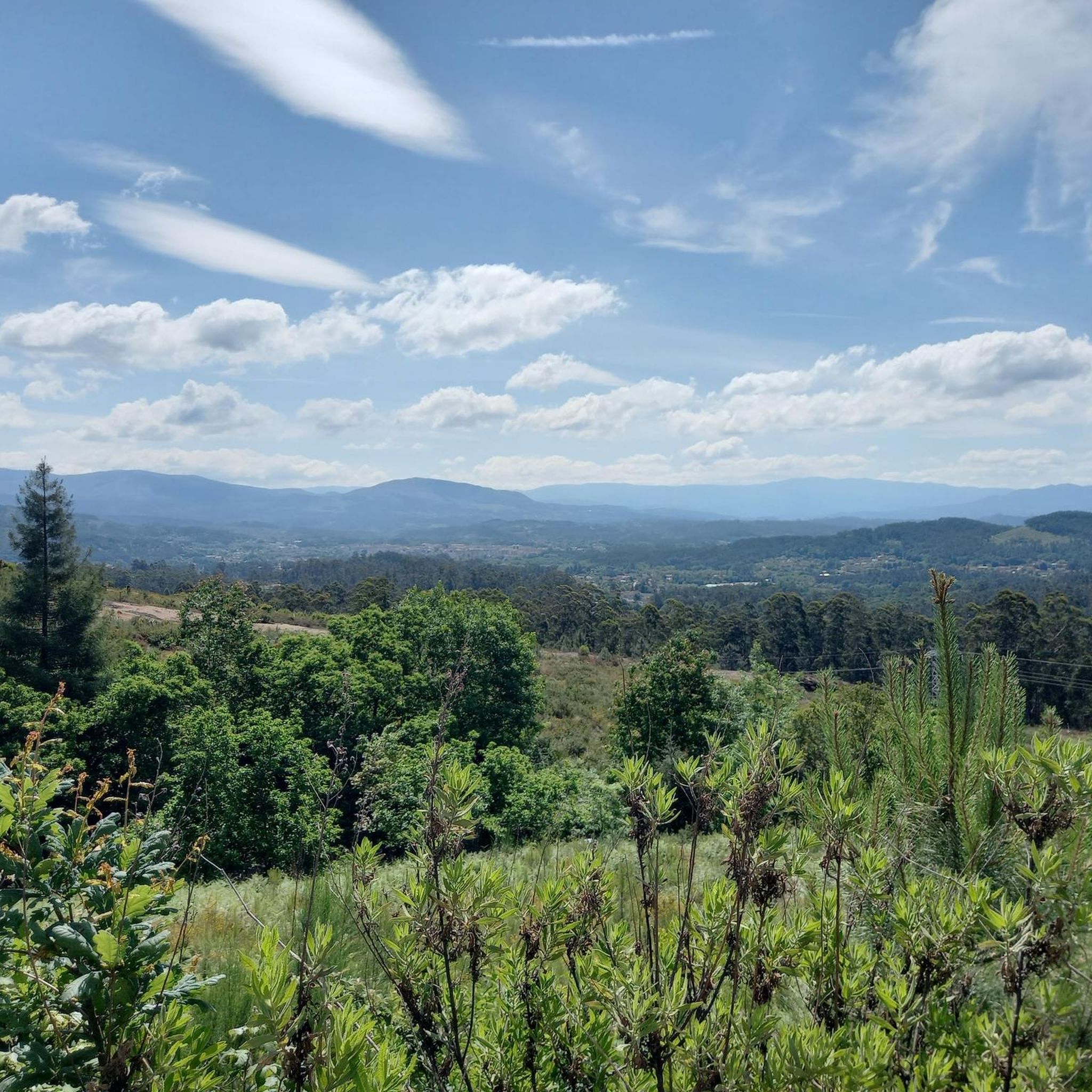
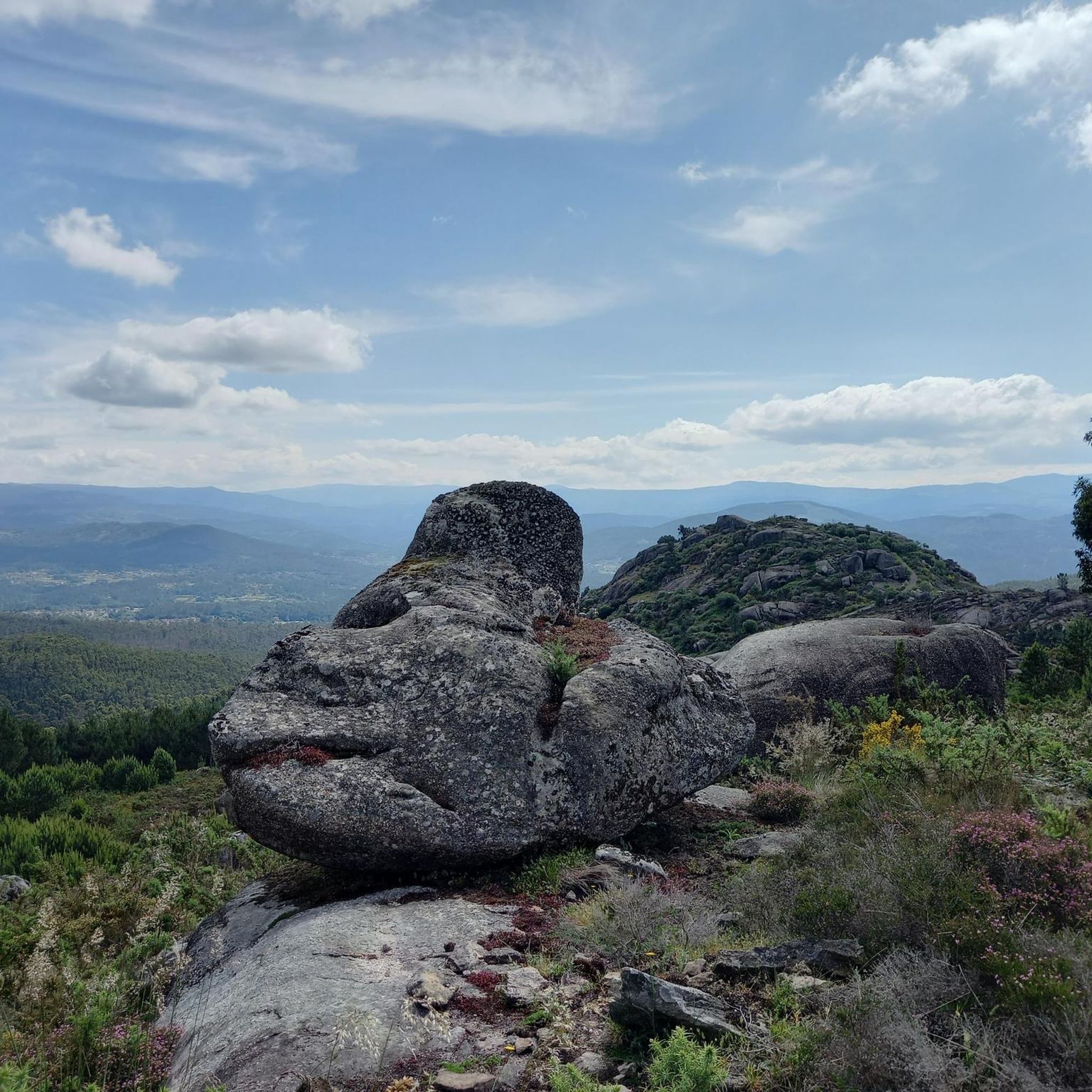
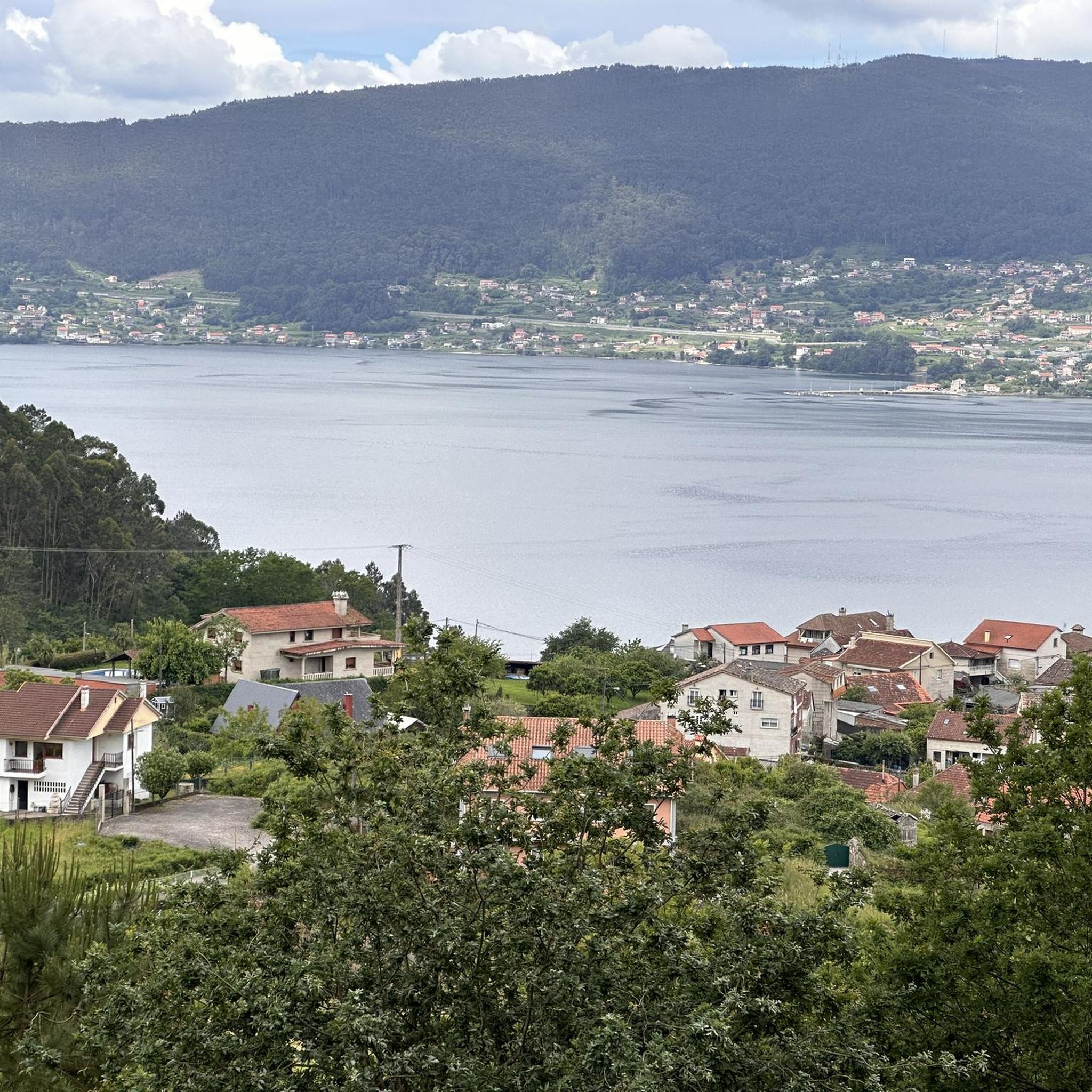
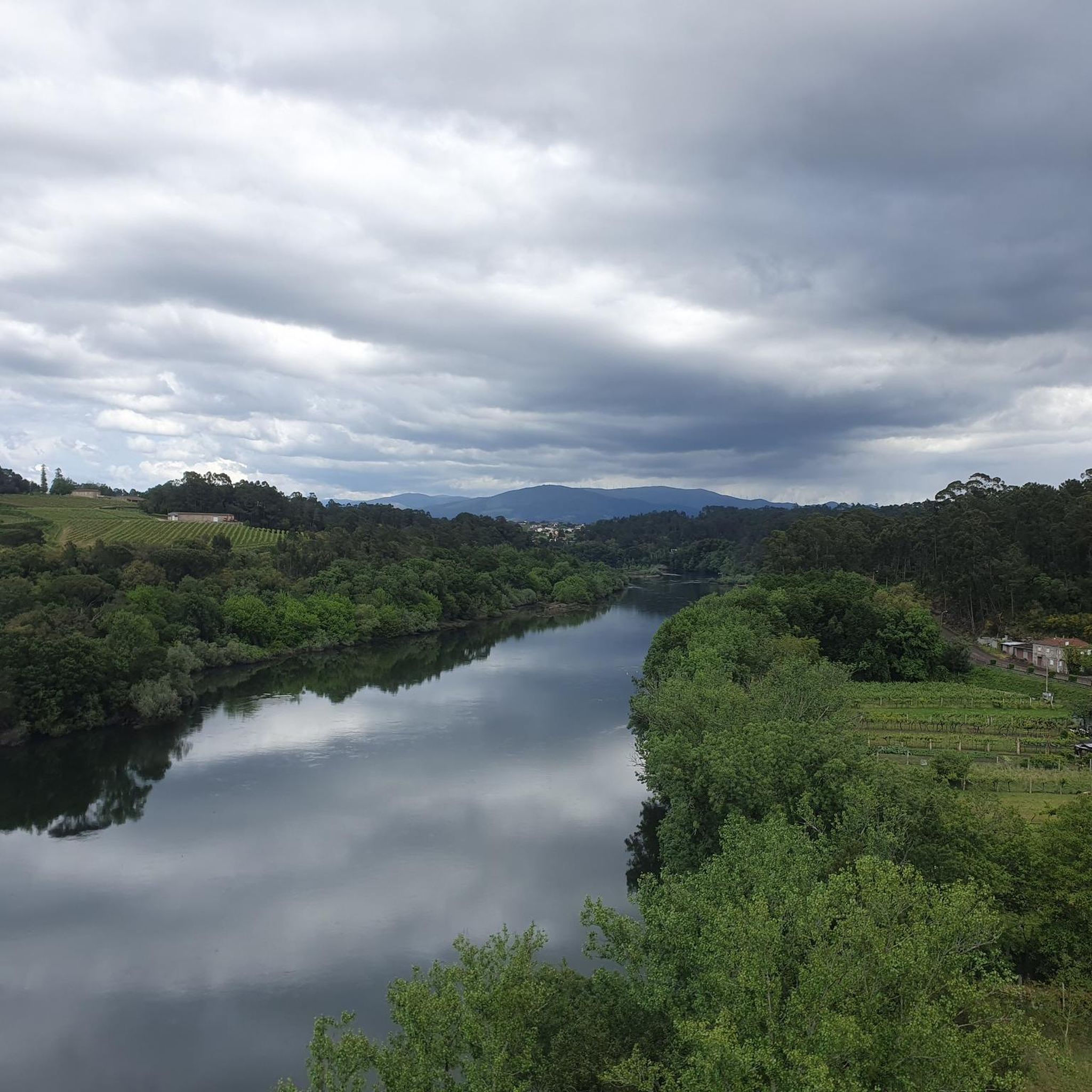

Tips from the Community

Valença Fortress, also known as Praça-forte de Valença do Minho, is an imposing jewel of Portuguese military architecture with over eight centuries of history. Its origins date back to the 13th century, when King Sancho I and later Afonso III fortified it to protect the border with Galicia. During the Restoration War (17th–18th centuries), it was transformed into a Vauban-style fortress under the engineer Miguel de l’École and the architect Manuel Pinto de Vilalobos, being completed in 1713. The fortress withstood attacks during the Restoration, was captured and recaptured several times, and was also defended during the Napoleonic Wars and the Liberal Wars.
4
0

The imposing Valença Fortress rises atop a hill, dominating the landscape and leaving an unforgettable impression on those who arrive. More than a symbol, it is the soul of the city, preserving centuries of history within its walls. Built in the 17th century on the ruins of an ancient 13th-century castle, the fortress is a masterful example of military architecture of the period, with its star-shaped walls stretching for an impressive 5.5 kilometers. Upon entering, one immediately senses the strength and grandeur of Valença, one of the oldest towns in Portugal.
2
0

Superbly preserved and well-maintained star-shaped fortress
5
1

The well-preserved star fortress of Valença dominates the Minho valley from an elevated position and offers wide views in all directions.
4
1

The Romanesque Cathedral of Santa María with Gothic influences is a fortress-like cathedral that was begun in 1120 but not consecrated until 1225. Its cloister (13th century) is worth mentioning, the only complete medieval cloister that has been preserved in a cathedral in Galicia, and the Santiago Chapel inside the church. The interior can be visited for €3, and you can get your pilgrim stamp at the ticket office.
4
1

Incredibly well preserved 11th century defensive castle in the mountains above Tui and the Miño valley.
0
0

Pretty old town within imposing fortress walls
3
1
Frequently Asked Questions
What is the historical significance of the Fortress-Castle of Salvaterra de Miño?
The Salvaterra de Miño Fortress is a symbol of the town, with its origins dating back to the 10th or 11th century. It played a crucial role in various conflicts, including the Portuguese War of Restoration, and was substantially remodeled in the 17th century. Figures like Queen Urraca I and Pedro Madruga are linked to its history, making it a significant historical site.
What architectural features can I explore at the Salvaterra de Miño Fortress?
The fortress complex spans 9,700 square meters and includes a walled enclosure with sentry boxes, the Casa del Conde (Count's House), and the Pazo de Doña Urraca. Inside the Pazo, you can find the Doña Urraca Caves with their 12th-century spiral staircase. The Baroque Chapel of the Virgen de la Oliva, built in the 17th century, is also integrated into the castle walls.
Are there any museums or cultural attractions within the Salvaterra de Miño Fortress?
Yes, the Pazo de Doña Urraca within the Salvaterra de Miño Fortress now houses the Wine Science Museum. This museum offers an interactive and educational experience focused on the local wines, such as Albariño.
Which castles offer the best views of the Miño River and the border with Portugal?
The Salvaterra de Miño Fortress is strategically situated on a promontory overlooking the Miño River, offering beautiful views of the river and the border with Portugal. Similarly, the Fortress of Valença dominates the Minho valley from an elevated position, providing wide views in all directions.
Are there family-friendly castles to visit in the Salvaterra de Miño area?
Yes, several castles in the area are considered family-friendly. The Fortress of Valença, Lapela Tower, and the Salvaterra de Miño Fortress are all categorized as family-friendly, offering engaging historical exploration for all ages.
What is unique about the <a href="https://www.komoot.com/highlight/3696909" target="_blank" rel="noopener">Fortress of Valença</a>?
The Fortress of Valença is a masterful example of 17th-century military architecture, built on the ruins of a 13th-century castle. Its most striking feature is its star-shaped walls, which stretch for an impressive 5.5 kilometers, making it a significant historical site in the region.
Can I visit the <a href="https://www.komoot.com/highlight/3908879" target="_blank" rel="noopener">Lapela Tower</a>, and what is its history?
Yes, the Lapela Tower is open to the public for tours. It is all that remains of a small fortress built around 1130 by D. Afonso Henriques. Most of the original fortress was deconstructed in the early 18th century, with its stone used for fortifications in Monção.
What is the best time of year to visit the castles around Salvaterra de Miño?
While specific opening hours may vary by site, visiting during spring or autumn generally offers pleasant weather for exploring the outdoor areas of the castles and enjoying the scenic views. Summers can be warm, and winters might be cooler, but the historical sites are accessible year-round. For specific hours, it's advisable to check with individual sites, as some, like Castillo de Sobroso, observe siesta hours.
Are there cycling routes near the castles in Salvaterra de Miño?
Yes, the region offers various cycling opportunities. For road cycling, you can find routes like the 'Valença Fortress – Castelo de Salvaterra loop from Salvaterra de Miño'. There are also MTB and gravel biking guides available, such as the MTB Trails around Salvaterra De Miño and Gravel biking around Salvaterra De Miño, which include routes near the historical sites.
What can I expect when visiting the <a href="https://www.komoot.com/highlight/4722115" target="_blank" rel="noopener">Castillo de Sobroso</a>?
Dating back to the late 11th century, the Castillo de Sobroso has a rich history, including a legend of Queen Urraca's escape through an underground passageway. This impressive castle, restored in the 20th century, can typically be explored in about an hour. It's advisable to check its opening hours, as it may close for siesta.
How accessible is the <a href="https://www.spain.info/en/places-of-interest/castle-walls-palace-dona-urraca/" target="_blank" rel="noopener">Fortress-Castle of Salvaterra de Miño</a> for visitors?
The Fortress-Castle of Salvaterra de Miño was refurbished in 2008 and is now owned by the Salvaterra City Council, making it accessible for public visits. It was declared a Cultural Interest site in 1949, ensuring its preservation and public access.
What is the <a href="https://www.komoot.com/highlight/7066398" target="_blank" rel="noopener">Portico of the Church of Santa María de la Asunción, Baiona</a>, and why is it listed among castles?
The Portico of the Church of Santa María de la Asunción, Baiona, while primarily a religious building, is noted for its fortification-like appearance. Its construction began in 1120 with a Romanesque structure, later incorporating Gothic additions and featuring crenellated towers that give it the look of a castle.
Most popular routes around Salvaterra De Miño
Most popular attractions around Salvaterra De Miño

Get inspired with the komoot mobile app


Explore more
Looking for the best castles somewhere else? Discover other guides around Salvaterra De Miño:
