The 5 Most Amazing Peaks around Antequera
Best mountain peaks around Antequera are characterized by a dramatic and diverse mountainous landscape. The region features notable peaks and natural parks, offering unique geological formations and significant cultural sites. Antequera is surrounded by limestone mountains, including karst landscapes and prominent summits. This area provides a range of outdoor experiences, from exploring ancient geological wonders to challenging hikes.
Best mountain peaks around Antequera
- The most popular mountain peaks is Ruins of Lagar de Omitale on Cerro Olmo, a historical…
Last updated: May 7, 2026
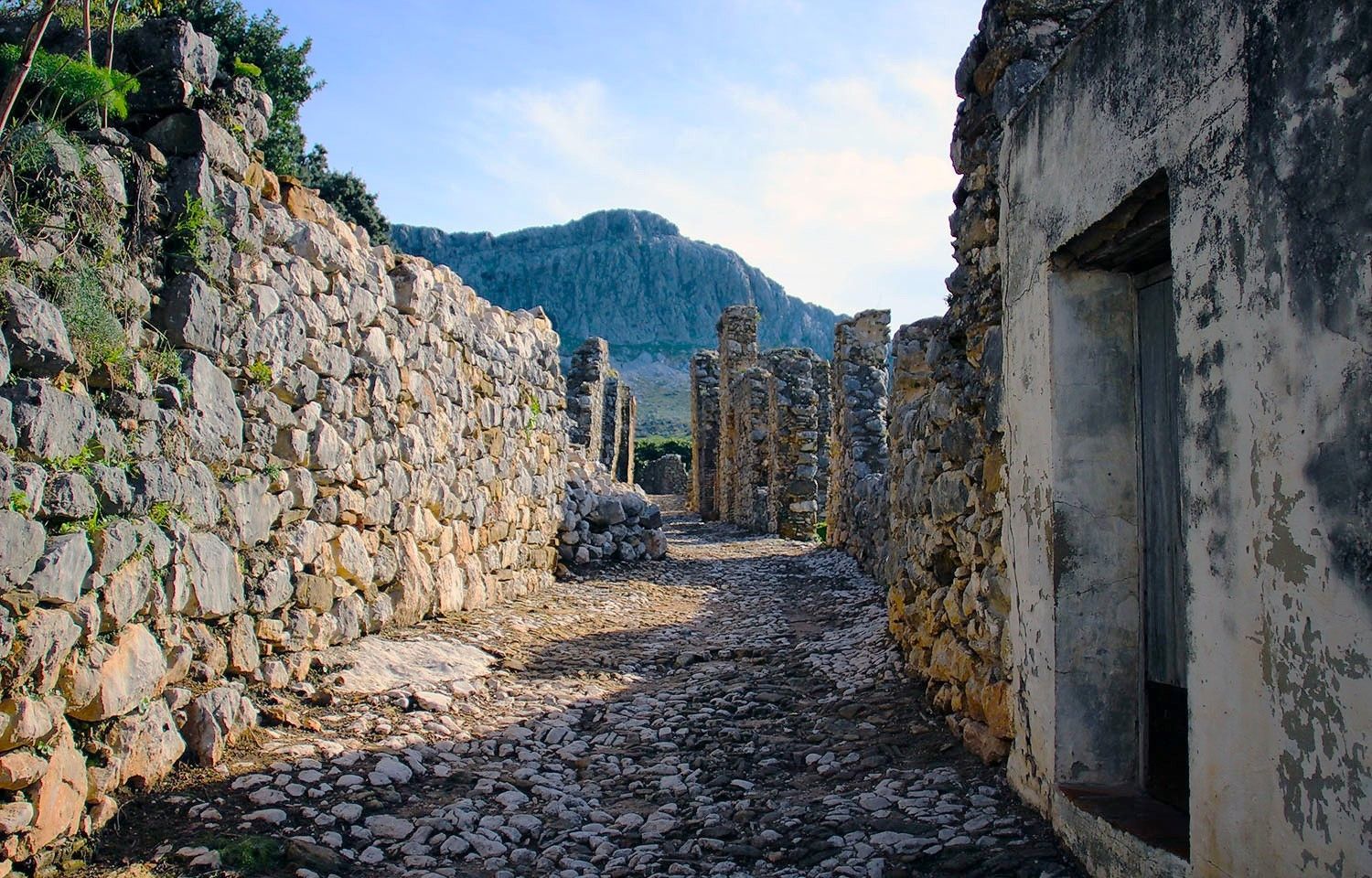
Ruins of Lagar de Omitale on Cerro Olmo
Highlight • Historical Site
Translated by Google •
Tip by

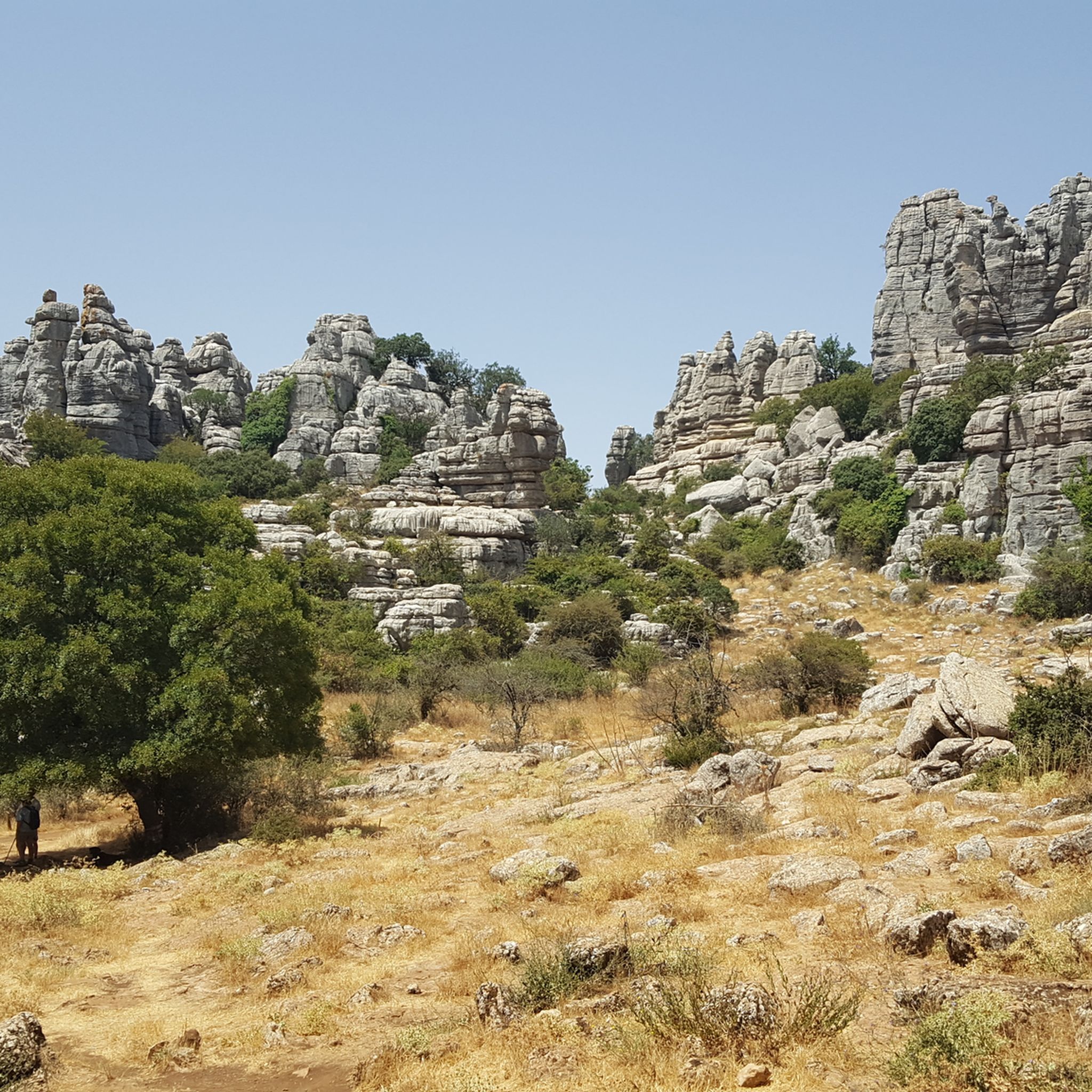
Camorro Alto
Highlight • Summit
Translated by Google •
Tip by

Sign up now to discover places like this
Get recommendations on the best single tracks, peaks, & plenty of other exciting outdoor places.
Sign up for free
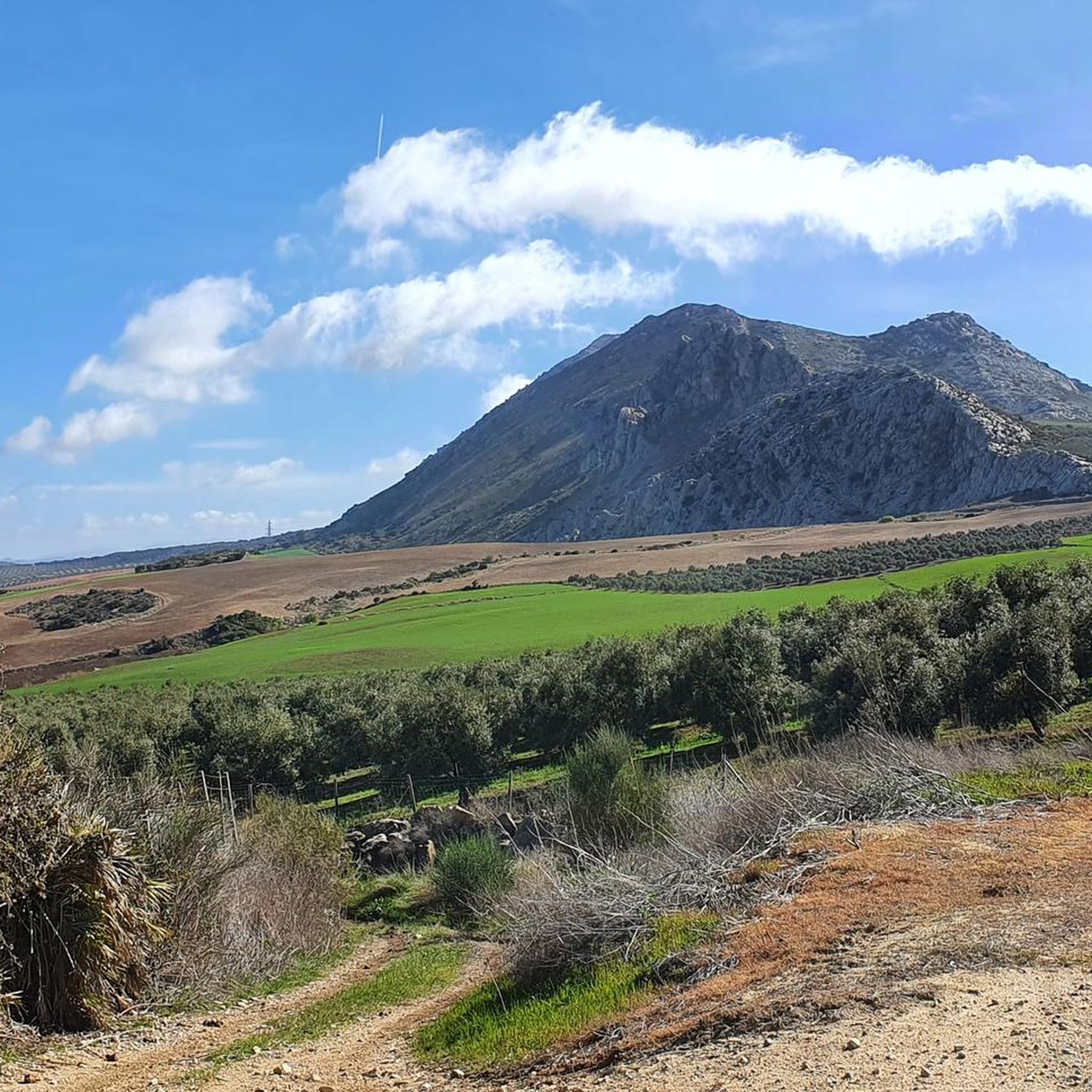
Peña Negra Summit
Highlight • Summit
es.wikipedia.org/wiki/Pe%C3%B1a_Negra_(sierra_del_Co)
Translated by Google •
Tip by

Gravel Road to Sierra de Mollina
Highlight (Segment) • Trail
Translated by Google •
Tip by

Tajo Gomer Summit
Highlight • Summit
Tip by

Start today with a free account
Your next adventure awaits.
Login or Signup
Popular around Antequera
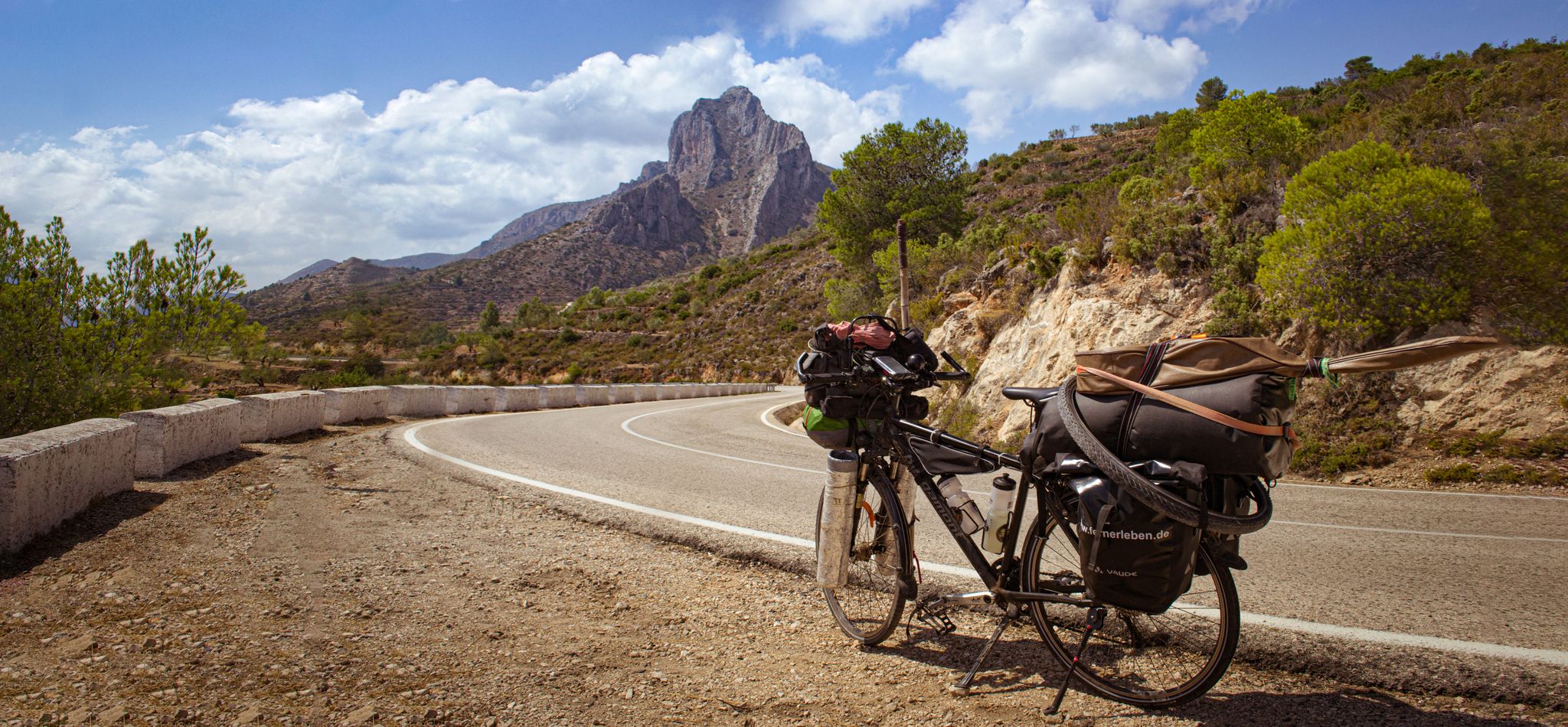
On the road to the sun — bikepacking to southeast Spain
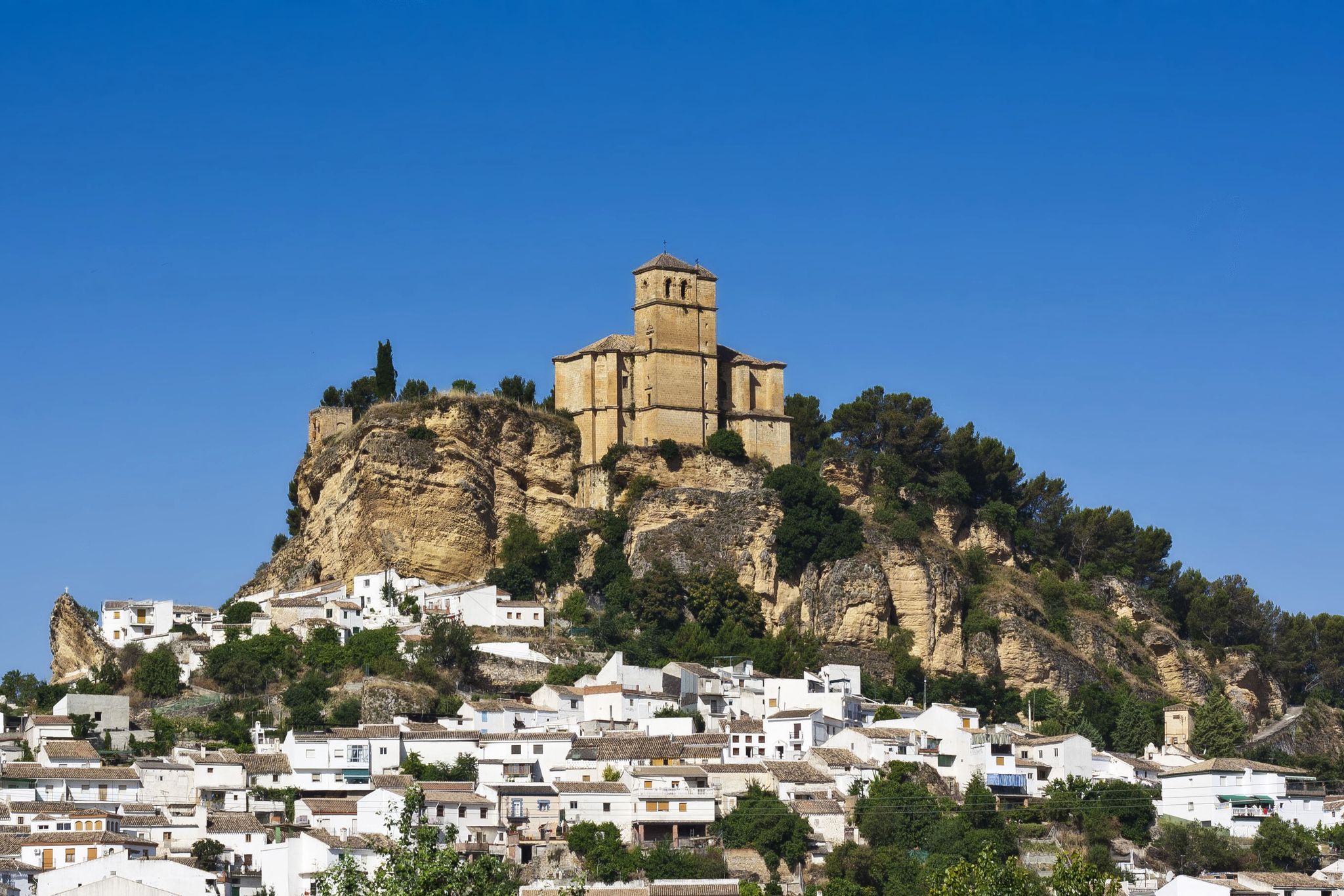
Washington Irving – cycle through the Arab vestiges of Andalusia
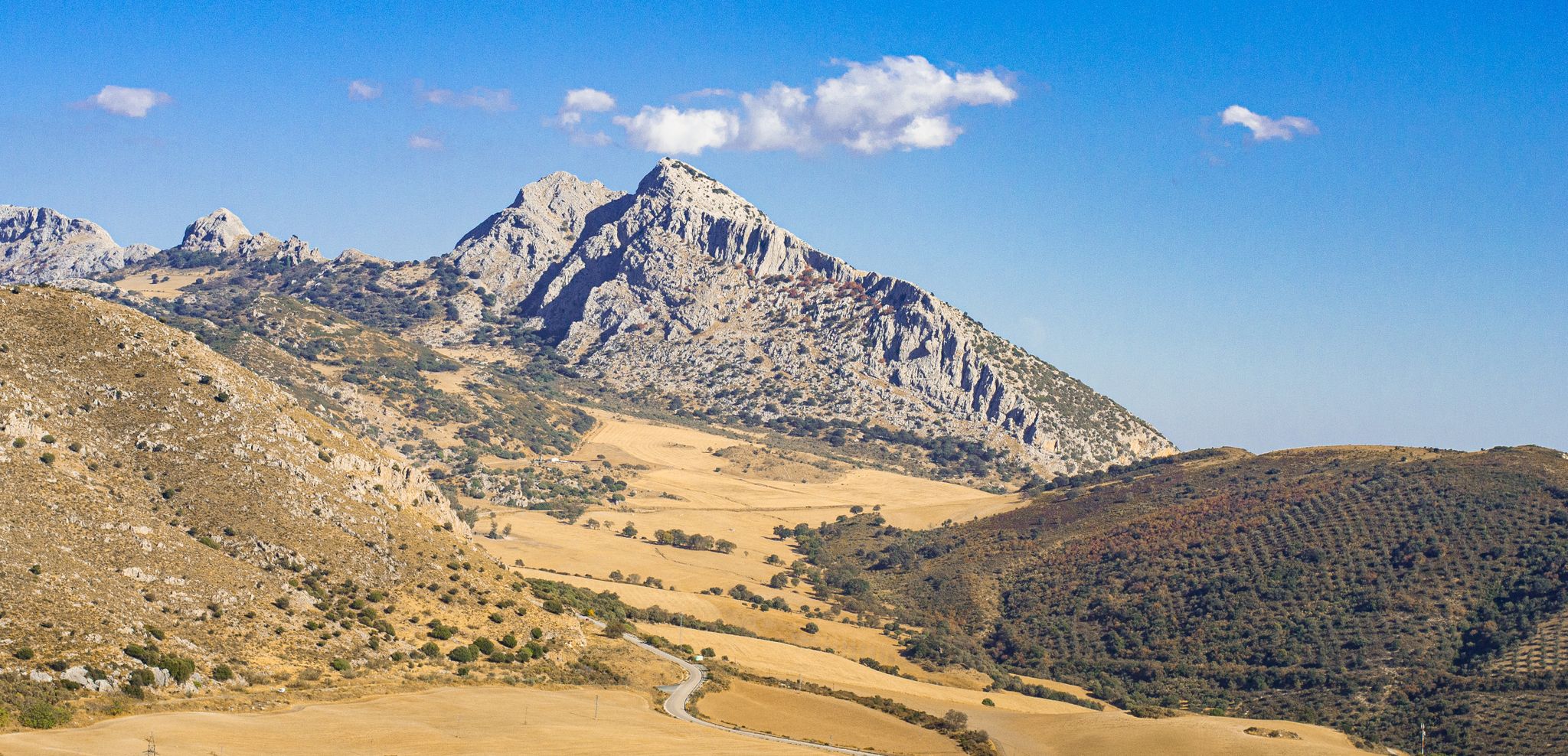
The beauty of the Andalusian mountains – Transandalus southern section
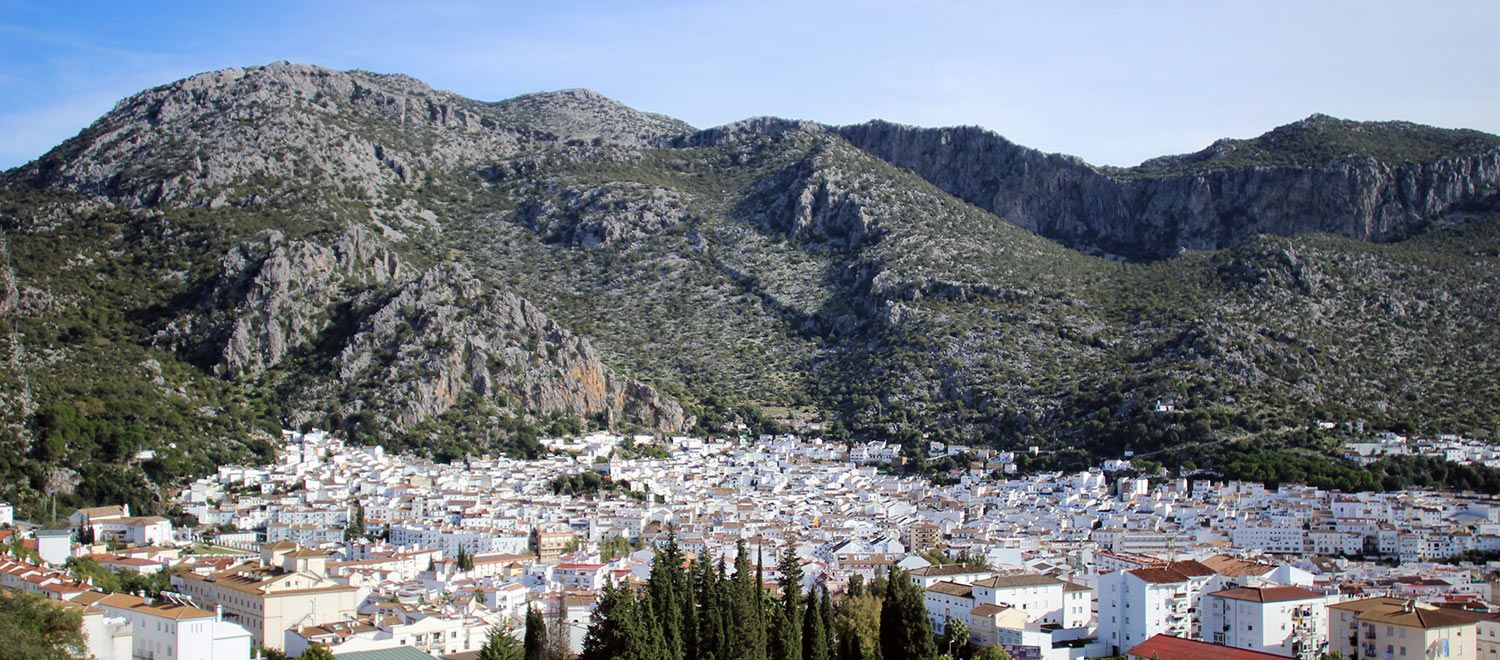
Explore the Betic Mountains on two wheels – Altravesur
Andalusia without limits – Tarifa to La Puebla de Don Fabrique on the GR 7
A journey through the Spanish hinterland – cycling across Andalusia
Hiking around Antequera
Road Cycling Routes around Antequera
Cycling around Antequera
Running Trails around Antequera
Other adventures around Antequera


Tips from the Community

Technical route, good physical condition required. Bring better gloves and wind breaker, as it is very windy on the top
0
0

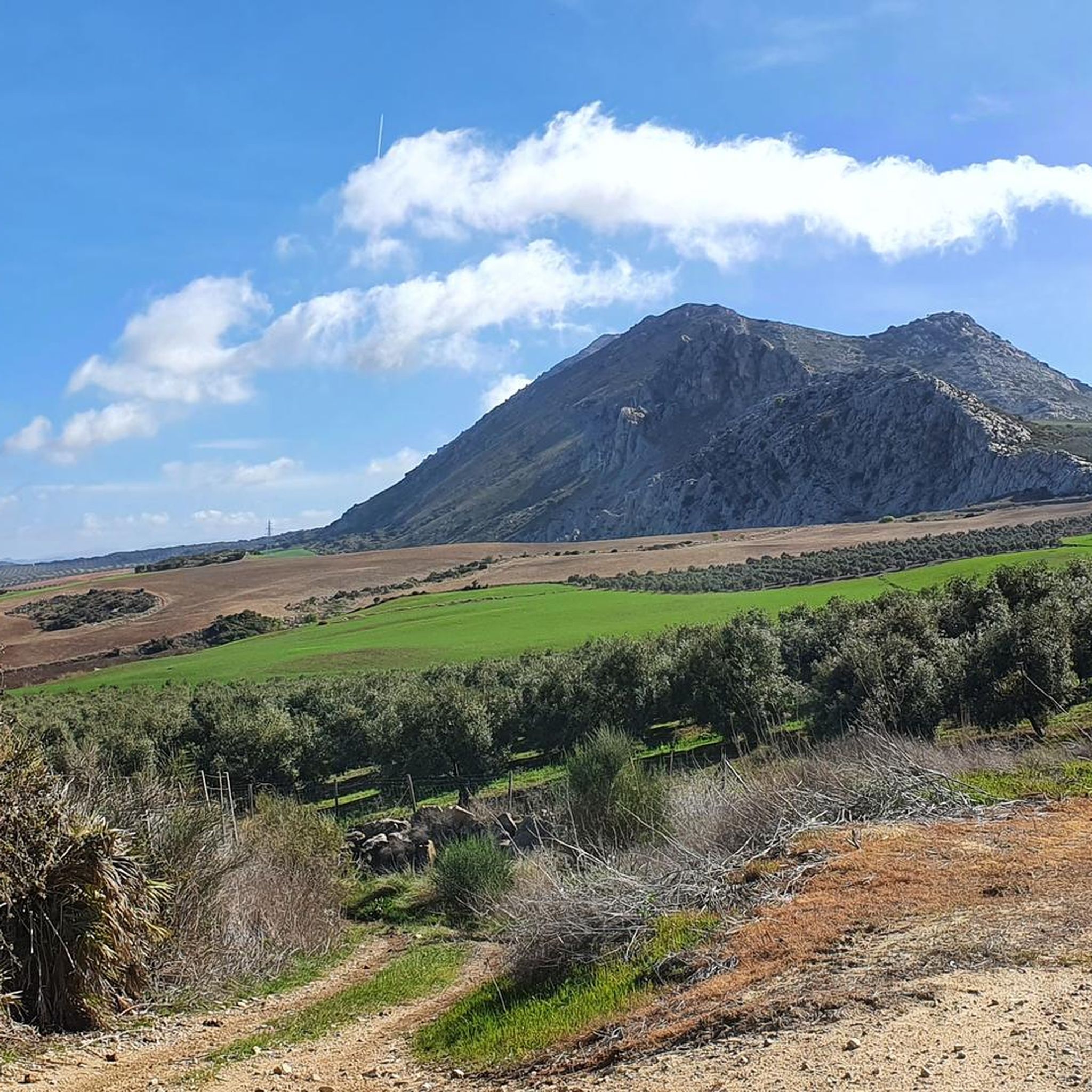
The peak of Peña Negra is the highest peak of the Sierra de Co in the province of Málaga. The view from up here is spectacular, but the climb and descent are very difficult and not without danger. https://es.wikipedia.org/wiki/Pe%C3%B1a_Negra_(sierra_del_Co)
0
0

Gravel paths outside the Alameda leading to the top of the cone-shaped Sierra de Mollina at 800 masl
1
0

From Cerro Olmedo there are beautiful views of the Vilo peak and the landscape that surrounds it. The circular route through the Bosque de las Morillas is an entertaining itinerary without difficulty.
1
0
These ruins located on the Cerro Olmo plateau offer an ideal place to take a break on your route and enjoy the beautiful scenery.
0
1

The climb ends at the edge of the Torcal Alto, a fantastic karstic plateau known as Camorro de las Siete Mesas. The layout of the path is clear in this section, it passes through El Sombrero, also called El Platillo in some publications, and shortly after a fork appears. The trail turns to the left and moves away from the cliffs to pass near the summit of Camorro Alto. One option is to continue straight ahead along the ledge of the Cornisa del Diablo, the views and atmosphere are spectacular but there are a couple of exposed steps and a small climb (II) through a channel to get off the ledge. The trail runs through the karstic plateau of the Camorro de las Siete Mesas and turns off again towards the edge of the cliffs to enjoy a fantastic view of the Torcal Bajo and the Antequera plain. The best option is to return back to the main trail and continue west along the old red route. At some points stone landmarks appear.
1
0
Frequently Asked Questions
What unique natural features can be found in the Antequera mountains?
The Antequera mountains are renowned for their dramatic and diverse landscapes. A standout feature is El Torcal de Antequera, famous for its unusual karst formations, often described as a "museum of natural sculptures." These Jurassic-age limestone rocks have been sculpted by erosion into bizarre shapes resembling various objects. The area also boasts a rich flora with over 664 plant species and diverse wildlife.
Are there any historical or cultural sites associated with the peaks around Antequera?
Yes, the region is rich in history and culture. Peña de los Enamorados, also known as "The Sleeping Giant," is steeped in local legend and holds significant archaeological importance, with evidence of occupation since the Lower Palaeolithic era. The prehistoric Dolmen of Menga is uniquely oriented towards this mountain. Additionally, the Ruins of Lagar de Omitale on Cerro Olmo offer a historical site with beautiful views.
What are some recommended hiking experiences for different skill levels in the Antequera mountains?
For those seeking a challenge, the climb to Camorro Alto, the highest peak in Antequera, offers incredible panoramic views. Similarly, Peña Negra Summit and Tajo Gomer Summit are challenging routes requiring good physical condition. For easier options, El Torcal de Antequera offers marked hiking trails like the Green Route (1.5 km) and Yellow Route (3 km) starting from the visitor center, suitable for a more relaxed exploration of its unique landscape.
Where can I find the best panoramic views in the Antequera mountains?
Several peaks offer spectacular vistas. The summit of Camorro Alto provides expansive views in all directions, including the city of Antequera and Peña de los Enamorados. From El Torcal, viewpoints like Mirador de Las Ventanillas offer panoramic vistas stretching to the Mediterranean Sea on clear days. The Peña Negra Summit also boasts spectacular views from the highest point of the Sierra de Co.
What outdoor activities can I do near the mountain peaks around Antequera?
Beyond hiking, the region offers diverse outdoor activities. You can explore various cycling routes, including challenging road cycling tours like "Torcal de Antequera from Antequera" or "Ascent to El Torcal" which are part of the Cycling around Antequera guide. For mountain biking enthusiasts, there are routes like "Antequera Bullring – The Alcazaba of Antequera loop" detailed in the MTB Trails around Antequera guide. Gravel biking options are also available, such as routes near El Chorro, found in the Gravel biking around Antequera guide.
Are there family-friendly hiking options in the Antequera mountains?
Yes, El Torcal de Antequera offers family-friendly options with its well-marked Green Route (1.5 km) and Yellow Route (3 km), which are relatively easy and allow families to explore the unique karst landscape. The Ruins of Lagar de Omitale on Cerro Olmo are also part of an entertaining itinerary without difficulty, suitable for families.
When is the best time of year to hike in the Antequera mountains?
The Antequera region experiences hot summers, so spring (March to May) and autumn (September to November) are generally the most pleasant times for hiking. During these seasons, temperatures are milder, and the natural scenery is vibrant. Winter can also be suitable, especially for lower-altitude trails, but higher peaks might experience colder conditions.
What kind of wildlife can I expect to see in the Antequera peaks?
The natural parks around Antequera are home to diverse wildlife. El Torcal de Antequera, for instance, is known for species such as foxes, wildcats, and various bird species including vultures and eagles. Keep an eye out for these animals, especially during quieter times of the day.
Is parking available for hikers visiting the mountain peaks?
Yes, for popular areas like El Torcal de Antequera, there is a visitor center with parking facilities where many hiking trails begin. For other peaks and trailheads, parking availability can vary, often found near access points or small villages. It's advisable to check specific trail information for parking details before your visit.
What should I wear when hiking in the Antequera mountains?
Given the varied terrain and potential for changing weather, it's recommended to wear sturdy hiking boots, layered clothing, and bring a windbreaker, especially for higher elevations or exposed areas like Tajo Gomer Summit where it can be very windy. Sun protection (hat, sunscreen) is also essential, particularly during sunnier months. For technical routes, consider bringing gloves.
Are there options for winter hiking in the Antequera region?
Yes, winter hiking is possible, especially on lower and intermediate trails. The unique karst landscape of El Torcal can be particularly atmospheric in cooler weather. However, for higher peaks like Camorro Alto or Peña Negra Summit, be prepared for colder temperatures and potentially stronger winds. Always check weather forecasts before heading out.
Do I need permits for hiking in the Antequera mountains?
Generally, permits are not required for most hiking trails in the Antequera mountains, including those in El Torcal de Antequera. However, for specific protected areas or certain guided activities, it's always a good idea to check with the local visitor centers or park authorities for any specific requirements or restrictions that might apply.
Most popular routes around Antequera
Most popular attractions around Antequera

Get inspired with the komoot mobile app


Explore more
See even more amazing summits around Antequera with these guides:
