Top 7 Gorges around Huesca
Best canyons around Huesca are found in the Spanish Pyrenees, a region known for its sculpted gorges and crystal-clear pools. This area offers diverse canyons, from family-friendly excursions to advanced technical descents. Huesca is a prime destination for outdoor enthusiasts seeking to explore the dramatic beauty of its natural landscapes.
Best canyons around Huesca
- The most popular canyons is Vadiello Dam, a lake that features deep canyons and ravines. This spot offers views of the reservoir and surrounding monumental rock formations.
- Another must-see spot is Isuela River Valley and Tunnel Road, a trail that forms a corridor between mountains. This route was historically a passage from Huesca to towns in the north of the province.
- Visitors also love Upper Guatizalema Gorge, a gorge offering views high above the Río Guatizalema. The river flows through a deep valley, surrounded by incredible rock and stone formations.
- Huesca is known for its diverse range of canyons, from aquatic descents to technical routes. The region offers a variety of canyons to see and explore, catering to different preferences and skill levels.
- The canyons around Huesca are appreciated by the komoot community, with more than 19 photos and 14 upvotes.
Last updated: July 4, 2026
Salto Roldán Viewpoint
Highlight • Viewpoint
Translated by Google •
Tip by

Gorgas de San Julián
Highlight • Gorge
Translated by Google •
Tip by

Sign up now to discover places like this
Get recommendations on the best single tracks, peaks, & plenty of other exciting outdoor places.
Sign up for free
Vadiello Dam
Highlight • Lake
Translated by Google •
Tip by
Isuela River Valley and Tunnel Road
Highlight • Trail
Translated by Google •
Tip by

Upper Guatizalema Gorge
Highlight (Segment) • Gorge
Translated by Google •
Tip by

Sign up for free to discover even more gorges around Huesca.
Sign up for free
Already have an account?
Start today with a free account
Your next adventure awaits.
Login or Signup

Other adventures around Huesca


Tips from the Community

Gorgeous, and the trails in the area are spectacular.
0
0

The hermitage is in a very cool place, with water falling from the top of the mountain. Inside, the two limestone formations from the flow of water make it very interesting. The walk from there to the gorgas is short and the gorgas area is spectacular. There is a nativity scene and the first thing you ask about is how they got it there. Going to the end of the gorge, where the water comes out, is beautiful. The light contrasts allow for spectacular photos.
0
0
It is worth going to the end of the gorges. It is spectacular. There is even a huge nativity scene.
0
0

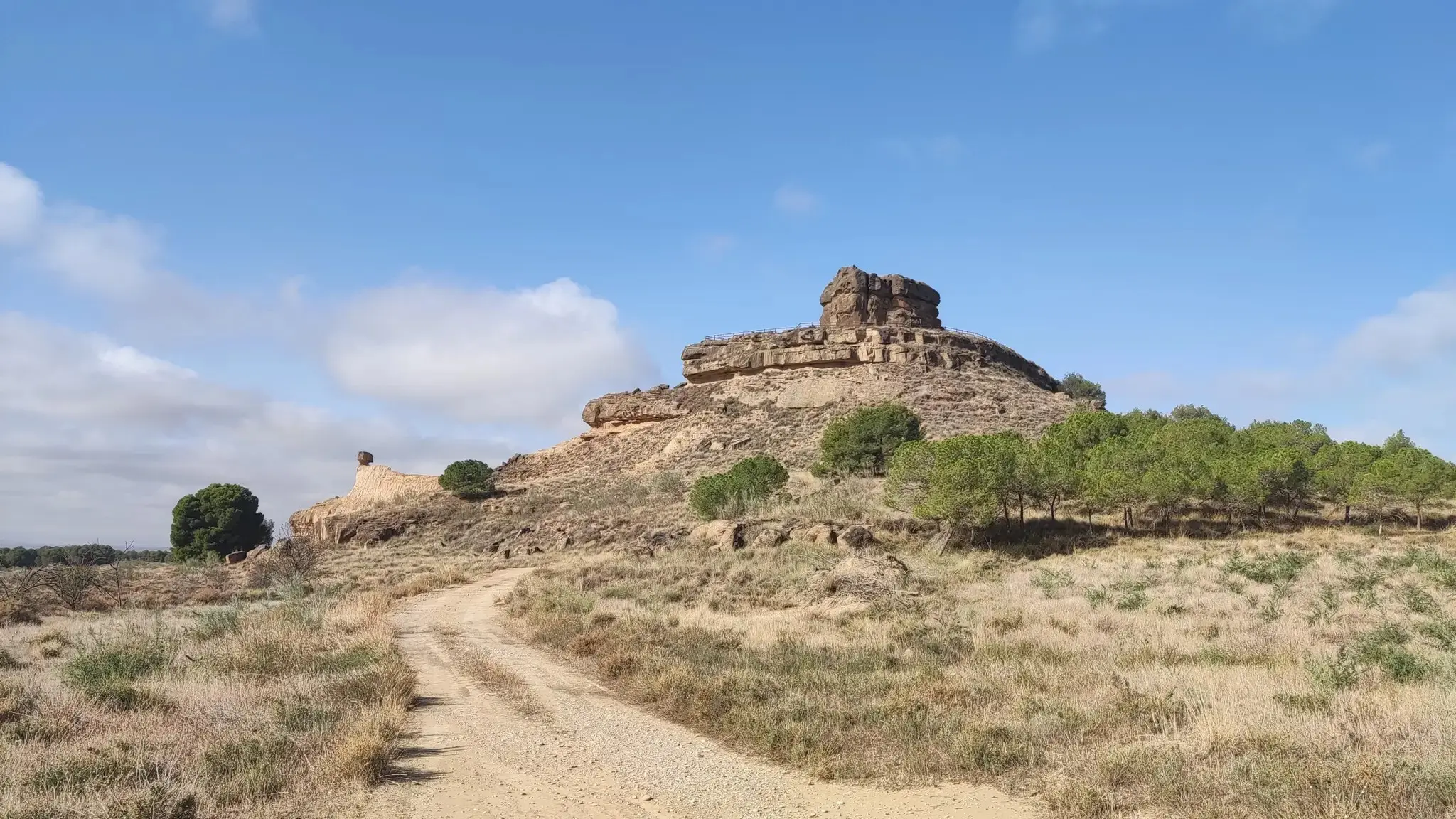
Alternative path to the passageway that goes from Nueno to the Arguis reservoir. In the past, this corridor between mountains was the "Cañada Real de Huesca a Monrepós", a place of passage from the capital to towns in the north of the province.
0
0

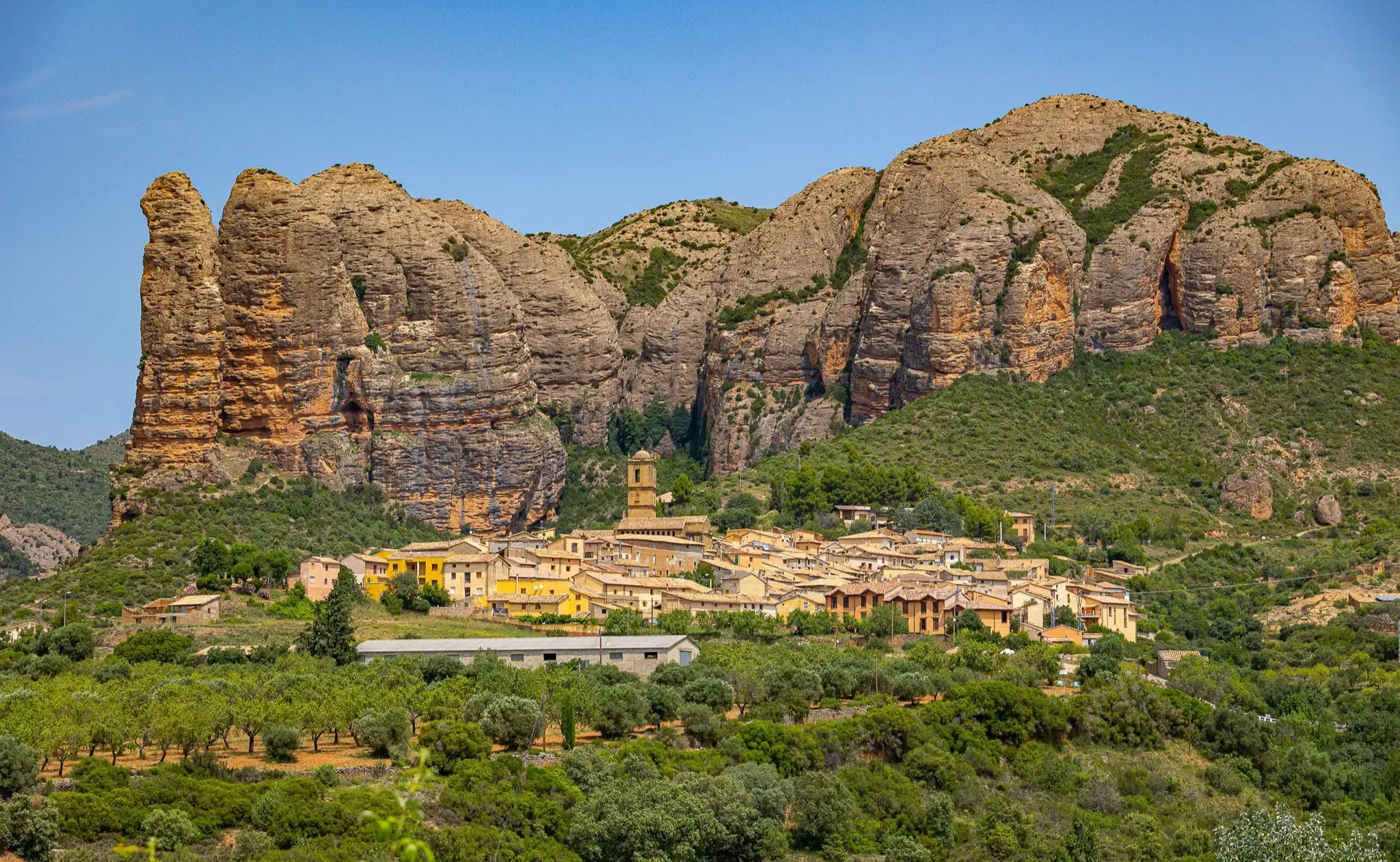
This idyllic and solitary spot formed by the water of the reservoir, the river itself and its ravines and the monumental mallos that surround it, is a must-see for anyone who wants to get to know the Guara Natural Park and enjoy nature and silence. just fifteen minutes from the city of Huesca.
8
0

It is dangerous to drink the water from the ravine or from the gorgas since it passes through a modification zone, the one from the hermitage is good.
0
0
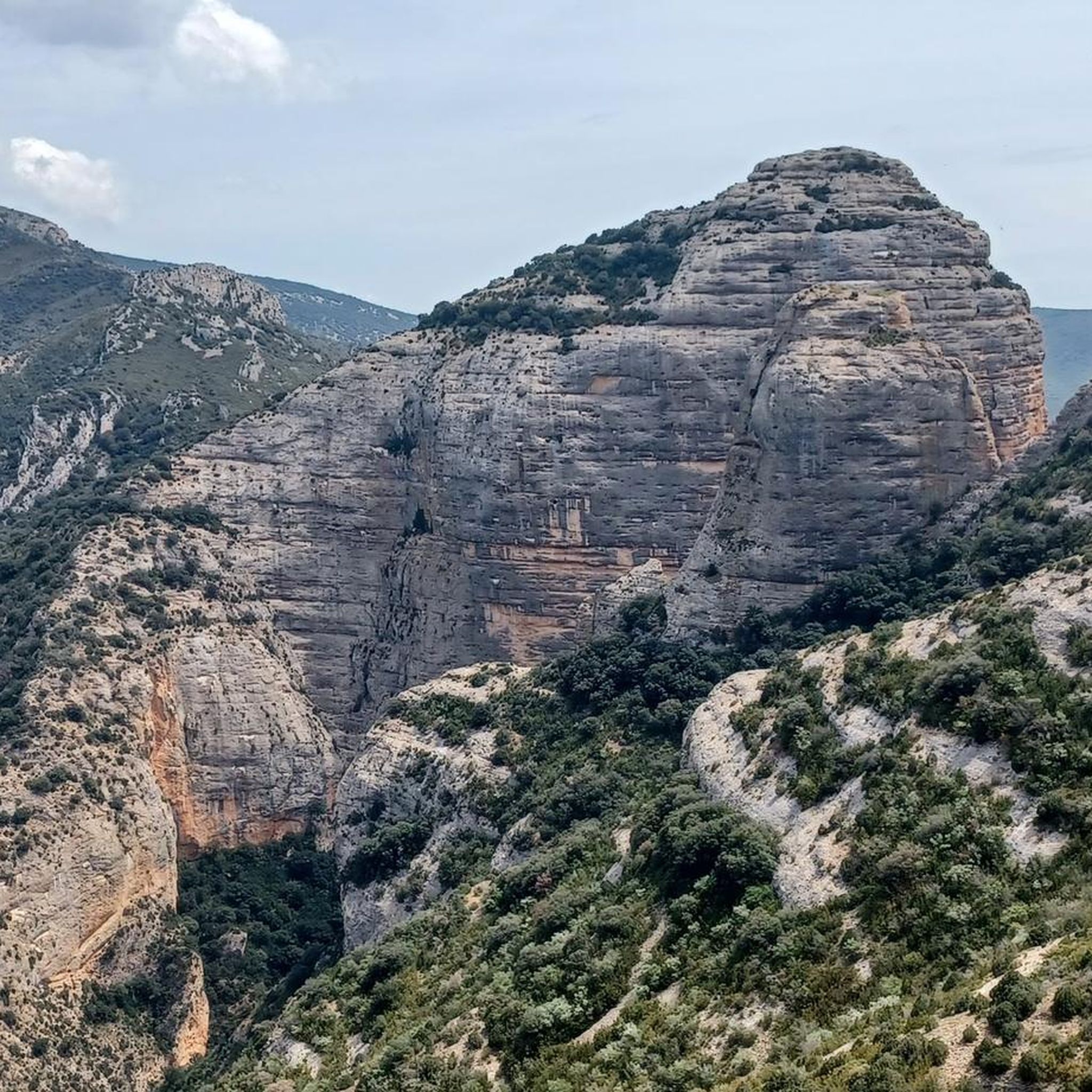
Spectacular viewpoint over the Peña San Miguel, Pico el Fraile and Peña Amán that form the so-called Salto de Roldán. The area is impressive with cliffs, precipices and continual flying over by birds of prey that nest on these walls. Access to the viewpoint is restricted for vehicles, but it is allowed for people with disabilities.
5
0

From here I got an idea of what the vultures see over the Palomeras Strait when they take off from the slopes of the San Miguel and Amán rocks. Leaning over the fence, you can see the bottom of the ravine with the Flumen River, all the surrounding peaks and the imposing 400-meter limestone slope of the Amán Rock. You can go at any time of the year.
0
0
Frequently Asked Questions
What are some of the most popular canyons and gorges to visit in Huesca?
Huesca offers a diverse range of canyons. Among the most popular are those found in the Sierra de Guara Natural Park, such as Barranco de la Peonera and Barranco del Formiga, known for their fun features. The Vadiello Dam area also features deep canyons and ravines, offering stunning views of the reservoir and monumental rock formations. Another notable spot is the Upper Guatizalema Gorge, where the river flows through a deep valley surrounded by incredible rock formations.
Are there canyons suitable for beginners or families with children in Huesca?
Yes, Huesca caters to all skill levels, including beginners and families. The Sierra de Guara Natural Park is particularly well-suited, offering many family-friendly excursions and aquatic descents that do not require rappelling. Some canyons like Barranco de Basender and Palomeras del Fornocal are often suggested for beginners.
What are some challenging canyoning routes for experienced adventurers in Huesca?
For those seeking a more technical challenge, Huesca offers several advanced routes. Within Sierra de Guara, Mascún Superior is known for its waterfalls and abseiling opportunities, taking around six hours to descend. The Barranco de la Alaña (GR 1 Trail) is also described as a challenging trail with hard and technical climbs, suitable for those who enjoy javelin climbing.
What is the best time of year to go canyoning in Huesca?
Spring is generally considered the optimal time to visit Huesca for canyoning due to ideal water levels. During the warmer summer months, the canyons in the Aragonese Pyrenees, such as those in the Benasque Valley or Valle del Tena, often feature colder, more abundant water, making them particularly enjoyable.
What natural features can I expect to see in the canyons around Huesca?
The canyons around Huesca are renowned for their unique geological formations. You can expect to see sculpted gorges, crystal-clear pools, spectacular waterfalls, siphons, and caves. Areas like the Gorgas de San Julián offer impressive limestone formations and a hermitage nestled in the rock, while the Isuela River Valley forms a dramatic corridor between mountains.
Are there any notable historical or cultural sites near the canyons?
Yes, some canyoning areas are close to significant historical sites. For example, the Vero River Canyon, near Alquézar, is complemented by the medieval village of Alquézar itself, which is a Historic-Artistic Site. Within the Añisclo Canyon in Ordesa y Monte Perdido National Park, you can find the Hermitage of San Úrbez, nestled in the rock, and views of a medieval bridge.
What outdoor activities can I do near the canyons in Huesca?
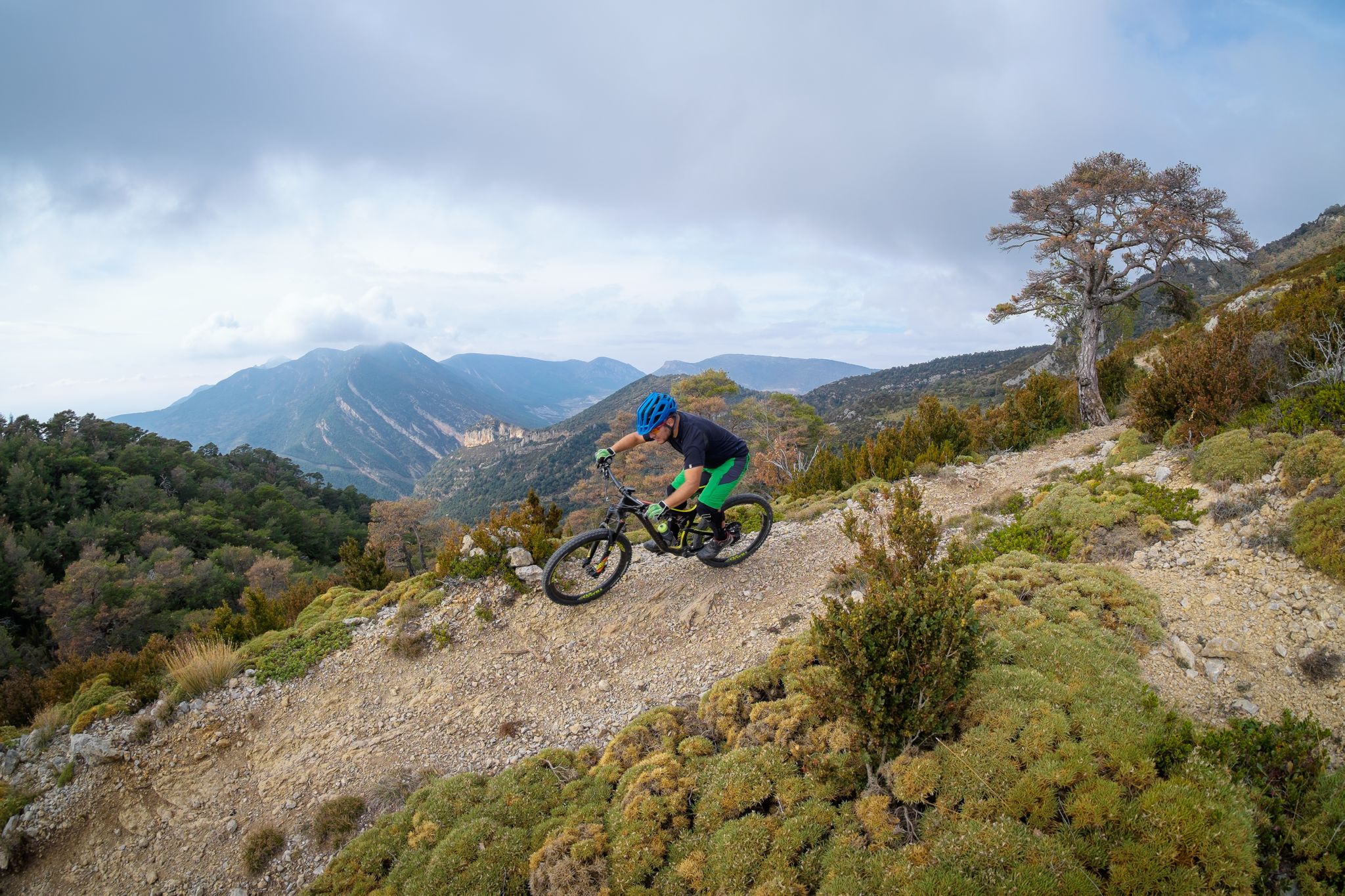
Beyond canyoning, the Huesca region offers a variety of outdoor activities. You can explore numerous MTB trails, such as the 'Huesca and the Reservoirs of Sierra de Guara Loop' or the 'Integral del Salto de Roldán Trail'. There are also gravel biking routes like the 'Vadiello Reservoir – Huesca loop'. For more details on these activities, you can check the MTB Trails around Huesca guide and the Gravel biking around Huesca guide.
What makes the Sierra de Guara Natural Park a prime canyoning destination?
Sierra de Guara Natural Park is considered one of Europe's top canyoning destinations due to its vastness, offering over 60 ravines across 80,000 hectares. It provides a wide range of canyons for all levels, from easy aquatic descents to advanced technical routes. The park is characterized by its narrow and deep ravines, turquoise waters, and stunning natural environment, making it exceptionally appealing for adventure tourism.
Can I find wild swimming spots near the canyons in Huesca?
Many canyons in Huesca feature crystal-clear pools perfect for wild swimming as part of the canyoning experience. However, it's important to note that some reservoirs, like the Vadiello Dam, are drinking water reservoirs and have an absolute bathing prohibition. Always check local regulations and safety guidelines before swimming in natural waters.
What are the canyons like in Ordesa y Monte Perdido National Park?
The canyons in Ordesa y Monte Perdido National Park, a UNESCO World Heritage site, are set within breathtaking high-mountain scenery. Añisclo Canyon, for instance, offers routes through gorges, waterfalls, and caves. Other notable ravines include Sorrosal Ravine and Viandico Ravine. These areas combine intense natural beauty with the adventure of canyoning or hiking, featuring dramatic cliffs and lush forests.
What do visitors enjoy most about the canyons around Huesca?
Visitors frequently praise the stunning natural environment, including the turquoise pools and unique rock formations. The thrill of canyoning, whether it's the jumps, slides, or abseils, is a major draw. The accessibility of many spots, like the Gorgas de San Julián with its spectacular views and interesting limestone formations, also contributes to a memorable experience.
Are there any specific tips for visiting the Gorgas de San Julián?
When visiting Gorgas de San Julián, it's highly recommended to go to the very end of the gorges, as the views are spectacular. The hermitage itself is in a very cool place with water falling from the mountain. Be aware that it is dangerous to drink water directly from the ravine or gorgas, as it passes through a modification zone; however, water from the hermitage is generally good.
Most popular attractions around Huesca

Get inspired with the komoot mobile app


Explore more
Already discovered everything in this region? See additional gorges around Huesca for your next adventure:
