Top 5 Caves around Cerdà
Best caves around Cerdà are primarily found within the Valencian Community, offering a blend of natural geological formations and historical significance. The region features caves situated near rivers and gorges, often within natural areas. These sites provide opportunities to explore diverse underground landscapes and archaeological findings.
Best caves around Cerdà
- The most popular caves is Cova Negra, a cave and natural monument that holds archaeological significance. It is known for its black color, resulting from ancient Neanderthal bonfires, and…
Last updated: July 4, 2026
Cova Negra
Highlight • Cave
Translated by Google •
Tip by

Trail from Xàtiva to the Albaida River and the Cova Negra
Highlight • Trail
Translated by Google •
Tip by

Sign up now to discover places like this
Get recommendations on the best single tracks, peaks, & plenty of other exciting outdoor places.
Sign up for free
La Cabrenta Cave
Highlight • Cave
Picnic area, and good walk.
You can park on the …
Translated by Google •
Tip by

Start today with a free account
Your next adventure awaits.
Login or Signup

Tips from the Community

The La Cova Negra municipal natural area is located in the municipality of Játiva, province of Valencia. In the Cova Negra is the Middle Paleolithic site in which remains of Homo Neanderthal have appeared. This natural area is located in the narrow valley formed by the Albaida River, as it crosses the reliefs of the Sierra Grossa, at the exit of the so-called Estret de les Aigües. In the widest meander formed by the Albaida River, at the height of Pico del Paller, you can see the Cova Negra, named for the blackish appearance of its walls.
2
1

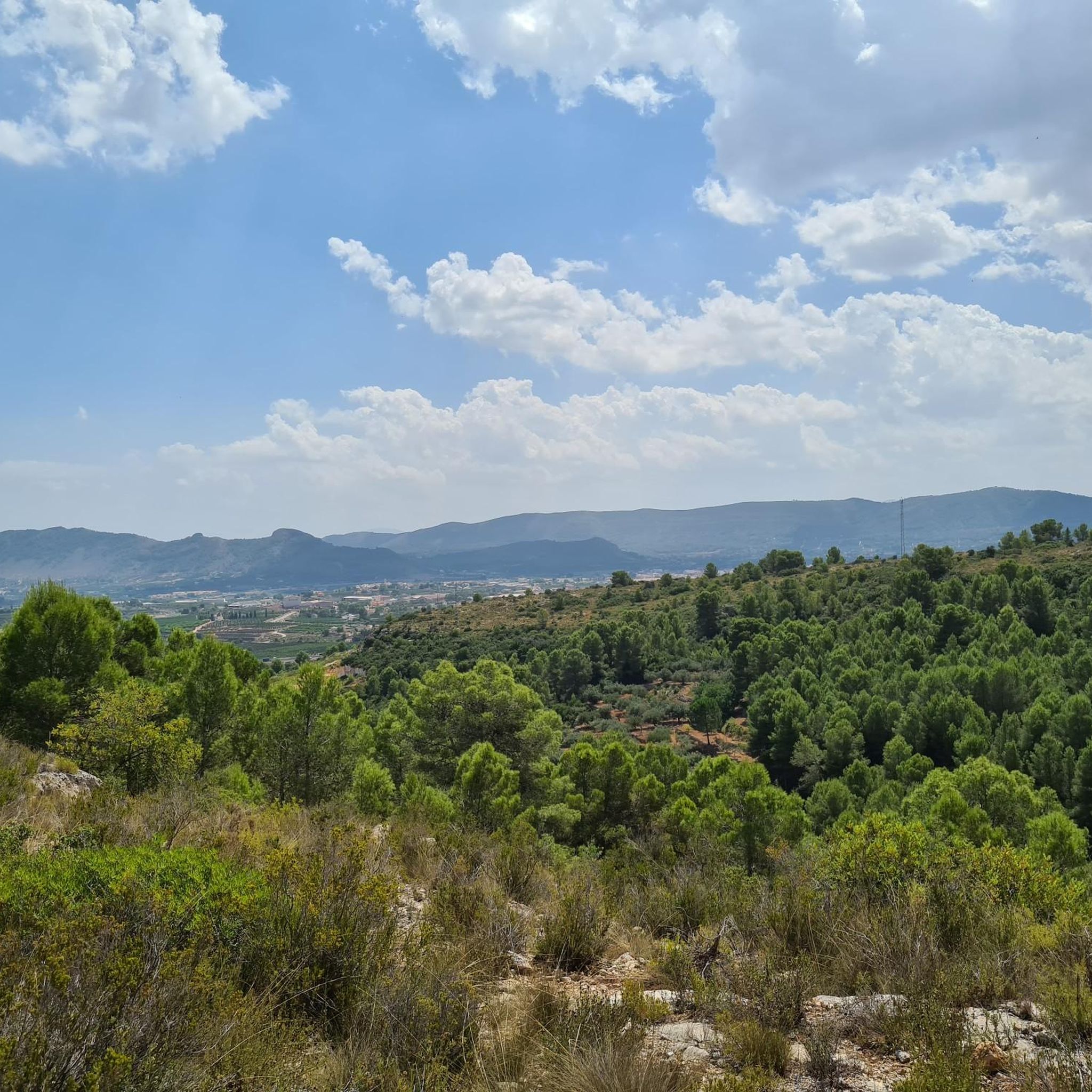
Spectacular scene with the Sellent River in the background.
0
0

La Cova Negra is a cavity that is located in a gorge called the Strait of Waters. Its black color is mainly due to the smoke from the bonfires made by its former inhabitants, the Neanderthals who occupied it for a few months of the year. An important amount of flint tools and other archaeological remains have been found here.
3
0

La Cova Negra is an important archaeological site, located in the widest meander of the Albaida river. It was home to Neanderthal man in the Paleolithic. The cave gets its name from the dark color of the walls. Human remains and paintings have been found inside.
2
0
La Cova Negra is an important archaeological site, located in the widest meander of the Albaida river. It was home to Neanderthal man in the Paleolithic. The cave gets its name from the dark color of the walls. Human remains and paintings have been found inside. It is a space of fundamental importance for understanding the culture of the Mosterian and the reality of the Neanderthals. The Almodí Museum exhibits an exact reproduction of a parietal bone from the period, discovered in the cave.
2
0
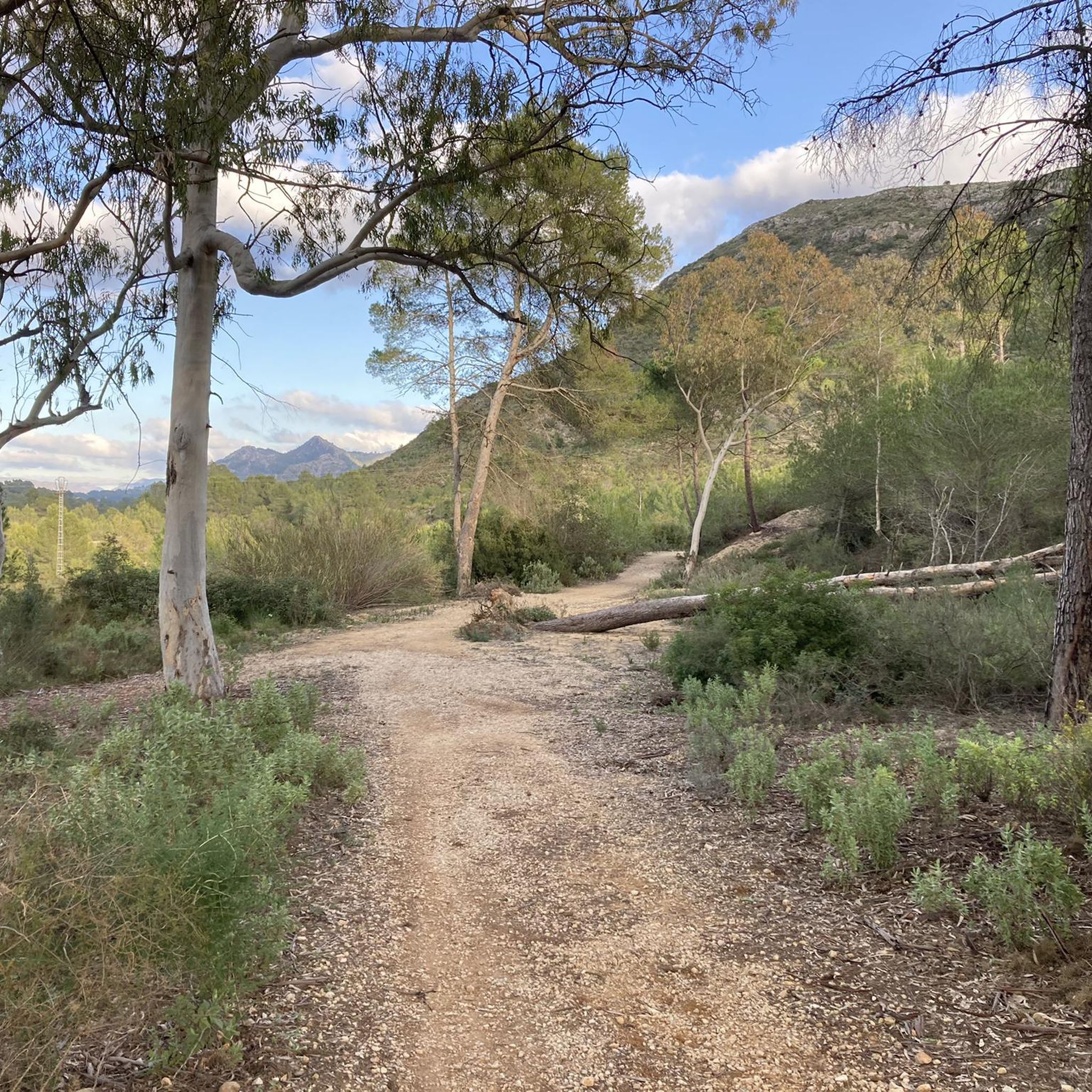
Mountain path that allows you to approach the banks of the Albaida river and also to the Cova Negra by a path. It runs through beautiful pine forests.
1
0

Cave within the natural area of the same name with great historical and landscape value. It is a very nice place with trails that run along the Albaida River. You can get to the foot of the cave.
1
1

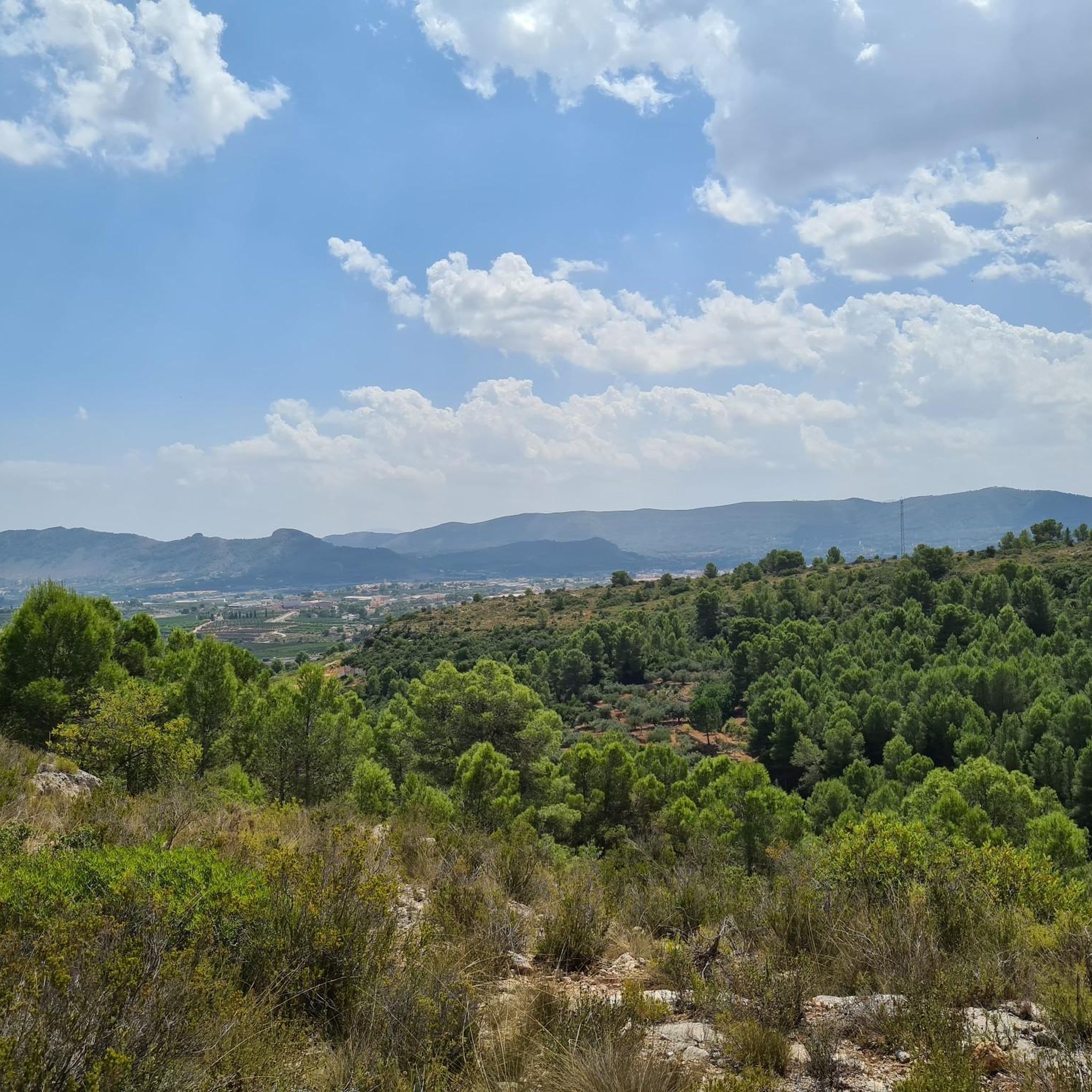
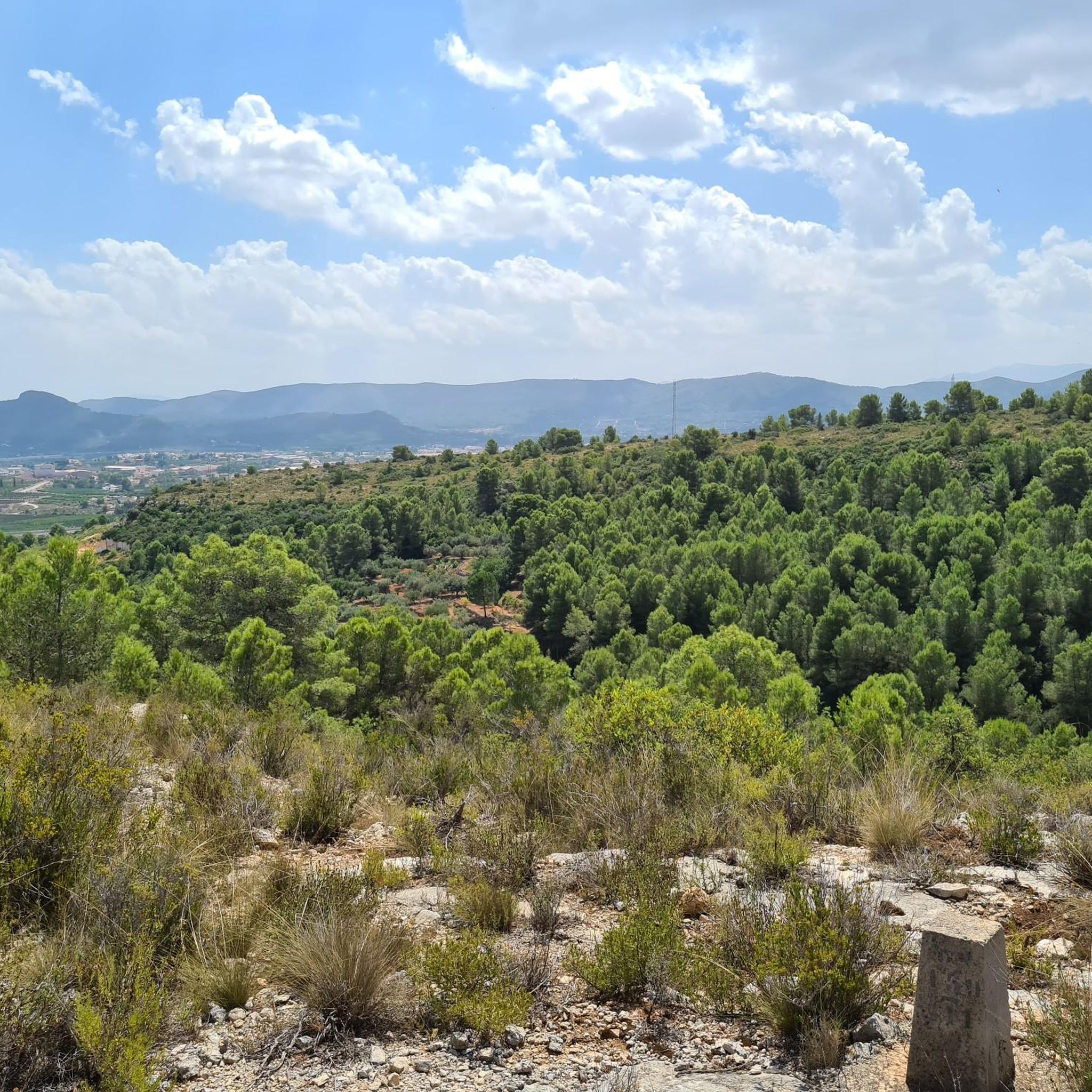
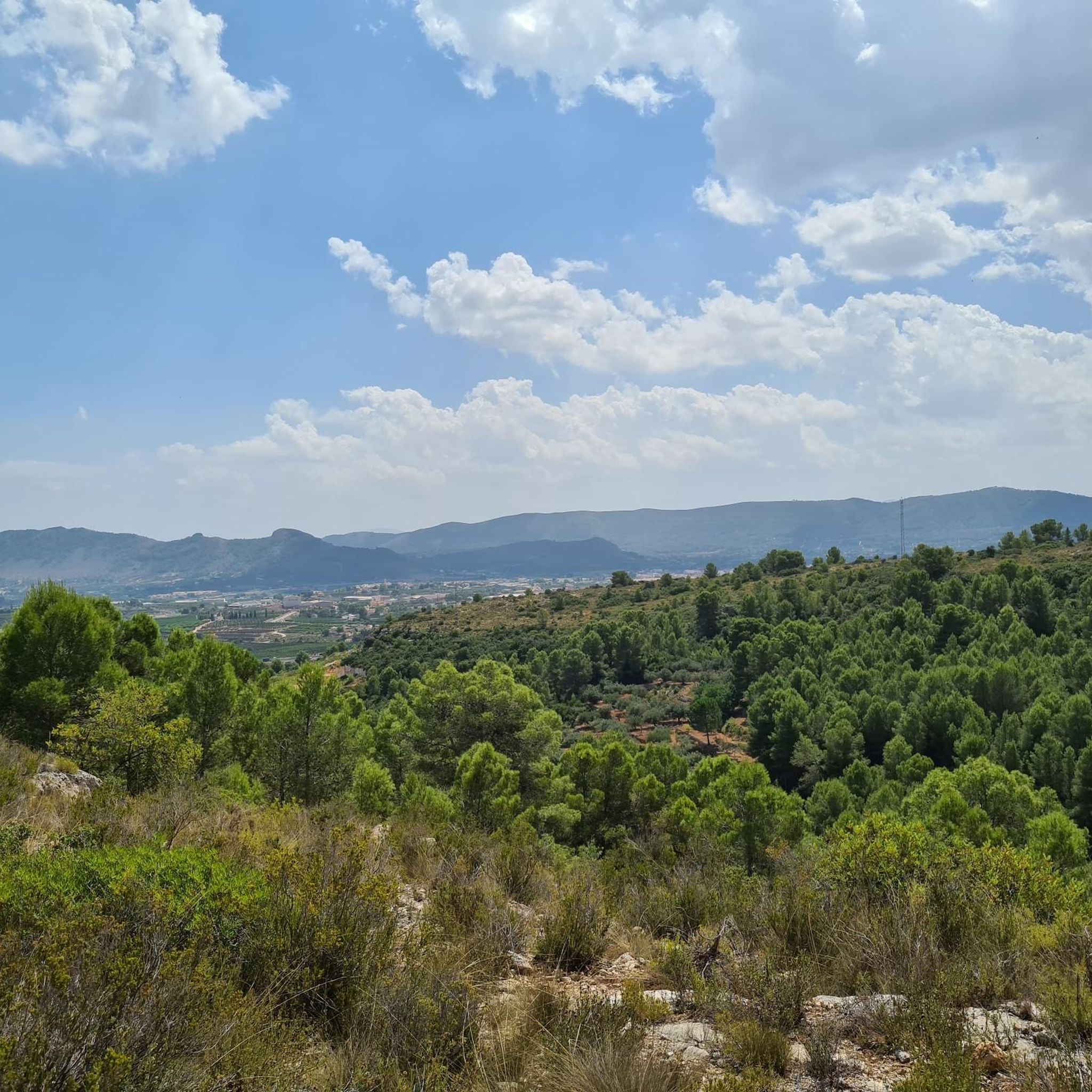
Mediterranean jungle in the middle of the Valencian Community. Looking for a place to escape the heat? It is here. Picnic area, and good walk. You can park on the street that leads to the picnic area (there is usually space on the side) or, if not, in the town.
0
0
Frequently Asked Questions
What are the most notable caves around Cerdà?
The region around Cerdà features several significant caves. Cova Negra is a natural monument known for its archaeological importance, with evidence of Neanderthal occupation. Another popular spot is La Cabrenta Cave, a family-friendly cave set within a Mediterranean forest near the Sellent River.
Are there family-friendly caves to visit near Cerdà?
Yes, La Cabrenta Cave is specifically highlighted as family-friendly. It's located within a natural monument, offering a pleasant walk and a picnic area by the Sellent River. Additionally, the Cueva de Ànes in the Cerdanya region (a different geographical area) is also described as suitable for families, with an easy difficulty rating for ages 7 and up.
What historical or archaeological significance do the caves around Cerdà hold?
Cova Negra is a site of significant archaeological importance. Its distinctive black color comes from ancient Neanderthal bonfires, and it has yielded important archaeological remains, including flint tools. The Cueva Cerdaña in Pina de Montalgrao (Castellón) also holds archaeological significance, with history dating back to the Bronze Age and later use during the Iberian period.
What kind of natural features can I expect to see in these caves?
The caves around Cerdà, such as Cova Negra, are often found within gorges and near rivers like the Albaida River, surrounded by pine forests. La Cabrenta Cave is situated in a Mediterranean forest with the Sellent River nearby. The Cueva Cerdaña in Pina de Montalgrao is known for its vast chambers filled with impressive stalactites and stalagmites, showcasing natural geological formations.
Are there hiking trails that lead to or are near the caves?
Yes, there are trails that provide access to the caves. For instance, the Trail from Xàtiva to the Albaida River and the Cova Negra leads directly to the banks of the Albaida River and Cova Negra, passing through beautiful pine forests.
What outdoor activities can I do near the caves around Cerdà?
Beyond exploring the caves, the area offers various outdoor activities. You can find numerous cycling routes, including Cycling around Cerdà and Road Cycling Routes around Cerdà. For mountain biking enthusiasts, there are also MTB Trails around Cerdà, with routes like the Cova Negra – Les Arcades old bridge loop.
Is there parking available at the caves?
For La Cabrenta Cave, visitors can typically park on the street leading to the picnic area, or within the nearby town if street parking is full. For other caves, specific parking information may vary, but generally, access points to natural areas often have designated parking or roadside options.
What is the best time to visit the caves around Cerdà?
The region's caves, particularly La Cabrenta Cave, are noted for providing an escape from the heat, suggesting they are pleasant to visit during warmer months. However, the natural areas surrounding the caves, with their forests and rivers, can be enjoyed year-round, though specific cave access might have seasonal considerations.
Are dogs allowed in the caves or on nearby trails?
Specific dog policies for each cave are not universally stated. For trails leading to natural areas like Cova Negra or La Cabrenta Cave, dogs are often permitted on leash in natural parks, but it's always best to check local regulations for each specific site before visiting.
What do visitors enjoy most about the caves and surrounding areas?
Visitors appreciate the blend of natural beauty and historical significance. The Cova Negra is valued for its archaeological findings and unique black color from ancient fires. La Cabrenta Cave is loved for its family-friendly atmosphere, the Mediterranean forest, and the refreshing presence of the Sellent River. The komoot community has shared 51 photos and given 112 upvotes, highlighting the visual appeal and enjoyable experiences.
Is there a cave in the Cerdanya region that is good for families?
Yes, the Cueva de Ànes, located in the Cerdanya region (Pyrenees), is an excellent option for families. It's a horizontal cave stretching 335 meters, offering an engaging guided activity that typically lasts around 3 hours, including a walk to the entrance. It's rated easy and recommended for ages 7 and up, with safety equipment provided.
Where is the Cueva Cerdaña located and what are its main features?
The Cueva Cerdaña is located in Pina de Montalgrao, in the province of Castellón (Valencian Community), not the Cerdà municipality. It is known for its vast chambers filled with impressive stalactites and stalagmites. This cave also holds archaeological significance, with evidence of use dating back to the Bronze Age and Iberian period. Entry is free and it is open 24 hours.
Most popular attractions around Cerdà

Get inspired with the komoot mobile app


Explore more
Extend your search for the best caves by checking out these guides of the top ones around Cerdà:
