Top 5 Castles around Saint-Hilaire-De-Brens
Best castles around Saint-Hilaire-De-Brens are found within the Isère department, a region known for its historical significance in the Dauphiné. The area features a diverse landscape, offering views of mountain ranges like the Vercors and Chartreuse. These historical sites provide insight into centuries of regional architecture and heritage. Visitors can explore various fortified structures and medieval towns that dot the landscape.
Best castles around Saint-Hilaire-De-Brens
- The most popular castles is Crémieu, medieval town, a historical site with a sumptuous…
Last updated: May 7, 2026
Château de Bienassis
Highlight • Castle
Translated by Google •
Tip by

Cingle Castle
Highlight • Castle
Translated by Google •
Tip by

Sign up now to discover places like this
Get recommendations on the best single tracks, peaks, & plenty of other exciting outdoor places.
Sign up for free
Crémieu, medieval town
Highlight • Historical Site
Translated by Google •
Tip by

Château Delphinal of Crémieu
Highlight • Castle
Translated by Google •
Tip by

Start today with a free account
Your next adventure awaits.
Login or Signup
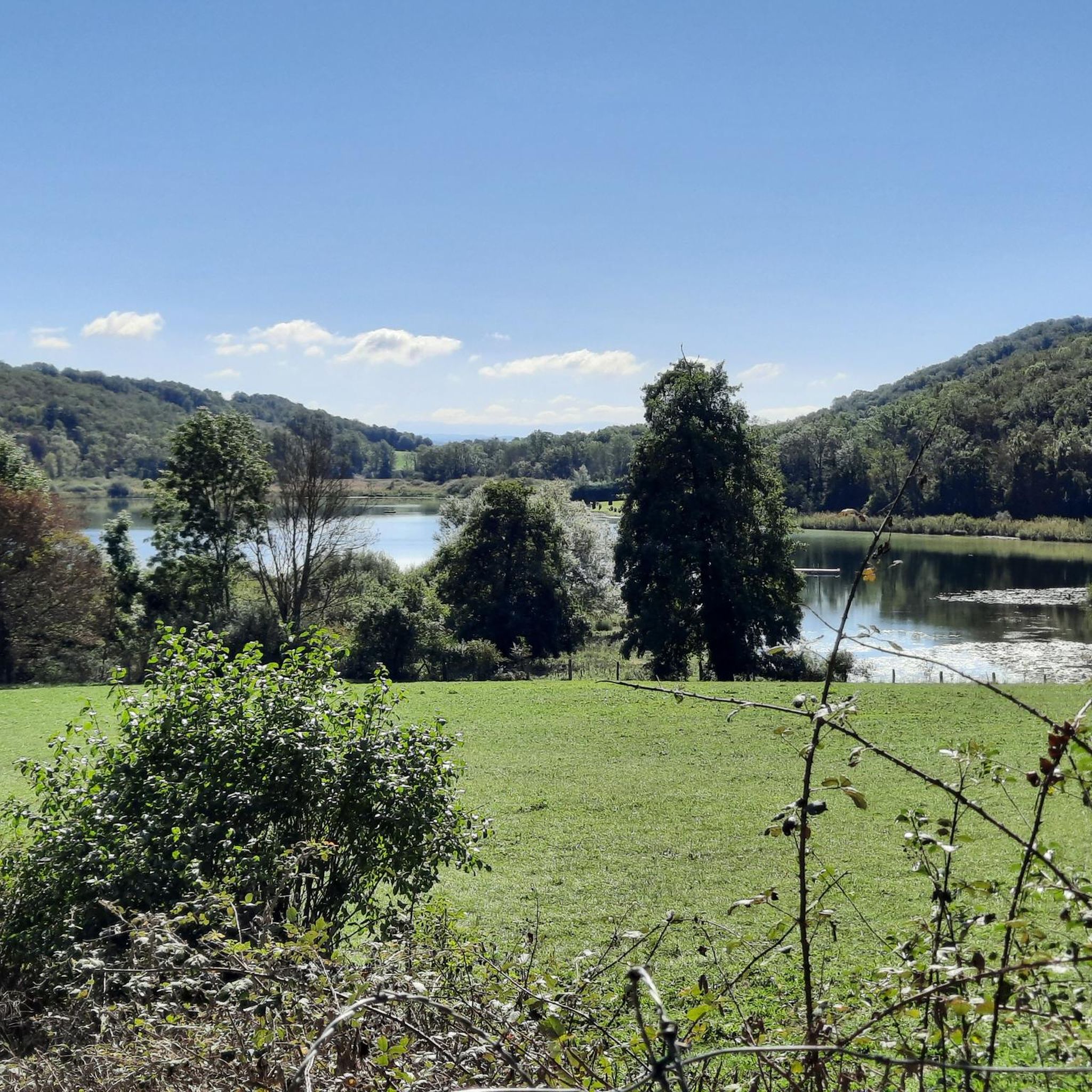
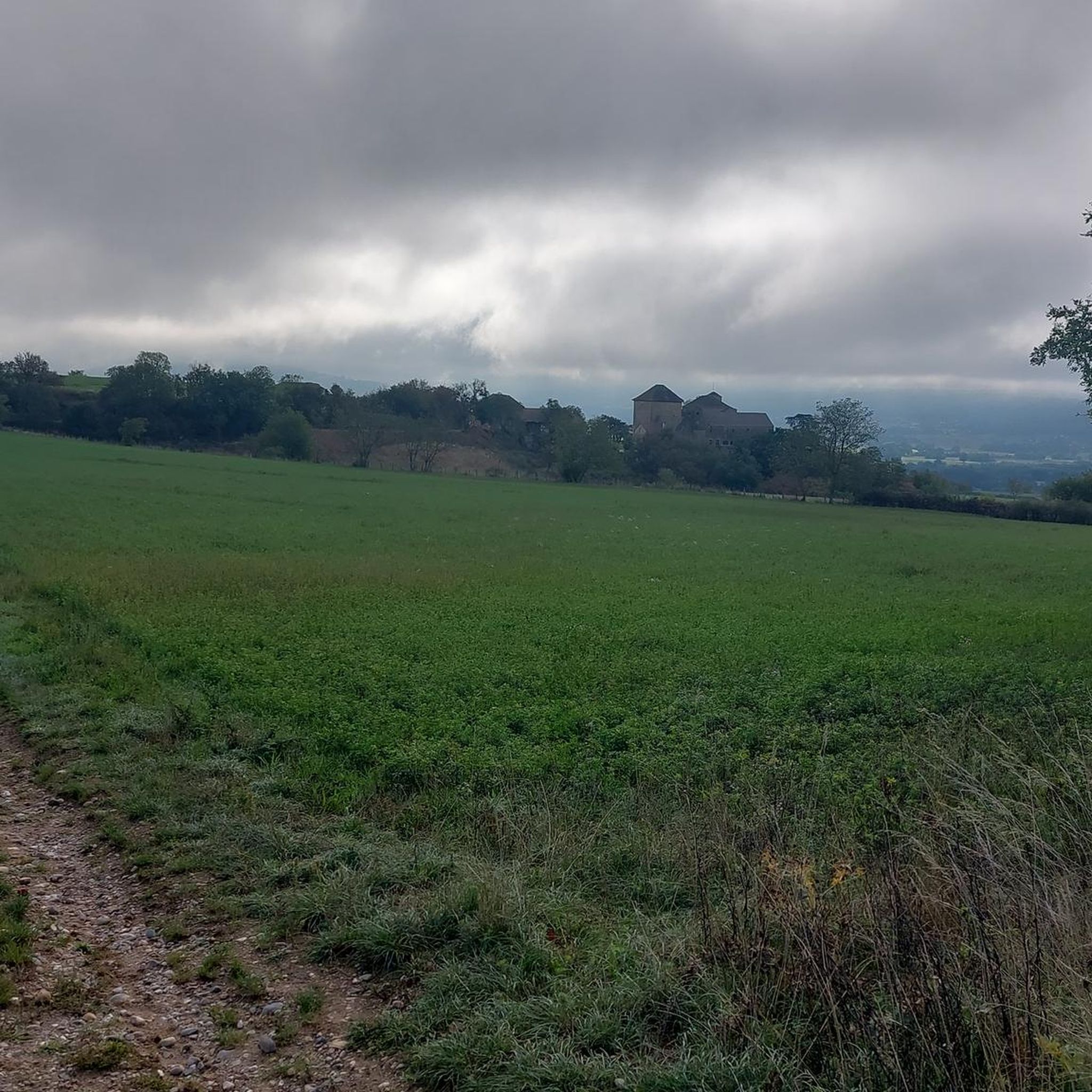
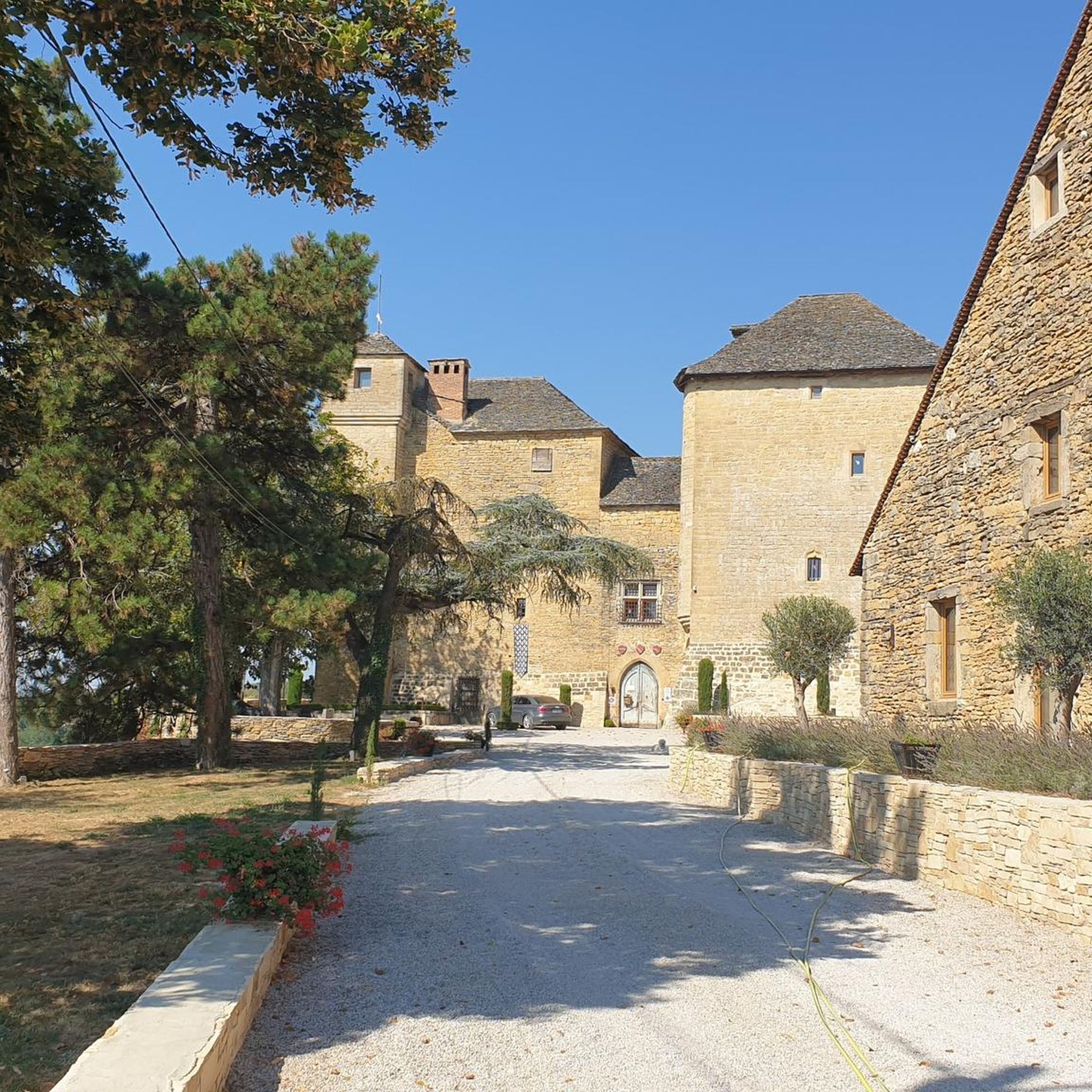
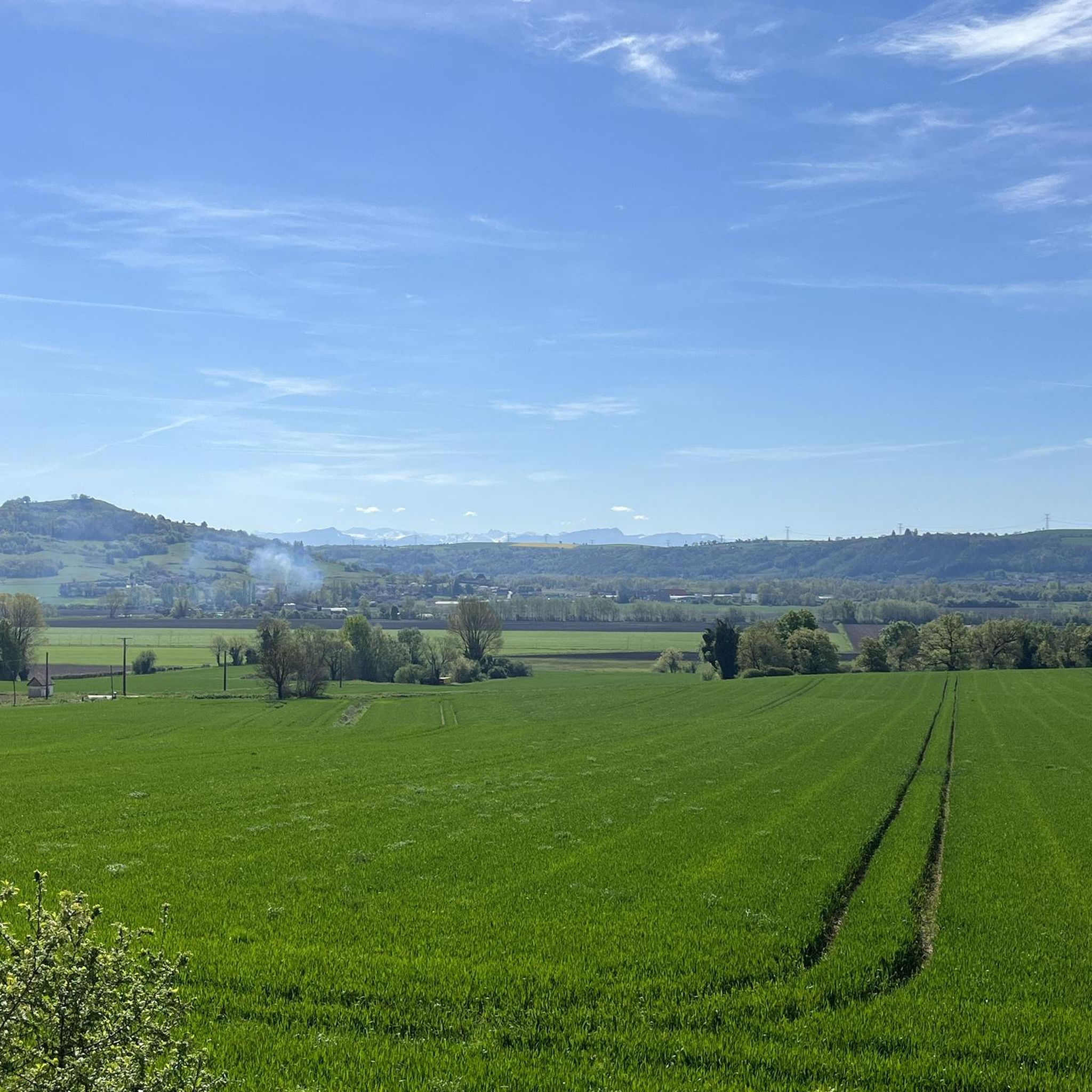


Tips from the Community

Beautiful little town, quite touristy, but worth the detour
0
0

Although first mentioned in 1540, the Cingle fortified house was undoubtedly built in the second half of the 14th century by the Pèlerin family. Originally composed of a main tower and a wing back to the west, it perhaps originally included a curtain wall. During the 15th century, the south wing was extended towards the west, a main building comprising a lower room and an upper room was attached to the north of the main tower, while a turret occupied on the first floor by an oratory and on the second by a dovecote is built to the east, projecting. A wing including the kitchen on the ground floor is also built at right angles to the north of the courtyard. The farm itself retains some architectural elements dating from the 16th century. Source: Ministry of Culture
1
0
The Bienassis fortified house, built by the Vallin family at the end of the 14th century, was organized around an enclosed courtyard and included a pavilion surrounded by watchtower turrets. The current building was completed in 1897 for Casimir Gournet, who wanted to give the old feudal residence the appearance of a medieval castle. Alphonse de Lamartine made several stays in Bienassis with his friend Nicolas Prosper Guichard, between 1804 and 1808. The castle, built of limestone rubble, consists of an L-shaped building covered with a long-pitched roof covered with mechanical tiles extended to the south by a high quadrangular tower with a porch in the work. The north wing has four levels of elevation: three cellars on the basement floor, a square floor and an attic floor. The tower rises on three levels: a ground floor with ribbed vaults and two square floors, the buildings are crowned with false machicolation. The corner turrets are covered with conical slate roofs. The stained glass windows of the ground floor living room are decorated with two bust-length women and two bust-length men in rondels. The coat of arms of the Joubert de Montlevon family can be found on one of the windows of the first living room on the ground floor. In the library, two shields with scrolling scroll motifs, a shield decorated with three female heads, a shield decorated with a passing griffin, and a shield decorated with two hammers with the initials C G for Casimir Gournet adorn the windows. Source: Châteaux de France
0
0
The Delphinal Castle (12th century), from the top of its strategic promontory, bears witness to the development of the city: construction of imposing fortified gates (14th century), a majestic market hall (15th century), a convent of Augustins leaning against the ramparts (14th-19th century) then its cloister (16th century)... So many vestiges which are the visible traces of a past where Crémieu had military, economic and religious importance. The medieval city of Crémieu is classified as a ZPPAUP (Urban and Landscape Architectural Heritage Protection Zone). Source: Isère Tourism
1
0

This small city of character, located 40 kilometers from Lyon has a sumptuous architectural heritage. Walking through its narrow streets, you will discover the Delphinal castle, its majestic 16th century hall, its cloister or its Augustinian convent. The medieval town of Crémieu is classified as a Protected Area for Urban and Landscape Architectural Heritage (ZPPAUP).
0
0

A very beautiful town! There is a good restaurant in the center right next to the village.
0
0

The Château de Bienassis in Villemoirieu, near Crémieu, was frequented by Alphonse de Lamartine.
1
0

Crémieu, or a pretty little town whose historic center is worth a detour! The old houses, the halls, the cloister, etc. create a very pleasant atmosphere.
0
0
Frequently Asked Questions
What are the most historically significant castles around Saint-Hilaire-De-Brens?
The medieval town of Crémieu, with its Delphinal castle, 16th-century hall, and Augustinian convent, offers a rich architectural heritage. The Château Delphinal of Crémieu, dating back to the 12th century, is particularly notable for its strategic promontory and military importance. Additionally, the Château de Montplaisant, an ancient fortified house from the late 13th century, is a significant landmark with a long history tied to the influential Loras family.
Are there any castles with unique architectural features in the region?
Yes, the Château de Montplaisant is known for its massive keep and fortifications with slate roofs and stone walls, forming a quadrangle around an inner courtyard. It also features a square tower and a covered gallery. The Cingle Castle, first mentioned in 1540, retains its main tower and a wing from its original 14th-century construction, showcasing distinct medieval elements.
Can I visit the Château de Montplaisant?
Yes, the Château de Montplaisant underwent a complete restoration and is now open for free or guided tours. It is typically accessible during the summer months and on heritage days. For more detailed information on visiting hours, you can check the local tourism site: balconsdudauphine-tourisme.com.
Are there family-friendly castles to visit near Saint-Hilaire-De-Brens?
The medieval town of Crémieu is considered family-friendly, offering an engaging historical experience with its narrow streets, halls, and cloister. While specific family activities at individual castles may vary, exploring the historical atmosphere of Crémieu is suitable for all ages.
What outdoor activities can I do near these castles?
The region around Saint-Hilaire-De-Brens offers various outdoor activities. You can find numerous hiking trails, including moderate routes like the 'View of the pond – View of the Étang de Moras loop'. There are also cycling routes, such as the 'Crémieu–Morestel Greenway', and MTB trails for more adventurous riders.
Which castles offer panoramic views?
The Château de Montplaisant is renowned for its elevated position, providing magnificent 180-degree views across the valley. On clear days, you can see the Vercors, Chartreuse, and Vanoise massifs, and even Mont Blanc.
What is the best time to visit castles in the Saint-Hilaire-De-Brens region?
Many castles, including the Château de Montplaisant, are regularly open for visits during the summer months and on heritage days. This period generally offers pleasant weather for exploring and enjoying the outdoor aspects of these historical sites.
Are there accommodation options available at any of the castles?
Yes, the Château de Montplaisant offers luxury guest rooms and suites, including a 'Chambre Seigneuriale' within the 13th-century keep and a 'Chambre Royale' with spectacular views. This allows visitors to extend their stay in a historic setting.
What is the history behind the Château de Montplaisant?
The Château de Montplaisant is an ancient fortified house dating back to the late 13th or early 14th century. It was originally built around 1280 by the influential Loras family, who held it for 700 years. Its initial design included a keep, ramparts, a moat, and a drawbridge, reflecting the defensive architecture of the time due to conflicts between the Dauphiné and Savoy.
Are there any castles near Saint-Hilaire-De-Brens that are suitable for events?
The Château de Montplaisant can be rented for seminars, weddings, family celebrations, or other private and professional events. Additionally, the Château de la Baume is primarily known as a charming natural setting for wedding celebrations and other events.
What do visitors enjoy most about the castles around Saint-Hilaire-De-Brens?
Visitors appreciate the rich historical depth and architectural heritage of the region's castles. The medieval town of Crémieu, for instance, is praised for its pleasant atmosphere created by old houses, halls, and cloisters. The panoramic views from sites like Château de Montplaisant are also a significant draw.
Are there any specific historical details or legends associated with these castles?
The Château de Montplaisant has a discreet mark on one of its fireplaces, which is said to be a secret symbol linking it to the Knights Templar and later the Order of Malta. Its chapel, including wall paintings, is also classified as a historic monument.
Most popular routes around Saint-Hilaire-De-Brens
Most popular attractions around Saint-Hilaire-De-Brens

Get inspired with the komoot mobile app


Explore more
Looking for the best castles somewhere else? Discover other guides around Saint-Hilaire-De-Brens:
