Top 8 Caves around Linthal
Best caves around Linthal are found in a region characterized by mountainous terrain and karst landscapes, particularly in the broader Glarus area. Linthal, located in the canton of Glarus, Switzerland, is a village nestled within these natural surroundings. The area is part of the UNESCO World Heritage Site "Swiss Tectonic Arena Sardona," highlighting its significant geological features. While traditional show caves are not directly in Linthal, the region offers unique natural rock formations and historical underground structures.
Best caves around…
Last updated: July 5, 2026
Adlerhorst Command Post – World War I
Highlight • Historical Site
Translated by Google •
Tip by

Veilchenstein German WW1 Bunker
Highlight • Historical Site
Translated by Google •
Tip by
Sign up now to discover places like this
Get recommendations on the best single tracks, peaks, & plenty of other exciting outdoor places.
Sign up for free
Roche Fendue (Hartmannswillerkopf)
Highlight • Historical Site
Translated by Google •
Tip by

Small Cave
Highlight • Cave
Translated by Google •
Tip by

Bischofshut Tunnels and Ruins – Hartmannswillerkopf (HWK)
Highlight • Historical Site
Tip by

Sign up for free to discover even more caves around Linthal.
Sign up for free
Already have an account?
Start today with a free account
Your next adventure awaits.
Login or Signup
Tips from the Community

The "Veilchenstein" is a German shelter located on the Hartmannswillerkopf¹ battlefield. This shelter, built into a rock, is equipped with a machine gun post and observatories¹. Hartmannswillerkopf, also known as Vieil Armand, is a pyramidal rocky spur in the Vosges massif, overlooking the Alsace plain from its 957 meters¹. During the First World War, it was a strategic summit hotly contested by the French and German armies¹. Today, the Hartmannswillerkopf is a place of memory, bearing witness to the suffering of the soldiers who fought in the name of their country¹. The German remains encountered on the ground, sometimes quite spaced apart from each other, are witnesses to this historical period¹. (1). https://bing.com/search?q=veilchenstein+harmannswillerkopf. (2) The Hartmannswillerkopf - Official website. https://www.memorial-hwk.eu/. (3) Hartmannswillerkopf - Wikipedia. https://fr.wikipedia.org/wiki/Hartmannswillerkopf.
0
0
The Adlerhorst is a German shelter located on the Hartmannswillerkopf³ battlefield. This two-story shelter is built into a rock³. It is equipped with a machine gun post, observatories and a fountain³. Hartmannswillerkopf, also known as Vieil Armand, is a pyramidal rocky spur in the Vosges massif, overlooking the Alsace plain from its 956 meters². During the First World War, it was a strategic summit hotly contested by the French and German armies². Today, the Hartmannswillerkopf is a place of memory, bearing witness to the suffering of the soldiers who fought in the name of their country³. The German remains encountered on the ground, sometimes quite spaced apart from each other, are witnesses to this historical period³. (1) The Hartmannswillerkopf – German positions – By hills and by forts. https://parmontsetparforts.fr/2024/03/17/hwk-positions-allemandes/. (2) The Hartmannswillerkopf - Official website. https://www.memorial-hwk.eu/. (3). https://bing.com/search?q=adlerhorst+810+hartmannswillerkopf.
0
0
The “Roche Fendue” is a rock formation located on the Hartmannswillerkopf battlefield¹. It is located to the north of the HWK, below the Silberloch Pass, at around 750 meters above sea level³. The French fortified this rock during the First World War by digging an underground gallery approximately 20 meters long³. Above the Roche Fendue, a trench leads to an observation post offering a view of the Freundstein, the Grand-Ballon, the Hartfelsen, the Südelkopf and the Thierenbachkopf¹. These fortifications are among the many vestiges of the trench warfare which lasted from the end of 1914 to July 1918 on the Hartmannswillerkopf¹. Today, these sites are places of memory, witnesses to the suffering of soldiers who fought in the name of their country¹. (1) The Hartmannswillerkopf – French positions – By Mountains and by Forts. https://parmontsetparforts.fr/2024/03/24/hwk-positions-francaises/. (2) HWK: Observatories - e-monsite. https://hartmannswillerkopf.e-monsite.com/pages/hwk-les-observatoires.html. (3) To do: The northern trenches of Hartmannswillerkopf - Hiking. https://www.visorando.com/randonnee-les-tranchees-nord-du-hartmannswillerkop/.
0
0

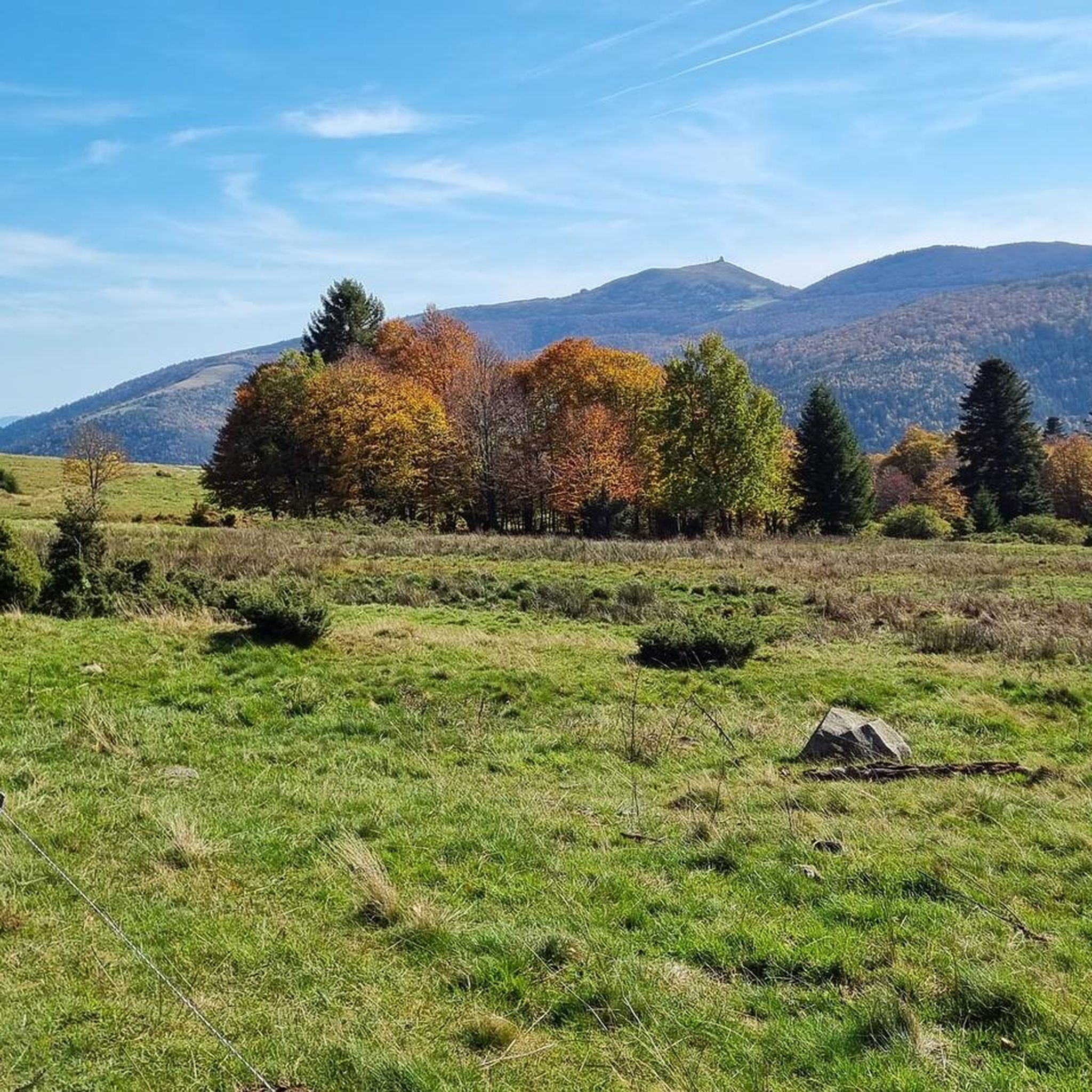
small caves are always attractive and invite you to explore them. (Even if you suspect that there is not too much to explore.
0
0

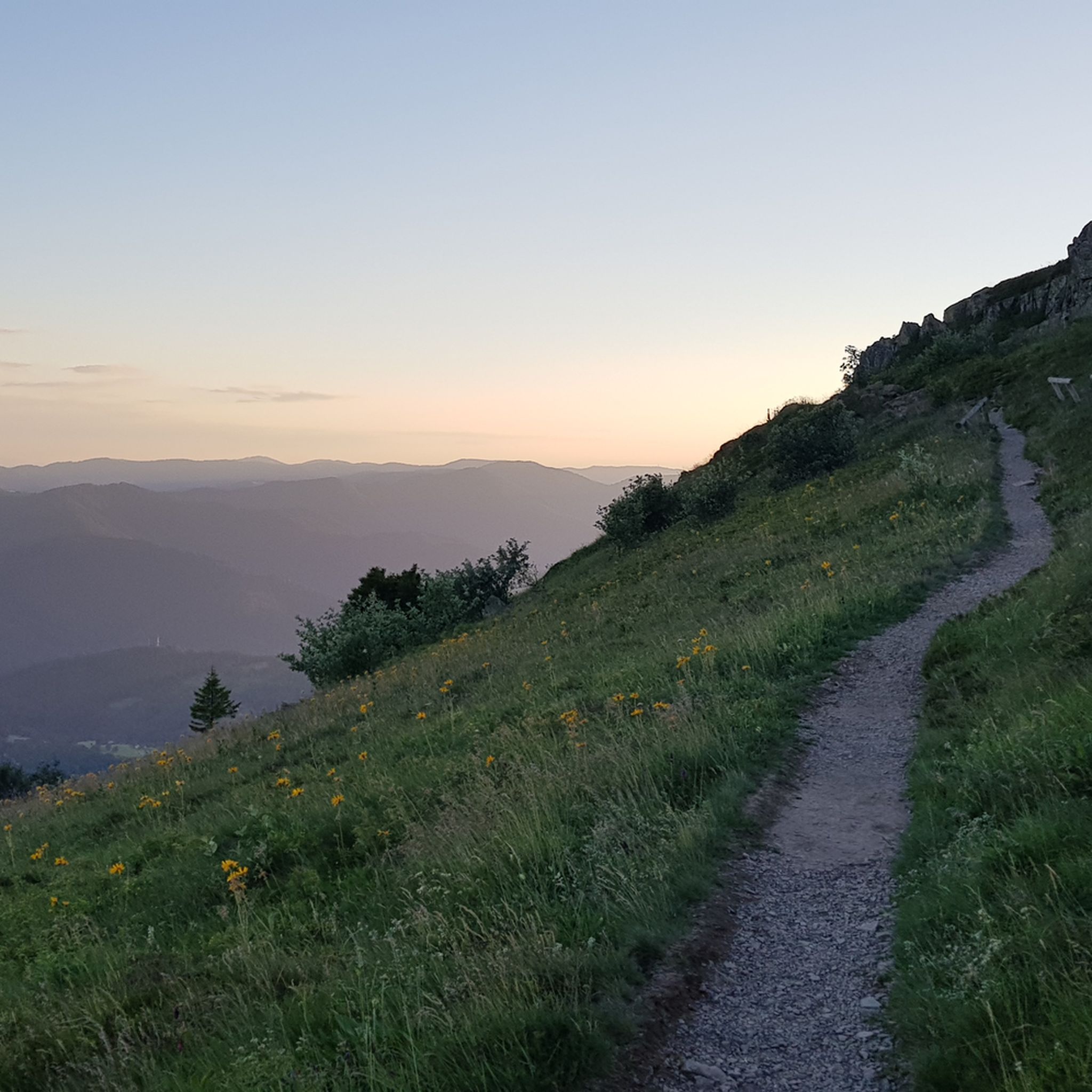
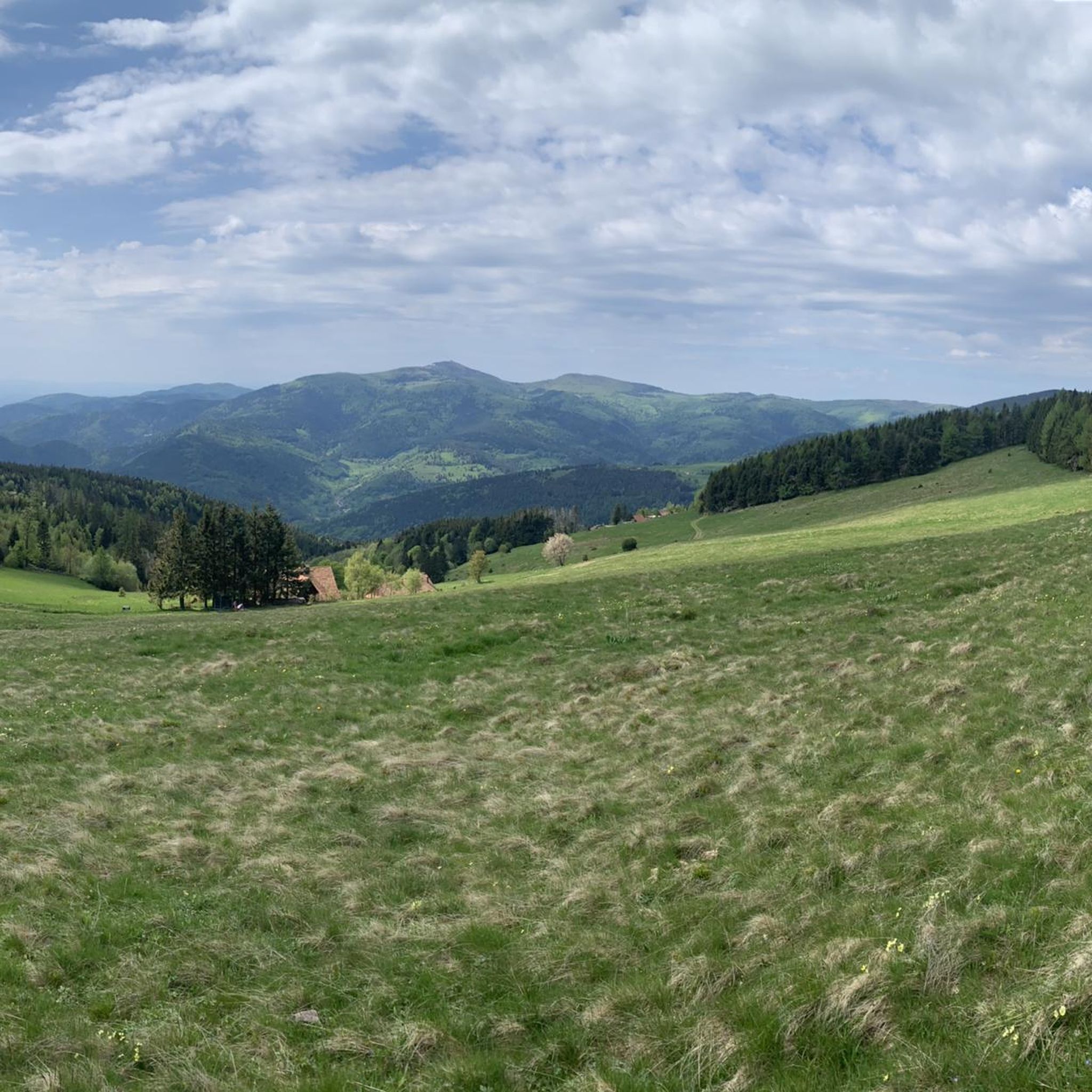
Fantastic view, so idyllic today, overgrown again and peaceful. May it stay like this forever! Live la paix!
2
0

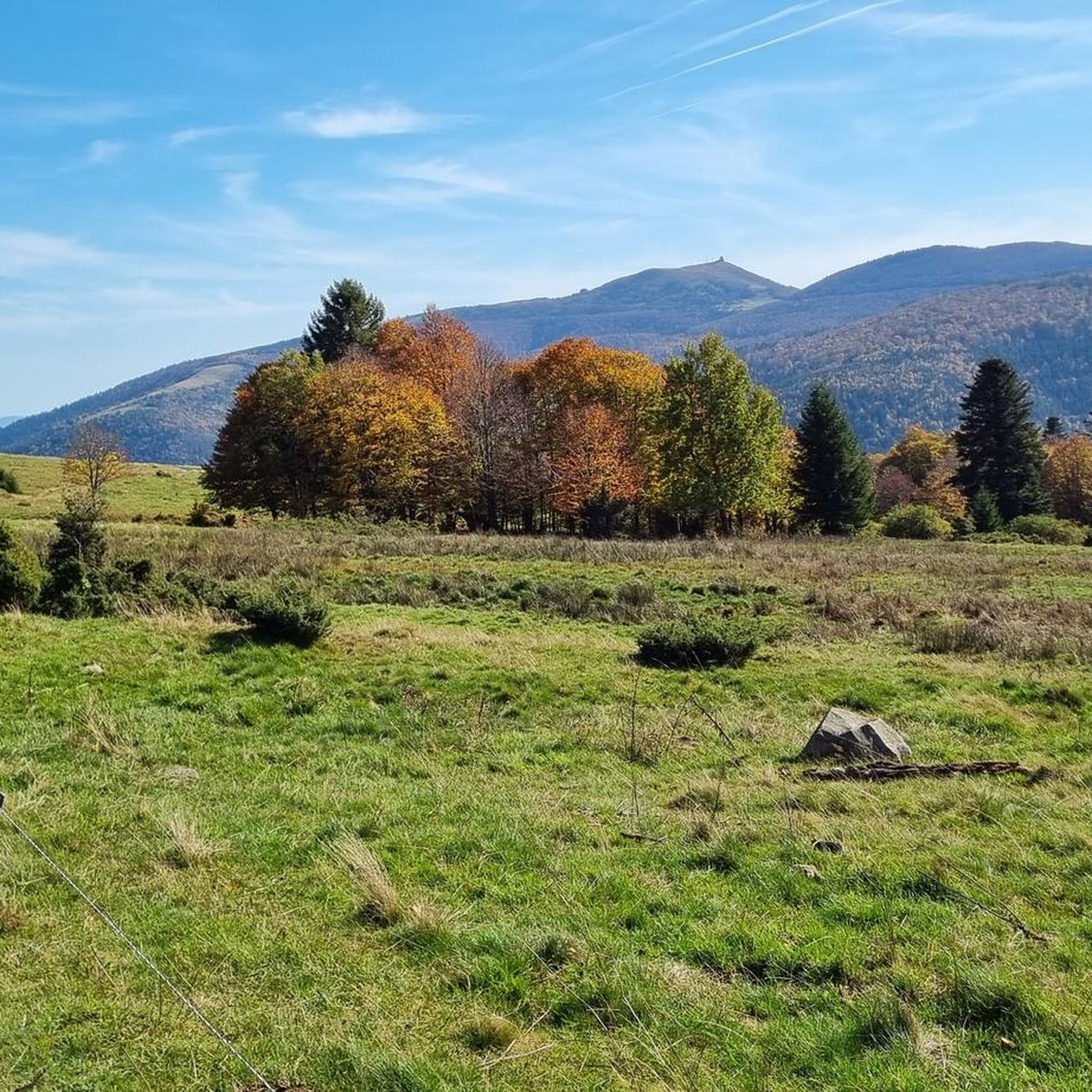
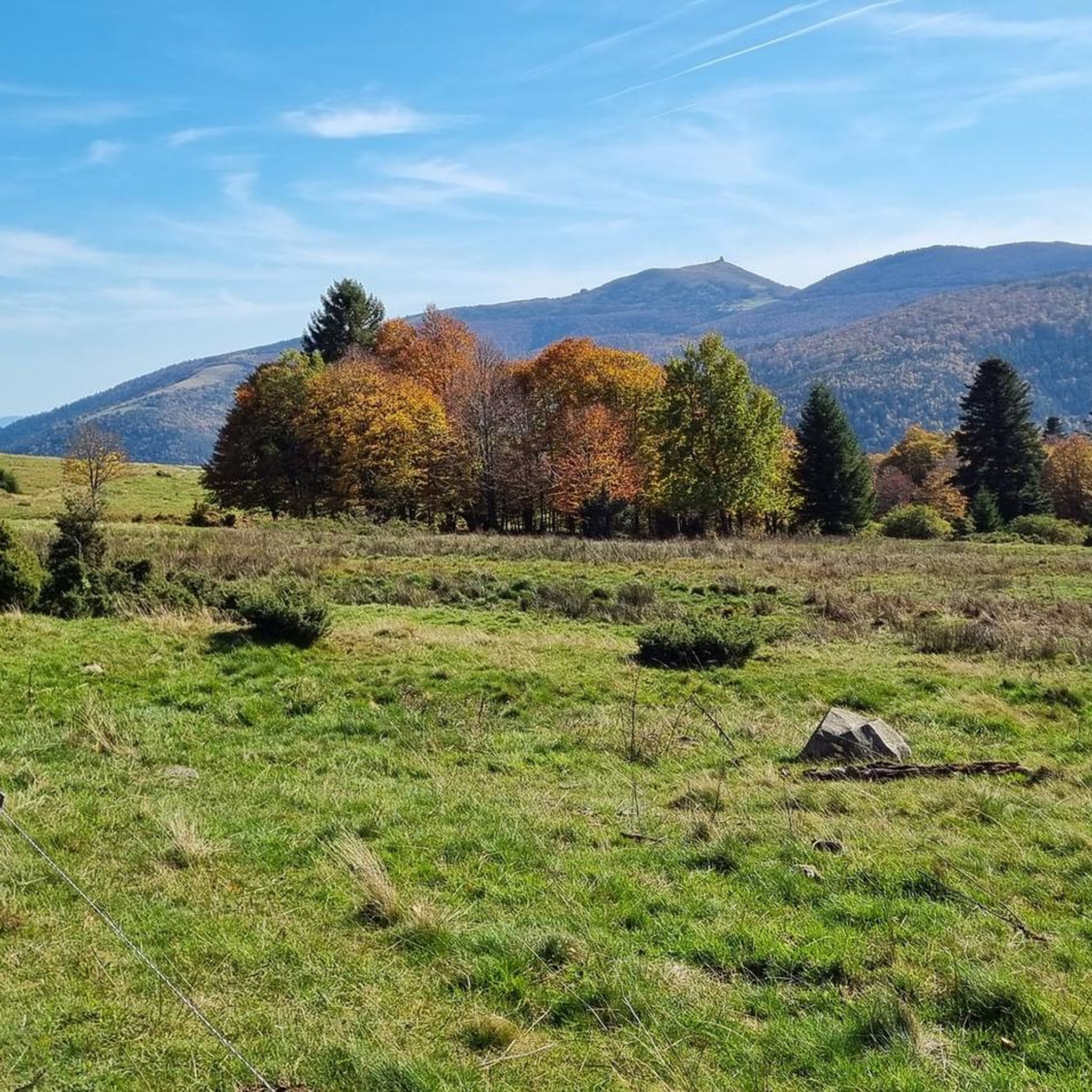
There is a lot to discover on the way to the Grand Ballon.
2
0

German WW1 position consisting of bunkers, tunnels, and trenches. Care should be taken in the tunnels due to possible rockfall or collapse.
1
0
German WW1 position consisting of bunkers, tunnels and trenches. Care should be taken in the tunnels due to possible rock fall or collapse.
1
0
Frequently Asked Questions
What kind of caves can I explore around Linthal?
The Linthal area, while known for its mountainous terrain, primarily features historical military bunkers and tunnels categorized as 'caves' within the guide. These include sites like Adlerhorst Command Post – World War I, Veilchenstein German WW1 Bunker, and Felseneck German WW1 Bunkers and Tunnels. These offer insights into World War I fortifications built into rock faces. For natural geological formations, the broader Glarus region features the unique Martinsloch rock window and Wildenmannli's Cave.
Are there any natural caves or geological formations to see near Linthal?
Yes, beyond the historical bunkers, the broader Glarus region offers natural geological wonders. The most notable is the **Martinsloch**, a spectacular natural rock window in the Tschingelhörner Alps, famous for the sun shining through it onto Elm village twice a year. There's also **Wildenmannli's Cave** in the Glarus Nord area, which provides a more traditional, unlit cave exploration experience.
What is special about the Martinsloch?
The Martinsloch is a triangular-shaped opening in the Tschingelhörner Alps, part of the UNESCO World Heritage Site 'Swiss Tectonic Arena Sardona'. Its unique feature is a natural spectacle occurring around March 13th/14th and September 30th/October 1st, when the sun shines directly through the hole onto the church of Elm village for a few minutes after sunrise.
What can I expect when visiting Wildenmannli's Cave?
Wildenmannli's Cave offers an immersive, natural cave experience. It's an unlit environment with sections that can have water up to 20 centimeters deep. Good footwear and a headlamp are recommended for exploration. Local folklore suggests wild men or dwarves once inhabited the cave.
Are the historical bunkers around Linthal suitable for families?
The historical bunkers and tunnels, such as Adlerhorst Command Post – World War I, offer a unique historical experience. However, some are described as 'challenging' and involve exploring tunnels where care should be taken due to possible rockfall. They might be more suitable for older children and adults interested in history and adventure, rather than very young families.
What should I wear when exploring caves or bunkers in the Linthal area?
For historical bunkers and tunnels, sturdy footwear is essential, and a headlamp is advisable for unlit sections. If you plan to explore natural caves like Wildenmannli's Cave, waterproof footwear is highly recommended due to potential standing water, along with appropriate clothing for cool, damp conditions and a reliable light source.
What outdoor activities can I combine with a visit to the caves around Linthal?
The Linthal region is excellent for various outdoor activities. You can find numerous MTB Trails, Road Cycling Routes, and Running Trails. Many routes incorporate scenic views and mountainous terrain, offering a full day of exploration.
Are there any easy-to-access caves or historical sites near Linthal?
While some historical bunker sites are rated 'challenging', the guide also lists a Small Cave which is rated 'intermediate' and described as attractive for exploration. For natural formations, the Martinsloch is a viewpoint, not an explorable cave, and can be observed from a distance, making it accessible in a different way.
What do visitors enjoy most about the historical cave sites?
Visitors appreciate the historical significance and the immersive experience of exploring well-preserved World War I positions. Sites like Adlerhorst Command Post – World War I are noted for their spectacular nature, with steps, rooms, and gun positions built into the rock, offering a glimpse into the past amidst beautiful natural surroundings.
Can I find cafes or restaurants near the cave exploration sites?
The historical bunker sites are often in remote, mountainous areas, so amenities like cafes and restaurants may not be directly adjacent. It's advisable to check local information for the specific location you plan to visit or to bring your own provisions. Linthal village itself offers dining options.
Are there any other significant cave systems in Switzerland, even if not directly in Linthal?
Yes, for those interested in larger, more developed show caves in Switzerland, the **Hölloch cave system** in Muotathal is one of the largest in the world, offering various guided tours. The **St. Beatus Caves** near Lake Thun also feature extensive formations and underground waterfalls. These are significant options, though they are located outside the immediate Linthal/Glarus region.
Most popular routes around Linthal
Most popular attractions around Linthal

Get inspired with the komoot mobile app


Explore more
Extend your search for the best caves by checking out these guides of the top ones around Linthal:
