Top 12 Gorges around Marckolsheim
Canyons around Marckolsheim refer to deeply incised natural features found in the broader region, as Marckolsheim itself is situated in the flat, alluvial plain of the Grand Ried. This area is characterized by wetlands, the Rhine river, and extensive Rhine forests, offering a unique riparian ecosystem. While traditional geological canyons are not present in Marckolsheim, the surrounding areas, particularly the Kaiserstuhl region, feature "hollow ways" or "sunken lanes" that are categorized as gorges. These features provide distinct natural experiences for…
Last updated: July 5, 2026
Romantic sunken lane in the Liliental
Highlight • Gorge
Translated by Google •
Tip by

Eichgasse Loess Hollow Way
Highlight • Gorge
Translated by Google •
Tip by

Sign up now to discover places like this
Get recommendations on the best single tracks, peaks, & plenty of other exciting outdoor places.
Sign up for free
Hollow Way Down to Ihringen
Highlight • Gorge
Translated by Google •
Tip by

Grotto of Lourdes
Highlight • Religious Site
Translated by Google •
Tip by

Romantic sunken lane
Highlight (Segment) • Gorge
Translated by Google •
Tip by
Sign up for free to discover even more gorges around Marckolsheim.
Sign up for free
Already have an account?
Start today with a free account
Your next adventure awaits.
Login or Signup
Tips from the Community

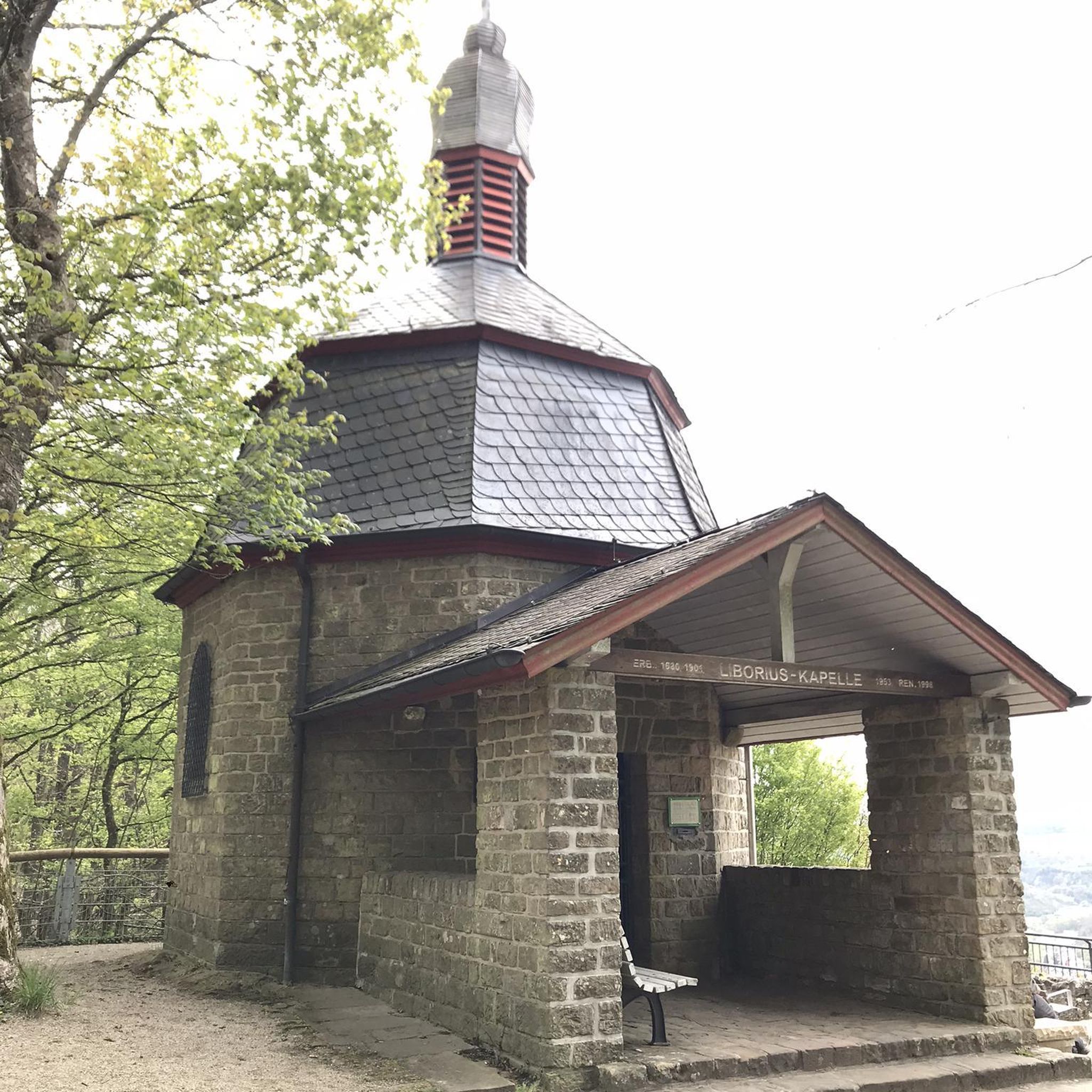
The Virgin Mary depicted and venerated here is that of Lourdes. This well-known Marian pilgrimage site is located in the French Pyrenees and is visited by many people every year, including many sick people hoping for healing. The devotional image of the Virgin Mary has become widespread—not only in France—and Lourdes chapels and grottoes have been built by believers everywhere. The feast day of Our Lady of Lourdes is February 11, the anniversary of the Marian apparition (1858), when the Virgin Mary appeared to 14-year-old Bernadette Soubirous in a grotto near Lourdes. Bernadette later became a nun and died at the young age of 35. On December 8 (the Feast of the Immaculate Conception of Mary), 1933, she was canonized by Pope Pius XI. Our Lady of Lourdes is celebrated on February 11, the anniversary of the Marian apparition (1858), when the Virgin Mary appeared to 14-year-old Bernadette Soubirous in a rock grotto very close to Lourdes. Bernadette later became a nun and died at the young age of 35. On December 8 (the Feast of the Immaculate Conception of Mary), 1933, she was canonized by Pope Pius XI. ... The feast day of Our Lady of Lourdes is also World Day of the Sick.
0
0

A beautiful hollow path leading from the Liliental valley into the forest to the north. Numerous nesting holes can be seen in the loess walls, but I haven't encountered any bee-eaters in the forest.
2
0

One of the most beautiful loess hollow paths in the Kaiserstuhl region
0
0

The East Winegrowers' Trail is beautifully laid out, labelled and provided with information boards.
0
0

Great single trail with information stands
1
0

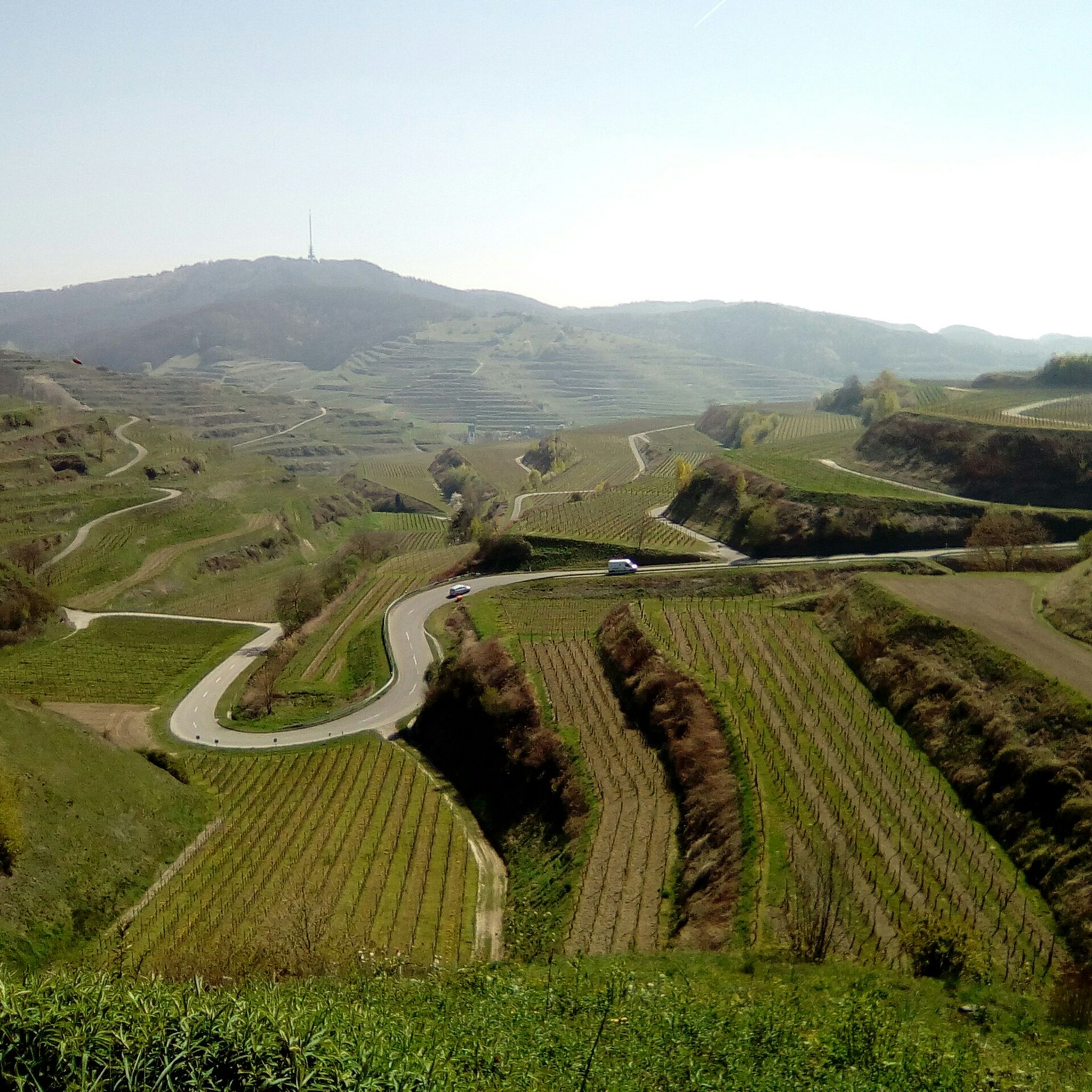
One of the typical sunken paths on the Kaiserstuhl and part of several hiking trails. A special scenic highlight near Ihringen.
0
1

Nice path, but difficult to drive when wet because it is very slippery mud. If it's dry, there will probably be a lot of pedestrians on the road, so it's better to push. But the way is not far. So I recommend safety and consideration.
0
0

Frequently Asked Questions
What kind of 'canyons' can I expect to find around Marckolsheim?
Marckolsheim itself is located in the flat Grand Ried plain, so you won't find traditional geological canyons directly in the area. The 'canyons' referred to in this guide are primarily hollow ways or sunken lanes found in the broader region, particularly in the nearby Kaiserstuhl. These are deeply incised paths formed over centuries by human and animal use, and by natural erosion in loess soil, creating unique, gorge-like formations.
Are there any family-friendly 'canyons' or hollow ways to explore?
Yes, several hollow ways are suitable for families. The Romantic sunken lane in the Liliental is categorized as family-friendly and offers exciting things to explore on its walls, including breeding holes for bee-eaters. Another great option is the Hollow Way Down to Ihringen, which is part of the 'Wendelin Wiedehopf children's path' and is perfect for little adventurers.
What natural features can I observe in these hollow ways?
The hollow ways are rich in natural and geological interest. For example, the Romantic sunken lane in the Liliental and the Loess Hollow Way in Kaiserstuhl are known for their loess soil formations and serve as breeding grounds for bee-eaters and wild bees. In spring, the area around the Hollow Way Down to Ihringen also features blooming orchids and magnificent cherry trees.
What is the best time to visit the hollow ways around Marckolsheim?
The hollow ways can be visited year-round, but spring and autumn offer particularly pleasant conditions. In spring, you can witness blooming orchids and cherry blossoms, while autumn brings vibrant foliage. Summer is also suitable, but be prepared for warmer temperatures. Winter visits are possible, but some paths might be muddy or slippery.
Are there historical or cultural sites near these hollow ways?
Yes, some of these hollow ways have historical significance. The Romantic sunken lane in the Liliental is considered a historical site, with some of these hollows being several centuries old. Additionally, the Grotto of Lourdes, while primarily a religious building, is nestled in a natural setting and offers a quiet place for reflection.
What outdoor activities can I do near these hollow ways?
Beyond exploring the hollow ways themselves, the broader region around Marckolsheim offers various outdoor activities. You can find numerous cycling routes, including those along the Rhine, and road cycling tours. For those interested in more challenging terrain, there are also mountain hikes available in the Kaiserstuhl area.
What do visitors enjoy most about the hollow ways in the region?
Visitors frequently highlight the unique atmosphere and geological interest of these paths. Many describe them as 'adventurous' and 'simply beautiful,' appreciating how they are 'created by nature.' The impressive ravines in the loam soil, with their almost vertical slopes, and the opportunity to observe wildlife like bee-eaters, are also highly valued experiences.
Is true canyoning available near Marckolsheim?
Traditional canyoning, involving descents in waterways with specialized equipment, is not available in the immediate vicinity of Marckolsheim. The landscape around Marckolsheim is flat. However, opportunities for canyoning can be found further afield in the Vosges mountains, located to the west of the region.
Are there any guided walks or nature trails in the Marckolsheim area?
While not directly within the hollow ways, the immediate Marckolsheim area, particularly the Grand Ried and Rhine forest, offers unique natural experiences. The 'Sentier des escapades du Rhin' is a guided walk that highlights the Rhine's flora and fauna, phreatic ponds, and alluvial meadows, providing insight into the region's 'Rhenish jungle' ecosystem.
How accessible are the hollow ways, and is parking available?
The hollow ways are generally accessible, though some are categorized as intermediate difficulty due to their natural terrain. Specific parking information for each hollow way would depend on its exact location within the Kaiserstuhl region. It's advisable to check local maps or visitor information for the specific starting points of your chosen trail.
Can I bring my dog to the hollow ways?
Many natural trails and hollow ways in the region are dog-friendly, but it's always recommended to keep your dog on a leash, especially in areas with wildlife or near agricultural land. Check specific signage at the entrance to each hollow way for any restrictions.
What should I wear when exploring the hollow ways?
Comfortable walking shoes with good grip are essential, as the paths can be uneven or muddy, especially after rain. Layered clothing is advisable to adapt to changing weather conditions. During summer, consider a hat and sunscreen, and in cooler months, a waterproof jacket is recommended.
Most popular routes around Marckolsheim
Most popular attractions around Marckolsheim

Get inspired with the komoot mobile app


Explore more
Already discovered everything in this region? See additional gorges around Marckolsheim for your next adventure:
