Top 9 Castles around Erlenbach (ZH)
Best castles around Erlenbach (ZH) are primarily found as historical sites and ruins in the broader region, as the municipality itself does not contain standing castles. Erlenbach (ZH) is situated on the shores of Lake Zurich, offering natural landscapes and historical manor houses. The area features significant archaeological sites, including prehistoric pile dwellings, and scenic routes. Visitors can explore local history and appreciate the architecture of historical buildings like Erlengut.
Best castles around Erlenbach (ZH)
- The most popular castles is…
Last updated: July 1, 2026
Historic village of Greifensee
Highlight • Settlement
Translated by Google •
Tip by

Schnabelburg ruins
Highlight • Castle
Translated by Google •
Tip by

Sign up now to discover places like this
Get recommendations on the best single tracks, peaks, & plenty of other exciting outdoor places.
Sign up for free
Friedberg Ruins
Highlight • Castle
Translated by Google •
Tip by

Friesenberg Castle Ruins
Highlight • Castle
Translated by Google •
Tip by

Uster Castle
Highlight • Castle
Translated by Google •
Tip by

Sign up for free to discover even more castles around Erlenbach (ZH).
Sign up for free
Already have an account?
Start today with a free account
Your next adventure awaits.
Login or Signup
Popular around Erlenbach (ZH)
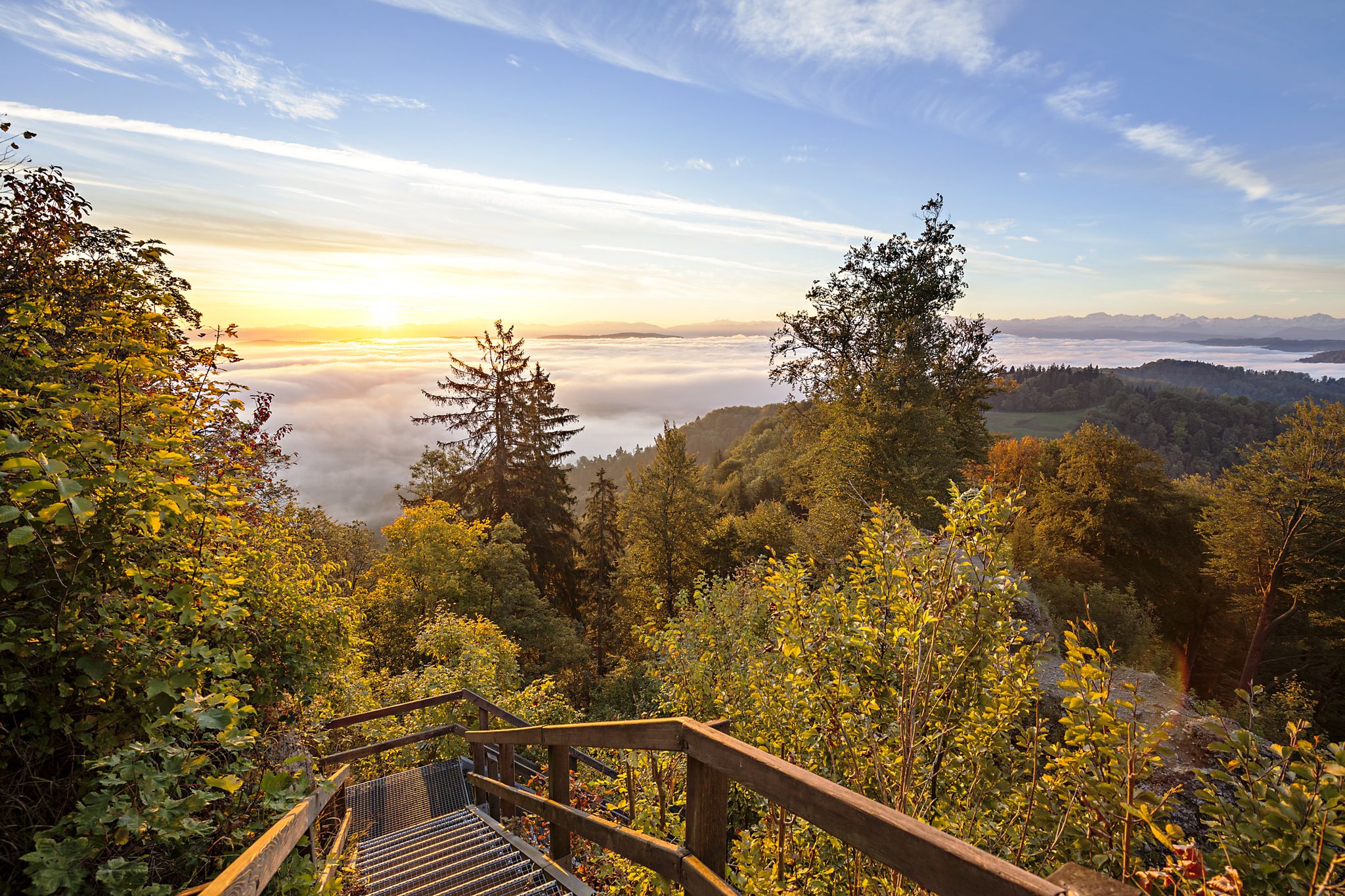
Zürich in technicolour – autumnal hikes
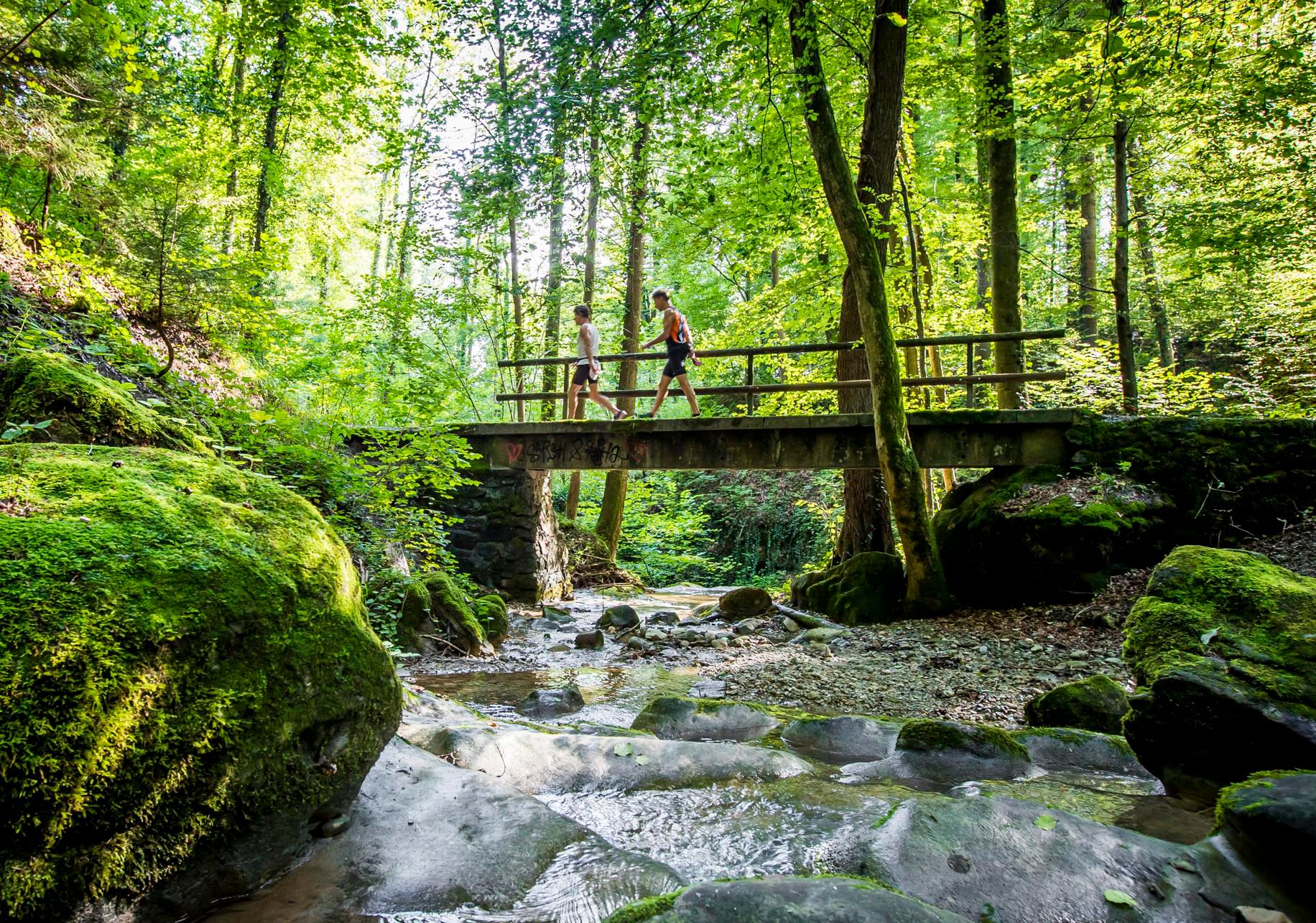
Exciting ridges & wild forests – hiking around Zurich
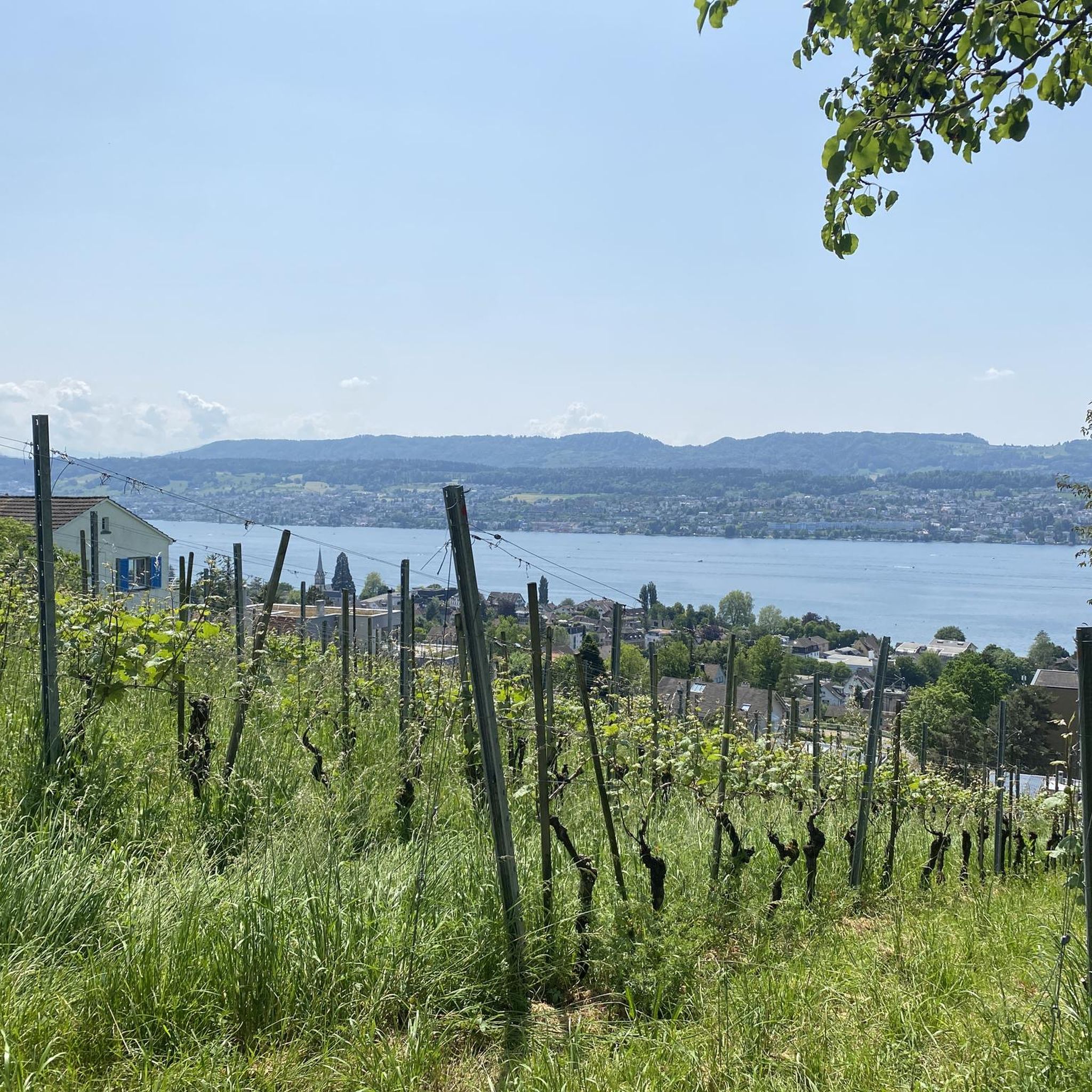
Road Cycling Routes around Erlenbach (ZH)
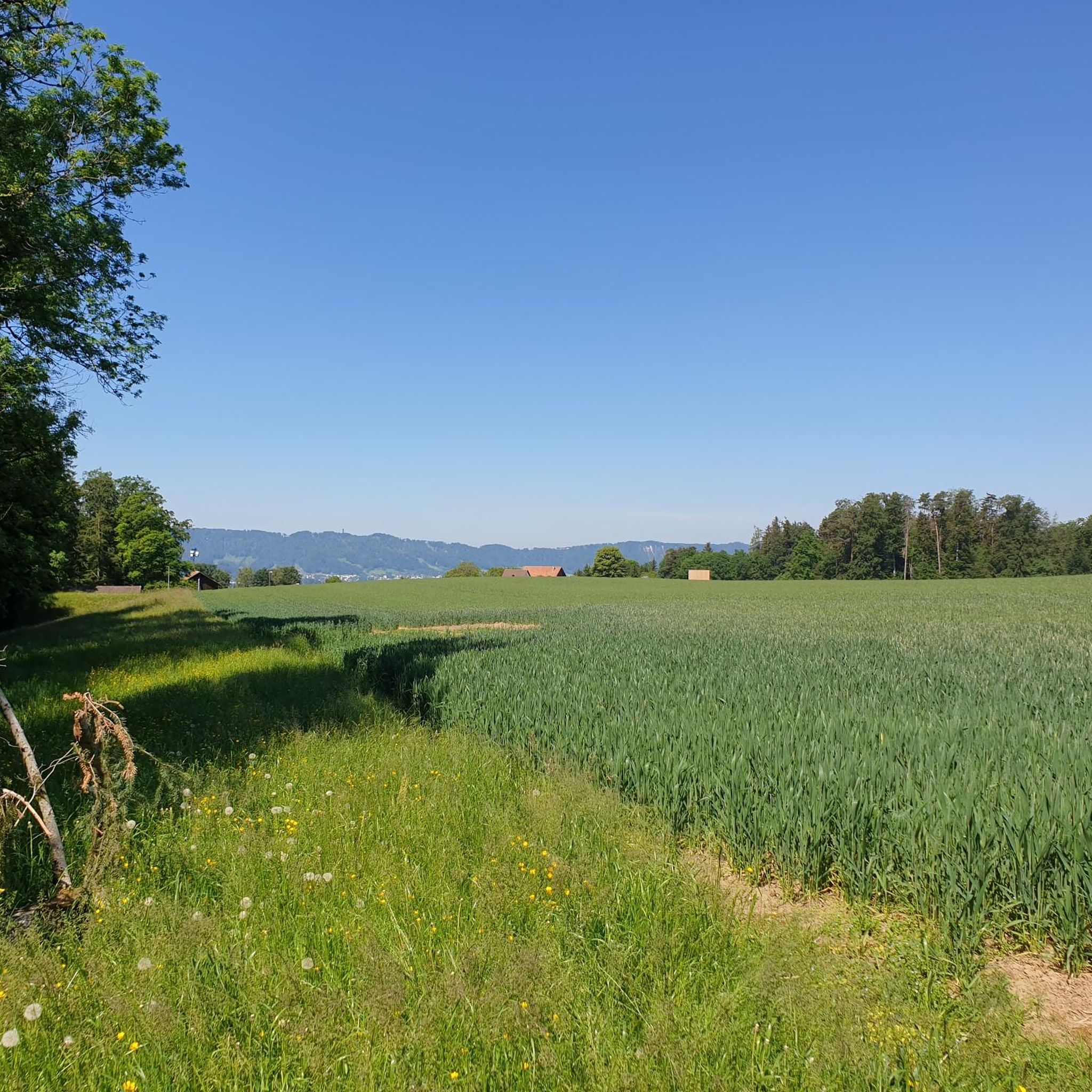
Hiking around Erlenbach (ZH)
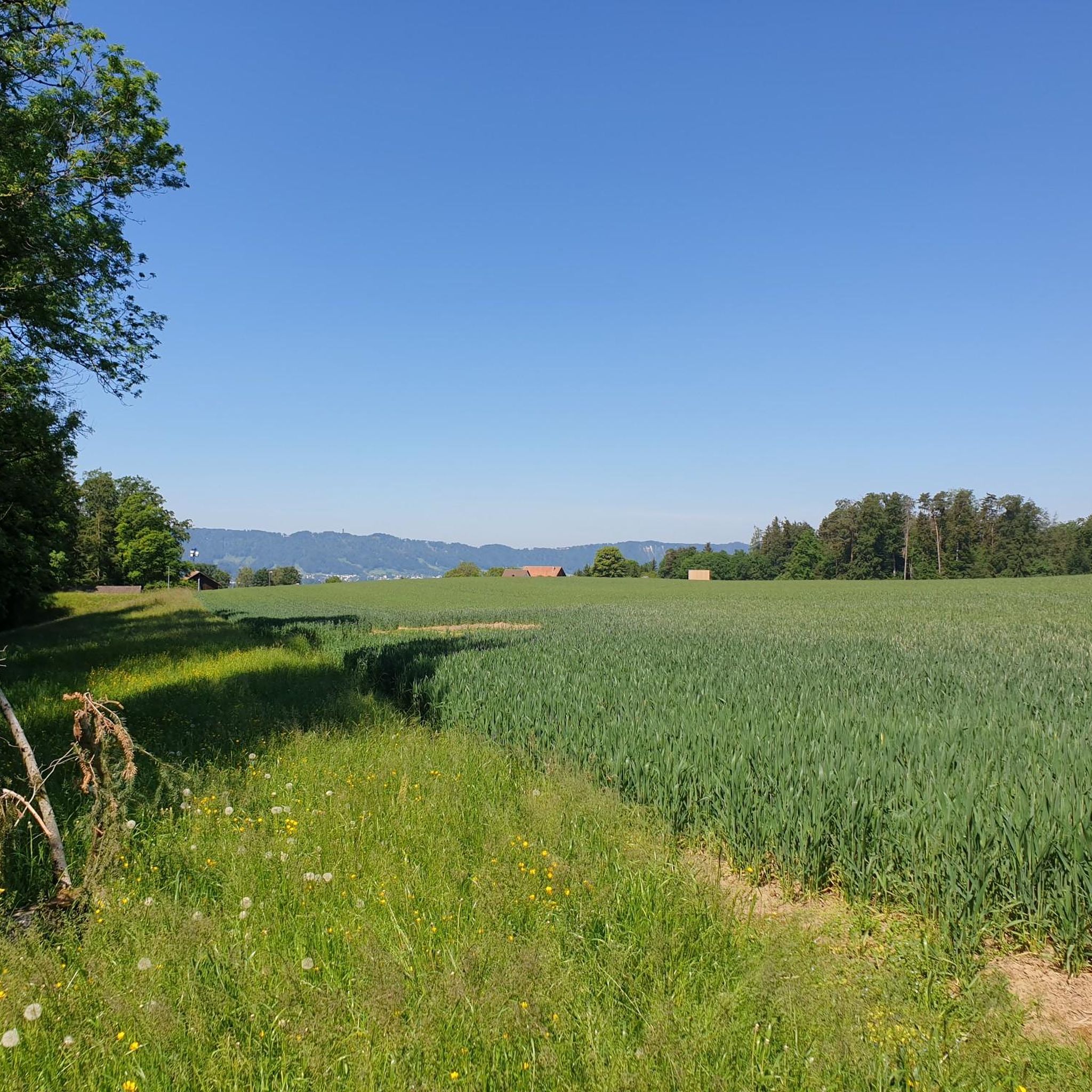
MTB Trails around Erlenbach (ZH)
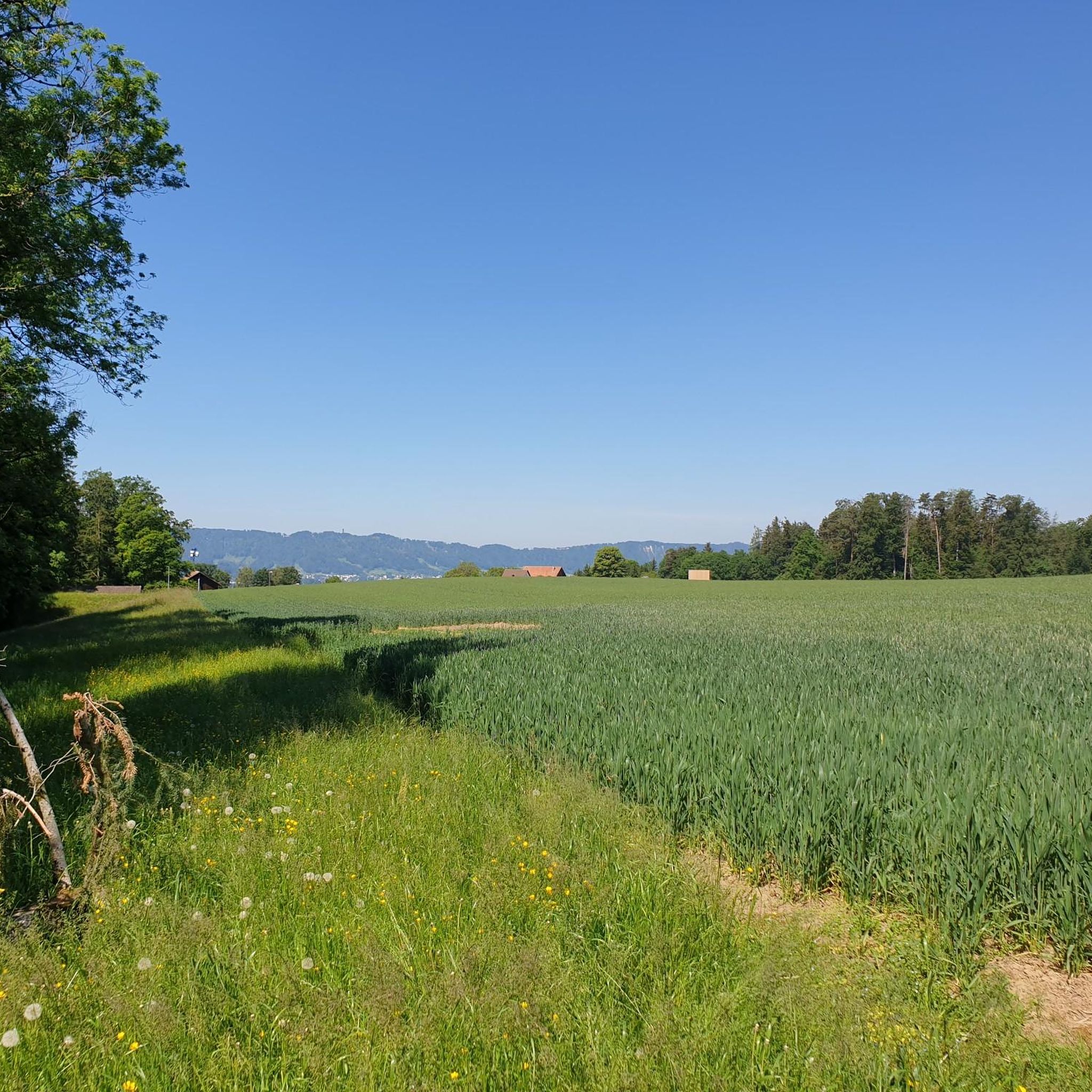
Cycling around Erlenbach (ZH)
Gravel biking around Erlenbach (ZH)
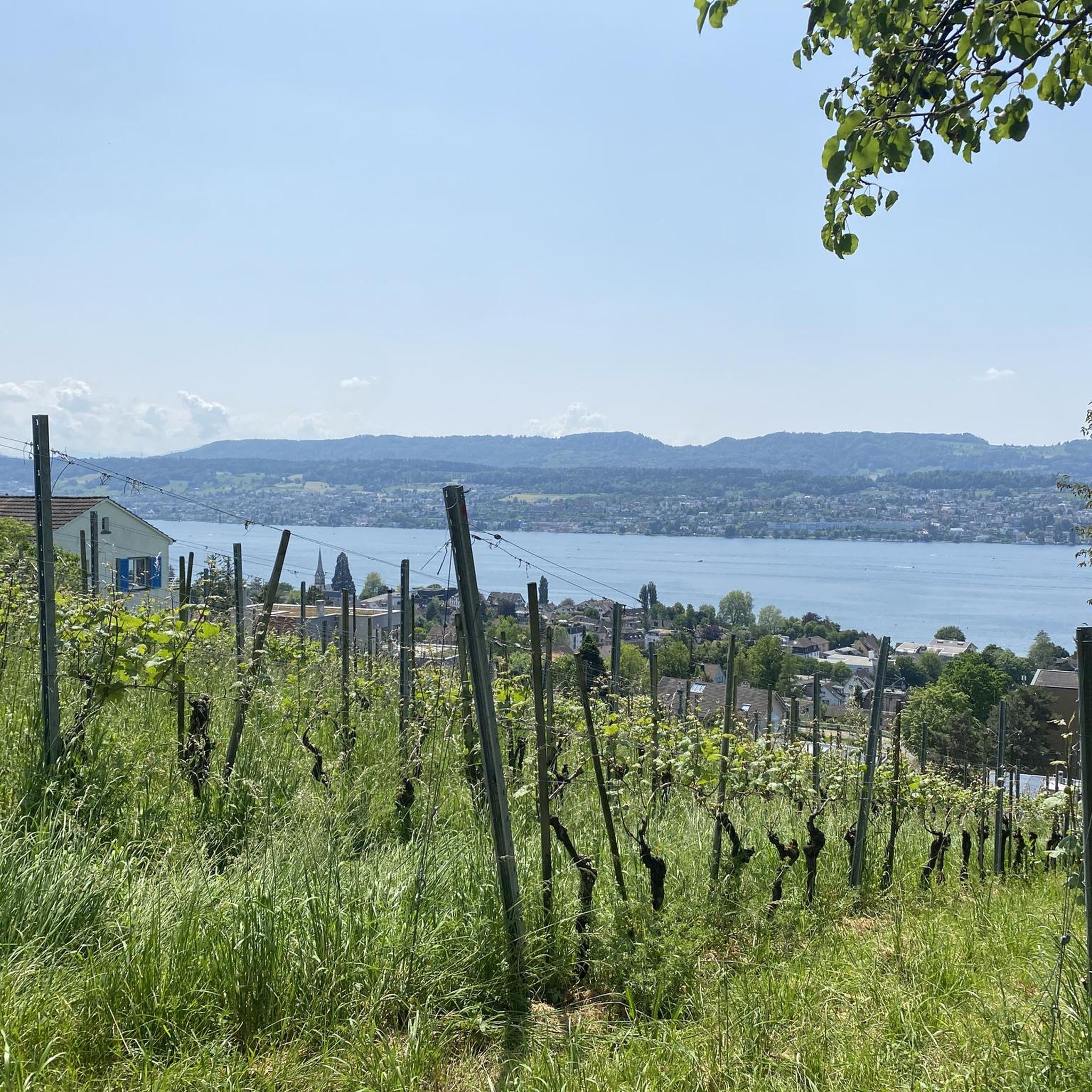
Running Trails around Erlenbach (ZH)
Mountain Hikes around Erlenbach (ZH)

Tips from the Community

From the north, a relatively easy, clearly visible, unmarked path leads to the plateau on which Schnabelburg Castle stands. The descent to the south is very steep and, when the ground is wet and/or covered in autumn leaves, also very slippery.
1
0


Remains of the foundation walls of a former hilltop castle
5
0

Very nice hiking trail directly at Lake Greifensee.
2
0

Beautiful viewpoint with a view of Lake Greifensee and the mountains
2
0

The Schnabelburg is the ruins of a hilltop castle on the beak-shaped hill north of the Schnabellücke above the village of Hausen am Albis in the canton of Zurich. Source: Wikipedia
6
2
The Schnabelburg is the ruins of a hilltop castle on the beak-shaped hill north of the Schnabellücke above the village of Hausen am Albis in the canton of Zurich. Source: Wikipedia
7
2
Frequently Asked Questions
What kind of historical sites and 'castles' can I expect to find around Erlenbach (ZH)?
Erlenbach (ZH) itself does not have standing castles. Instead, you'll find historical sites, castle ruins, and historic villages in the broader region. Notable examples include the Historic village of Greifensee, Friedberg Ruins, and Schnabelburg ruins. The area also features significant archaeological sites like prehistoric pile dwellings and historical manor houses such as the Erlengut.
Are there any family-friendly historical sites or ruins to visit near Erlenbach (ZH)?
Yes, several sites are suitable for families. The Friedberg Ruins are described as family-friendly, with information boards providing historical context. The Historic village of Greifensee is also considered family-friendly, offering a picturesque setting by the lake. Additionally, the Swiss National Museum in Zurich, housed in a castle-like building, is a family-friendly historical site.
What natural features or viewpoints can I explore near these historical sites?
The region around Erlenbach (ZH) offers several natural attractions. The Erlenbach-Küsnacht Gorge Path features waterfalls, caves, and geological wonders like the Küsnacht Erratikus and the Dragon's Cave. Many of the historical sites, such as the Schnabelburg ruins and the Historic village of Greifensee, also offer scenic viewpoints.
What outdoor activities can I do near the historical sites around Erlenbach (ZH)?
The area around Erlenbach (ZH) is excellent for outdoor activities. You can find numerous running trails, such as the 'Chinawiese – Utoquai Lakeside Promenade loop' or the 'Kittenmühle – View of Lake Zurich loop'. There are also gravel biking routes, including the 'Bench with a view of the Alps – Hirzel Heights loop', and MTB trails like the 'Gattiker Forest Pond – Horgener Pond loop'. You can explore more routes on the Running Trails around Erlenbach (ZH), Gravel biking around Erlenbach (ZH), and MTB Trails around Erlenbach (ZH) guide pages.
Are there hiking trails that lead to or near these historical sites?
Yes, hiking is a popular activity. The Erlenbach-Küsnacht Gorge Path is a scenic trail with waterfalls and caves. The narrow paths leading to the Schnabelburg ruins are an experience in themselves. For more options, you can check the Running Trails around Erlenbach (ZH) guide, which includes routes suitable for walking and hiking.
What is the best time to visit the historical sites and ruins around Erlenbach (ZH)?
The historical sites and natural attractions around Erlenbach (ZH) can be enjoyed throughout the year. Spring and autumn offer pleasant temperatures for hiking and exploring the ruins. Summer is ideal for enjoying Lake Zurich and the outdoor activities, while winter can provide a unique, tranquil atmosphere, especially along the gorge path.
Where can I learn more about the local history of Erlenbach (ZH)?
The Ortsmuseum Erlenbach ZH is an excellent place to delve into the village's past. It houses a collection of old pictures, engravings, postcards, photos, slides, documents, and a chronicle of the 20th century. You can find more information about the museum on MySwitzerland.com.
Are there any hidden gems or lesser-known historical sites near Erlenbach (ZH)?
While not a traditional castle, the Prehistoric Pile Dwellings at Erlenbach–Winkel on the Lake Zurich lakeshore are a UNESCO World Heritage Site. Although the original piles are now underwater, these sites are of national importance and offer a glimpse into ancient settlements. You can learn more about them on Wikipedia.
What are some notable historical buildings in Erlenbach (ZH) besides ruins?
The Erlengut is a romantic manor house dating back to 1770, offering views of Lake Zurich. It was once home to wealthy textile entrepreneurs and is now frequently used for weddings and banquets, allowing visitors to appreciate its historical architecture and picturesque setting.
How can I reach the historical sites and natural attractions around Erlenbach (ZH) by public transport?
Erlenbach (ZH) is well-connected by public transport, primarily by train (S-Bahn) and bus services within the Zurich public transport network (ZVV). Many of the sites, including the starting points for the Erlenbach-Küsnacht Gorge Path and access to Lake Zurich, are easily reachable from the Erlenbach train station.
What do visitors enjoy most about the historical sites and natural areas around Erlenbach (ZH)?
Visitors appreciate the blend of history and nature. For instance, the Schnabelburg ruins are enjoyed for their tranquil setting with benches and a fire pit, while the Friedberg Ruins are praised for being nicely prepared with informative signs. The Historic village of Greifensee is loved for its idyllic atmosphere and natural surroundings, perfect for walking or cycling.
Most popular routes around Erlenbach (ZH)
Most popular attractions around Erlenbach (ZH)

Get inspired with the komoot mobile app


Explore more
Looking for the best castles somewhere else? Discover other guides around Erlenbach (ZH):
