The 3 Most Amazing Peaks around Sète
Best mountain peaks around Sète are characterized by prominent landforms offering extensive views of the Mediterranean Sea and the Thau Lagoon. The region's most notable feature is Mont Saint-Clair, an ancient volcano that defines the city's silhouette. This area provides diverse natural features for exploration, ranging from coastal hills to elevated viewpoints. The terrain elevation difficulty varies, offering routes for different skill levels.
Best mountain peaks around Sète
- The most popular mountain peaks is Mount Saint-Loup, a summit that is an ancient volcano located between Cap d'Agde and Agde. It peaks at 113 meters and offers a panorama of the coastline and hinterland.
- Another must-see spot is Vue du Mont Saint-Clair sur l'étang de Thau, a viewpoint offering great views of Sète with the Canal du Sète and the Mediterranean Sea. From its summit, visitors are treated to 360-degree vistas of Sète, the Thau Lagoon, and the Mediterranean Sea.
- Visitors also love View of the Pioch Noir and Vic-la-Gardiole, a viewpoint that dominates the Gardiole massif. It offers a 180-degree view, with potential sightings of the Pyrenees and the Alps on clear days.
- Sète is known for its ancient volcanoes, prominent hills, and panoramic viewpoints. These natural features offer diverse opportunities for exploration and scenic vistas.
- The mountain peaks around Sète are appreciated by the komoot community, with over 220 upvotes and 190 photos shared.
Last updated: October 23, 2026
Vue du Mont Saint-Clair sur l'étang de Thau
Highlight • Viewpoint
Translated by Google •
Tip by

Mount Saint-Loup
Highlight • Summit
Showing Translation
Tip by

Sign up now to discover places like this
Get recommendations on the best single tracks, peaks, & plenty of other exciting outdoor places.
View of the Pioch Noir and Vic-la-Gardiole
Highlight • Viewpoint
Translated by Google •
Tip by

Pioch de Camille
Highlight • Summit
This limestone relief, which today dominates the plains and the coast, was formed in the Jurassic period in an ancient shallow sea. The limestone layers thus deposited were then uplifted and deformed by tectonic movements, before being shaped by erosion to give the massif its current form.
Showing Translation
Tip by

Petit Pioch
Highlight • Summit
Translated by Google •
Tip by

Start today with a free account
Your next adventure awaits.
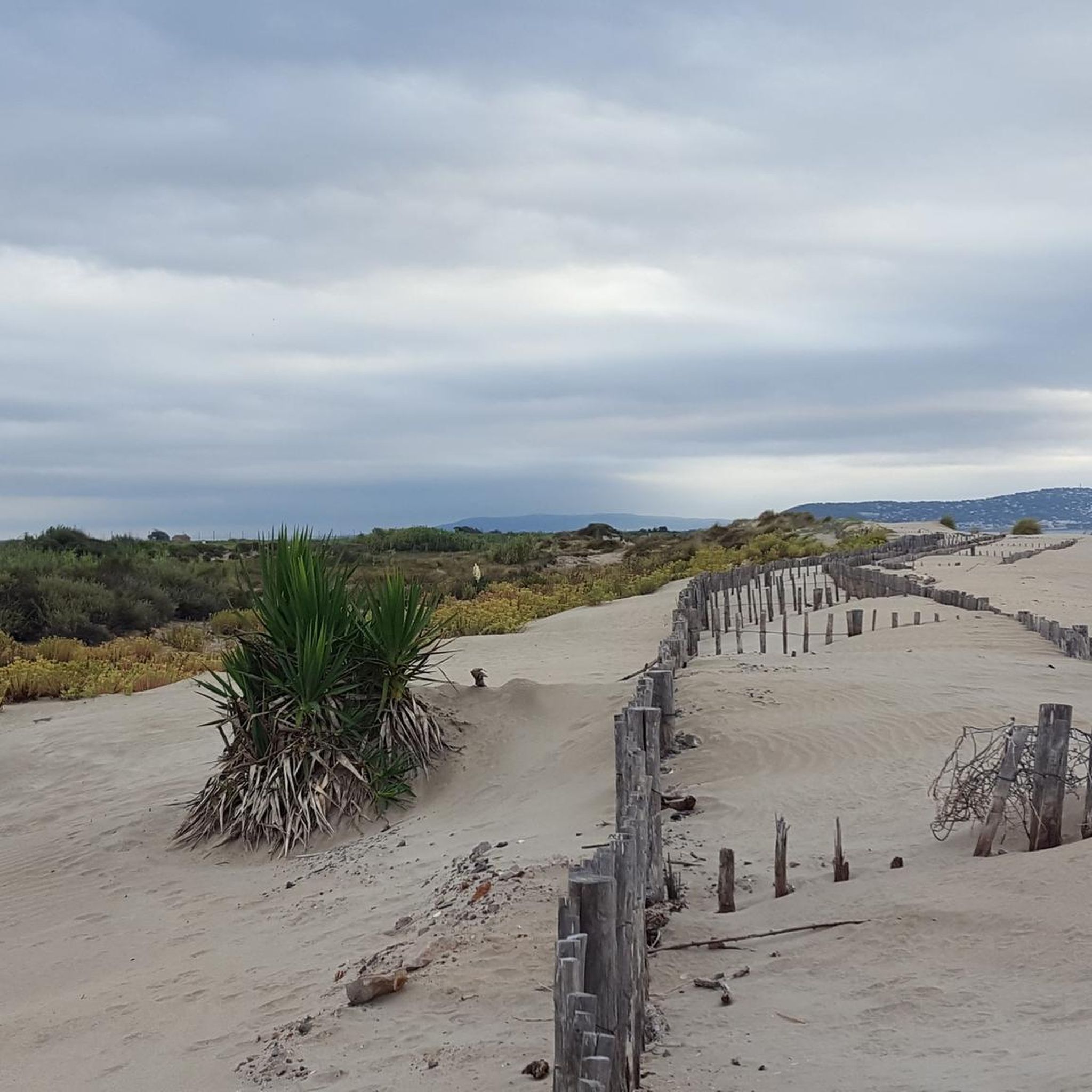
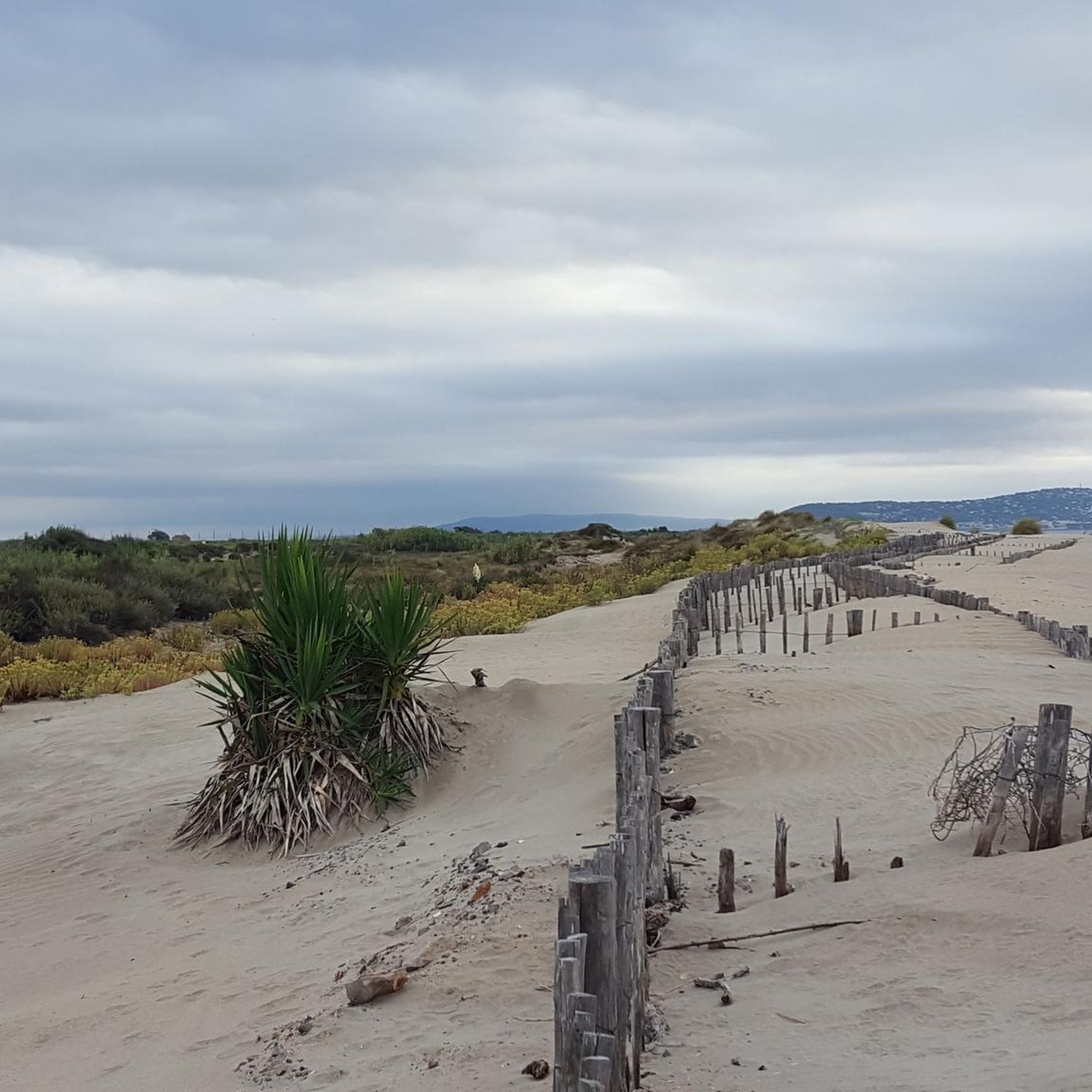
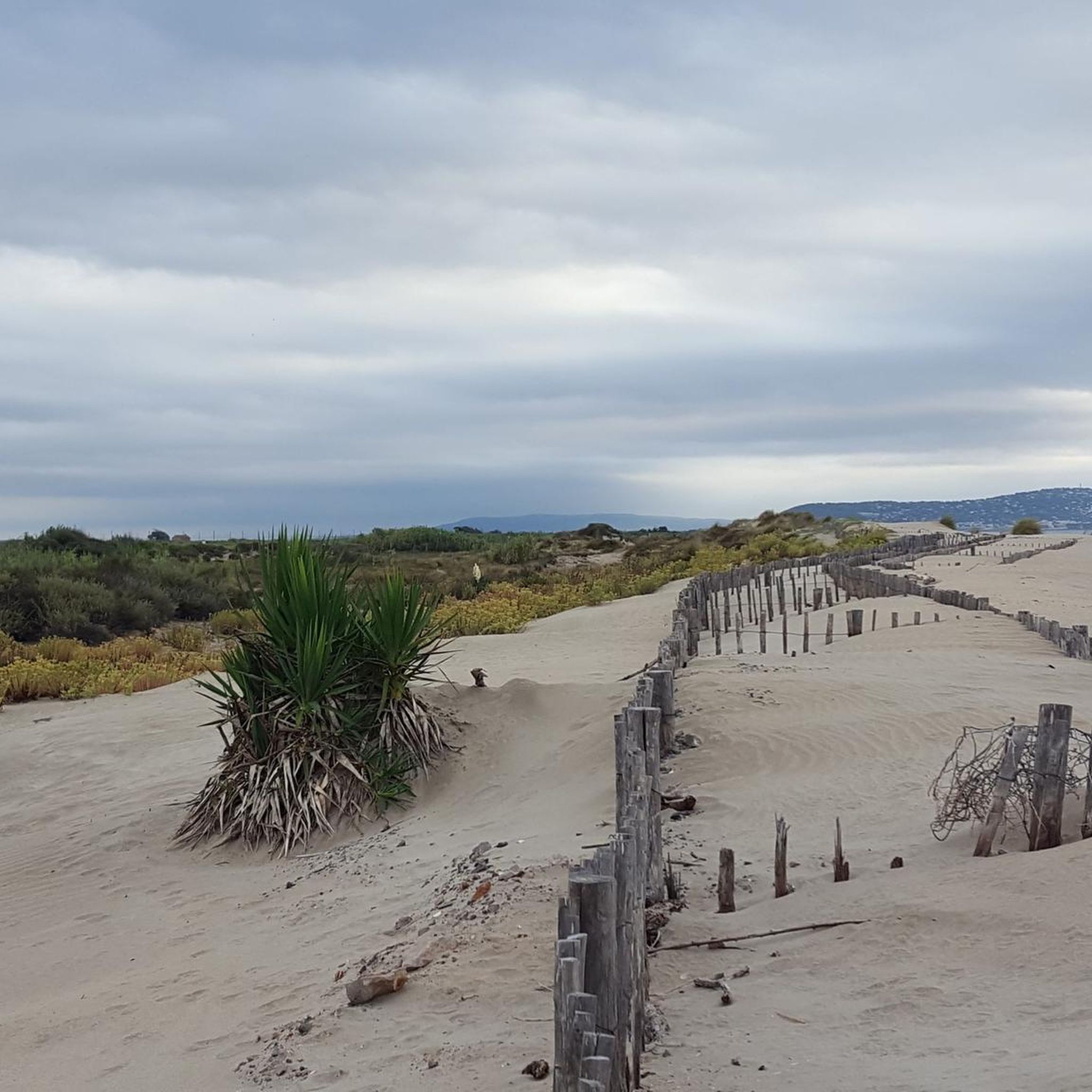
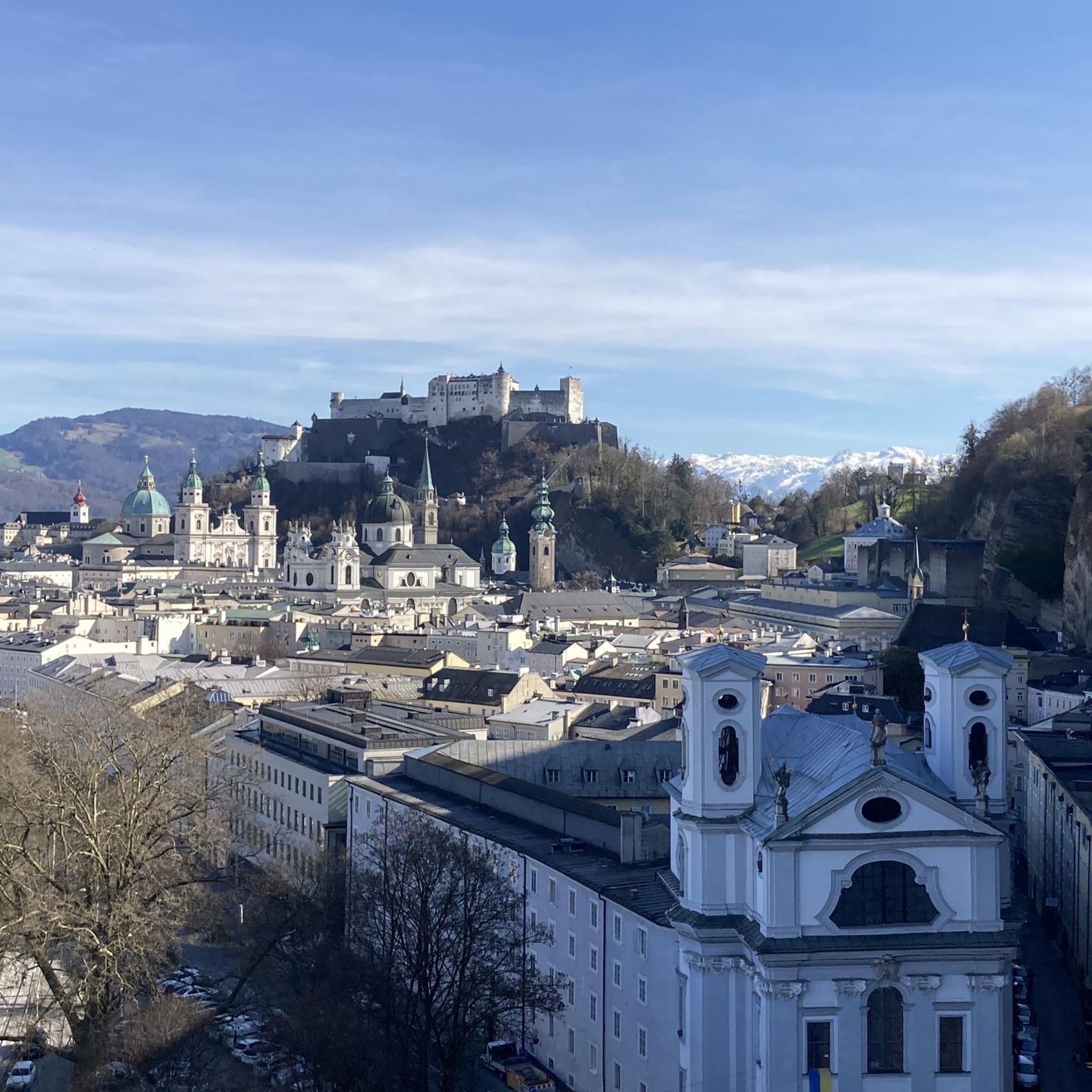


Tips from the Community

At an altitude of 224 m, the Pioch de Camille is among the main summits of the Gardiole massif. A watchtower occupies its summit and the view extends widely over the surrounding reliefs, the Hérault plain and, to the south, the Mediterranean coast. This limestone relief, which today dominates the plains and the coast, was formed in the Jurassic period in an ancient shallow sea. The limestone layers thus deposited were then uplifted and deformed by tectonic movements, before being shaped by erosion to give the massif its current form.
3
0
The panorama that unfolds before you is the legacy of intense volcanic activity. Several edifices were built in this same area: Mont Saint-Loup, to the northeast, today the highest (113 m), whose first eruptions date back to about 950,000 years ago; Mont Saint-Martin, to the south, which today culminates at 55 m; and Petit Pioch, to the east, whose cone probably reached nearly 80 m before being heavily scarred by the exploitation of pozzolana. These three reliefs correspond to three distinct Strombolian cones, and not to the eroded fragments of a single large volcano. With two other emission points, they belonged to a larger volcanic complex forming a maar. Volcanic activity continued for about 50,000 years, before ending with the last eruptions of Petit Pioch.
3
0

Magnificent viewpoint 👍
0
0

Magnificent view of the coast
0
0

1km8 of gravel and live rocks but what a pleasure
0
0

Excellent view of the surrounding mountains and the sea.
0
0

An ancient volcano located between Cap d'Agde and Agde, Mont Saint-Loup culminates at 113 meters. Dating back 750,000 years, it has shaped the landscape with islets, coves, beaches, and cliffs, while giving Agde its distinct character with monuments in iridescent grey basalt. It offers a spectacular panorama of the coastline and the hinterland from its summit, accessible by verdant trails rich in Mediterranean fauna and flora.
5
4
Frequently Asked Questions
What are the most prominent mountain peaks and viewpoints around Sète?
The Sète region is characterized by unique landforms offering extensive views. The most notable is Vue du Mont Saint-Clair sur l'étang de Thau, which provides 360-degree vistas of Sète, the Thau Lagoon, and the Mediterranean Sea. Another popular spot is Mount Saint-Loup, an ancient volcano offering a spectacular panorama of the coastline and hinterland. Additionally, the View of the Pioch Noir and Vic-la-Gardiole dominates the Gardiole massif with a 180-degree view.
What makes Mont Saint-Clair a significant landmark in Sète?
Mont Saint-Clair is an ancient volcano rising to 175 meters, defining Sète's unique silhouette. It offers breathtaking panoramic views of the city, its canals, the port, beaches, the Thau Lagoon, and the Mediterranean Sea. Its summit features a chapel and a viewing deck, and it holds cultural significance, often compared to iconic natural monuments for its embracing presence over the town.
Are there family-friendly options for exploring the peaks around Sète?
Yes, several viewpoints and areas are suitable for families. The Vue du Mont Saint-Clair sur l'étang de Thau is listed as family-friendly, offering rewarding views after the climb. While the ascent to Mont Saint-Clair can be challenging with steps, it is also accessible by car or bus, making the summit views available to all. Mount Saint-Loup is also accessible via easy-to-walk paths.
What kind of natural features can I expect to see on these mountain peaks?
The peaks around Sète offer diverse natural features. Mont Saint-Clair provides views of the Mediterranean Sea and the Thau Lagoon, an extensive oyster-farming area. Mount Saint-Loup, an ancient volcano, features green paths rich in Mediterranean flora and fauna. From viewpoints like View of the Pioch Noir and Vic-la-Gardiole, you can observe the vast Gardiole massif and, on clear days, even the distant Pyrenees.
What are the accessibility options for reaching the summits?
Mont Saint-Clair, while offering a challenging climb with around 225 steps, is also accessible by car or bus, allowing visitors of varying mobility to reach its summit. Mount Saint-Loup is accessible via easy-to-walk paths, making it convenient for many visitors.
What outdoor activities can I do near these mountain peaks?
The region around Sète offers a variety of outdoor activities. You can explore numerous MTB Trails around Sète, including routes like the 'Port of Mèze – View of Sète loop'. For those who prefer gravel biking, there are Gravel biking around Sète options such as the 'View of the Étang de Thau – Bagnas Nature Reserve loop'. Additionally, you can find various Running Trails around Sète, including the 'Corniche of Sète – The view from the port loop'.
What is the elevation of the main peaks in the Sète region?
Mont Saint-Clair rises to 175 meters (577 feet), dominating the Sète landscape. Mount Saint-Loup, located between Cap d'Agde and Agde, peaks at 113 meters. The Pioch Noir, which offers the View of the Pioch Noir and Vic-la-Gardiole, reaches an altitude of 216 meters.
What historical or cultural sites are located on or near the peaks?
On the summit of Mont Saint-Clair, you'll find the charming Chapel of Notre Dame de la Salette, adding to the site's cultural and historical appeal. The illuminated cross at its summit also perpetuates the memory of a significant event from 1932. The ancient volcanic origins of Mount Saint-Loup, dating back 750,000 years, have shaped the local landscape and influenced the character of nearby Agde with its basalt monuments.
What do visitors enjoy most about the mountain peaks around Sète?
Visitors consistently praise the spectacular panoramic views offered by these peaks. The 360-degree vistas from Mont Saint-Clair, encompassing Sète, the Thau Lagoon, and the Mediterranean, are particularly highlighted. The unique geological history, such as Mount Saint-Loup being an ancient volcano, and the rich Mediterranean flora and fauna along the paths also contribute to a memorable experience.
Are there any specific challenges when hiking Mont Saint-Clair?
The climb to the top of Mont Saint-Clair can be challenging, involving around 225 steps. Some visitors have noted steep gradients, with some sections reaching between 8% and 18%. However, the effort is widely considered rewarding due to the exceptional views from the summit.
Can I see distant mountain ranges from the viewpoints?
Yes, from the View of the Pioch Noir and Vic-la-Gardiole, which offers a 180-degree panorama, it is sometimes possible to see the Pyrenees and even the Alps on exceptionally clear days. From Mont Saint-Clair, on very clear days, the distant Canigou in the Eastern Pyrenees can be visible.
Most popular attractions around Sète

Get inspired with the komoot mobile app


Explore more
See even more amazing summits around Sète with these guides:
