Top 4 Gorges around Aiguilles
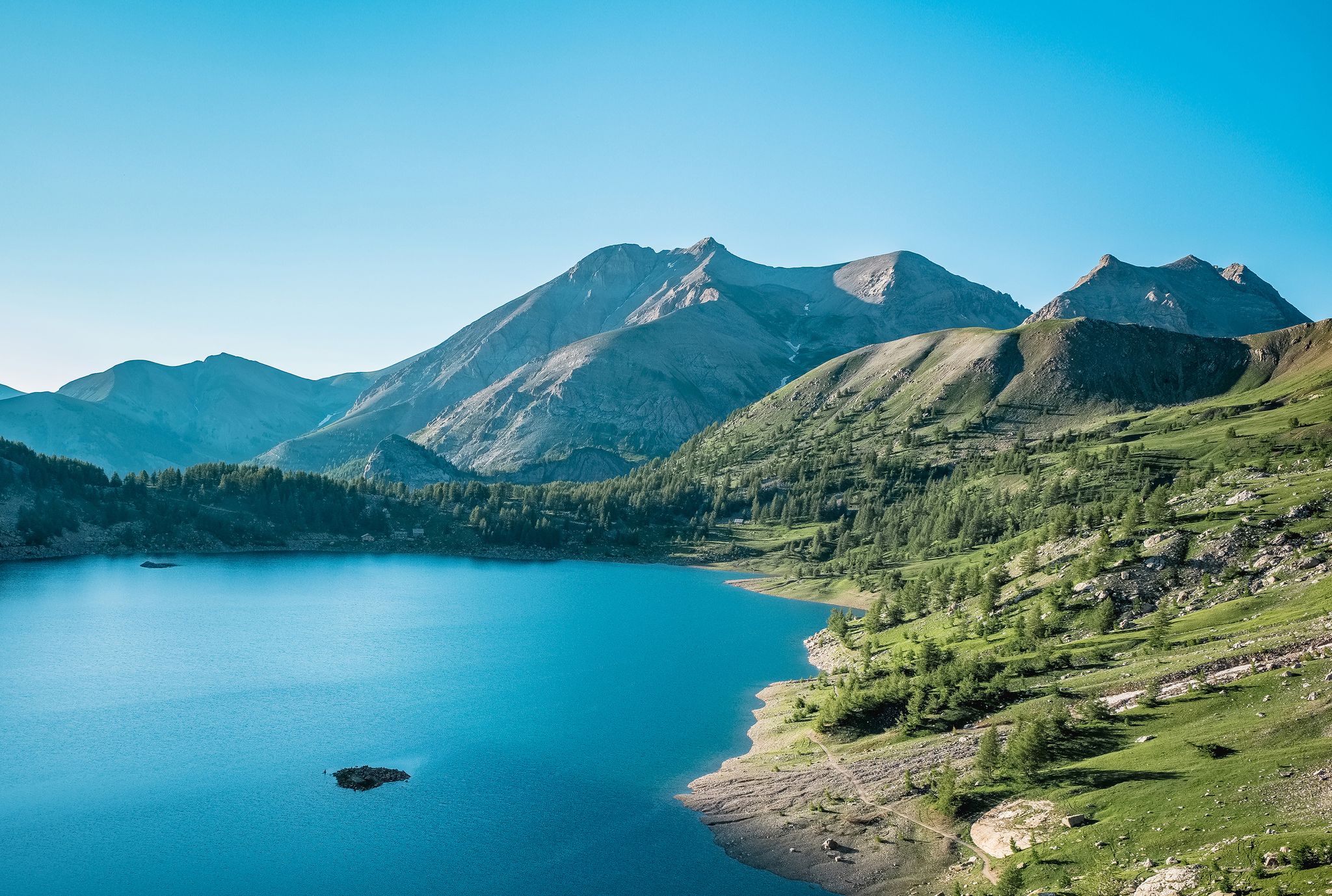
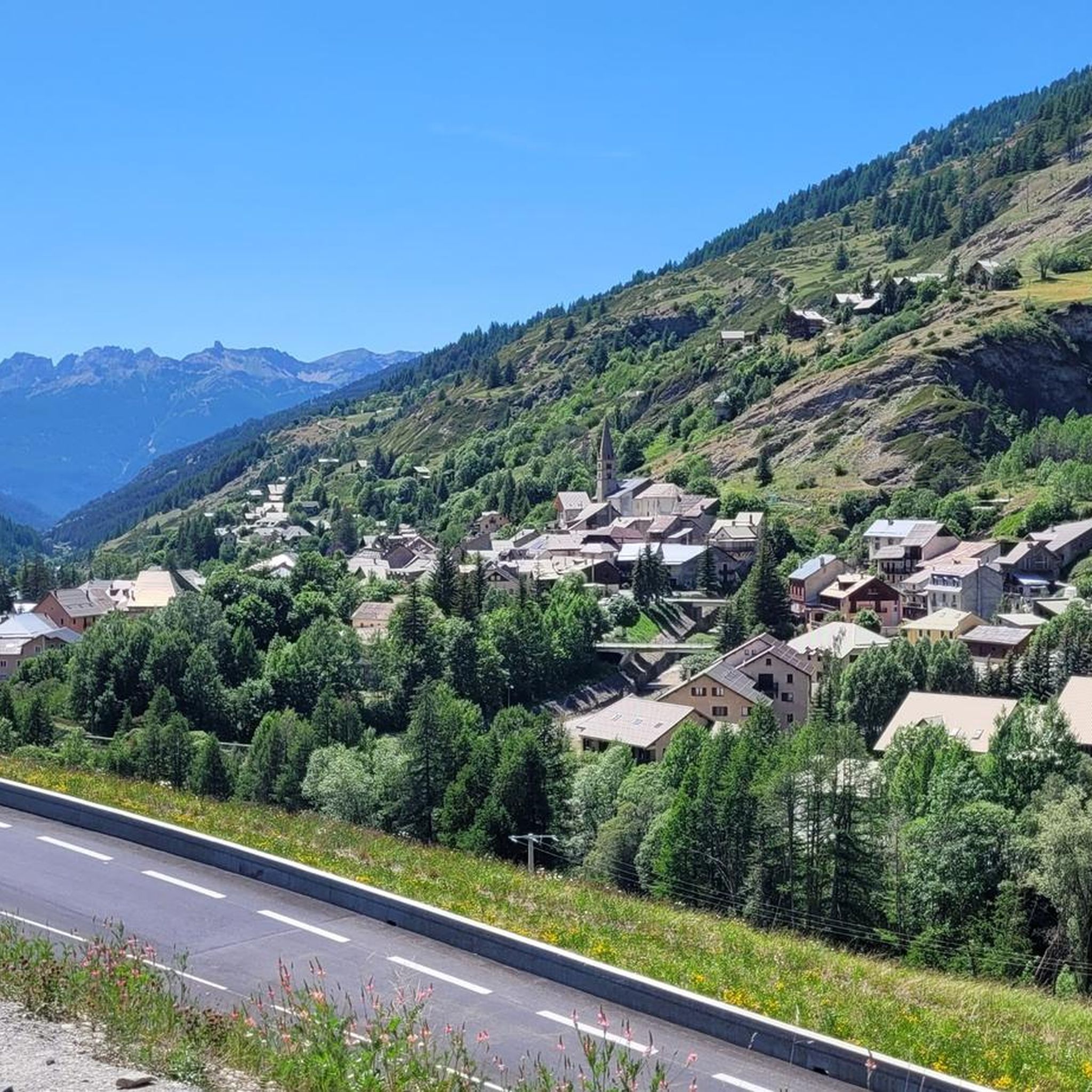
Best canyons around Aiguilles are found within the Hautes-Alpes department of France, particularly in the Queyras massif. This mountainous region is characterized by deep river valleys and dramatic rock formations. The area offers various opportunities to explore natural gorges and ravines carved by water over time. These geological features provide diverse landscapes for outdoor activities.
Best canyons around Aiguilles
- The most popular canyons is Gorges of the Guil, a gorge that features rock carved over millions of years. Cycling…
Last updated: June 23, 2026
Gorges of the Guil
Highlight • Gorge
Translated by Google •
Tip by

Ruine Blanche Ravine
Highlight • Gorge
Tip by

Sign up now to discover places like this
Get recommendations on the best single tracks, peaks, & plenty of other exciting outdoor places.
Sign up for free
Guil Gorges
Highlight • Gorge
Translated by Google •
Tip by

Combe Morelle stream
Highlight • River
Translated by Google •
Tip by

Valley of the Torrent de Pierre Rouge
Highlight • Gorge
Tip by

Start today with a free account
Your next adventure awaits.
Login or Signup

Other adventures around Aiguilles

Tips from the Community

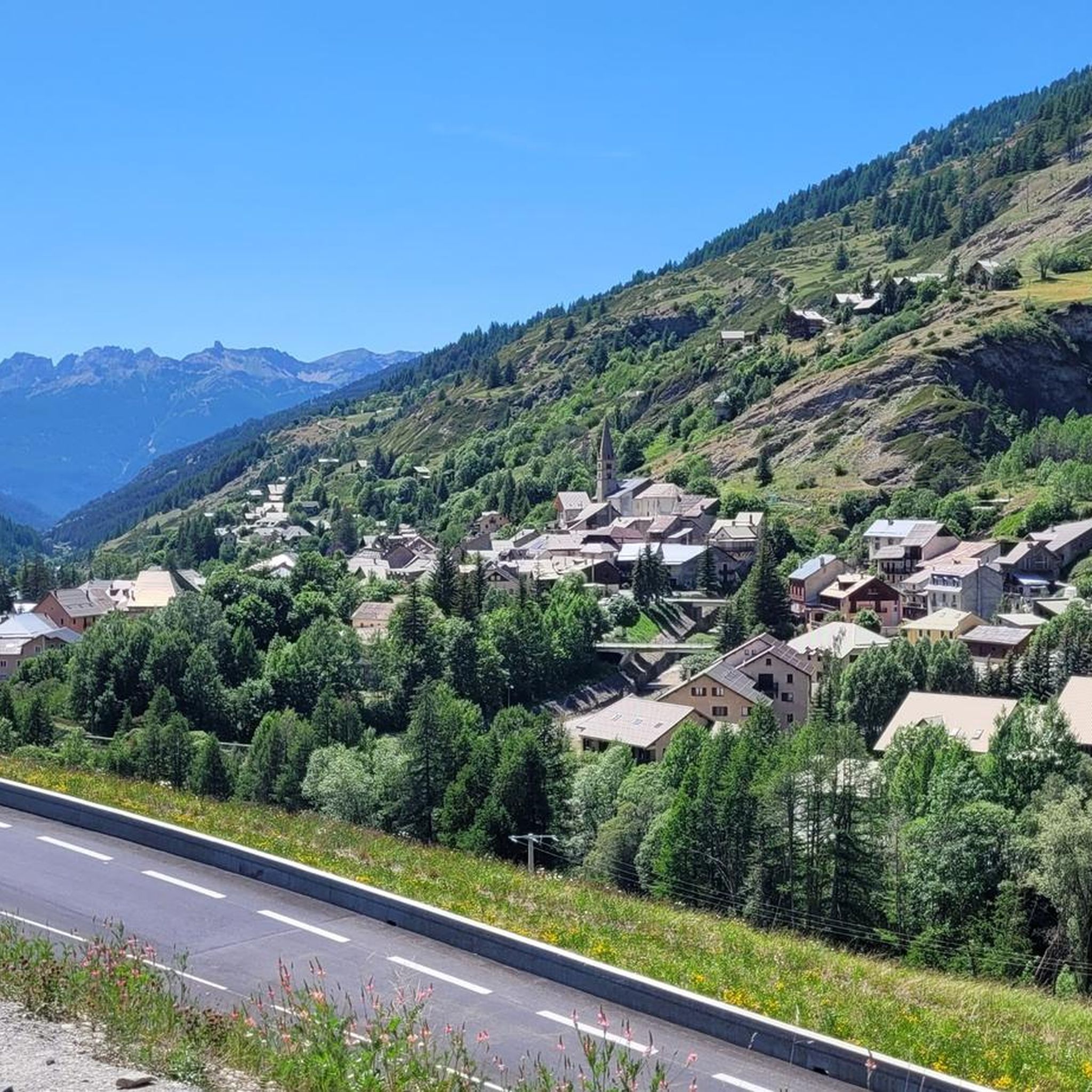
An almost fairytale passage, the Guil has carved the rock over millions of years.
14
0
Cycling through these gorges is a wonderful experience.
15
0

The torrent is visible from the 2 paths (that of Echalp and that of Monta), but it is that of Echalp which crosses it upstream of the Lacroix pass
0
0

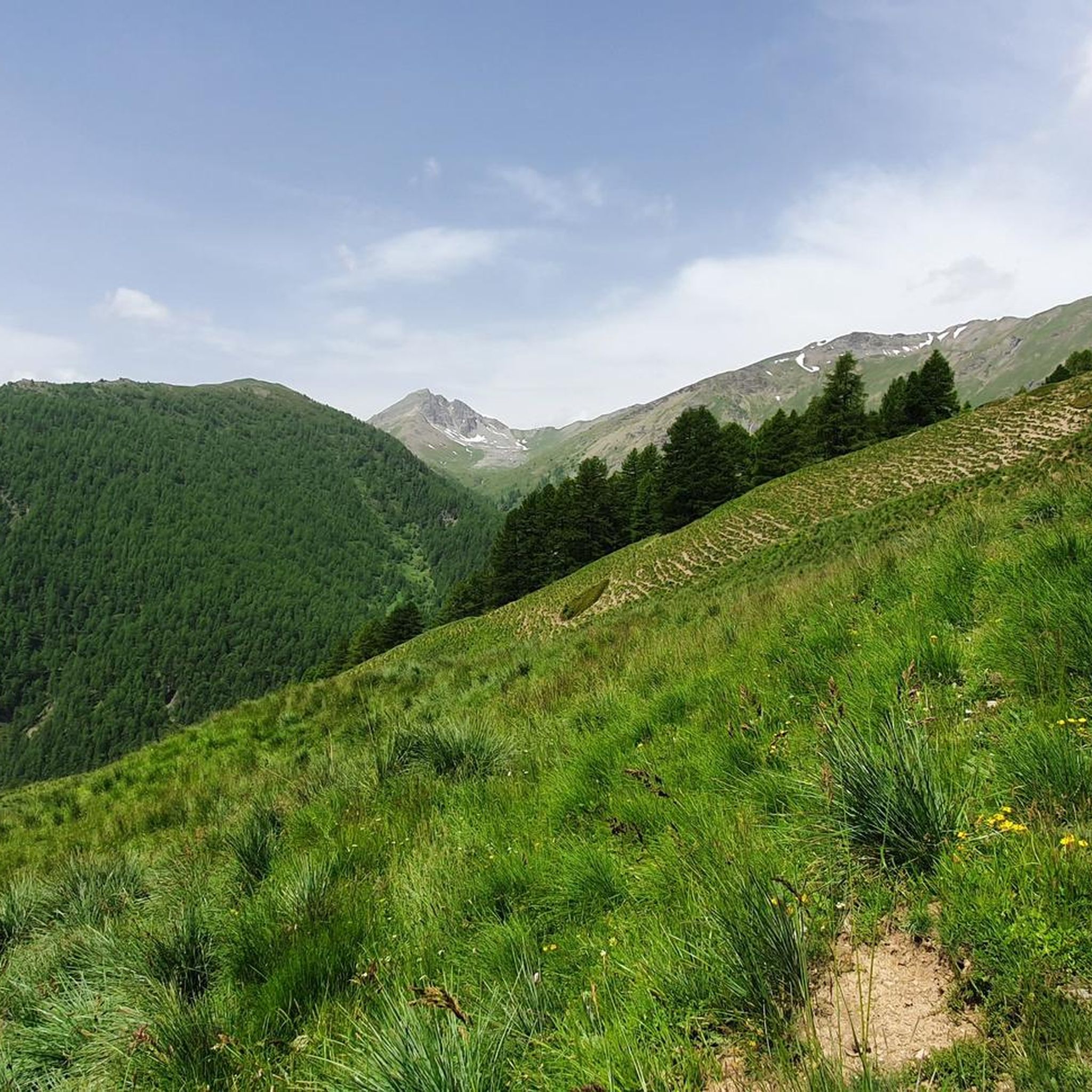
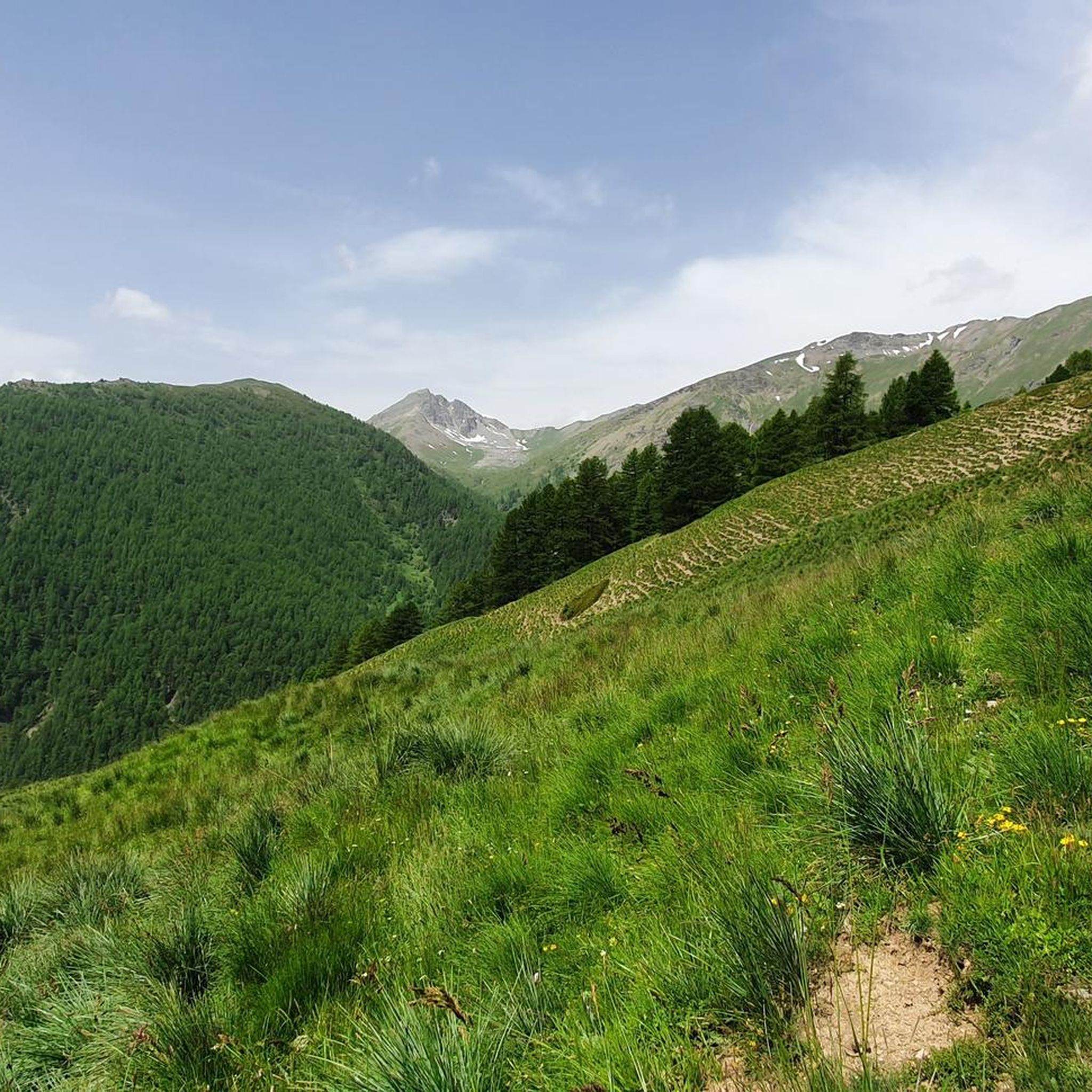
Lovely valley surrounded by a bright palette of wildflowers, the squeaking of marmots and fresh breezes from rivers and waterfalls. The valley connects the refuge des Font de Cervières to the Pic du Malrif and le Lac du Grand Laus. The refuge offered delicious food in big portions, a shower and the possibility to use a blanket for the colder nights in a tent. The valley is for the moment on my top list for spotting marmots.
0
0

The Ruine Blanche ravine is a formation of gypsum that was deposited in the lagoons of the Alpine Ocean. The alpine ocean was a warm, shallow sea where corals lived (fossils from the Rochebrune massif in Arvieux). In the shallows swam ammonites (fossils from the pink marble quarry of Guillestre). In the lagoons were deposited gypsum (formation of the Ruine Blanche above the hamlet of Montbardon in Château-Ville-Vieille) and cargneules (Casse-déserte in Arvieux). Fossilized sea sands, wrinkled by the waves, still bear witness to a beach. The clay and limestone sediments deposited on the ocean floor were then transformed into shales by tectonic phenomena.
1
0


wonderful landscape at the foot of the Col dízoard.
2
0

Superb road along the Guil, difference in altitude 2 to 3% on average.
2
1
Frequently Asked Questions
What are some of the most notable canyons to explore around Aiguilles?
The region around Aiguilles, particularly within the Hautes-Alpes department, offers several impressive canyons. Among them, the Gorges of the Guil are highly popular, known for rock carved over millions of years. Another unique spot is Ruine Blanche Ravine, formed from ancient gypsum deposits. You can also explore the Combe Morelle stream, visible from two paths, and the scenic Valley of the Torrent de Pierre Rouge.
What kind of natural features can I expect to see in the canyons around Aiguilles?
The canyons in this area showcase diverse geological formations. You'll find deep river valleys, dramatic rock formations, and ravines carved by water. For instance, the Ruine Blanche Ravine features gypsum formations from ancient lagoons, offering a glimpse into past marine environments. The Gorges of the Guil are characterized by rocks sculpted over millennia. In the Valley of the Torrent de Pierre Rouge, you can enjoy wildflowers, marmots, and fresh breezes from rivers and waterfalls.
Are there family-friendly canyoning options or walks in the Aiguilles region?
While specific family-friendly canyoning routes directly within the commune of Aiguilles are not detailed, the broader Queyras Regional Natural Park and Hautes-Alpes department offer guided excursions suitable for families. These often involve rappels, toboggans, and jumps in a controlled environment. For walks, areas around streams like the Combe Morelle stream might offer accessible paths for a scenic family outing.
What is the best time of year to visit the canyons around Aiguilles?
The best time to visit the canyons for activities like canyoning is typically after the snowmelt, usually from late spring (May-June) through summer (July-August) when water levels are optimal and weather conditions are favorable. Some canyons, particularly those with more vertical features, might also be enjoyable after rains in September-November, but always check local conditions and forecasts.
What outdoor activities can I do near the canyons in Aiguilles?
Beyond exploring the canyons themselves, the Aiguilles region is excellent for various outdoor sports. You can find numerous cycling routes, including challenging ones like the Col de l'Izoard loop, as detailed in the Cycling around Aiguilles guide. Gravel biking is also popular, with routes like the Saint-Véran – Lake Blanche loop available in the Gravel biking around Aiguilles guide. For hikers, there are mountain trails such as the Col du Longet loop, which you can find in the Mountain Hikes around Aiguilles guide.
Are there specific hiking trails that offer views of the canyons?
Yes, several trails provide excellent views of the region's gorges and streams. For example, the Combe Morelle stream is visible from two paths, including the one from Echalp. The Valley of the Torrent de Pierre Rouge offers a lovely walk connecting the Refuge des Font de Cervières to Pic du Malrif and Lac du Grand Laus, with scenic views of the valley and its natural features.
What do visitors enjoy most about the canyons around Aiguilles?
Visitors frequently appreciate the dramatic natural beauty and the sense of adventure. The Gorges of the Guil are particularly loved for their almost fairytale passage and the unique experience of cycling through them. The region's canyons are well-regarded by the komoot community, having received 182 upvotes and 17 shared photos, highlighting their visual appeal and the memorable experiences they offer.
What should I bring for a canyoning trip in the Aiguilles area?
For canyoning, essential gear typically includes a wetsuit, helmet, harness, and appropriate footwear (like sturdy trainers or canyoning shoes). It's also advisable to bring a waterproof bag for personal items, water, and snacks. If you're going with a guided tour, they usually provide specialized equipment. For general canyon walks, comfortable hiking shoes, water, sun protection, and layers of clothing are recommended.
Are there any hidden gem canyons or less-known spots worth exploring?
While the main highlights are well-known, the broader Hautes-Alpes region, including the Queyras massif, is rich with smaller, less-trafficked ravines and streams. Exploring areas like the upstream section of the Combe Morelle stream or the serene Valley of the Torrent de Pierre Rouge can offer a more secluded experience, away from the more popular spots. Local guides often know of these quieter locations.
What are the typical difficulty levels for canyoning in this region?
Canyoning experiences in the broader Aiguilles region can range from beginner-friendly to more technical. Many local guides offer introductory courses that cover basic rappelling and water techniques, suitable for those with no prior experience. More advanced canyons, such as the Ruisseau de l'Aiguille (Isère) or Ruisseau des Aiguilles (Savoie), involve numerous rappels and constricted passages, requiring good physical condition and prior experience. Always check the specific route's difficulty before attempting.
Are there any wild swimming spots near the canyons?
The region's numerous rivers and streams, which carve out the canyons, often create natural pools suitable for wild swimming. While specific designated spots are not listed, areas along the Valley of the Torrent de Pierre Rouge, with its fresh breezes from rivers and waterfalls, might offer opportunities for a refreshing dip in natural waters. Always exercise caution and check water conditions before swimming in natural environments.
Do I need permits for canyoning in the Aiguilles area?
For general access to natural areas and hiking trails, permits are typically not required. However, if you plan to engage in technical canyoning (requiring ropes, harnesses, etc.), it is highly recommended to go with a certified guide, who will handle any necessary permissions or ensure you are in an authorized area. Always respect local regulations and private property.
Most popular routes around Aiguilles
Most popular attractions around Aiguilles

Get inspired with the komoot mobile app


Explore more
Already discovered everything in this region? See additional gorges around Aiguilles for your next adventure:
