Top 10 Caves around Sankt Amarin
Best caves around Sankt Amarin are found within the Vosges Massif in the Alsace region, offering a mix of natural and historical underground sites. The area's geology contributes to various rock formations and natural shelters. Additionally, the region holds historical significance, particularly from World War I and past mining activities. These sites provide insights into both natural geological processes and human history.
Best caves around Sankt Amarin
- The most popular caves is Lower Rehfelsen Tunnels, a cave that features…
Last updated: July 7, 2026
Adlerhorst Command Post – World War I
Highlight • Historical Site
Translated by Google •
Tip by

Veilchenstein German WW1 Bunker
Highlight • Historical Site
Translated by Google •
Tip by
Sign up now to discover places like this
Get recommendations on the best single tracks, peaks, & plenty of other exciting outdoor places.
Sign up for free
Lower Rehfelsen Tunnels
Highlight • Cave
even the hiking trail leads through one of the rooms.
Translated by Google •
Tip by

Schletzenbourg medieval mine
Highlight • Historical Site
Translated by Google •
Tip by

Roche Fendue (Hartmannswillerkopf)
Highlight • Historical Site
Translated by Google •
Tip by

Sign up for free to discover even more caves around Sankt Amarin.
Sign up for free
Already have an account?
Start today with a free account
Your next adventure awaits.
Login or Signup
Popular around Sankt Amarin
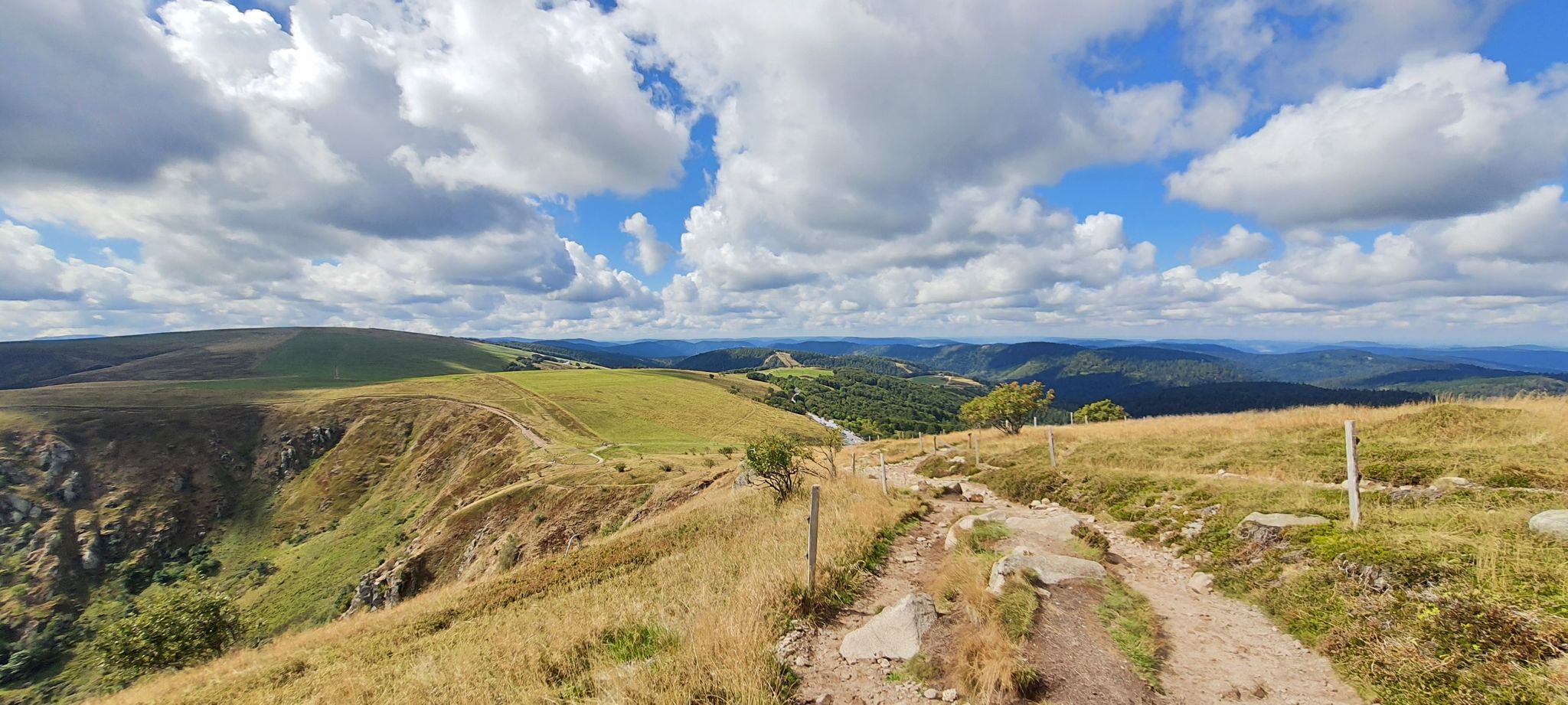
Thatches, lakes and forests – Tour des Ballons des Vosges
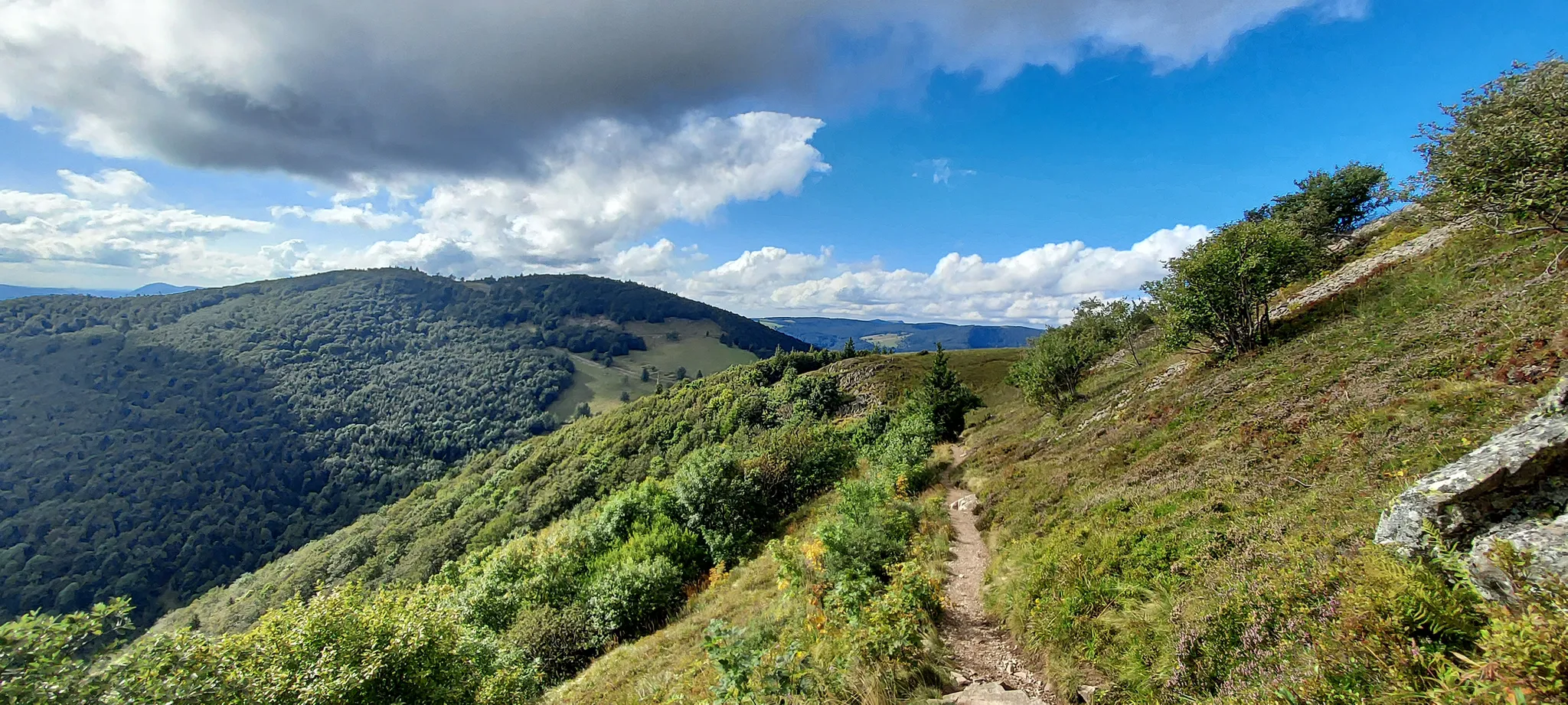
Vosges hike – Petit et Grand Ballon par le Florival
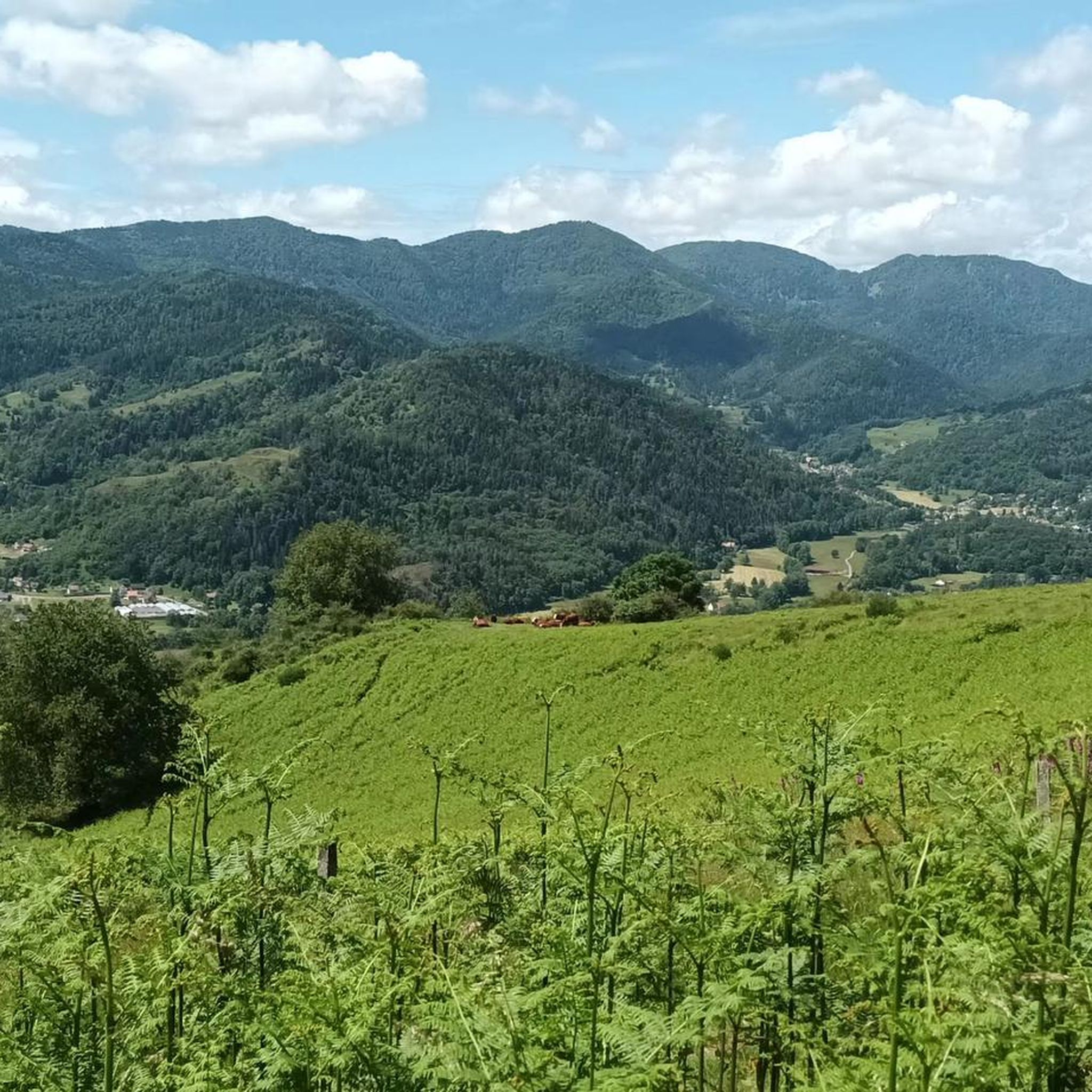
Road Cycling Routes around Sankt Amarin
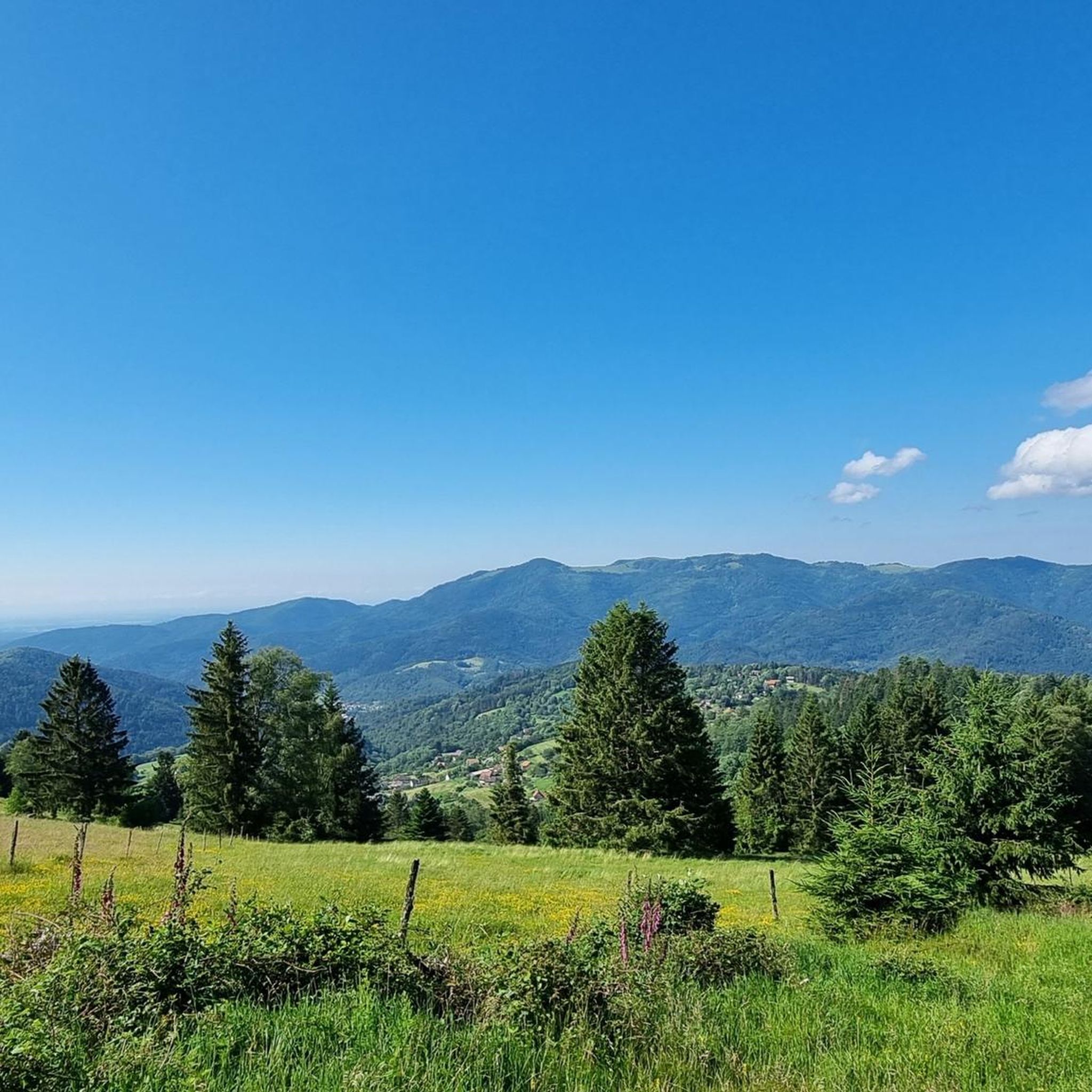
Cycling around Sankt Amarin
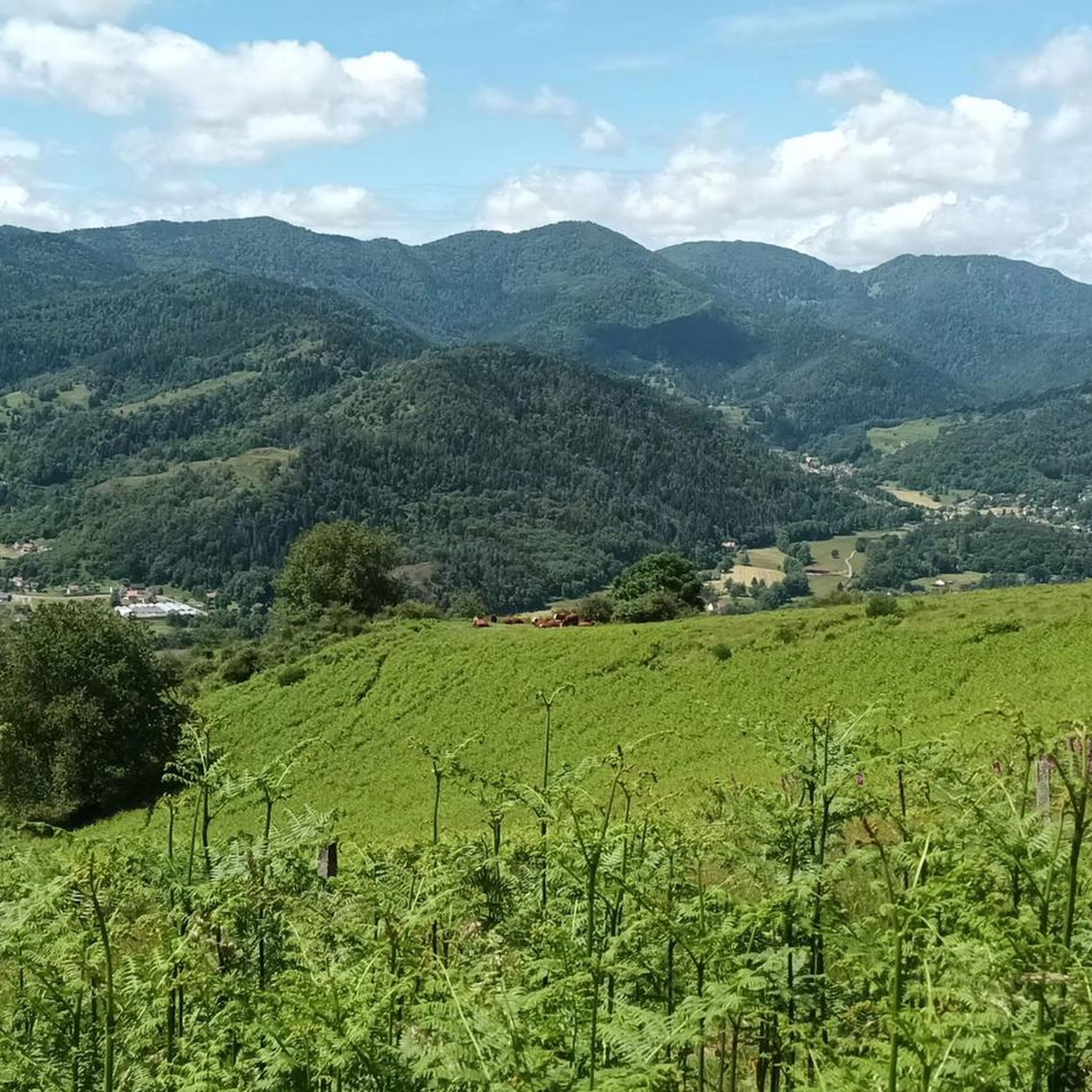
Hiking around Sankt Amarin
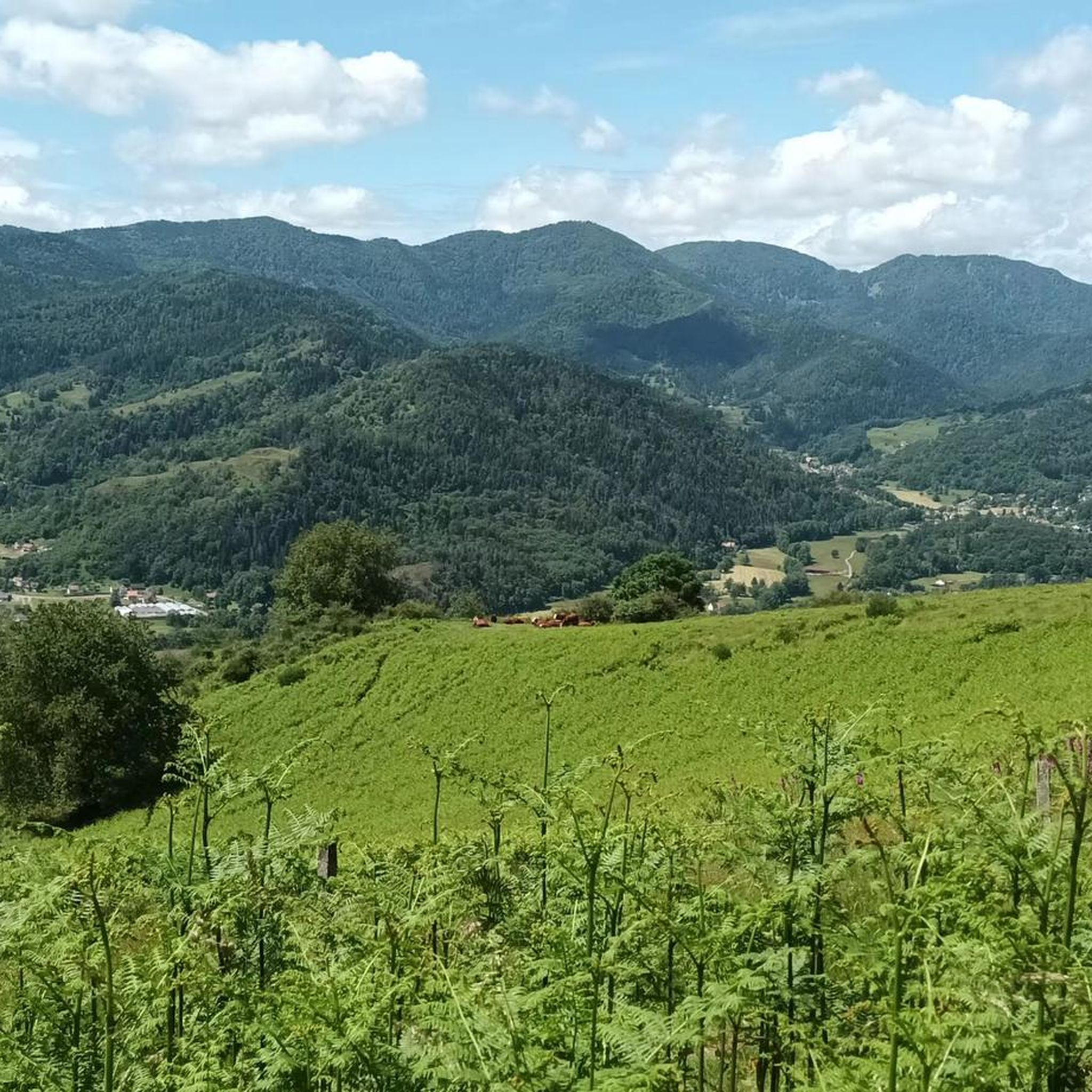
MTB Trails around Sankt Amarin
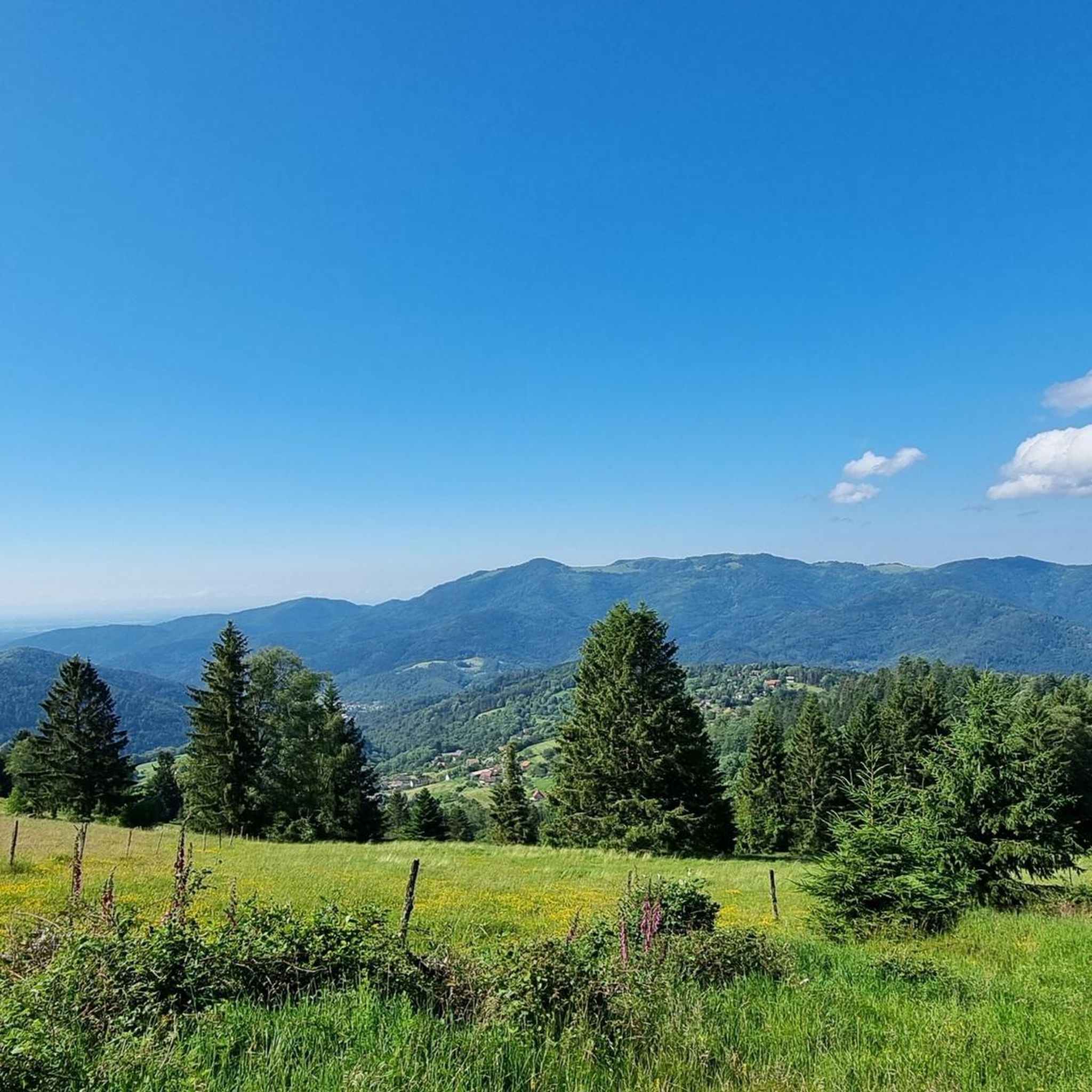
Running Trails around Sankt Amarin

Gravel biking around Sankt Amarin
Mountain Hikes around Sankt Amarin

Tips from the Community

The "Veilchenstein" is a German shelter located on the Hartmannswillerkopf¹ battlefield. This shelter, built into a rock, is equipped with a machine gun post and observatories¹. Hartmannswillerkopf, also known as Vieil Armand, is a pyramidal rocky spur in the Vosges massif, overlooking the Alsace plain from its 957 meters¹. During the First World War, it was a strategic summit hotly contested by the French and German armies¹. Today, the Hartmannswillerkopf is a place of memory, bearing witness to the suffering of the soldiers who fought in the name of their country¹. The German remains encountered on the ground, sometimes quite spaced apart from each other, are witnesses to this historical period¹. (1). https://bing.com/search?q=veilchenstein+harmannswillerkopf. (2) The Hartmannswillerkopf - Official website. https://www.memorial-hwk.eu/. (3) Hartmannswillerkopf - Wikipedia. https://fr.wikipedia.org/wiki/Hartmannswillerkopf.
0
0
The Adlerhorst is a German shelter located on the Hartmannswillerkopf³ battlefield. This two-story shelter is built into a rock³. It is equipped with a machine gun post, observatories and a fountain³. Hartmannswillerkopf, also known as Vieil Armand, is a pyramidal rocky spur in the Vosges massif, overlooking the Alsace plain from its 956 meters². During the First World War, it was a strategic summit hotly contested by the French and German armies². Today, the Hartmannswillerkopf is a place of memory, bearing witness to the suffering of the soldiers who fought in the name of their country³. The German remains encountered on the ground, sometimes quite spaced apart from each other, are witnesses to this historical period³. (1) The Hartmannswillerkopf – German positions – By hills and by forts. https://parmontsetparforts.fr/2024/03/17/hwk-positions-allemandes/. (2) The Hartmannswillerkopf - Official website. https://www.memorial-hwk.eu/. (3). https://bing.com/search?q=adlerhorst+810+hartmannswillerkopf.
0
0
The “Roche Fendue” is a rock formation located on the Hartmannswillerkopf battlefield¹. It is located to the north of the HWK, below the Silberloch Pass, at around 750 meters above sea level³. The French fortified this rock during the First World War by digging an underground gallery approximately 20 meters long³. Above the Roche Fendue, a trench leads to an observation post offering a view of the Freundstein, the Grand-Ballon, the Hartfelsen, the Südelkopf and the Thierenbachkopf¹. These fortifications are among the many vestiges of the trench warfare which lasted from the end of 1914 to July 1918 on the Hartmannswillerkopf¹. Today, these sites are places of memory, witnesses to the suffering of soldiers who fought in the name of their country¹. (1) The Hartmannswillerkopf – French positions – By Mountains and by Forts. https://parmontsetparforts.fr/2024/03/24/hwk-positions-francaises/. (2) HWK: Observatories - e-monsite. https://hartmannswillerkopf.e-monsite.com/pages/hwk-les-observatoires.html. (3) To do: The northern trenches of Hartmannswillerkopf - Hiking. https://www.visorando.com/randonnee-les-tranchees-nord-du-hartmannswillerkop/.
0
0

During the First World War, this rock massif was expanded into a strong, self-sufficient fortress. Over time, the hilltop was completely hollowed out with a large number of tunnels and rock chambers.
1
0

Very nice view of the underground passages.
0
0

A fortified natural rock that can be accessed from several levels. even the hiking trail leads through one of the rooms.
4
0

For people of our size today, it is hard to imagine how grown men dug for lead here. This mine is a must for anyone interested in history and archeology!
1
0

The path over the Rehfelsen is littered with old bunkers and trenches
1
0
Frequently Asked Questions
What types of underground sites can I explore around Sankt Amarin?
The Sankt Amarin area, particularly within the Vosges Massif, offers a diverse range of underground experiences. You can explore natural rock formations, historical bunkers, and former mines. These sites provide insights into both natural geological processes and human history, including World War I fortifications and ancient mining tunnels.
Are there any natural caves to visit near Sankt Amarin?
While Sankt Amarin itself isn't known for large natural show caves, the surrounding Alsace region features several interesting natural rock formations. Examples include the Grotte d'Amour, a natural cave offering a resting spot in a forest, and the Ochsenstall Rock, known for its unique formation and historical use as a shelter for herdsmen.
What historical underground sites are there to explore?
The region is rich in historical underground sites. You can visit the Adlerhorst Command Post – World War I, a former German position built into a rock with steps, rooms, and gun emplacements. Another significant site is the Veilchenstein German WW1 Bunker, which offers fantastic views and consists of bunkers, tunnels, and trenches. The Lower Rehfelsen Tunnels are also a fortified natural rock with galleries and machine gun posts.
Can I visit historical mines in the area?
Yes, the region has a history of mining. You can explore the Schletzenbourg medieval mine, which offers a glimpse into historical lead extraction and the challenging conditions faced by workers. Another related site is the Schletzenbourg Mine, which also provides an impressive look into past mining activities.
How difficult are the underground sites to explore?
The difficulty varies by site. Some historical bunkers and fortified rocks, like the Veilchenstein German WW1 Bunker, are rated as challenging due to tunnels and potential rockfall. Others, like the Adlerhorst Command Post and Lower Rehfelsen Tunnels, are considered intermediate. Always check specific highlight details for difficulty ratings and safety advice.
Are there family-friendly underground sites near Sankt Amarin?
Many of the sites are accessible via hiking trails, and some natural formations like the Grotte d'Amour offer easy resting spots. For historical sites, parental discretion is advised due to the nature of the terrain and historical context. Always check the specific highlight details for suitability for children.
When is the best time of year to visit the caves and underground sites?
The Vosges Massif is generally pleasant for outdoor activities from spring through autumn. During these seasons, trails leading to the sites are typically clear. While some sites might be accessible in winter, conditions can be challenging due to snow and ice, especially on higher elevations or less maintained paths. Always check local weather and trail conditions before visiting.
What outdoor activities can I combine with a visit to these sites?
The Sankt Amarin area is excellent for various outdoor activities. You can find numerous hiking trails, such as those listed in the Hiking around Sankt Amarin guide, including routes to the Grand Ballon. There are also options for gravel biking and road cycling, with routes exploring the scenic Vosges landscape.
What should I wear when exploring the underground sites?
When exploring underground sites, it's advisable to wear sturdy hiking shoes with good grip, as surfaces can be uneven or slippery. Layers of clothing are recommended, as temperatures underground can be cooler than outside. A headlamp or flashlight is essential for visibility, especially in unlit tunnels or caves. For historical sites, consider wearing gloves to protect your hands.
What do visitors particularly enjoy about the underground sites in this area?
Visitors appreciate the unique blend of natural beauty and rich history. Many highlight the impressive views from sites like the Veilchenstein German WW1 Bunker and the historical insights gained from exploring World War I fortifications and ancient mines. The sense of discovery and the opportunity to imagine past lives in these challenging environments are frequently mentioned.
Are there any other notable historical monuments with underground elements in the broader Alsace region?
Yes, the broader Alsace region features other interesting sites. The Galtz Monument, situated at 730 meters, includes a cave and offers panoramic views. It commemorates the protection of Alsace during World War I. These sites often combine historical significance with natural or man-made underground features.
Most popular routes around Sankt Amarin
Most popular attractions around Sankt Amarin

Get inspired with the komoot mobile app


Explore more
Extend your search for the best caves by checking out these guides of the top ones around Sankt Amarin:
