Top 10 Castles around Mancha Alta
Castles around Mancha Alta offer a captivating glimpse into Spain's rich past, spanning parts of the Toledo, Ciudad Real, Cuenca, and Albacete provinces. This interprovincial region is characterized by its strategic historical significance and diverse architectural styles. The landscape features hills and plains, providing natural defensive positions for the many fortresses found here. These historical sites played significant roles in medieval conflicts and showcase centuries of architectural evolution.
Best castles around Mancha Alta
- The most popular castles is Huete, a settlement that features the Castillo de Luna, a citadel-type castle built with ashlar stone. This town boasts a vast historical heritage, including its urban wall of Andalusian origin and several religious buildings.
- Another must-see spot is Luján Castle, a historical site consisting of the ruins of Saelices castle. This 16th-century Renaissance-style construction, based on an old fort house, is currently undergoing reconstruction.
- Visitors also love Castle and church of Huerta de la Obispalía, a castle and religious building. The ruins of the old castle stand prominently on a small hill, next to a 16th-century Renaissance church.
- Mancha Alta is known for its medieval fortresses, Templar castles, and Gothic-Mudejar architecture. Visitors can explore a variety of castles, from well-preserved examples to significant ruins, each offering unique historical insights.
- The castles around Mancha Alta are appreciated by the komoot community, with 7 upvotes and 10 photos shared by visitors.
Last updated: May 14, 2026
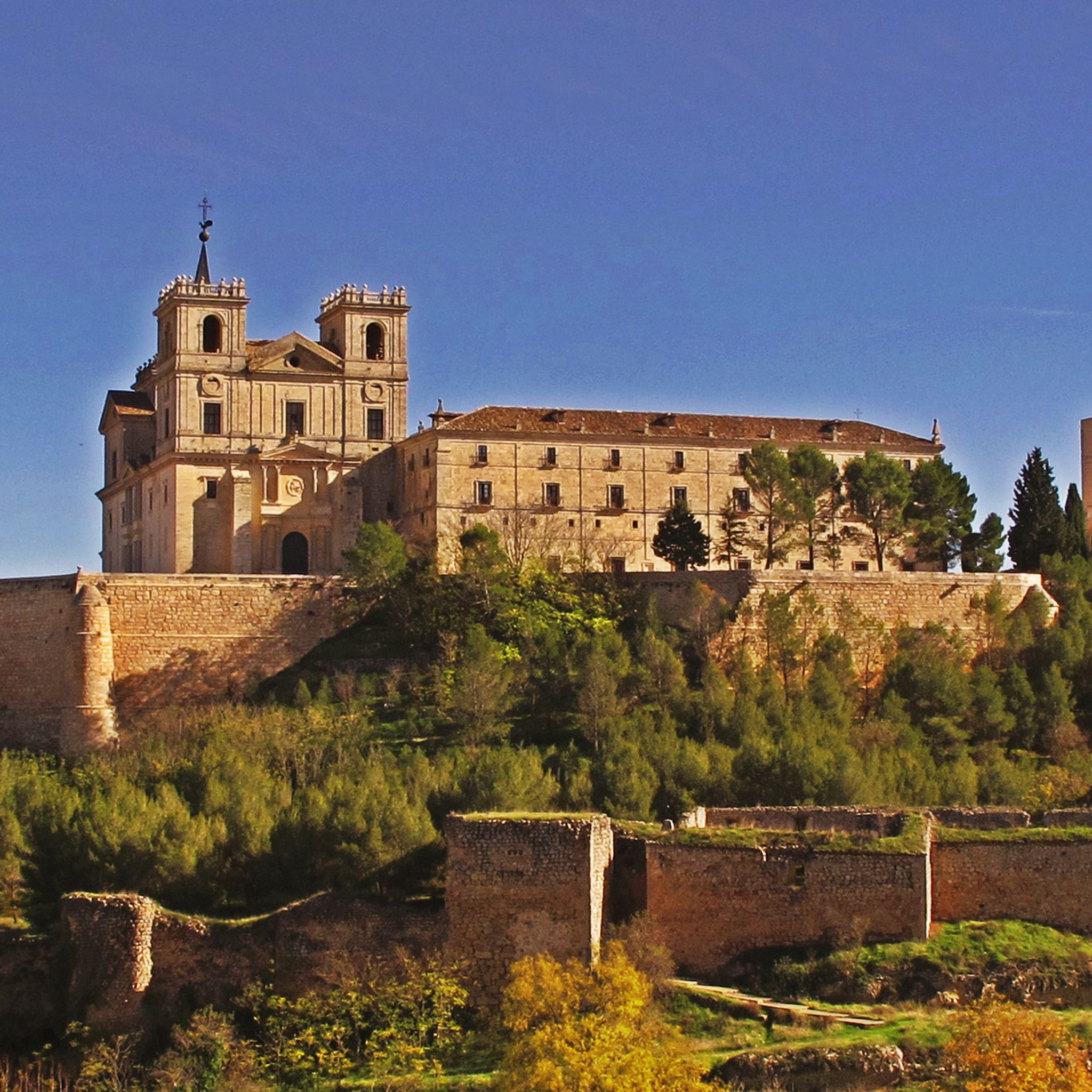
Monastery of Uclés
Highlight • Religious Site
From Madrid starts a famous pilgrimage route called the Camino de Uclés, about 144km long and planned to be completed in 6 stages.
Translated by Google •
Tip by

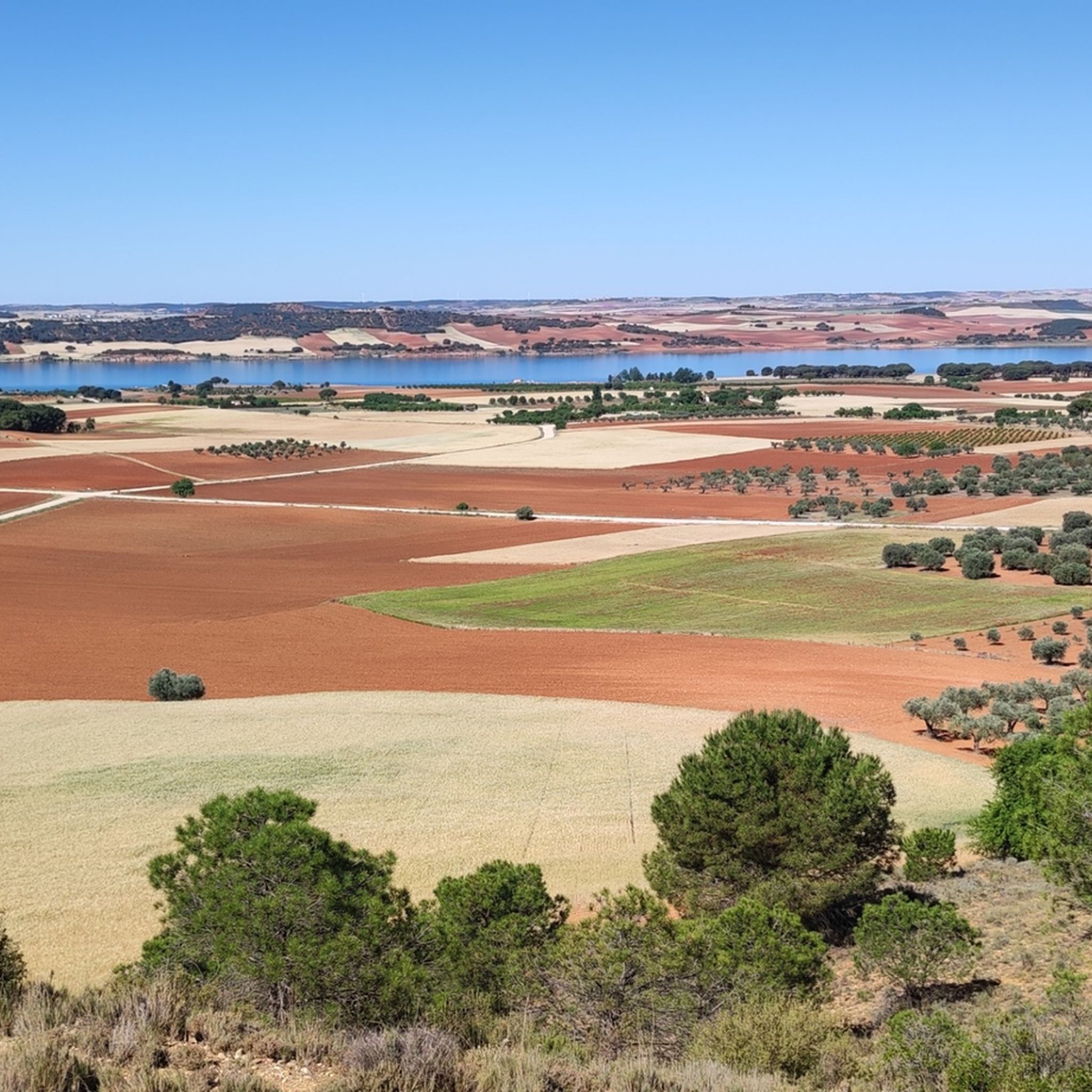
Views of the Castle of Puebla de Almenara
Highlight • Viewpoint
Translated by Google •
Tip by

Sign up now to discover places like this
Get recommendations on the best single tracks, peaks, & plenty of other exciting outdoor places.
Sign up for free
Monastery of Uclés and Castle
Highlight • Religious Site
Translated by Google •
Tip by
Castillo de Garcimuñoz
Highlight • Castle
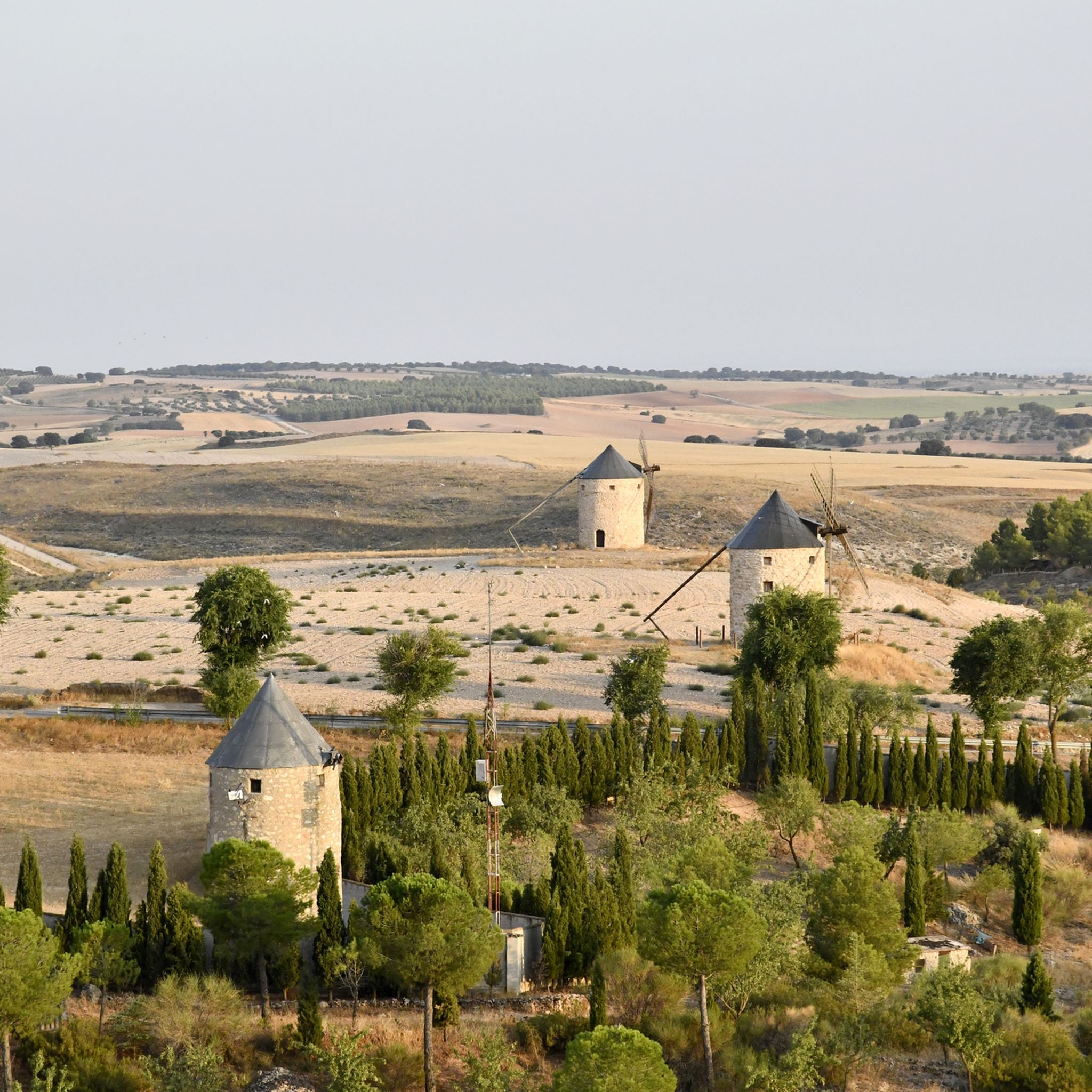
It has recently been restored to enable it to be visited by the public and a sample of very picturesque sculptural structures that were inspired by nature has been inaugurated inside the parade ground.
Translated by Google •
Tip by

Huete
Highlight • Settlement
Translated by Google •
Tip by

Luján Castle
Highlight • Castle
Translated by Google •
Tip by

Castle and church of Huerta de la Obispalía
Highlight • Castle
Translated by Google •
Tip by
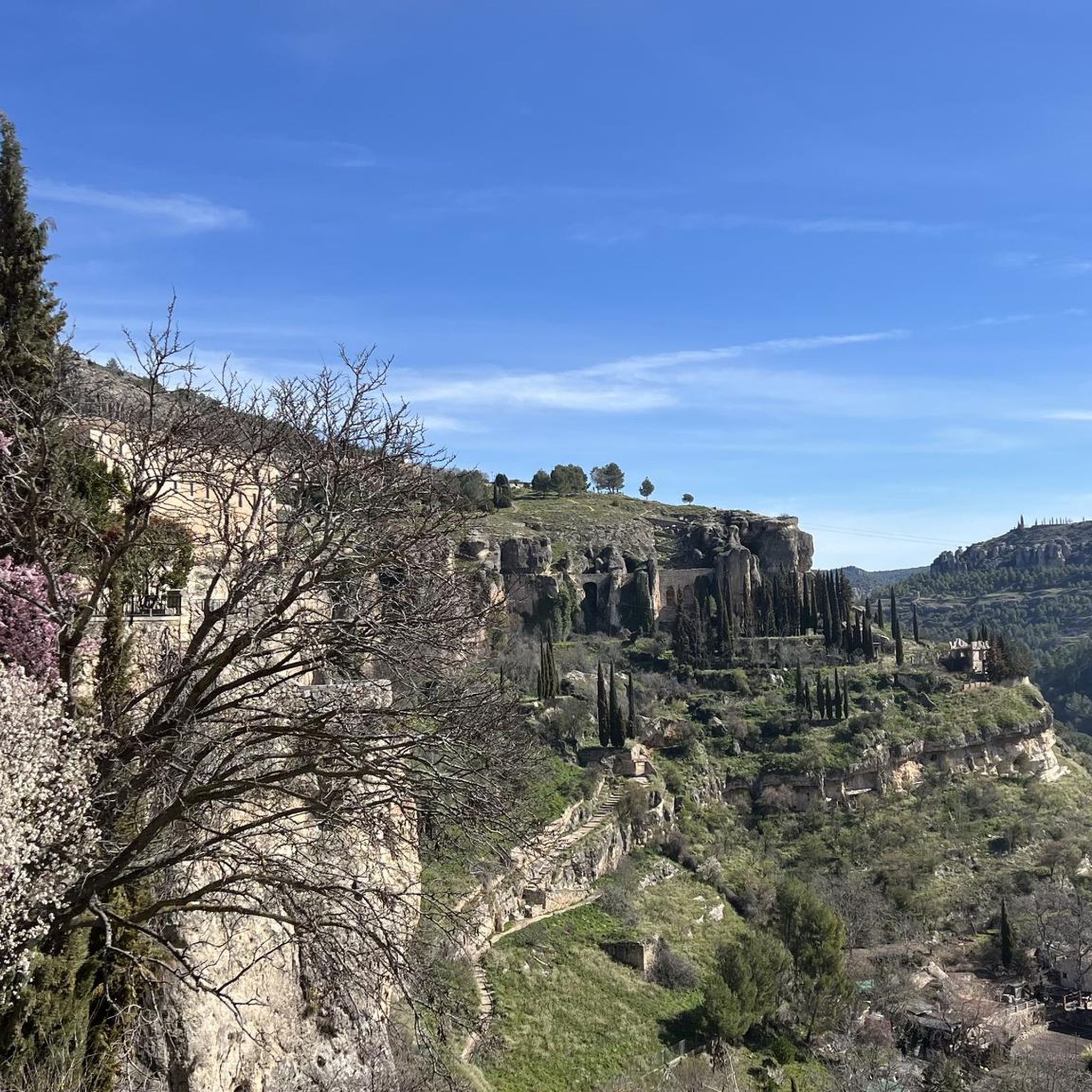
Castillo de Torrebuceit
Highlight • Castle
There is an old viaduct that can be seen from the hill of the fortress, looking towards the valley below nearby.
On the curve from the road you can also see some caves that were hermitages.
Translated by Google •
Tip by

Start today with a free account
Your next adventure awaits.
Login or Signup
Popular around Mancha Alta
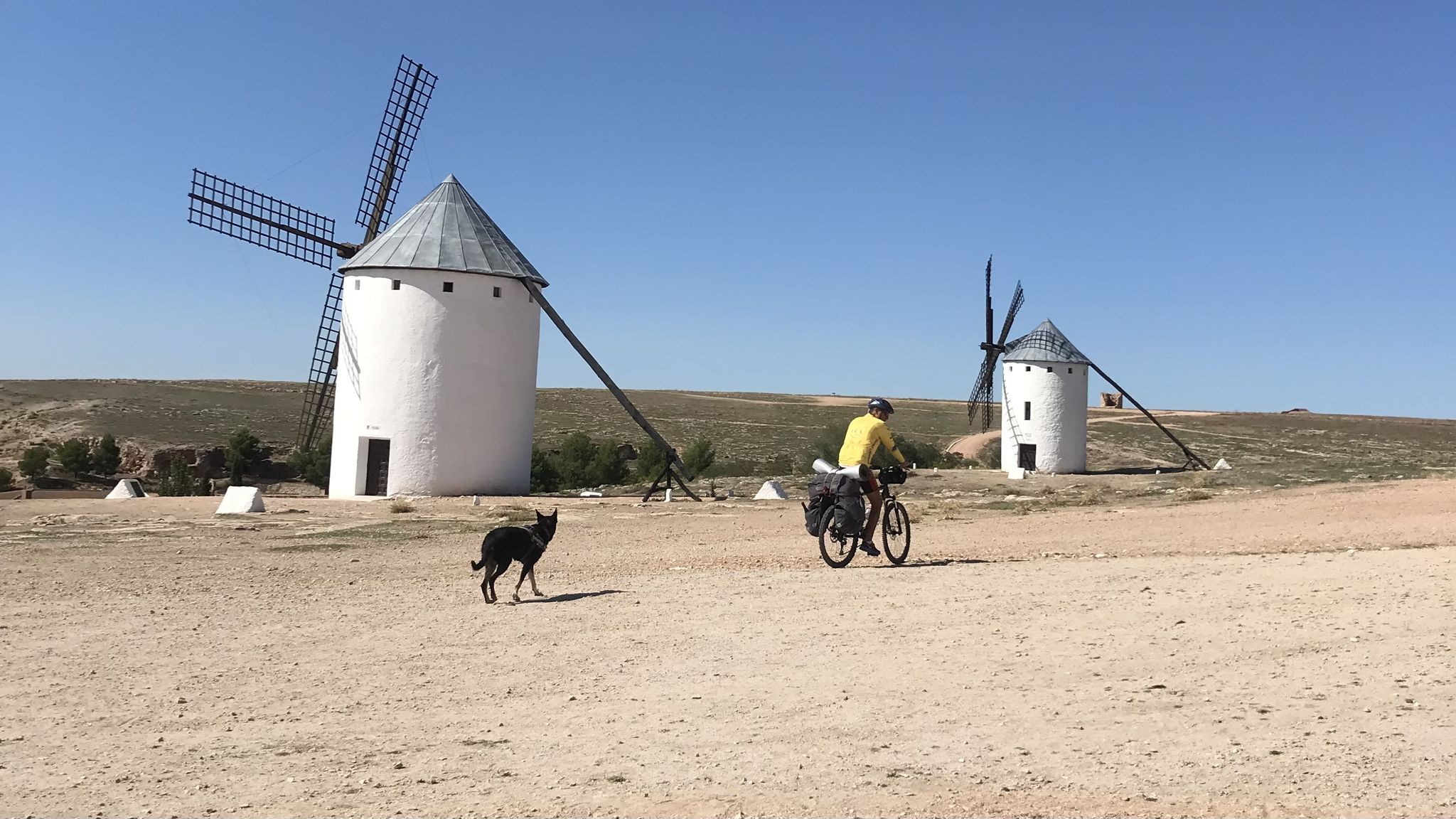
Don Quixote's route – The knight of the sorry face
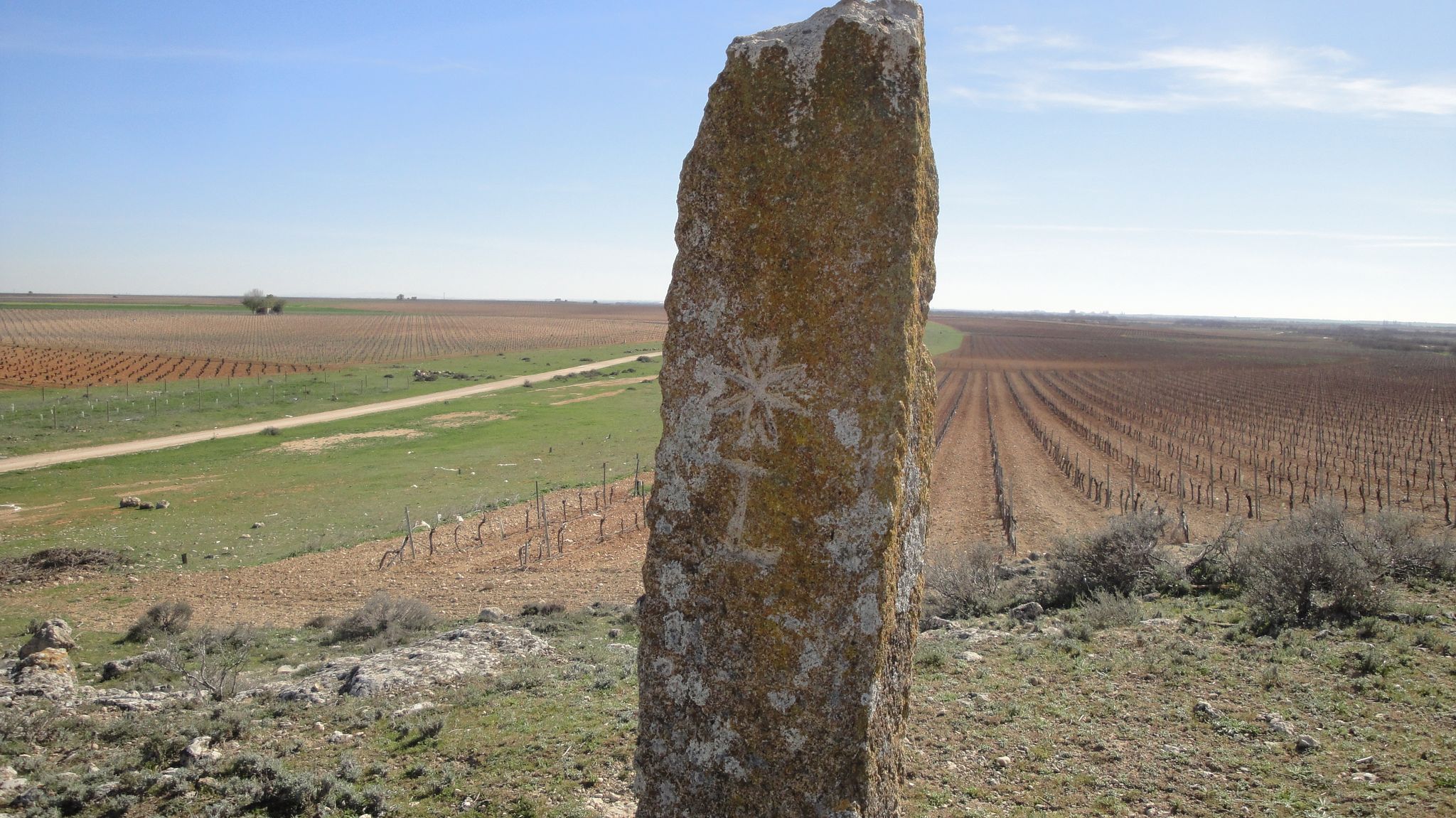
The Reconquest of La Mancha on Foot - Camino Natural del río Riánsares
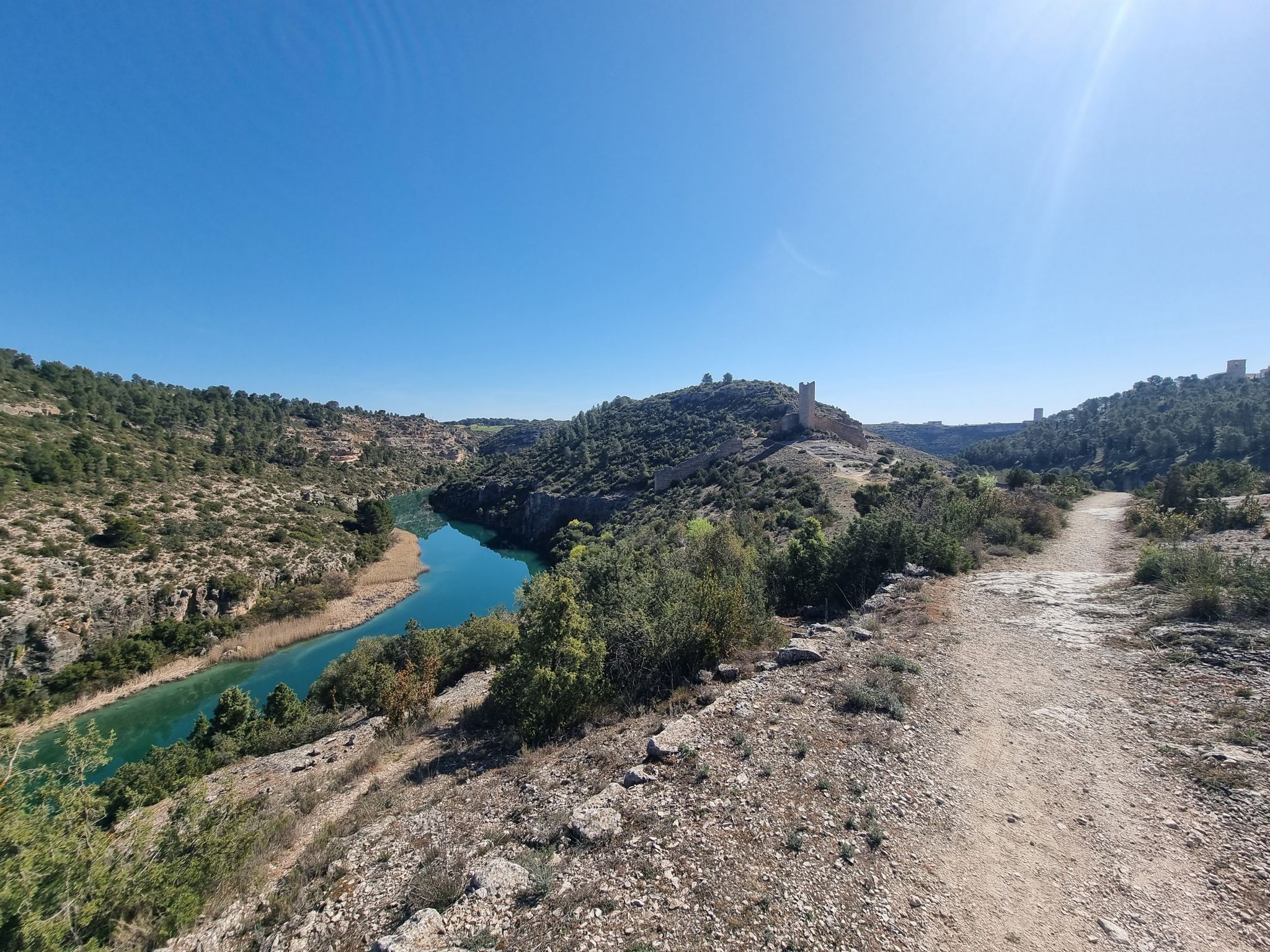
A gravel bike adventure between Madrid and Valencia
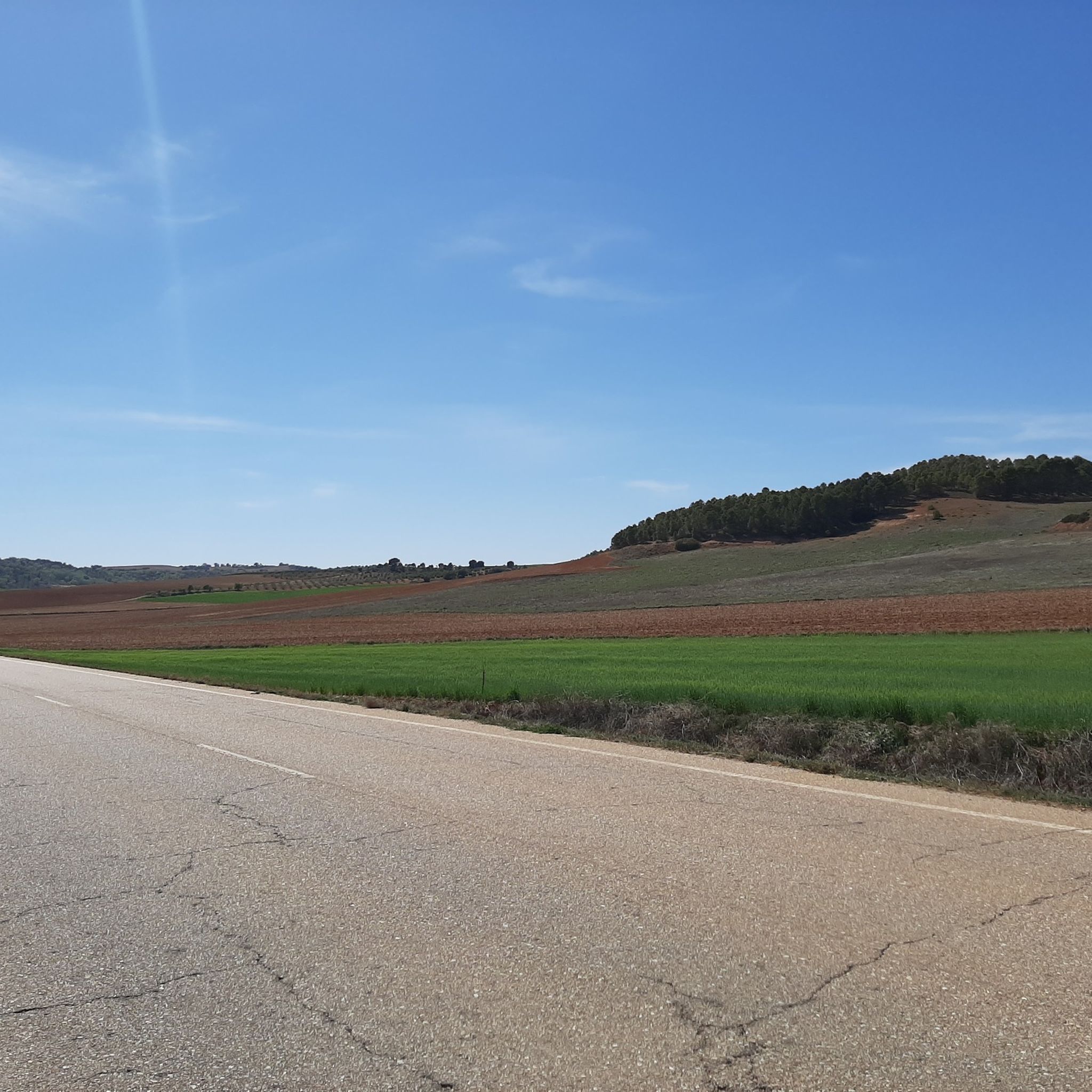
Road Cycling Routes around Mancha Alta
Hiking around Mancha Alta
MTB Trails around Mancha Alta
Cycling around Mancha Alta
Running Trails around Mancha Alta

Gravel biking around Mancha Alta
Other adventures around Mancha Alta


Tips from the Community

You have to climb up to the antenna of the hermitage of the Virgin of Mercy, along the road on the side of the hermitage, it is a tough 400 meters but it is worth it.
0
0

The Monastery welcomes you at the top of the village with a stunning view from the road leading to Uclés. After a long bike ride, it is a good reward.
0
0

Uclés is a very beautiful city but the monastery located there is something extraordinarily spectacular that is definitely worth visiting. Nowadays you can visit a part of the monastery by paying an entrance fee, since not everything is included in the interior tour, and also it no longer offers the possibility of staying there, which is a shame because sleeping in its rooms would be quite an experience. unique in the world.
12
0
This point is wrong because the town of Uclés is a few kilometers further from here.
12
0
Built by the Order of Santiago, construction began in 1529 while Charles I reigned and was completed in 1735 under the reign of Philip V. Monumental construction that leaves no one indifferent, and that during the civil war was first a hospital for one side and later a prison for the other. You can visit it by paying an entrance fee and it is no longer used as a guest house because only one monk lives there, who possibly does not reside there at the time I write this chronicle.
2
0
It is a fortification from the Middle Ages in ruins, and very close to the town that gives its name to the old castle: Puebla de Almenara, a town in the province of Cuenca that in 2023 has a census of 331 residents.
4
0
This spectacular building built by the Order of Santiago is the end of the route or pilgrimage path that starts from the Church of Santiago in Madrid, and is usually done by numerous pilgrims both on foot and by bike.
1
0

Old fortress of Islamic origin, 13th century. It consists of several buildings, but since it is private, you cannot visit it, at most see the outside if the owners are not there or ask their permission. There is an old viaduct that can be seen from the hill of the fortress, looking towards the valley below nearby. On the curve from the road you can also see some caves that were hermitages.
0
0
Frequently Asked Questions
What are some historically significant castles in Mancha Alta?
Mancha Alta is rich in history. The Castillo de Peñas Negras in Mora, Toledo, was a key defensive point under Arab rule and later for the Order of Santiago. The Castillo de Montalbán, also in Toledo, was originally a Muslim fortress significantly expanded by the Knights Templar. The Castillo de Consuegra played a crucial role in civil wars and was a stronghold of the Knights Hospitaller. For a layered history, Castillo de Garcimuñoz shows Arab origins and connections to Don Juan Manuel and Don Juan Pacheco.
Which castles in Mancha Alta feature unique architectural styles?
The castles in Mancha Alta showcase diverse architectural styles. The Castillo de Belmonte in Cuenca is a stunning example of Gothic-Mudejar architecture with a peculiar triangular ground plan. The Castillo de Montalbán features strong, reinforced walls of reddish-brown granite and pentagonal albarrana towers. Luján Castle, or the ruins of Saelices, is a 16th-century Renaissance-style construction.
Which castles offer the best panoramic views of the Mancha Alta region?
For breathtaking views, the Castillo de Belmonte offers panoramic vistas of the surrounding countryside from its towers. The Castillo de Consuegra provides stunning views of the La Mancha region and its iconic windmills. Additionally, the Views of the Castle of Puebla de Almenara highlight offers great views of the entire surrounding area, despite being a ruin.
Are there any lesser-known or 'hidden gem' castles worth exploring in Mancha Alta?
Beyond the more famous sites, you can explore the unique Castillo de Garcimuñoz, known for its layered history and postmodern restoration. The Luján Castle (ruins of Saelices) is currently undergoing reconstruction, offering a glimpse into a 16th-century Renaissance fort house. The Castle and church of Huerta de la Obispalía presents prominent ruins on a small hill next to a 16th-century Renaissance church. You can also discover the Castillo de Torrebuceit for a less crowded experience.
What do visitors particularly enjoy about the castles in Mancha Alta?
Visitors appreciate the rich historical heritage and diverse architecture. Many enjoy the well-preserved interiors and the journey through history offered by castles like Castillo de Belmonte. The strategic locations of fortresses like Castillo de Peñas Negras and Castillo de Montalbán provide commanding views. The unique blend of history and modern restoration at Castillo de Garcimuñoz also draws interest.
Are there family-friendly castles to visit in Mancha Alta?
Yes, some castles are suitable for families. The town of Huete, which features the Castillo de Luna, is considered family-friendly due to its historical interest and various heritage sites. Exploring the grounds and imagining medieval life can be an engaging experience for children at many of these historical sites.
What is the best time of year to visit the castles in Mancha Alta?
The best time to visit the castles in Mancha Alta is typically during spring (April to June) and autumn (September to October). During these seasons, the weather is generally mild and pleasant, making it comfortable for exploring outdoor castle grounds and enjoying panoramic views. Summers can be very hot, and winters can be chilly, though often sunny.
Are there any castles in Mancha Alta that are wheelchair accessible?
Accessibility can vary greatly among historical sites. Many castles in Mancha Alta, due to their medieval origins and strategic hilltop locations, may have uneven terrain, stairs, and limited facilities, making full wheelchair accessibility challenging. It's advisable to check specific castle websites or contact them directly for detailed accessibility information before planning your visit.
How long does it typically take to visit a castle in Mancha Alta?
The time required to visit a castle can vary. For well-preserved castles with extensive interiors like Castillo de Belmonte, you might spend 2-3 hours exploring. For ruins or smaller sites like Castle and church of Huerta de la Obispalía, an hour or less might suffice to appreciate the exterior and views. Consider additional time for travel between sites and enjoying the surrounding areas.
Can I find hiking or cycling routes near the castles in Mancha Alta?
Yes, the Mancha Alta region offers various outdoor activities near its historical sites. You can find numerous routes for gravel biking, cycling, and running. For example, there are gravel biking routes like the 'Tarancón – Churrería-Cafetería La Fuente loop' and cycling routes such as 'Monasterio de Uclés y Parque arqueológico de Segóbriga — circular route'. Explore more options on the Gravel biking around Mancha Alta, Cycling around Mancha Alta, and Running Trails around Mancha Alta guide pages.
Are there cafes or restaurants near the castles in Mancha Alta?
Many castles in Mancha Alta are located near or within towns and villages, where you can typically find local cafes and restaurants. Larger towns like Belmonte, Consuegra, and Huete offer dining options. For more remote castles, it's advisable to pack snacks or check for facilities in the nearest settlement before your visit.
What other historical sites can be found near the castles in Mancha Alta?
Beyond the castles, the region offers a wealth of historical sites. The town of Huete boasts a vast historical heritage, including its urban wall of Andalusian origin, the Monastery of La Merced, and the Church of Santo Domingo de Guzmán. The Monastery of Uclés, known as 'El Escorial de La Mancha', is built on an old 9th-century castle and is a spectacular site to visit.
Most popular routes around Mancha Alta
Most popular attractions around Mancha Alta

Get inspired with the komoot mobile app


Didn’t find what you were looking for?
Explore Mancha Alta’s best castles region by region:
Explore more
Looking for the best castles somewhere else? Discover other guides around Mancha Alta:
