Top 12 Castles around Osona
Castles around Osona offer insights into the region's rich history, set within a landscape characterized by hills, valleys, and the Ter river. This area in Catalonia, Spain, features numerous historical sites, from well-preserved fortresses to ancient ruins. Many castles here served military purposes, reflecting Osona's strategic importance throughout the centuries. The region provides a diverse historical and natural environment for exploration.
Best castles around Osona
- The most popular castles is Besora Castle, a castle that stands on a rocky…
Last updated: April 28, 2026
Montesquiu Castle
Highlight • Castle
Translated by Google •
Tip by

Besora Castle
Highlight • Castle
Translated by Google •
Tip by

Sign up now to discover places like this
Get recommendations on the best single tracks, peaks, & plenty of other exciting outdoor places.
Sign up for free
Can Boix Castle
Highlight • Castle
Translated by Google •
Tip by

Castillo de Sant Martí de Centelles
Highlight • Castle
The wall has a length of approximately 200 meters and a width of 80 meters in the largest part. Although the large part of the structure that is preserved …
Translated by Google •
Tip by

Castle of Torelló
Highlight • Castle
Translated by Google •
Tip by

Castell d'Olost
Highlight • Castle
Translated by Google •
Tip by

Castell de Sant Llorenç del Munt
Highlight • Castle
Translated by Google •
Tip by

Castle of Tona
Highlight • Castle
Translated by Google •
Tip by
Castillo de Bellpuig de Sant Julià de Vilatora
Highlight • Castle
It is located within the limits of what was the
Castell de Sant Llorenç and
Also known as the CASAL de BELLPUIG.
Cataloged as a …
Translated by Google •
Tip by

Castell de Savassona
Highlight • Castle
Translated by Google •
Tip by
Sign up for free to discover even more castles around Osona.
Sign up for free
Already have an account?
Start today with a free account
Your next adventure awaits.
Login or Signup
Popular around Osona
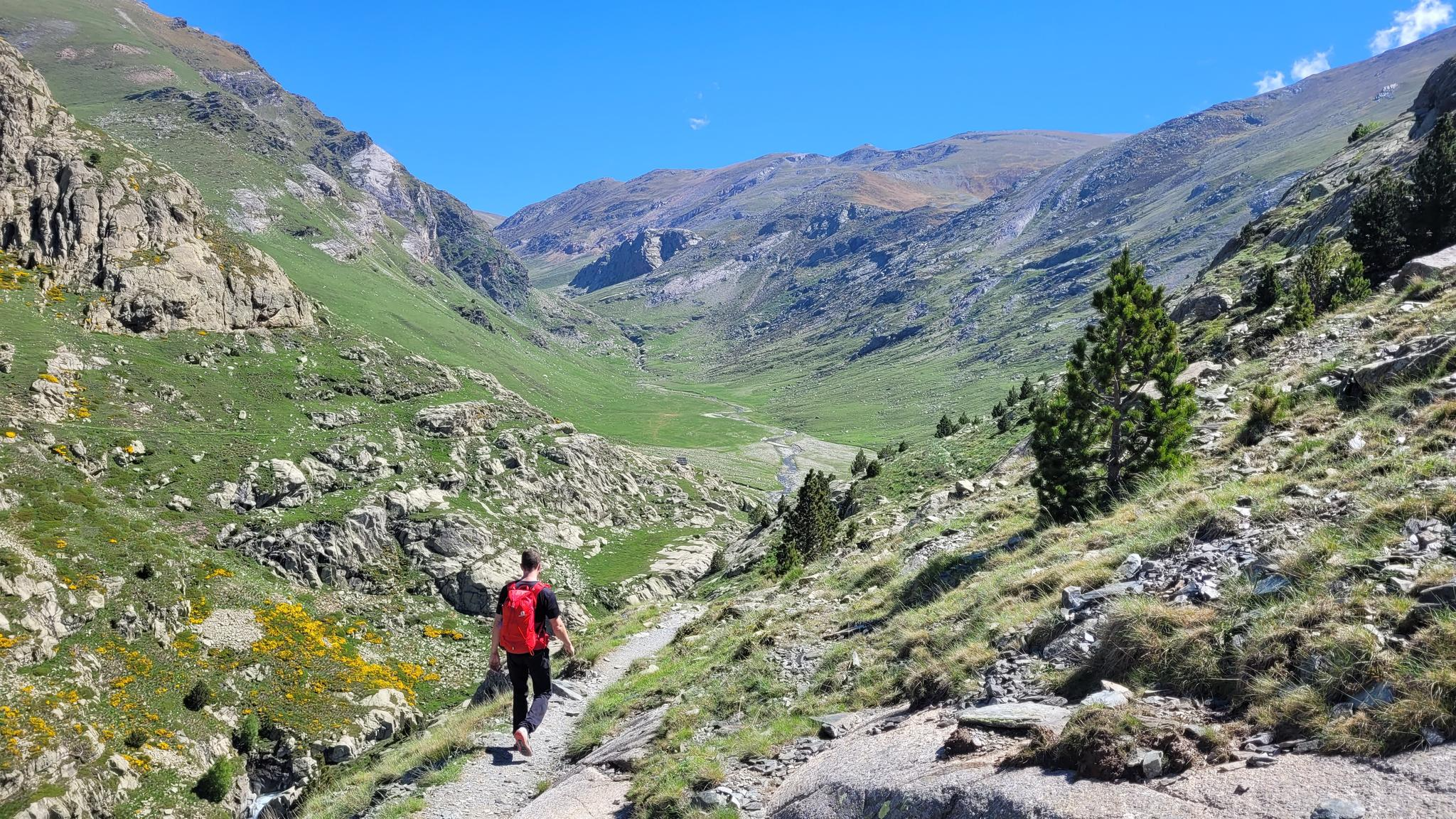
10 hikes with teenagers — Catalan paradises
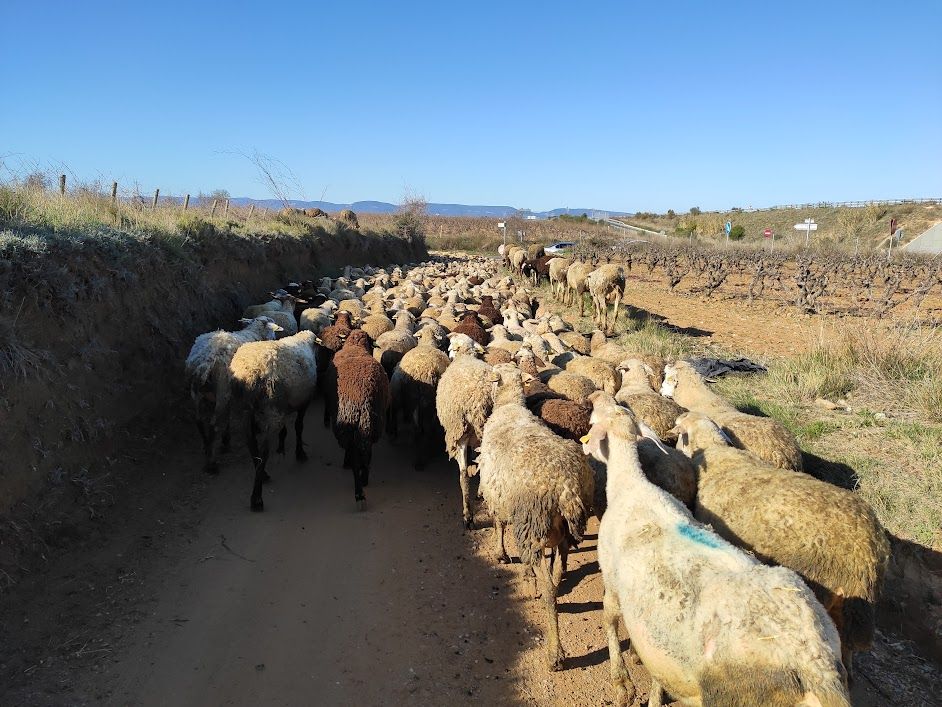
The shepherds' path – Camí Ramader de la Marina
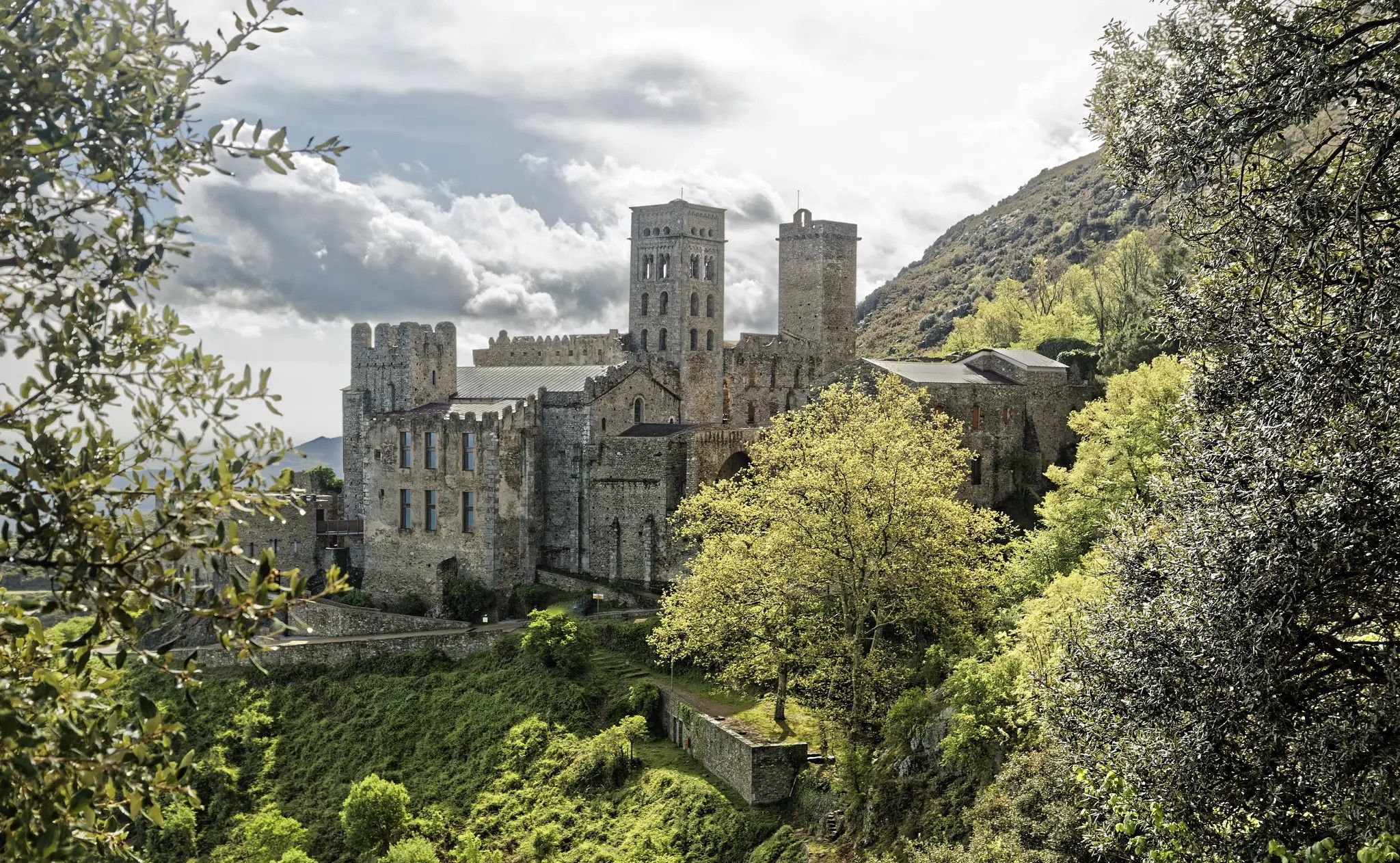
Discover ancient history – Camino de Girona
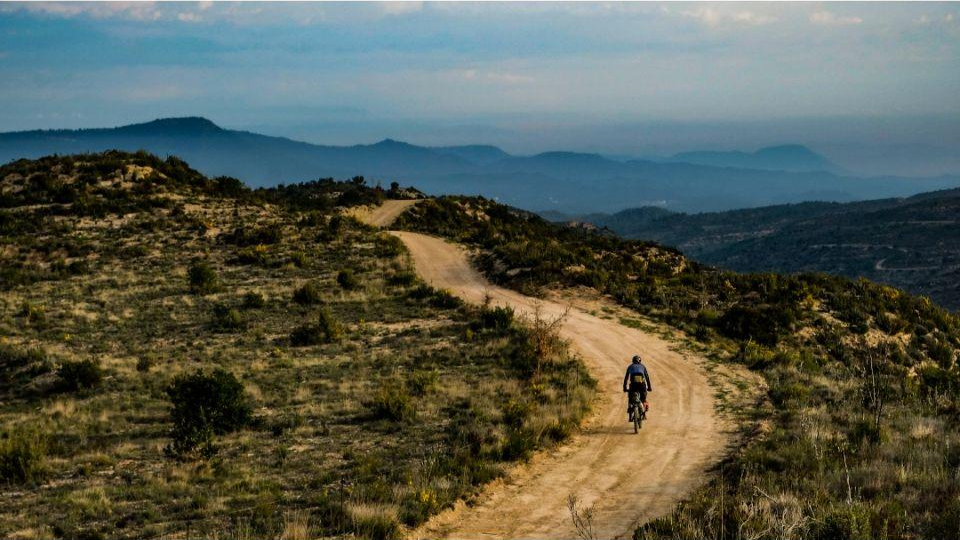
European Divide Trail across the Iberian Peninsula – north
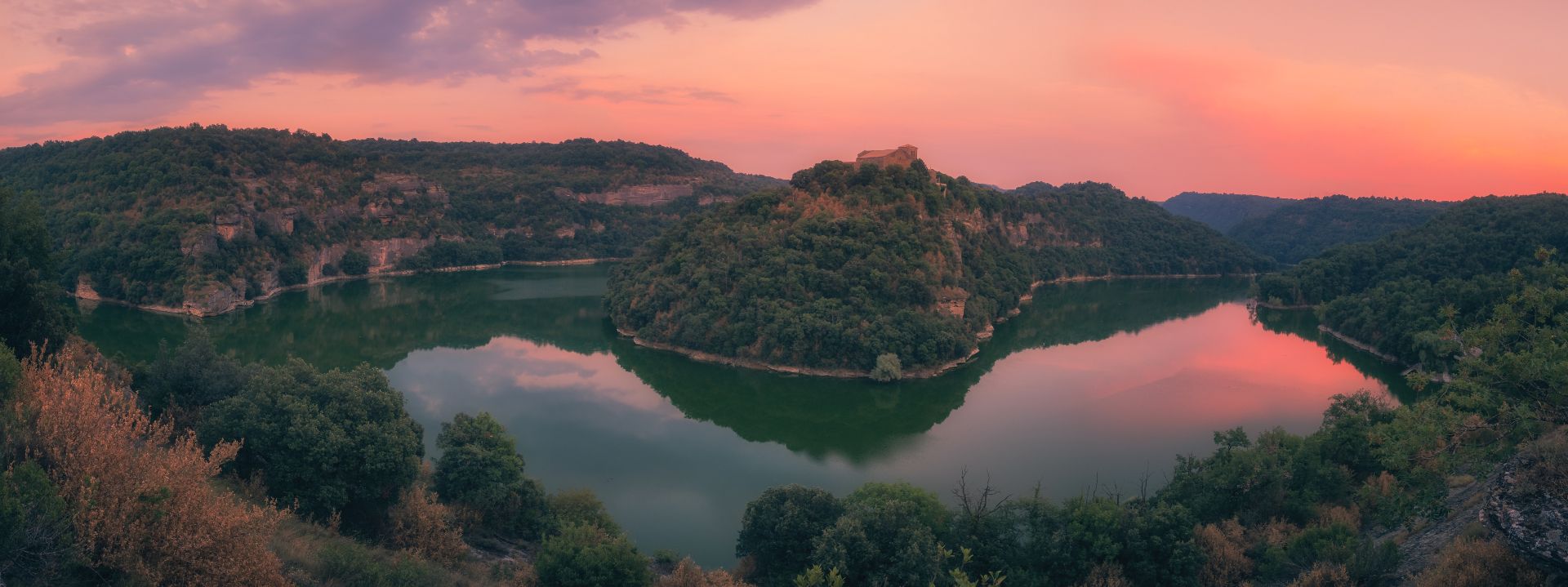
The water trail – Ruta del Ter (GR 210)
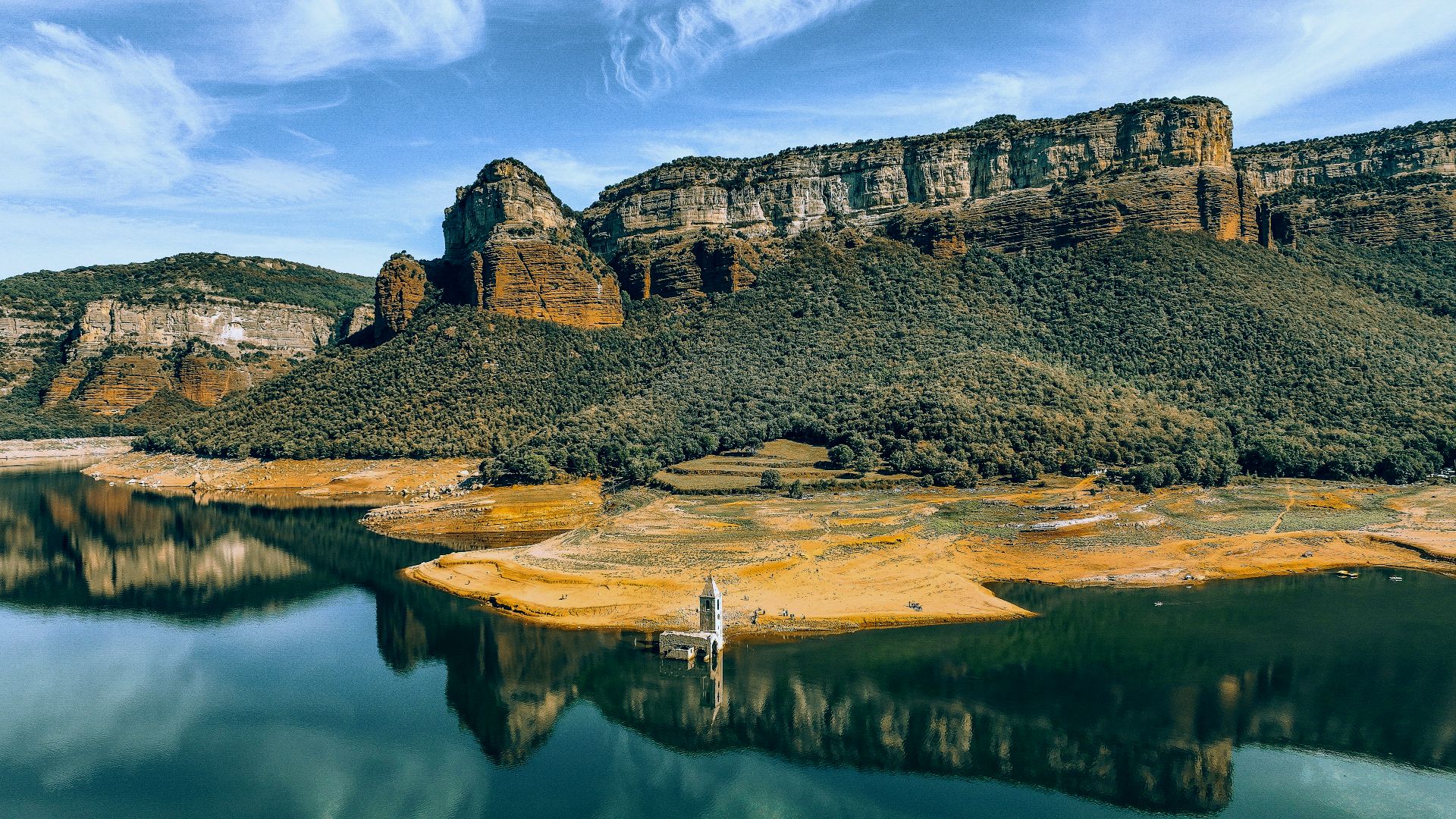
In the footsteps of the Catalan Romanesque – El Camino Oliba
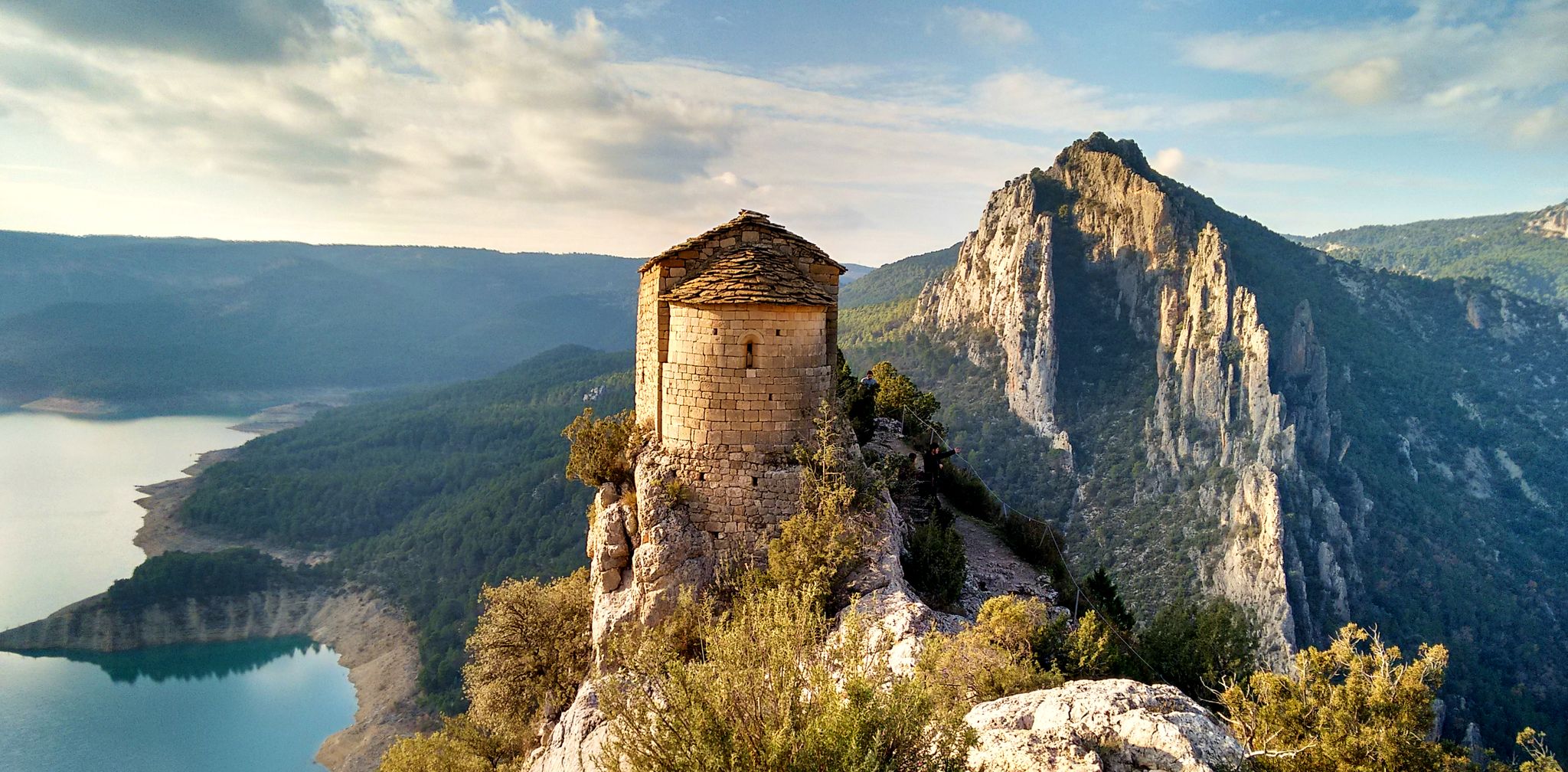
From the Mediterranean to the Pre-Pyrenees – Historical Path in Catalonia (GR 1)
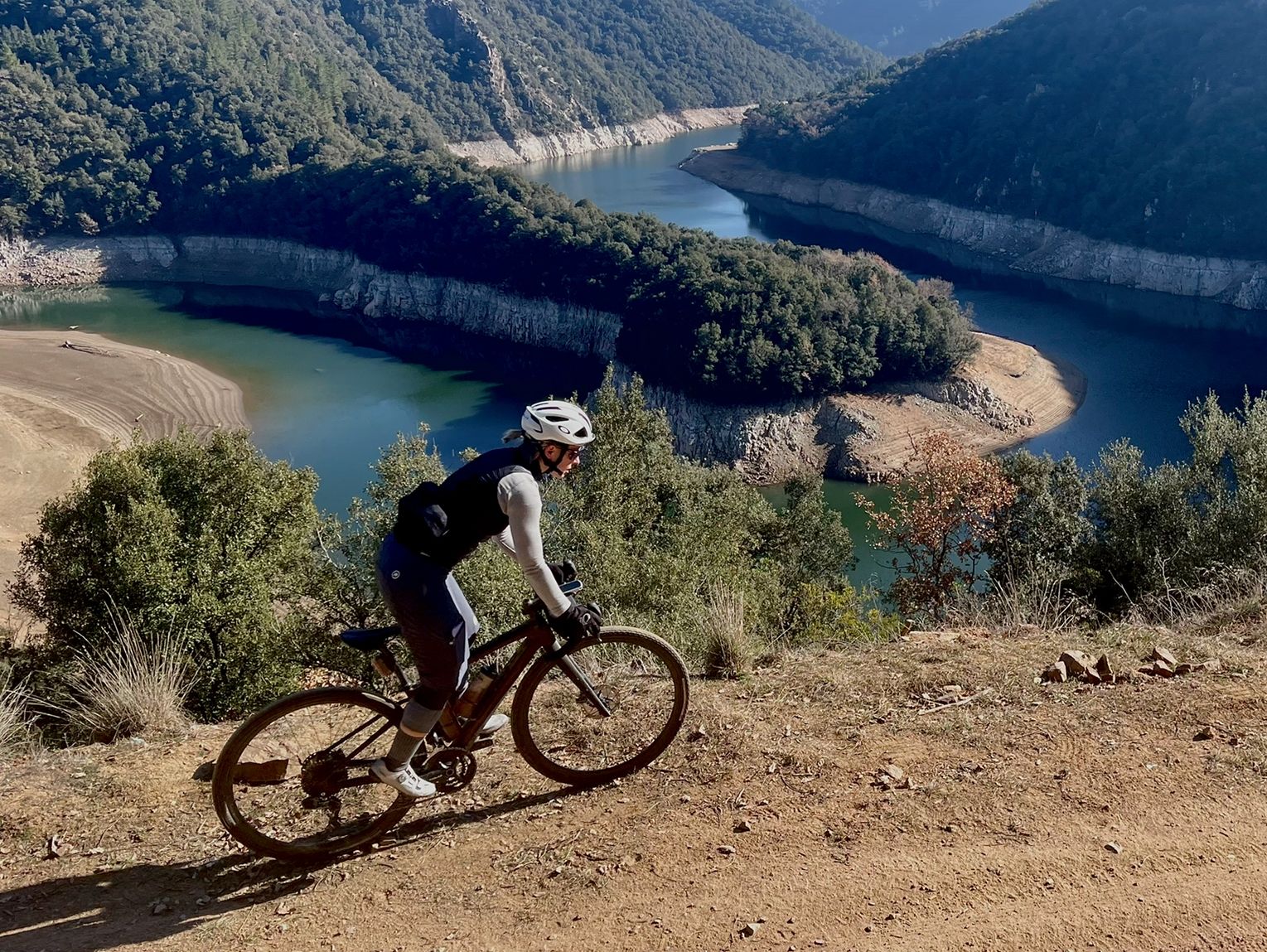
Catalan Pyrenees to the Mediterranean – La Ruta del Ter on gravel
The Barcelona Arch – Natural Parks Trail (GR 5)
Hiking around Osona
Other adventures around Osona


Tips from the Community

Time waits for no one, and it's currently inaccessible for security reasons 😞
0
0

The Castle 🏰 of Bellpuig It is located within the limits of what was the Castell de Sant Llorenç and Also known as the CASAL de BELLPUIG. Cataloged as a cultural asset of National Interest. There are no exact references From its construction but it is located between S-Xl and S-Xll Some later reforms from the 13th century.
2
0

The ruins of the Besora castle and the Romanesque church of Santa María are located on a hill at more than 1000 meters above sea level. It is worth calmly exploring each of its corners and enjoying the beautiful views.
2
0

Sant Llorenç Castle is a castle in the municipality of Sant Julià de Vilatorta (Osona) declared a cultural asset of national interest. There are remains of fortifications at the monastery and the base of a square tower at the top of the mountain. It was a termed castle, then a monastery. Documented in 884. At the beginning of the 11th century it was supplanted by the Castle of Meda and soon became the residence of Augustinian canons.
0
0

Throughout history the castle was confiscated from the Centelles and became a royal residence during the Catalan Civil War during the period 1462-1472. It was also a gathering point for troops on more than one occasion during the Uprising of Catalonia (1640-1659) and later, in the War of the Spanish Succession (1705) it was the area from which the Vincentian migueletes supporting Archduke Charles blocked the Filipista troops of Viceroy Velasco. During the Spanish War of Independence, French troops, in 1809, occupied the town of Centellas and the castle. During the Carlist wars, the parties turned it into one of the dens from which they attacked neighboring towns.
1
0
The owners have always been from the Centelles family, originating from a farmhouse in the area that was ennobled and became feudatories of the counts of Barcelona. It is the family name that the towns closest to the castle will adopt: San Martín de Centellas y Centellas. Later it was important as a stately place, from which an extensive barony was controlled that brought together the current municipalities of Centellas, San Martín de Centellas, Tona and Seva, and that reached the Vallés Oriental, controlling the entrance to the Congost valley and the plain. from Vic.
1
0
Between the 9th and 15th centuries the castle was the center of the powerful barony of Centelles and, during the Catalan Civil War of the 15th century, it was chosen as the residence of Pedro IV of Aragon, called "the Constable of Portugal", king of the Catalans. . During this period, wars for control of the castle alternated with the expansion and ornamentation work necessary to turn it into a royal residence.
1
0
https://www.youtube.com/watch?v=aivfOKgmW-E The wall has a length of approximately 200 meters and a width of 80 meters in the largest part. Although the large part of the structure that is preserved is from the 15th and 16th centuries, the castle already existed - with the name "castle of San Martín" - in the year 898. Originally, therefore, it was a border castle, to which Its first structure corresponds to the Sovereign Castle, documented as early as the 9th century, at a higher point than the current building that is preserved.
1
0
Frequently Asked Questions
Which castles in Osona offer the best panoramic views?
Several castles in Osona are renowned for their extensive views. Besora Castle, though largely in ruins, stands on a magnificent rocky plateau offering a 360º panorama. The well-preserved Church of Santa Maria at the site also provides a viewpoint from its belltower. Can Boix Castle (Taradell Castle) offers good views of the Plain of Vic and the Pyrenees. Additionally, Castell de Sant Llorenç del Munt and Castle of Torelló are also noted for their excellent views of the surrounding area.
Are there family-friendly castles to visit in Osona?
Yes, the Castle of Tona is categorized as family-friendly, making it a good option for visitors with children. While specific family activities vary, many castles offer open spaces for exploration and historical learning that can engage families.
What kind of hiking trails can I find near Osona's castles?
The Osona region offers a variety of hiking trails that often incorporate castle visits. You can find easy hikes like the 'Salto de Sallent and Sant Joan de Fàbregues - Circular from Rupit' or 'From Cantonigròs to la Foradada'. For more options, explore the Easy hikes around Osona guide.
Can I combine a castle visit with other outdoor activities in Osona?
Absolutely. The Osona region is ideal for combining castle exploration with various outdoor activities. Besides hiking, you can find gravel biking and road cycling routes. For instance, the 'Sant Roc Chapel – Saint Peter of Savassona loop' is a challenging gravel biking route. Check out the Gravel biking around Osona guide or the Road Cycling Routes around Osona guide for more ideas.
Which castles in Osona have significant historical importance beyond just ruins?
While many castles in Osona are ruins, some offer deeper historical insights. Castillo de Sant Martí de Centelles, documented since the 9th century, was a border castle and later a royal residence during the 15th-century Catalan Civil War. Montesquiu Castle, dating back to the ninth century, was a significant Templar castle and is now open for guided tours within a natural park. Besora Castle has archaeological remains from the Iberian era, indicating its long history as a defensible position.
What is the best time of year to visit the castles in Osona?
The Osona region generally enjoys pleasant weather for outdoor activities. Spring and autumn typically offer mild temperatures, making them ideal for exploring castles and hiking trails. Summer can be warm, but many castle sites are elevated, providing cooler breezes. Winter visits are possible, but some trails might be less accessible, and specific castle opening hours may vary.
Are there any well-preserved castles or those with restored sections in Osona?
Yes, Montesquiu Castle is a notable example that has been preserved and restored, offering guided tours. While Besora Castle is largely in ruins, its Church of Santa Maria is well-preserved and restored. Can Boix Castle has also undergone some consolidation works on its remains.
What are some lesser-known or more secluded castles to explore in Osona?
Beyond the most popular sites, Osona has several castles that are primarily noted as ruins, offering a more secluded exploration experience. Examples include Castell de los Torelló, Castell de Vilar or la Viñeta, and Castell de Orís. These sites provide a sense of discovery and often come with fewer crowds.
Are there any castles in Osona that are suitable for beginner hikers?
While many castle routes are marked as 'intermediate' due to terrain or elevation, some castles can be accessed via easier paths or shorter walks. For example, the general area around Montesquiu Castle within Montesquiu Park offers a more accessible environment. For specific easy walking routes, it's best to consult local trail information or the Easy hikes around Osona guide, which may lead to castle viewpoints or nearby historical sites.
What kind of natural features can be found near the castles in Osona?
The castles in Osona are often set within diverse natural landscapes. Montesquiu Castle is located within Montesquiu Park, close to the Ter river. Can Boix Castle is uniquely situated on large rocks with a significant grotto below. Many castles, like Besora Castle, offer extensive views over hills and valleys, showcasing the region's natural beauty.
What do visitors appreciate most about the castles in Osona?
Visitors frequently highlight the stunning panoramic views from the castle sites, such as those from Besora Castle and Can Boix Castle. The historical significance and the opportunity to explore ancient ruins are also highly valued. Many enjoy the combination of cultural exploration with outdoor activities like hiking, appreciating the natural settings that surround these historical structures.
Is there a castle in Osona that was once a Templar stronghold?
Yes, Montesquiu Castle has a history dating back to the ninth century and was recognized as one of Catalonia's most important Templar castles by the twentieth century. Its military origins and later association with the Templars make it a significant historical site.
Most popular routes around Osona
Most popular attractions around Osona

Get inspired with the komoot mobile app


Didn’t find what you were looking for?
Explore Osona’s best castles region by region:
Explore more
Looking for the best castles somewhere else? Discover other guides around Osona:
