Top 10 Lakes in Northwest Hills Planning Region
Best lakes in Northwest Hills Planning Region, Connecticut, are found within a picturesque area encompassing 21 towns. This region is characterized by its diverse natural landscape, including numerous lakes, forests, and rolling hills. These bodies of water offer various recreational opportunities, from water sports and fishing to hiking and wildlife observation. The area provides a natural setting for outdoor activities and scenic views.
Best lakes in Northwest Hills Planning Region
- The most popular lakes is Lake Waramaug State Park,…
Last updated: September 30, 2026
Lake Waramaug State Park
Highlight • Lake
Tip by

Seville Dam
Highlight • Monument
Tip by
Sign up now to discover places like this
Get recommendations on the best single tracks, peaks, & plenty of other exciting outdoor places.
Haystack Park Pond
Highlight • Lake
Tip by

Little Pond
Highlight • Lake
Tip by

Great Falls Reservoir
Highlight • Lake
Tip by

Paugnut State Forest
Highlight • Forest
Tip by

Colebrook River Lake
Highlight • Lake
Tip by

Lake McDonough
Highlight • Lake
Tip by
Lakeville
Highlight • Settlement
Tip by
Wononskopomuc Lake
Highlight • Lake
Tip by
Sign up for free to discover even more lakes in Northwest Hills Planning Region.
Already have an account?
Start today with a free account
Your next adventure awaits.
Popular around Northwest Hills Planning Region
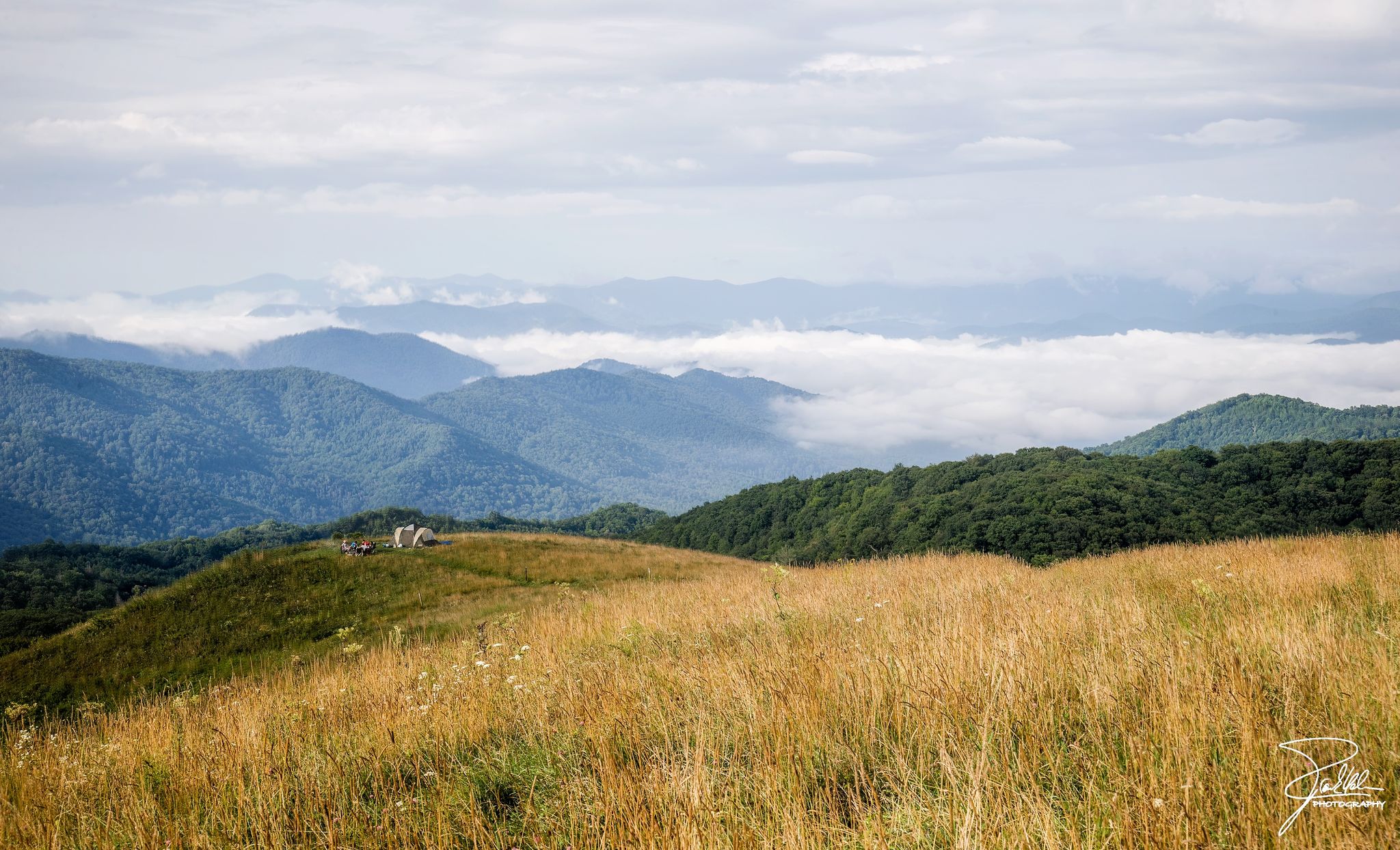
The Appalachian Trail — America's most iconic long-distance hike
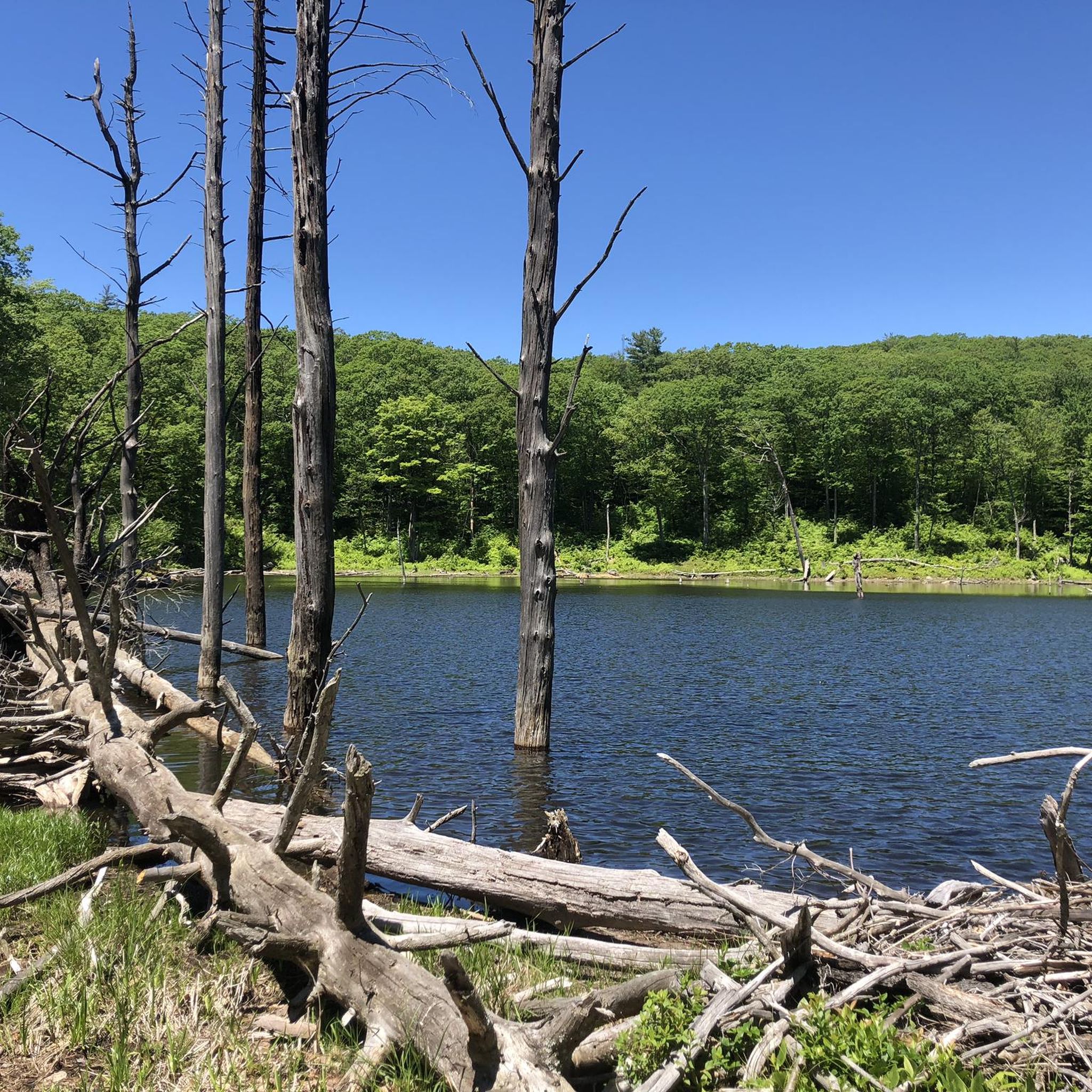
Hiking in Northwest Hills Planning Region
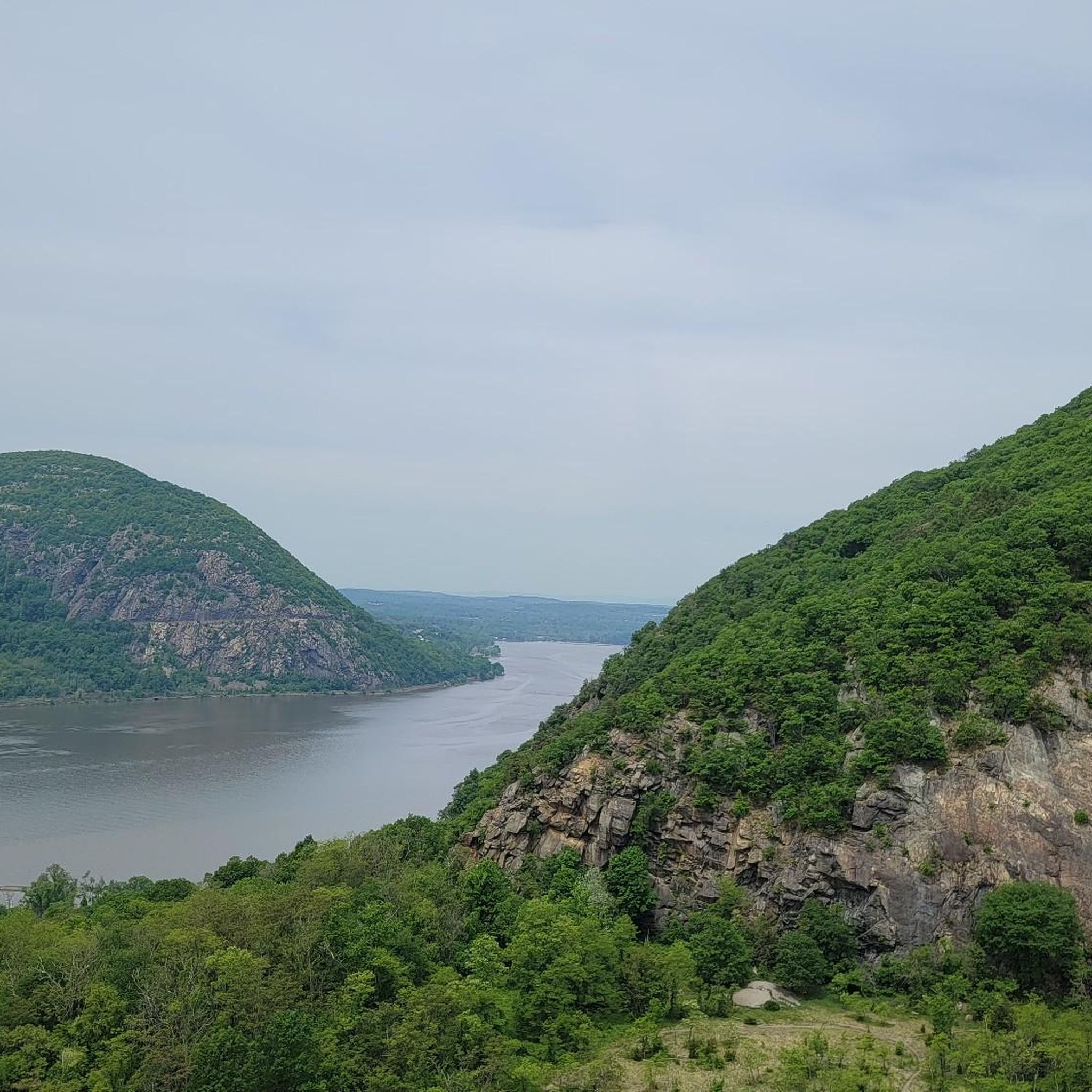
Road Cycling Routes in Northwest Hills Planning Region
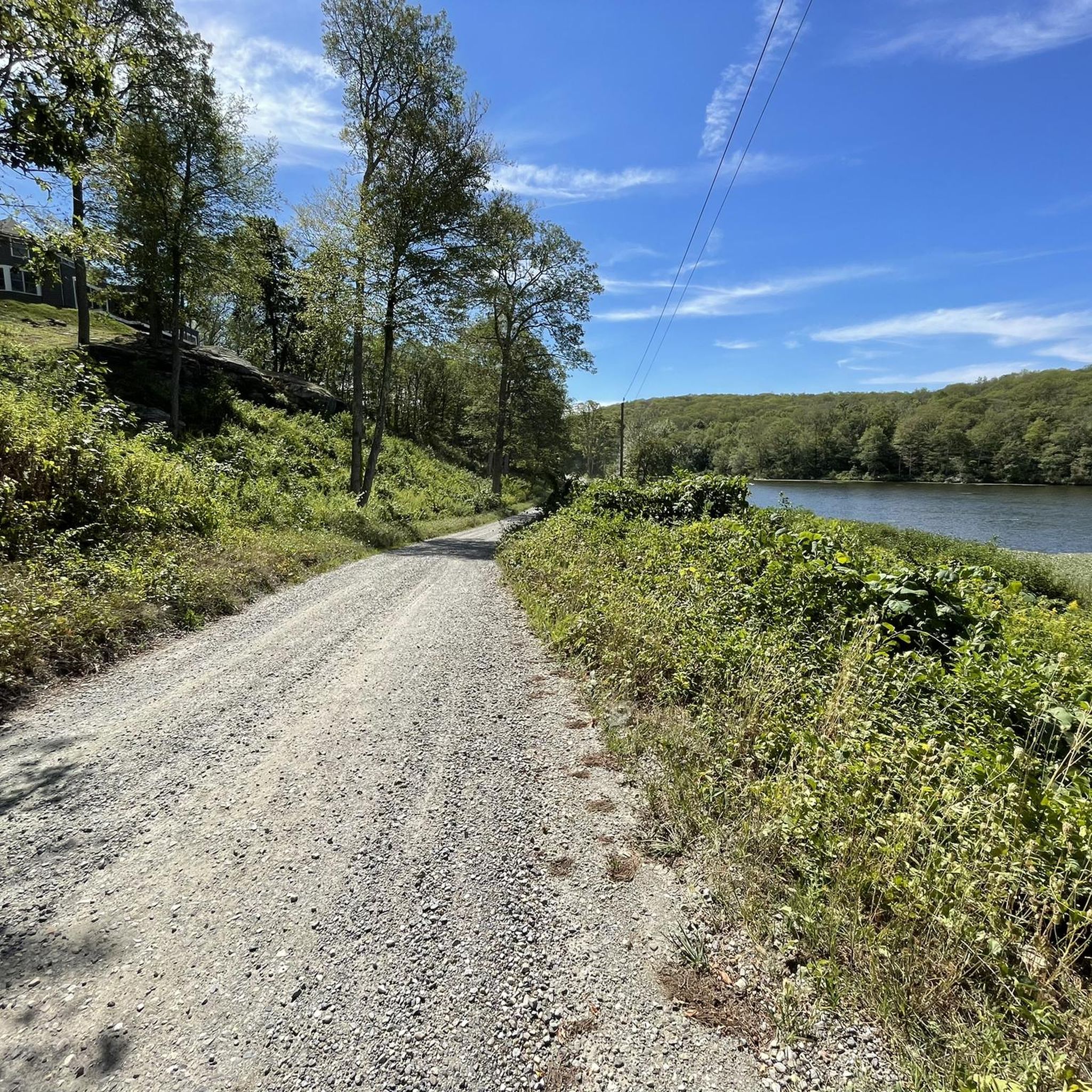
Cycling in Northwest Hills Planning Region
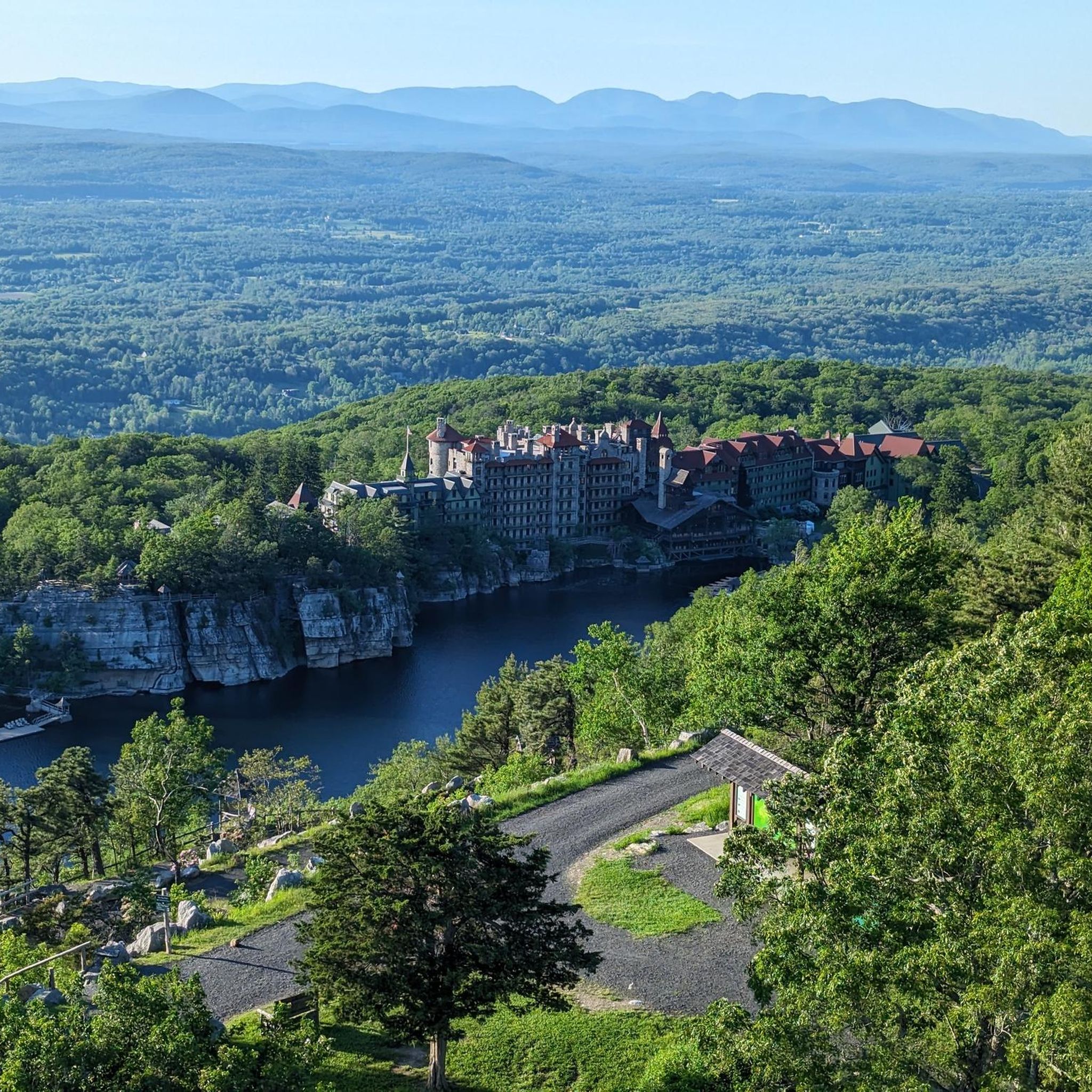
Running Trails in Northwest Hills Planning Region
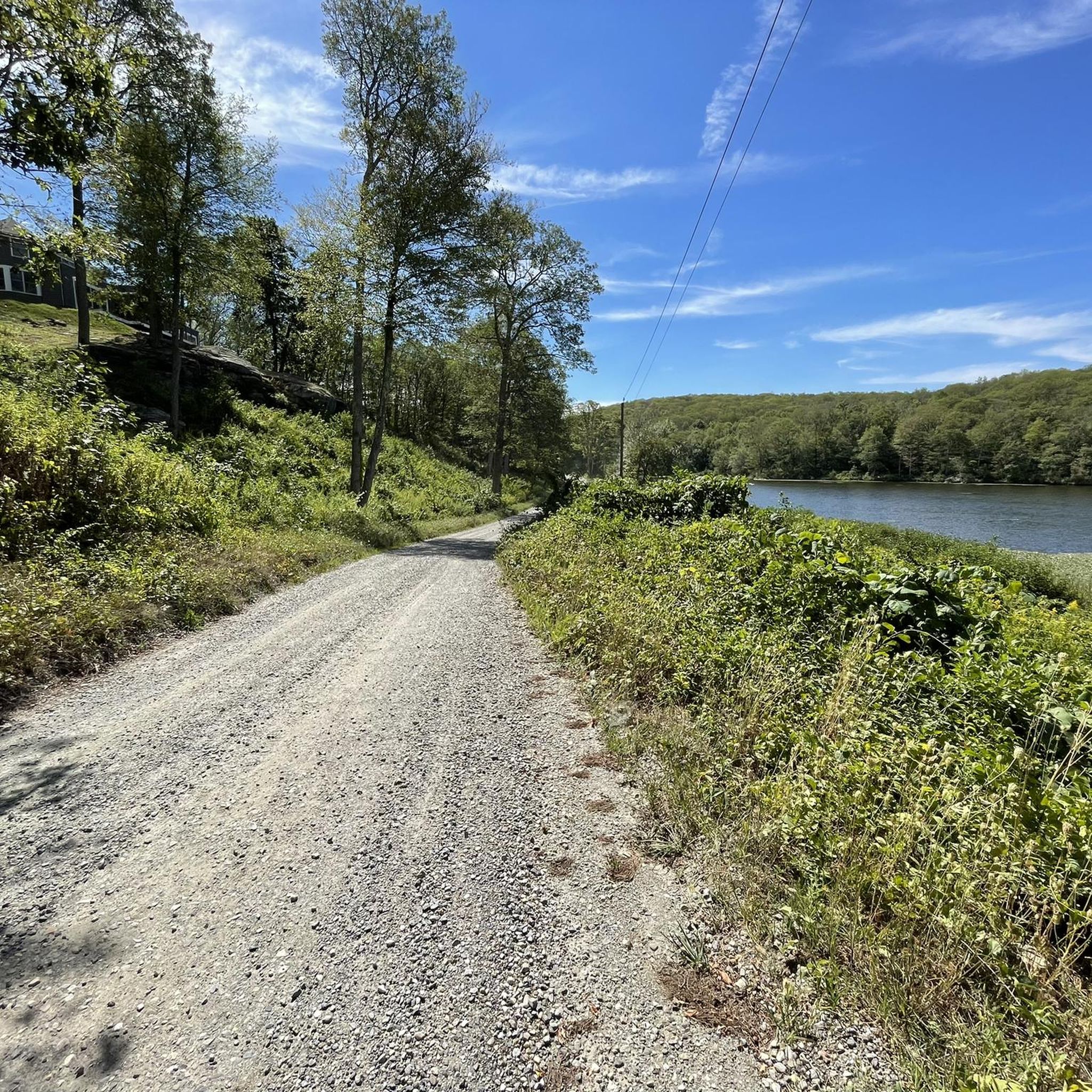
MTB Trails in Northwest Hills Planning Region
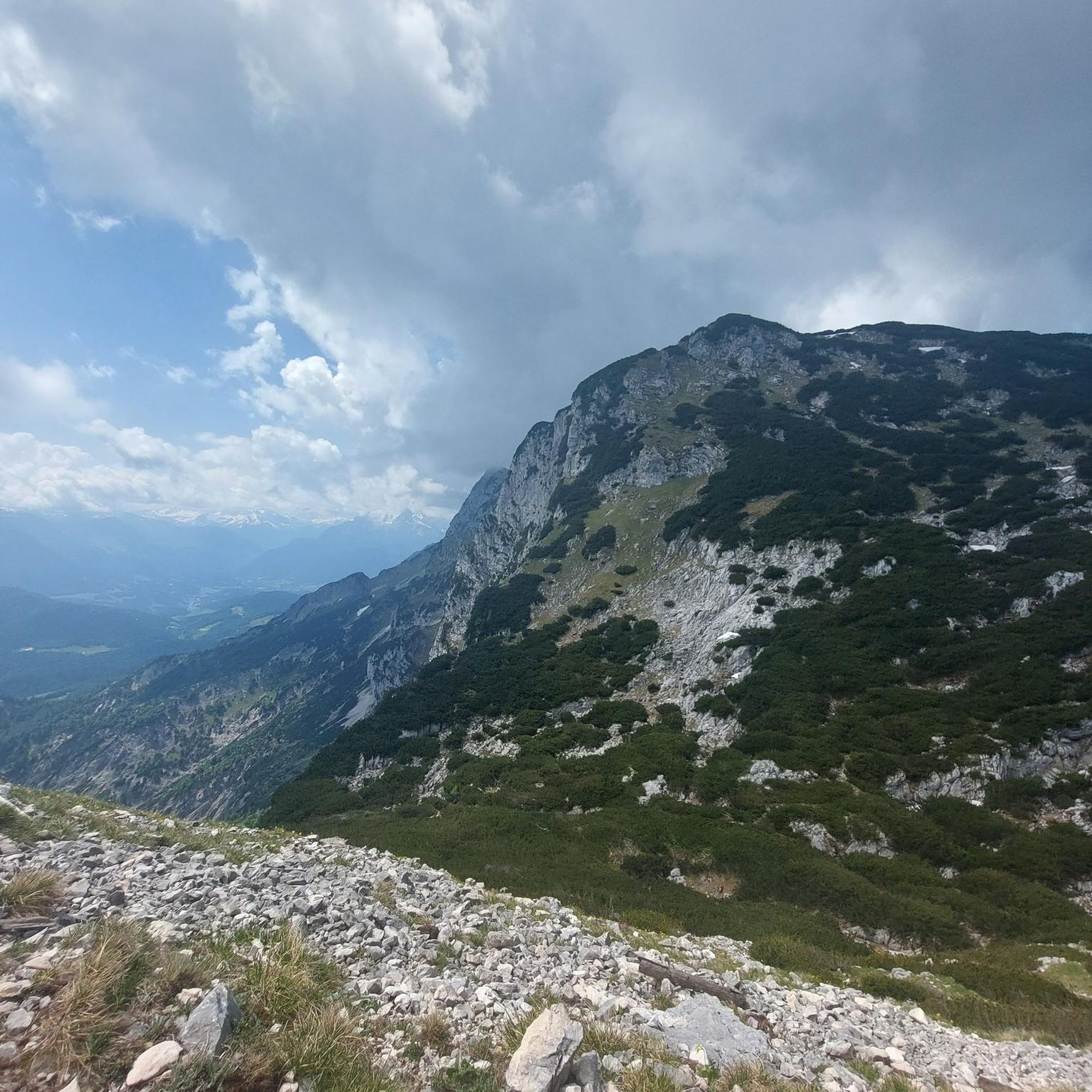
Gravel biking in Northwest Hills Planning Region
Other adventures in Northwest Hills Planning Region

Tips from the Community

Great Falls Reservoir sits just off the Appalachian Trail near Falls Village, Connecticut, offering a worthwhile detour for thru-hikers or section hikers passing through town. Formed by a dam on the Housatonic River, the reservoir spills into Great Falls—a wide, powerful cascade that’s especially impressive after heavy rain. While the AT doesn’t pass directly by the falls, it’s less than half a mile from the road walk into Falls Village, making it an easy side trip. The area has historical significance as a former mill site, with old stone structures still visible near the river. For hikers stopping in town, Great Falls adds a dose of natural drama to this otherwise mellow stretch of trail.
0
0

This is a tiny but highly scenic little park. The roads that circumnavigate Lake Warmaug are partially shaded and go right up to the water's edge, and the views out across the water are especially beautiful in the autumn. There is also camping, hiking, and kayaking here, as well as a couple small beaches for swimming.
0
0

The Housatonic River was a vital resource and transportation route for indigenous populations for centuries. The river played a role in the development of the region, powering mills and factories during the Industrial Revolution. You can see reminisces of the railway Amesville shop bridge from this point.
0
0

Paugnut State Forest spans four parcels and features a building built by the Civilian Conservation Corps in 1937, which has been added to the National Register of Historic Places. Bikers can explore the remnants of Gail Borden's condensed milk factory, established in 1857 at Burr Pond. Guerdat Road begins as a straight, smooth gravel ride but can get a little bump in the middle, so some bikes can make it farther in than others.
0
0

The Haystack Park Pond is a small reservoir within Haystack Mountain State Park. The pond can be accessed at the end of one of the park's trails and off the side of Haystack Mountain Road. This quiet pond is tucked in the trees and is a popular photography area in the fall months when the colors are changing.
0
0

This small lake-side park comes equipped with picnic benches and plenty of trees to provide shade on a summers day. A great spot to take a break.
0
0
Saville Dam, nestled near Barkhamsted, has a rich history dating back to its construction in the 1940s. This architectural marvel not only provides flood control but also offers breathtaking views of the Barkhamsted Reservoir. Visitors are captivated by the dam's impressive structure and the picturesque landscapes surrounding it.
0
0
Frequently Asked Questions
What are the largest natural lakes in the Northwest Hills Planning Region?
The region is home to Connecticut's two largest natural lakes. Bantam Lake is the largest, covering 947 acres, and is popular for water sports, fishing, and birdwatching. The second largest is Lake Waramaug, spanning 656 acres, known for its scenic beauty, especially during fall foliage, and offers opportunities for swimming, camping, and cycling at Lake Waramaug State Park.
Which lakes are best for swimming and public access?
Several lakes offer public swimming access. Bantam Lake has two public beaches, Morris Town Beach and Sandy Beach. Lake Waramaug State Park provides public access for swimming and other activities. Lake Wononscopomuc features the Salisbury Town Grove with a public beach, and Highland Lake also has two public beaches. Additionally, Lake McDonough offers several beaches for relaxation.
Are there family-friendly activities available at the lakes?
Yes, many lakes in the region are family-friendly. Bantam Lake offers swimming, boating, and camping. Lake Waramaug State Park is ideal for picnics, camping, and gentle activities. Lake McDonough is great for swimming, picnicking, and scenic drives. For wildlife spotting, Little Pond is a known hot spot for birding along the Little Pond Boardwalk Trail.
What kind of fishing opportunities do the lakes offer?
The lakes provide excellent fishing. Bantam Lake is known for Northern Pike, Smallmouth Bass, Yellow & White Perch, and Sunfish, including ice fishing in winter. Lake Waramaug is good for largemouth and smallmouth bass. Lake Wononscopomuc is a prime destination for trout and largemouth bass, with annual stocking. Highland Lake is classified as a Trophy Trout and Bass Management Lake, and West Hill Pond is stocked with Trout and Kokanee Salmon.
Can I go boating or kayaking on these lakes?
Boating and paddling are popular activities. Bantam Lake is a haven for water skiing, boating, and rowing. Lake Waramaug offers opportunities for paddling. Lake Wononscopomuc allows sailing, canoeing, and boating with a 10 HP motor limit, and Highland Lake and West Hill Pond both have state boat launches for public use. Lake McDonough also permits boating.
What natural features and wildlife can I expect to see around the lakes?
The region's lakes are rich in natural beauty and wildlife. Bantam Lake's northern end, protected by the White Memorial Foundation, is excellent for birdwatching and hiking. Little Pond is specifically noted as a hot spot for birding and wildlife spotting. Lake McDonough is a beautiful spot to keep an eye out for various birds and aquatic life. The surrounding areas often feature rolling hills and lush forests, enhancing the scenic experience.
Are there hiking trails near the lakes in Northwest Hills Planning Region?
Yes, there are several hiking opportunities near the lakes. The protected natural areas around Bantam Lake are ideal for hiking. Lake Waramaug State Park features hiking trails. Nearby West Hill Pond also has hiking trails offering glimpses of the pond. For more detailed routes, you can explore guides like Hiking in Northwest Hills Planning Region, which includes trails like the Little Pond Boardwalk Trail.
What cycling routes are available around the lakes?
Cycling is a popular way to experience the scenic lake areas. Lake Waramaug is known for its picturesque setting, making it popular for cyclists. Lake McDonough offers a beautiful 5.3-mile scenic driving trail that is also suitable for cycling. You can find specific cycling routes in the region, such as those listed in the Cycling in Northwest Hills Planning Region guide, including loops around Lake Waramaug and Bantam Lake.
Are there any historical sites or unique landmarks near the lakes?
Yes, the region has some notable landmarks. Seville Dam, near Barkhamsted, is an architectural marvel providing flood control and views of the Barkhamsted Reservoir. Great Falls Reservoir, near the Appalachian Trail, has historical significance as a former mill site, with old stone structures still visible near the river.
What is the best time of year to visit the lakes in Northwest Hills Planning Region?
The lakes offer beauty and activities year-round. The fall foliage season is particularly stunning, with lakes like Lake Waramaug and Highland Lake renowned for their picturesque reflections. Summer is ideal for swimming, boating, and camping. Winter provides opportunities for ice fishing on Bantam Lake and enjoying the serene, snow-covered landscapes.
Which lake is the deepest in the region?
Lake Wononscopomuc, also known as Lakeville Lake, holds the distinction of being Connecticut's deepest natural lake, with depths reaching up to 106 feet. Its clear, spring-fed waters make it a unique destination.
What do visitors enjoy most about the lakes in Northwest Hills Planning Region?
Visitors consistently appreciate the diverse recreational opportunities and the stunning natural beauty. The ability to enjoy water sports, fishing, hiking, and cycling, combined with the peaceful New England scenery and vibrant fall foliage, makes the lakes a popular destination. Many also value the protected natural areas for birdwatching and wildlife spotting.
Most popular routes in Northwest Hills Planning Region
Most popular attractions in Northwest Hills Planning Region

Get inspired with the komoot mobile app


Didn’t find what you were looking for?
Find the best lakes in Northwest Hills Planning Region per region:
Explore more
Still not found your perfect lake in Northwest Hills Planning Region? Check out the guides of these regions to see even more beautiful places.
