Top 8 Gorges in Yellowstone National Park
Best canyons in Yellowstone National Park are characterized by diverse geological formations and the erosive power of its rivers. The park's landscape features deep gorges, colorful canyon walls, and dramatic waterfalls. These areas provide opportunities to observe unique rock structures and the ongoing geological processes that shape the region. Visitors can explore various canyon environments, from wide, accessible viewpoints to more remote river sections.
Best canyons in Yellowstone National Park
- The most popular canyons is View of Lower Falls from Artist Point, a viewpoint that offers a perspective of the Lower Falls and Yellowstone River. This overlook is situated on the southern rim of the gorge, providing extensive views of the canyon.
- Another must-see spot is Upper Yellowstone Falls, a waterfall with a vertical drop of 109 feet (33 m). It is located on the Yellowstone River, a quarter mile upstream from the Lower Falls.
- Visitors also love Lower Yellowstone Falls, a waterfall that plunges 308 feet (94 m) into the Grand Canyon of the Yellowstone. This waterfall is a prominent feature within the canyon, showcasing the river's power.
- Yellowstone National Park is known for its deep river gorges, colorful canyon walls, and sections carved by lava flows. The park offers a variety of canyons to see and explore, each with distinct geological characteristics.
- The canyons in Yellowstone National Park are appreciated by the komoot community, with more than 27 upvotes and 37 photos shared by visitors.
Last updated: October 13, 2026
Upper Yellowstone Falls
Highlight • Waterfall
Tip by

Lower Yellowstone Falls
Highlight • Waterfall
The Lower Falls of the Yellowstone River are a majestic sight, plunging dramatically into the Grand Canyon of the Yellowstone. This iconic waterfall, nearly twice the height of Niagara Falls, is a testament to the raw power of nature and the volcanic forces that shaped this unique landscape. Visitors can marvel at its grandeur from various viewpoints, each offering a distinct perspective on the cascading water and the vibrant hues of the canyon walls.
The Grand Canyon of the Yellowstone itself is a geological wonder, carved by the mighty Yellowstone River over thousands of years. Its rhyolite rock, altered by hot water and steam, displays a dazzling array of colors, from fiery reds and oranges to soft yellows and browns. Hiking trails wind along the rim and descend into the canyon, providing opportunities for intimate encounters with this breathtaking natural artistry.
Exploring this area offers incredible photographic opportunities and a chance to truly connect with the wild heart of Yellowstone. Remember to stay on marked trails for safety and to protect the delicate ecosystem. Early mornings or late afternoons often provide the best light for photography and fewer crowds, allowing for a more serene experience.
Tip by

Sign up now to discover places like this
Get recommendations on the best single tracks, peaks, & plenty of other exciting outdoor places.
South Rim Trail
Highlight (Segment) • Trail
Translated by Google •
Tip by

Calcite Springs Overlook
Highlight (Segment) • Viewpoint
Translated by Google •
Tip by

Seven Mile Hole Trail
Highlight (Segment) • Trail
Tip by
Start today with a free account
Your next adventure awaits.
Popular around Yellowstone National Park
The Continental Divide Trail — Across the sky of America
Like in the Wild West – hiking on the Oregon Trail
From the Arctic Ocean to the Panama Canal — North American Epic
From the mountain peaks to the prairie – Rocky Mountains and Great Plains
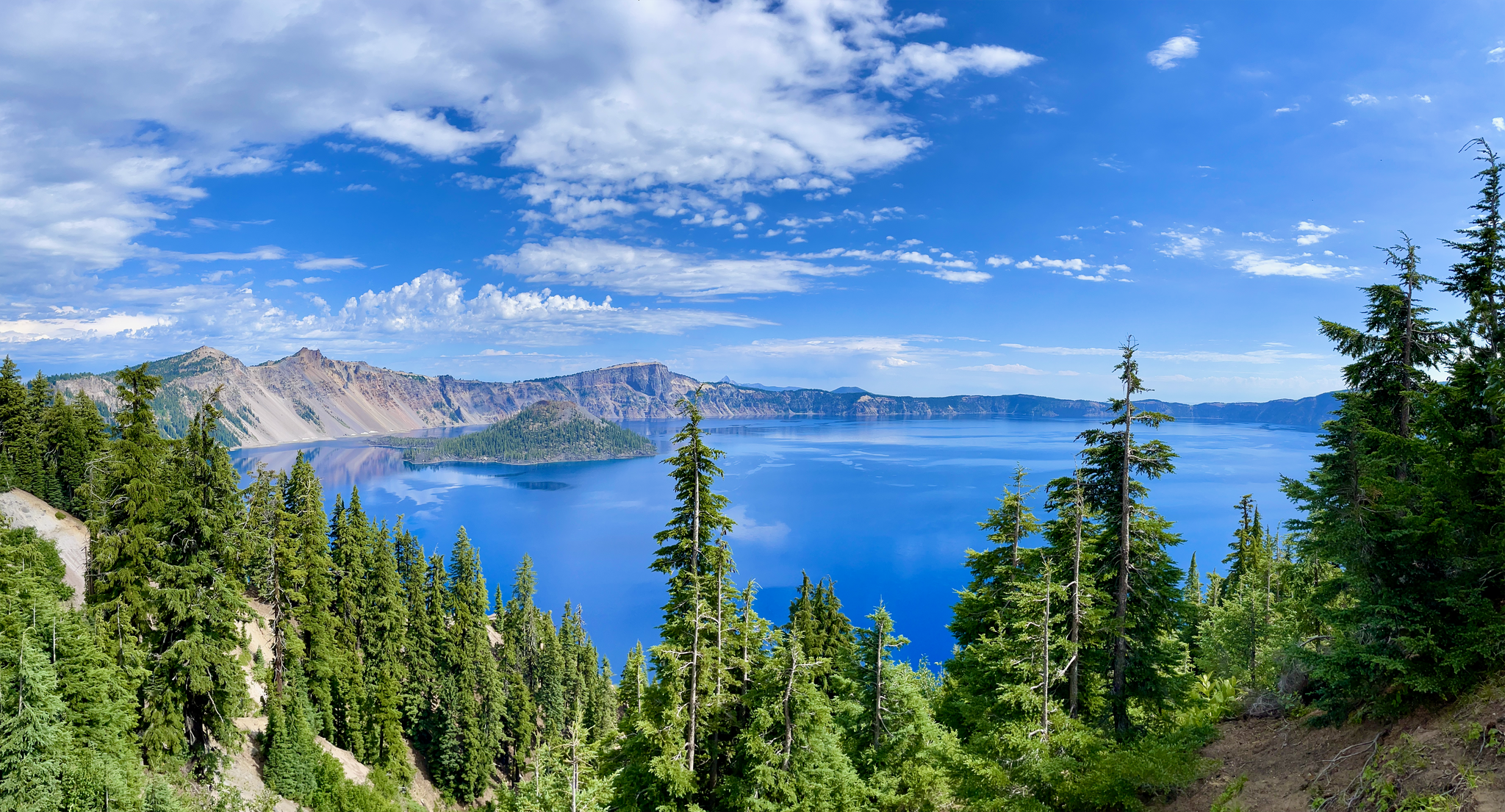
The pristine beauty of the US National Parks
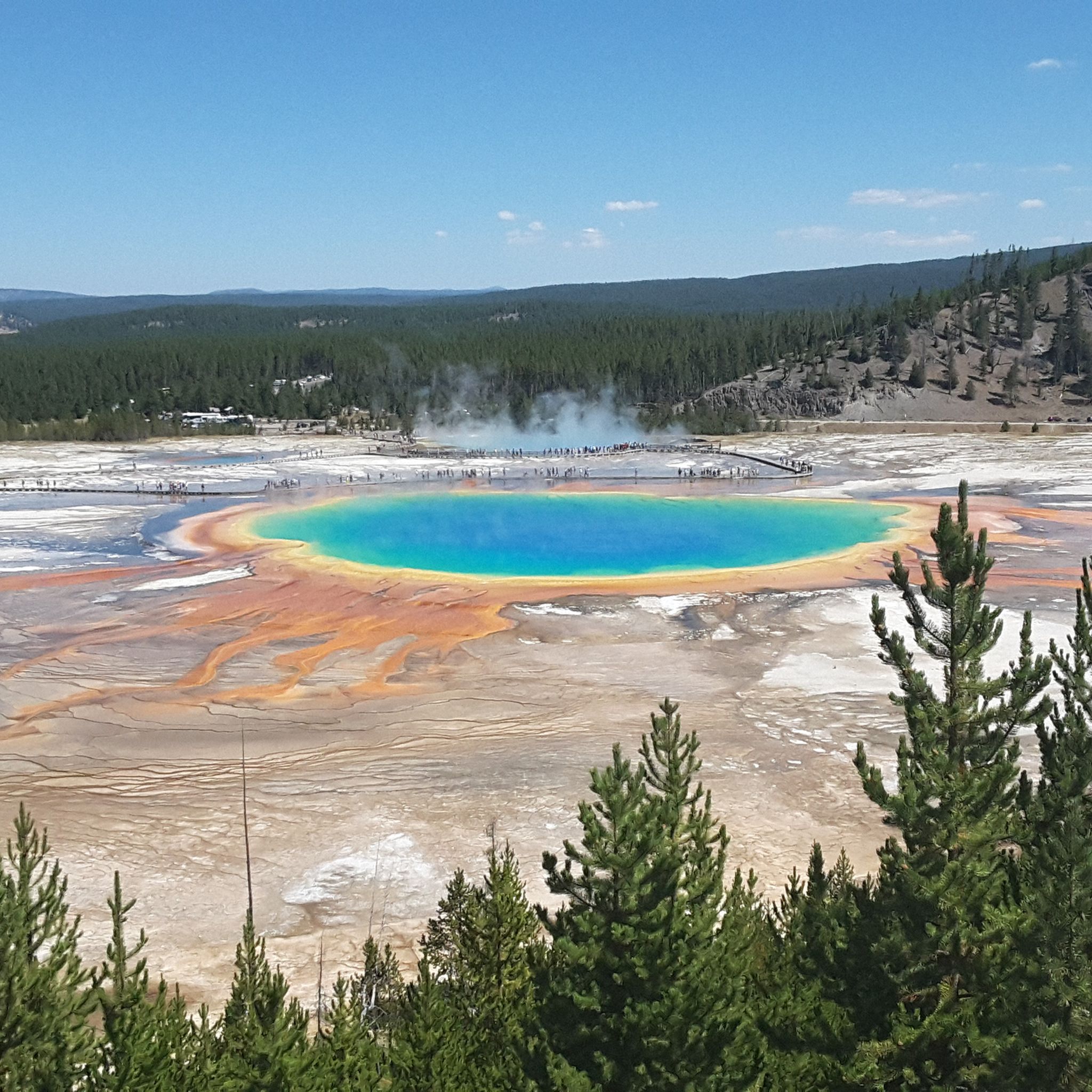
Hiking in Yellowstone National Park
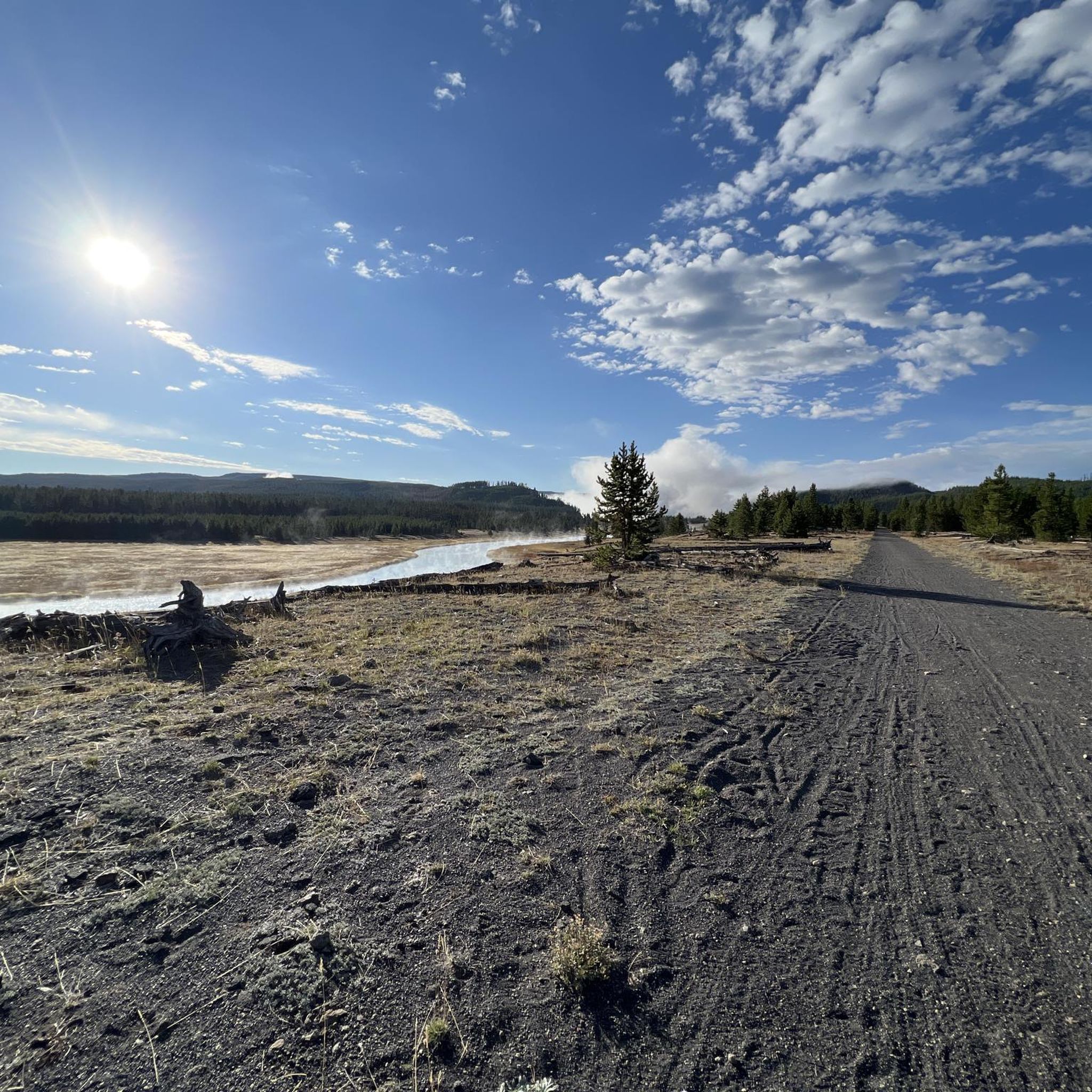
MTB Trails in Yellowstone National Park
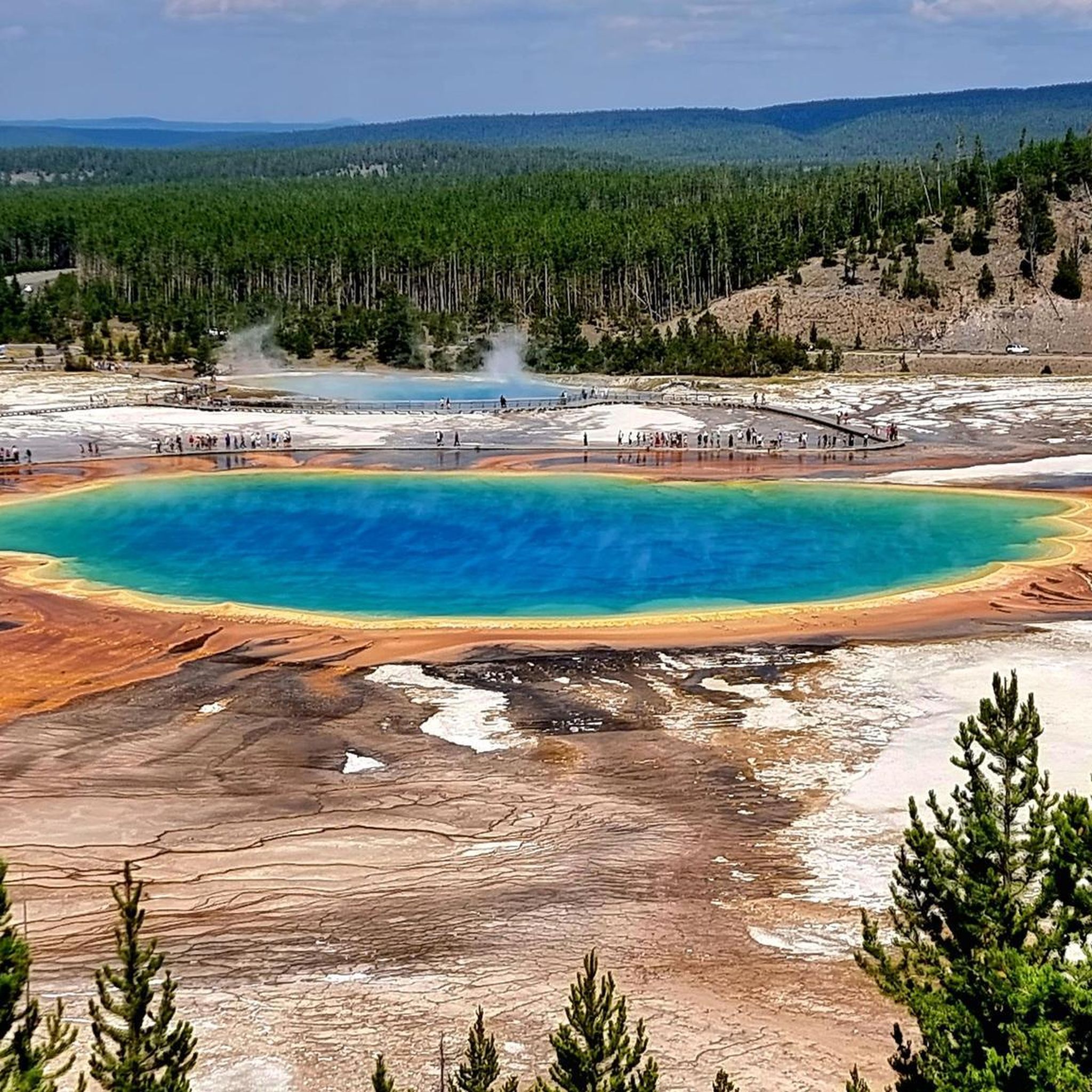
Cycling in Yellowstone National Park
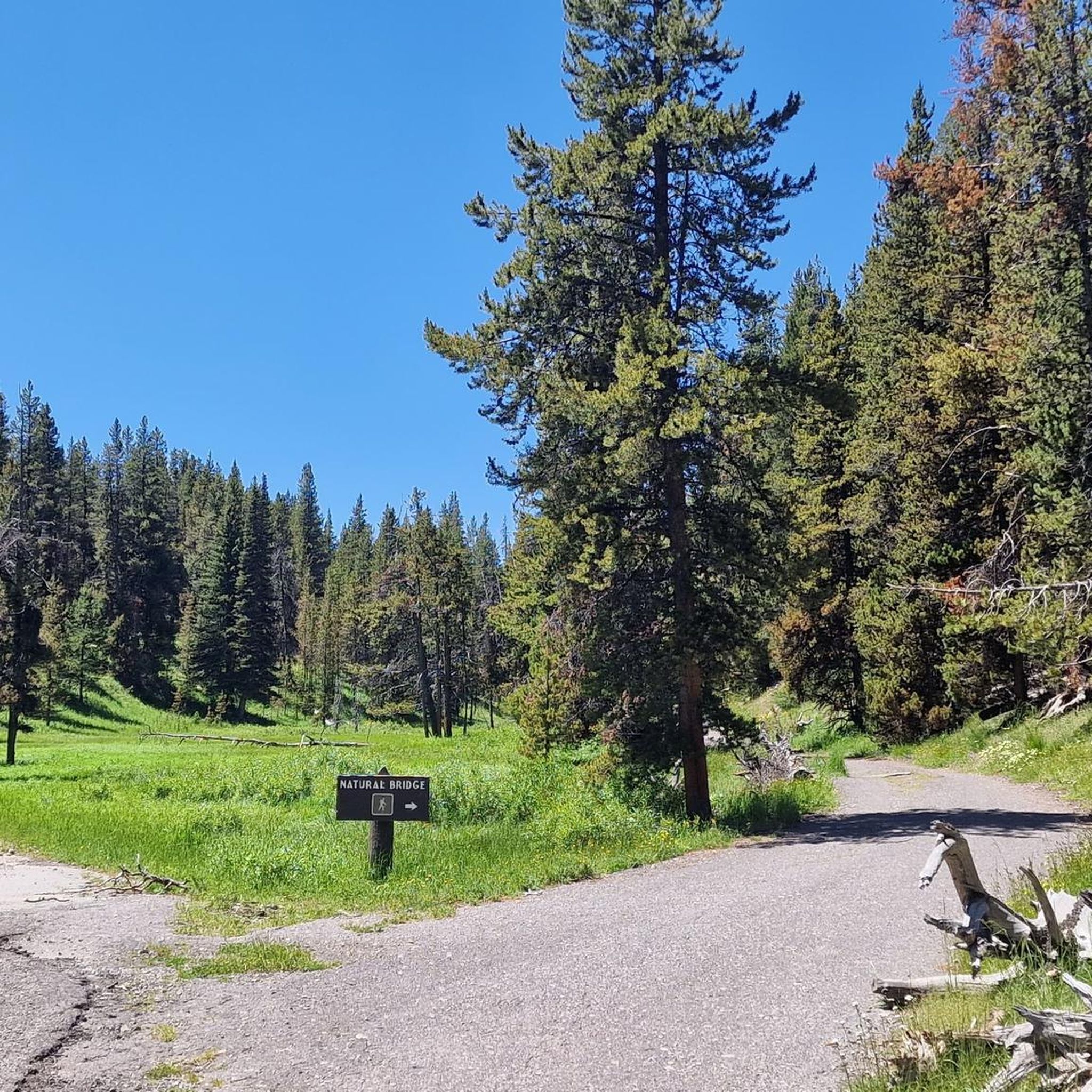
Running Trails in Yellowstone National Park
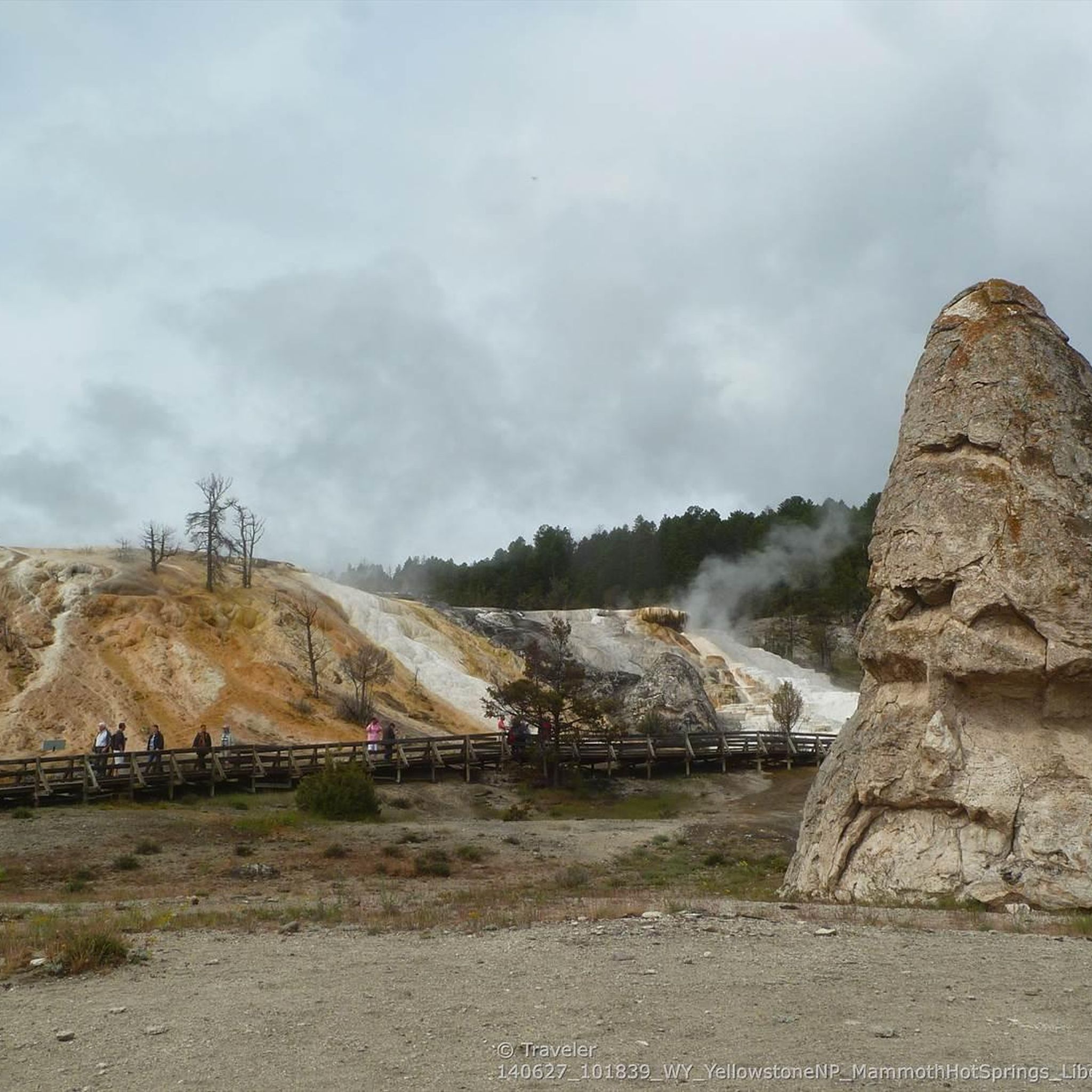
Road Cycling Routes in Yellowstone National Park
Other adventures in Yellowstone National Park


Tips from the Community

Lower Falls Of The Yellowstone River, Yellowstone National Park, United States 🇺🇸 The Grand Canyon of the Yellowstone stretches for roughly twenty miles and offers some of the most breathtaking vistas in the entire American West. Carved by the power of the Yellowstone River, the canyon walls display a stunning array of colors ranging from deep oranges and reds to brilliant yellows and whites, caused by the chemical weathering of iron compounds in the rhyolite rock. To get the best views of the Lower Falls, visitors should head to Artist Point or Lookout Point, which provide sweeping perspectives of the 308-foot waterfall as it plunges into the canyon below. Timing is essential when planning a visit to this iconic landmark, as the roar of the falls is most thunderous during the late spring and early summer when snowmelt increases the river's volume. It is highly recommended to arrive early in the morning to beat the large crowds and to witness the soft morning light illuminating the canyon walls. For those interested in a closer look, the Brink of the Lower Falls trail offers a steep but rewarding hike that leads directly to the edge of the precipice, allowing you to feel the mist and hear the deafening power of the water. Beyond the main overlooks, travelers should explore the various trails that line both the North and South Rims to find quieter spots for photography and wildlife viewing. The area is home to diverse fauna, including osprey that nest on the towering rock pinnacles and the occasional grizzly bear or elk wandering through the nearby forests. Always carry bear spray and stay on designated paths to protect the fragile geothermal environment. Because Yellowstone is a high-altitude park, it is wise to drink plenty of water and wear layers to accommodate the rapidly changing weather conditions common in the mountains. Faheem Hunarwar
0
0
Lower Falls of the Yellowstone, Yellowstone National Park, United States 🇺🇸 The Lower Falls of the Yellowstone River are a majestic sight, plunging dramatically into the Grand Canyon of the Yellowstone. This iconic waterfall, nearly twice the height of Niagara Falls, is a testament to the raw power of nature and the volcanic forces that shaped this unique landscape. Visitors can marvel at its grandeur from various viewpoints, each offering a distinct perspective on the cascading water and the vibrant hues of the canyon walls. The Grand Canyon of the Yellowstone itself is a geological wonder, carved by the mighty Yellowstone River over thousands of years. Its rhyolite rock, altered by hot water and steam, displays a dazzling array of colors, from fiery reds and oranges to soft yellows and browns. Hiking trails wind along the rim and descend into the canyon, providing opportunities for intimate encounters with this breathtaking natural artistry. Exploring this area offers incredible photographic opportunities and a chance to truly connect with the wild heart of Yellowstone. Remember to stay on marked trails for safety and to protect the delicate ecosystem. Early mornings or late afternoons often provide the best light for photography and fewer crowds, allowing for a more serene experience.
1
0

This 110-foot waterfall is only small in comparison to the lower falls, which are almost 330 feet high. Needless to say the upper falls are still magnificent, and the interesting colors in the canyon walls are the result of this region's constant hydrothermal activity.
0
0

The hiking trail along the rim from the Upper Falls to the Lower Falls is definitely worth it. It offers spectacular views that are less crowded.
0
0

On a serpentine path about 1.3 km long (there and back) you can go down to the river and, directly above the Lower Falls, get an impression of the masses of water that cascade down here day after day.
0
0
A small but particularly worthwhile viewpoint, where completely different but always exciting views can be seen within just a few meters. Firstly, of the Calcite Springs, small steaming springs on the bank, then of the exciting rock layers opposite, where rock columns (basalt?) are lined up at some distance from one another, and finally a spectacular view downstream through a deep gorge.
3
0

The Seven Mile Hole Trail begins on the canyon rim and slowly snakes its way almost 1,000 feet to the Yellowstone River below. Along the way it passes multiple campsites, all with amazing views of the gorge.
1
0
Upper Yellowstone Falls is located on the Yellowstone River and has a vertical drop of 110 feet (33 m). Only a quarter of a mile upstream from its bigger brother, Lower Falls, these falls are a magnificent sight to behold, with plenty of viewing points located on each side of the gorge.
1
0
Frequently Asked Questions
What are the most visually striking canyons in Yellowstone National Park?
The Grand Canyon of the Yellowstone is renowned for its vibrant, multicolored walls and dramatic waterfalls, including the iconic Lower Yellowstone Falls. Its rhyolite rock, altered by hydrothermal activity, displays a spectrum of yellows, reds, and oranges. Other notable canyons include Firehole Canyon with its lava flow walls and the rugged Black Canyon of the Yellowstone.
Where can I find the best viewpoints of the Grand Canyon of the Yellowstone?
For spectacular views of the Lower Falls and Yellowstone River, visit Artist Point, located on the southern rim. Other popular spots along the North and South Rims offer exceptional perspectives of the falls and the colorful canyon. The South Rim Trail also provides numerous overlooks.
Are there family-friendly canyon areas in Yellowstone National Park?
Yes, several canyon areas offer family-friendly experiences. The viewpoints for Upper Yellowstone Falls and Artist Point are easily accessible. Calcite Springs Overlook also provides a worthwhile, short visit with exciting views of springs and rock formations.
What unique natural features can I observe in Yellowstone's canyons?
Yellowstone's canyons showcase diverse geological wonders. The Grand Canyon of the Yellowstone features hydrothermally altered rhyolite walls in striking colors. Firehole Canyon has walls formed by ancient lava flows, while the Black Canyon of the Yellowstone displays columnar basalt. You'll also find numerous waterfalls like Upper Yellowstone Falls, Lower Yellowstone Falls, Firehole Falls, Gibbon Falls, and Lewis Falls.
What hiking opportunities are available near the canyons?
The Grand Canyon of the Yellowstone offers various hiking trails along its rims, from easy strolls to more strenuous treks. The South Rim Trail is a popular option. The Black Canyon of the Yellowstone also provides excellent hiking opportunities for a more remote experience. For running, consider the 'Lookout Point – Red Rock Point loop from Lower Yellowstone Falls' trail, detailed in the Running Trails in Yellowstone National Park guide.
Can I swim in any of the canyon rivers?
Yes, Firehole Canyon features a popular swimming area in the Firehole River. This river is geothermally heated, making it one of the few places in the park where swimming is permitted seasonally. Always check current park regulations and conditions before entering the water.
What is the best time to visit Yellowstone's canyons for photography?
Early mornings or late afternoons often provide the best light for photography and fewer crowds, allowing for a more serene experience, especially at popular spots like Artist Point overlooking the Lower Falls.
Are there opportunities for wildlife viewing in the canyons?
Yes, the Black Canyon of the Yellowstone is known for its diverse wildlife. The Gibbon River Canyon also provides good opportunities for wildlife viewing. Always maintain a safe distance from animals and never feed them.
What other outdoor activities can I do near Yellowstone's canyons?
Beyond hiking, you can enjoy road cycling with routes like 'Inspiration Point Road – Canyon Village loop' found in the Road Cycling Routes in Yellowstone National Park guide. Mountain biking trails, such as the 'Lone Star Trail', are also available and detailed in the MTB Trails in Yellowstone National Park guide. Fly fishing is popular in Firehole Canyon and Gibbon River Canyon.
What makes the Firehole Canyon unique?
Firehole Canyon offers a scenic drive through walls created by ancient lava flows, reaching heights of about 800 feet. The Firehole River, a thermal river, has carved its way through these rocks, and features Firehole Falls, a 40-foot waterfall. It's also one of the few places in the park where you can swim in geothermally heated waters seasonally.
Where can I see columnar basalt formations?
The Black Canyon of the Yellowstone is characterized by geological formations like columnar basalt, which formed from cooling lava flows. You can also see exciting rock layers with columnar structures at Calcite Springs Overlook.
What is the difference between Upper and Lower Yellowstone Falls?
Upper Yellowstone Falls plunges 109 feet (33 m) and is located a quarter mile upstream from the more dramatic Lower Yellowstone Falls, which drops a powerful 308 feet (94 m) into the Grand Canyon of the Yellowstone. Both are magnificent sights, but the Lower Falls is nearly three times taller and is one of the most photographed features in the park.
Most popular routes in Yellowstone National Park
Most popular attractions in Yellowstone National Park

Get inspired with the komoot mobile app


