Top 4 Castles around Piotrków
Best castles around Piotrków offers insights into a region with a significant historical castle, the Piotrków Trybunalski Royal Castle. This Gothic-Renaissance structure, built between 1511 and 1519, served as a royal residence and was a pivotal location for the Polish parliament in the 15th and 16th centuries. The city's historical importance is reflected in its architecture and the diverse exhibits housed within its museum. Visitors can explore a blend of historical sites, from well-preserved complexes to castle ruins.
Best castles…
Last updated: November 2, 2026
Cistercian Abbey in Sulejów
Highlight • Religious Site
Showing Translation
Tip by

Bykowski Castle in Byki
Highlight • Castle
Translated by Google •
Tip by

Sign up now to discover places like this
Get recommendations on the best single tracks, peaks, & plenty of other exciting outdoor places.
Ruins of a 15th-century defensive castle
Highlight • Castle
Translated by Google •
Tip by

Majkowice Castle Ruins
Highlight • Castle
zamkipolskie.com/majkow/majkow.html
Tip by

Gorzkowice Castle Mound
Highlight • Castle
Preserved in a fragmentary state (earth embankment).
Translated by Google •
Tip by
Start today with a free account
Your next adventure awaits.

Tips from the Community

The foundation of the monastery allegedly took place in 1176, but most likely only a dozen or so years later. It was carried out by Duke Casimir II the Just, who brought monks from the Morimond Abbey in Burgundy (now in Champagne) and allocated them land located near the crossing of the Pilica river in Sulejów. The duke's initiative was supported, also financially, by the Bishop of Krakow, Pełka, and the Archbishop of Gniezno, Piotr Łabędź, a particularly distinguished patron of Cistercian convents.
0
0

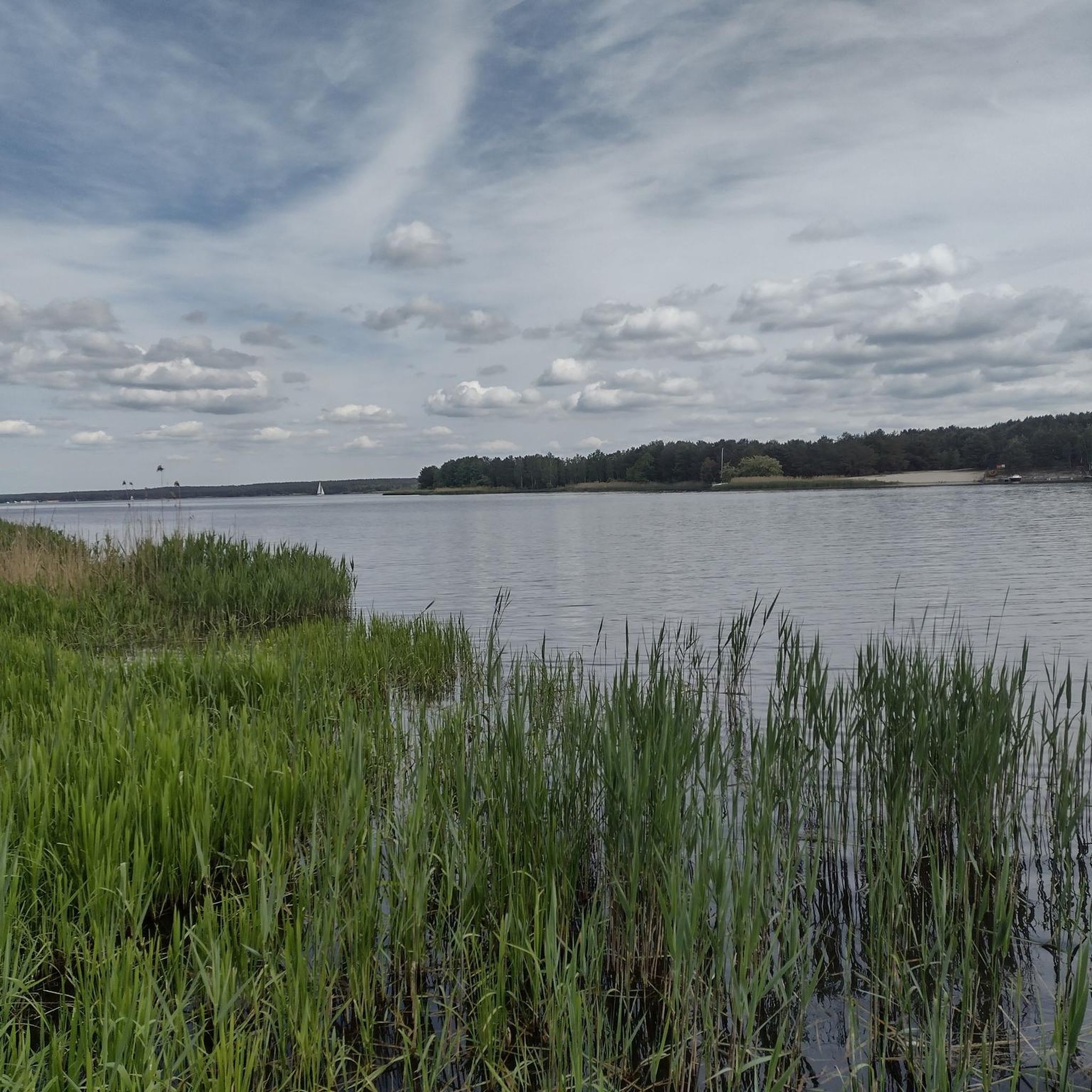
The Cistercian Abbey complex in Sulejów (in the Podklasztorze district) is the best-preserved post-Cistercian complex in Europe and a Monument of History. Founded in 1176 by Casimir the Just, it has retained its unique character thanks to its Romanesque-Gothic architecture and powerful defensive walls. The site combines sacral functions with a historic accommodation and gastronomic base. The monastery is open to visitors and offers an insight into the heritage of the Cistercian order. It is worth paying attention to specific elements of the complex: - Church of St. Thomas the Apostle: A 13th-century Romanesque temple with characteristic Gothic details. - Museum in the chapter house: A place exhibiting former monastic memorabilia and historical artifacts. - Fortifications: 15th-century walls with towers and gates surrounding the entire complex.
1
0

You can also see and read about this place.
0
0

It is true that you cannot enter the ruins because of the risk of collapse, but at least you can look at the traces of our history.
0
0
Ruins of a defensive manor house, sometimes referred to as a castle, built in Majkowice in the first half of the 16th century as a defensive residence of the noble Majkowski family. The manor house, expanded in the 16th and 17th centuries, was destroyed by Swedish troops in 1702. UNFORTUNATELY - you can't enter - it's in danger of collapse.
0
0

The Cistercian Abbey Monastery Complex in Sulejów – located in Podklasztorze (currently a district of Sulejów), one of the best-preserved Cistercian complexes in Poland, a monument of Romanesque architecture. On 22 October 2012, the building was entered on the list of Historic Monuments.
3
0
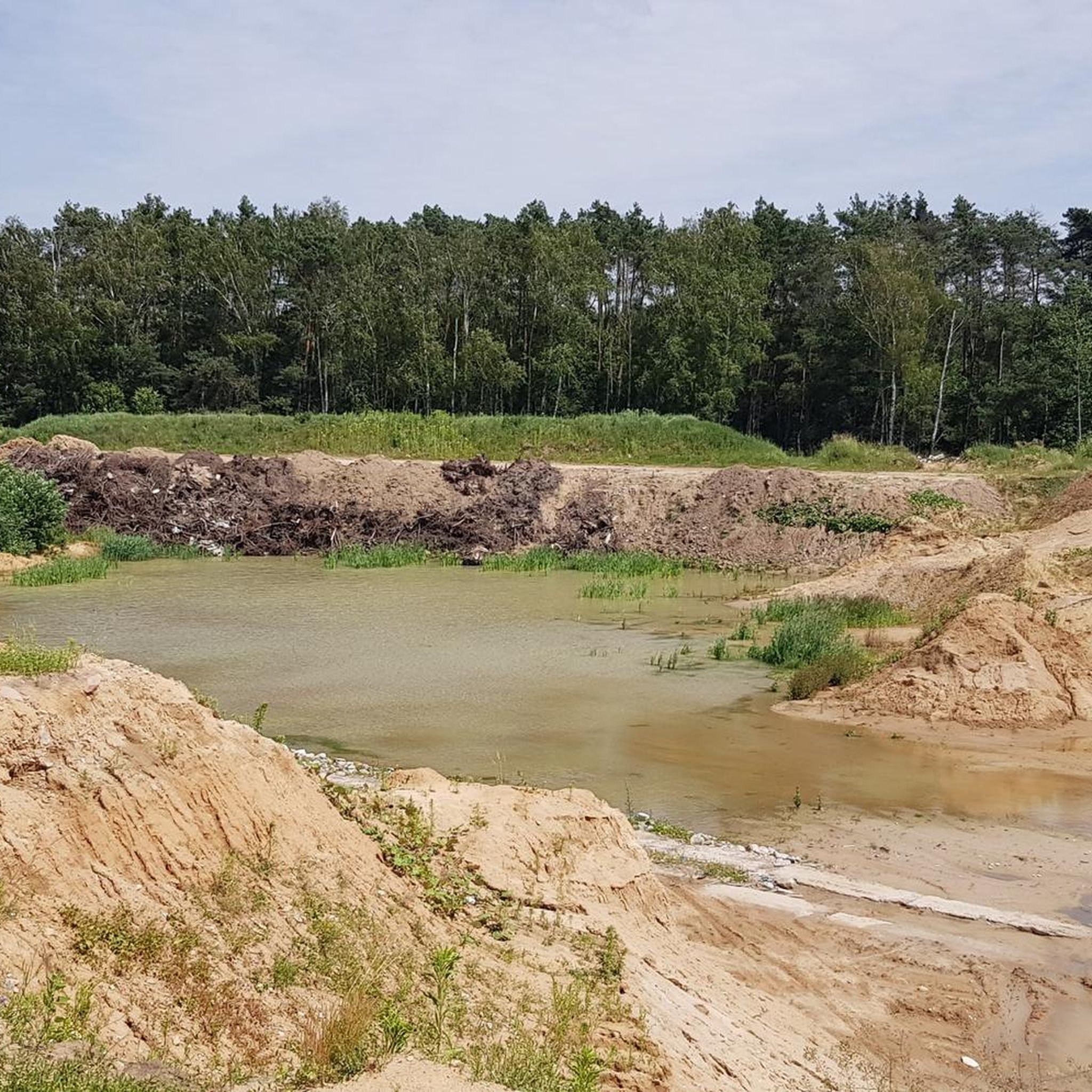
Remains of the castle in Gorzkowice. It was a modern castle of the palazzo in fortezza type, located in the town of Gorzkowice in the Gorzkowice commune in the Łódź province. Preserved in a fragmentary state (earth embankment).
0
0
Frequently Asked Questions
What is the historical significance of the castles in the Piotrków region?
The Piotrków region holds significant historical importance, particularly with the Piotrków Trybunalski Royal Castle. This Gothic-Renaissance structure was a pivotal location for the Polish parliament in the 15th and 16th centuries, where rulers were elected and constitutions established. It now houses a museum with exhibits on archaeology, ethnography, history, and art, offering a deep dive into the region's past.
Are there family-friendly castles to visit around Piotrków?
Yes, several sites are suitable for families. The Cistercian Abbey in Sulejów, with its well-preserved complex and historical significance, is a great option. The Bykowski Castle in Byki, now housing an Agricultural Advisory Centre, and the Gorzkowice Castle Mound, which preserves the remains of a modern castle, are also marked as family-friendly.
What kind of outdoor activities can I combine with a castle visit near Piotrków?
The Piotrków region offers various outdoor activities that can complement your castle explorations. You can find numerous cycling routes, including traffic-free options, and hiking trails. For detailed routes and guides, explore the traffic-free bike rides around Piotrków or the hikes from bus stations around Piotrków.
Can I freely explore all castle ruins in the Piotrków area?
Not all castle ruins are freely accessible. For example, the Ruins of a 15th-century defensive castle are on private property, and while you can view them, entry is restricted due to collapse risk. Similarly, entrance to the Majkowice Castle Ruins is forbidden as they are in danger of collapse, though there is no fence.
What can I expect to see at the Cistercian Abbey in Sulejów?
The Cistercian Abbey in Sulejów is one of Poland's best-preserved post-Cistercian complexes. You can explore its fortified monastery complex, which includes a church, historical buildings, and relics. It's a significant example of Romanesque architecture and houses the Miraculous Image of Our Lady of Pompeii.
What is the best time of year to visit castles in the Piotrków region?
Visiting during spring (April-May) or early autumn (September-October) generally offers pleasant weather for exploring both indoor and outdoor castle sites. The temperatures are mild, and the natural scenery is often at its best. Summer (June-August) is also popular, but can be warmer.
Are there any castles near Piotrków that offer a museum experience?
Yes, the Piotrków Trybunalski Royal Castle has served as a museum since 1919. It features permanent exhibitions covering archaeology, ethnography, history, militaria, and art, providing a comprehensive look at the region's heritage.
What kind of historical architecture can I find among the castles in Piotrków?
The region showcases a range of historical architectural styles. The Piotrków Trybunalski Royal Castle is a notable example of Polish Gothic-Renaissance architecture. The Cistercian Abbey in Sulejów is a prime example of Romanesque architecture.
Are there any easy walks or trails associated with the castles?
While specific 'castle walks' aren't detailed for every site, many castles are located in areas conducive to easy strolls. For instance, the Cistercian Abbey in Sulejów is situated on the Pilica river, offering pleasant surroundings. You can also find various easy hiking loops in the broader Piotrków area, such as those listed in the city hikes around Piotrków guide.
What is the current status of the Bykowski Castle in Byki?
The Bykowski Castle in Byki, once the seat of the Jaxa-Bykowski family, underwent thorough renovation between 1959 and 1964. It is currently used for educational purposes, housing the Agricultural Advisory Centre. The building is surrounded by the remains of a historic park.
Are there any castles that are more challenging to access or explore?
Some sites, particularly ruins, might present a more challenging experience due to their condition or location. The Majkowice Castle Ruins are noted as 'challenging' and are not safe for entry. Similarly, the Ruins of a 15th-century defensive castle are on private land and pose a collapse risk, limiting close exploration.
Most popular routes around Piotrków
Most popular attractions around Piotrków

Get inspired with the komoot mobile app


Didn’t find what you were looking for?
Explore Piotrków’s best castles region by region:
Explore more
Looking for the best castles somewhere else? Discover other guides around Piotrków:
