Top 12 Castles around gmina Sobótka
Best castles around gmina Sobótka are found in a region rich in history, nestled at the foot of the Ślęża mountain in Lower Silesia, Poland. This area is characterized by its architectural heritage, with structures reflecting centuries of transformation. The natural landscape of the Ślęża Landscape Park provides a scenic backdrop for these historical sites. Visitors can explore a variety of historical residences and former monastic complexes.
Best castles around gmina Sobótka
- The most popular castles is Sadowice Palace, a historical site that is a 16th-century classicist residence, rebuilt in 1798. It currently serves as a Ministry of Justice Correctional Facility and is not open to visitors.
- Another must-see spot is Krzyżowice Palace, a historical site. This palace complex was expanded into a three-wing complex starting in 1854 and currently houses an agricultural teaching and experimental estate.
- Visitors also love Górka Castle, a C19 Renaissance Revival beauty with parts dating to the 12th century. This former monastery includes a medieval chapel and features 12th-century granite lions at its side entrance.
- gmina Sobótka is known for its palaces, former monasteries, and historical residences. The region offers a variety of architectural styles, from medieval origins to Neo-Renaissance transformations, providing diverse historical exploration opportunities.
- The castles around gmina Sobótka are appreciated by the komoot community, with more than 50 upvotes and 14 photos shared.
Last updated: May 5, 2026
Sadowice Palace
Highlight • Historical Site
Translated by Google •
Tip by

Krzyżowice Palace
Highlight • Historical Site
Starting in 1854, Benno von Tschirschky-Reichell had the ensemble expanded into a three-wing complex by connecting the servants' quarters. After a fire, the main wing was restored in a blend of Neo-Baroque and Neo-Renaissance styles. At the same time, two new staircases, a pedestal bay window, and a prestigious main portal were built. From 1908 to 1945, the Counts of Eulenburg owned the estate. In May 1945, Marie-Antoinette fled to Eulenburg, but soon returned and resumed operations.
After Schlanz, along with almost all of Silesia, fell to Poland in 1945 as a result of the Second World War, the Schlanz estate was transferred to the University of Breslau as an agricultural teaching and experimental estate. Since 1989, the castle has housed a
Translated by Google •
Tip by

Sign up now to discover places like this
Get recommendations on the best single tracks, peaks, & plenty of other exciting outdoor places.
Sign up for free
Palace in Mańczyce
Highlight • Castle
Translated by Google •
Tip by

Palace in Biskupice Podgórne
Highlight • Castle
Translated by Google •
Tip by

Górka Castle
Highlight • Castle
Translated by Google •
Tip by

Sign up for free to discover even more castles around gmina Sobótka.
Sign up for free
Already have an account?
Start today with a free account
Your next adventure awaits.
Login or Signup
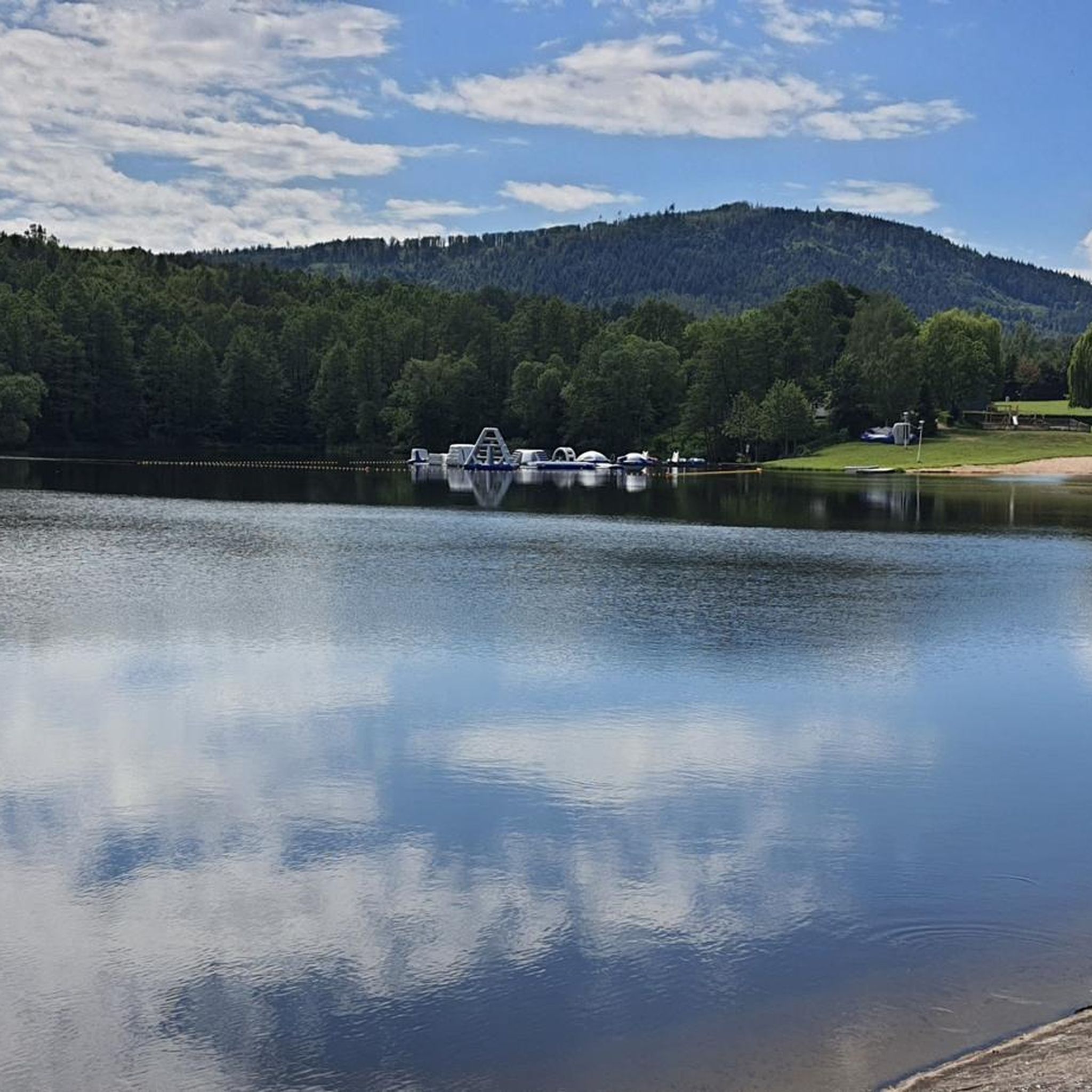
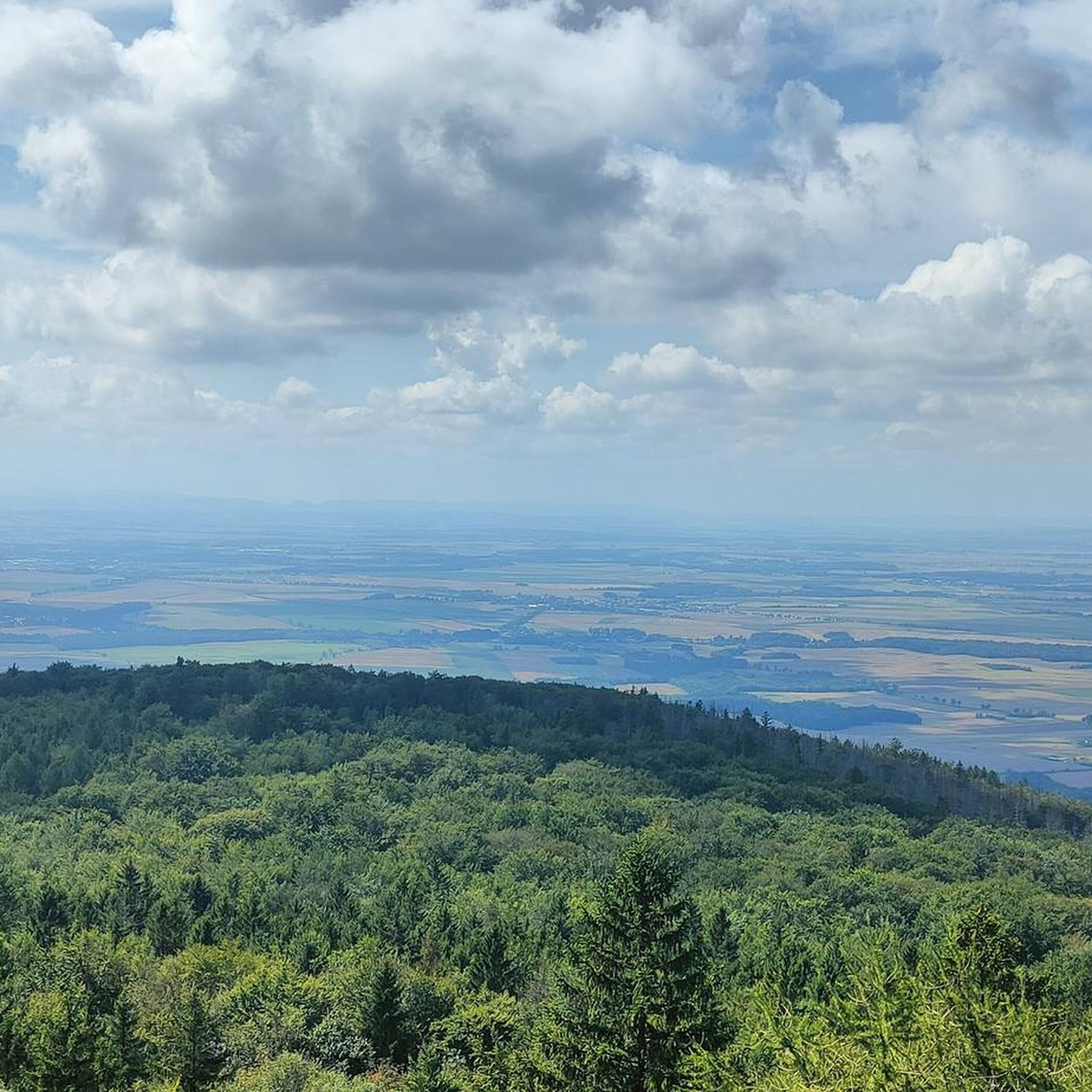
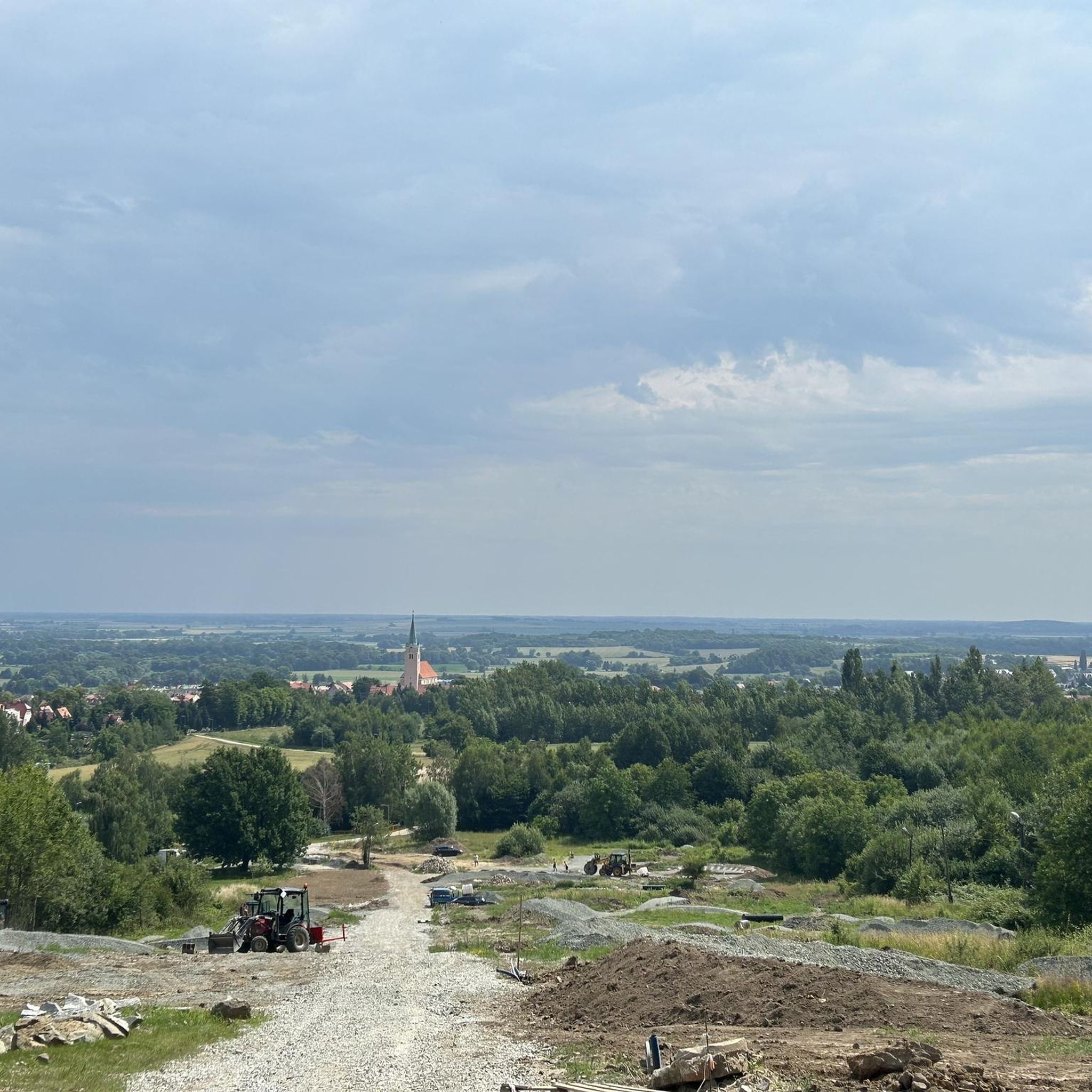
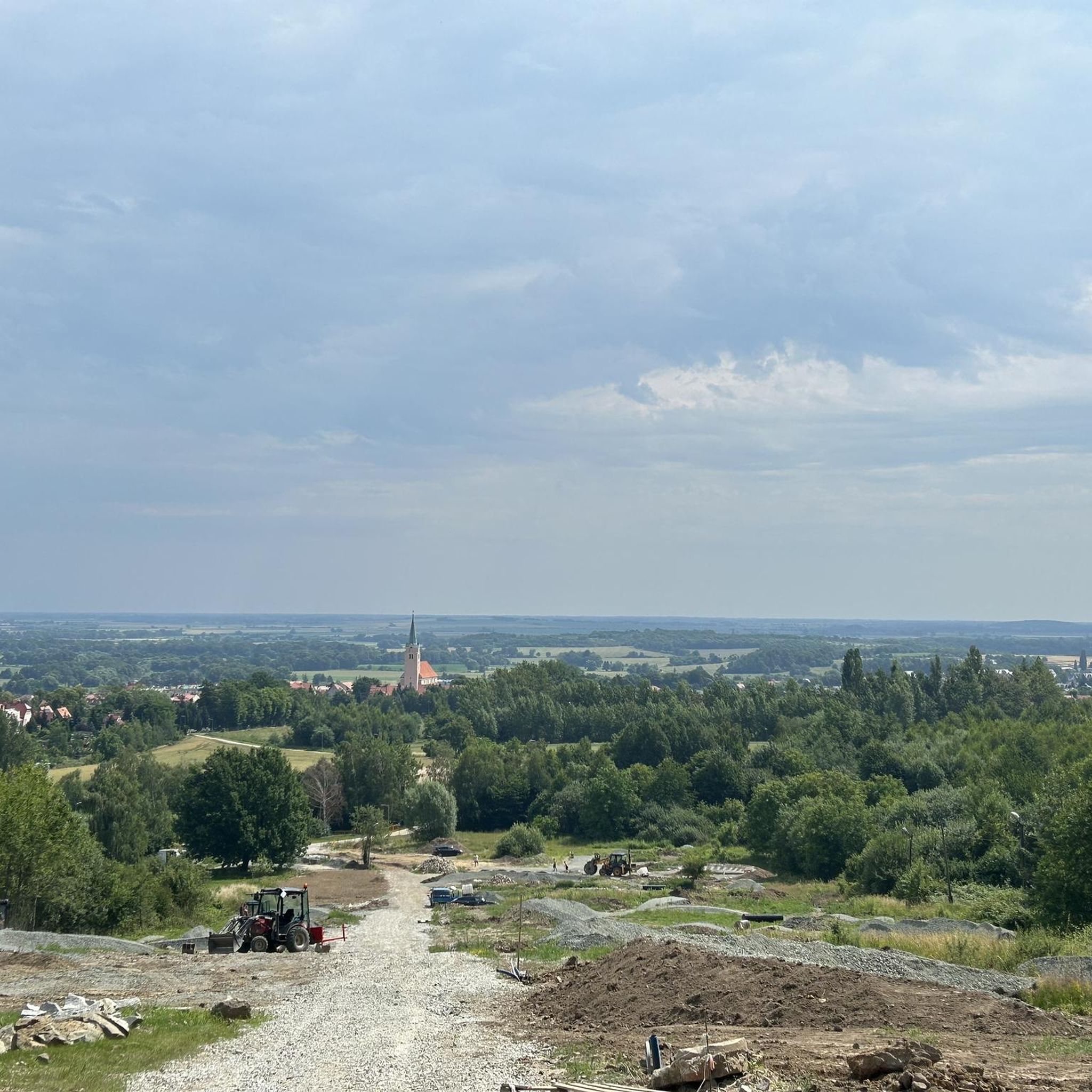

Tips from the Community

The castle, Baroque in style from the first half of the 18th century, was rebuilt and expanded in the 19th century. It returned to private ownership in the 1990s and was carefully restored and renovated. Source: Wikipedia Not accessible.
0
0
The castle is in excellent condition. But not accessible. It is secured with barbed wire and video surveillance. Why? I found the explanation on Wikipedia: The original palace stood on this site in 1574 (16th century). Gottlob Albrecht von Saurma (born 1743) [2] had the building rebuilt in the neoclassical style in 1798. In the first half of the 19th century, the castle was owned by the Counts von Stosch auf Manze from Mańczyce. In 1903, the building was expanded with side pavilions. The last German owner of the estate with knighthood rights until 1945 was Gustav von Johnston, a lieutenant in the Imperial Army [3]. After the end of World War II, the building fell into disrepair. The first major renovation took place in 1968. In 1977, the palace underwent extensive reconstruction. [4] It is the seat of the Ministry of Justice's correctional facility. The monument is part of the castle complex, which also includes a park [ 5 ] .
0
0
Well preserved. Unfortunately not accessible.
0
0
The palace complex is accessible. Wikipedia: After 1550, the Barons von Reichell owned the estate. In 1713, they had a Baroque manor house, a side wing, and a servants' quarters built south of the existing knight's residence. Starting in 1854, Benno von Tschirschky-Reichell had the ensemble expanded into a three-wing complex by connecting the servants' quarters. After a fire, the main wing was restored in a blend of Neo-Baroque and Neo-Renaissance styles. At the same time, two new staircases, a pedestal bay window, and a prestigious main portal were built. From 1908 to 1945, the Counts of Eulenburg owned the estate. In May 1945, Marie-Antoinette fled to Eulenburg, but soon returned and resumed operations. After Schlanz, along with almost all of Silesia, fell to Poland in 1945 as a result of the Second World War, the Schlanz estate was transferred to the University of Breslau as an agricultural teaching and experimental estate. Since 1989, the castle has housed a
0
0
A former monastery. Converted into a Neo-Renaissance castle at the end of the 19th century. Apparently a hotel today. When I arrived, it was firmly locked and there was no indication of this.
0
0

Palace in Biskupice Podgórne
0
0

The palace in Sadowice, located in the Lower Silesian Voivodeship, is a 16th-century classicist residence, rebuilt in 1798 by Gottlob Albrecht von Saurma. The building is located on the Bystrzyca River, on the north-western edge of the village of Sadowice, with a façade facing the farm complex, preceded by a driveway and a round lawn. Currently, the palace serves as a Ministry of Justice Correctional Facility, which means that it is not open to visitors. For road cyclists, the asphalt routes in the vicinity of Kąty Wrocławskie are attractive, but it should be remembered that the area around the palace is fenced and inaccessible to visitors.
0
0

Unfortunately, this is private land and you cannot approach the palace itself.
2
0
Frequently Asked Questions
What is the most historically significant castle in gmina Sobótka?
The most historically significant castle is Górka Castle, also known as Sobótka-Górka Castle. It boasts a rich history dating back to the 12th century as an Augustinian chapel and monastery, later transformed into a noble residence and then a Neo-Renaissance palace. It features a blend of Gothic, Renaissance, and Neo-Renaissance architectural elements, including a 12th-century chapel and ancient granite lions.
Are there any castles in gmina Sobótka that offer accommodation?
Yes, Górka Castle historically operated as a hotel, offering a unique experience of staying in a historic building. While it has been closed for renovations since 2016, ongoing restoration efforts aim to enhance its usability, potentially including future accommodation options. It's advisable to check current status before planning a stay.
Can I visit all the castles mentioned in gmina Sobótka?
Not all historical sites are fully accessible to the public. For example, Sadowice Palace currently serves as a Ministry of Justice Correctional Facility and is not open to visitors. Similarly, the Palace in Mańczyce is on private land and not approachable. Krzyżowice Palace houses an agricultural teaching and experimental estate, and while the complex is accessible, specific areas might be restricted. Górka Castle can be viewed from the outside, though some grounds may be restricted due to ongoing renovations.
What kind of outdoor activities can I do near the castles in gmina Sobótka?
The castles in gmina Sobótka are situated near the scenic Ślęża mountain and Ślęża Landscape Park, offering excellent opportunities for outdoor activities. You can find numerous routes for hiking, such as the 'Archaeological Trail through Ślęża' or the 'Black Trail Around Ślęża'. There are also challenging cycling routes and mountain hikes available in the area.
Are there any family-friendly castles or historical sites to visit in gmina Sobótka?
While specific 'family-friendly' designations for castles are not always clear, the general area around gmina Sobótka, particularly the Ślęża Landscape Park, offers a great environment for families. Visiting the exterior of Górka Castle and exploring its grounds can be an interesting historical outing. The nearby hiking trails, like the 'Radunia Loop Trail from Tąpadła Pass', are rated as easy and suitable for families.
What is the best time of year to visit the castles and surrounding area in gmina Sobótka?
The best time to visit gmina Sobótka and its castles is generally during the spring, summer, and early autumn months (April to October). During these periods, the weather is more favorable for exploring the castle exteriors and enjoying outdoor activities like hiking and cycling in the Ślęża Landscape Park. The natural scenery is also at its most vibrant.
Are there any viewpoints near the castles in gmina Sobótka?
Yes, the region is known for its scenic beauty, especially around Ślęża mountain. While not directly adjacent to every castle, the Ślęża Landscape Park offers numerous viewpoints. For instance, hiking routes like 'Mount Ślęża – Ślęża Observation Tower loop' provide impressive panoramic views of the surrounding area, including glimpses of the historical landscape.
What architectural styles can I expect to see among the castles in gmina Sobótka?
The castles and palaces in gmina Sobótka showcase a diverse range of architectural styles, reflecting centuries of transformations. You can observe medieval origins, Gothic and Renaissance elements, and significant Neo-Renaissance reconstructions. Górka Castle is a prime example, blending its 12th-century monastic roots with 19th-century Neo-Renaissance grandeur.
Is there public transport available to reach the castles in gmina Sobótka?
Information on specific public transport routes directly to each castle is limited. However, Sobótka town itself is a regional hub. From Sobótka, you might need to rely on local buses, taxis, or personal vehicles to reach some of the more secluded historical sites. It's recommended to check local transport schedules for the most up-to-date information.
Are there any cafes or pubs near the castles in gmina Sobótka?
While direct amenities at every castle are not guaranteed, the town of Sobótka, being a popular base for exploring the Ślęża region, offers various cafes, restaurants, and pubs. For example, near Górka Castle, there used to be a nearby brewery, and the town provides options for refreshments after your explorations.
What makes <a href="https://www.komoot.com/highlight/903874" target="_blank" rel="noopener">Krzyżowice Palace</a> unique?
Krzyżowice Palace is notable for its expansion into a three-wing complex starting in 1854, incorporating Neo-Baroque and Neo-Renaissance styles after a fire. It has a rich history of ownership by various noble families and currently serves as an agricultural teaching and experimental estate, giving it a unique blend of historical architecture and modern utility.
What is the current state of the <a href="https://www.komoot.com/highlight/805573" target="_blank" rel="noopener">Palace in Biskupice Podgórne</a>?
The Palace in Biskupice Podgórne, a Baroque palace from the 18th century, is currently abandoned and somewhat neglected. Despite its condition, it is surrounded by a pleasant park with two lakes, offering a quiet and peaceful area for visitors to explore the grounds.
Most popular routes around gmina Sobótka
Most popular attractions around gmina Sobótka

Get inspired with the komoot mobile app


Explore more
Looking for the best castles somewhere else? Discover other guides around gmina Sobótka:
