Top 6 Caves around Fátima
Best caves around Fátima offer a unique geological experience in central Portugal. The region, known for its limestone formations, features an underground world of natural cavities. These caves provide insights into geological processes and natural history, contrasting with the area's spiritual significance.
Best caves around Fátima
- The most popular caves is Buraco Roto Cave-Necropolis, a natural monument and historical site. This necropolis is situated within a lush forest, becoming a natural spectacle with a waterfall during rainy months.
- Another must-see spot is Pia da Ovelha Cave, a natural monument. This large natural cavity features a sink carved under a stalactite, which historically served as a drinking trough for cattle.
- Visitors also love Grutas de Mira de Aire, a family-friendly natural monument. This extensive cave system, discovered in 1947, is known for its geological formations dating back 150 million years.
- Fátima is known for limestone caves, natural monuments, and historical cave sites. These natural features include impressive rock formations, underground lakes, and various speleothems like stalactites and stalagmites.
- The caves around Fátima are appreciated by the komoot community, with 14 upvotes and 38 photos shared by users.
Last updated: May 6, 2026
Pia da Ovelha Cave
Highlight • Cave
Translated by Google •
Tip by

Buraco Roto Cave-Necropolis
Highlight • Cave
Translated by Google •
Tip by

Sign up now to discover places like this
Get recommendations on the best single tracks, peaks, & plenty of other exciting outdoor places.
Sign up for free
Grutas de Mira de Aire
Highlight • Cave
The first gallery of this system of caves was discovered by locals in 1947. Of course people were curious and had to investigate further. What is known today is that the cave reaches 11 Kilometers in length which makes it the biggest and most important in Portugal. The formation of the cave goes back 150 million years to the middle Jurassic age when dinosaurs inhabited this region. They found traces of species who inhabited these caves, some of it on display.
A part of the cave-system was opened to the public in 1974 with many improvements in safety for the visitors in later years. At one point colored lights found their way in with some spectacular and dramatic effects.
My photos inside the cave are in the wrong order, not sure how to interchange them or what I've done wrong when uploading, sorry!
Tip by

Moeda Caves
Highlight • Cave
You can also admire a magnificent and unique exhibition of minerals and fossils from Portugal and many other countries.
In our shop you will find a huge variety of minerals and fossils from various countries.
Translated by Google •
Tip by

Algar da Cerejeira
Highlight • Cave
Translated by Google •
Tip by

Sign up for free to discover even more caves around Fátima.
Sign up for free
Already have an account?
Start today with a free account
Your next adventure awaits.
Login or Signup

Tips from the Community

Beyond the natural structure of the cave, you can also visit the Scientific-Environmental Interpretation Centre (CICA gm). Here, visitors can discover how a cave is formed and how it interacts with local biodiversity, understand the importance of limestone in our region and how it influences people's way of life. You can also admire a magnificent and unique exhibition of minerals and fossils from Portugal and many other countries. In our shop you will find a huge variety of minerals and fossils from various countries.
0
0

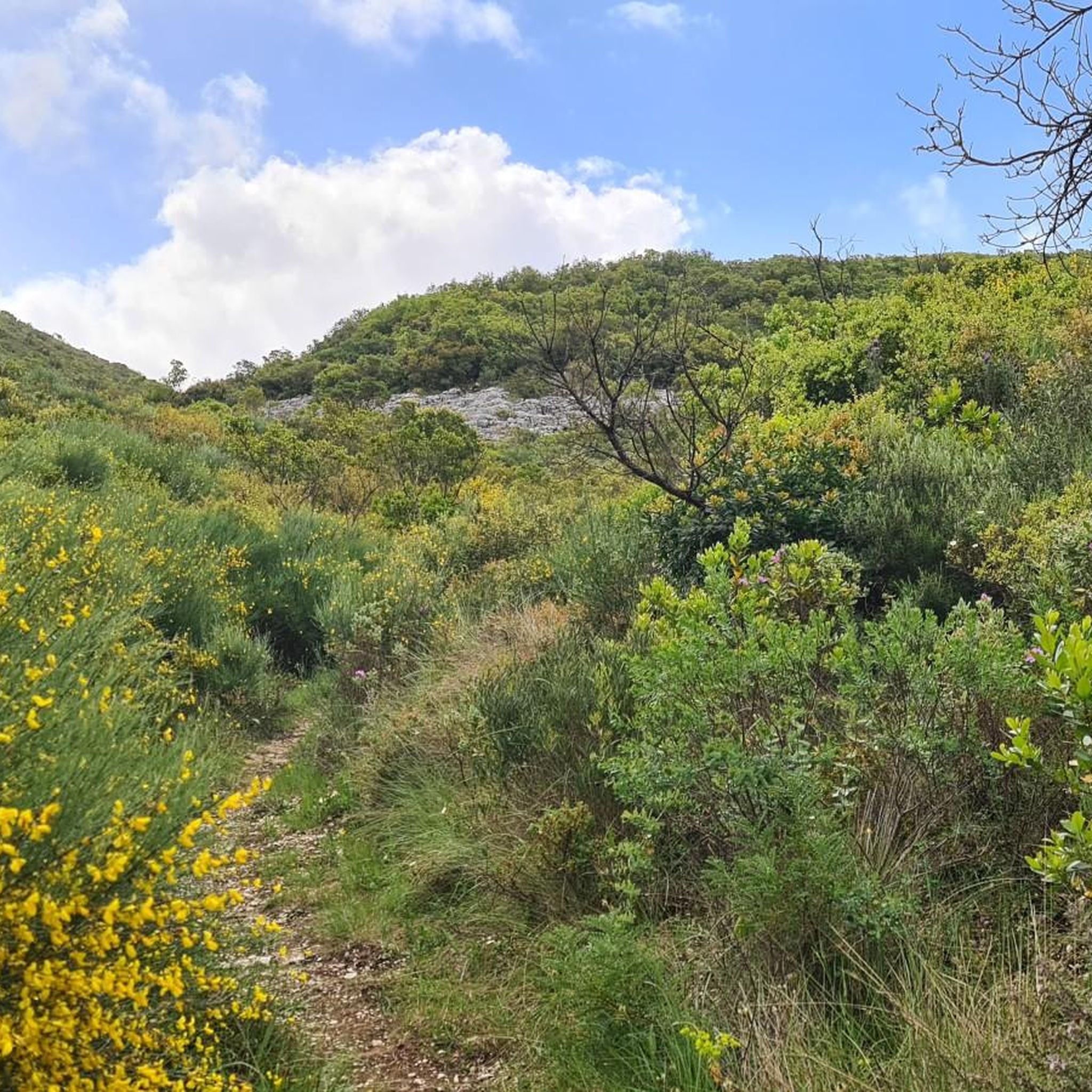
Algar da Cerejeira is a remarkable geological karst formation, that is, a natural cavity or vertical sinkhole. These algars are typically formed in limestone regions due to the erosive action of water, which dissolves the rock and creates underground pits or caves. Algar da Cerejeira is therefore an example of this process, offering a fascinating glimpse into the depths of the earth.
0
0

The Sheep's Sink is an imposing natural cavity, named after the sink carved under a stalactite that, in the rainy months, pours out abundant water. In the past, this natural refuge served as a drinking trough for cattle.
1
1
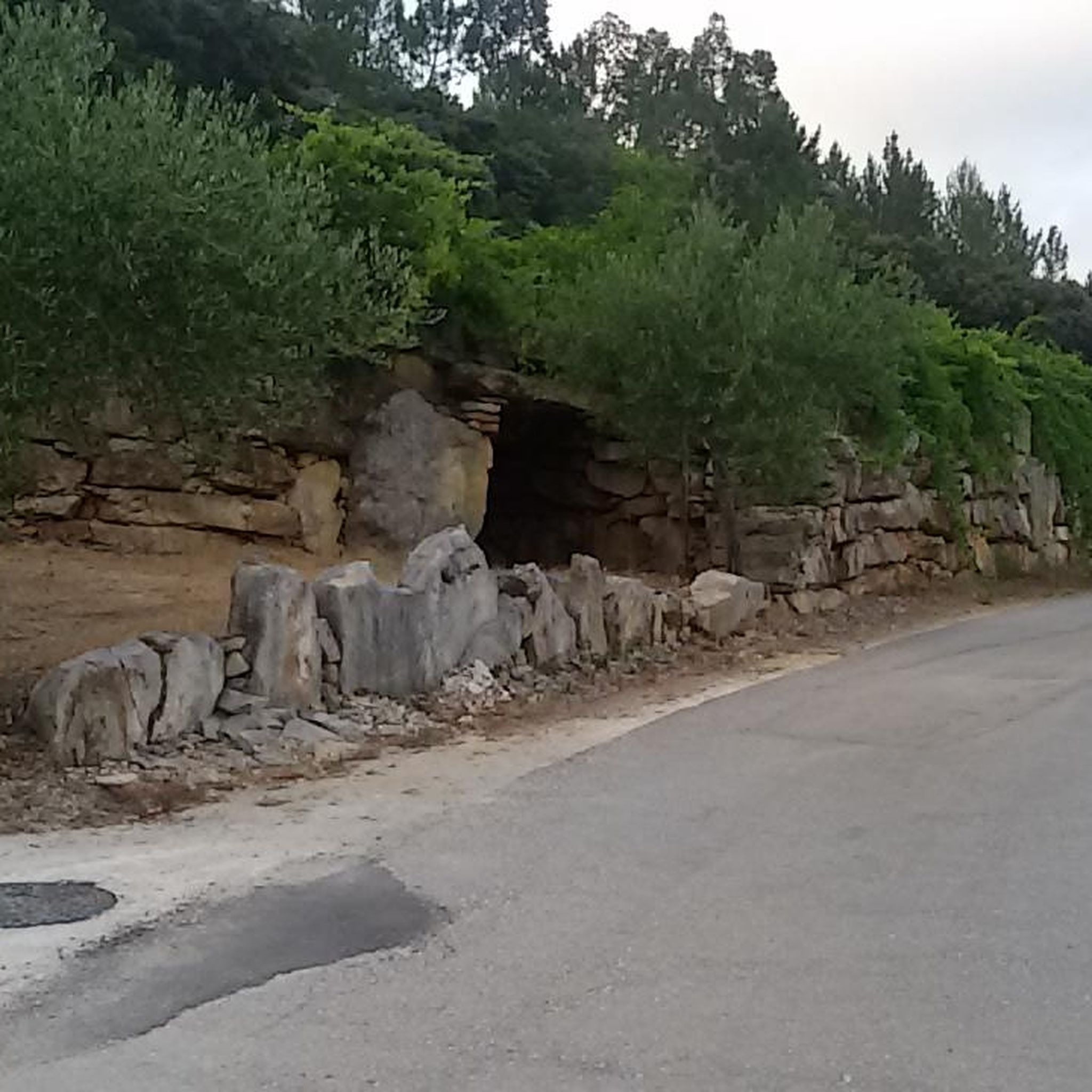
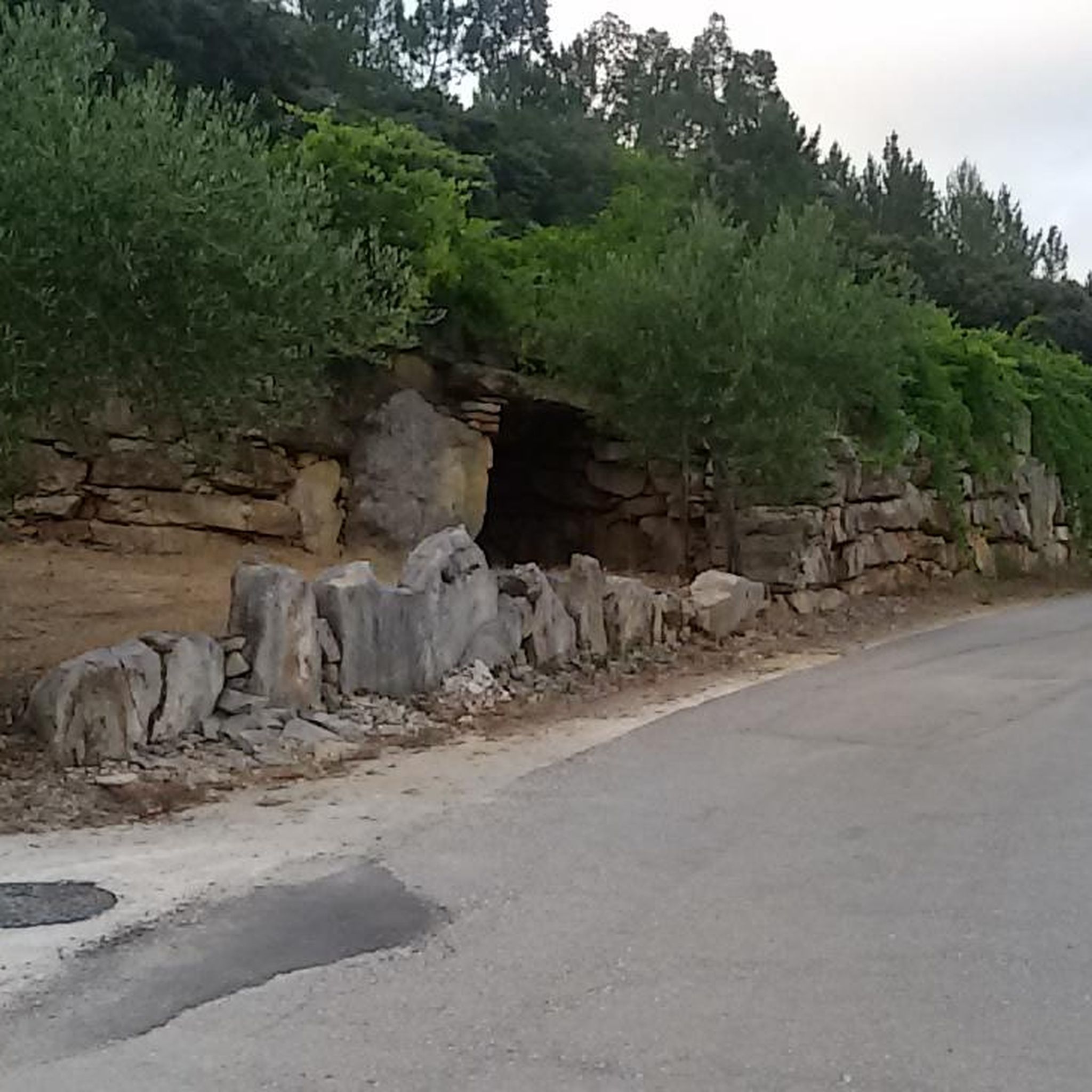
The Buraco Roto is a necropolis of singular beauty, hidden in a lush forest of oak, laurel and cork oak trees. In the rainy months, it becomes a natural spectacle, spilling large quantities of water and forming an impressive waterfall.
3
0

While this was my second visit, I've enjoyed it as much as the first one! The first gallery of this system of caves was discovered by locals in 1947. Of course people were curious and had to investigate further. What is known today is that the cave reaches 11 Kilometers in length which makes it the biggest and most important in Portugal. The formation of the cave goes back 150 million years to the middle Jurassic age when dinosaurs inhabited this region. They found traces of species who inhabited these caves, some of it on display. A part of the cave-system was opened to the public in 1974 with many improvements in safety for the visitors in later years. At one point colored lights found their way in with some spectacular and dramatic effects. My photos inside the cave are in the wrong order, not sure how to interchange them or what I've done wrong when uploading, sorry!
1
0

Pia da Ovelha, point of interest inserted in the PR2 BTL trail
2
0

Information about existing walls and routes: https://climbingaway.fr/en/climbing-areas/reguengo-do-fetal
0
0
Frequently Asked Questions
Which caves near Fátima are suitable for families?
The Grutas de Mira de Aire are particularly family-friendly, offering well-lit pathways, stairs, and an elevator for ascent after descending 683 steps. They feature spectacular geological formations and an underground lake. The Grutas da Moeda also offer an Environmental Interpretation Centre, which can be engaging for children.
What are the typical temperatures inside the caves near Fátima?
The caves in the Fátima region maintain stable and pleasant temperatures year-round. For instance, the Grutas de Mira de Aire and Grutas da Moeda are consistently around 17-18°C, while the Grutas de Santo António and Grutas de Alvados typically stay between 16-18°C.
Are there any challenging or adventurous cave experiences around Fátima?
Yes, for those seeking a more challenging experience, the Pia da Ovelha Cave is an imposing natural cavity. The Buraco Roto Cave-Necropolis is also categorized as challenging, offering a unique natural spectacle, especially with its waterfall during rainy months. Additionally, the Algar da Cerejeira is a remarkable geological karst formation, presenting a challenging vertical sinkhole experience.
What unique geological features can I expect to see in the caves?
The caves around Fátima are rich in diverse geological formations. You can marvel at stunning stalactites, stalagmites, and columns in most caves. The Grutas de Mira de Aire feature formations resembling a 'Jellyfish' and an 'Organ,' along with an underground 'Black River.' The Grutas da Moeda are known for their 'Red Dome' with striking mineral stains. The Grutas de Alvados are distinctive for their abundant cave coral and crystalline-water lakes, while the Grutas de Santo António boast monumental dimensions and a large natural lake.
Are guided tours available for the caves in the Fátima area?
Yes, all the major caves in the Fátima area, including Grutas de Mira de Aire, Grutas da Moeda, Grutas de Santo António, and Grutas de Alvados, offer guided tours. These tours provide valuable insights into their geology, history, and unique formations, enhancing the visitor experience.
What historical significance do some of the caves hold?
The Buraco Roto Cave-Necropolis is a significant historical site, serving as a necropolis hidden within a lush forest. The Grutas de Mira de Aire also have a deep history, with their formations dating back 150 million years to the Middle Jurassic age, and traces of ancient species found within.
What outdoor activities can I do near the caves around Fátima?
The region around Fátima offers various outdoor activities. You can find several easy hiking trails, such as the São Mamede loop from Pia do Urso or the Hiking loop from Minde. For cycling enthusiasts, there are routes like the Batalha Monastery – Ponte da Boitaca loop. Running trails are also available, including loops from Fátima and Aljustrel. You can explore more options on the Easy hikes around Fátima, Cycling around Fátima, and Running Trails around Fátima guide pages.
Is there an elevator for ascent in any of the caves?
Yes, the Grutas de Mira de Aire, while involving a descent of 683 steps, provides an elevator for the ascent, making the return journey easier for visitors.
Are there any caves with unique natural phenomena during certain seasons?
The Buraco Roto Cave-Necropolis becomes a natural spectacle during the rainy months, with large quantities of water spilling and forming an impressive waterfall, adding to its beauty.
What is the Environmental Interpretation Centre at Grutas da Moeda?
The Environmental Interpretation Centre (CICA gm) at Grutas da Moeda offers visitors the opportunity to learn about cave formation, local biodiversity, the importance of limestone in the region, and its influence on people's lives. It also features an exhibition of minerals and fossils and scientific videos.
Which caves are located within the Serra de Aire e Candeeiros Natural Park?
The Grutas de Alvados are located within the Serra de Aire e Candeeiros Natural Park, approximately 25 kilometers from Fátima. This location contributes to their unique array of speleothems and natural beauty.
Most popular attractions around Fátima

Get inspired with the komoot mobile app


Explore more
Extend your search for the best caves by checking out these guides of the top ones around Fátima:
