The 4 Most Amazing Peaks in Valle Del Cauca
Best mountain peaks in Valle Del Cauca are part of the Western and Central Cordilleras of the Andes, offering diverse landscapes from fertile valleys to imposing mountain ranges. This region in western Colombia is known for its rich biodiversity and challenging trails. The area features high-altitude peaks and expansive protected areas, providing a range of experiences for hikers and nature enthusiasts. These mountains are a crucial source for many rivers and host unique ecosystems.
Best mountain peaks in Valle Del…
Last updated: August 29, 2026
Hill of the Three Crosses
Highlight • Summit
Translated by Google •
Tip by

El Rosario Summit
Highlight • Summit
Translated by Google •
Tip by
Sign up now to discover places like this
Get recommendations on the best single tracks, peaks, & plenty of other exciting outdoor places.
Sign up for free
Pico de Águila
Highlight (Segment) • Summit
Translated by Google •
Tip by

Cerro Azul
Highlight • Settlement
Translated by Google •
Tip by
Morro de la Cruz
Highlight • Viewpoint
Translated by Google •
Tip by
Start today with a free account
Your next adventure awaits.
Login or Signup
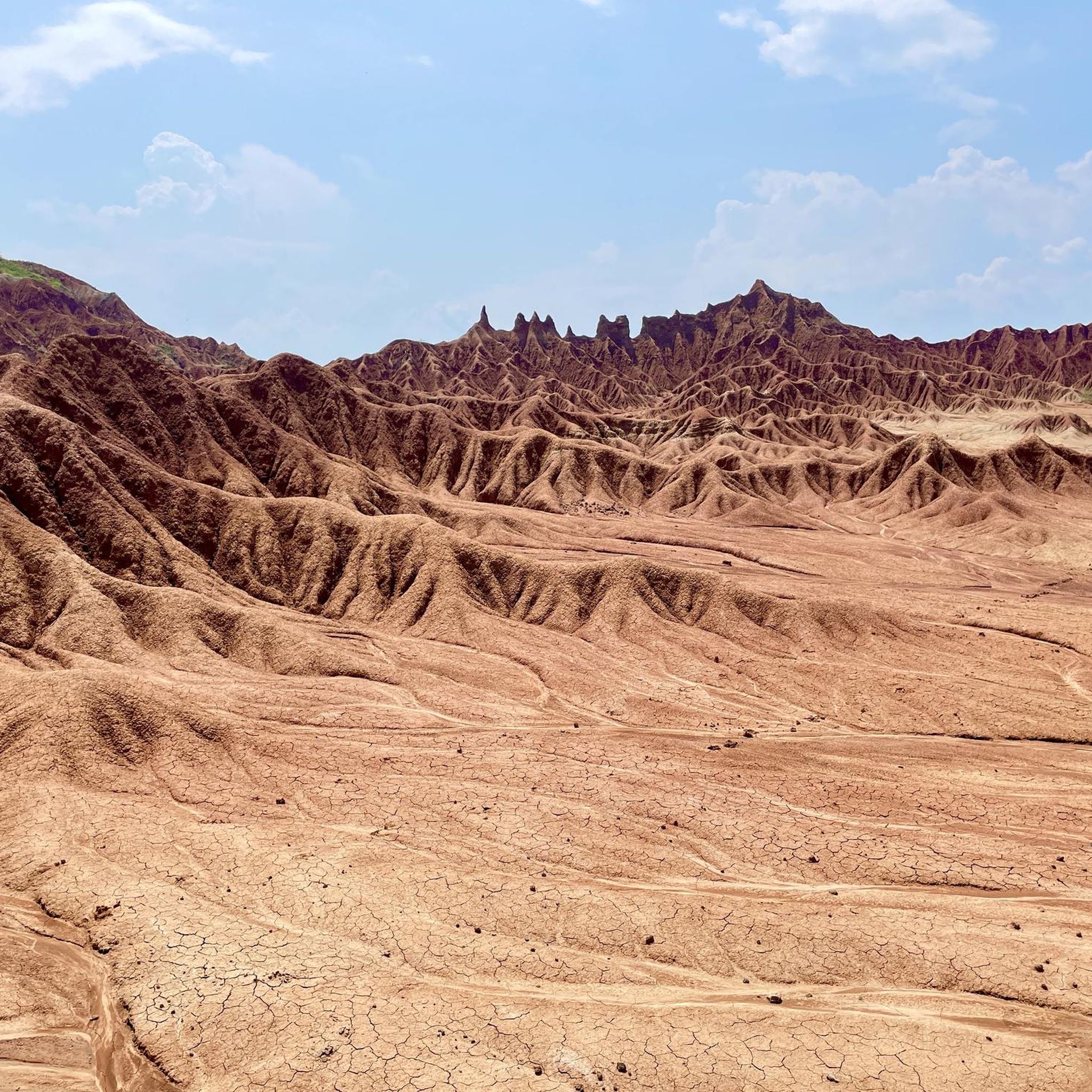
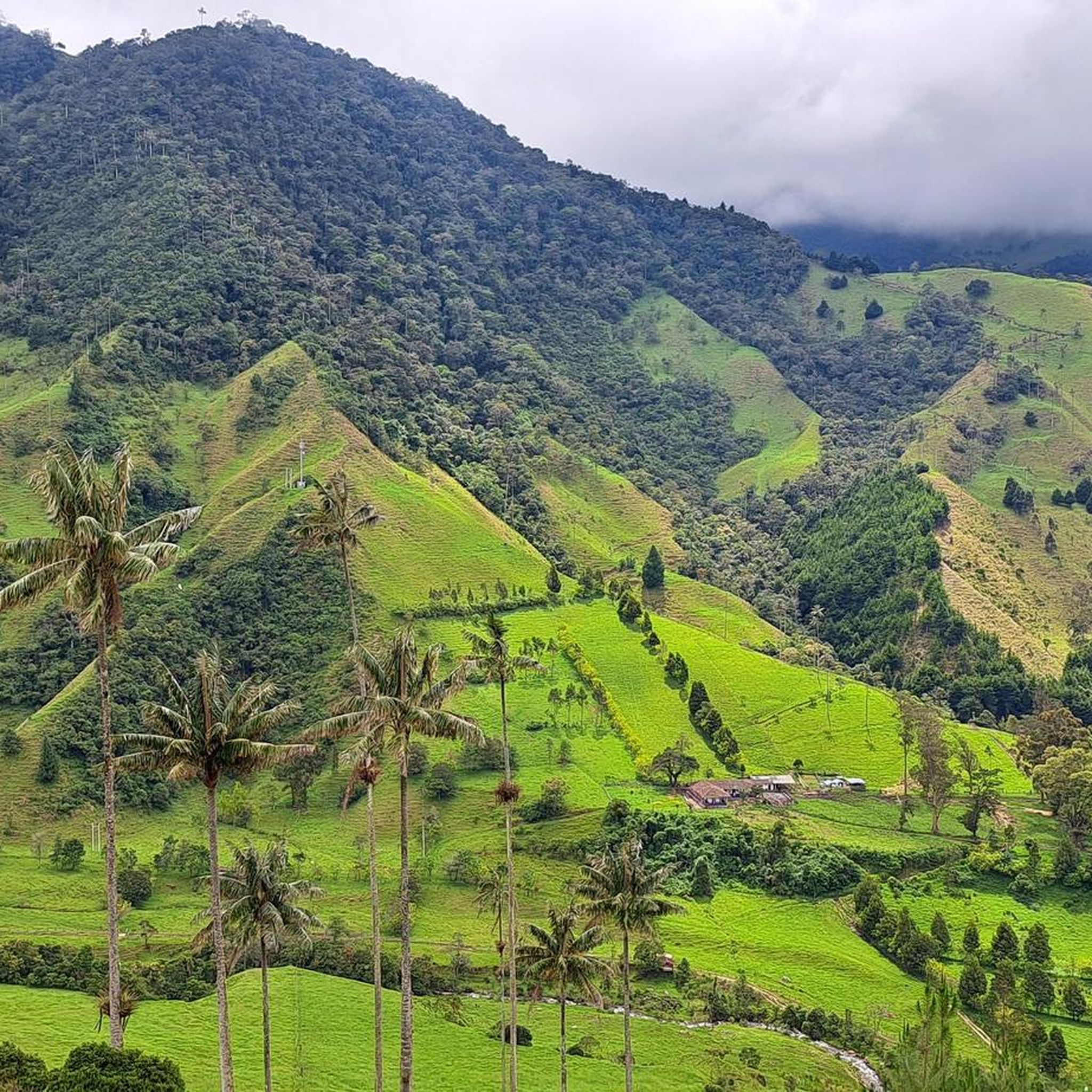
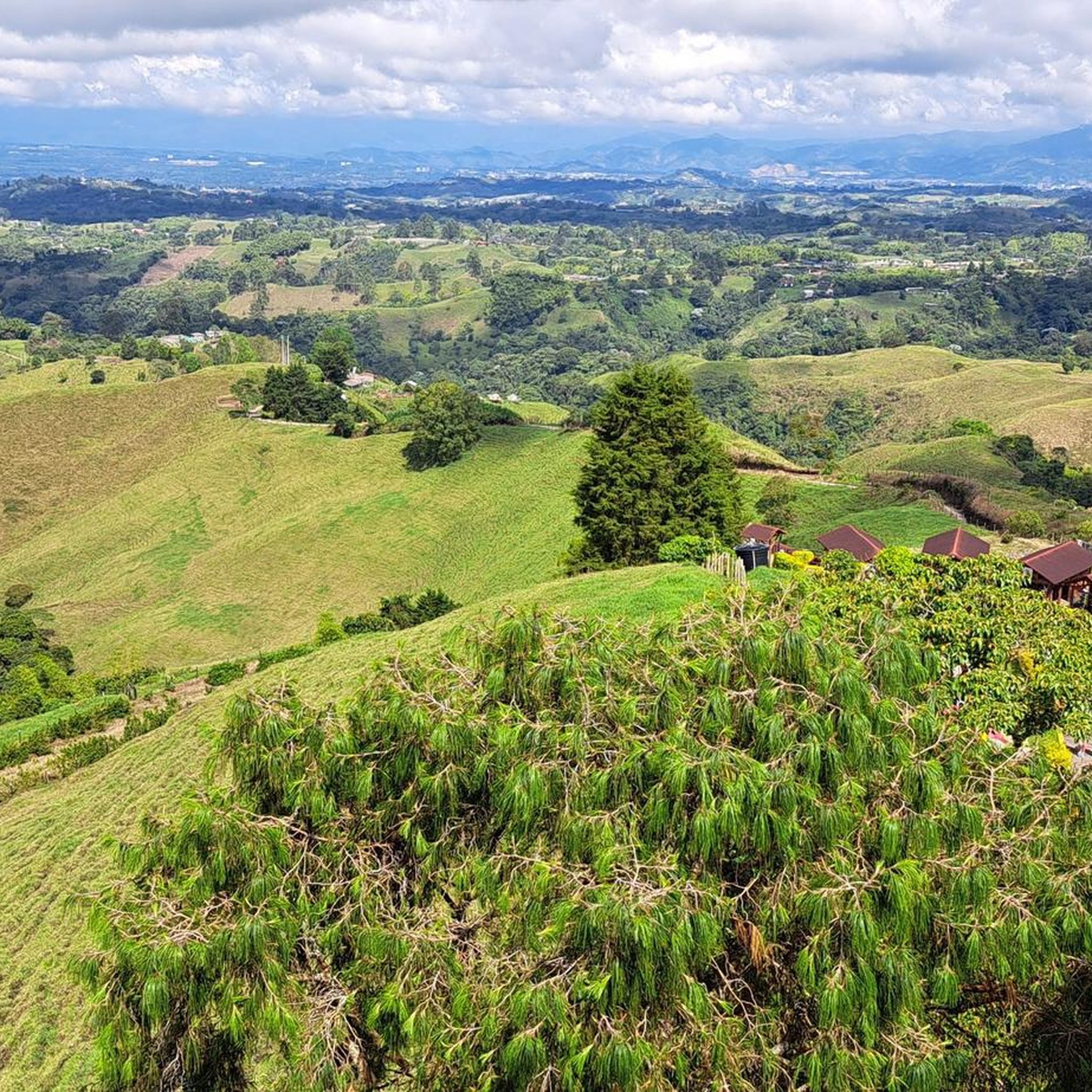
Tips from the Community


Cerro Azul is a town in Valle del Cauca and has an elevation of 1,638 meters. Cerro Azul is located near the town of San Isidro and Huasanó.
0
0
summit between the technical ascents called la Gorda, at this point you find points to buy food and hydration and you can start the journey to cascade del lili and/or El otoño
0
0
Highest Point of the Ascent where we find the three Crosses
0
0
Buziraco is the name of the supposed Demon that "haunts" the Hill of the Three Crosses: this is the story behind the legend of this "evil being" that took over the mountain with all its power.
0
0
One of the hills with the best panoramic view of our JAMUNDI municipality awaits you to discover it and then refresh yourself in the waters of the San Pablo River.
0
0

Going to the route recommendation to do it first thing in the morning due to the sun since it is mostly going up at a good incline.
3
0
Frequently Asked Questions
Which mountain peaks are the highest in Valle del Cauca?
The highest point within Valle del Cauca is Cerro de las Lágrimas, reaching 4,284 meters (14,055 feet). Other significant high peaks include Cerro Tatamá, which is the highest point in Valle del Cauca at 4,100 meters (13,451 feet) and part of the pristine Tatamá National Natural Park, and Pico Pance, standing at 4,040 meters (13,255 feet) within the Farallones de Cali National Natural Park.
What are some popular and accessible mountain peaks near Cali?
For a popular and accessible option near Cali, the Hill of the Three Crosses is a great choice. It offers a moderate hike suitable for various fitness levels and provides fabulous views of Cali and the surrounding Andes mountains. It's a well-known spot for locals and visitors alike.
Are there challenging mountain peaks for experienced hikers in Valle del Cauca?
Yes, Valle del Cauca offers several challenging peaks. Pico Pance, at 4,040 meters, is known for its demanding ascent and rewarding panoramic views. Within the Farallones de Cali National Natural Park, Pico de Loro (2,860 meters) presents a long, steep, and often muddy trail, but the effort is well worth the stunning views. Additionally, Pico de Águila is a challenging summit with a significant incline, best visited early in the morning.
What natural parks protect the mountain peaks in Valle del Cauca?
The mountain peaks in Valle del Cauca are protected by significant natural parks. The Tatamá National Natural Park safeguards Cerro Tatamá, known for its untouched páramo ecosystem. The expansive Farallones de Cali National Natural Park encompasses peaks like Pico Pance and Pico de Loro, serving as a crucial source for over 30 rivers and boasting exceptional biodiversity.
What kind of wildlife can I expect to see in the mountain regions of Valle del Cauca?
The mountain regions of Valle del Cauca are rich in biodiversity. In areas like the Farallones de Cali National Natural Park, you might encounter more than 540 species of birds, as well as a variety of flora including orchids and bromeliads. The park is also a habitat for the Andean bear. The pristine Tatamá páramo offers a chance to experience an intact ecosystem with incredible biodiversity.
Which mountain peaks offer the best panoramic views in Valle del Cauca?
Many peaks in Valle del Cauca provide stunning panoramic views. The Hill of the Three Crosses offers fabulous views of Cali. Pico Pance and Pico de Loro within the Farallones de Cali National Natural Park are renowned for their breathtaking vistas. Other highlights with great viewpoints include El Rosario Summit, Pico de Águila, and Morro de la Cruz, which provides an excellent panoramic view of the municipality of Jamundí.
Are there family-friendly or easier mountain trails in Valle del Cauca?
While many peaks offer challenging ascents, there are easier options. The Hill of the Three Crosses is considered a moderate hike, making it accessible for many. For specifically easy hikes, you can explore routes like the 'Circular del Parque Biosaludable del río Meléndez' or the 'Hiking loop from Ecoparque Río Pance', which are listed in the Easy hikes in Valle Del Cauca guide.
What outdoor activities can I do near the mountain peaks in Valle del Cauca?
Beyond hiking and climbing the peaks, the region offers diverse outdoor activities. You can find numerous routes for gravel biking and cycling. For example, the Gravel biking in Valle Del Cauca guide features routes like the 'Filandia – Arabia Village Entrance loop'. The Cycling in Valle Del Cauca guide includes routes such as the 'Miravalle Hills loop'. These activities allow you to explore the diverse landscapes surrounding the peaks.
What is the best time of year to visit the mountains in Valle del Cauca?
The Valle del Cauca region generally experiences two main seasons: a dry season and a rainy season. For hiking and outdoor activities in the mountains, the dry season (typically December to March and July to August) is often preferred, as trails are less muddy and views are clearer. However, the region's diverse ecosystems mean that conditions can vary, and some areas may be accessible year-round.
Are there facilities or places to get food and water near the mountain trails?
Yes, some mountain areas offer facilities. For instance, at El Rosario Summit, you can find points to buy food and hydration, which is convenient before continuing to nearby waterfalls. For other trails, especially in more remote areas, it's advisable to carry your own supplies.
What are the unique ecological features of the mountain regions in Valle del Cauca?
The mountain regions of Valle del Cauca are characterized by their diverse ecosystems, ranging from tropical forests to high-altitude páramos. The Tatamá páramo, for example, is one of only three in Colombia that remains largely unaltered by human activity, making it a pristine ecological marvel. These areas are vital for water sources, biodiversity, and host unique flora and fauna, including many endemic species.
Is there a mountain peak associated with local legends or history?
Yes, the Hill of the Three Crosses is associated with the legend of Buziraco, a supposed demon that 'haunts' the mountain. This adds a unique cultural and historical dimension to visiting this popular summit near Cali, connecting the natural landscape with local folklore.
Most popular routes in Valle Del Cauca
Most popular attractions in Valle Del Cauca

Get inspired with the komoot mobile app


Explore more
See even more amazing summits in Valle Del Cauca with these guides:
