Top 4 Gorges around La Sotonera
Canyons around La Sotonera, located in the Huesca province of Spain, offer diverse natural landscapes characterized by geological formations and river valleys. This region is known for its gorges and natural monuments, providing opportunities for exploration and observation. The area features a mix of aquatic environments and elevated viewpoints, showcasing the natural geology of La Sotonera Huesca. Visitors can experience various terrains, from river paths to scenic overlooks.
Best canyons around La Sotonera
- The most popular canyons is Gorgas de…
Last updated: October 28, 2026
Salto Roldán Viewpoint
Highlight • Viewpoint
Translated by Google •
Tip by

Gorgas de San Julián
Highlight • Gorge
Translated by Google •
Tip by

Sign up now to discover places like this
Get recommendations on the best single tracks, peaks, & plenty of other exciting outdoor places.
Riglos Griffon Vulture Viewing Area
Highlight (Segment) • Viewpoint
Translated by Google •
Tip by

Isuela River Valley and Tunnel Road
Highlight • Trail
Translated by Google •
Tip by

Start today with a free account
Your next adventure awaits.
Popular around La Sotonera
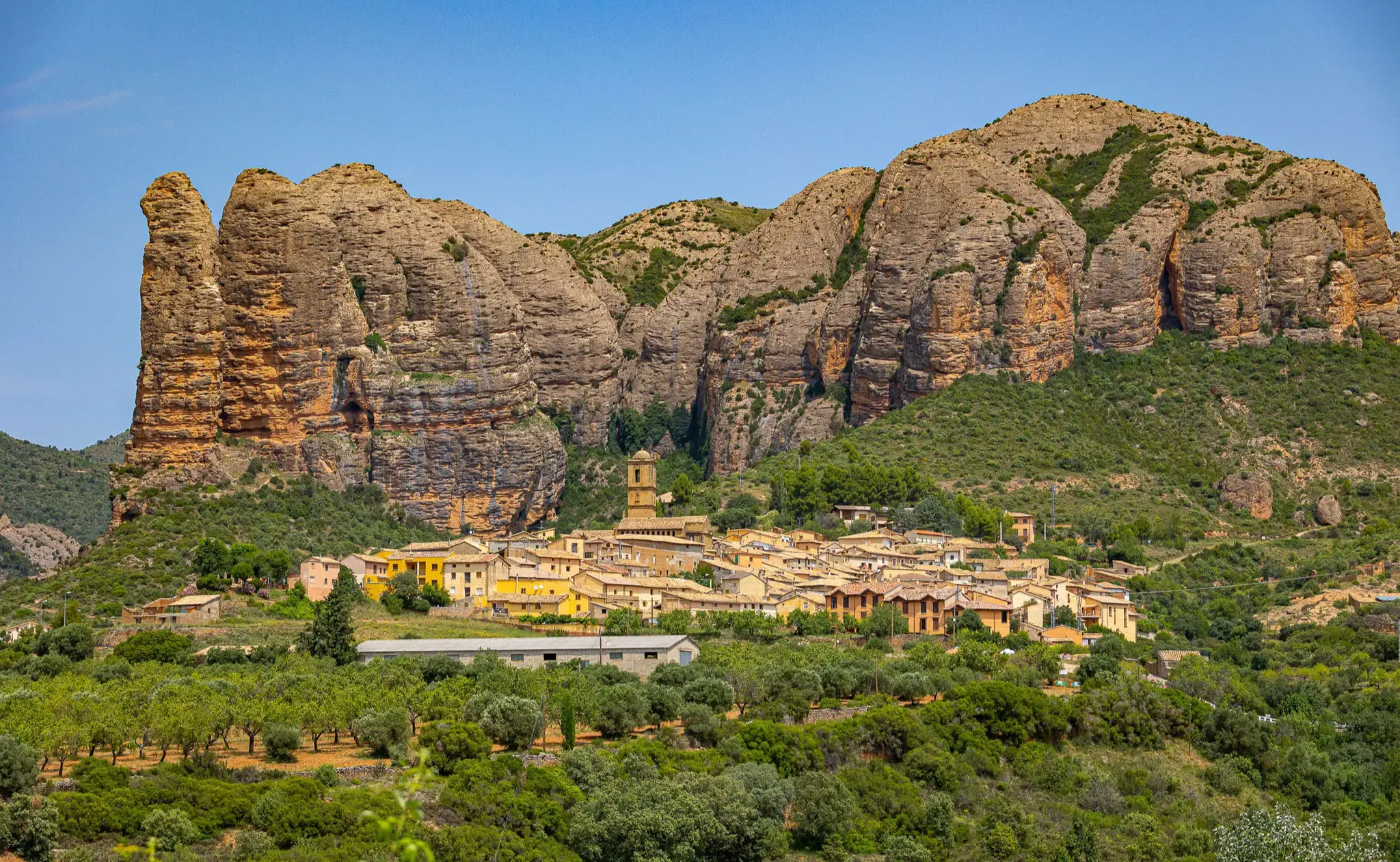
Hiking between geology and history – GR1 in Aragón
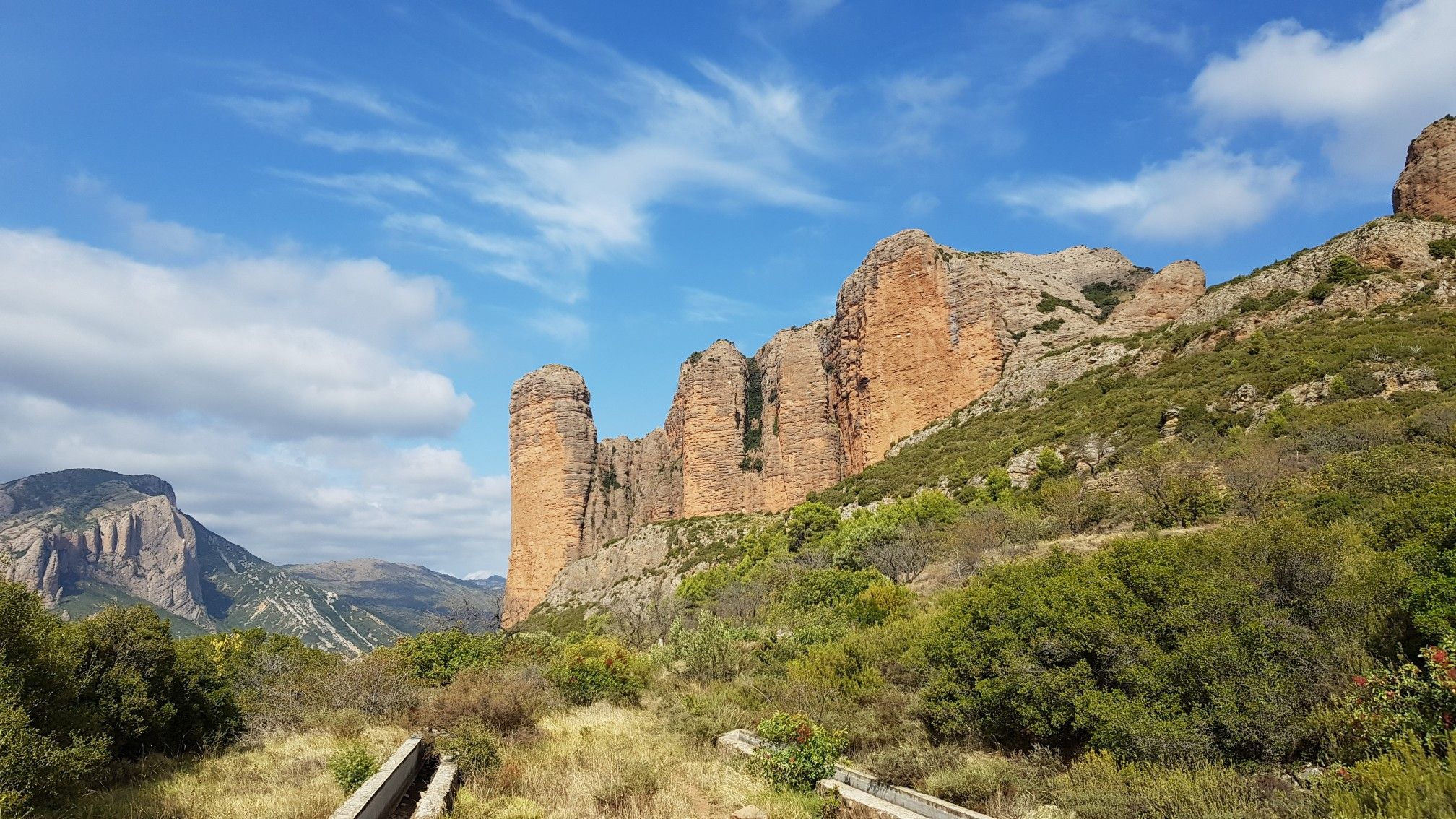
Monumental landscapes and culture — the Pre-Pyrenees by MTB
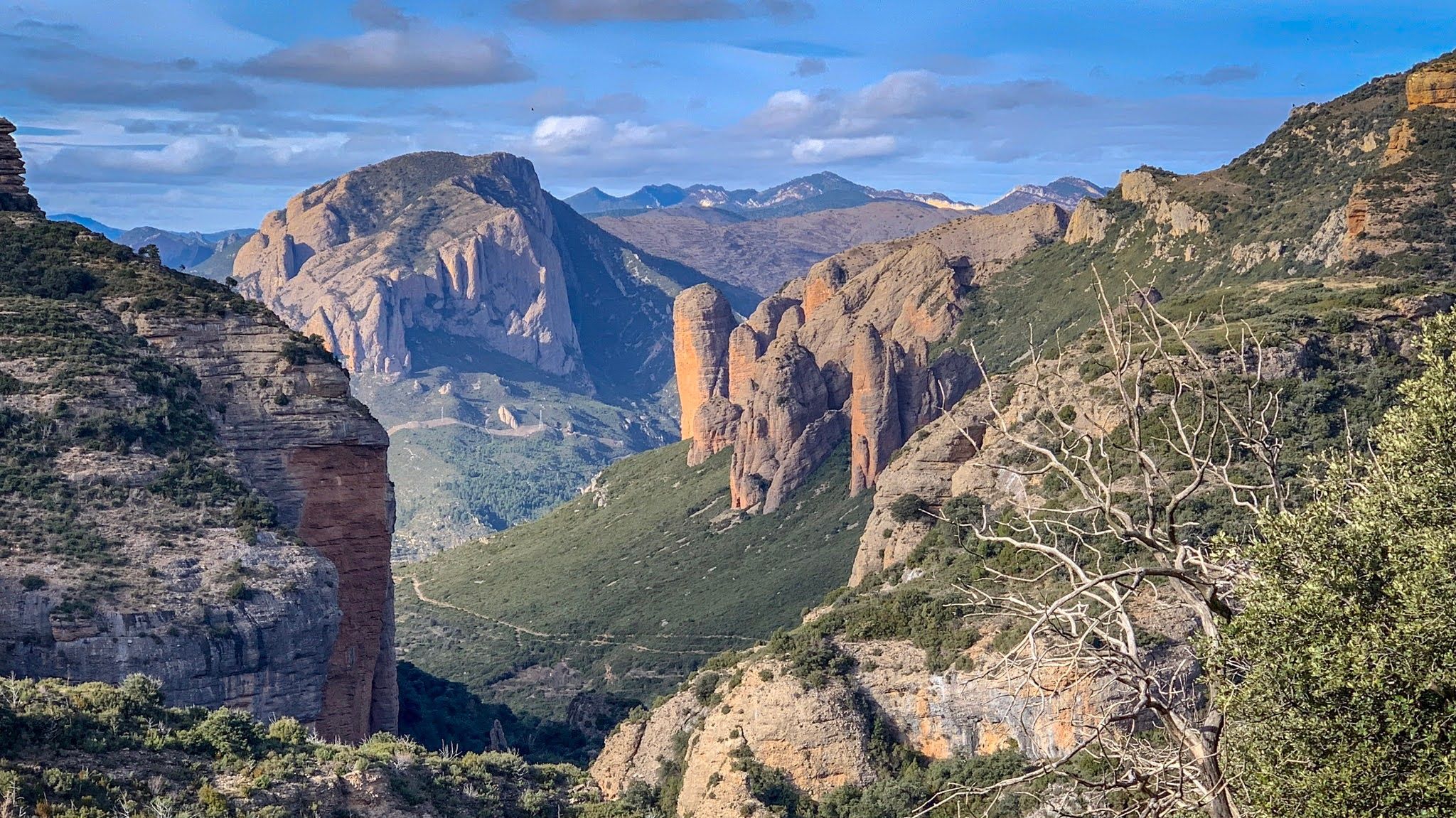
Gravel and geology – Huesca Valley nature trail
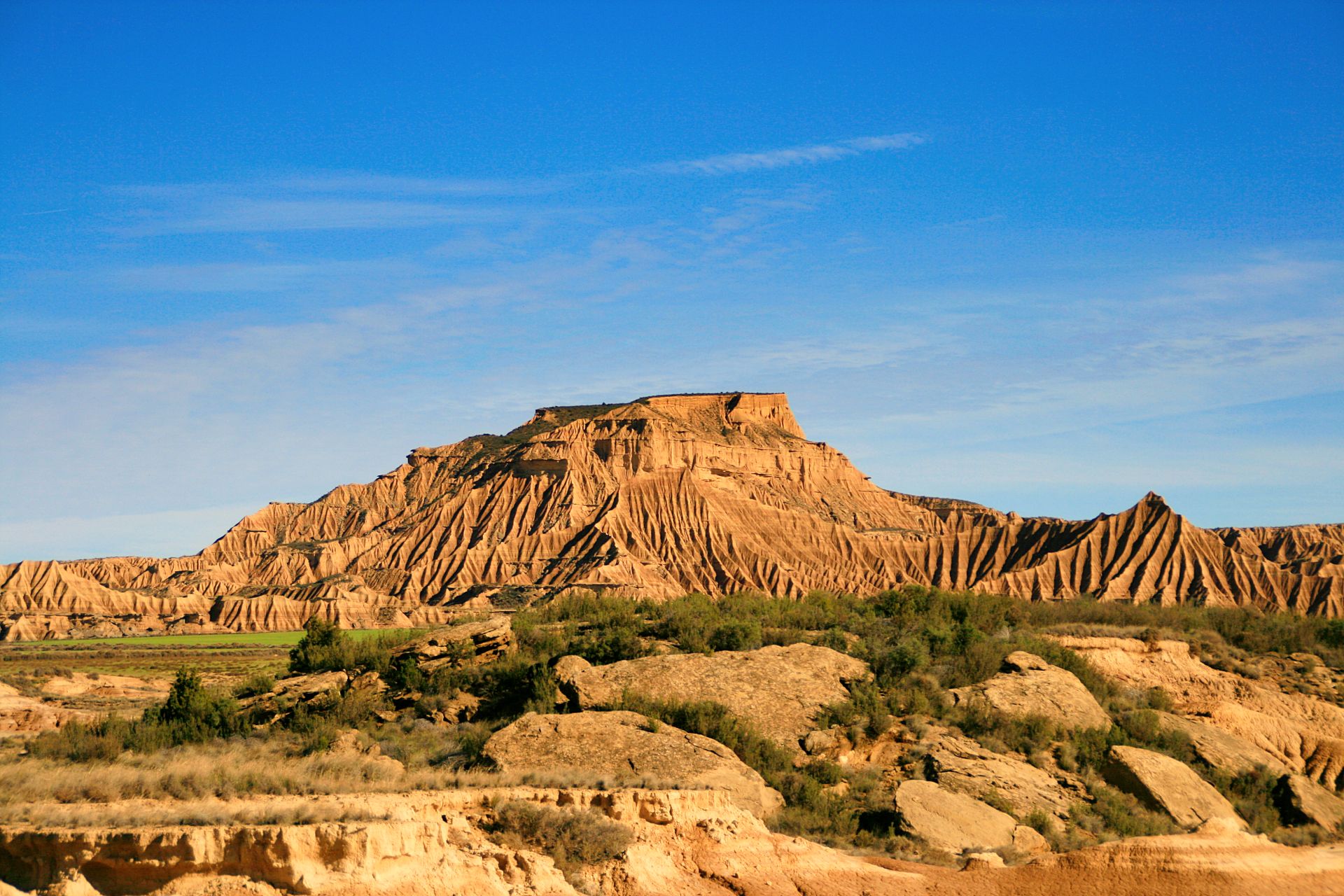
Spain’s Wild West – Sierra de Guara to the Bardenas
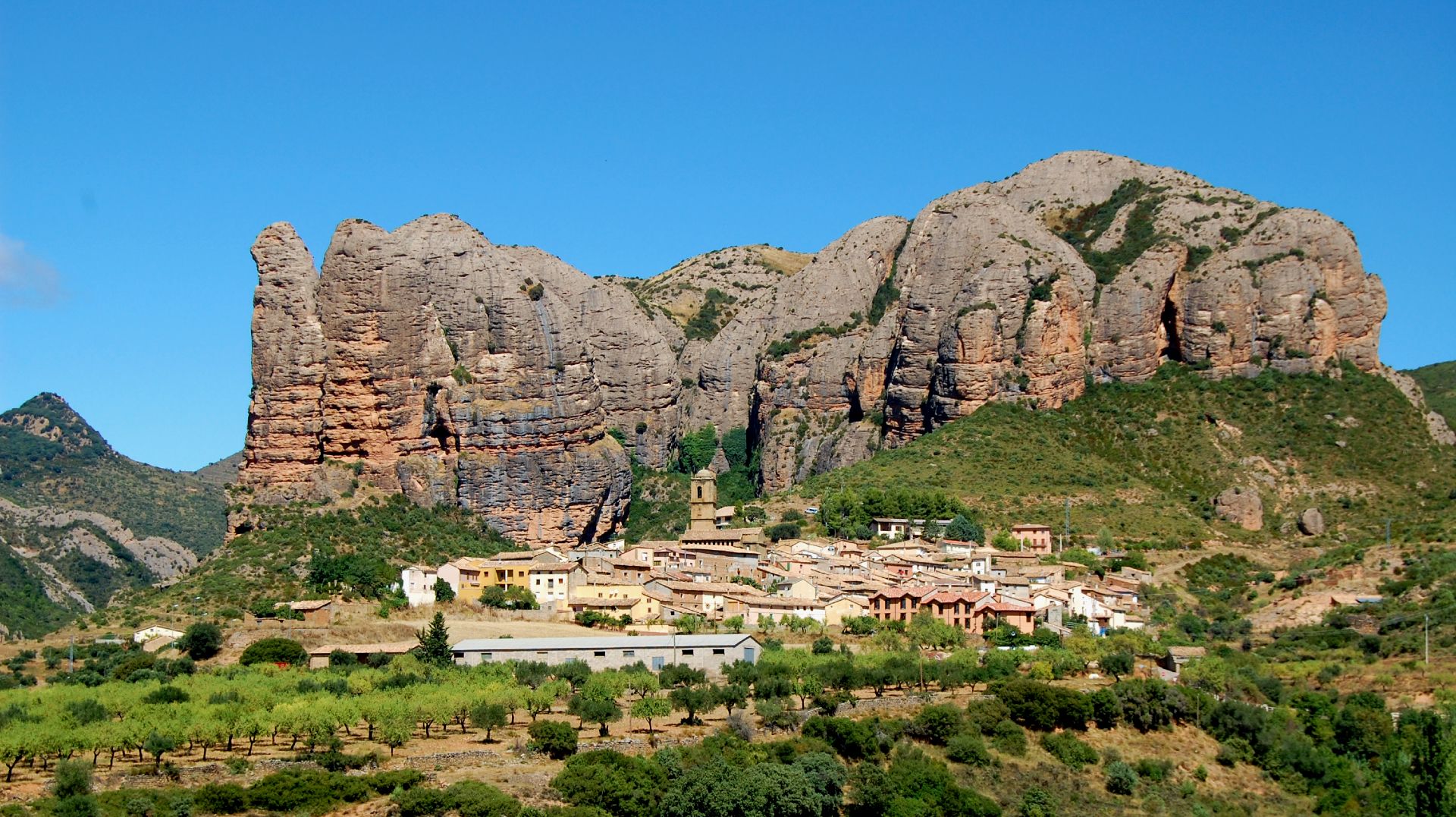
Land of rock and water – Sendero Histórico en Aragón
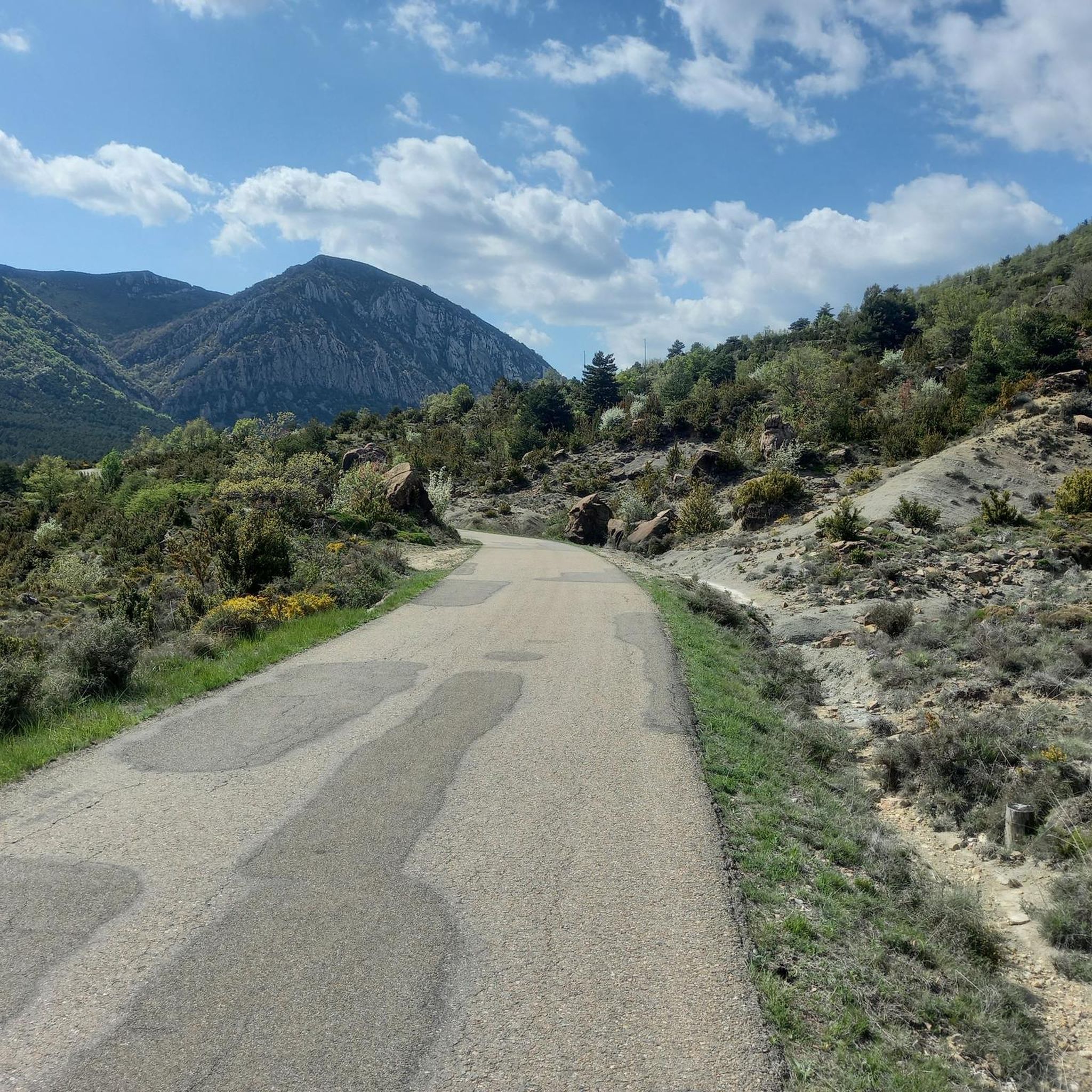
Hiking around La Sotonera
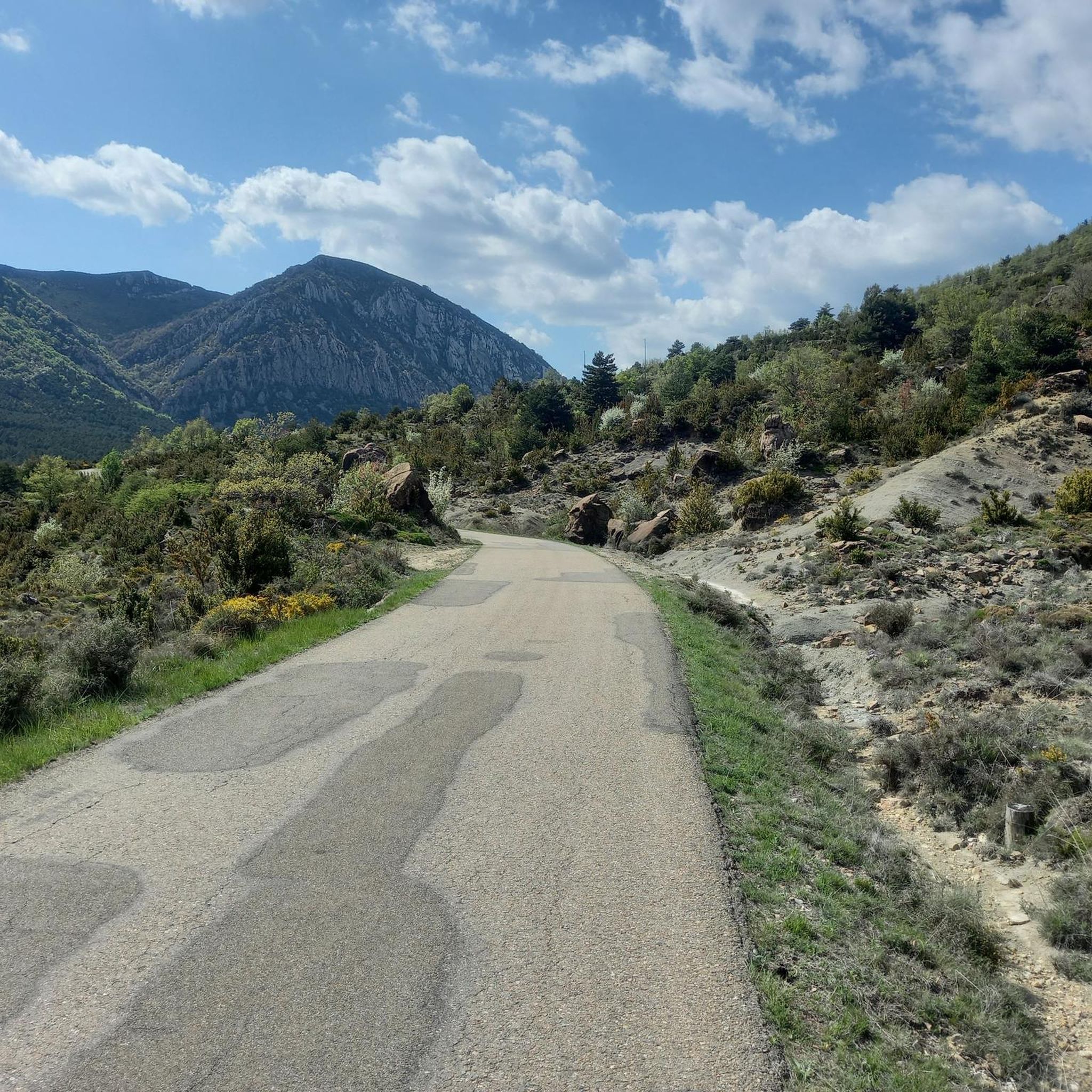
Road Cycling Routes around La Sotonera
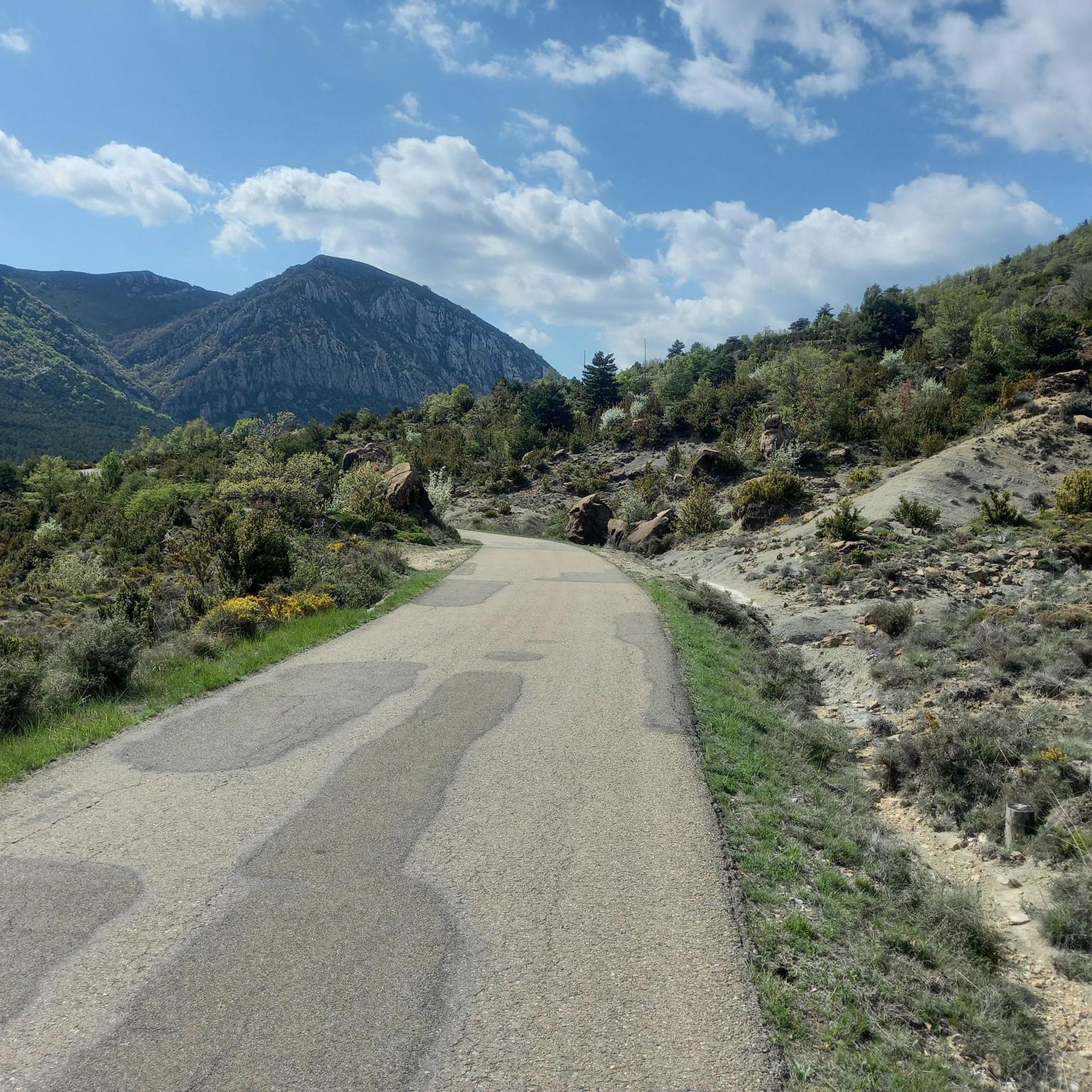
Running Trails around La Sotonera
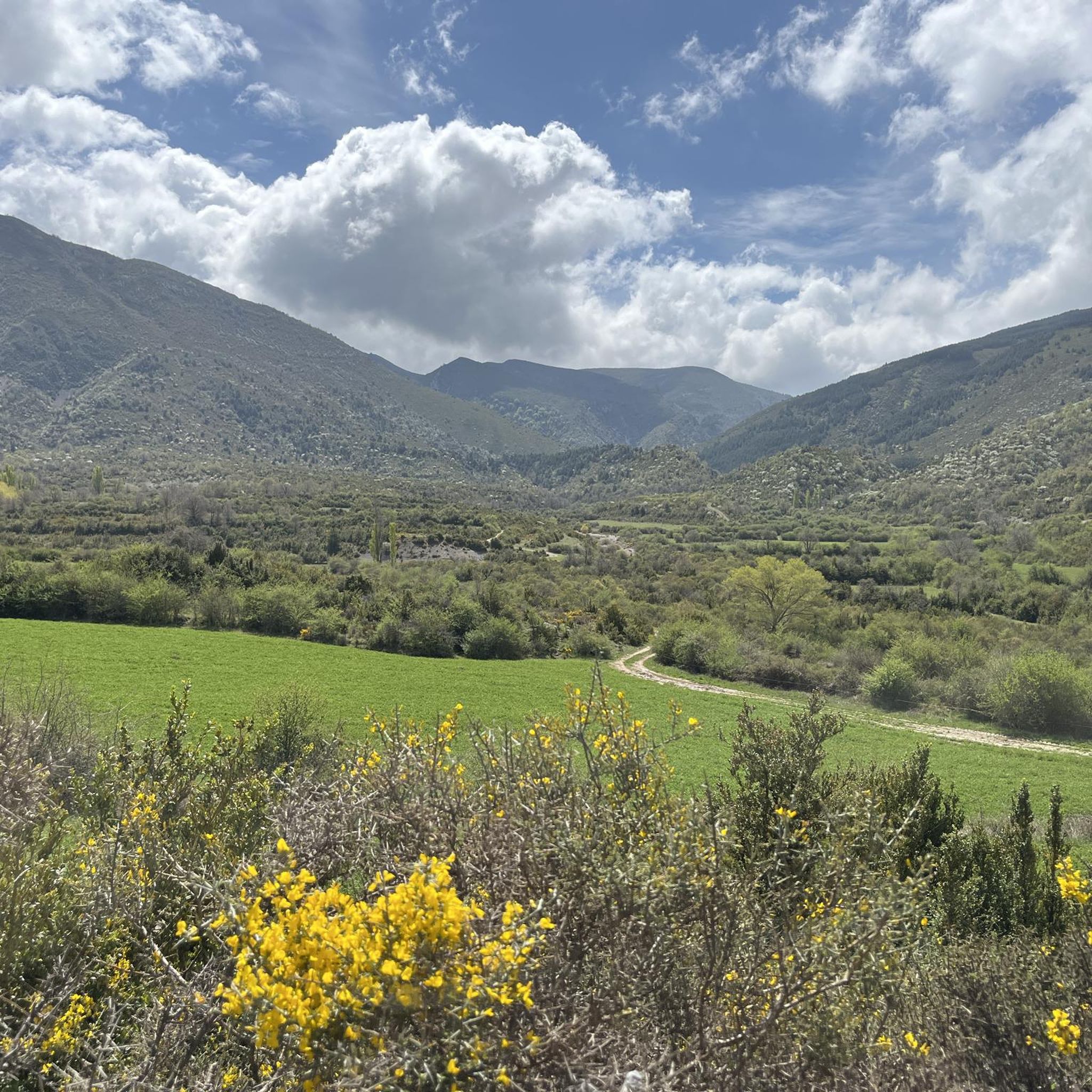
Cycling around La Sotonera
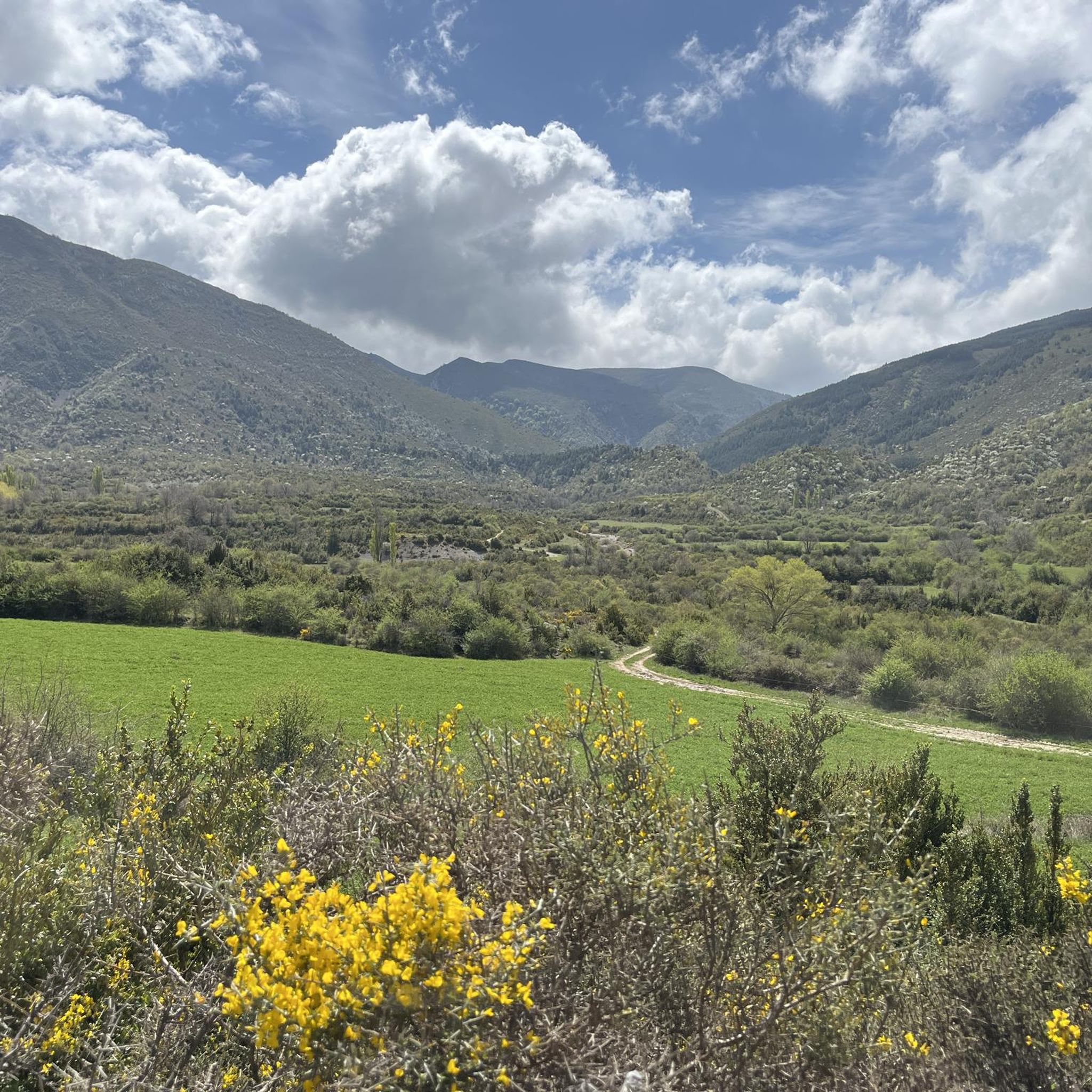
MTB Trails around La Sotonera
Other adventures around La Sotonera


Tips from the Community

As of 2017, observation was still permitted up there (in September). Of course, this may have changed in the meantime. Good luck!
1
0

Gorgeous, and the trails in the area are spectacular.
0
0

The hermitage is in a very cool place, with water falling from the top of the mountain. Inside, the two limestone formations from the flow of water make it very interesting. The walk from there to the gorgas is short and the gorgas area is spectacular. There is a nativity scene and the first thing you ask about is how they got it there. Going to the end of the gorge, where the water comes out, is beautiful. The light contrasts allow for spectacular photos.
0
0
It is worth going to the end of the gorges. It is spectacular. There is even a huge nativity scene.
0
0

Alternative path to the passageway that goes from Nueno to the Arguis reservoir. In the past, this corridor between mountains was the "Cañada Real de Huesca a Monrepós", a place of passage from the capital to towns in the north of the province.
0
0

It is dangerous to drink the water from the ravine or from the gorgas since it passes through a modification zone, the one from the hermitage is good.
0
0

Spectacular viewpoint over the Peña San Miguel, Pico el Fraile and Peña Amán that form the so-called Salto de Roldán. The area is impressive with cliffs, precipices and continual flying over by birds of prey that nest on these walls. Access to the viewpoint is restricted for vehicles, but it is allowed for people with disabilities.
5
0

From here I got an idea of what the vultures see over the Palomeras Strait when they take off from the slopes of the San Miguel and Amán rocks. Leaning over the fence, you can see the bottom of the ravine with the Flumen River, all the surrounding peaks and the imposing 400-meter limestone slope of the Amán Rock. You can go at any time of the year.
0
0
Frequently Asked Questions
What kind of geological features can I expect to see in the canyons around La Sotonera?
The canyons around La Sotonera, particularly within the broader Huesca province and Sierra de Guara, are characterized by impressive limestone formations. You'll encounter deep gorges, natural slides, rapids, and passages carved by rivers. For example, Gorgas de San Julián features spectacular limestone formations and a unique grotto where water emerges.
What are some of the most notable canyons for canyoning in the wider Huesca region?
Beyond the immediate vicinity of La Sotonera, the Huesca region, especially the Sierra de Guara Natural Park, is famous for its canyoning. Notable options include Barranco de la Peonera, known as a 'natural Aquapark' with jumps and slides; Barranco San Martín de la Val d'Onsera, offering scenic abseils; and Barranco del Vero, popular for its beauty near Alquézar. Other impressive canyons include Formiga, Oscuros de Balcés, and Gorgas Negras.
Are there any easy or beginner-friendly canyoning routes near La Sotonera?
Yes, the Barranco del Vero, located near the village of Alquézar in the Sierra de Guara, is often recommended for those new to canyoning due to its stunning natural beauty and accessibility. Barranco de la Peonera also offers sections suitable for all levels, allowing visitors to tailor the experience to their comfort, with easier alternative routes available.
What is the best time of year to visit the canyons around La Sotonera for canyoning?
The best time to visit the canyons for canyoning is generally during the warmer months, from late spring through early autumn (May to October). This period typically offers suitable water levels and pleasant temperatures. However, conditions can change based on weather and water flow, so it's always advisable to check local conditions and forecasts before planning your trip.
What outdoor activities can I do near the canyons of La Sotonera besides canyoning?
The region around La Sotonera offers a variety of outdoor activities. You can find excellent MTB trails, gravel biking routes, and cycling routes. Hiking is also very popular, with trails like the Isuela River Valley and Tunnel Road offering scenic walks through historical corridors.
Are there opportunities for wildlife observation near the canyons?
Yes, the area is rich in wildlife. A notable spot is the Riglos Griffon Vulture Viewing Area, where you can observe griffon vultures in their natural habitat and breeding grounds. The approach hike to Barranco de la Peonera, known as the 'Senda de la Faja de los Caracoles,' also offers spectacular views of vultures.
Are there any historical or cultural sites to visit near the canyons?
The region has historical significance. The Isuela River Valley and Tunnel Road follows what was historically known as the 'Cañada Real de Huesca a Monrepós,' an important route. Additionally, the Barranco San Martín de la Val d'Onsera is named after a hermitage, and its approach hike passes by this beautiful historical site.
What should I wear or bring for canyoning in the La Sotonera area?
For canyoning, you'll typically need a wetsuit, helmet, harness, and appropriate footwear (closed-toe shoes with good grip). It's also advisable to bring a waterproof bag for essentials, water, and snacks. For safety, specialized guides and equipment are often required, especially for more challenging routes.
Are there any family-friendly activities or hikes near the canyons?
While specific family-friendly canyoning routes are limited, some sections of Barranco de la Peonera can be adapted for families. For hiking, the Isuela River Valley and Tunnel Road offers a scenic trail. Always check the difficulty and suitability of any route for your family's experience level.
Where can I find parking when visiting the canyons?
Parking availability varies by canyon. For popular areas like those in Sierra de Guara, designated parking areas are usually available near access points or trailheads. It's recommended to research specific canyon access points in advance to confirm parking options.
What do visitors enjoy most about the canyons around La Sotonera?
Visitors frequently appreciate the spectacular natural beauty, the unique geological formations, and the opportunities for adventure. The crystal-clear waters, impressive limestone walls, and the thrill of navigating natural slides and jumps are often highlighted. The area also offers great photo opportunities, especially at spots like the end of Gorgas de San Julián.
Most popular routes around La Sotonera
Most popular attractions around La Sotonera

Get inspired with the komoot mobile app


Explore more
Already discovered everything in this region? See additional gorges around La Sotonera for your next adventure:
