Top 14 Lakes in Namibia
Lakes in Namibia, a country known for its vast deserts, offer diverse natural features and experiences. While permanent natural lakes are few, those present hold significant geological and ecological value. These include ancient sinkhole lakes, expansive coastal lagoons, and vast ephemeral pans. The country's water bodies attract wildlife and provide unique landscapes for exploration.
Best lakes in Namibia
- The most popular lakes is Walvis Bay Lagoon: Pelican and Flamingo Viewing, a lake that offers opportunities to observe pelicans and flamingos. This location is known for its significant birdlife, especially during certain seasons.
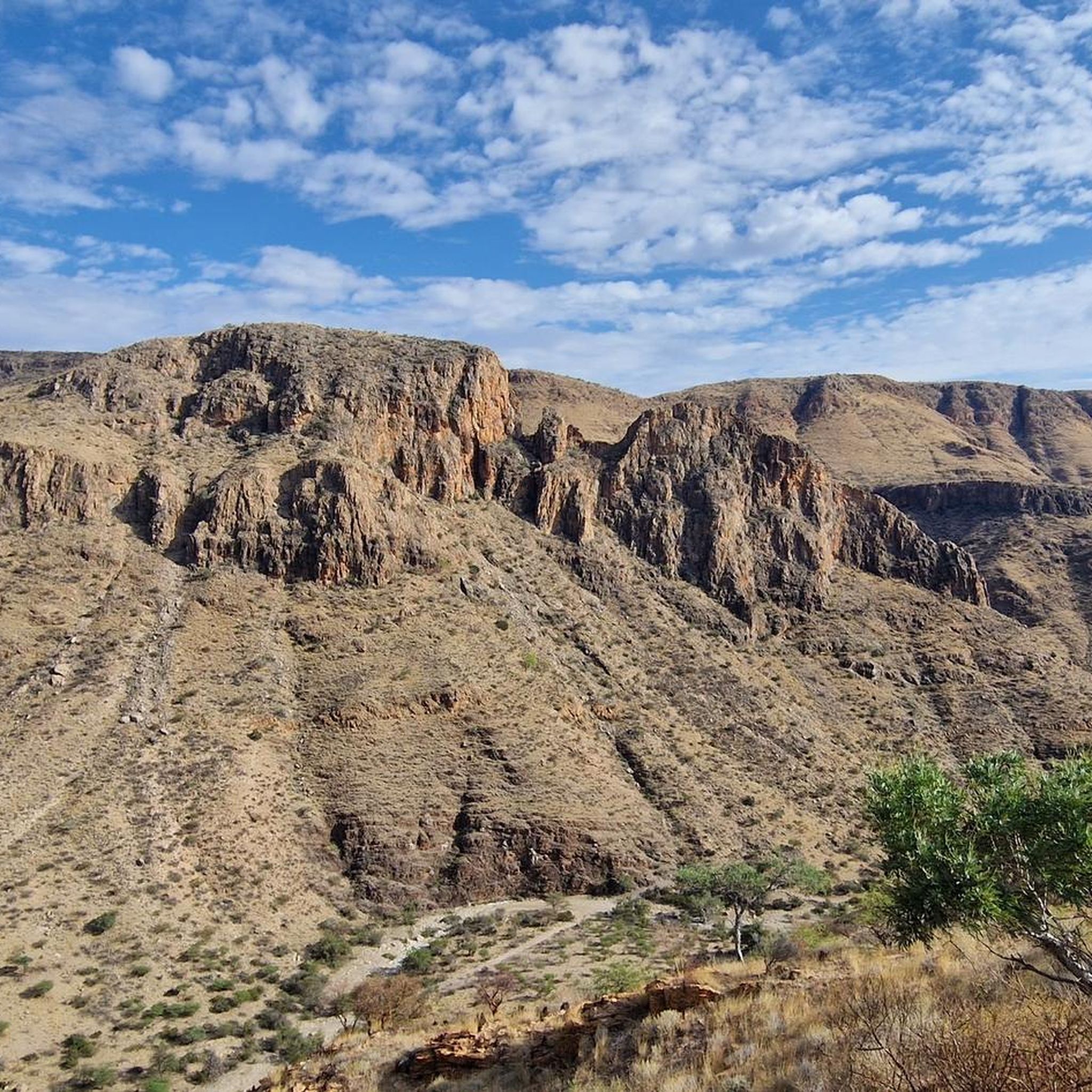
- Another must-see spot is Oasis in the Namib Desert, a lake in a desert setting. Visitors can experience a unique play of colors in this unusual environment.
- Visitors also love Avis Dam, a man-made monument. Originally a drinking water reservoir, it is now primarily used for local recreation.
- Namibia is known for sinkhole lakes, coastal lagoons, and ephemeral pans. These include permanent natural lakes like Otjikoto and Guinas, the bird-rich Walvis Bay Lagoon, and the vast Etosha Pan.
- The lakes in Namibia are appreciated by the komoot community, with 9 upvotes and 29 photos shared.
Last updated: June 28, 2026
Flamingos at Walvis Bay Lagoon
Highlight • Lake
Translated by Google •
Tip by

Avis Dam
Highlight • Lake
Translated by Google •
Tip by

Sign up now to discover places like this
Get recommendations on the best single tracks, peaks, & plenty of other exciting outdoor places.
Sign up for free
Oasis in the Namib Desert
Highlight • Lake
Translated by Google •
Tip by
Walvis Bay Lagoon: Pelican and Flamingo Viewing
Highlight • Lake
Translated by Google •
Tip by
Waterhole at the Foot of Bullhead
Highlight • Lake
Translated by Google •
Tip by

Otjiwa Safari Lodge Waterhole
Highlight • Lake
Translated by Google •
Tip by

Walvis Bay Lagoon
Highlight • Lake
Translated by Google •
Tip by

Pelicans and Flamingos in Dorob National Park
Highlight • Natural
Translated by Google •
Tip by

Bird Sanctuary at Dorob National Park
Highlight • Lake
Translated by Google •
Tip by
Moringa Waterhole Viewpoint
Highlight • Viewpoint
Translated by Google •
Tip by

Sign up for free to discover even more lakes in Namibia.
Sign up for free
Already have an account?
Start today with a free account
Your next adventure awaits.
Login or Signup
Other adventures in Namibia

Tips from the Community

A pleasant promenade along the lagoon. Groups of flamingos, some larger than others, can be seen in the shallow water. A lovely sight.
2
0

Beautiful, quiet spot at the base of Bullhead.
1
0

Must have been shortly after a cloudburst, otherwise you wouldn't find any lakes here.
1
0

Beautiful place. Just sit and watch. No more.
2
0

The Moringa waterhole is located in the Halali Camp and offers the opportunity to observe animals, especially at night
2
0

Beautiful flamingos everywhere! Definitely worth a quick stop to stroll along the water.
4
0
Unfortunately no pelicans there, but plenty of flamingos. But there were pelicans on the catamaran tour
4
0
Great play of colors is worth a trip
1
1
Frequently Asked Questions
Which lakes in Namibia are best for birdwatching?
The Walvis Bay Lagoon is a prime location for birdwatching, especially for flamingos and pelicans. It attracts a variety of other species like the Great White Pelican and African Oystercatcher. You can also find migratory water birds, including flamingos, at Lake Oponona when other wetlands dry up.
Are there any lakes in Namibia with historical significance?
Yes, Lake Otjikoto holds significant historical value. During World War I, retreating German troops famously dumped weapons and artillery into the lake. Some of these artifacts have been recovered and are displayed, while others form an underwater museum for certified divers.
What unique natural features can I find around Namibia's lakes?
Namibia's lakes offer diverse natural features. The Oasis in the Namib Desert provides a unique play of colors in an unusual desert setting. Near Walvis Bay, you can also witness the striking pink evaporation ponds, often called the 'Pink Lakes,' due to algae and salt mining operations.
Are there family-friendly lakes to visit in Namibia?
Many lakes offer family-friendly experiences. Avis Dam, for example, is primarily used for local recreation and is a great spot for families. The Walvis Bay Lagoon area, including highlights like Flamingos at Walvis Bay Lagoon, is also suitable for families to observe wildlife.
Can I go diving in any of Namibia's lakes?
Yes, Lake Otjikoto offers unique diving opportunities. Qualified divers can explore its emerald-green depths and witness submerged wartime relics, which form an underwater museum.
What is the difference between Lake Otjikoto and Lake Guinas?
Both Lake Otjikoto and Lake Guinas are permanent sinkhole lakes formed by collapsed karst caves. Lake Otjikoto is known for its historical artifacts and diving, while Lake Guinas is larger, located on private farmland, and is the natural habitat of the critically endangered Tilapia guinasana fish.
What outdoor activities can I do near Namibia's lakes?
You can find various outdoor activities near Namibia's lakes. For instance, there are numerous cycling routes, including easy to difficult options, as detailed in the Cycling in Namibia guide. Mountain biking trails are also available, with routes like the 'IJG Trail Park' mentioned in the MTB Trails in Namibia guide. Additionally, hiking opportunities exist, such as the 'View of Big Daddy Dune' trail, which you can explore further in the Hiking in Namibia guide.
Are there any lakes that are important for local communities?
Lake Oponona, located south of Oshakati, is a vital lifeline for local communities in north-central Namibia. It supports subsistence farming and fishing, and visitors can engage with local storytellers and observe traditional cattle herding practices, offering a glimpse into local life and culture.
When is the best time to visit the Etosha Pan?
The Etosha Pan, while primarily a vast, dry depression, is best visited during the rainy season when it fills with a shallow layer of water. This transformation attracts abundant wildlife, making it a prime location for animal viewing within Etosha National Park.
Where can I observe wildlife at a waterhole in Namibia?
The Moringa Waterhole Viewpoint, located in the Halali Camp, offers excellent opportunities to observe animals, especially at night. Another option is the Otjiwa Safari Lodge Waterhole, which also attracts various wildlife.
What makes the Walvis Bay Lagoon area unique for photography?
The Walvis Bay Lagoon area is unique for photography due to its vibrant birdlife, including large flocks of flamingos and pelicans. Additionally, the nearby natural evaporation ponds, known as the 'Pink Lakes,' offer a surreal landscape with striking pink hues, providing exceptional photographic opportunities.
Most popular attractions in Namibia

Get inspired with the komoot mobile app


Explore more
Still not found your perfect lake in Namibia? Check out the guides of these regions to see even more beautiful places.
