Top 10 Lakes in Cambodia
Best lakes in Cambodia include diverse natural and man-made water bodies, from Southeast Asia's largest freshwater lake to ancient reservoirs. These aquatic landscapes contribute to the country's rich biodiversity and cultural heritage. Many lakes are central to local communities, supporting unique lifestyles and ecosystems. The region offers a variety of lake experiences, from tranquil natural settings to historical sites.
Best lakes in Cambodia
- The most popular lakes is Neak Pean Temple, a historical site that features a temple in the middle of a lake. This water temple can be reached via a footbridge over a lake with lotus flowers.
- Another must-see spot is Srah Srang Reservoir and Stone Sculptures, a lake and historical site. This "Royal Bath" is an ancient water reservoir from the Angkor period, measuring approximately 725 by 400 meters.
- Visitors also love Pond and Large Tree in Kep National Park, an other natural feature. This location offers opportunities to observe wildlife, such as monkeys, in a quiet setting.
- Cambodia is known for its natural freshwater lakes, volcanic crater lakes, and ancient artificial reservoirs. These diverse water bodies offer a range of experiences, from ecological exploration to historical discovery.
- The lakes in Cambodia are appreciated by the komoot community. There are 18 upvotes and 37 photos shared by visitors for these locations.
Last updated: August 21, 2026
Neak Pean Temple
Highlight • Historical Site
Translated by Google •
Tip by

Pond and Large Tree in Kep National Park
Highlight • Natural
Translated by Google •
Tip by

Sign up now to discover places like this
Get recommendations on the best single tracks, peaks, & plenty of other exciting outdoor places.
Sign up for free
Moat of Angkor Wat
Highlight • Structure
Translated by Google •
Tip by

Yak Loum Lake
Highlight • Lake
Its depth of 48 meters[3] gives it clear and pure water[4].
It is almost perfectly circular with a diameter of 750 meters and is surrounded by a hiking trail of approximately 2.5 kilometers[3] which winds through a lush forest populated by exotic birds and parrots which lively in the middle tall trees.
The lake and its region are considered sacred by several hill tribes in northeastern Cambodia who believe they are inhabited by protective spirits[1],[3].
In 1995, the governor of the province transformed 5,000 hectares into a protected area in which the lake was included, and in 1996 he received assistance from the Canadian International Development Research Center and the United Nations Development Program to implement a resource management program
Translated by Google •
Tip by

Srah Srang Reservoir and Stone Sculptures
Highlight • Lake
Translated by Google •
Tip by

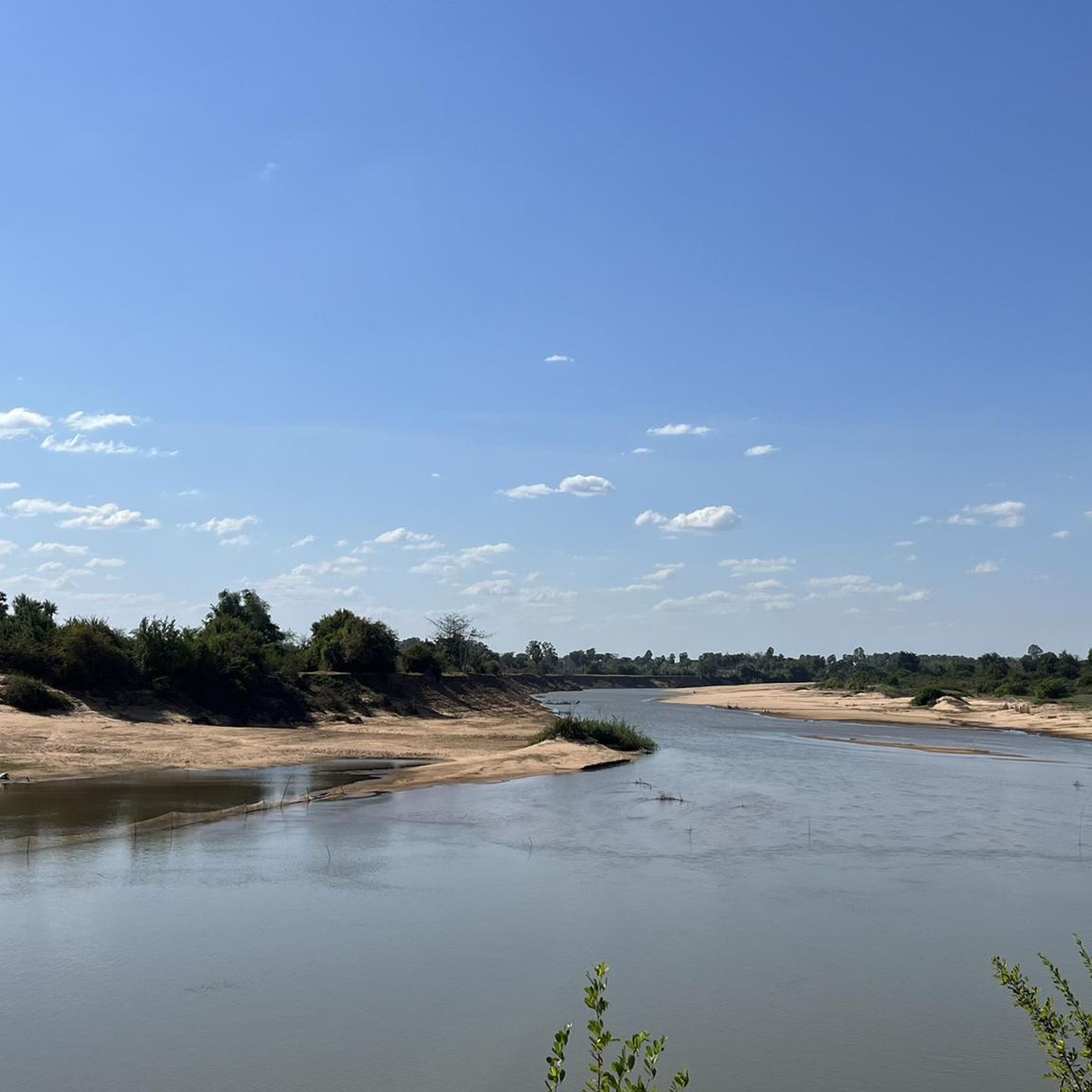
Secret Lake
Highlight • Lake
Translated by Google •
Tip by
Picnic huts at Tonle Bati
Highlight • Rest Area
angkor-travels.com/html/tonlebati.php?p_lang=de
Showing Translation
Tip by

Neak Poan Temple
Highlight • Religious Site
Translated by Google •
Tip by

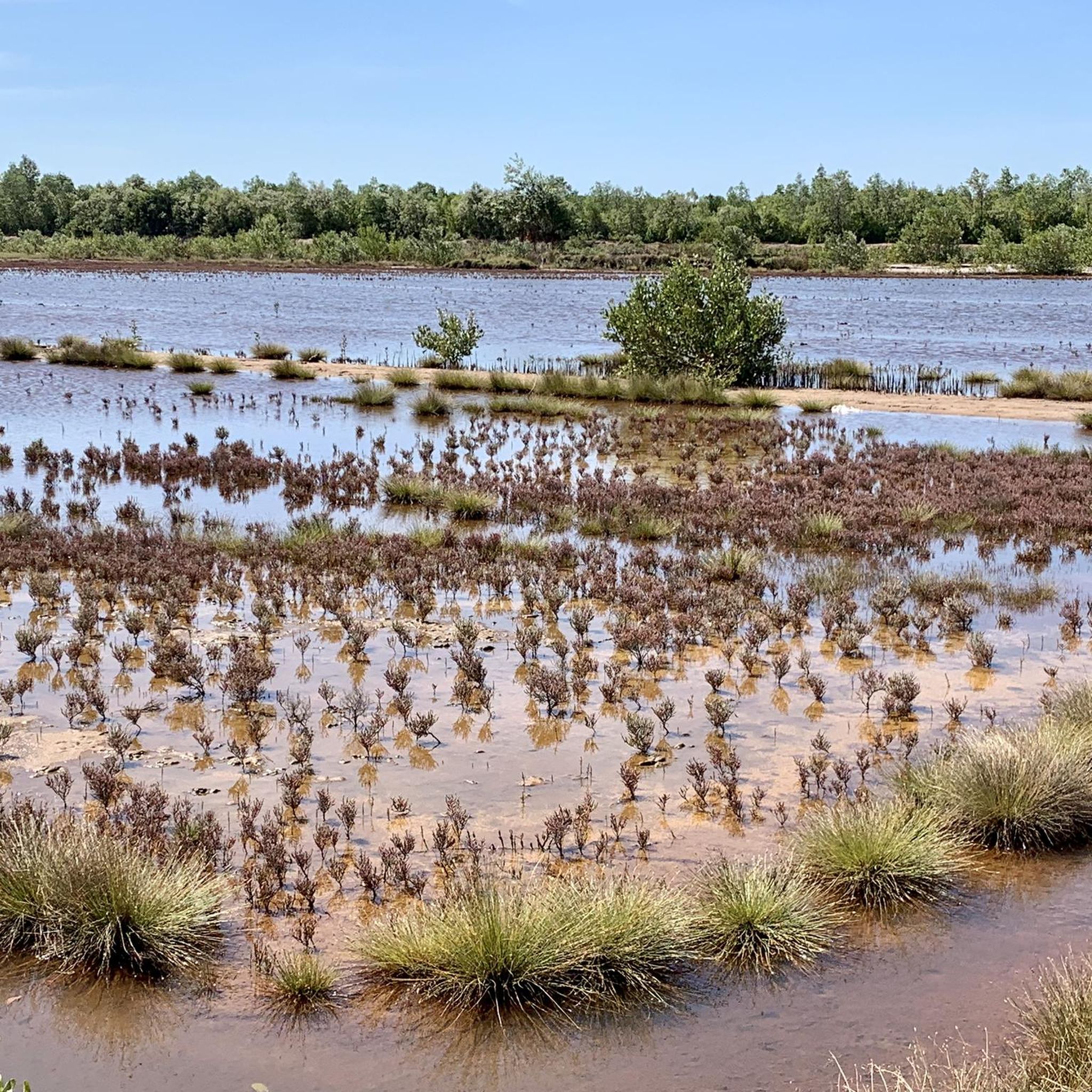
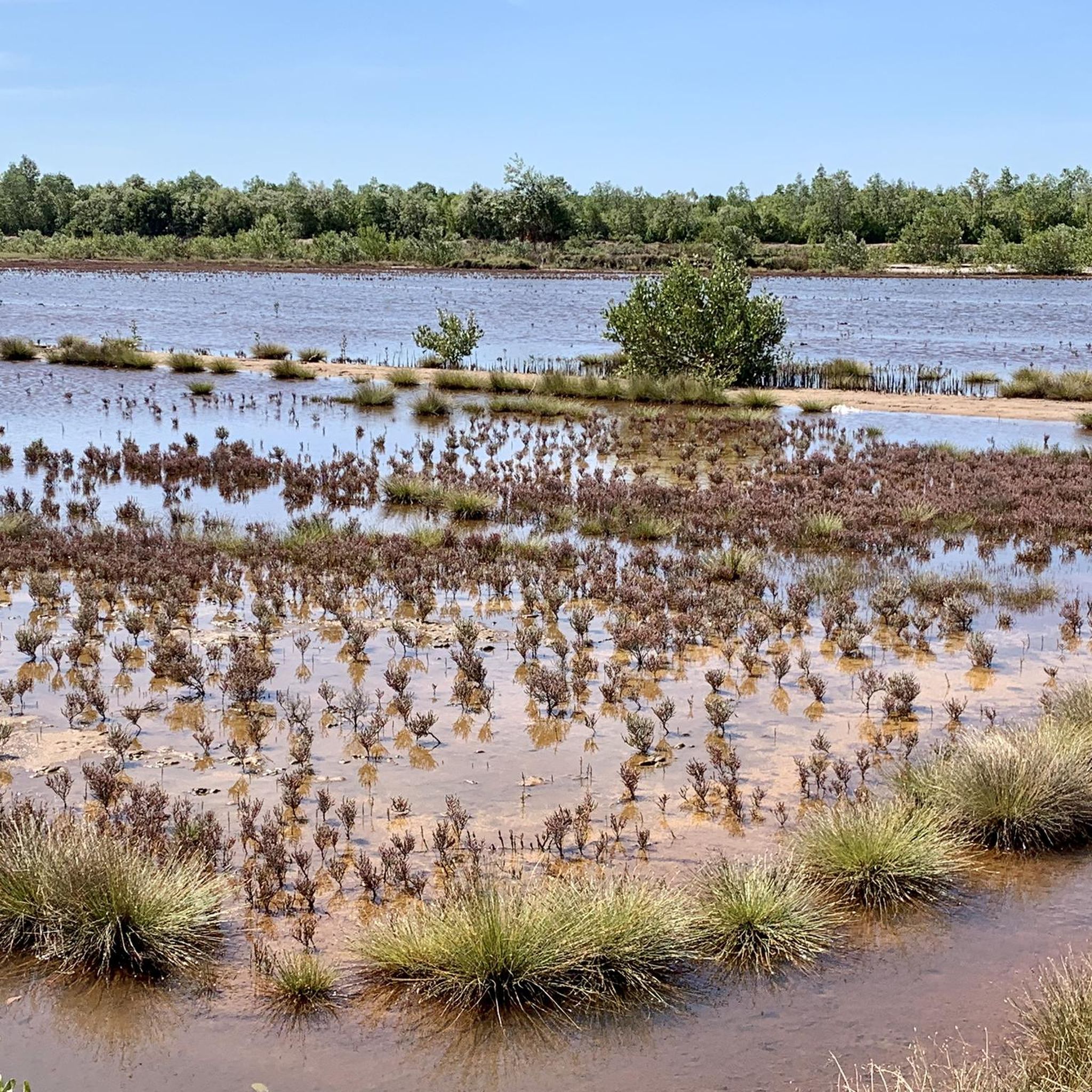
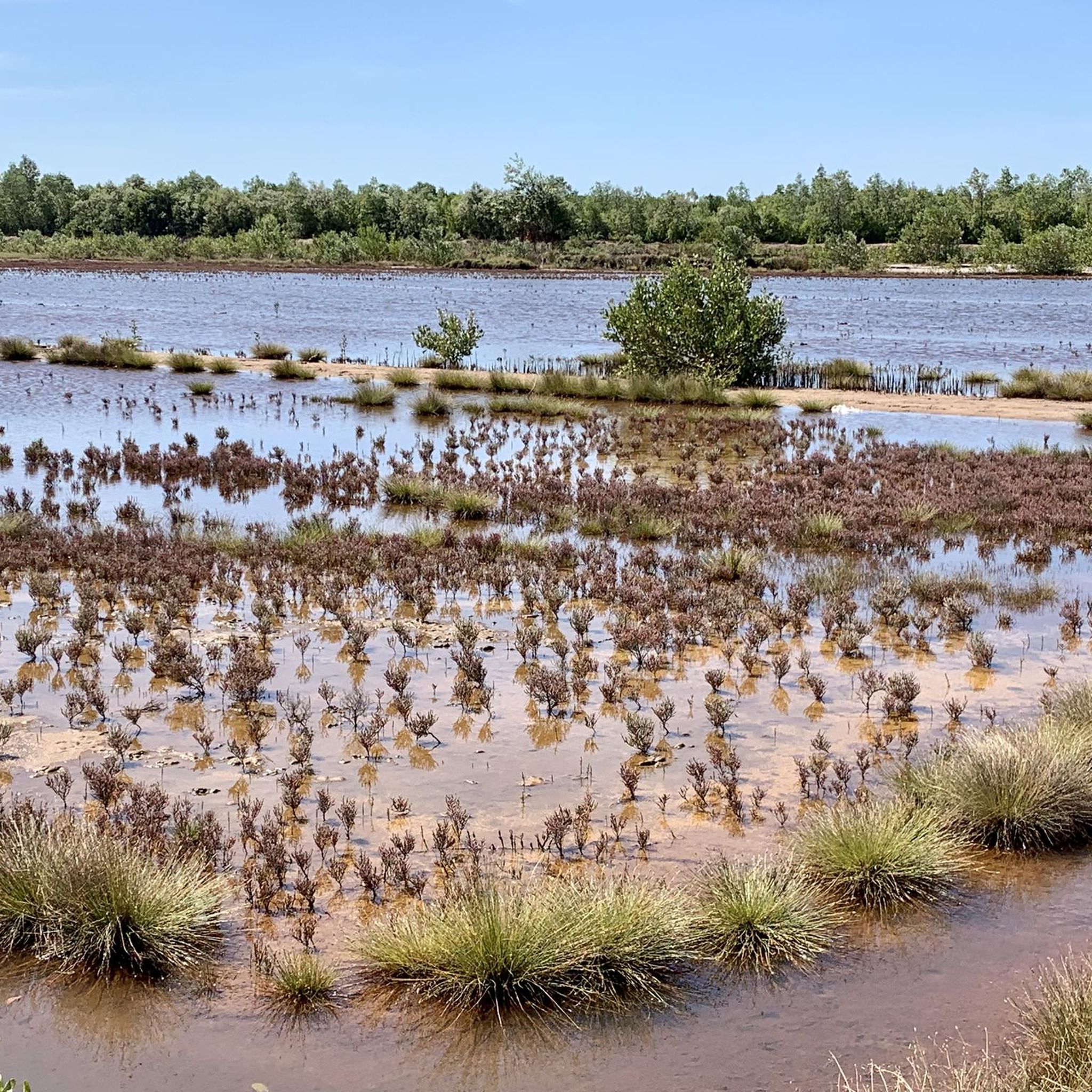
Natural Pond in Koh Rong Marine National Park
Highlight • Lake
Translated by Google •
Tip by

Watchtower Over Boeng Snao Lake
Highlight • Viewpoint
Tip by

Sign up for free to discover even more lakes in Cambodia.
Sign up for free
Already have an account?
Start today with a free account
Your next adventure awaits.
Login or Signup
Tips from the Community

The nearby lake called Tonle Bati is a popular weekend excursion destination and a fishing paradise for the local population and residents of Phnom Penh. The large picnic area on the south bank of the lake consists of bamboo huts on stilts, picturesquely built into the lake in the shallow water. They can be rented for a picnic. Or meals will be brought to you here. A popular local delicacy is frog. There are also restaurants and shops and drink stands that are open daily, but Tonle Bati is full of visitors only on weekends and public holidays. https://www.angkor-travels.com/html/tonlebati.php?p_lang=de
0
0

Swiming costume, towel, walking shoes.
0
0

The lake was created by Khmer Rouge prisoners in just six months in 1975. The mountain behind the dam consists of the resulting excavated material. During the construction, 1,200 people died of exhaustion and starvation.
1
0

Neak Pean is an artificial island in the center of the Northern Baray, a man-made reservoir. It was built at the end of the 12th century. The building materials, from bottom to top, are laterite and sandstone. The shore of the inner temple island is decorated with depictions of two naga. Immediately east of the temple tower, on a causeway, stands a sandstone sculpture of the horse Balaha. Visitors must cross a long wooden bridge over the reservoir to reach the temple, which offers a peaceful experience amidst water and nature.
2
0
Water, with its life-giving and purifying properties, is central to Khmer cosmology and all forms of Hindu religion. The moats surrounding the temples of Angkor were considered earthly models of the ocean that surrounds the world.
3
0

The Srah Srang (“Royal Bath”) is a water reservoir measuring approximately 725 × 400 meters from the Angkor period.
1
0
Magnificent temple complex in Jayataka Baray.
3
0

Neak Pean is an artificial island in the center of the Northern Baray, an artificial reservoir. The ensemble, unique in Khmer architecture, was built at the end of the 12th century under King Jayavarman VII. Neak Pean is located in the historic Angkor area not far from the city of Siem Reap (Cambodia). Source: https://de.m.wikipedia.org/wiki/Neak_Pean
1
0
Frequently Asked Questions
What are the most significant lakes to visit in Cambodia?
Cambodia is home to several remarkable lakes. The most significant include Tonlé Sap Lake, Southeast Asia's largest freshwater lake known for its unique floating villages and rich biodiversity, and Yeak Laom Lake, a stunning volcanic crater lake surrounded by lush forest. Other notable sites include the ancient Srah Srang Reservoir and Stone Sculptures and the historical Neak Pean Temple, a temple situated in the middle of a lake.
What unique cultural experiences can I find at Cambodia's lakes?
Many lakes in Cambodia offer deep cultural insights. Tonlé Sap Lake is famous for its floating and stilted villages like Kampong Khleang, where you can witness a way of life adapted to the seasonal water fluctuations. These communities feature floating markets, schools, and homes. Yeak Laom Lake holds spiritual significance for local hill tribes, who consider it sacred.
Are there family-friendly activities available at Cambodian lakes?
Yes, several lakes offer family-friendly activities. At Tonlé Sap Lake, boat tours to floating villages provide an educational and engaging experience for all ages. Yeak Laom Lake is great for swimming and walking its forest trail. The Srah Srang Reservoir and Stone Sculptures is a peaceful spot for families to enjoy the scenery, and the Pond and Large Tree in Kep National Park offers opportunities to observe wildlife like monkeys in a quiet setting.
What kind of wildlife can be spotted around Cambodian lakes?
Cambodian lakes are rich in biodiversity. Tonlé Sap Lake, a UNESCO Biosphere Reserve, supports over 300 species of freshwater fish and is a crucial habitat for over 100 varieties of water birds, including endangered species like the Greater Adjutant Stork, especially at the Prek Toal Bird Sanctuary. The lush forests surrounding Yeak Laom Lake are home to exotic birds and parrots, while the Pond and Large Tree in Kep National Park is known for its monkeys.
What historical sites are associated with lakes in Cambodia?
Cambodia's lakes are often intertwined with ancient history. The Neak Pean Temple is a 12th-century temple located on an artificial island within a former baray (reservoir). The Srah Srang Reservoir, also known as the "Royal Bath," is an ancient water reservoir from the Angkor period. West Baray Lake, near Angkor Wat, is another large artificial lake constructed by the Khmer Empire, featuring ancient temple ruins on an island.
What are the best times to visit lakes in Cambodia?
The best time to visit Cambodian lakes generally depends on the specific lake and your interests. For Tonlé Sap Lake, the rainy season (June to October) sees the lake expand dramatically, offering unique flooded forest experiences, while the dry season (November to May) is ideal for birdwatching as waters recede, especially from December to February at Prek Toal Bird Sanctuary. Generally, the dry season offers more stable weather for exploration.
Are there opportunities for swimming in Cambodian lakes?
Yes, swimming is possible in some lakes. Yeak Laom Lake is known for its clear, pure water and is a popular spot for swimming. The Natural Pond in Koh Rong Marine National Park also offers refreshing and clear waters for swimming, particularly in the dry season.
What outdoor activities can I do near lakes in Cambodia?
Beyond exploring the lakes themselves, you can find various outdoor activities nearby. For hiking, you can explore trails in areas like Kep National Park, such as the View of Kep – View of the Large Tree loop. Cycling routes are also popular, with options like the South Gate of Angkor Thom – Angkor Wat Temple loop near Siem Reap, which can offer views of nearby water bodies.
Where can I find good viewpoints of Cambodia's lakes?
Excellent viewpoints can be found across the region. For a panoramic view of Tonlé Sap Lake, consider visiting Phnom Krom, which also features a 9th-century temple. The Srah Srang Reservoir offers beautiful scenery, especially at sunset. Yeak Laom Lake provides picturesque views reflecting the sky in its clear waters, surrounded by lush forest.
Are there places to eat or relax near Cambodian lakes?
Yes, many lakes offer amenities for dining and relaxation. Tonle Bati Lake, south of Phnom Penh, is fringed by palm trees and has lakeside restaurants. Boeng Barayn Lake in Siem Reap features lively food stalls and markets. For a specific spot, Home Chamkar Coffee & Restaurant (Phteah Chamkar) is a recommended option near a lake.
What is unique about Tonlé Sap Lake's ecosystem?
Tonlé Sap Lake is a UNESCO Biosphere Reserve with a truly unique ecosystem. Its size and depth dramatically fluctuate with the seasons due to the Tonlé Sap River reversing its flow, connecting to the Mekong River. This seasonal change creates vast flooded forests during the monsoon, providing critical habitats for over 300 species of freshwater fish and numerous water birds, making it an ecological backbone for Cambodia.
Can I find hiking trails around Cambodian lakes?
Yes, there are hiking opportunities near some lakes. You can walk or hike around the 2.5-kilometer circumference trail of Yeak Laom Lake, which winds through the surrounding forest. Additionally, areas like Kep National Park, which contains the Pond and Large Tree, offer trails. For more options, explore the Hiking in Cambodia guide on komoot.
Most popular routes in Cambodia
Most popular attractions in Cambodia

Get inspired with the komoot mobile app


Explore more
Still not found your perfect lake in Cambodia? Check out the guides of these regions to see even more beautiful places.
