Top 6 Caves around Kirchenlamitz
Best caves around Kirchenlamitz are located within the Fichtel Mountains, a region known for its distinctive granite geology and significant rock formations. The area features a range of natural rock shelters and historical rock cellars, showcasing both natural geological processes and local building traditions. These sites offer insights into the region's geological history and agricultural past.
Best caves around Kirchenlamitz
- The most popular caves is Nusshardt Summit and Rock Formations, a summit and natural monument featuring a cover cave.…
Last updated: June 28, 2026
Nusshardt Summit and Rock Formations
Highlight • Summit
Translated by Google •
Tip by

Rock cellars at Kellerhügel Großwendern
Highlight • Cave
Translated by Google •
Tip by
Sign up now to discover places like this
Get recommendations on the best single tracks, peaks, & plenty of other exciting outdoor places.
Sign up for free
Felsenkeller Meierhof
Highlight • Cave
Translated by Google •
Tip by
Start today with a free account
Your next adventure awaits.
Login or Signup
Popular around Kirchenlamitz
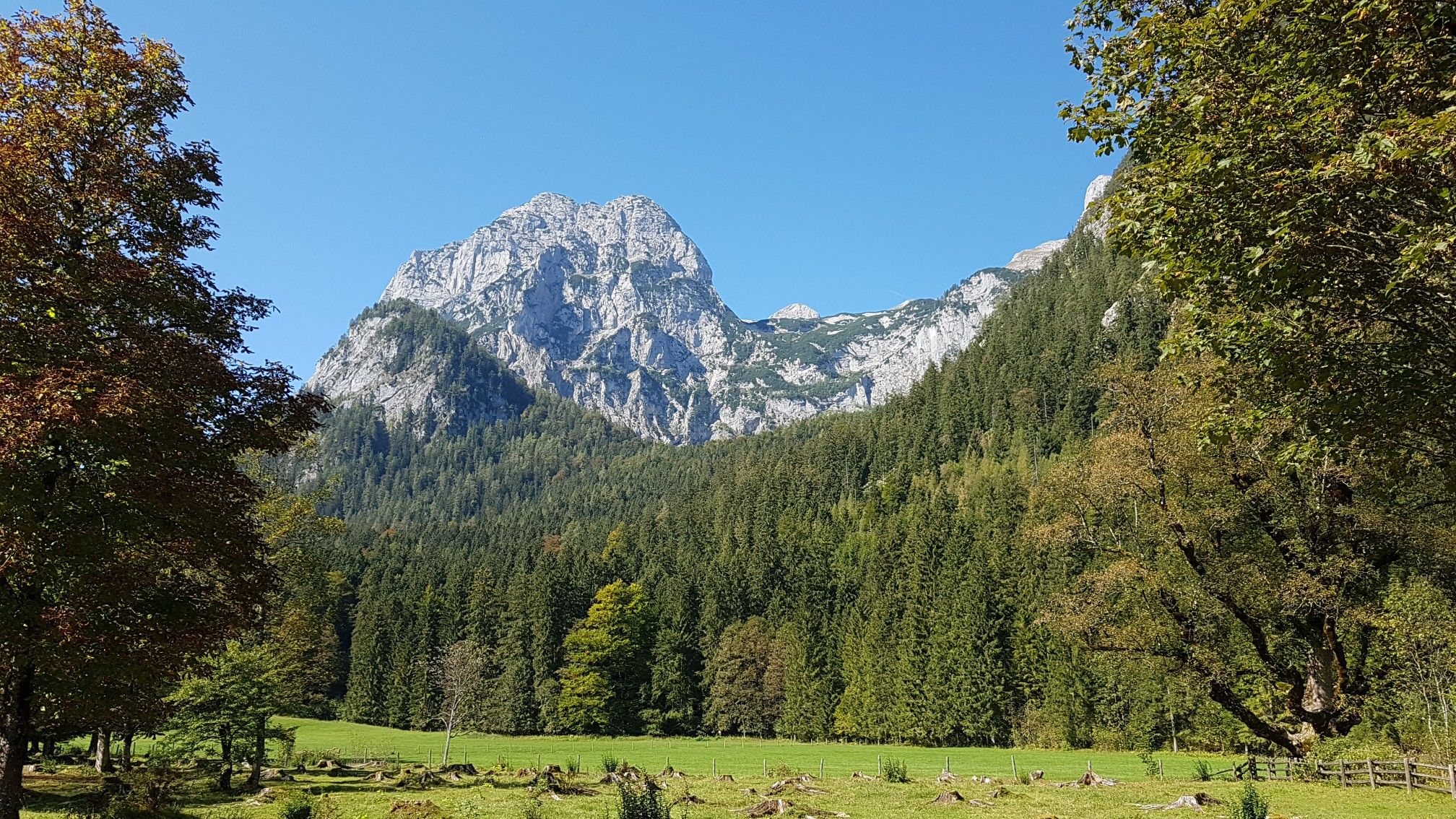
The National Natural Landscapes in Bavaria
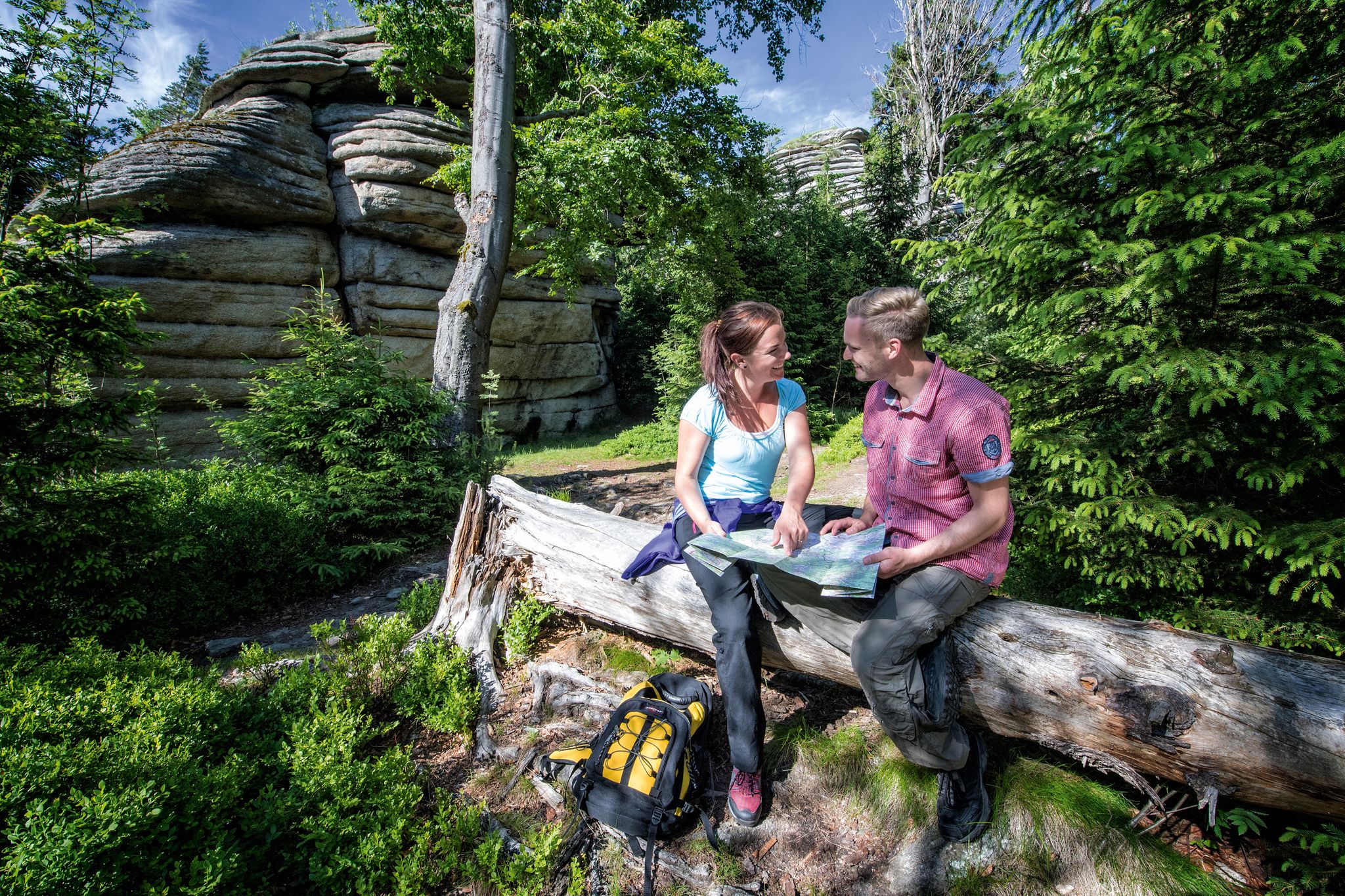
The Franconian Mountain Trail – 21 Stages of Magical Summit Bliss
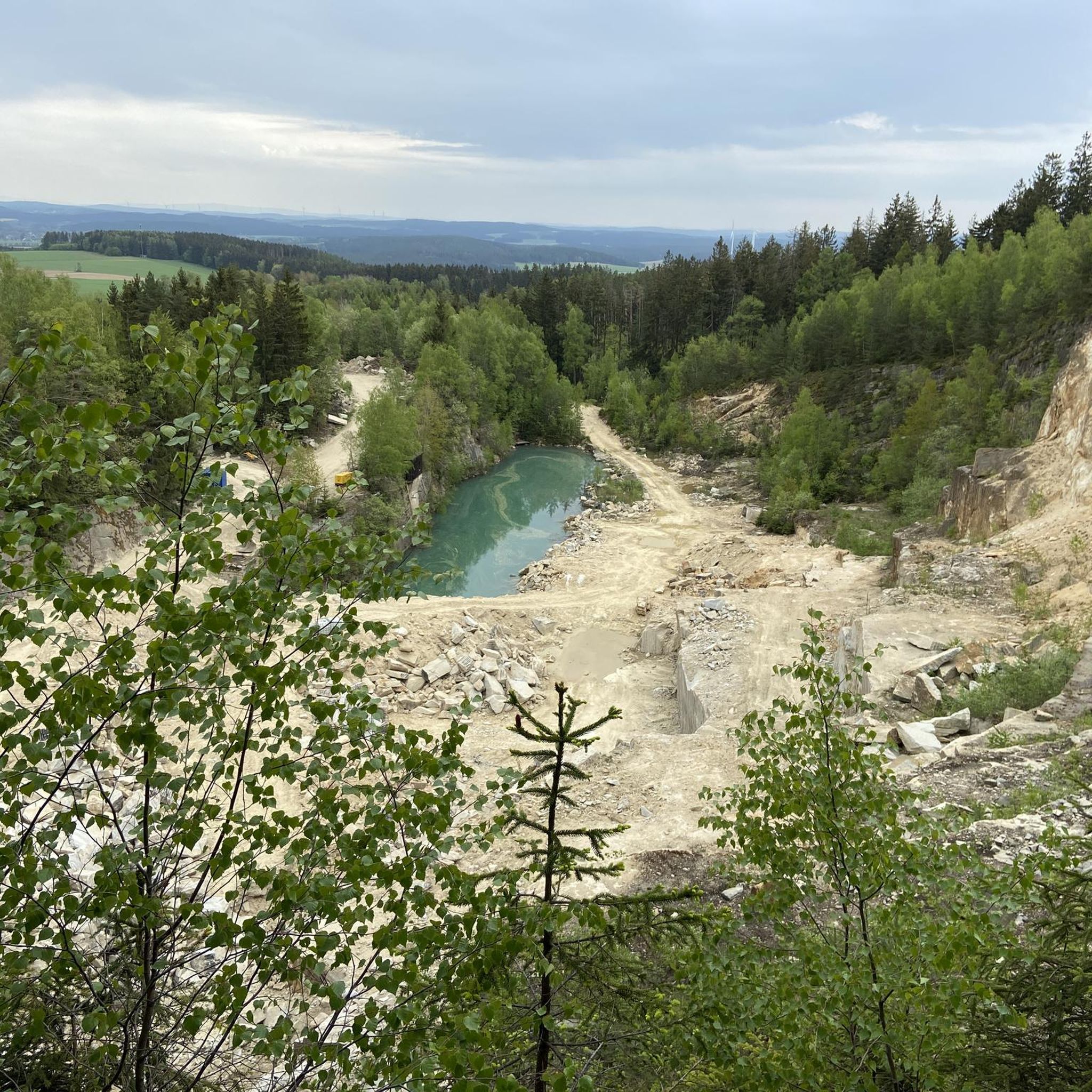
Hiking around Kirchenlamitz
Cycling around Kirchenlamitz
MTB Trails around Kirchenlamitz
Road Cycling Routes around Kirchenlamitz
Running Trails around Kirchenlamitz

Gravel biking around Kirchenlamitz
Mountain Hikes around Kirchenlamitz


Tips from the Community

Earth and rock cellars were built in the Fichtel Mountains to store potatoes, turnips, beer and meat. The cellars are important ecological structural elements of nature conservation, but also symbols of building tradition and stonemasonry. In addition, as artificially created caves, they bear witness to the geological conditions in the rocky landscape of the Fichtelgebirge.
3
0
The Nußhardt Stube is a cover cave. It is formed from the huge boulders of the Blockmeer on the summit. The entrance to the interior of the Nußhardt Stube is easy to miss. There are only two places where you can squeeze your way inside between the granite blocks.
28
0
The Cellar Hill and a Cellar Hollow contain several 19th-century rock cellars. The earth and rock cellars are important ecological structural elements of nature conservation, but also symbols of local building tradition and stonemasonry. In addition, as artificially created caves, they bear witness to the geological conditions in the rocky landscape of the Fichtelgebirge. Rock cellars were of great importance for storing food, such as potatoes. They are mostly abandoned, partly dilapidated monuments of the agricultural landscape. Barely used cellars are well-known habitats for animals (winter quarters of bats) and small biotopes in near-natural surroundings.
5
0
On the summit of the Nußhardt, gneiss and granite rocks lie side by side. Individual mighty rock walls and towers stand in wild beauty. The view is gorgeous.
16
2

For me the most beautiful vantage point! Below is a table with benches - perfect for a break!
18
2

Very nice rest area with information board.
22
3
A great summit with a great view.
19
2

One of the most beautiful places in the Fichtelgebirge!
18
2
Frequently Asked Questions
What kind of "caves" can I expect to find around Kirchenlamitz?
The Kirchenlamitz area, within the Fichtel Mountains, features a unique blend of natural rock shelters and historical rock cellars. You'll find formations like cover caves created by massive granite boulders, as well as 19th-century man-made earth and rock cellars used for food storage.
Are there any natural rock formations or grottoes to explore?
Yes, the region offers several natural rock formations. The Nußhardt Stube is a notable cover cave formed by granite boulders on the Nußhardt summit. Other natural formations include the Girgel Cave near Prinzenfelsen and the Diana Grotto, which provides a natural shelter.
What are the historical rock cellars (Felsenkeller) around Kirchenlamitz?
The Felsenkeller are historical earth and rock cellars, particularly common in the Fichtelgebirge. Sites like the Rock cellars at Kellerhügel Großwendern and Felsenkeller Meierhof are examples of these 19th-century constructions, originally used for storing food. Today, they are recognized as important ecological habitats, especially as winter quarters for bats.
What wildlife can be found in the rock cellars?
The abandoned rock cellars, such as those at Kellerhügel Großwendern and Meierhof, serve as vital small biotopes. They are well-known as winter quarters for bats, making them important for local wildlife conservation.
Is there anything else unique to explore related to granite in the region?
Beyond natural rock formations and cellars, you can visit the Granitlabyrinth Epprechtstein in Kirchenlamitz. While not a cave, this labyrinth is built from 180 imposing granite blocks, offering a 400-meter-long path for exploration and reflection, showcasing the region's characteristic stone.
Are there hiking trails near these caves and rock formations?
Yes, the Fichtel Mountains offer numerous hiking opportunities. You can find trails that lead to or pass by these formations. For more detailed routes, explore the MTB Trails around Kirchenlamitz guide, which also includes hiking-friendly paths.
What other outdoor activities can I do near the caves around Kirchenlamitz?
The area around Kirchenlamitz is excellent for various outdoor activities. Besides hiking, you can enjoy road cycling with routes like those found in the Road Cycling Routes around Kirchenlamitz guide, or mountain biking, as detailed in the MTB Trails around Kirchenlamitz guide. There are also general cycling routes available in the Cycling around Kirchenlamitz guide.
Are the caves and rock formations suitable for families?
Many of the rock formations and cellars are accessible and can be interesting for families, especially those that are part of hiking trails. The Granitlabyrinth Epprechtstein is specifically designed for exploration by all ages. Always check the specific trail difficulty for each location.
Can I bring my dog to the caves or on nearby trails?
The Fichtelgebirge region generally welcomes dogs on its hiking trails. For specific cave or rock formation sites, it's advisable to check local signage. The natural rock shelters are typically open, but historical cellars might have restrictions, especially during bat hibernation periods.
What is the best time of year to visit the caves and rock formations?
The Fichtel Mountains are beautiful year-round. Spring and autumn offer pleasant temperatures for hiking and exploring the outdoor rock formations. Summer is also great, but can be busier. Winter can be magical, but some paths might be icy, and access to certain cellars might be restricted to protect hibernating bats.
How long does it take to explore these sites?
The time needed varies. Exploring a single rock formation like the Nußhardt Stube might take a short while, but if combined with a hike, it could be several hours. The Granitlabyrinth Epprechtstein can take 30 minutes to an hour. The historical rock cellars are often part of a larger walk through a village or natural area.
Are there any specific safety considerations when exploring the rock formations?
When exploring natural rock formations like the Nußhardt Stube, be aware that you might need to squeeze between granite blocks. Paths can be uneven, and rocks may be slippery, especially after rain. Always wear appropriate footwear and be mindful of your surroundings.
Most popular routes around Kirchenlamitz
Most popular attractions around Kirchenlamitz

Get inspired with the komoot mobile app


Explore more
Extend your search for the best caves by checking out these guides of the top ones around Kirchenlamitz:
