Top 6 Caves in Kayseri
Best caves in Kayseri are primarily carved into the region's soft volcanic tuff, showcasing ancient civilizations. These subterranean structures served as refuges, dwellings, and religious sites, demonstrating remarkable historical and architectural ingenuity. The area's geological uniqueness, shaped by Mount Erciyes, contributes to the distinctive formations found here.
Best caves in Kayseri
- The most popular caves is Yılanlı Kilise (Church of St. George), a religious building with frescoes over 1,000 years old. This barrel-vaulted church features two arcosolium tombs hewn…
Last updated: May 1, 2026
Dome Church (Kuppelkirche)
Highlight • Religious Site
Now in danger of collapse after the earthquake and must not be entered.
Translated by Google •
Tip by

Yılanlı Kilise (Church of St. George)
Highlight • Religious Site
Translated by Google •
Tip by
Sign up now to discover places like this
Get recommendations on the best single tracks, peaks, & plenty of other exciting outdoor places.
Sign up for free
Abandoned Village of Soganli
Highlight • Settlement
Translated by Google •
Tip by
Soğanlı Valley Rock-Cut Churches
Highlight • Religious Site
Translated by Google •
Tip by

Hidden Church, Soğanlı
Highlight • Religious Site
Translated by Google •
Tip by

Soğanlı Valley
Highlight • Gorge
Translated by Google •
Tip by
Start today with a free account
Your next adventure awaits.
Login or Signup
Other adventures in Kayseri

Tips from the Community

Soganli is divided into lower and upper Soganli. A large part of the upper part is deserted.
1
0
The Hidden Church stands somewhat inconspicuously next to the Dome Church. It is a two-story church carved into a conical rock next to the Kubbeli Kilise.
1
0
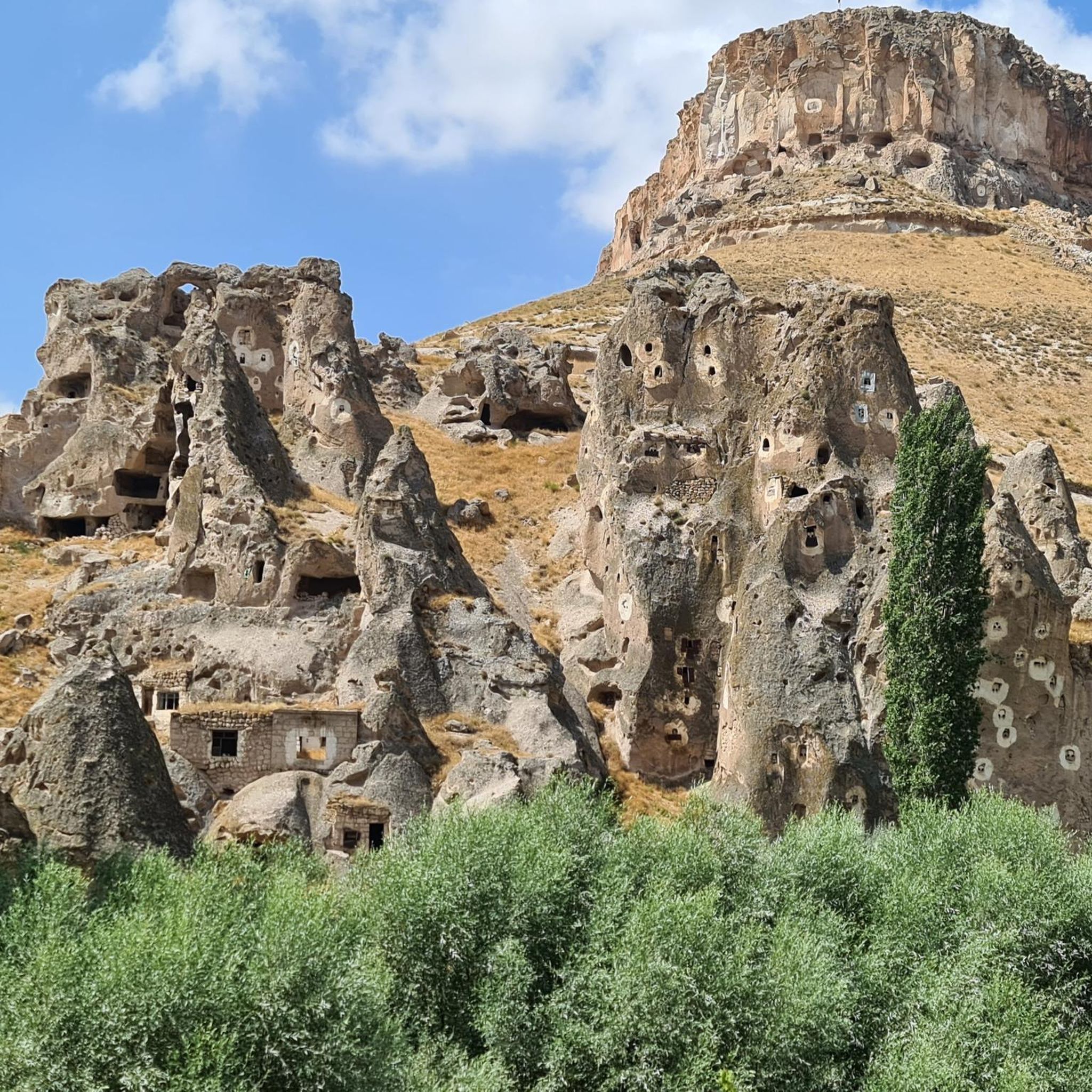
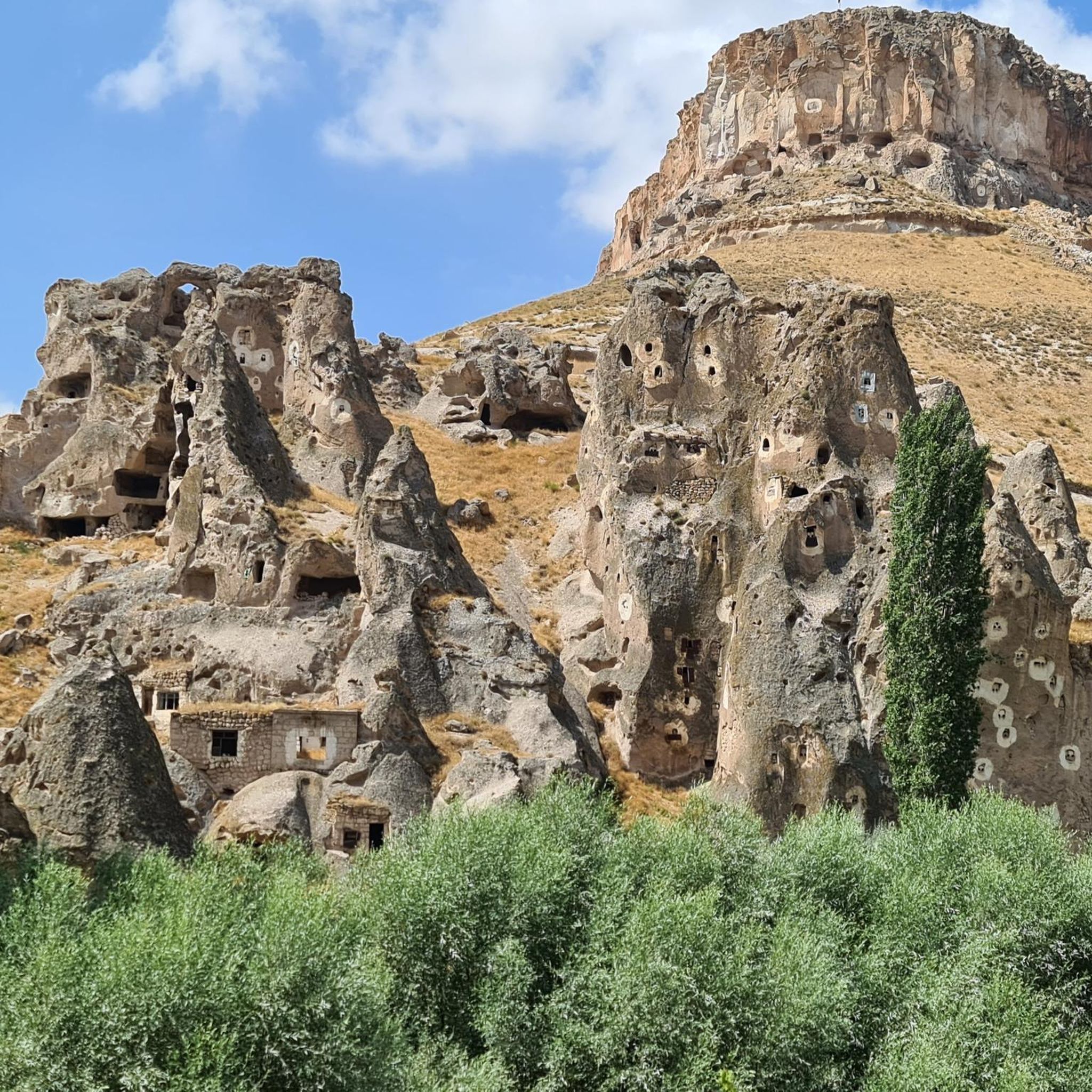
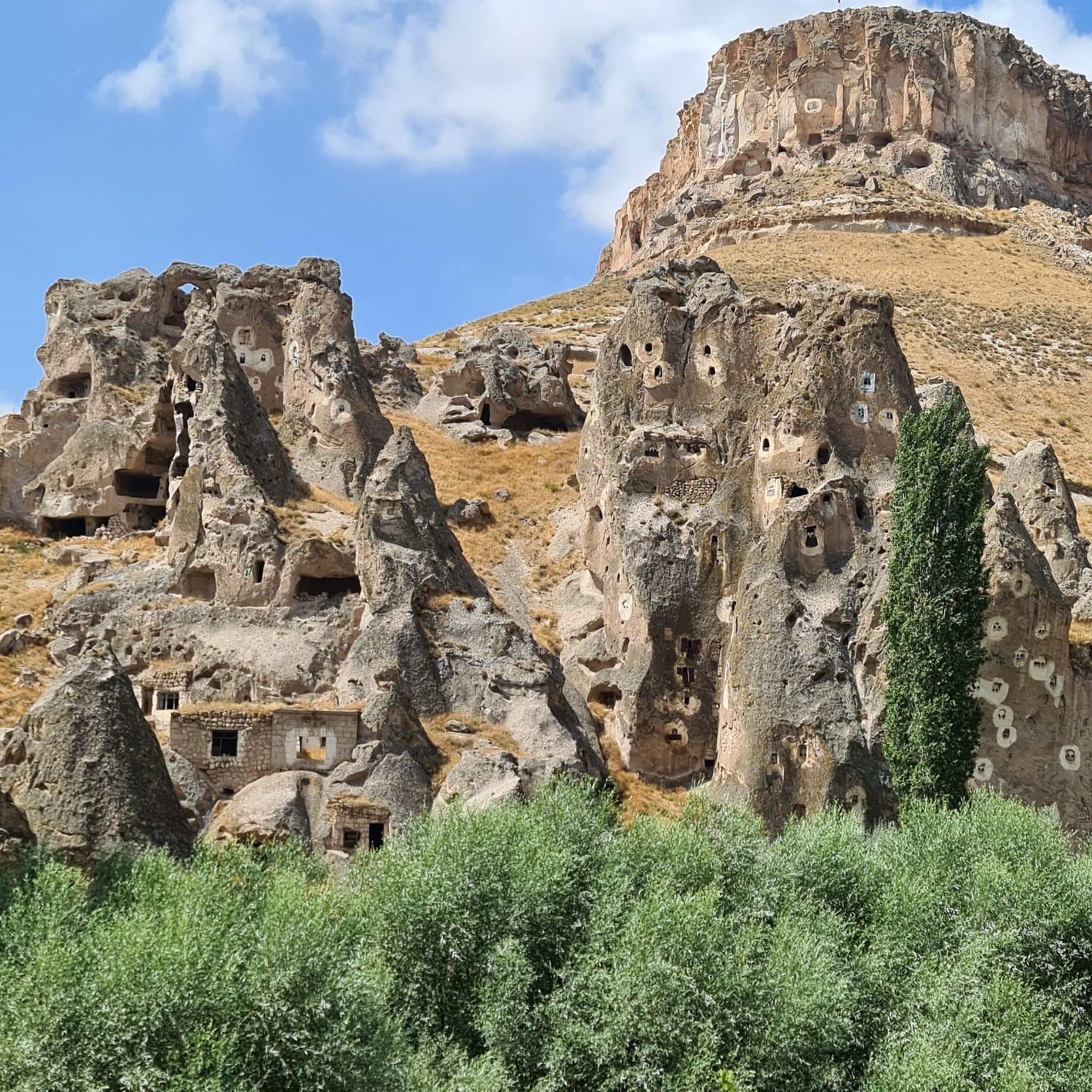
On the left side of the valley lies the Kubbeli Kilise (Dome Church) with its adjoining rooms, dating from the 10th century and carved into a single rock cone. The cone is decorated on the outside with imitation ashlar and a dentil cornice, presumably intended to give the impression of a freestanding church.
1
0
In the northern valley lies the barrel-vaulted Yılanlı Kilise (Snake Church). In an adjacent building are two arcosolium tombs hewn into the rock. Their frescoes were painted over in black and are unfortunately badly damaged.
1
0
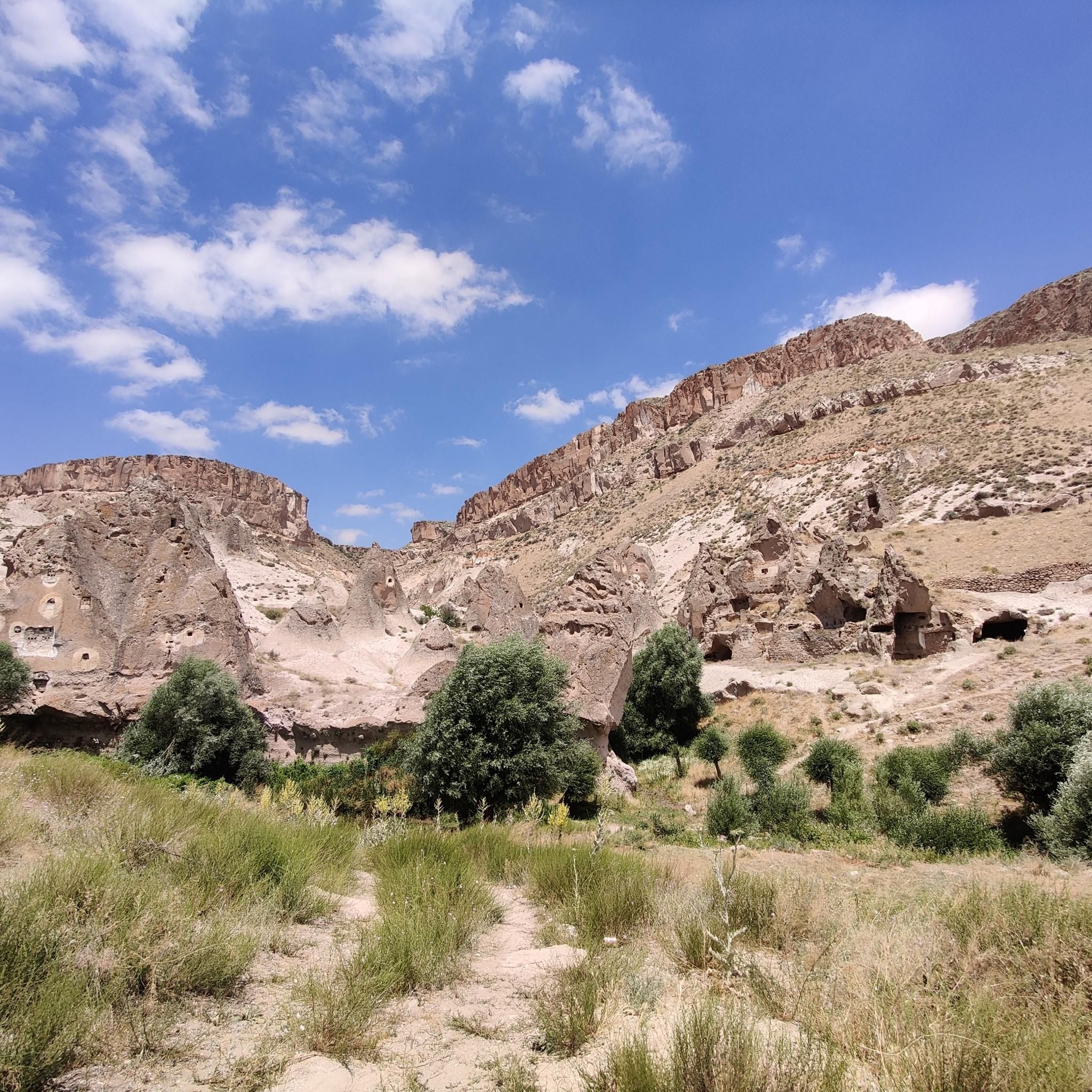
The Onion Valley is dominated by an impressive reddish table mountain, from whose flanks erosion over centuries has exposed numerous tuff cones. Within the valley, numerous rock churches and cave dwellings are carved into the soft tuff of the Cappadocian landscape.
1
0
The Soğanlı Valley is located in Yeşilhisar County, Kayseri Province, Turkey, in the southeast of the Cappadocia Region. In the valley, numerous rock churches and cave buildings are carved into the soft tuff rock of the Cappadocian landscape. Source: Wikipedia
1
0

A great valley with many of Christianity's first churches carved into the rock. Frescoes, some of which have been preserved in their original form, can be viewed.
1
0

Old cave churches and dwellings everywhere. Definitely hike through the valley with a good guide. It's worth it.
0
0
Frequently Asked Questions
What makes the caves and underground cities in Kayseri historically significant?
The caves and underground cities in Kayseri are historically significant as they were primarily carved by early Christian communities seeking refuge from persecution and later from invasions. These sites offer a profound connection to ancient history, showcasing remarkable architectural ingenuity with labyrinthine tunnels, multiple rooms, sophisticated ventilation systems, and defensive features like massive stone doors.
What kind of geological features can I expect to see in Kayseri's caves?
Kayseri's caves and underground structures are predominantly carved into the region's distinctive soft volcanic tuff. This unique geological formation is a testament to the area's history, shaped by the nearby Mount Erciyes volcano, providing the perfect medium for these ancient subterranean constructions.
Are there any family-friendly caves or underground cities to visit in Kayseri?
While specific 'family-friendly' categories aren't always assigned, many of Kayseri's underground cities and cave dwellings, such as the Abandoned Village of Soganli, offer an engaging historical experience for families. Exploring the unique architecture and learning about ancient life can be fascinating for all ages. Always check local conditions and accessibility for younger children.
What are some of the lesser-known or unique underground structures in the Kayseri region?
Beyond the more popular sites, Kayseri is home to several unique underground structures. The Belağası Underground City, for instance, stands out for its expansive horizontal layout and 52 chambers. Another notable site is the Harman Yeri Underground City, originally a deep rock-cut cistern that was later converted into an architecturally distinct underground city in the Talas District.
What outdoor activities can I do near the caves in Kayseri?
The region around Kayseri's caves offers various outdoor activities. You can find numerous routes for hiking, including trails near the Dome Church (Kuppelkirche) and the Abandoned Village of Soganli. There are also extensive options for cycling and running, with routes ranging from easy to difficult across the Kayseri province.
Are there any specific cave churches with well-preserved frescoes in Kayseri?
Yes, several cave churches in the Kayseri region are known for their ancient frescoes. The Yılanlı Kilise (Church of St. George) features frescoes over 1,000 years old. Additionally, the Dome Church (Kuppelkirche), carved into a single rock cone, still has some visible frescoes from its early cathedral ruins.
What is the best time of year to visit the caves in Kayseri?
While the caves can be visited year-round, spring (April-May) and autumn (September-October) generally offer the most pleasant weather for exploring the outdoor surroundings and accessing the sites. Summers can be hot, and winters can bring cold temperatures, though the underground environments maintain a more stable temperature.
What should I wear when visiting the caves and underground cities?
When visiting the caves and underground cities, it's advisable to wear comfortable walking shoes with good grip, as paths can be uneven or slippery. Layers of clothing are also recommended, as temperatures inside the caves can be cooler than outside, even in warmer months.
Are there any underground cities near Kayseri that are particularly extensive or well-known?
Yes, while geographically in Nevşehir Province, extensive underground cities like Kaymaklı are often included in tours departing from Kayseri due to their proximity. Kaymaklı Underground City is an impressive site, comprising eight stories deep of interconnected rooms, complete with sophisticated ventilation, kitchens, and sleeping quarters, designed as a safe haven during invasions.
Can I find any cave dwellings or settlements that resemble the famous Göreme region near Kayseri?
Yes, the Keşlik Area Cave Dwellings and Underground Tunnels in Yeşilhisar, considered a gateway to Cappadocia, bear a strong resemblance to the famous Göreme region. These ancient settlements feature chambers, narrow corridors, multiple rooms, and visible ventilation shafts, believed to have been used by early Christians for shelter.
What kind of architectural ingenuity can be observed in Kayseri's underground structures?
The architectural ingenuity in Kayseri's underground structures is remarkable. Visitors can observe intricate designs with labyrinthine tunnels, multiple rooms for various purposes, sophisticated ventilation systems to ensure air circulation, and defensive features such as massive millstone doors designed to seal off sections during invasions. These elements highlight the advanced engineering capabilities of ancient builders.
Most popular attractions in Kayseri

Get inspired with the komoot mobile app


Explore more
Extend your search for the best caves by checking out these guides of the top ones in Kayseri:
