Top 4 Huts and Cabins in Chieti
Huts in Chieti, a province within Italy's Abruzzo region, provide access to the wild peaks and valleys of the Majella National Park. The area features a diverse landscape, from high mountain terrain to coastal views. These structures serve as bases for exploring the Apennine mountains and offer a connection to local mountain traditions. Chieti's huts are situated in a region known for its natural features and opportunities for outdoor activities.
Best huts in Chieti
- The most popular huts is Carlo…
Last updated: October 2, 2026
Bruno Pomilio Mountain Hut
Highlight • Mountain Hut
Translated by Google •
Tip by

Pischioli Refuge
Highlight • Mountain Hut
Translated by Google •
Tip by

Sign up now to discover places like this
Get recommendations on the best single tracks, peaks, & plenty of other exciting outdoor places.
Carlo Fusco Shelter
Highlight • Mountain Hut
Translated by Google •
Tip by

Camping Ripari di Giobbe Beach
Highlight • Beach
Translated by Google •
Tip by

Rifugio d'Ugni (Rifugio Martellese)
Highlight • Mountain Hut
Translated by Google •
Tip by

Start today with a free account
Your next adventure awaits.
Popular around Chieti
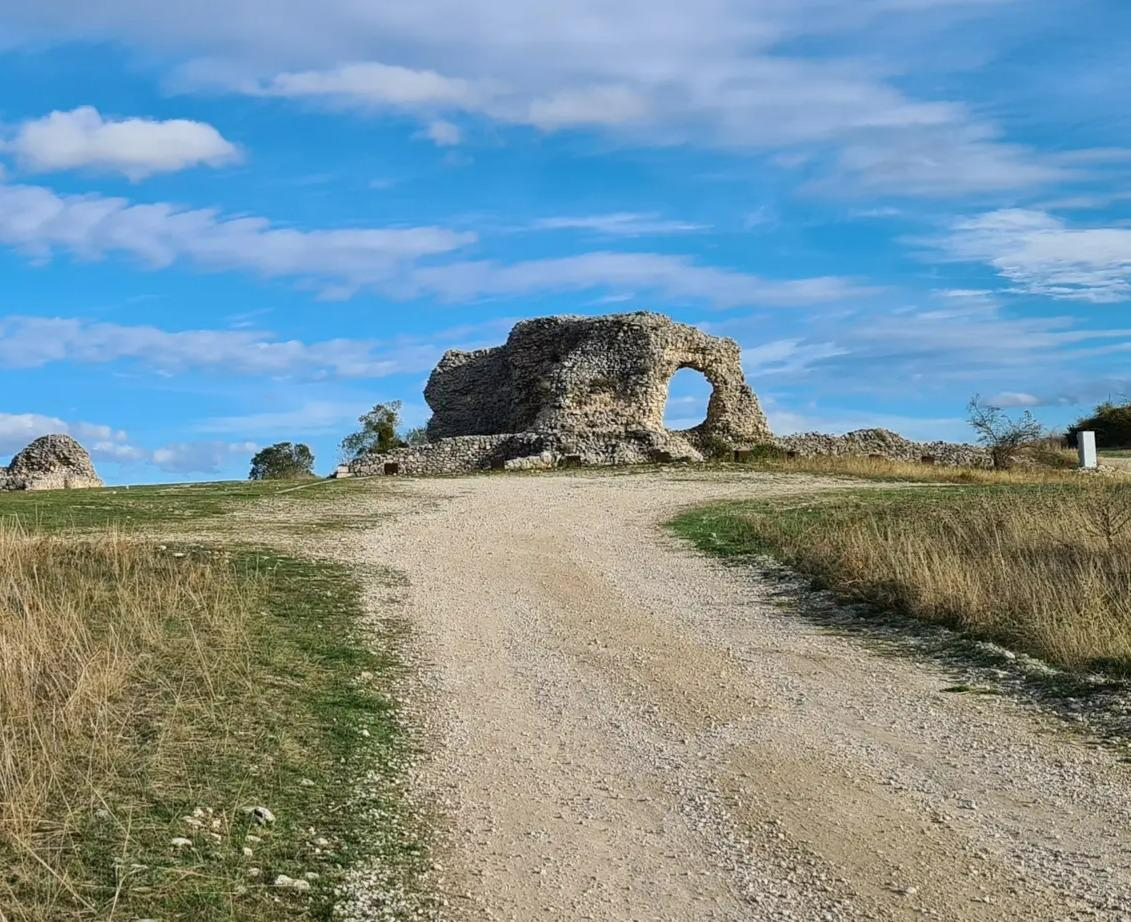
Tratturo Magno – On the roads of transhumance
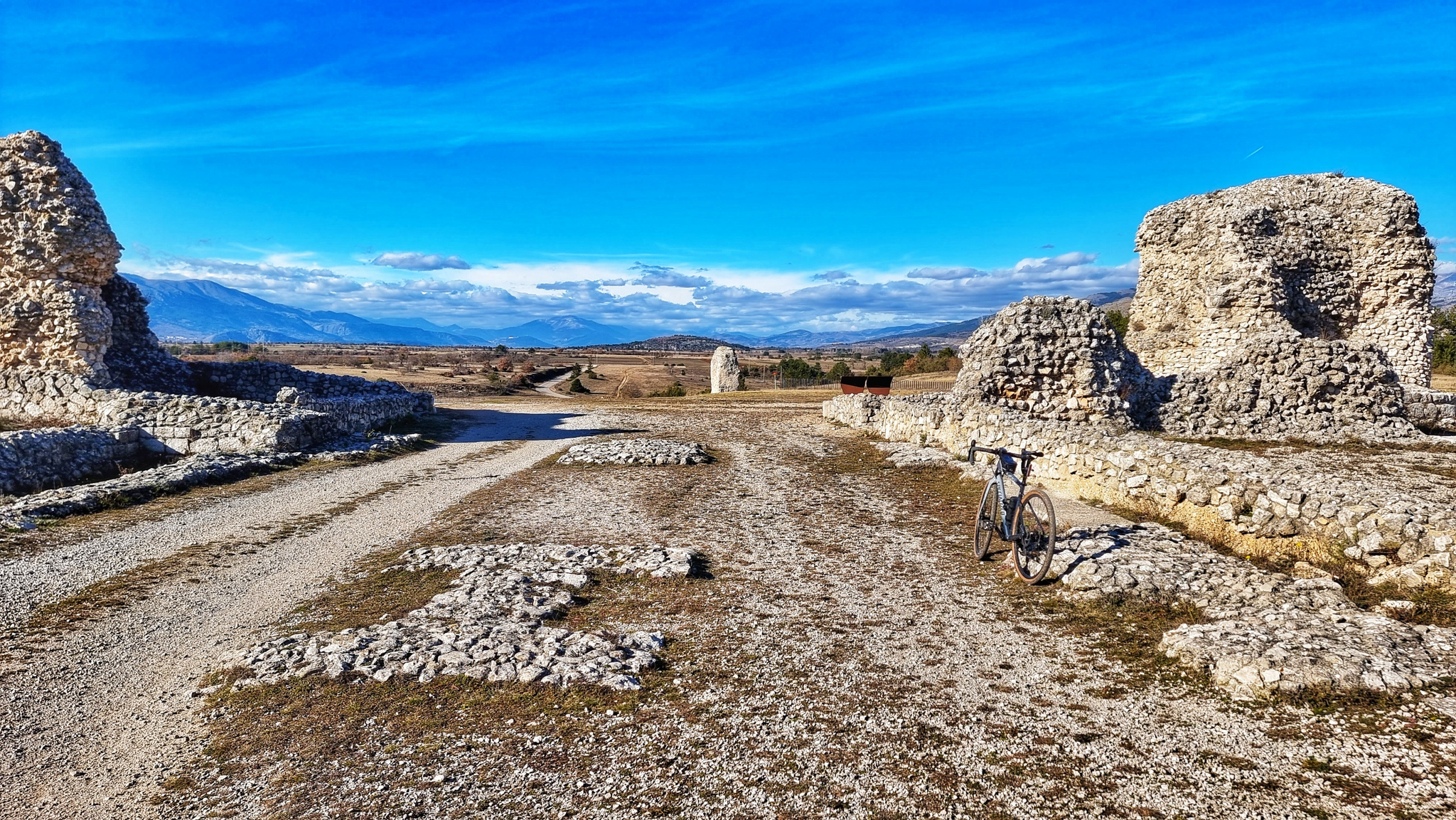
The Tratturo Magno – From the Apennines to the TavoIiere, 300 kilometers
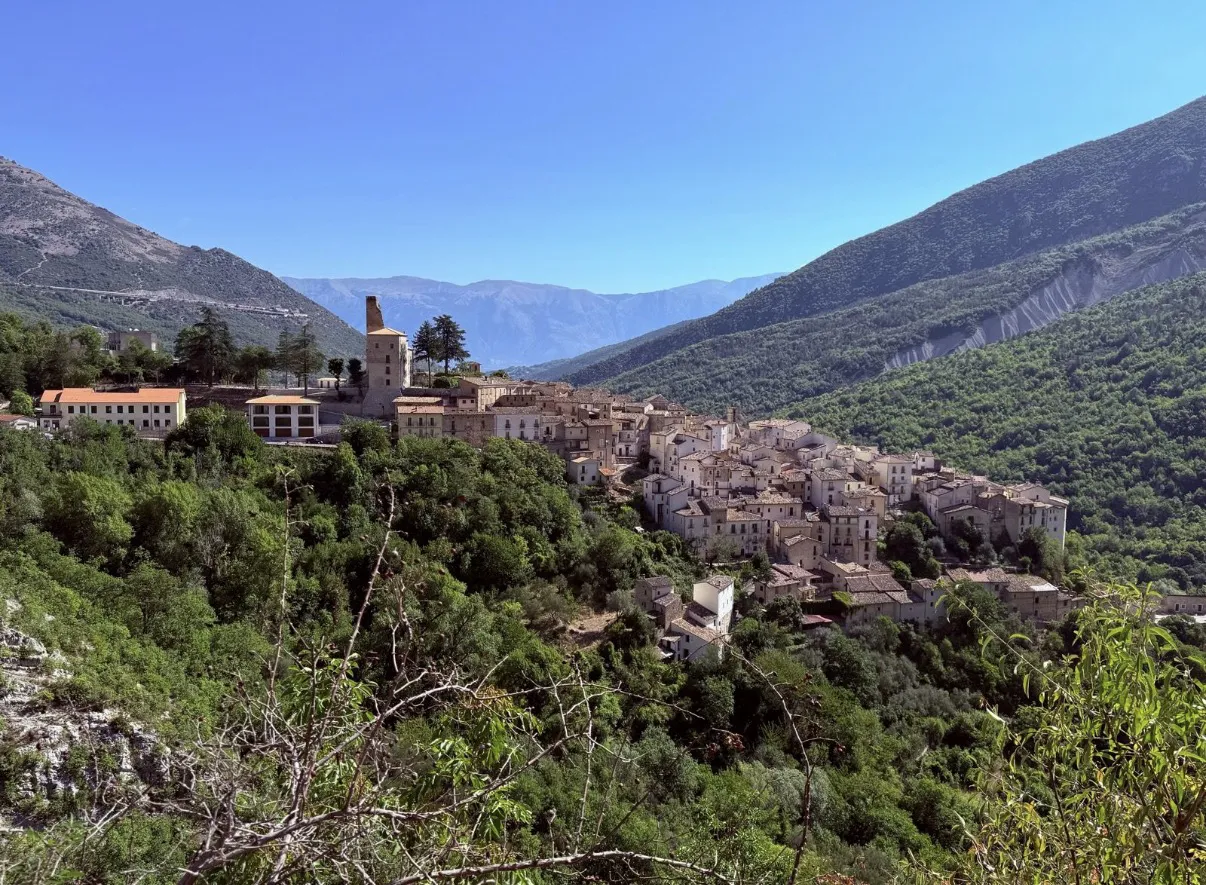
Cycling in Abruzzo – among villages, history and nature
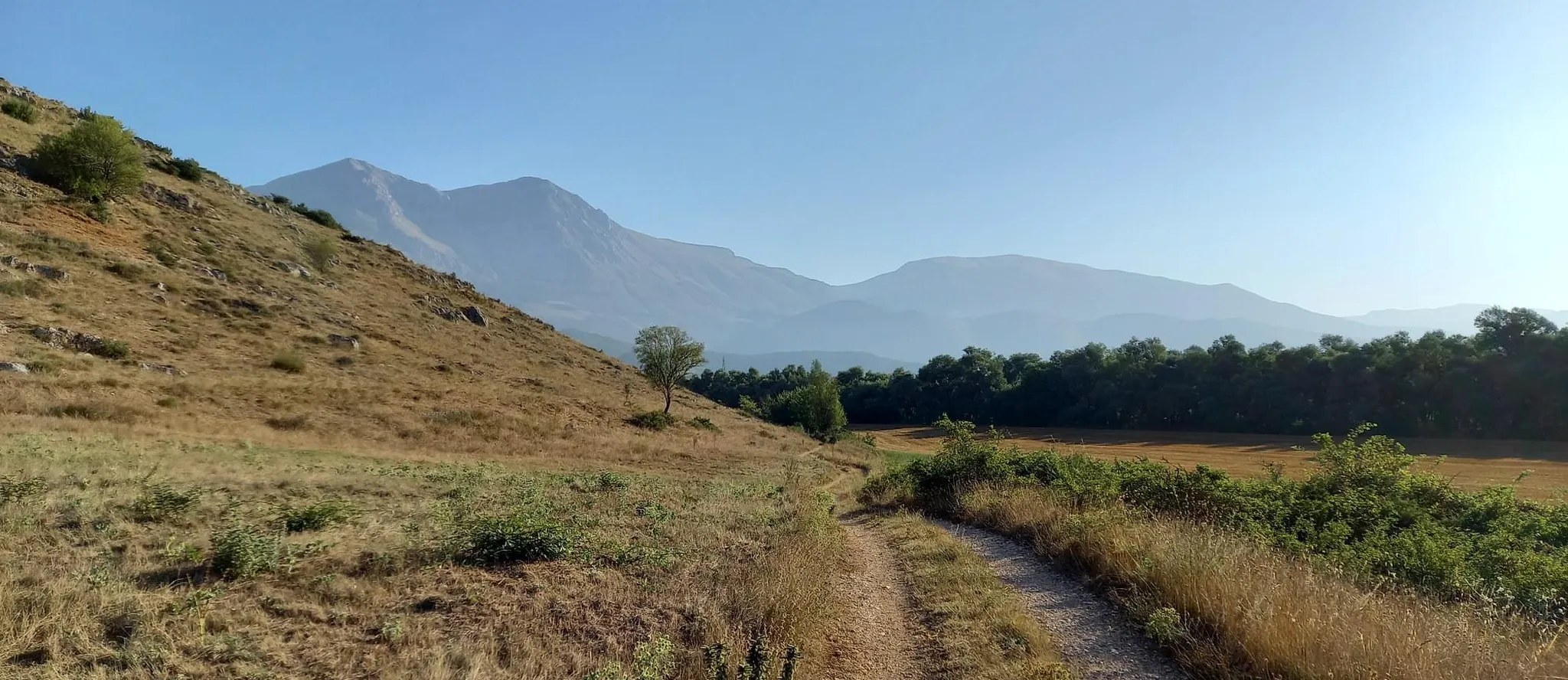
Hike from Rome to the Adriatic Sea – Way of St. Thomas
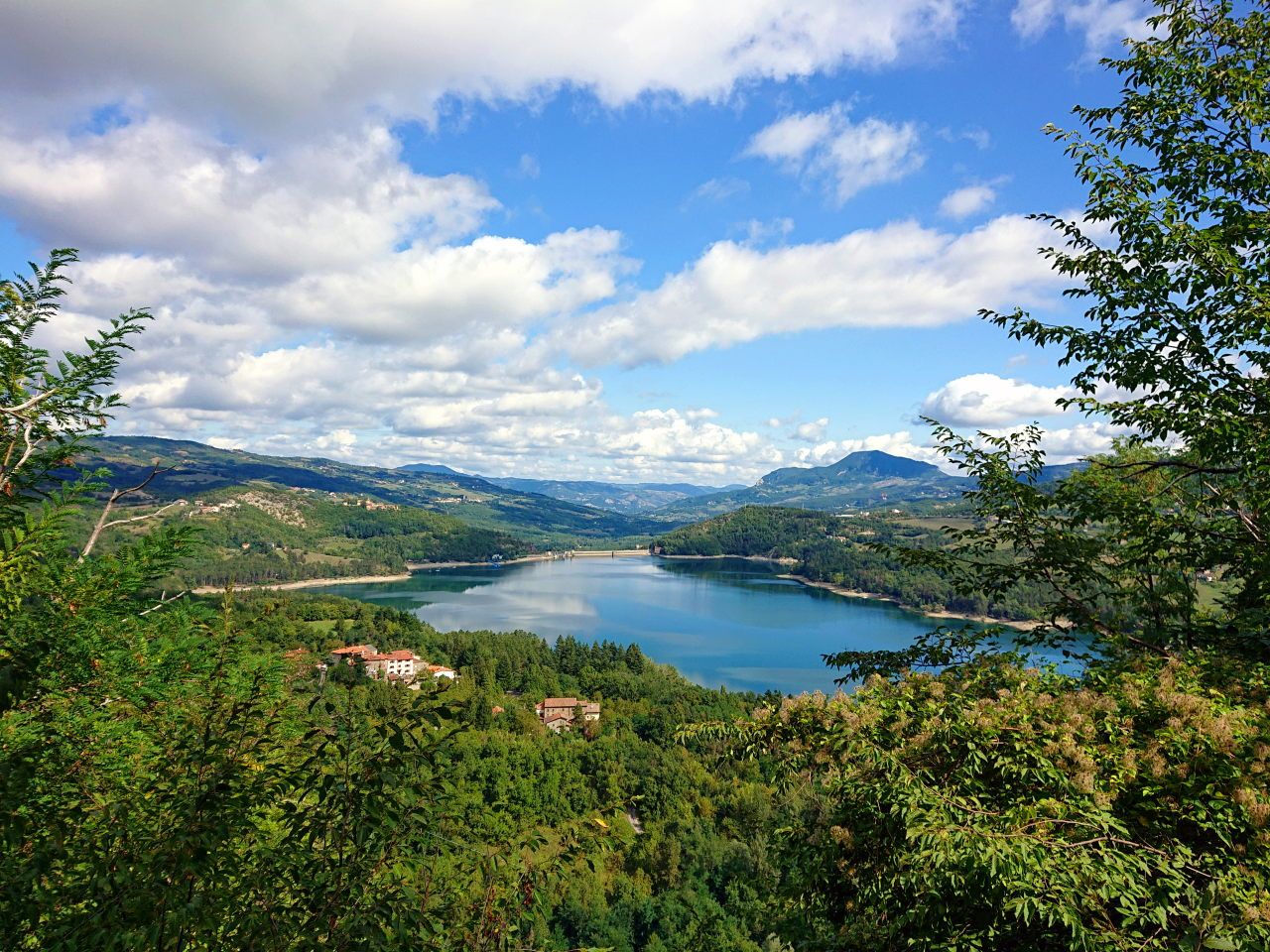
Interiora - A Journey into the Remote Areas of Italy
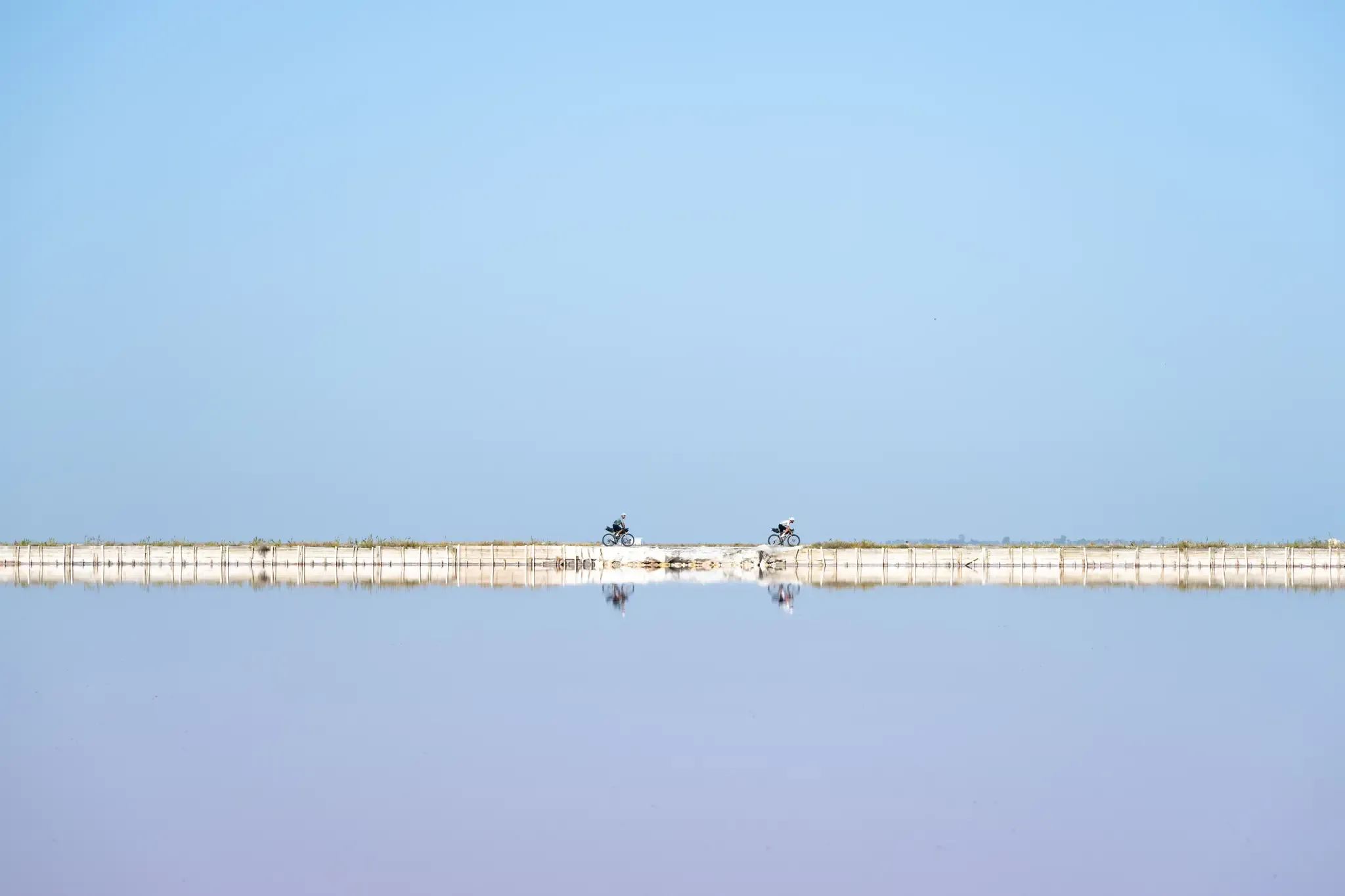
Trieste to Santa Maria di Leuca – the Adriatic Cycle Route
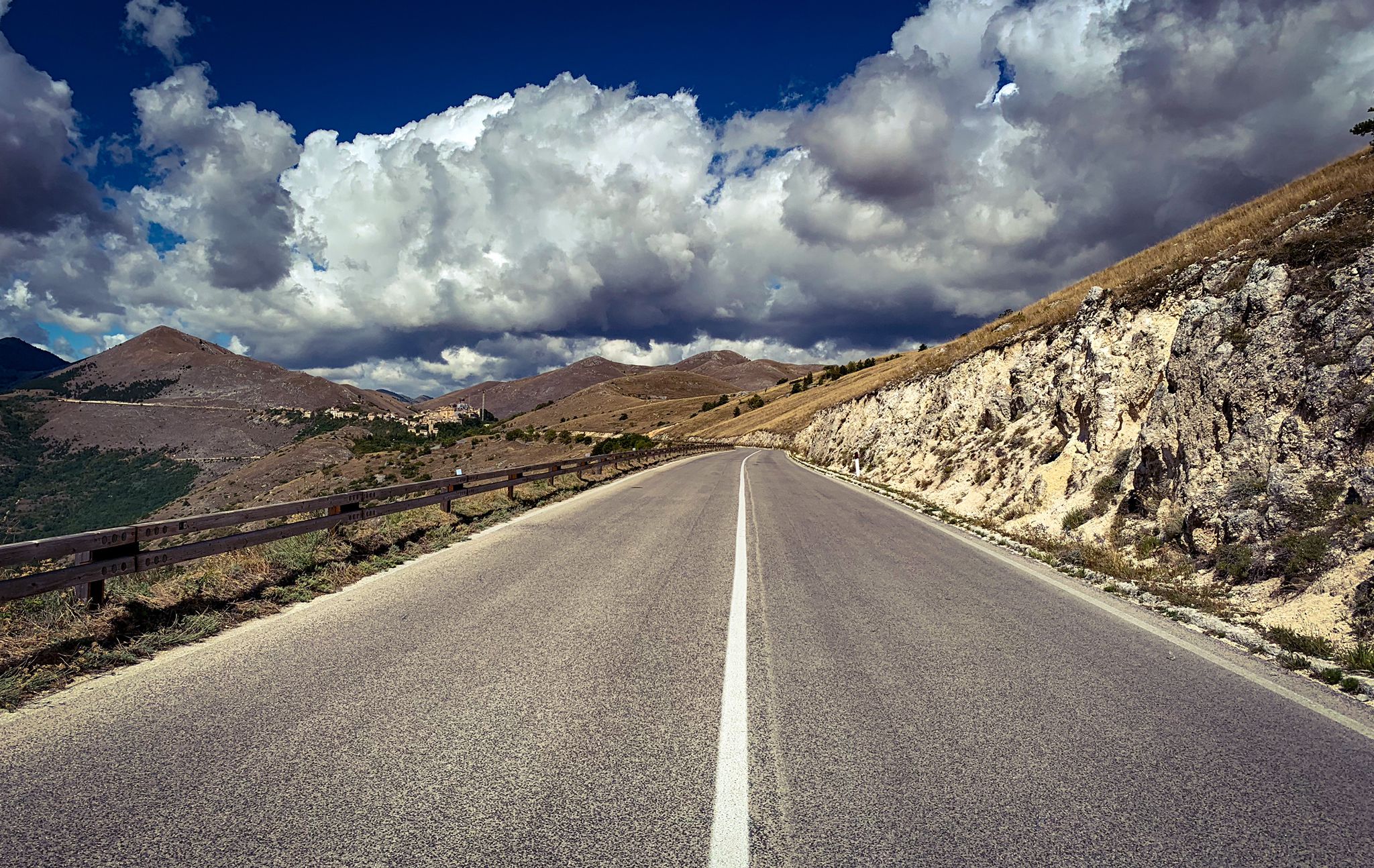
The Apennines to the Adriatic – cycling to discover Abruzzo
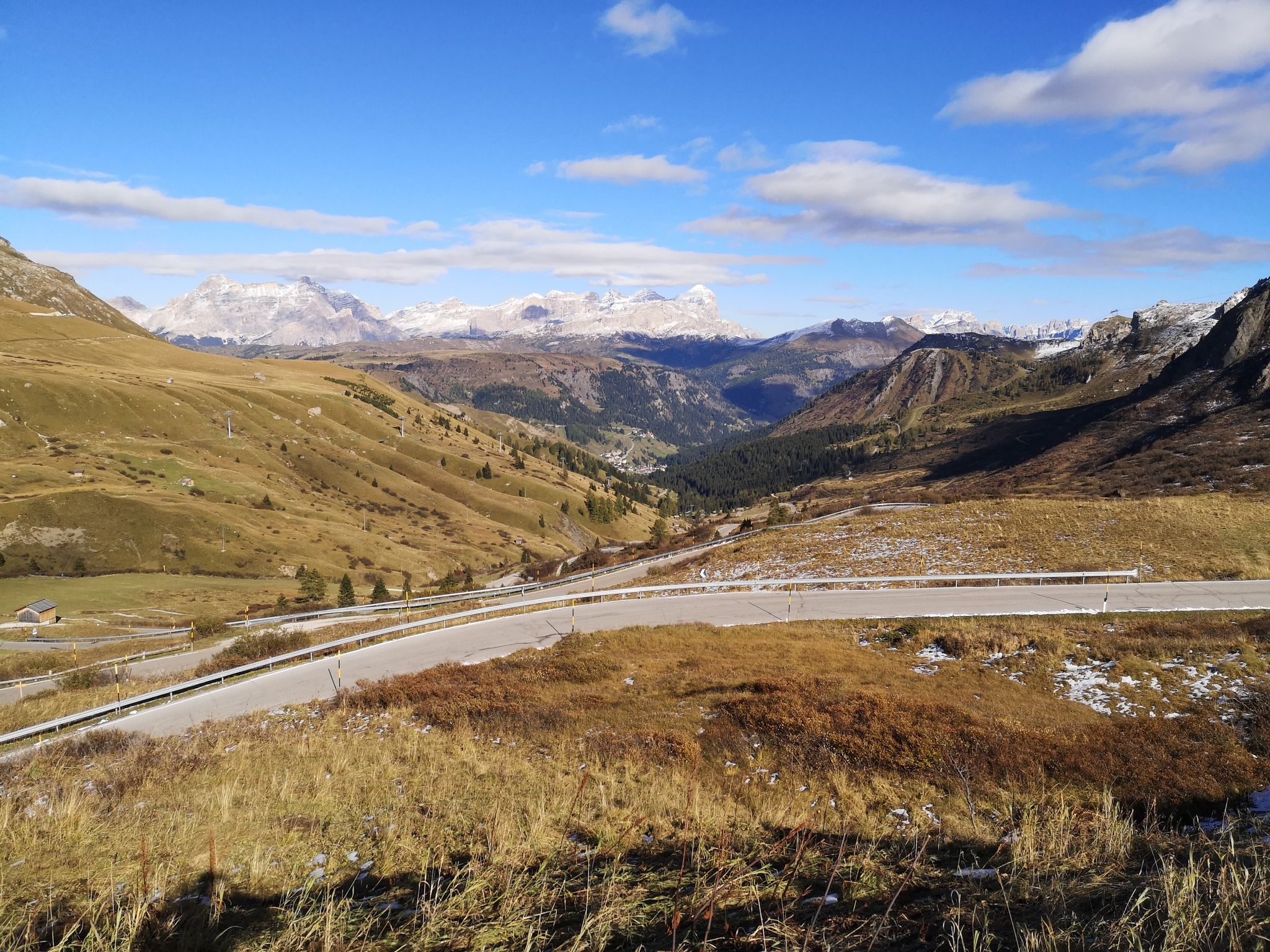
The great passes of the Giro d'Italia – 10 historic climbs
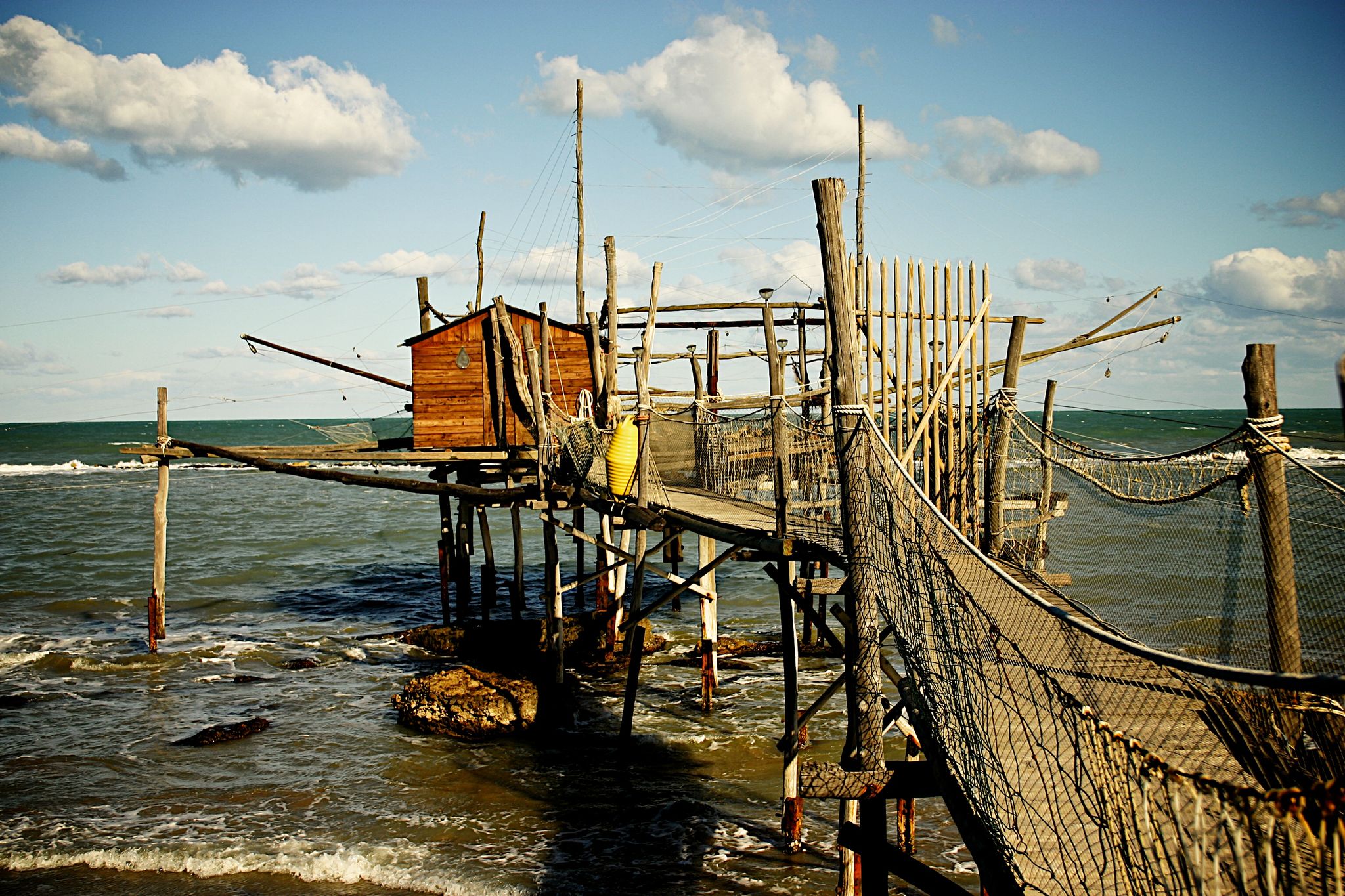
Cycle through Abruzzo’s fishing culture – Italy’s Trabocchi Coast Greenway
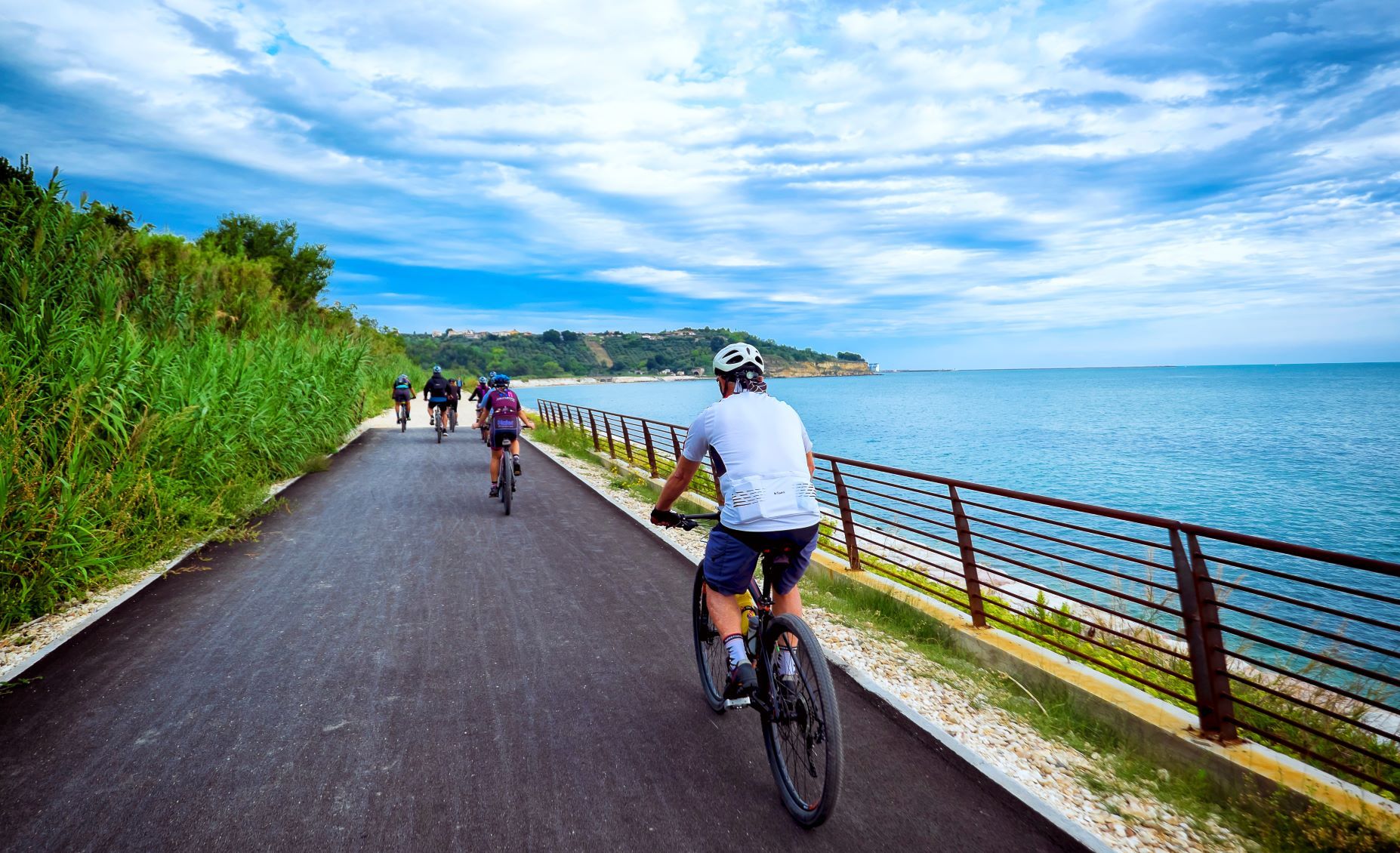
Between the Adriatic Sea and the Apennines — rides in Italy’s Abruzzo
Other adventures in Chieti


Tips from the Community


The Pischioli is a refuge located under a rock spur with a fountain and a rest area equipped with tables adjacent to the refuge. It is located in a suggestive panoramic point with the Avello and Tre Grotte valleys and the Majella with a view of Cima Murelle looking up. Starting from Balzolo you pass the famous Pinna, which symbolizes the goddess Maja, also called Cimirocco. Skirting the aqueduct fence you climb steeply along a stony path, a couple of sections are slightly exposed but nothing transcendental. After the initial section the climb becomes a little less steep and passes through vegetation composed of juniper bushes, it is a slightly slippery climb especially in the case of rain. After a good hour of walking a clearing suddenly appears with the rock spur that guards the Pischioli refuge. A short distance from the refuge there are several pastoral caves of great beauty and the Madonna delle Sorgenti. To continue towards Pomilio, take the path uphill that will first lead to Rapina and then arrive among meadows and mountain pines at Pomilio. To descend from Pischioli it is possible, recommended in case of unstable or wet weather, to take the path that from the Pischioli equipped area enters the woods and descends towards Bocca di Valle, not taking the fork for Bocca di Valle the path will take us under Balzolo in the area reserved for parking cars. It is a longer but simple path that passes through a beautiful wood where there are several remains of walls of pastoral huts. There are several routes, more or less difficult, to reach it.
1
0
the Pomilio refuge, in addition to being a good restaurant, is also the start of the blockhaus and the path to reach the top of Mount Amaro
0
0

The Bruno Pomilio Refuge, located at 1980 m in the Maiella National Park, is a tourist hub from which various paths start. It offers views and refreshment near "la madonnina".
0
0

panoramic place, providential refreshment. You can reach "la madonnina"
0
0

A few meters before reaching an altitude of 2049m on the right is the small Martellese Hut, an altitude of 2035m, also called Rifugio d'Ugni.
0
0

A beautiful mountain retreat.
15
0

Rifugio Bruno Pomilio - a mountain shelter named after a walker who died in the Pyrenees in 1939 during one of his expeditions. It is located 1,980 m above sea level. in the Maiella National Park and belongs to the Italian Alpine Club. The place where it was built is an important tourist hub, from which hiking and ski mountaineering trails depart (including Blockhaus-2,143 m; Murelle-2,596 m; Acquaviva-2,737 m; Amaro-2,793 m - the highest peak of the massif Maiella).
2
0
Frequently Asked Questions
What types of mountain huts can I find in Chieti?
In Chieti, you'll find both "rifugi" (managed mountain huts) and "bivacchi" (unmanaged, basic shelters). Rifugi typically offer services like food and sleeping arrangements, while bivacchi are simpler, often always-open structures providing basic shelter for trekkers.
Which huts offer the most stunning panoramic views in Chieti?
For breathtaking views, consider the Carlo Fusco Shelter, perched on Monte Focalone, which offers dramatic panoramas of the Anfiteatro delle Murelle and extends to the Adriatic Sea on clear days. Rifugio Fonte Tarì also provides magnificent views of the Majella peaks and the Aventino Valley, with the coast visible in good weather.
Are there any high-altitude huts suitable for experienced mountaineers in Chieti?
Yes, for experienced mountaineers, Carlo Fusco Shelter at 2,455 m is a crucial point for reaching peaks like Monte Focalone, Monte Acquaviva, and Monte Amaro. Additionally, Rifugio Manzini, at 2,520 m in Valle Cannella, is one of the highest shelters in the Apennines and vital for treks to Monte Amaro.
What are some popular hiking trails that lead to huts in the Majella National Park?
Many huts in Chieti serve as excellent starting points or resting spots for hikes within the Majella National Park. For instance, the Bruno Pomilio Mountain Hut, despite its current closure, is historically a hub for trails to Blockhaus, Cima delle Murelle, and Monte Amaro. Rifugio Fonte Tarì is an ideal base for hiking, trail running, and sky-running on the Eastern Majella. You can explore various hiking options in the region by checking out the Hiking in Chieti guide.
Can I find family-friendly options or easy hikes to huts in Chieti?
While many huts are at higher altitudes, some offer more accessible experiences. Rifugio Pischioli, built into a rock spur, is an excellent destination for a day hike with a unique natural setting and fantastic views, starting from the Balzolo viewpoint in Pennapiedimonte. For general family-friendly outdoor activities, you might find suitable options in the Waterfall hikes in Chieti guide.
What unique natural features can I explore near the huts in Chieti?
Near Rifugio Fonte Tarì, you can visit the Grotte del Cavallone, just a 20-minute walk away, and potentially spot Apennine chamois and golden eagles. The area around Carlo Fusco Shelter is known for its chamois population. The hike to Rifugio Martellese offers views of flowery meadows and, on clear days, the Adriatic Sea and even the Tremiti Islands.
Are there any huts that are unmanaged and always open for trekkers?
Yes, several bivacchi and some rifugi are unmanaged and always open. The Carlo Fusco Shelter is an unmanaged bivouac that is always open, providing six beds and an antechamber. Rifugio Manzini is also an unmanaged rifugio, renovated in 2008, offering beds and solar-powered lighting. Rifugio Martellese and Rifugio Pischioli are other unmanaged, always-open options.
What amenities can I expect at the managed huts in Chieti?
Managed rifugi like Rifugio Fonte Tarì are typically well-equipped for overnight stays, offering beds (17 at Fonte Tarì), sanitary facilities, electricity, and a kitchen. They often provide services such as food and sleeping arrangements, though it's always advisable to check current status and opening times.
What is the best time of year to visit the huts in Chieti?
The best time to visit the huts in Chieti largely depends on your activity. Summer months are generally ideal for hiking and exploring, with many huts accessible. In winter, higher-altitude huts might require ski-mountaineering equipment or snowcat shuttles, and some roads may be closed due to snow. Always check the current status and accessibility before planning your trip.
Are there opportunities for cycling or mountain biking near the huts?
Absolutely. The area around Cima Mammarosa is a popular starting point for numerous mountain bike routes. Historically, the Bruno Pomilio Mountain Hut was also a hub for ski mountaineering and hiking trails, which can often be adapted for cycling in warmer months. For more cycling options, refer to the Road Cycling Routes in Chieti guide.
What should I pack when planning an overnight stay at an unmanaged bivouac?
When staying at an unmanaged bivouac like the Carlo Fusco Shelter, it's crucial to be self-sufficient. You should bring all your own supplies, including a sleeping bag, cooking equipment, food, water (as water sources are not guaranteed), and emergency provisions. These shelters typically provide only basic shelter and beds.
Can I reach any of the huts by car, or are they all accessible only on foot?
While many huts require hiking or cycling to reach, some may have road access during certain seasons. Historically, the Bruno Pomilio Mountain Hut was typically accessible by car during summer months, though winter access required foot or ski. Always check specific hut information and road conditions, especially for higher-altitude locations.
Most popular routes in Chieti
Most popular attractions in Chieti

Get inspired with the komoot mobile app


Didn’t find what you were looking for?
See even more amazing huts in Chieti with these guides per region:
Explore more
Find more beautiful huts and cabins in Chieti by checking out the top ones in these nearby places:
