Top 9 Caves around Parc national des Calanques (cœur)
Best caves around Parc national des Calanques (cœur) offer a unique blend of natural beauty, historical intrigue, and distinctive geological formations within this protected coastal area. The region is characterized by its dramatic limestone cliffs, deep coves, and the Mediterranean Sea, providing a diverse landscape for exploration. Many caves here hold significant archaeological importance, revealing insights into prehistoric human presence. These natural features contribute to the area's appeal for outdoor enthusiasts and those interested in ancient history.
Best caves around…
Last updated: July 13, 2026
🔒 Trolib Presqu'île - ℹ️ Cosquer Cave
Highlight • Cave
⏳ 25,000 years ago, during the last ice age, the Calanques were not like they are today: the sea level was 120 meters …
Translated by Google •
Tip by

Mur Pastré Cave
Highlight • Cave
Translated by Google •
Tip by

Sign up now to discover places like this
Get recommendations on the best single tracks, peaks, & plenty of other exciting outdoor places.
Sign up for free
Spanish Cave
Highlight • Cave
Translated by Google •
Tip by

Saint-Michel d'Eau Douce Cave
Highlight • Cave
Translated by Google •
Tip by

Hermit's Cave
Highlight • Natural Monument
Translated by Google •
Tip by
Sign up for free to discover even more caves around Parc national des Calanques (cœur).
Sign up for free
Already have an account?
Start today with a free account
Your next adventure awaits.
Login or Signup
Popular around Parc national des Calanques (cœur)
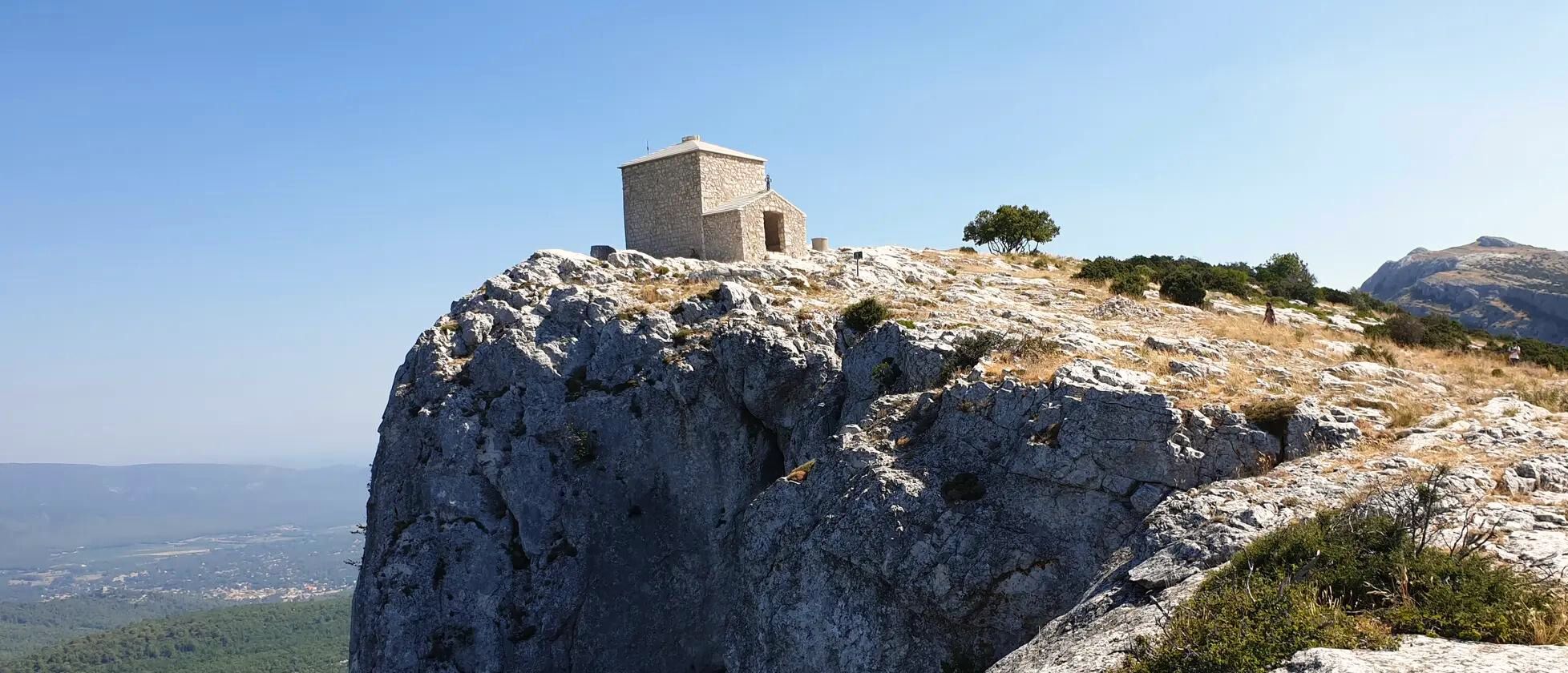
La Madrague to the Sainte-Baume – GR 98
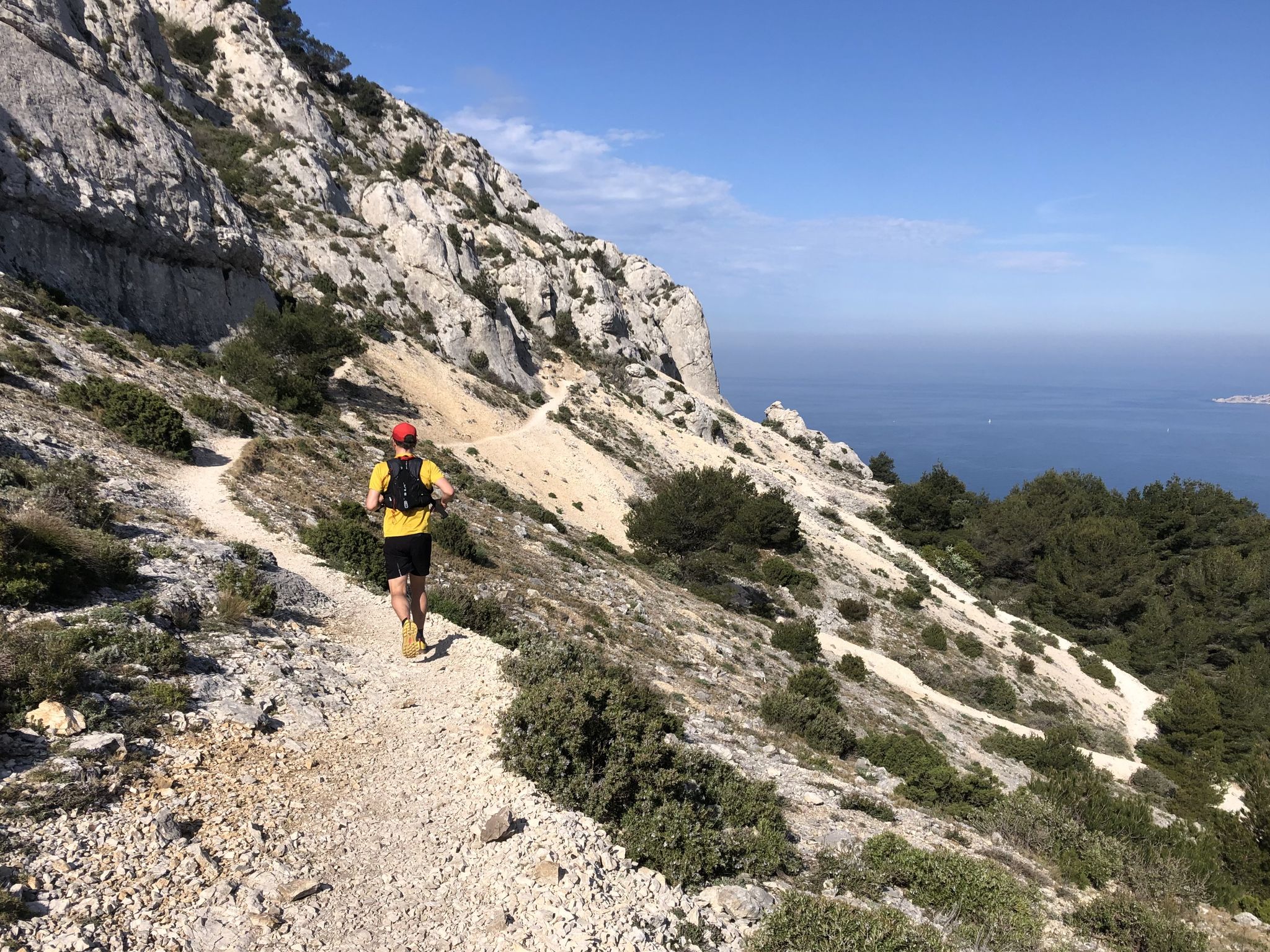
Cliffs, creeks and ridges – 10 sporty hikes in France’s Calanques
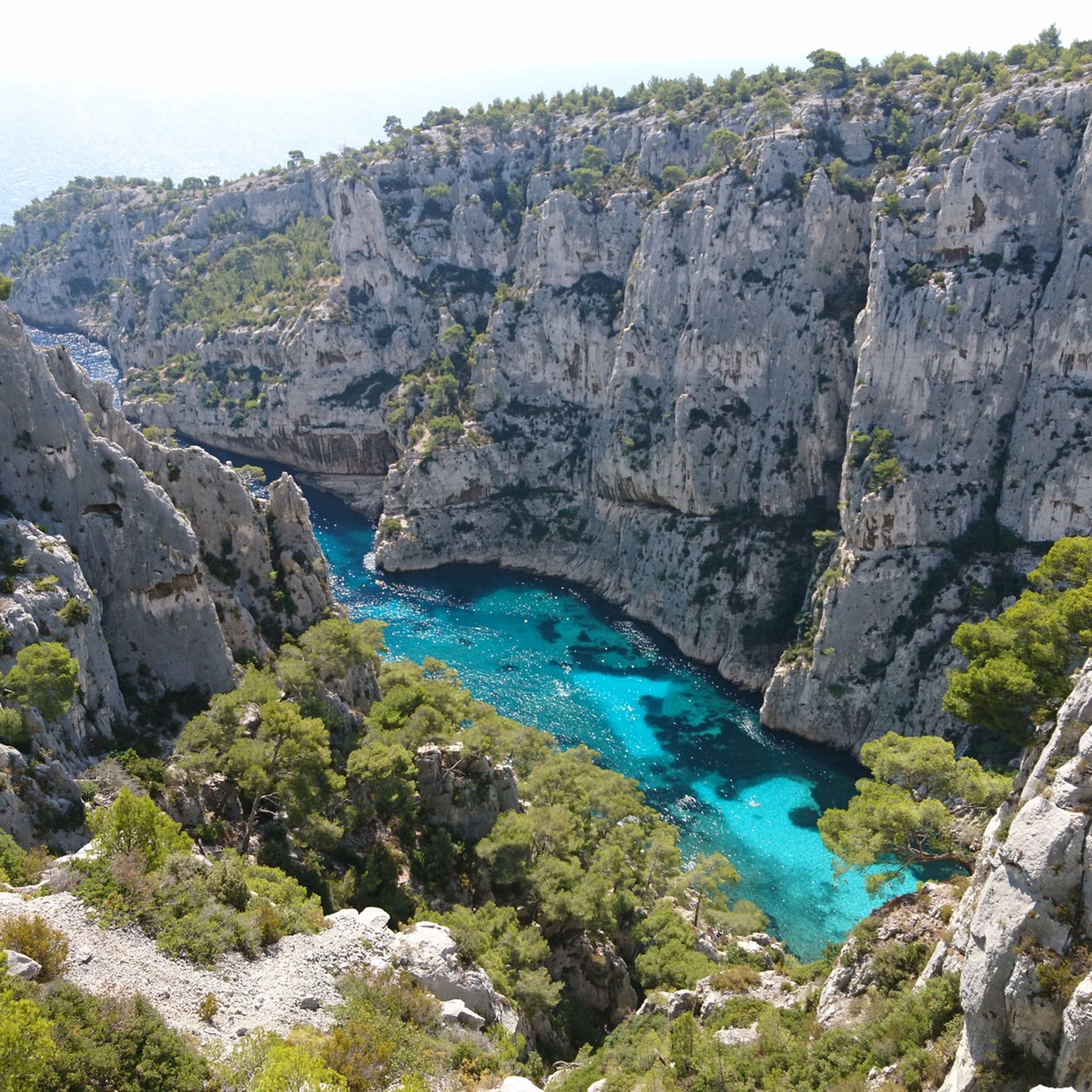
Hiking around Parc national des Calanques (cœur)
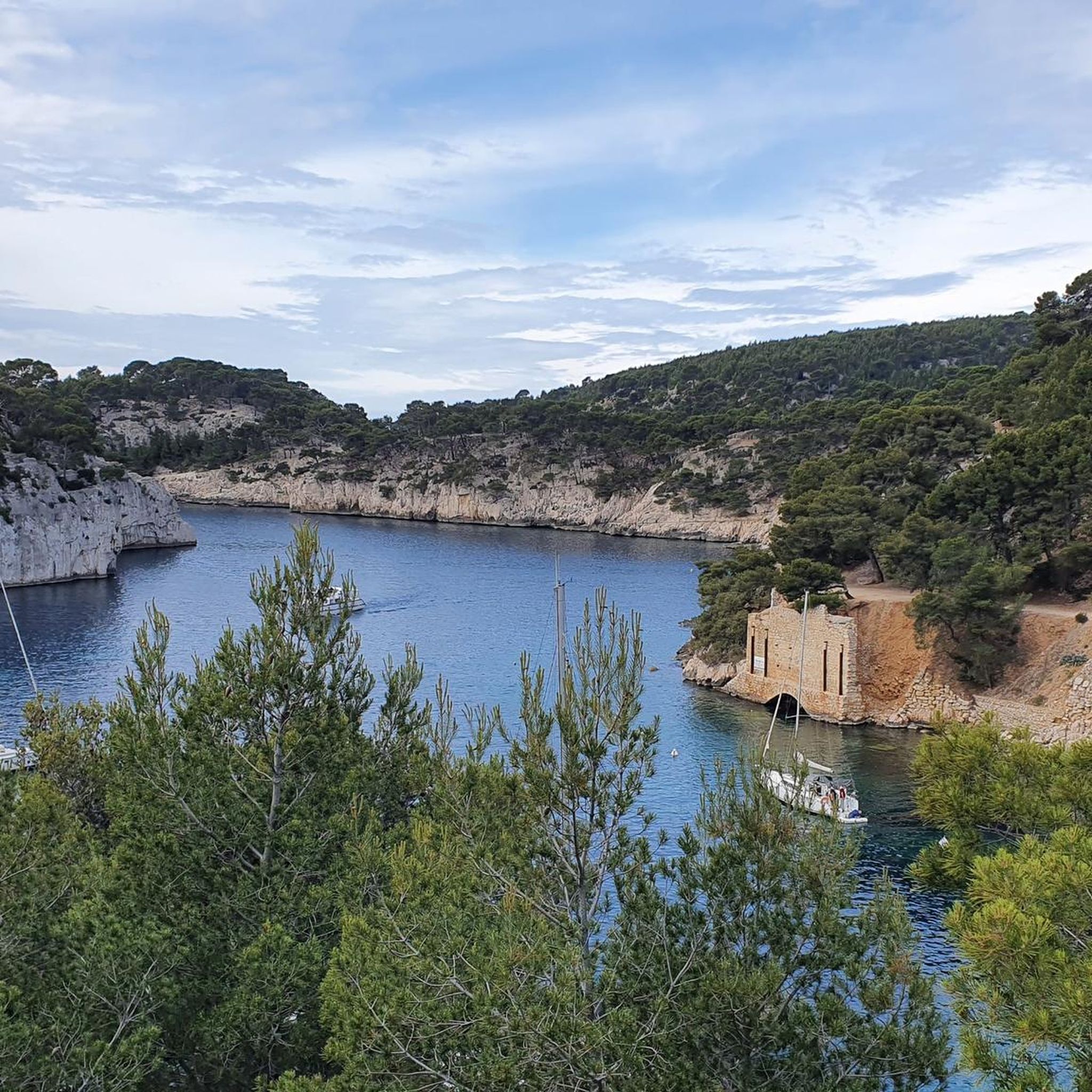
Road Cycling Routes around Parc national des Calanques (cœur)
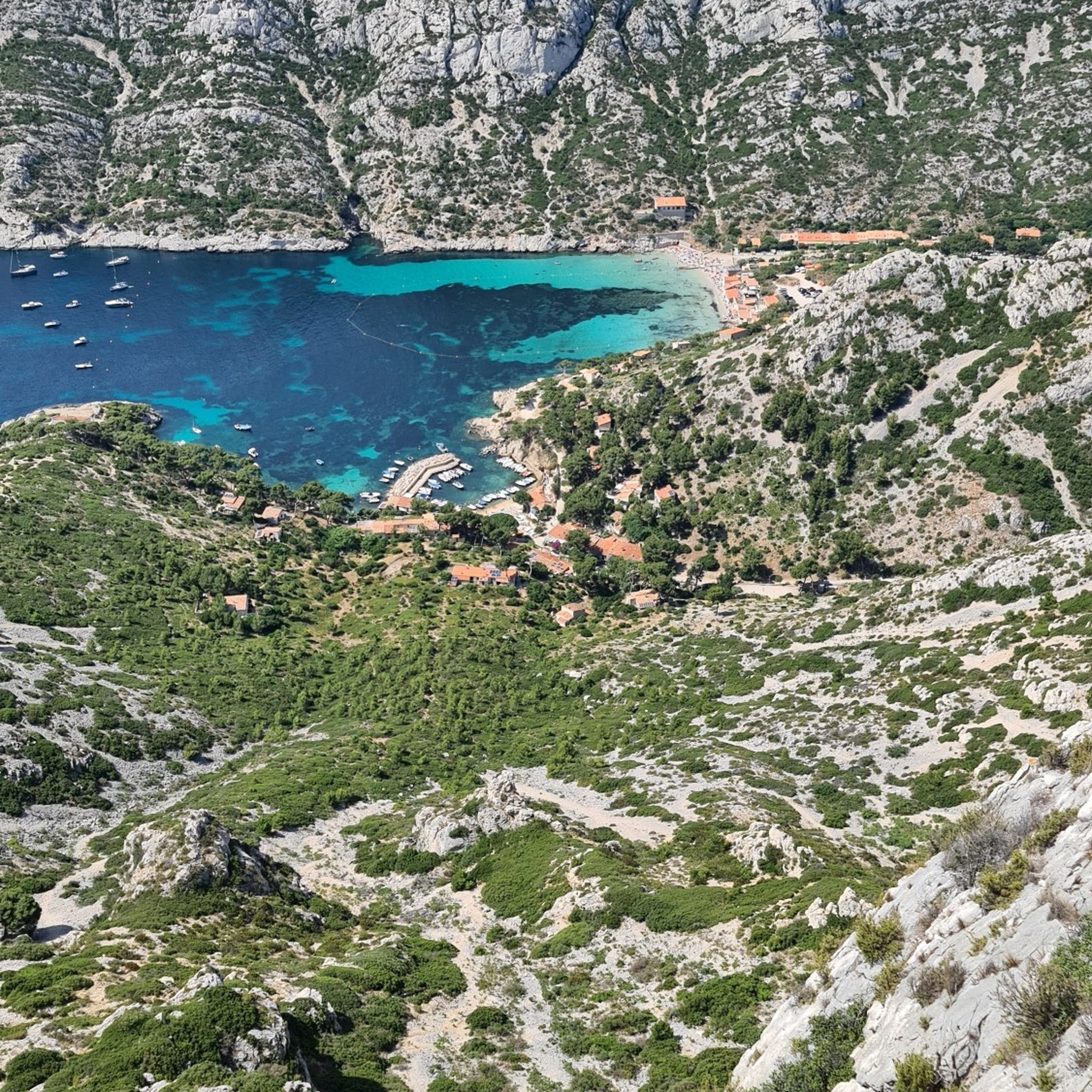
Running Trails around Parc national des Calanques (cœur)
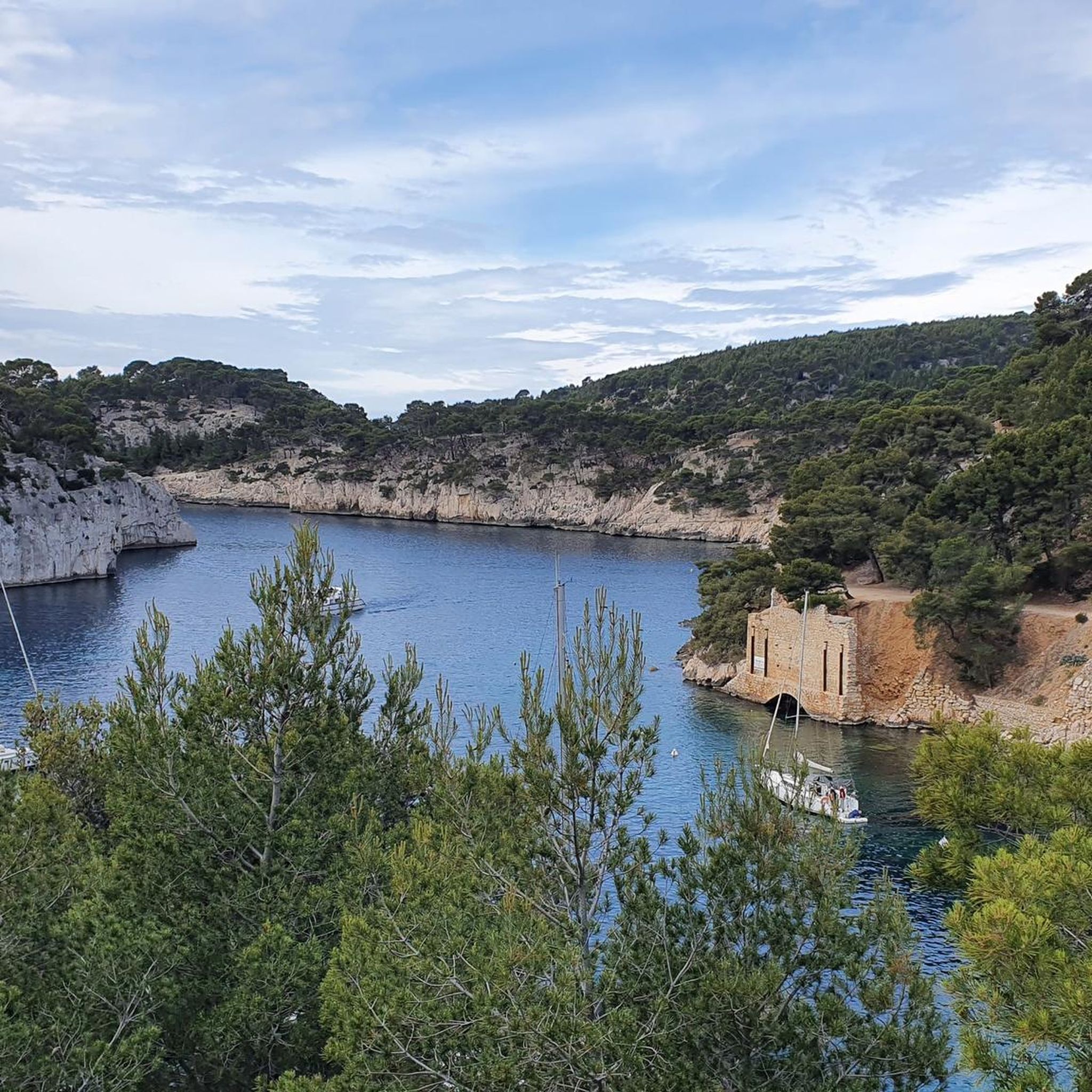
Cycling around Parc national des Calanques (cœur)
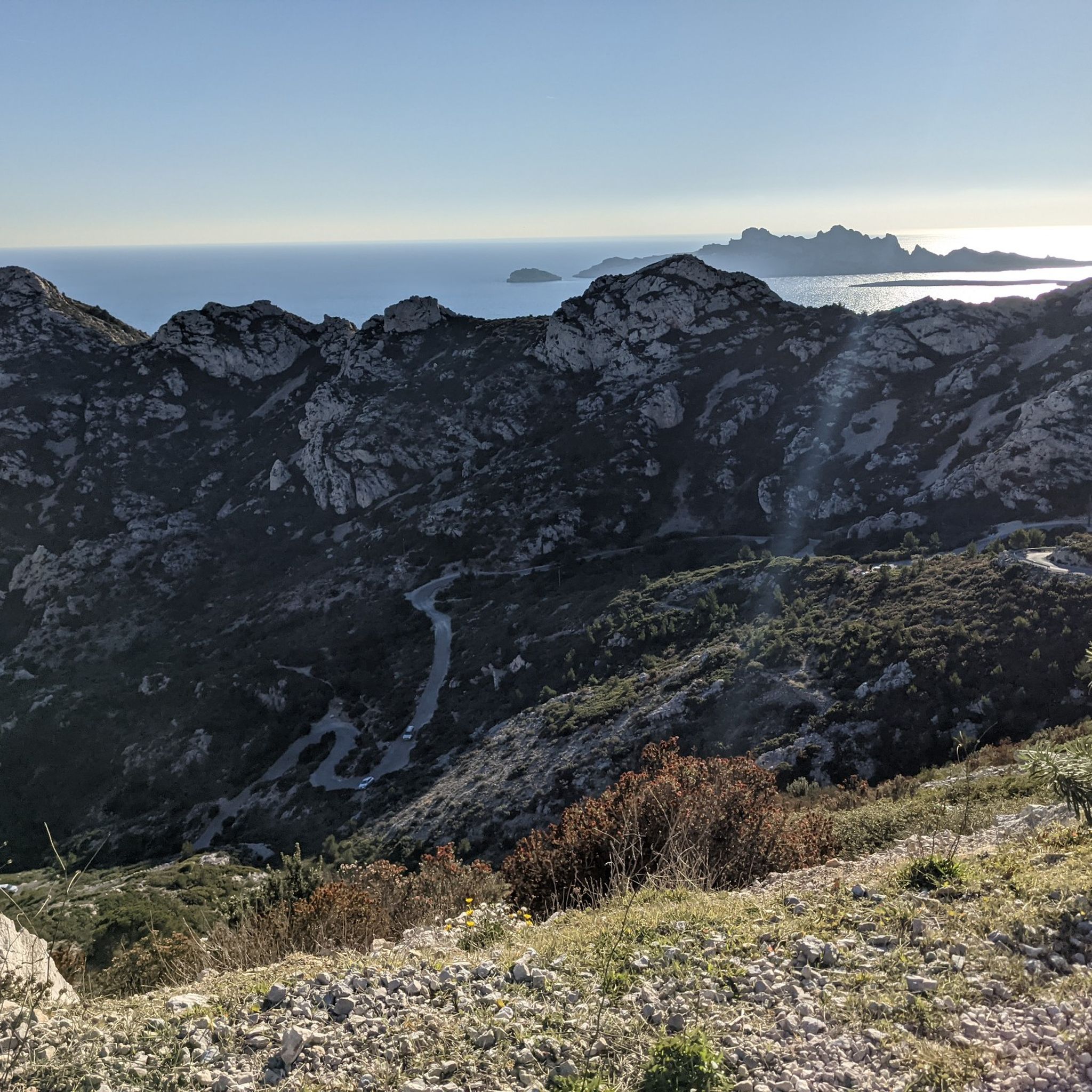
MTB Trails around Parc national des Calanques (cœur)
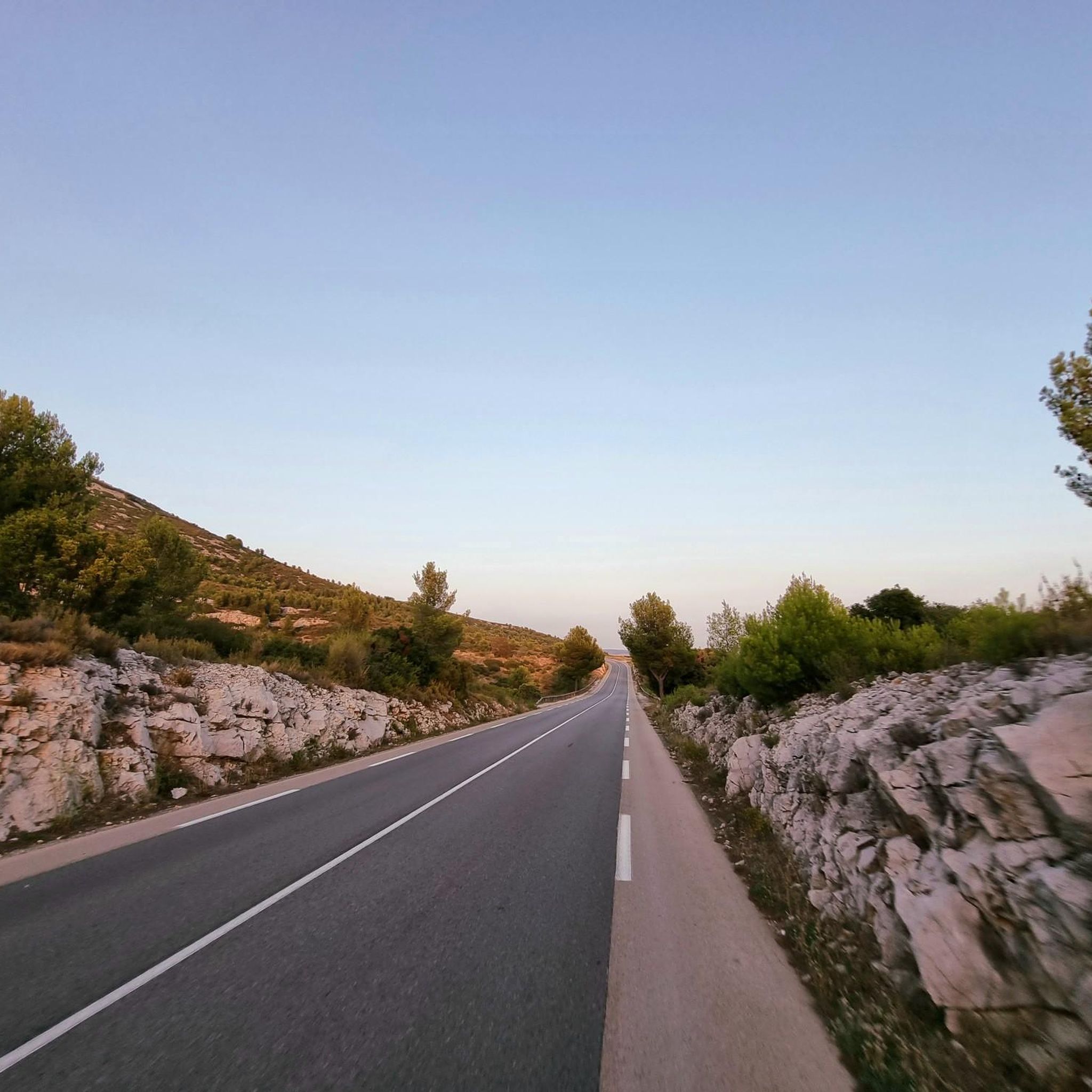
Gravel biking around Parc national des Calanques (cœur)
Mountain Hikes around Parc national des Calanques (cœur)
Other adventures around Parc national des Calanques (cœur)


Tips from the Community

It is worth deviating (a little) from the Route des Crêtes.
0
0

Access can be very slippery if wet.
0
0

The Grotte du Mur Pastré, nestled in the hills of Marseille, offers a fascinating setting. This cave, surrounded by wild landscapes and Mediterranean vegetation, reveals magnificent views of the city of Marseille and the Mediterranean Sea. Climbing the steep paths, you can enjoy both the calm of the hills and the mysterious aspect of the cave.
3
0


🌊 Cosquer Cave: A Prehistoric Underwater Treasure ⏳ 25,000 years ago, during the last ice age, the Calanques were not like they are today: the sea level was 120 meters lower and the current land was vast, cold plains... frequented by aurochs, bison, ibex, but also penguins and seals! 🖼️ These animals form an incredible bestiary painted and engraved on the walls of Cosquer Cave, a prehistoric sanctuary submerged at a depth of 37 meters, near Cap Morgiou. 🤿 A Unique Discovery 🔎 In 1985, Henri Cosquer, a diver from Marseille, discovered the underwater entrance to a 175-meter tunnel leading to a decorated cave. Officially recognized in 1991, it remains the only known underwater Paleolithic cave in the world! 🧊 Inaccessible for around 9,000 years due to rising water levels, it reveals a little-known aspect of prehistory in the Calanques. 🎨 A 27,000-year-old art gallery 🐴 Nearly 500 depictions are recorded on the walls: 177 animals from 11 species: horses, deer, aurochs, seals, fish... Marine animals never seen elsewhere in cave art: penguins, jellyfish, cetaceans 👣 Children's and adults' hands, negative or positive 🔺 More than 200 geometric signs, some of which are still mysterious... 🧍♂️ There's even a man with a seal's head: proof of the sacred bond between man and the sea. ⚠️ A heritage in peril 🌊 The sea is rising slowly (about 2.5 mm per year), threatening this fragile site. To preserve it, a comprehensive 3D survey was launched in 2017. 🏛️ In 2022, the Cosquer Méditerranée replica opened in Marseille, offering an immersive visit to admire this masterpiece of humanity without risking damage. 🎟️ A journey back 35,000 years awaits you: grotte-cosquer.com ⁉️ Did you know? The Cosquer, Triperie, Figuier, and Renard caves and their networks, as well as the archaeological remains they contain, were listed as historical monuments by decree of September 2, 1992. Discover the mystery of the Cosquer cave: https://youtu.be/Plf_XRetCI0
0
0

This is pure thrill climbing the last 3-4m up the rope but totally worth it.
0
0

This cave presents a vast gallery which was divided into several spaces following landslides.
0
0
The Hermit's cave once housed a troglodyte chapel. From there, we have an absolutely magnificent view!
0
0
Frequently Asked Questions
What unique historical or archaeological features can be found in the caves of Parc national des Calanques?
The region's caves offer a rich historical tapestry. The Cosquer Cave is renowned for its Paleolithic rock art, depicting animals like penguins and bison, dating back tens of thousands of years. While the original is submerged, a magnificent replica in Marseille allows visitors to experience this ancient art. The Hermit's Cave once housed a troglodyte chapel and hermitage from the late 14th century. Saint-Michel d'Eau Douce Cave has revealed evidence of Neolithic occupation, including flint tools and pottery. Grotte Rolland, a vast cavity, also served as a human refuge for millennia and is associated with local legends.
Are there any semi-submerged or sea caves accessible for exploration in the Calanques?
Yes, the Parc national des Calanques is known for its semi-submerged caves. The Grotte Bleue in Calanque de Morgiou is a notable example, accessible by sea. Its entrance is just above the water, and inside, the water often takes on a captivating blue hue, making it ideal for swimming or canoeing. The original Grotte Cosquer is also a submerged cave, though not publicly accessible.
Which caves offer panoramic views of the Calanques or the Mediterranean Sea?
Several caves provide stunning vistas. The Hermit's Cave, situated at 323 meters altitude, offers magnificent panoramic views of the surrounding Calanques and the sea. Similarly, the Mur Pastré Cave, nestled in the hills of Marseille, provides fascinating scenery and superb views of the city and the Mediterranean.
What kind of geological formations can be observed in the caves of this region?
The caves in the Parc national des Calanques are primarily formed within dramatic limestone cliffs. You can observe vast galleries, chambers, and rockfalls, as seen in the Saint-Michel d'Eau Douce Cave. Some caves, like Grotte Rolland, are immense cavities patiently shaped by water over millions of years. The semi-submerged caves also showcase unique interactions between rock and sea.
Are there family-friendly options for visiting caves in the Parc national des Calanques?
While many caves in the Calanques require challenging hikes or sea access, the replica of the Grotte Cosquer in Marseille offers a family-friendly and immersive experience. It allows visitors of all ages to explore the prehistoric art without the physical demands of visiting the original submerged cave. For natural caves, accessibility varies greatly, and some involve steep paths or slippery conditions.
What outdoor activities can I combine with a visit to the caves?
The Parc national des Calanques offers numerous outdoor activities. You can find various hiking trails, from easy to difficult, such as the 'Le Candélon loop' or the 'En-Vau Beach loop'. Road cycling routes like the 'Climb to Col de l'Espigoulier' are also popular. For more details on routes, you can explore the Mountain Hikes, Easy Hikes, and Road Cycling Routes guides for the region.
What should I know about accessibility and parking for the caves?
Access to many caves in the Calanques often involves hiking on challenging terrain. Parking can be limited, especially during peak seasons, and some areas within the National Park have restricted vehicle access. Public transport options to the park's entrances exist, but reaching specific cave entrances may still require significant walking. It's advisable to research specific access points for each cave you plan to visit.
What is the best time of year to visit the caves in Parc national des Calanques?
Spring and autumn are generally the best times to visit the Calanques. The weather is milder, making hiking more comfortable, and the natural beauty is at its peak. Summer can be very hot, and access to certain areas of the park may be restricted due to fire risk. Winter offers cooler temperatures but can be wet, making some cave accesses slippery.
Are there any caves known for wild swimming opportunities?
Yes, the Grotte Bleue in the Calanque de Morgiou is well-known among locals as an excellent spot for wild swimming. Its semi-submerged nature and vibrant turquoise waters create a unique and refreshing experience, especially with optimal morning to early afternoon light.
What do visitors enjoy most about exploring the caves in this region?
Visitors appreciate the unique blend of natural beauty and historical intrigue. The opportunity to discover ancient human traces, like those in the Saint-Michel d'Eau Douce Cave, or to witness the stunning coastal vistas from caves like the Hermit's Cave, are frequently highlighted. The adventurous aspect of exploring these natural formations, often requiring a hike, also adds to the appeal.
Is there a cave in the Calanques that is particularly challenging to access?
The Hermit's Cave, located at 323 meters on the Rocher de Saint-Michel, involves a challenging hike, particularly from Callelongue. While rewarding with magnificent views, the ascent can be demanding. Similarly, the Saint-Michel d'Eau Douce Cave can have very slippery access if wet, adding to its challenge.
Most popular routes around Parc national des Calanques (cœur)
Most popular attractions around Parc national des Calanques (cœur)

Get inspired with the komoot mobile app


Explore more
Extend your search for the best caves by checking out these guides of the top ones around Parc national des Calanques (cœur):
