Top 3 Castles around Castel Sant'Elia
Best castles around Castel Sant'Elia refers to a historic town in Lazio, characterized by its fortified medieval village rather than a single prominent castle building. The area features significant historical and architectural sites, including the well-preserved Basilica of Sant'Elia, built into a volcanic ravine. Visitors can explore the tranquil historic center with its narrow stone streets and medieval arches, offering viewpoints over the Treja Valley. The region's past is marked by its defensive structures and the influence of Roman families.
…Last updated: July 15, 2026
Palazzo Farnese of Caprarola
Highlight • Historical Site
Translated by Google •
Tip by

Borgia Fortress of Nepi
Highlight • Castle
Translated by Google •
Tip by

Sign up now to discover places like this
Get recommendations on the best single tracks, peaks, & plenty of other exciting outdoor places.
Sign up for free
Castel Fogliano Ruins
Highlight • Historical Site
Translated by Google •
Tip by

Torre Busson (Morolo Castle)
Highlight • Castle
Translated by Google •
Tip by

Start today with a free account
Your next adventure awaits.
Login or Signup

Tips from the Community

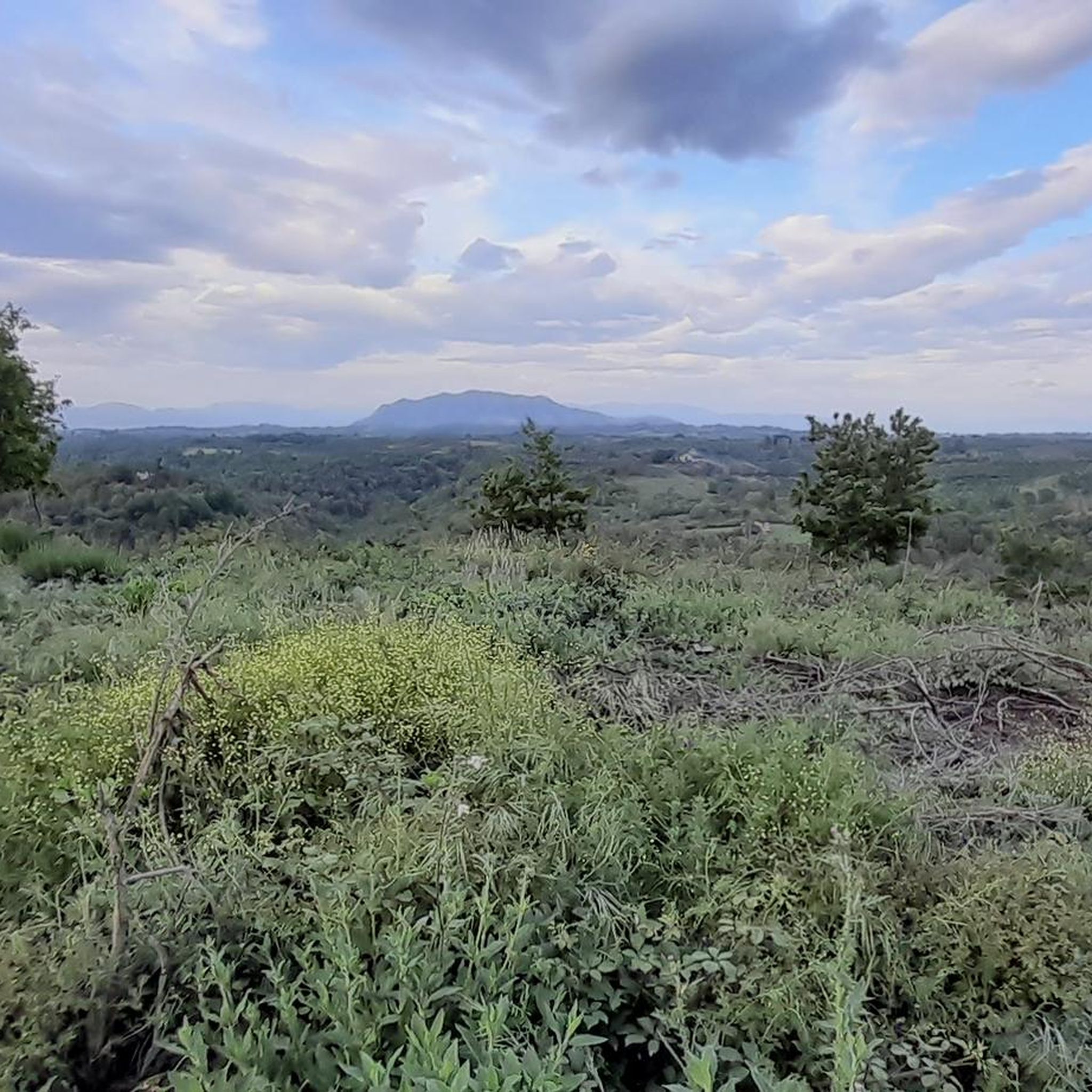
Busson Tower, also known as Morolo Castle, is an ancient ruined structure located near Rignano Flaminio, in the province of Rome, in an area of great environmental value in the Roman countryside. It is a fascinating medieval site, often shrouded in mystery, overlooking a secluded valley and offering inspiration for historical and naturalistic excursions. The tower likely dates back to the 10th century, first mentioned in a diploma of Emperor Otto III in 996, where a place called "Mauroro" is mentioned. Over the centuries, the castle passed under the control of various noble families: from the Savellis in the Middle Ages, to the Tascas (1449), Mutis (1573), Scapuccis (1591), until Marcantonio Borghese, who purchased it in 1611, along with the territory of Rignano. Reduced to a farmhouse over time, it was the subject of archaeological investigations in the 1960s, which revealed layers of medieval and Renaissance collapse, an underground cistern, brick floors with gutters (perhaps part of a residential building), and a necropolis with east-west oriented burials, dating between the late Roman period and the 5th century AD. Near the tombs, a small structure emerged, interpreted as a funerary chapel, perhaps connected to the "cella S. Stefani" mentioned in monastic documents from 996.
0
0
"On a narrow tuff saddle stands the fortified village, inhabited already in pre-Roman times and reoccupied in the Middle Ages during the barbarian invasions, then abandoned in the modern era because it is far from important communication routes. Its ruins, represented by the tower, the church, from the walls and doors and from the rock dwellings, they emerge from the vegetation and the tuff cliffs in an imposing way, giving this place a mysterious character".
0
1

The Palazzo Farnese, also Villa Farnese or Villa Caprarola in Caprarola is one of the most important palaces of the Renaissance and Mannerism in Italy. It is famous for the numerous Mannerist frescoes that decorate the walls and ceilings inside. Not only the building in the form of a pentagon, which was built around a circular courtyard surrounded by colonnades, is impressive. Also impressive are the numerous rooms that are not only covered with lush paintings on all ceilings, but also the walls are mostly completely covered with paintings. Each room on a different theme. The room, which is decorated with world maps on all walls, stands out from this, with the knowledge from 1550. The absolute highlight, however, is the Scala Regia, a spiral staircase. The palace also has a large park that rises steadily to end in a cascade with a casino.
0
0

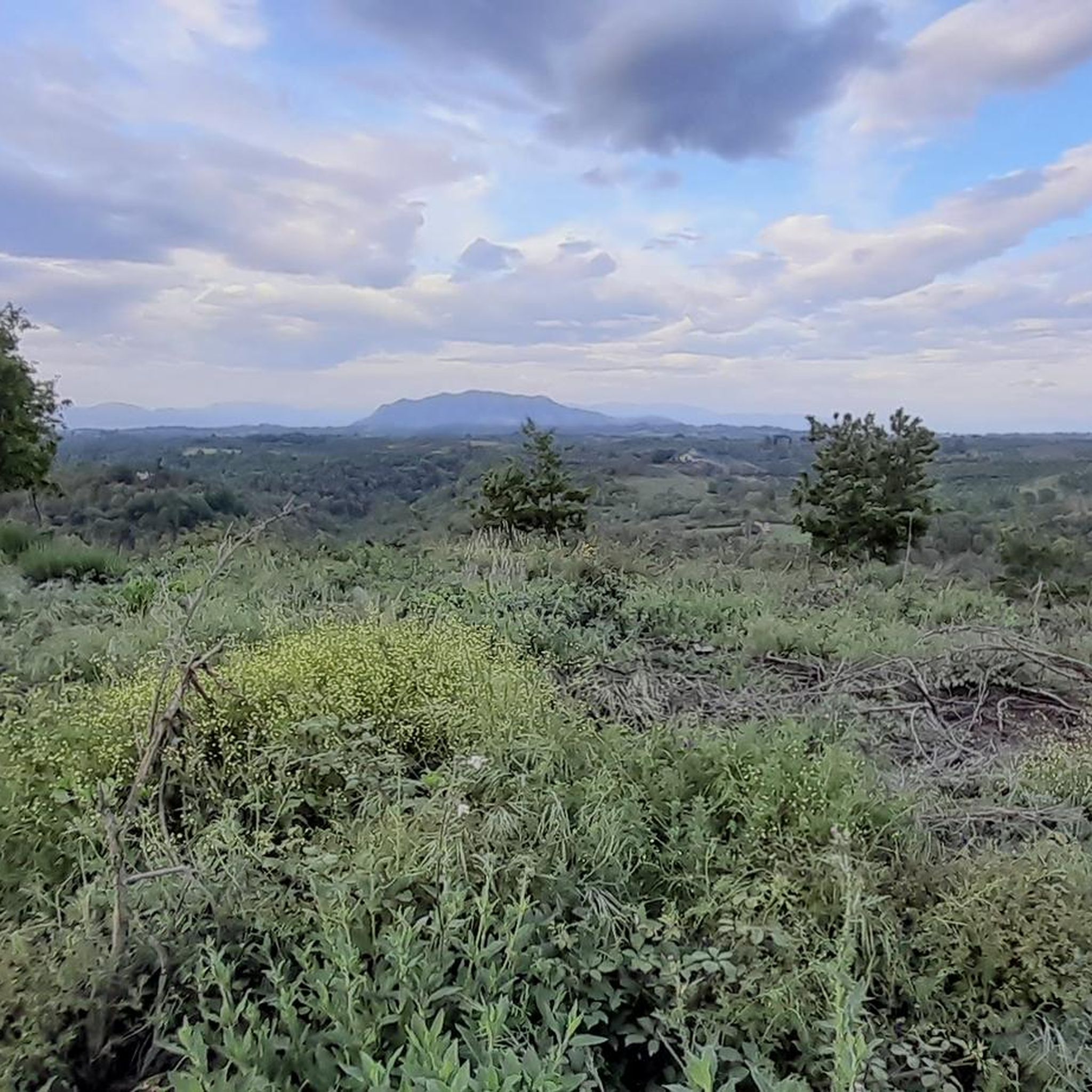
Ruins of an ancient castle within easy reach
0
0

Unexpected village with a lot of history!
1
0

La Rocca di Nepi, also known as Rocca dei Borgia or Castello Borgia, is a fortress on the outskirts of the historic town of Nepiin.
1
0

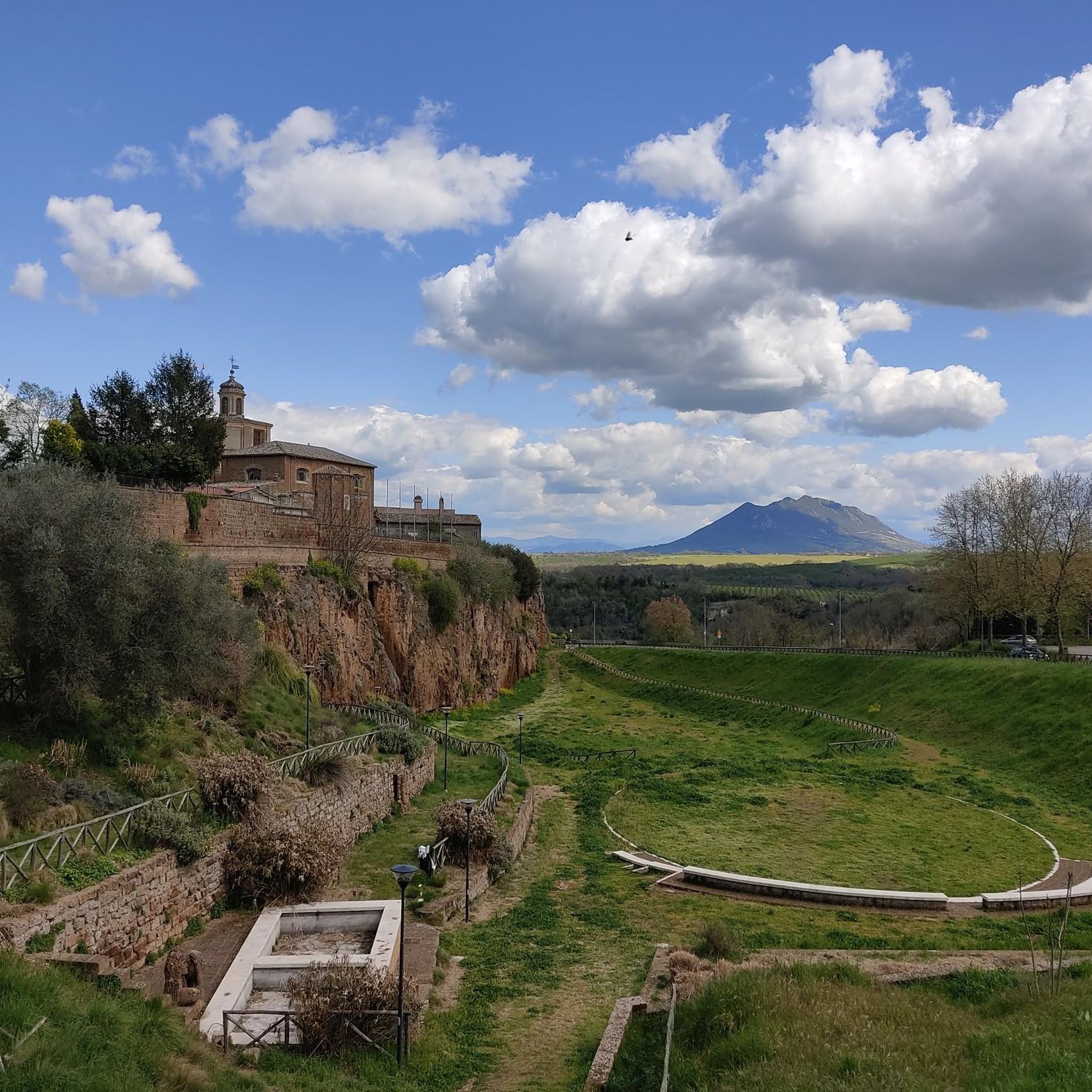
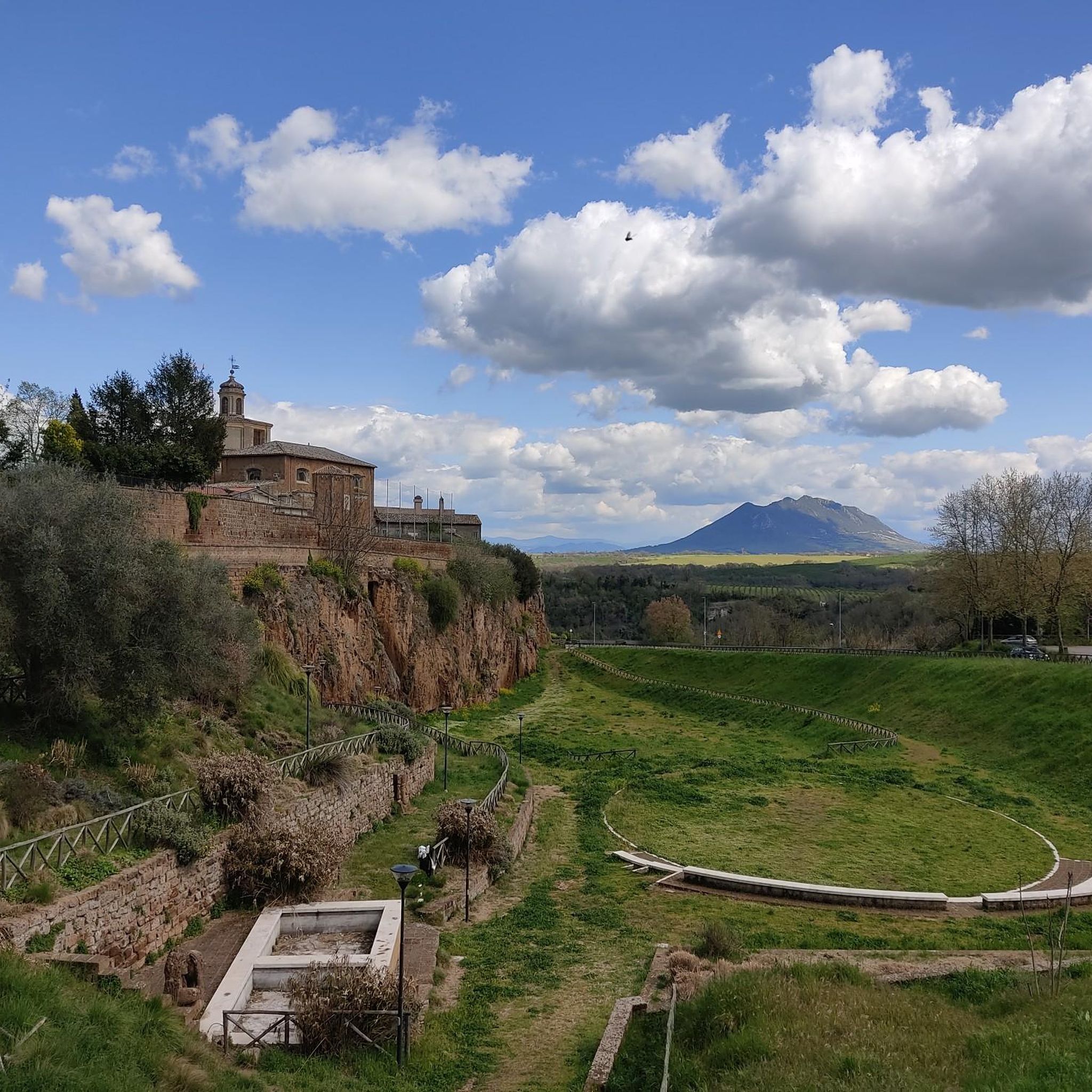
Cyclopean walls of Nepi, overlooking the waterfall
1
0

The Palazzo Farnese in Caprarola can be visited every day, except Mondays, with the following times and ticket prices: Visiting hours: From Tuesday to Sunday 8.30 - 18.45, last admission to visit the park at 18.00. The ticket office closes at 18.45, Palazzo Farnese closes at 19.30 Closed: Monday, January 1st, May 1st (except May 1st 2019), December 25th "unless otherwise indicated" MIBACT The Park can be visited only on weekdays from Tuesday to Saturday from 8.30 to one hour before sunset, only in favorable weather conditions.
2
0
Frequently Asked Questions
What kind of historical sites can I explore around Castel Sant'Elia, beyond traditional castles?
While Castel Sant'Elia itself is known for its fortified medieval village rather than a single grand castle, the region offers significant historical and architectural sites. The most prominent is the Basilica of Sant'Elia, an exceptionally preserved Romanesque basilica with 9th to 11th-century frescoes. Another unique site is the Sanctuary of Santa Maria ad Rupes, partly carved into the tuff rock and accessible via a long underground staircase.
Are there any well-preserved castles or fortresses near Castel Sant'Elia?
Yes, you can visit several notable historical fortresses and palaces nearby. The Palazzo Farnese of Caprarola is a magnificent Renaissance-Mannerist palace known for its pentagonal shape, circular courtyard, and extensive frescoes. Another significant site is the Borgia Fortress of Nepi, which was expanded by the Borgia and later the Farnese families, featuring impressive cyclopean walls.
Which historical sites near Castel Sant'Elia are suitable for families?
The Palazzo Farnese of Caprarola is considered family-friendly, offering vast spaces, impressive architecture, and a large park to explore. The Castel Fogliano Ruins are also listed as family-friendly, providing an interesting outdoor exploration of ancient remains.
Can I combine a visit to these historical sites with outdoor activities?
Absolutely. The area around Castel Sant'Elia is rich in natural beauty, particularly the Treja Valley. You can find numerous routes for various outdoor activities. For example, there are many running trails, traffic-free bike rides, and MTB trails that allow you to explore the landscape surrounding these historical locations.
Are there any ruins or less-known historical sites worth exploring?
Yes, for those interested in ancient ruins, the Castel Fogliano Ruins offer a fascinating glimpse into a fortified village inhabited since pre-Roman times. Its tower, church, walls, and rock dwellings emerge from the vegetation, creating a mysterious atmosphere. Another intriguing site is Torre Busson (Morolo Castle), an ancient ruined structure near Rignano Flaminio, dating back to the 10th century with a rich history of noble families.
What is the historical significance of Castel Sant'Elia itself?
Castel Sant'Elia's historical significance lies in its fortified medieval past. The town's name, derived from 'Castrum' (Latin for castle or fortified place), reflects its origins as a protective settlement. The historic center, with its narrow stone streets, rustic houses, and medieval arches, embodies this charm. The village developed to protect the religious community below the ravine, making its history intertwined with the spiritual sites like the Basilica of Sant'Elia.
What makes the Basilica of Sant'Elia a significant site to visit?
The Basilica of Sant'Elia is considered the spiritual and architectural gem of the town. Dating back to the 8th century, it is one of the best-preserved examples of early medieval religious architecture in central Italy. Its unique setting, built into the steep walls of a volcanic ravine, creates a cave-like atmosphere. Visitors are particularly drawn to its remarkably preserved 9th to 11th-century frescoes, Romanesque columns, ancient mosaics, and Cosmatesque pavement.
What is the Sanctuary of Santa Maria ad Rupes, and how can I visit it?
The Sanctuary of Santa Maria ad Rupes is a unique religious site located near Castel Sant'Elia, partly carved into the tuff rock. It is accessible via a long, underground staircase of 144 steps, hand-carved by a hermit in the late 18th century. Inside the Holy Cave, you'll find a revered painting of the Virgin and Child. Its unique construction and profound religious significance make it a compelling visit.
Are there hiking opportunities near the historical sites around Castel Sant'Elia?
Yes, the area offers excellent hiking opportunities. For example, the Faleria Trail includes a loop that passes by the Castel Fogliano Ruins. Many trails in the Treja Valley Park provide scenic walks and connect to various historical points of interest. You can find detailed routes and difficulty levels in the running and MTB guides for the region.
What are the typical visiting hours and ticket information for the Palazzo Farnese of Caprarola?
The Palazzo Farnese in Caprarola is generally open from Tuesday to Sunday, 8:30 AM to 6:45 PM, with the last admission to the park at 6:00 PM. The ticket office closes at 6:45 PM, and the Palazzo itself closes at 7:30 PM. It is typically closed on Mondays, January 1st, May 1st, and December 25th. The park can be visited on weekdays from Tuesday to Saturday, from 8:30 AM to one hour before sunset, weather permitting. It's advisable to check the official website for the most current information on hours and ticket prices.
Where can I find scenic viewpoints in the Castel Sant'Elia area?
The historic center of Castel Sant'Elia itself offers charming viewpoints overlooking the surrounding countryside and the Treja Valley. Additionally, the Borgia Fortress of Nepi is noted as a viewpoint, offering views of the cyclopean walls and a nearby waterfall. Many of the hiking and cycling routes in the region also lead to panoramic spots.
Most popular routes around Castel Sant'Elia
Most popular attractions around Castel Sant'Elia

Get inspired with the komoot mobile app


Explore more
Looking for the best castles somewhere else? Discover other guides around Castel Sant'Elia:
