Top 9 Caves around Marseille
Best caves around Marseille are found within a diverse landscape, from the city's hills to the rugged Calanques National Park. Marseille, a major port city, is characterized by its Mediterranean climate and limestone cliffs, which have naturally formed numerous caves. The region's geological history has created a variety of subterranean formations, some with significant prehistoric importance. These natural features offer opportunities for exploration and provide viewpoints over the city and the sea.
Best caves around Marseille
- The most popular caves…
Last updated: August 15, 2026
Podestat Cove
Highlight • Beach
Translated by Google •
Tip by

🔒 Trolib Presqu'île - ℹ️ Cosquer Cave
Highlight • Cave
⏳ 25,000 years ago, during the last ice age, the Calanques were not like they are today: the sea level was 120 meters …
Translated by Google •
Tip by

Sign up now to discover places like this
Get recommendations on the best single tracks, peaks, & plenty of other exciting outdoor places.
Sign up for free
Mur Pastré Cave
Highlight • Cave
Translated by Google •
Tip by

Spanish Cave
Highlight • Cave
Translated by Google •
Tip by

Saint-Michel d'Eau Douce Cave
Highlight • Cave
Translated by Google •
Tip by

Hermit's Cave
Highlight • Natural Monument
Translated by Google •
Tip by
Calanques National Park Cave
Highlight • Cave
Translated by Google •
Tip by

Oule Cave
Highlight • Cave
Translated by Google •
Tip by

Aven des Quatre Trous
Highlight • Cave
Translated by Google •
Tip by

Figuier Cave
Highlight • Cave
Translated by Google •
Tip by

Start today with a free account
Your next adventure awaits.
Login or Signup
Popular around Marseille
Between sea and mountains – other balcony of the Mediterranean
From Marseille to Montpellier — France's south coast by bike
GR 51 - Balcony of the Mediterranean

Tarmac, trails and flow – Europe's best road to trail runs

Graffiti & Street Art Trails through Europe’s Coolest Cities
Pays d'Aix to Cap Canaille – Seven Provençal walks
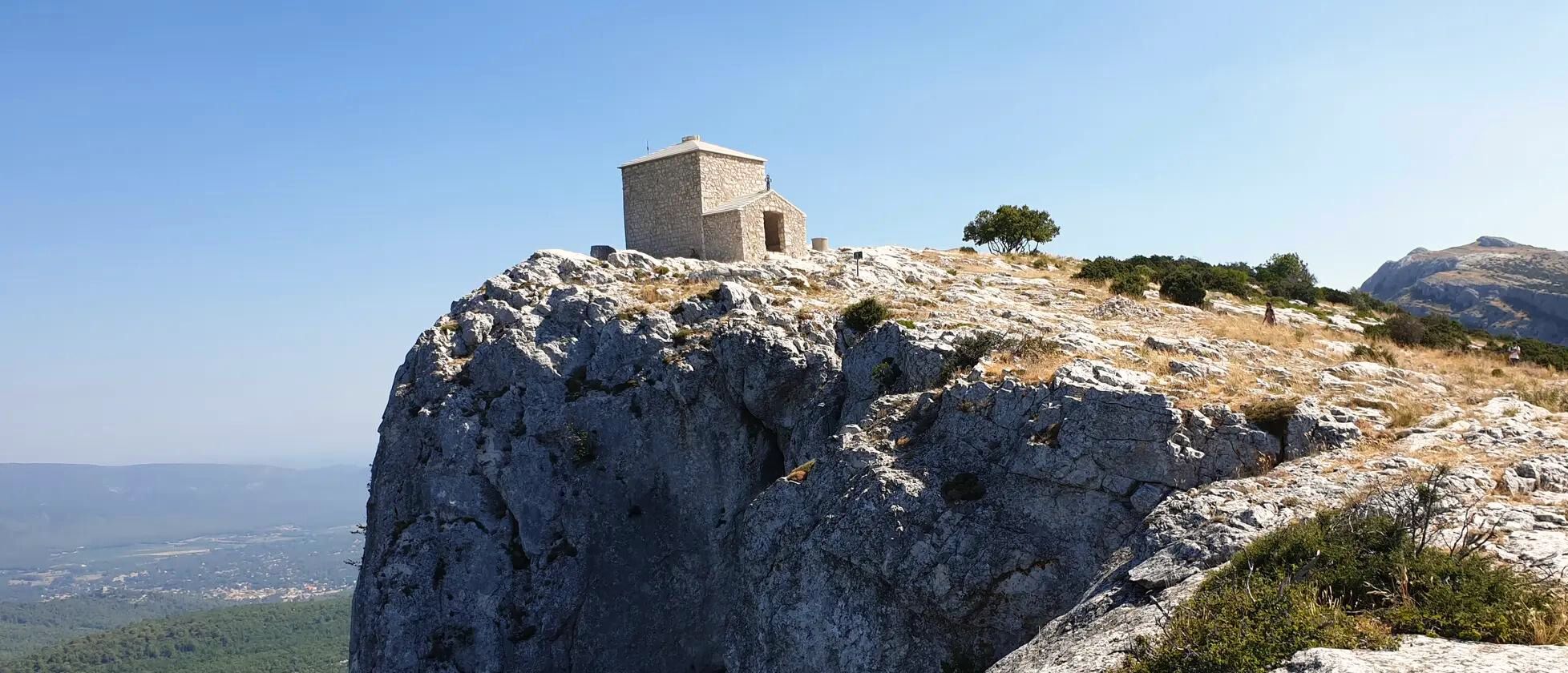
La Madrague to the Sainte-Baume – GR 98
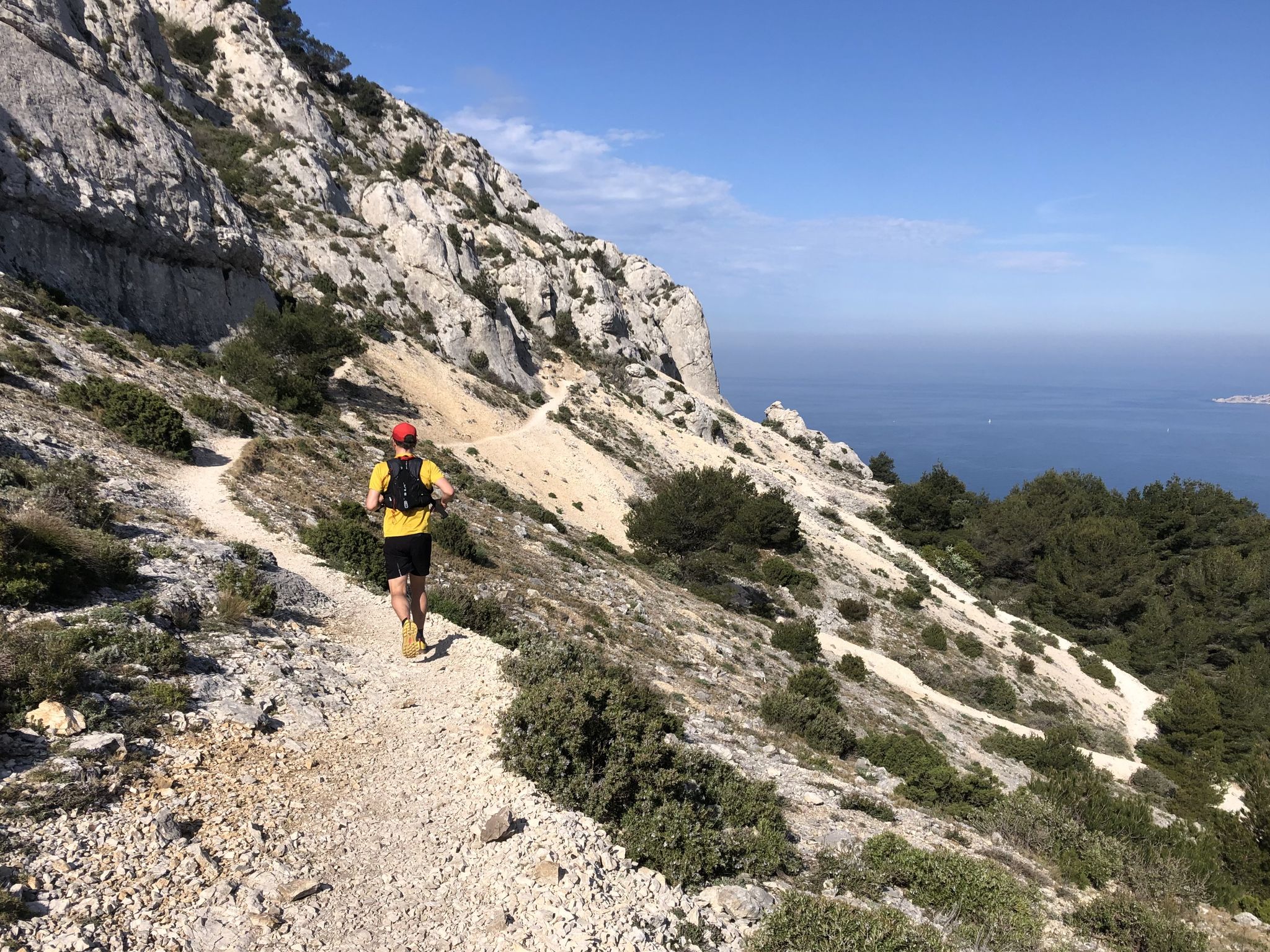
Cliffs, creeks and ridges – 10 sporty hikes in France’s Calanques
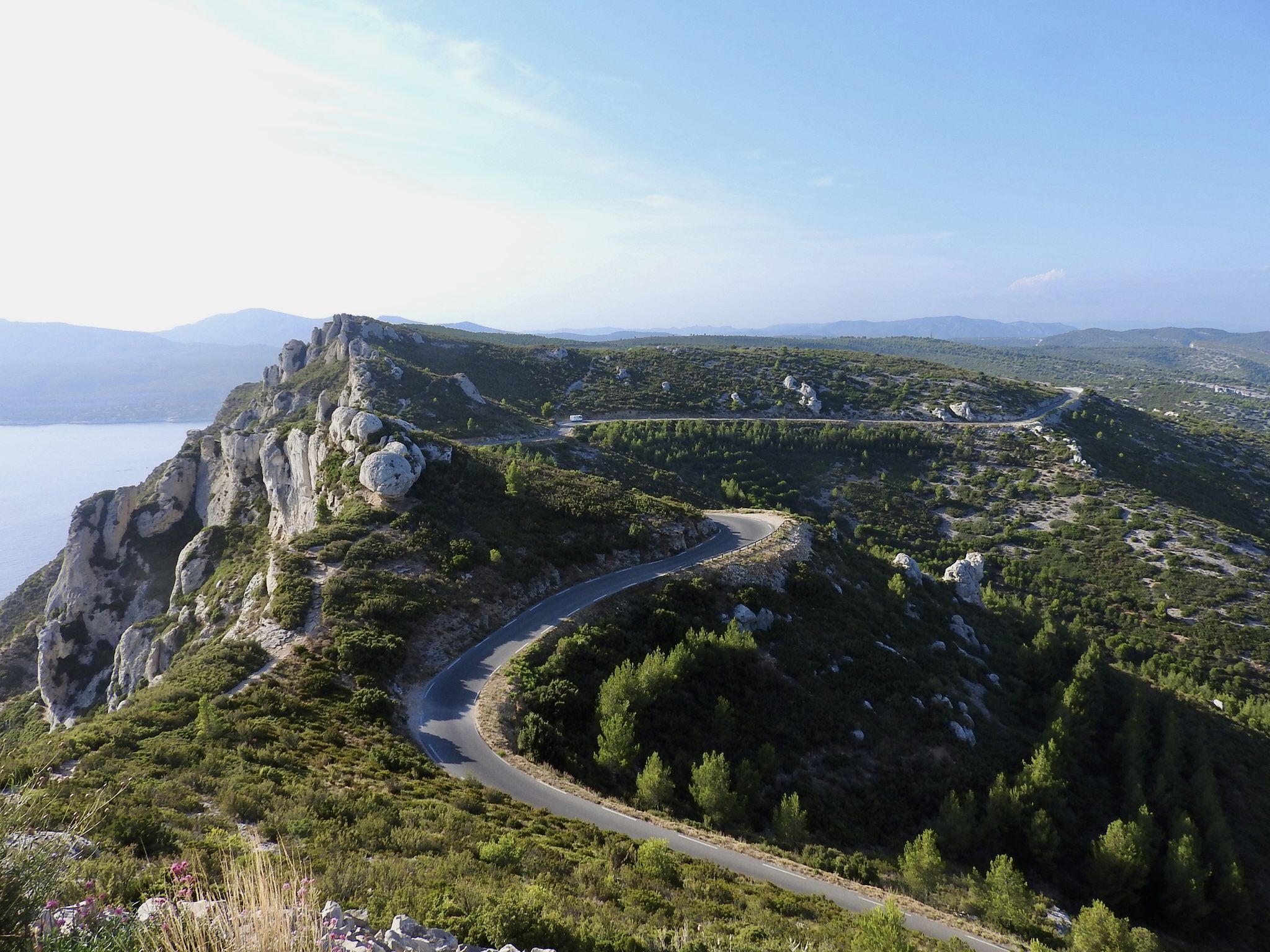
From the Calanques to Cézanne – discover the countryside of France’s Provence
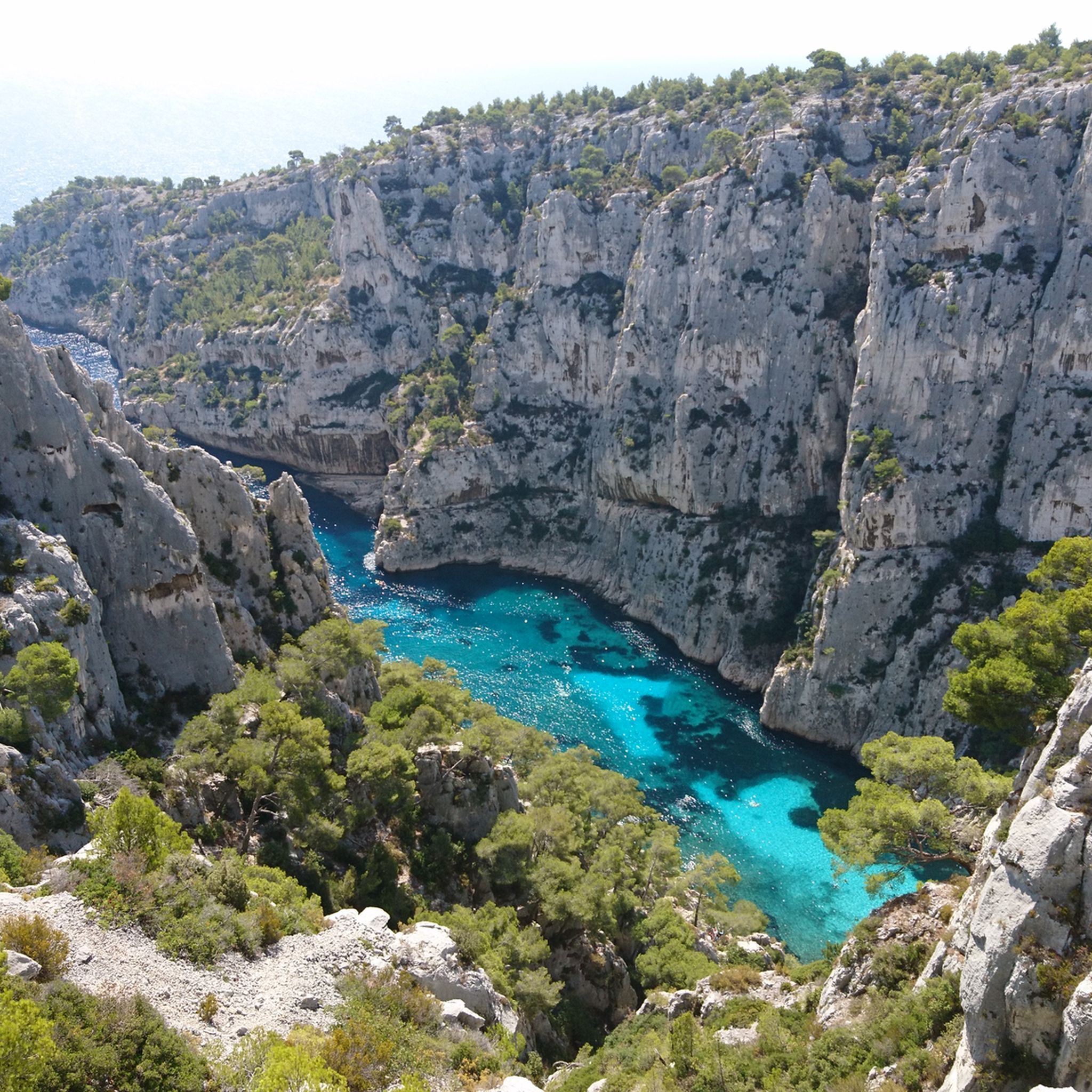
Hiking around Marseille
Other adventures around Marseille


Tips from the Community

wonderfully beautiful landscape here
0
0

It is worth deviating (a little) from the Route des Crêtes.
0
0

A bit of climbing allows you to pass behind the large rocks, venture into the crack through the fig tree and climb to the summit.
1
0

Magnificent view from the balcony
0
0

Access can be very slippery if wet.
0
0

The Grotte du Mur Pastré, nestled in the hills of Marseille, offers a fascinating setting. This cave, surrounded by wild landscapes and Mediterranean vegetation, reveals magnificent views of the city of Marseille and the Mediterranean Sea. Climbing the steep paths, you can enjoy both the calm of the hills and the mysterious aspect of the cave.
3
0

FR Podestat is a small cove, the fourth cove in the Marseilleveyre massif starting from Marseille. Accessible in around 2 hours of walking for 3 km from Callelongue, it is also the last cove before approaching the Sormiou pass. Surrounded by the minor coves of Queyrons and Escu, it offers a fairly flat hiking path along the sea. However, wear good hiking shoes, some passages can be steep! A large part of the cove is occupied by more or less coarse sand bottoms surrounded to the east and west by a rocky edge made up of large blocks, scree, with a large cave to the southwest. IN Podestat is a small cove, the fourth cove in the Marseilleveyre massif starting from Marseille. Accessible in around 2 hours of walking for 3 km from Callelongue, it is also the last cove before approaching the Sormiou pass. Surrounded by the minor coves of Queyrons and Escu, it offers a fairly flat hiking path along the sea. However, wear good hiking shoes, some passages can be steep! A large part of the cove is occupied by more or less coarse sand bottoms surrounded to the east and west by a rocky edge made up of large blocks, scree, with a large cave to the southwest. SOURCE TEXT TOURISM OFFICE
1
0

Small, quiet cove... Less busy than those further west
1
0
Frequently Asked Questions
What are some unique or historically significant caves in the Marseille area?
The region is home to the famous original Cosquer Cave, a prehistoric treasure with ancient rock art, though it's not publicly accessible. However, you can visit the Cosquer Méditerranée replica for an immersive experience. Another notable site is Hermit's Cave, a natural monument that once housed a troglodyte chapel and offers magnificent views.
Are there any caves around Marseille that are easy to visit for families?
Yes, the Calanques National Park Cave is listed as family-friendly. Additionally, Mur Pastré Cave, nestled in the hills, provides a fascinating setting with views of the city and Mediterranean Sea, making it accessible for a pleasant outing.
What kind of views can I expect from caves in Marseille?
Many caves in the region offer stunning viewpoints. From Mur Pastré Cave, you can enjoy magnificent views of Marseille and the Mediterranean. Hermit's Cave and Spanish Cave also provide excellent vantage points over the surrounding landscapes and the sea.
Are there caves for more experienced adventurers or those seeking a challenge?
For those seeking a challenge, the Aven des Quatre Trous is a very deep, dark cave with an entry many meters vertically downwards, requiring specialized equipment. Saint-Michel d'Eau Douce Cave can also be challenging, especially if wet, as access can be very slippery.
What is the Cosquer Méditerranée replica, and what does the experience involve?
The Cosquer Méditerranée is an immersive replica of the original, inaccessible Cosquer Cave. Visitors 'dive' 37 meters in an elevator to simulate the original cave's depth, then explore meticulously recreated geological formations and nearly 500 prehistoric rock paintings and engravings from 27,000 to 19,000 years ago, including unique depictions of penguins and seals, from small exploratory vehicles.
How long does it take to experience the Cosquer Méditerranée replica?
The guided tour inside the replicated cave, explored via small vehicles, typically lasts about 35 minutes. Beyond the cave tour, the attraction includes a reconstructed diving club and an amphitheater, plus a gallery on the third floor, allowing for a more extended visit to learn about ancient human life and the impact of rising sea levels.
Are there hiking opportunities near the caves in Marseille?
Absolutely. Many caves are located within or near popular hiking areas. For example, the Mur Pastré Cave is within Parc Pastré, a gateway to hiking in the Calanques. You can find various hiking routes around Marseille, including trails in the Calanques National Park, by visiting the Hiking around Marseille guide.
What should I wear or bring when exploring caves around Marseille?
For most accessible caves, comfortable walking shoes with good grip are recommended, especially since some areas like Saint-Michel d'Eau Douce Cave can be slippery. For more challenging caves like Aven des Quatre Trous, specialized caving equipment is essential. Always bring water and a headlamp, even for seemingly easy explorations.
Are permits required for caving in the Marseille region?
While general access to many natural caves in the Calanques National Park area does not require specific permits for casual exploration, more advanced caving activities, especially in vertical shafts or protected areas, may require permits or be restricted to experienced groups with proper authorization. It's always best to check local regulations for specific sites if planning technical caving.
What other outdoor activities can I combine with a visit to the caves?
Marseille offers a wide range of outdoor activities. Besides hiking, you can explore road cycling routes like the 'Route des Crêtes' or 'Gineste Pass' by checking the Road Cycling Routes around Marseille guide. Running trails are also popular, with options like the 'Le Cap Canaille' loop, detailed in the Running Trails around Marseille guide.
Can I bring my dog to the caves around Marseille?
Policies regarding dogs vary by specific cave and protected area. While some outdoor trails leading to caves might be dog-friendly, access inside the caves themselves is often restricted for safety and preservation reasons. It's advisable to check specific rules for each location, especially within the Calanques National Park, before planning your visit with a pet.
What are the geological features of the caves in the Marseille region?
The caves around Marseille are primarily formed in limestone cliffs, a characteristic of the Mediterranean coast and the Calanques National Park. This geology has created diverse subterranean formations, including natural grottoes, vast galleries like in Saint-Michel d'Eau Douce Cave, and challenging vertical shafts such as the Aven des Quatre Trous. Stalactites and stalagmites are also present in some formations, as meticulously replicated in the Cosquer Méditerranée.
Most popular routes around Marseille
Most popular attractions around Marseille

Get inspired with the komoot mobile app


Didn’t find what you were looking for?
Discover more caves around Marseille region by region:
Explore more
Extend your search for the best caves by checking out these guides of the top ones around Marseille:
