Top 3 Castles around Alagoa
Castles around Alagoa are primarily found in the Alto Alentejo region of Portugal, near the Spanish border. This area is characterized by its rolling hills and historic towns, offering a blend of natural landscapes and medieval architecture. The region features well-preserved fortifications that once served as defensive strongholds. Visitors can explore these historical sites, many of which provide extensive views of the surrounding countryside.
Best castles around Alagoa
- The most popular castles is Castelo de Vide, a settlement and…
Last updated: May 6, 2026
Castelo de Vide
Highlight • Settlement
Translated by Google •
Tip by

Entrance to Castelo de Vide Castle
Highlight • Castle
When the settlement …
Translated by Google •
Tip by

Sign up now to discover places like this
Get recommendations on the best single tracks, peaks, & plenty of other exciting outdoor places.
Sign up for free
Portalegre Castle
Highlight • Castle
Translated by Google •
Tip by

View of Castelo de Vide
Highlight (Segment) • Viewpoint
Translated by Google •
Tip by

View of Castelo de Vide
Highlight (Segment) • Viewpoint
Translated by Google •
Tip by

Start today with a free account
Your next adventure awaits.
Login or Signup
Tips from the Community

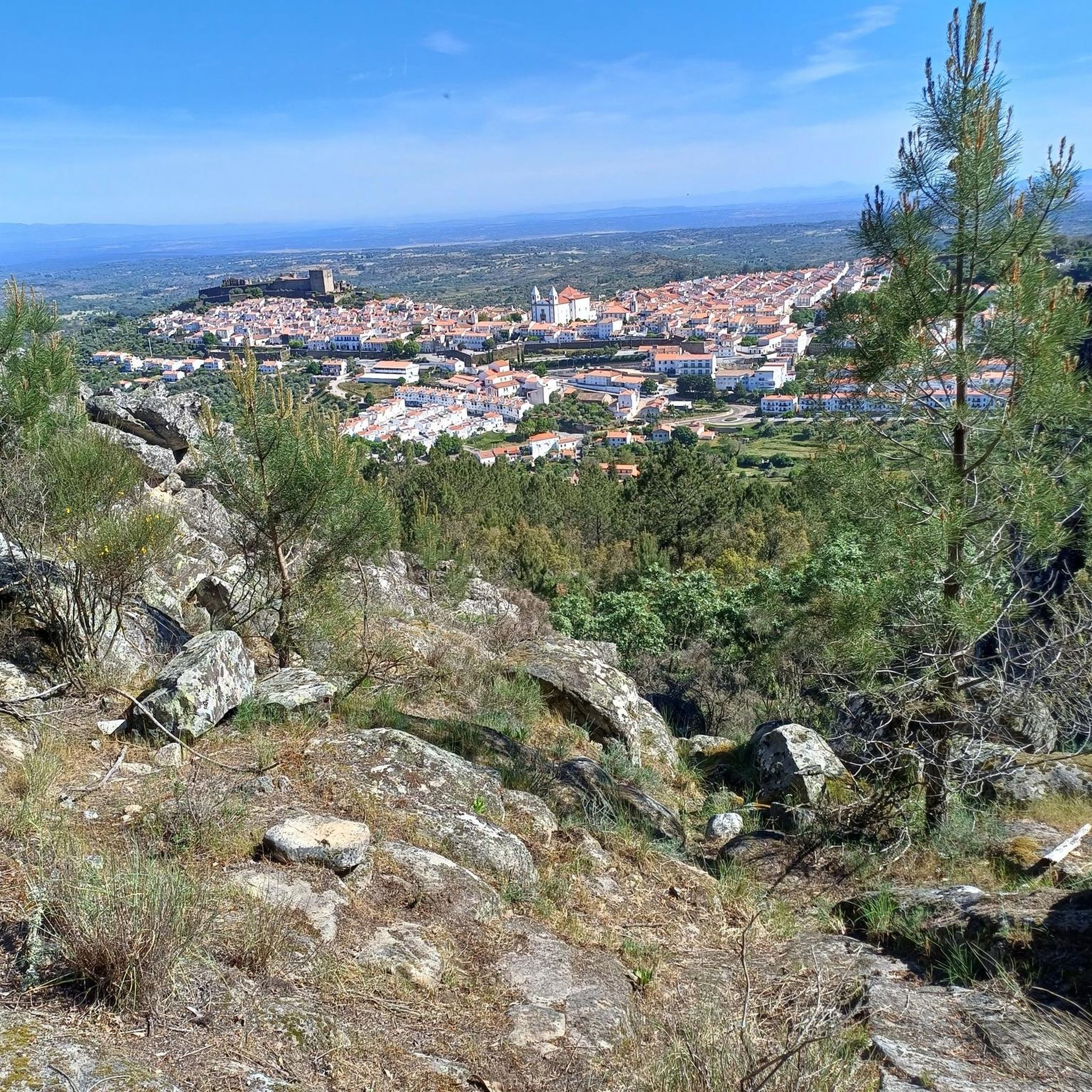
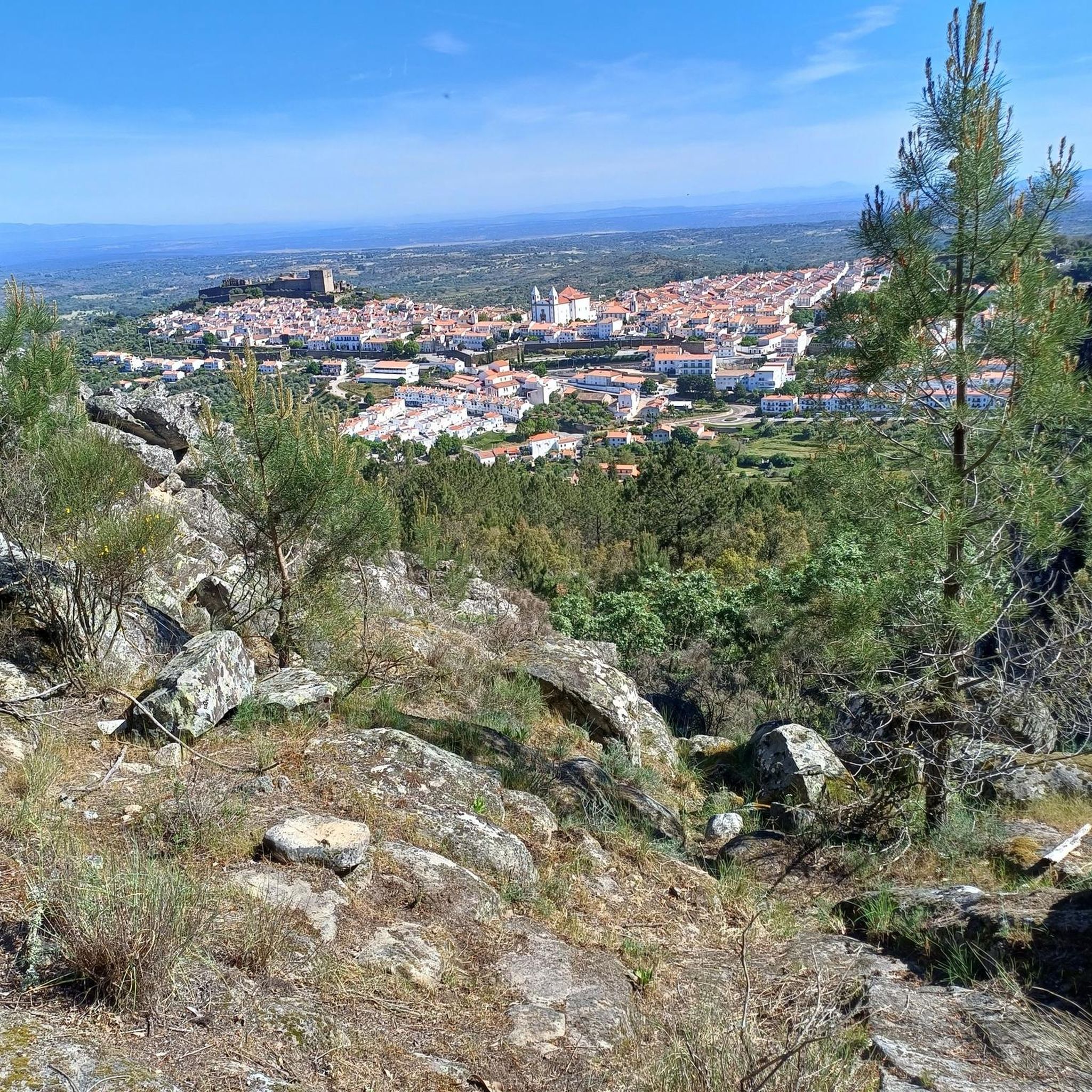
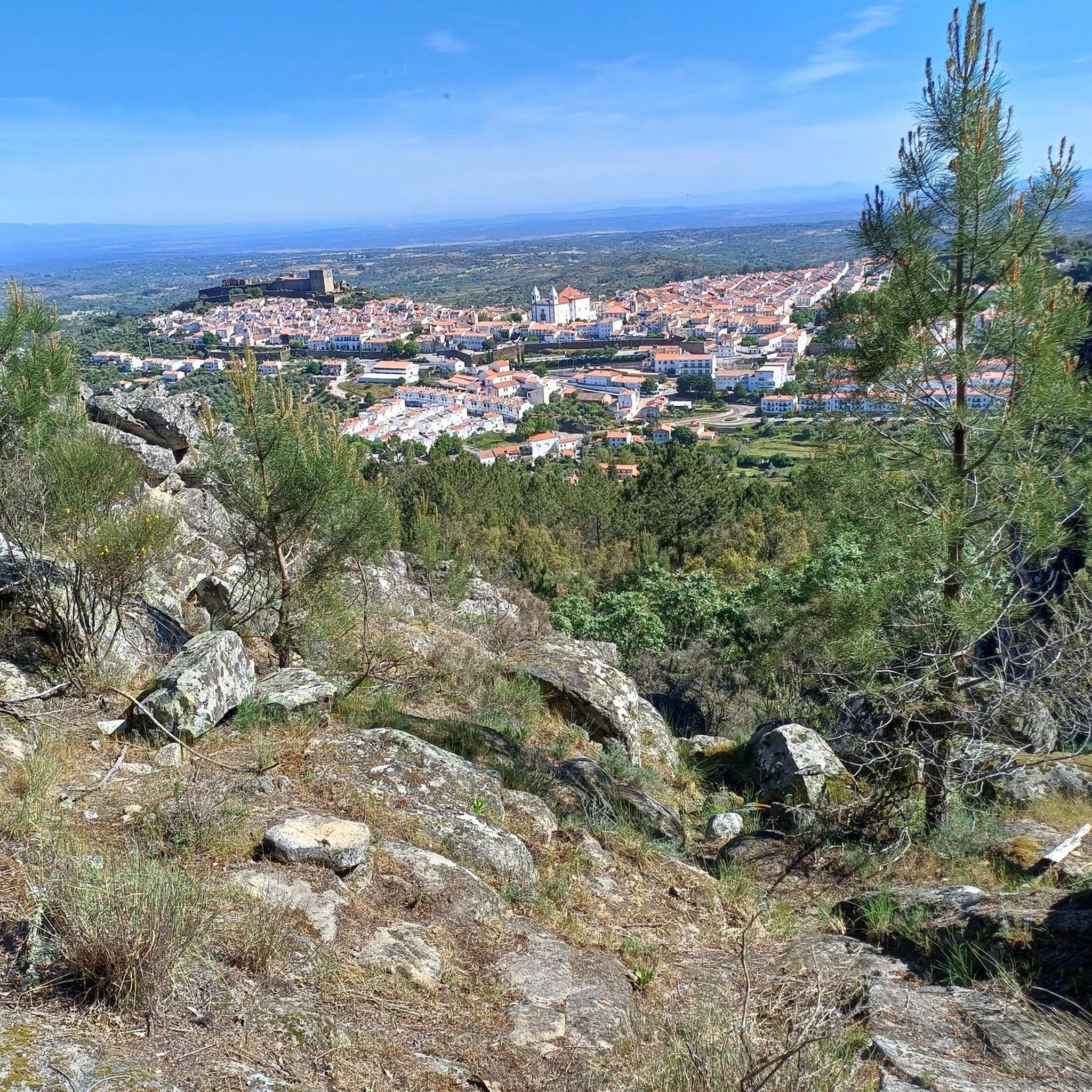
Far in the northeast of Alentejo lies Castelo de Vide, just a few kilometers from the border with Spain. The town is often called Cidade branca (white city), which is primarily due to the pretty whitewashed houses of the town. The highlight of the town (besides its great location in the Parque Natural da Serra de São Mamede) is the 14th-century Castelo de São Roque. From the castle, you have a fantastic view of the old town. Other sights in Castelo de Vide include the old Jewish quarter with the oldest synagogue in Portugal and the numerous churches and chapels of the town.
1
0

The castle was founded by King D. Dinis in 1290, with the aim of defending the Alentejo border. Originally, it had an imposing structure with a double ring of walls, twelve towers and eight gates. Over the centuries, it lost part of its structure to the growth of the city, but it remains a National Monument. The Keep is the best-preserved part of the original complex. Inside, there is a museum that you can visit.
1
0
Castelo de Vide Castle, locally known as Castelo de Vide Castle, is located in the town of the same name in the Alto Alentejo region of Portugal. When the settlement and castle of Castelo de Vide were founded is unknown, but they were first mentioned in 1232, when it was in Portuguese hands. Afonso III of Portugal donated the town and castle, along with the towns and castles of Arronches, Marvo, and Portalegre, to one of his young sons, also called Afonso, around 1272. ... ...The destruction caused during the last two Spanish wars led to the abandonment of Castelo de Vide's fortifications in 1823, after which it fell into disuse... https://www.castles.nl/castelo-vide-castle Due to the small, insignificant castle and access restrictions, we decided not to visit the actual castle.
1
0

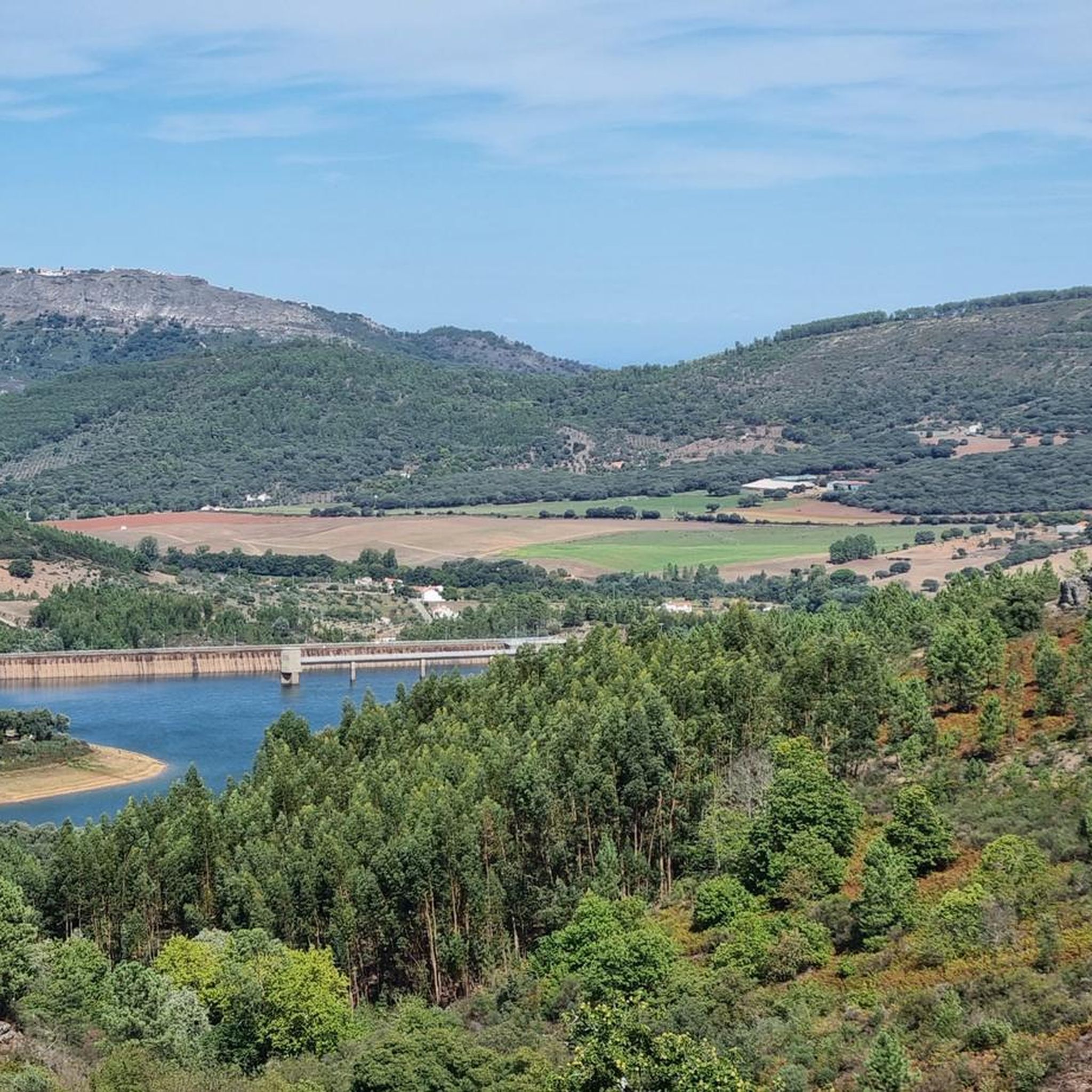
Castelo de Vide is a small village that rises on gentle green hills. The fortress stands out among the cluster of white houses to stand out in the surrounding landscape. From here you can enjoy a great view from the saddle of your bike.
1
0

Short but hard asphalt climb. Ramps around 10%. During the climb there are unbeatable views of the town and it ends at a Roman road.
2
0
Great view of Castelo de Vide
0
0

Next Marvão the second beautiful city in the region
3
1
Frequently Asked Questions
What are the main castles to visit in the Alagoa region?
The region around Alagoa, particularly in the Alto Alentejo, is home to several impressive medieval castles. Key highlights include the well-preserved Castelo de Vide, known for its charming town and panoramic views. Nearby, the dramatic Marvão Castle, perched atop a ridge, offers breathtaking vistas. Further south, Portalegre Castle, founded in 1290, features a well-preserved Keep and a museum.
Are there family-friendly castles to visit around Alagoa?
Yes, Castelo de Vide is listed as family-friendly. Its charming medieval village and castle grounds are enjoyable for all ages. Marvão Castle, with its extensive walls and dramatic setting, also offers an engaging experience for families, allowing children to explore and imagine medieval life.
What kind of historical insights can I gain from visiting these castles?
These castles offer a deep dive into Portugal's medieval history, particularly their role in defending the border with Spain. Castelo de Vide and Marvão Castle showcase robust medieval architecture and strategic design. Portalegre Castle, founded in 1290, provides insight into border defense and urban development, with a museum inside its Keep detailing its past.
Can I find good viewpoints or natural features near the castles?
Absolutely. Both Castelo de Vide and Marvão Castle are renowned for their spectacular panoramic views. From Castelo de Vide, you can see the surrounding countryside and the Spanish border. Marvão, often called an 'eagle's nest,' offers magnificent views of the Alentejo region and the Serra de São Mamede mountains. The area is part of the Parque Natural da Serra de São Mamede, providing beautiful natural landscapes.
What outdoor activities can I do near these castles?
The region around these castles is excellent for outdoor activities. You can find numerous hiking and cycling routes. For hiking, consider trails like the "Serra de São Paulo Trail (PR1)" or the "Medieval Cobbled Road loop from Castelo de Vide." Mountain biking enthusiasts can explore routes such as the "Loop from Castelo de Vide to Marvão" or the "Marvão Walled Town and Castle – Marvão Castle loop." Road cyclists can enjoy scenic rides like "Castelo de Vide – Cabroeira Climb loop." You can find more details on these and other routes in the hiking, MTB, and road cycling guides around Alagoa.
What is the best time to visit the castles in this region?
The best time to visit is generally during the spring (April to June) and autumn (September to October). During these months, the weather is pleasant for exploring the castles and enjoying outdoor activities, with milder temperatures and less chance of extreme heat or heavy rain. Summer can be very hot, while winter can be cooler and wetter, though some castles remain open year-round.
Are there amenities like cafes or accommodation near the castles?
Yes, the towns where these castles are located, such as Castelo de Vide, Marvão, and Portalegre, are well-equipped with amenities. You'll find cafes, restaurants, and various accommodation options ranging from guesthouses to hotels, allowing you to comfortably explore the area.
How accessible are these castles for visitors?
Accessibility can vary. While the towns themselves are generally walkable, the castles often involve climbing stairs or walking on uneven terrain within their walls. Marvão Castle, for instance, is perched on a ridge, requiring some ascent. It's advisable to check specific accessibility details for each castle if you have particular needs.
What do visitors enjoy most about Castelo de Vide?
Visitors particularly enjoy the authentic atmosphere of Castelo de Vide, often referred to as 'Cidade branca' (white city) due to its whitewashed houses. The town's medieval character, the historic Jewish Quarter with Portugal's oldest synagogue, and the fantastic views from the 14th-century Castelo de São Roque are frequently highlighted. It's considered a 'hidden gem' in Portugal.
Is there an entrance fee for Marvão Castle?
Entry to Marvão Castle is typically free, allowing visitors to explore its impressive walls and enjoy the panoramic views without charge. However, it's always a good idea to check the latest information before your visit.
What makes Portalegre Castle unique?
Portalegre Castle stands out for its historical significance as a border defense, founded by King D. Dinis in 1290. Although parts of its original structure were lost to urban growth, its Keep remains remarkably well-preserved. It houses a museum, offering a unique opportunity to delve into the castle's past and its role in the region's history.
Most popular attractions around Alagoa

Get inspired with the komoot mobile app


Explore more
Looking for the best castles somewhere else? Discover other guides around Alagoa:
