Top 5 Castles around Beselga
Best castles around Beselga offer a journey through significant historical sites in Portugal. The region is known for its rich past, particularly its connections to the Knights Templar and Portuguese medieval history. Visitors can explore architectural complexes that illustrate centuries of heritage. The area provides opportunities to discover historical landmarks and cultural heritage.
Best castles around Beselga
- The most popular castles is Convent of Christ and Castle of Tomar, a castle that was granted world heritage status by UNESCO…
Last updated: July 3, 2026
Convent of Christ and Castle of Tomar
Highlight • Castle
Translated by Google •
Tip by

Tomar Templar Castle
Highlight • Castle
Translated by Google •
Tip by

Sign up now to discover places like this
Get recommendations on the best single tracks, peaks, & plenty of other exciting outdoor places.
Sign up for free
Main Cloister (Cloister of D. João III), Convent of Christ
Highlight • Historical Site
Translated by Google •
Tip by
Start today with a free account
Your next adventure awaits.
Login or Signup
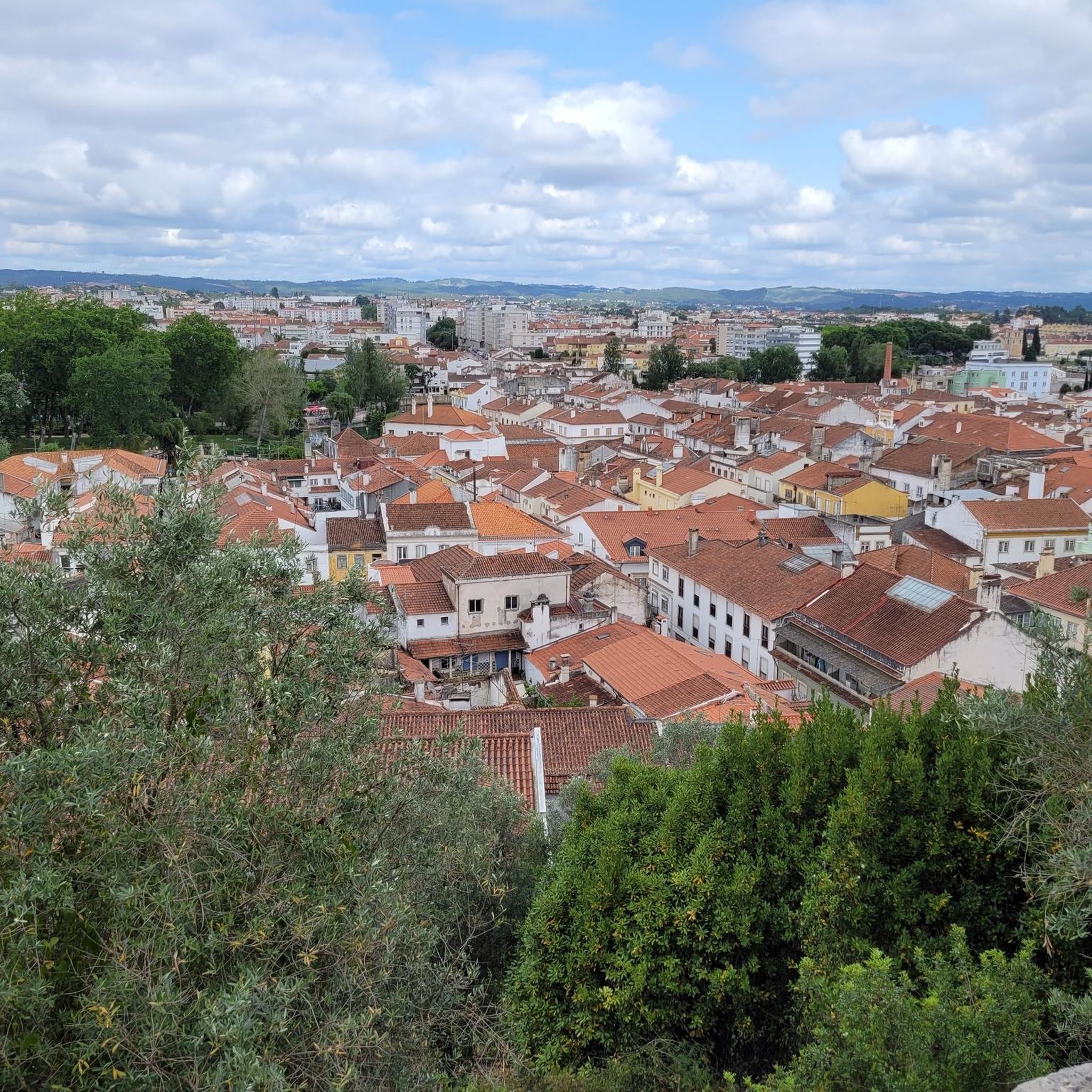
Tips from the Community


Closes at 4pm (May 25), the courtyard has been kindly opened until 5pm.
0
0

The Templar Castle was built at a strategic point to defend the territory and support the conquest beyond the Tagus River. Construction began in 1160 under the Templar Master D. Gualdim Pais. The north wing and higher ground housed the Templar Palace, with two pillars: to the east and at its highest point, the citadel with its rectangular control tower, and to the west, the fortified religious temple—the Templar Charola. Several towers and turrets are located along the extensive wall. The entire outer perimeter of this wall was protected by a rampart—a stone wall simulating a hill at the base, thus impeding the advance of assault engines, sentinels, and climbers. The wall, towers, and quadrangular and semicircular turrets contain rectilinear loopholes and broad battlements. The various military-architectural solutions undoubtedly originate from the Middle East, where King Gualdim Pais stayed for five years during the Crusades. The Charola was probably built or completed shortly after the fortifications and is intended to commemorate the Holy Sepulchre and Solomon's Temple. This castle was also the headquarters of the Knights Templar in Portugal. https://opctj.pt/castelo-templario-charola-e-convento-de-cristo-de-tomar/ The castle complex, with its walls and extensive gardens, is open to the public free of charge.
1
0
Built from 1554 onwards, the imposing building is considered a masterpiece of the European Renaissance. The fountain at its very center is fed by the waters of the Aqueduct of Pegões. King John III had it built outside the castle walls. Adjacent to the monastery church, the main cloister flanks the south façade of the Manueline nave, with which his father, King Manuel I, had already expanded the existing Templar church. To help you place the eight cloisters within the complex jumble of buildings on the site of today's Convent do Christo, you can find help here: https://anyformsdesignmapas.blogspot.com/2014/09/convento-de-cristo-tomar.html https://de.wikipedia.org/wiki/Convento_de_Cristo#/media/Datei:TomarChurchPlanCC3-pt.jpg
1
0
Detailed plans of the complex, including the identification of the individual parts and monasteries, can be found here: https://campanha.cmjornal.pt/portugal-monumental/ https://de.wikipedia.org/wiki/Convento_de_Cristo#/media/Datei:TomarChurchPlanCC3-pt.jpg https://blogger.googleusercontent.com/img/b/R29vZ2xl/AVvXsEjONUon4tGroEfnLT311dfFBPy 7gkSdMIt7aDFXuB2X61MqnwjBYUVJwZs3nELeNox-cEindezimgkuppLnXY6-XxrO-2WJQ_62jz9Qme64FlLgng2leHtQJZ3iuys8kl6z1fh1M1Ns6SOV/s1600/05Tomar.jpg https://de.wikipedia.org/wiki/Convento_de_Cristo#/media/File:TomarChurchPlanCC3-pt.jpg
1
0

The remains of the Knights Templar in Tomar
12
1
beautiful stones
9
1

Tomar Castle is a castle in Portugal, where it is classified as a national monument. The Convento de Cristo was built within its walls. The castle was built by King Afonso Henriques around 1160 in a strategic location, on a hill and near the Nabão River. It has an external defensive wall and a citadel (alcáçova) with a tower inside. The keep, a central tower with residential and defensive functions, was introduced into Portugal by the Templars, and that of Tomar is one of the oldest in the country. Another innovation introduced into Portugal by the Templars (learned from decades of experience in Normandy and Brittany and elsewhere) are the round towers in the outer walls, which are more resistant to attack than the square towers. When the city was founded, most of its inhabitants lived in homes located within the castle's protective outer walls.
0
0
Frequently Asked Questions
What are the most historically significant castles to visit around Beselga?
The region around Beselga is rich in history, particularly with connections to the Knights Templar. The most significant is the Convent of Christ and Castle of Tomar, a UNESCO World Heritage site that illustrates seven centuries of Portuguese history. Another key site is the Tomar Templar Castle, which served as the headquarters of the Knights Templar in Portugal, with construction beginning in 1160.
Are there family-friendly castles near Beselga?
Yes, the Tomar Templar Castle is considered family-friendly. Its extensive walls and gardens are open to the public, offering space for exploration. The historical context of the Knights Templar can also be engaging for older children.
What kind of outdoor activities can I do near the castles around Beselga?
The area around Beselga offers various outdoor activities. You can find numerous running, mountain biking, and cycling routes. For example, there are challenging cycling routes like the Castelo de Bode Dam loop, and moderate running trails such as the Mouchão Hydraulic Wheel loop. You can explore more options on the Running Trails around Beselga, MTB Trails around Beselga, and Cycling around Beselga guide pages.
Are there specific hiking trails associated with the castles?
While the guide doesn't list specific hiking trails directly within the castle grounds, the region offers many opportunities for walking and exploring. The Tomar Templar Castle complex itself has extensive grounds that can be explored on foot. For dedicated hiking, you can check the Running Trails around Beselga guide, which includes routes suitable for walking.
What natural features or viewpoints can be found near the castles?
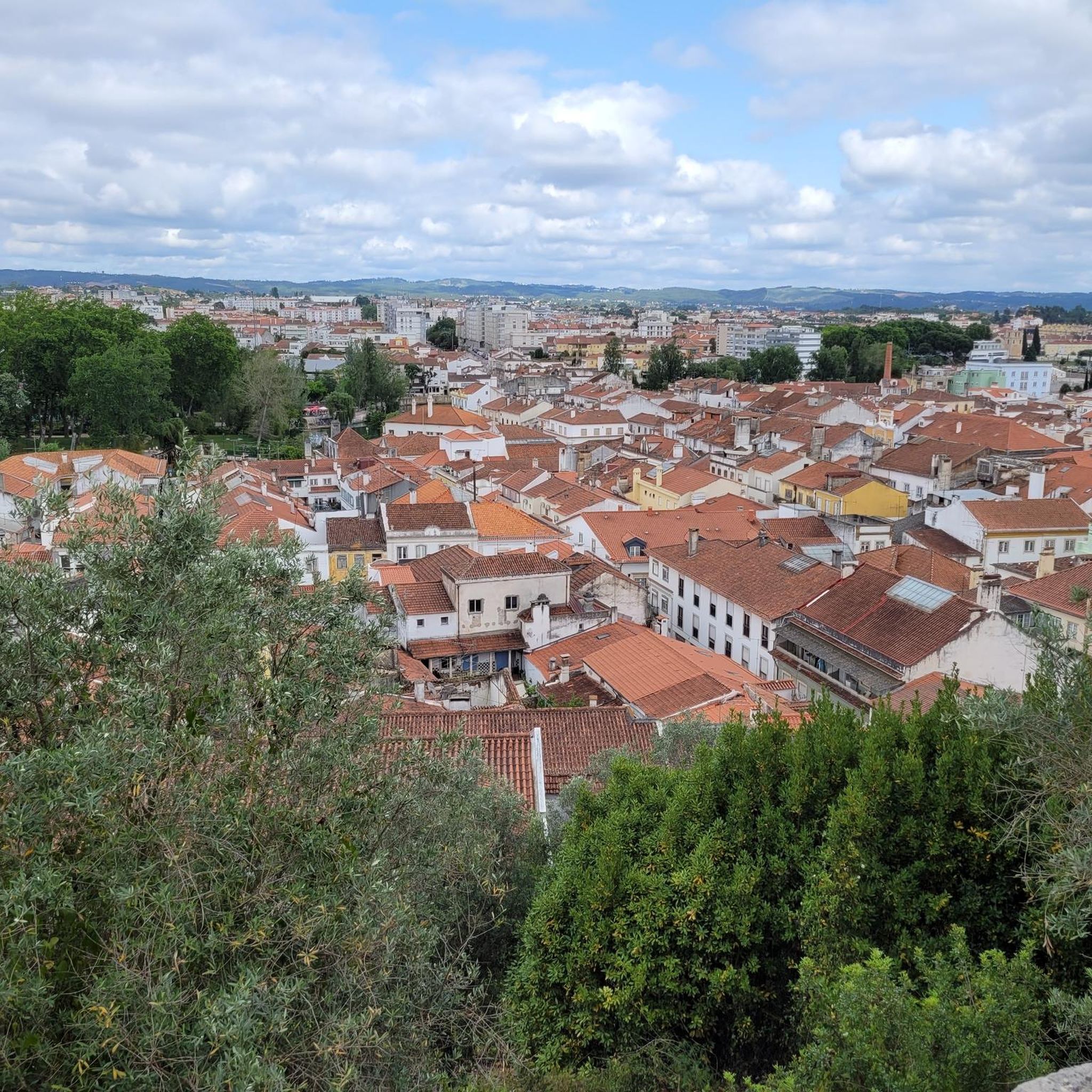
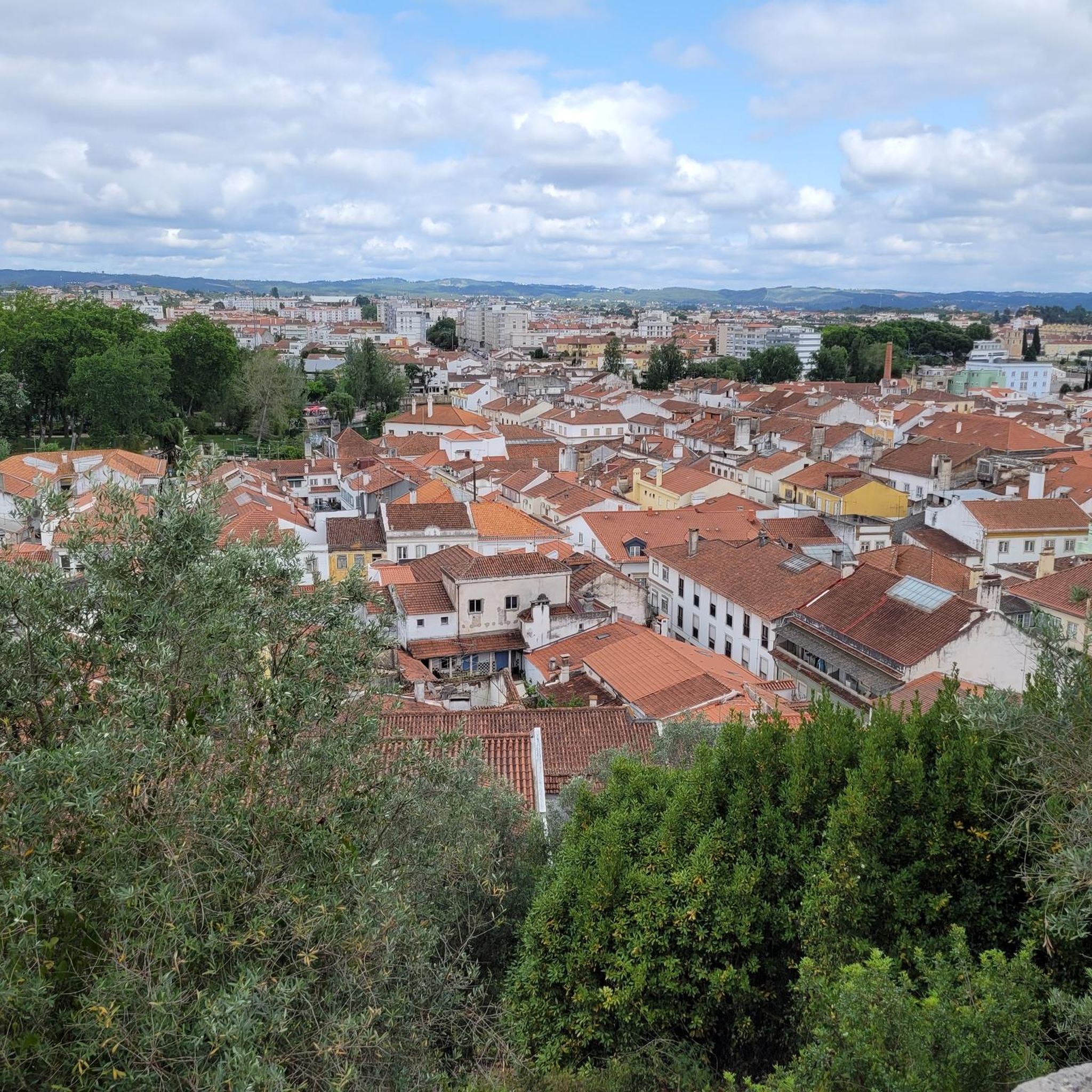
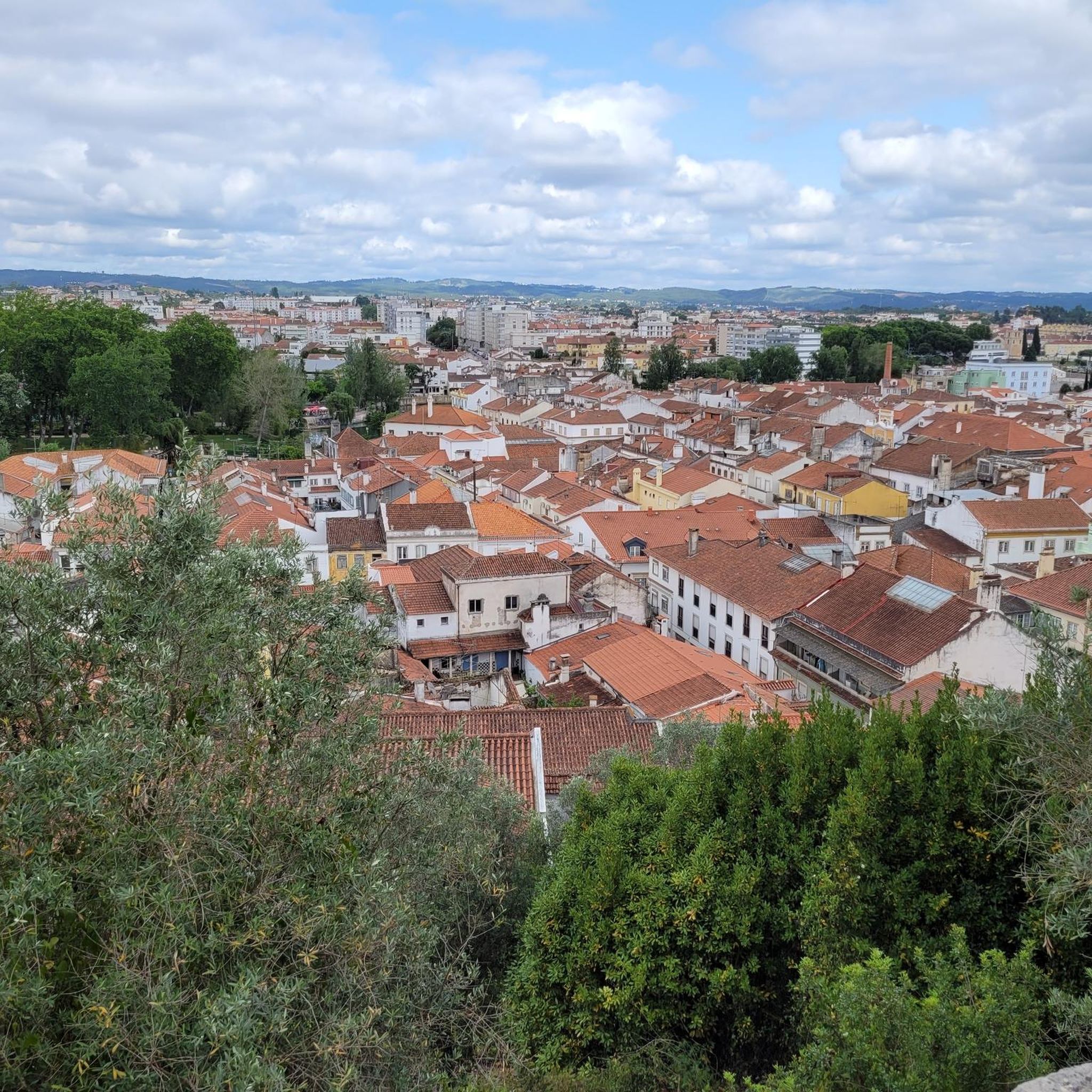
The castles are often situated in scenic locations. For instance, the Convent of Christ and Castle of Tomar is also listed as a viewpoint, offering panoramic views of the surrounding area. The region's rivers, like the Nabão, and natural parks provide beautiful backdrops and opportunities for enjoying nature alongside historical exploration.
What makes the Convent of Christ and Castle of Tomar a must-see?
The Convent of Christ and Castle of Tomar is a UNESCO World Heritage site, recognized for its unique historical significance. It's a vast monumental complex that illustrates seven centuries of Portuguese history, including its role in the defense against the Moors and its deep connections to the Knights Templar. Visitors can explore the remains of the Knights Templar and marvel at its architectural evolution.
What is the best time to visit the castles around Beselga?
While specific seasonal advice isn't provided, visiting during spring or autumn generally offers pleasant weather for exploring historical sites and engaging in outdoor activities like hiking or cycling. These seasons typically avoid the peak heat of summer and the colder, potentially wetter days of winter, making for a more comfortable experience.
Are there any religious buildings or historical sites within the castle complexes?
Absolutely. The Convent of Christ and Castle of Tomar is a prime example, encompassing both a castle and a convent, which is a significant religious building. The Main Cloister (Cloister of D. João III), Convent of Christ, built from 1554 onwards, is considered a masterpiece of the European Renaissance and is an integral part of the religious and historical complex.
What do visitors enjoy most about the castles around Beselga?
Visitors highly appreciate the rich historical context and the architectural grandeur of the castles. The Convent of Christ and Castle of Tomar, in particular, is praised for its UNESCO status and its comprehensive illustration of Portuguese history. The extensive grounds and the opportunity to delve into the legacy of the Knights Templar are also frequently highlighted by the komoot community.
Can I visit the castles and explore nearby towns or villages?
Yes, the castles are often located near or within historic towns. For instance, the Tomar castles are situated in the city of Tomar, allowing visitors to combine castle exploration with discovering the local culture, amenities, and other historical landmarks within the town. This provides a comprehensive cultural and historical experience.
Are there any specific architectural features to look out for in the castles?
Yes, the castles showcase distinct architectural styles. At the Tomar Templar Castle, you can observe innovations introduced by the Templars, such as the round towers in the outer walls, which were more resistant to attack than square towers. The Charola, a fortified religious temple within the castle, is also a unique feature, intended to commemorate the Holy Sepulchre and Solomon's Temple.
Most popular attractions around Beselga

Get inspired with the komoot mobile app


Explore more
Looking for the best castles somewhere else? Discover other guides around Beselga:
