The 20 Most Amazing Peaks around Glarus Süd
Best mountain peaks around Glarus Süd are found in a municipality within the Swiss canton of Glarus. This region is part of the Glarus Alps and includes the UNESCO World Heritage Site of the Swiss Tectonic Arena Sardona. It features diverse peaks and geological formations from continental collisions. The area offers varied terrain for mountain enthusiasts.
Best mountain peaks around Glarus Süd
- The most popular mountain peaks is Murgsee-Furggel Pass, a mountain pass that offers views of the Murgsee…
Last updated: October 10, 2026
Vorder Glärnisch Summit
Highlight • Summit
Translated by Google •
Tip by

Brünnelistock
Highlight • Summit
Translated by Google •
Tip by

Sign up now to discover places like this
Get recommendations on the best single tracks, peaks, & plenty of other exciting outdoor places.
Kistenstöckli
Highlight • Summit
Translated by Google •
Tip by

Maschgenkamm
Highlight • Summit
Translated by Google •
Tip by

Murgsee-Furggel Pass
Highlight • Mountain Pass
Beautiful view of the Murgsee
Translated by Google •
Tip by

Sign up for free to discover even more peaks around Glarus Süd.
Already have an account?
Start today with a free account
Your next adventure awaits.
Popular around Glarus Süd
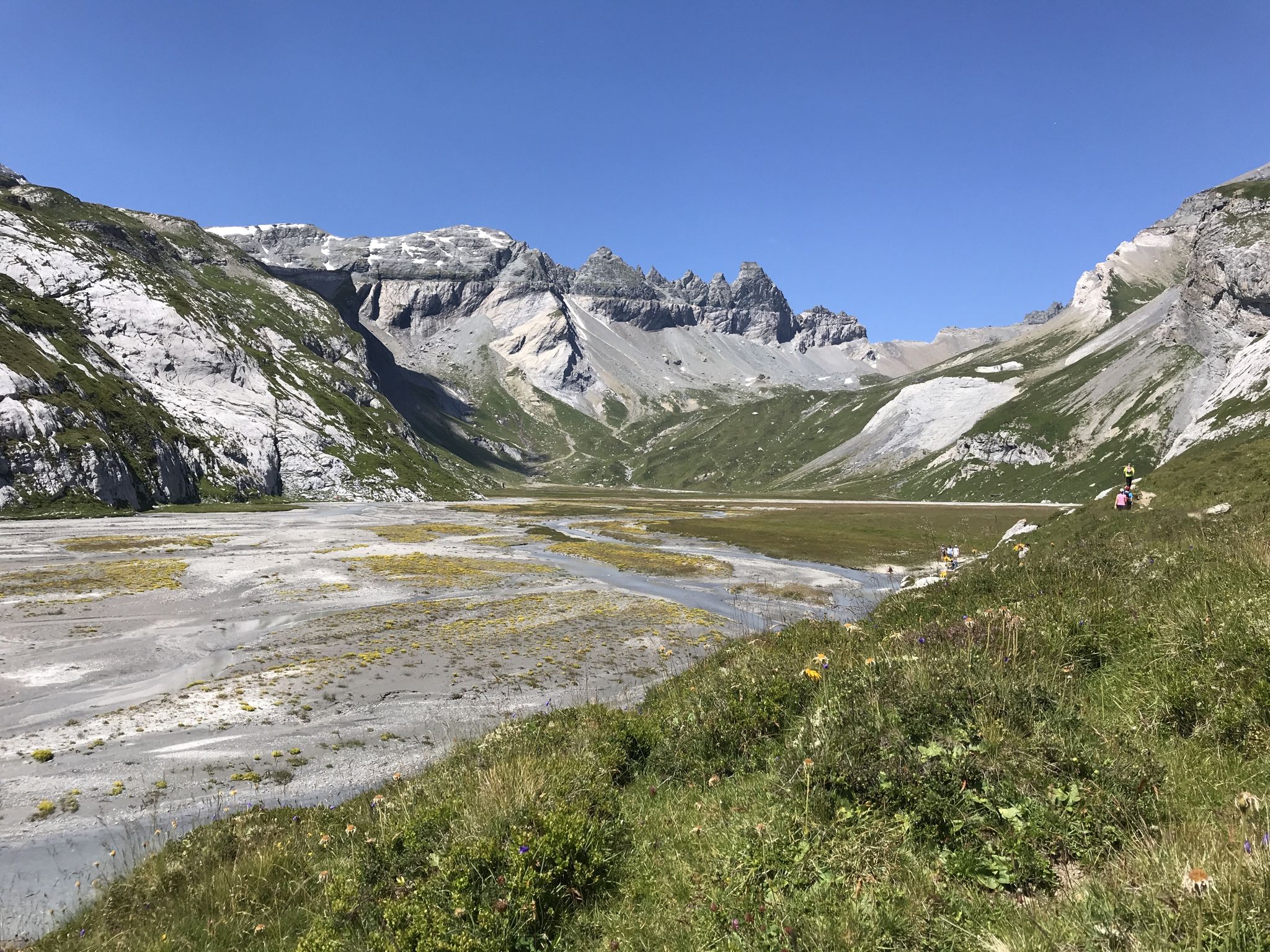
Sardona World Heritage Trail – Where the Alps once formed
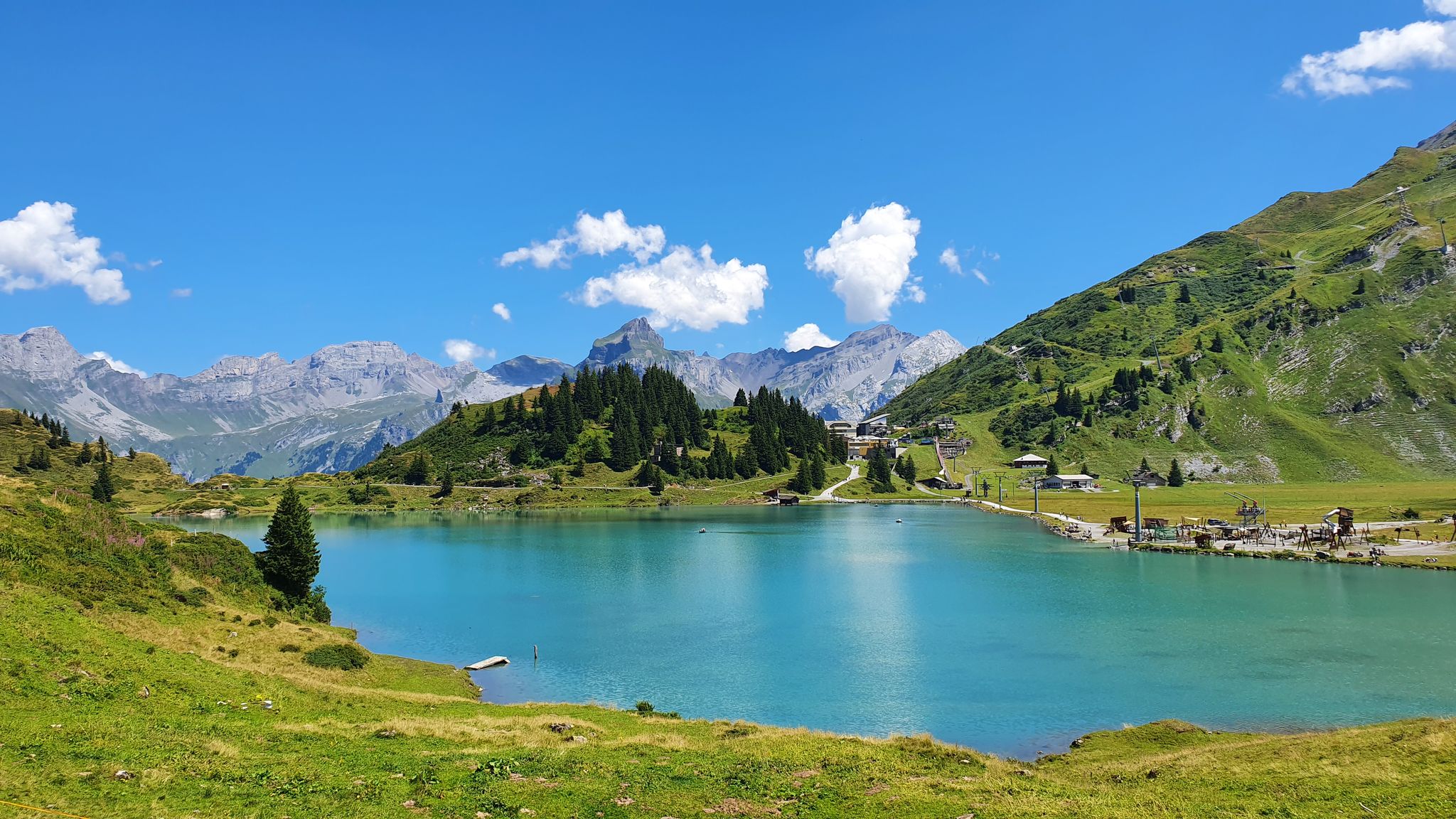
Via Alpina – The 15 stages of the Green Route
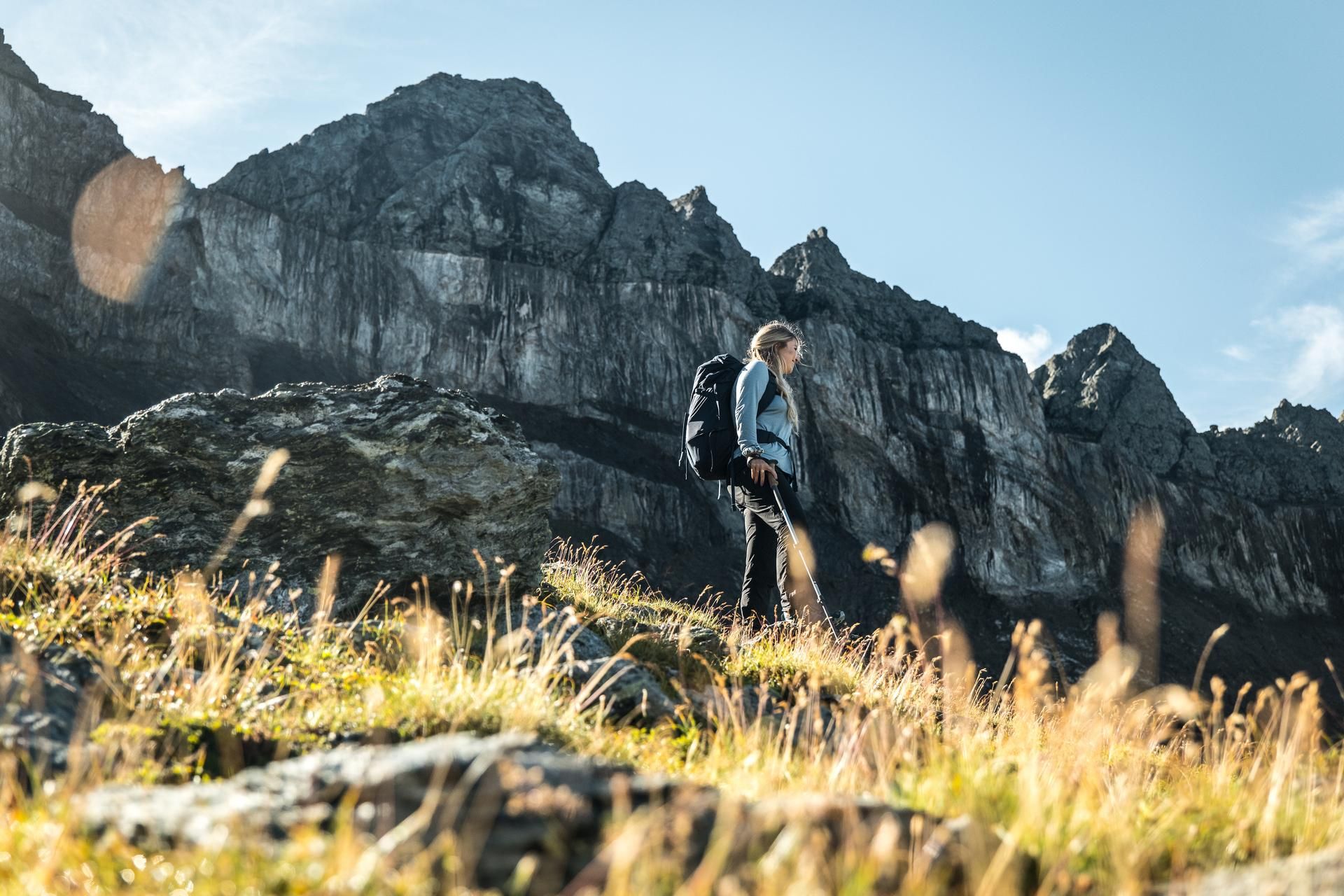
Hiking in the Swiss Tectonic Arena Sardona – Segnes Trek
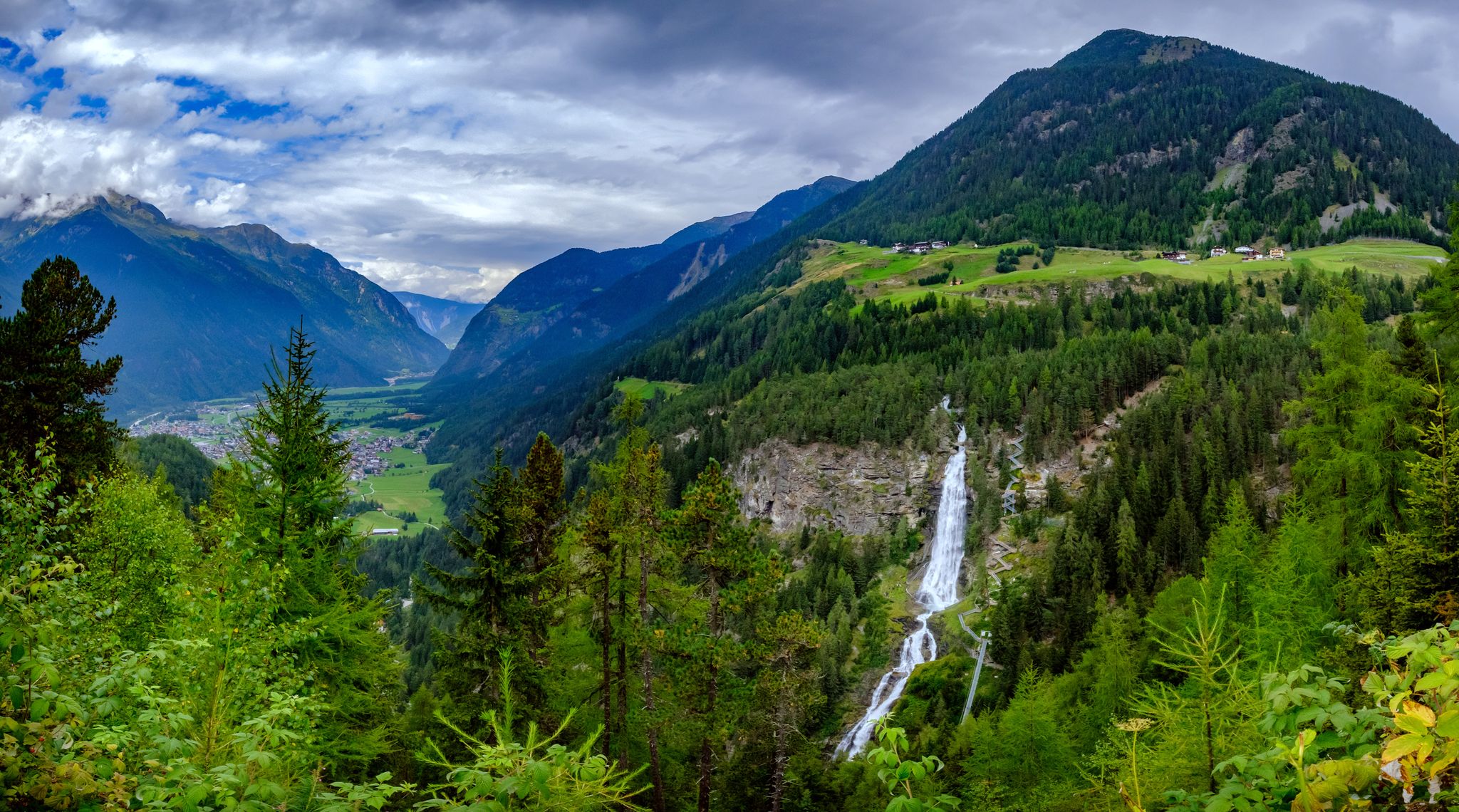
The most beautiful waterfalls of the Alps
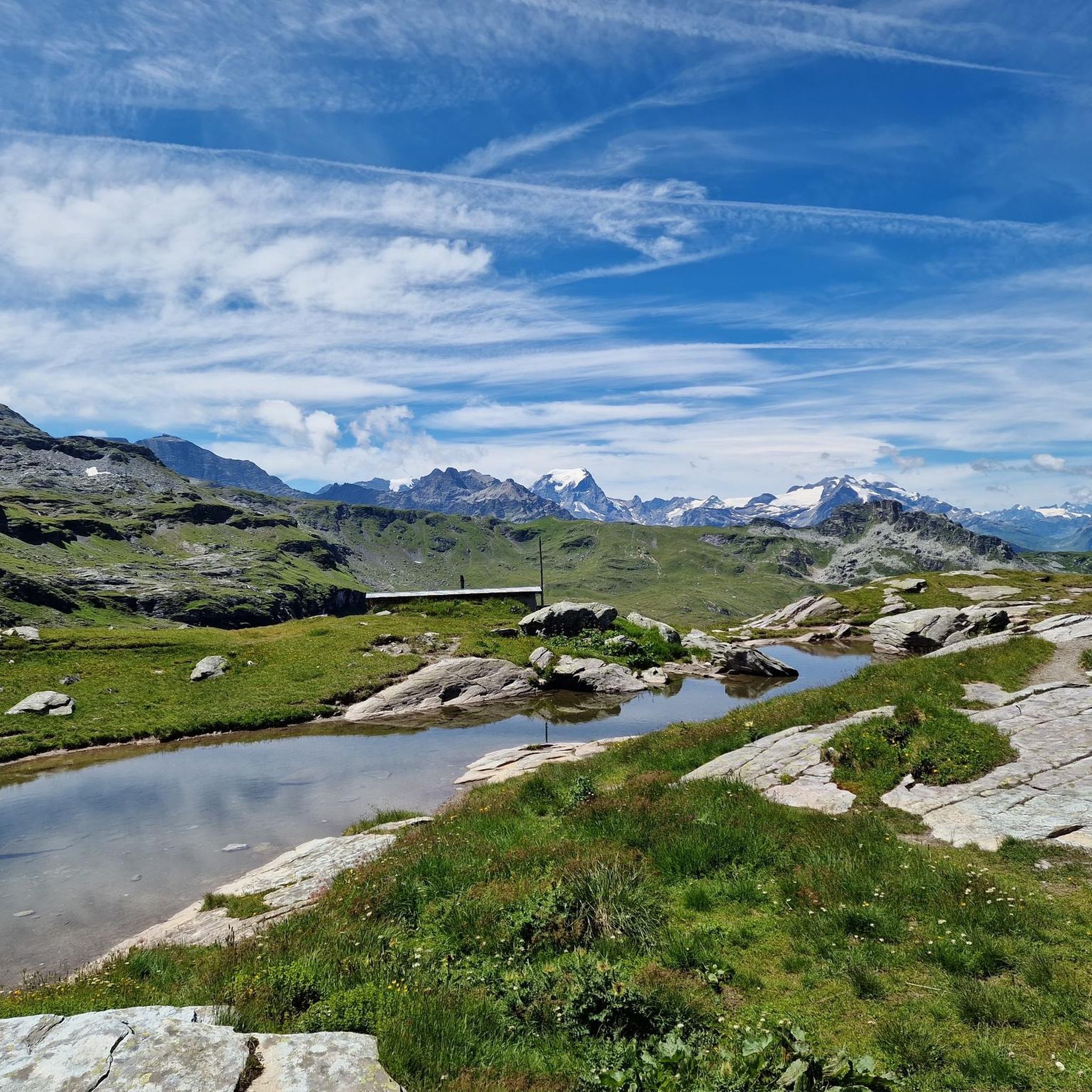
Hiking around Glarus Süd
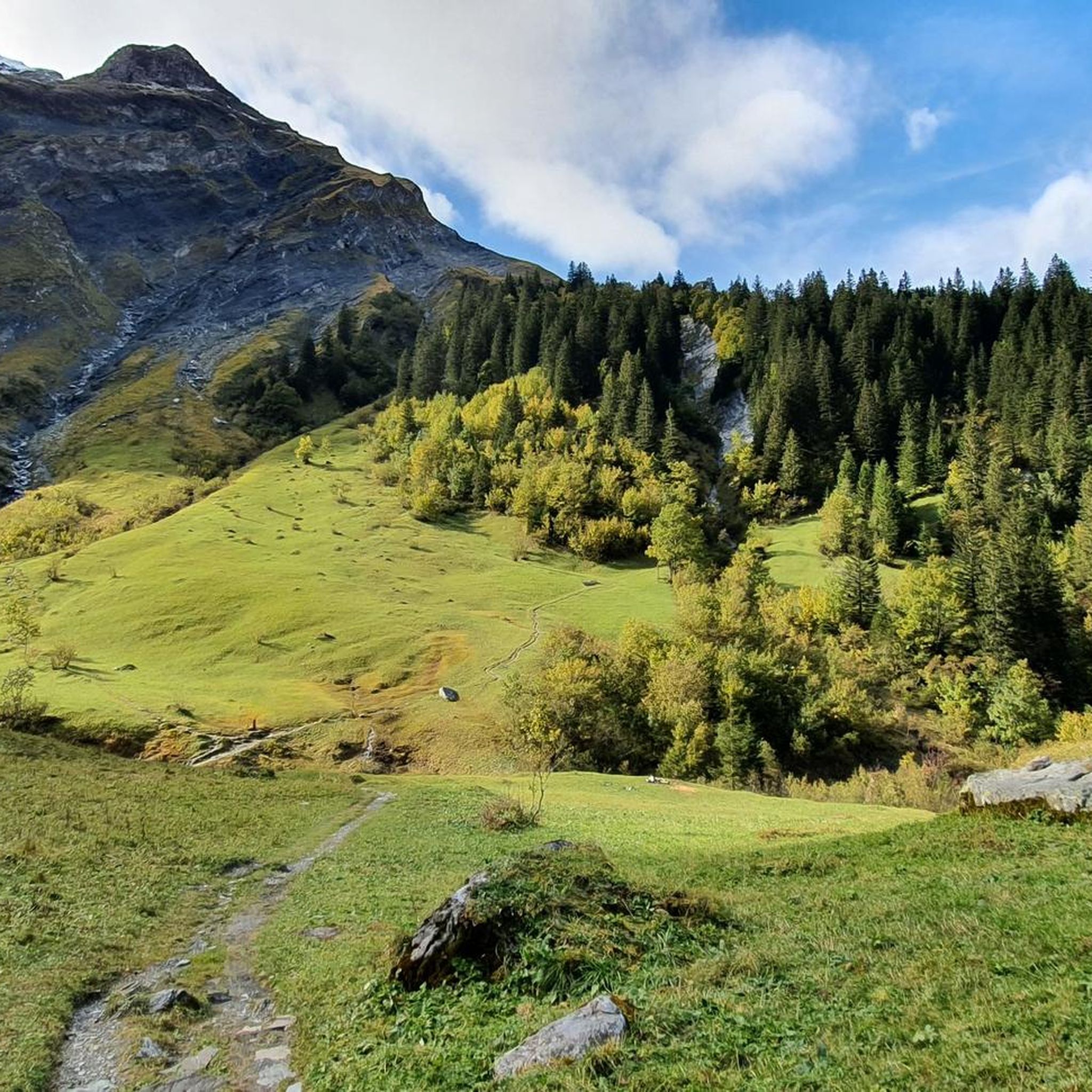
Road Cycling Routes around Glarus Süd
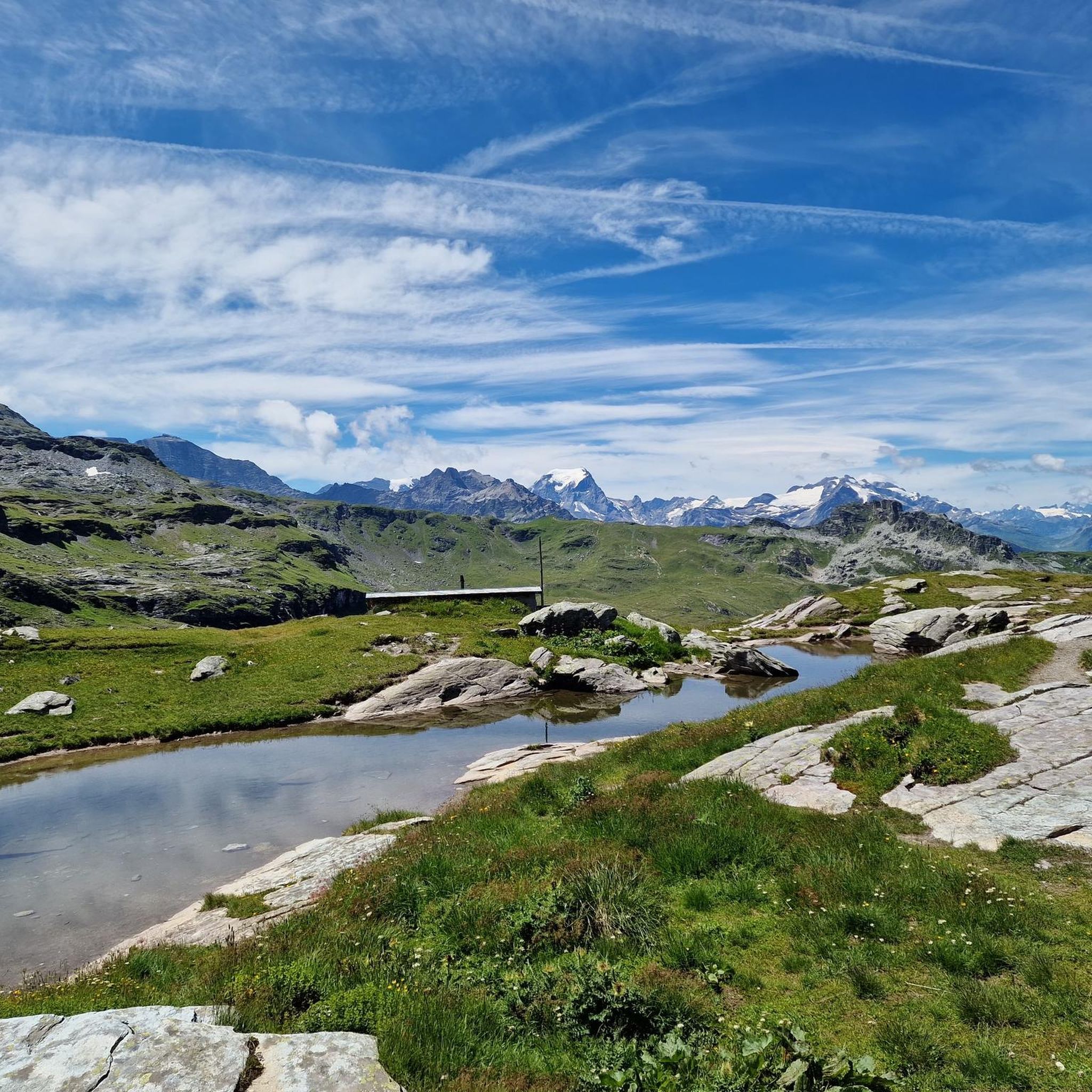
MTB Trails around Glarus Süd
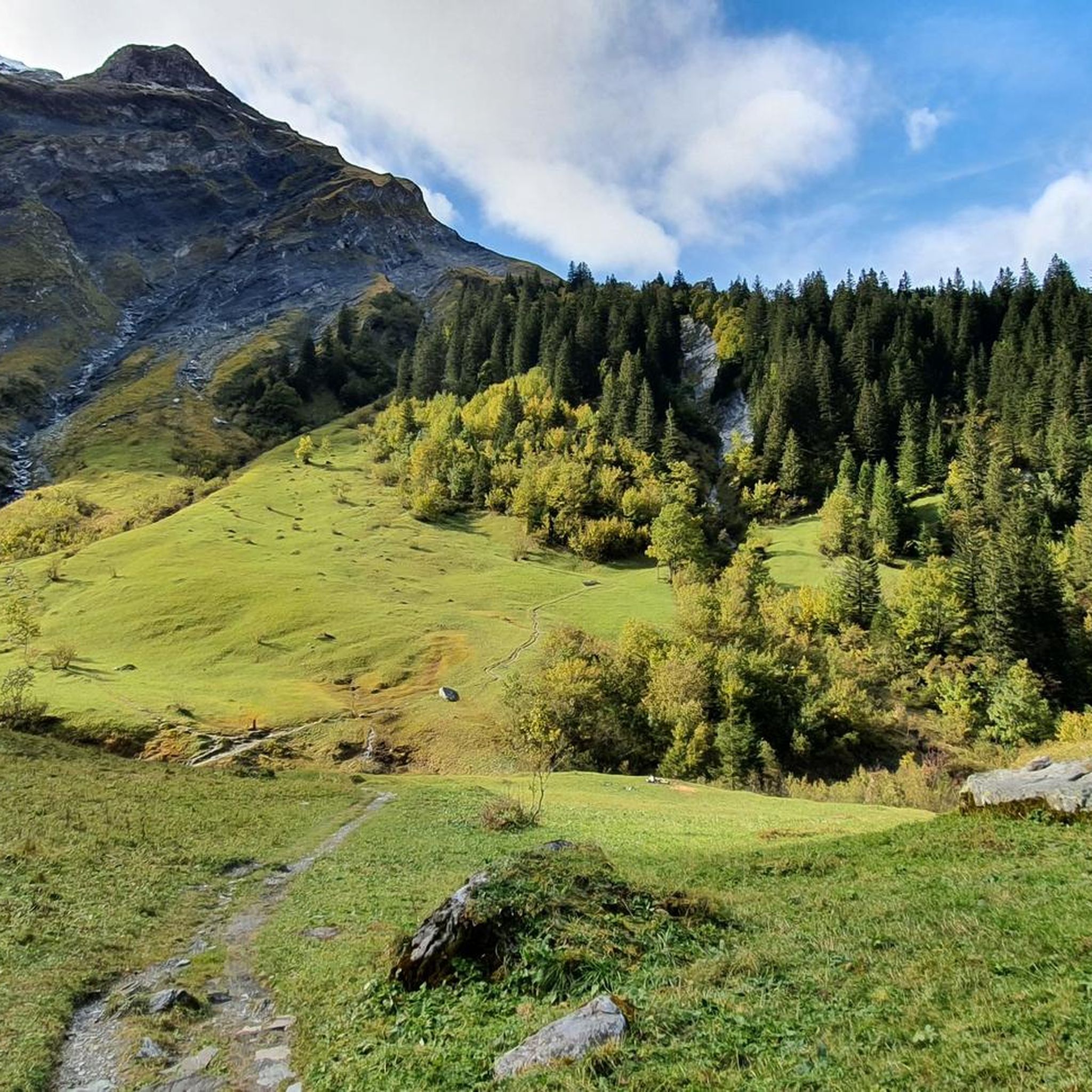
Cycling around Glarus Süd
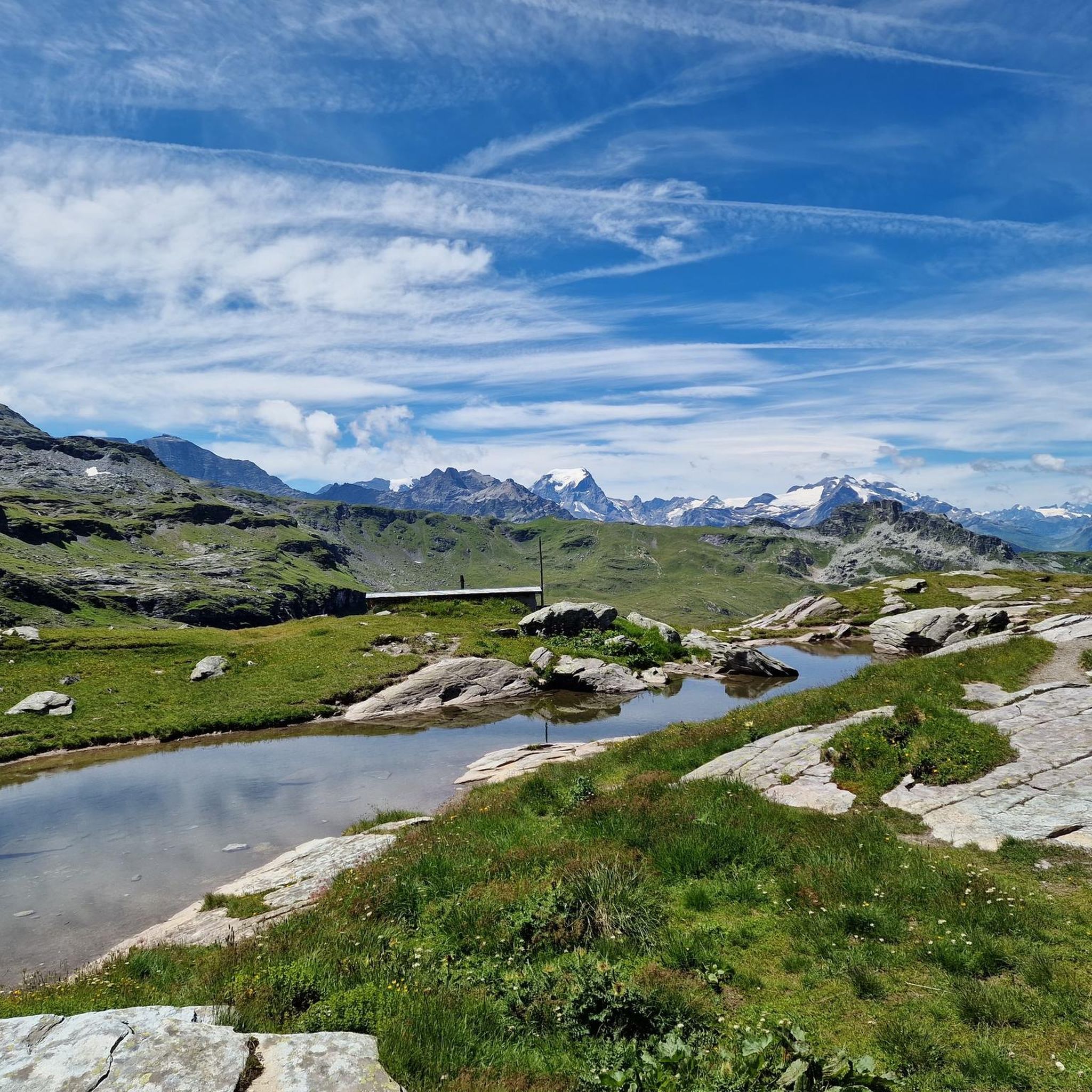
Running Trails around Glarus Süd
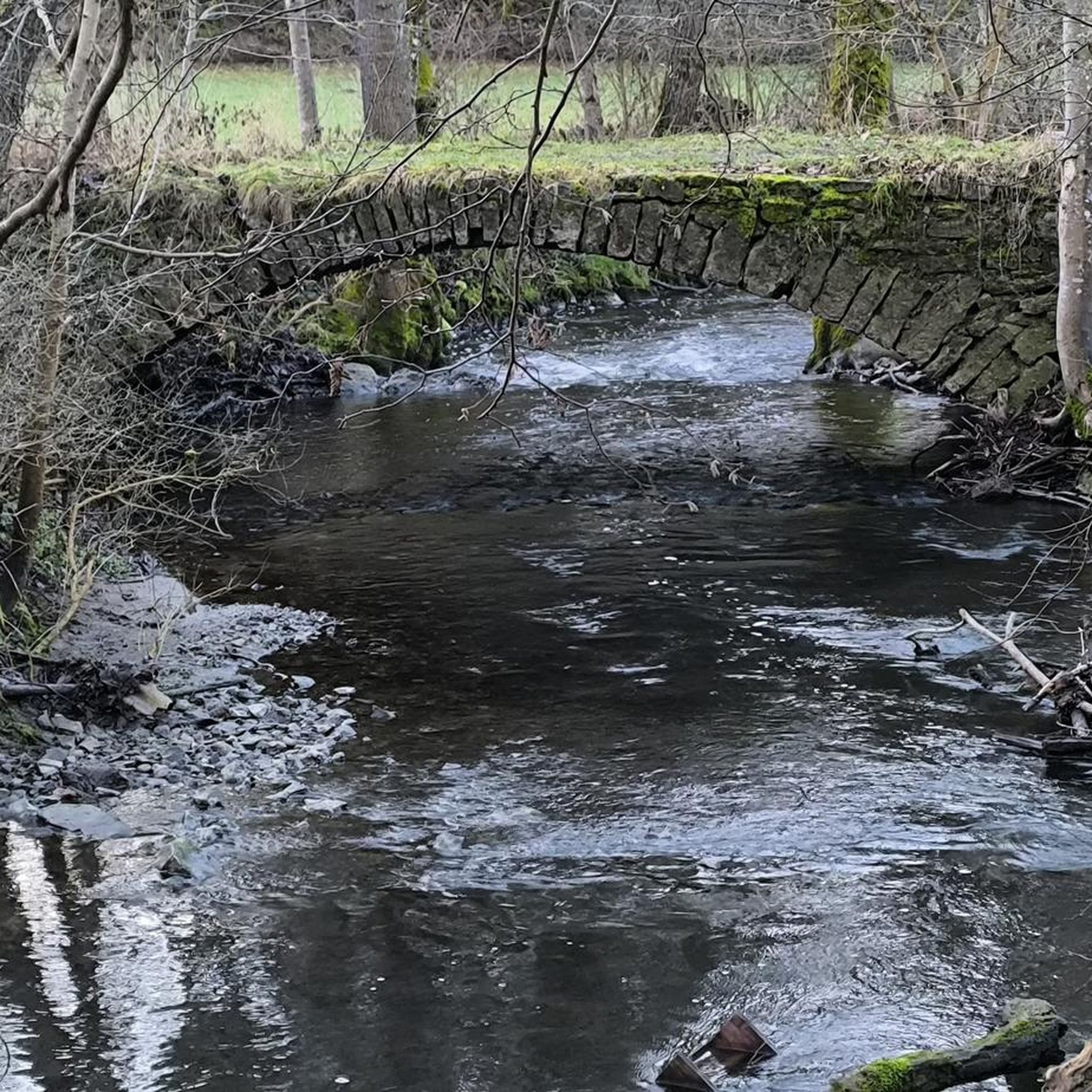
Mountain Hikes around Glarus Süd
Other adventures around Glarus Süd


Tips from the Community

Great panoramic restaurant with super delicious barley soup 🤤 Great view and many hiking destinations from here.
8
0

At the top there is a small artificial pond and not far away there is a small, mysterious elephant.
0
0

The panoramic view of several valleys from the summit cross is something magical and special. The climb, with its almost constant glimpse of waterfalls, is a refreshing relief from the steep effort. Rarely can you hike 1,300 meters up and down and, incidentally, park for free right at the foot of the mountain, where the trail starts. There's also a barbecue area right at the waterfall's outlet.
0
0

The Brünnelistock appears inaccessible from the Zindlenspitz or Rossalpelispitz. But if you stand in the gap between Rossalpelispitz and Brünnelistock (P. 1990), you can see that it is well graded. The path climbs almost 150 meters up to the summit, initially next to the ridge, later directly on it with one or two climbing sections (I-II). There are no more safety devices here, but at each climbing section there are several ways to get up. Absolute surefootedness and a good head for heights are required here. Advanced alpine hikers can also cross the Brünnelistock (preferably from northeast to southwest). But then we are at difficulty level T5 with climbing sections II.
1
0
The Vorder Glärnisch is a prominent peak in the Glarus region. As it lies directly below the majestic Glärnisch, it may not be that interesting as a summit destination at first glance. A white-blue-white marked path leads up from the northwest. Sure-footed and vertigo-free alpine hikers with as little fear of heights as possible can also reach it from the southeast via Schwänder Sienen, Chilchli, Garenplatz and Hanslirus.
1
0

Experience in rough and exposed terrain as well as surefootedness and a head for heights are necessary
5
0

Pass crossing Murgseefurgglen / Mürtschenfurgglen 1985 m above sea level SG / GL (saddle) Beautiful view of the Murgsee
10
0

Pass crossing (saddle, 1985 m) between the Murgseen (SG) and the Mürtschental (GL), exactly on the canton border SG/GL. Super views in both directions.
4
0
Frequently Asked Questions
What are some of the most popular mountain peaks to visit in Glarus Süd?
Visitors to Glarus Süd frequently enjoy peaks like Murgsee-Furggel Pass, known for its beautiful views of Murgsee. Other popular spots include Kistenstöckli, offering great panoramic views after a steep ascent, and Vorder Glärnisch Summit, which provides extensive 360-degree views of the Glarus Alps.
Are there challenging mountain climbs in Glarus Süd?
Yes, Glarus Süd offers several challenging climbs. Peaks like Tödi, the highest in the Glarus Alps, involve glacier crossings. For experienced hikers, Kistenstöckli has a steep ascent with chains, and Brünnelistock requires surefootedness and a head for heights in rough, exposed terrain with climbing sections. The Vorder Glärnisch Summit also presents a varied and sometimes demanding alpine tour.
What kind of natural features and viewpoints can I expect from the mountain peaks in Glarus Süd?
The mountain peaks in Glarus Süd offer breathtaking panoramic views of the Glarus Alps and surrounding landscapes. Many peaks, such as Tödi and Hausstock, provide spectacular vistas. The region is also part of the UNESCO World Heritage Site Tectonic Arena Sardona, where you can witness dramatic geological formations, including the famous Martinsloch, from peaks like Piz Segnas and Piz Sardona. You'll find alpine lakes like Muttsee and Limmerensee, and stunning waterfalls like Diesbachfall and Berglistüber.
What is the best time of year to visit the mountain peaks in Glarus Süd?
The best time to visit the mountain peaks in Glarus Süd largely depends on the activity. For hiking and mountaineering, late spring to early autumn (June to October) generally offers the most favorable weather conditions, with accessible trails and clear views. However, the region's diverse trails and car-free resorts like Braunwald can be enjoyed year-round, with winter offering opportunities for snow-related activities and different scenic beauty.
Are there any family-friendly mountain experiences or easy hikes in Glarus Süd?
Yes, Glarus Süd caters to all levels of hikers, including families. While many peaks offer challenging routes, there are also easier theme trails, such as the Elmer Citro spring route. The car-free resort of Braunwald provides a tranquil base with picturesque views and access to trails suitable for various abilities. For specific mountain peaks, consider areas with accessible viewpoints or shorter, less strenuous paths.
What outdoor activities can I do near the mountain peaks in Glarus Süd?
Beyond peak bagging, Glarus Süd offers a wide range of outdoor activities. You can explore diverse hiking trails, from easy walks to multi-day alpine routes. Cycling is also popular, with options like the Linth River Cycle Path. For more intense experiences, there are challenging road cycling routes and dedicated mountain hikes, including routes around Muttsee and Limmernsee.
Are there mountain huts or accommodation options near the peaks in Glarus Süd?
Yes, there are mountain huts and accommodation options available. The Ortstockhaus, a Swiss heritage site of national significance, is located in Braunwald, which itself serves as a tranquil base for exploring the surrounding mountains. For those undertaking multi-day hikes, huts like the Fridolinshütte (near Bifertenstock) or the Claridenhütte offer overnight stays, providing a convenient way to access higher alpine regions.
Which peaks are part of the UNESCO World Heritage Site in Glarus Süd?
Piz Segnas and Piz Sardona are integral to the UNESCO World Heritage Site Tectonic Arena Sardona. This area is renowned for demonstrating the geological phenomenon of continental plate tectonics, offering unique landscapes and an experiential natural history lesson for visitors interested in geology and high-alpine environments.
What makes the Glärnisch massif notable in the Glarus region?
The Glärnisch massif is a prominent feature in the Glarus region. While the majestic Glärnisch itself is impressive, its peak, Vorder Glärnisch Summit, offers a white-blue-white marked path for alpine hikers. The 'Braunwald Panorama route' provides extensive views of this massif and the wider Glarus Alps, making it a significant landmark for both its beauty and hiking opportunities.
Can I find places to eat or rest near the mountain peaks?
Yes, some mountain areas offer facilities for eating and resting. For example, Maschgenkamm features a panoramic restaurant with excellent views, serving as a starting or end point for many hikes. Additionally, the car-free village of Braunwald provides various amenities and serves as a comfortable base for exploring the surrounding peaks.
What is special about Tödi, the highest peak in the Glarus Alps?
Tödi, also known as Piz Russein, is the highest mountain in the Glarus Alps and the canton of Glarus, standing at 3,614 meters. It is the only 'Ultra peak' in the range due to its prominence. While reaching its summit is challenging and involves glacier crossings, its imposing presence and the magnificent panoramic views from surrounding areas, such as the Klausen Pass and Braunwald, make it a truly special and iconic peak.
Most popular routes around Glarus Süd
Most popular attractions around Glarus Süd

Get inspired with the komoot mobile app


Explore more
See even more amazing summits around Glarus Süd with these guides:
