Top 20 Natural Monuments in Wetteraukreis
Best natural monuments in Wetteraukreis are found in a region shaped by its position between the Taunus mountains and the Vogelsberg volcanic range. This area features a diverse landscape, including ecologically rich wetlands, geologically significant volcanic remnants, and prominent elevations. The fertile loess soil, a result of ancient volcanic activity, contributes to the region's natural character. Visitors can explore a variety of natural features, from river confluences to historical sites with natural settings.
Best natural monuments in Wetteraukreis
- The most…
Last updated: July 9, 2026
Confluence of the Nidder and the Nidda
Highlight • River
Translated by Google •
Tip by

Vilbel Castle
Highlight • Castle
Translated by Google •
Tip by

Sign up now to discover places like this
Get recommendations on the best single tracks, peaks, & plenty of other exciting outdoor places.
Sign up for free
Celtic World at the Glauberg
Highlight • Historical Site
Translated by Google •
Tip by

Hassia Fountain
Highlight • Monument
Translated by Google •
Tip by

Wölfersheimer See
Highlight • Lake
It lies at the center of the two cycling routes (north and south) of the Wetterau Lake District. Further information:
wetterauer-seenplatte.de/pages/radfahren.php
Translated by Google •
Tip by

Staden Carbonated Spring
Highlight • Natural Monument
Translated by Google •
Tip by

Rock Formations of Maibacher Schweiz
Highlight • Natural Monument
Translated by Google •
Tip by

Celtic burial mound and post alignments at Glauberg
Highlight • Historical Site
The landscape around the museum is characterized by fields and wooded areas.
A visit to the museum …
Translated by Google •
Tip by

Nidderauen von Stockheim Nature Reserve
Highlight • Natural Monument
Showing Translation
Tip by

Rosenpark Dräger
Highlight • Natural
Translated by Google •
Tip by

Sign up for free to discover even more natural monuments in Wetteraukreis.
Sign up for free
Already have an account?
Start today with a free account
Your next adventure awaits.
Login or Signup
Popular around Wetteraukreis
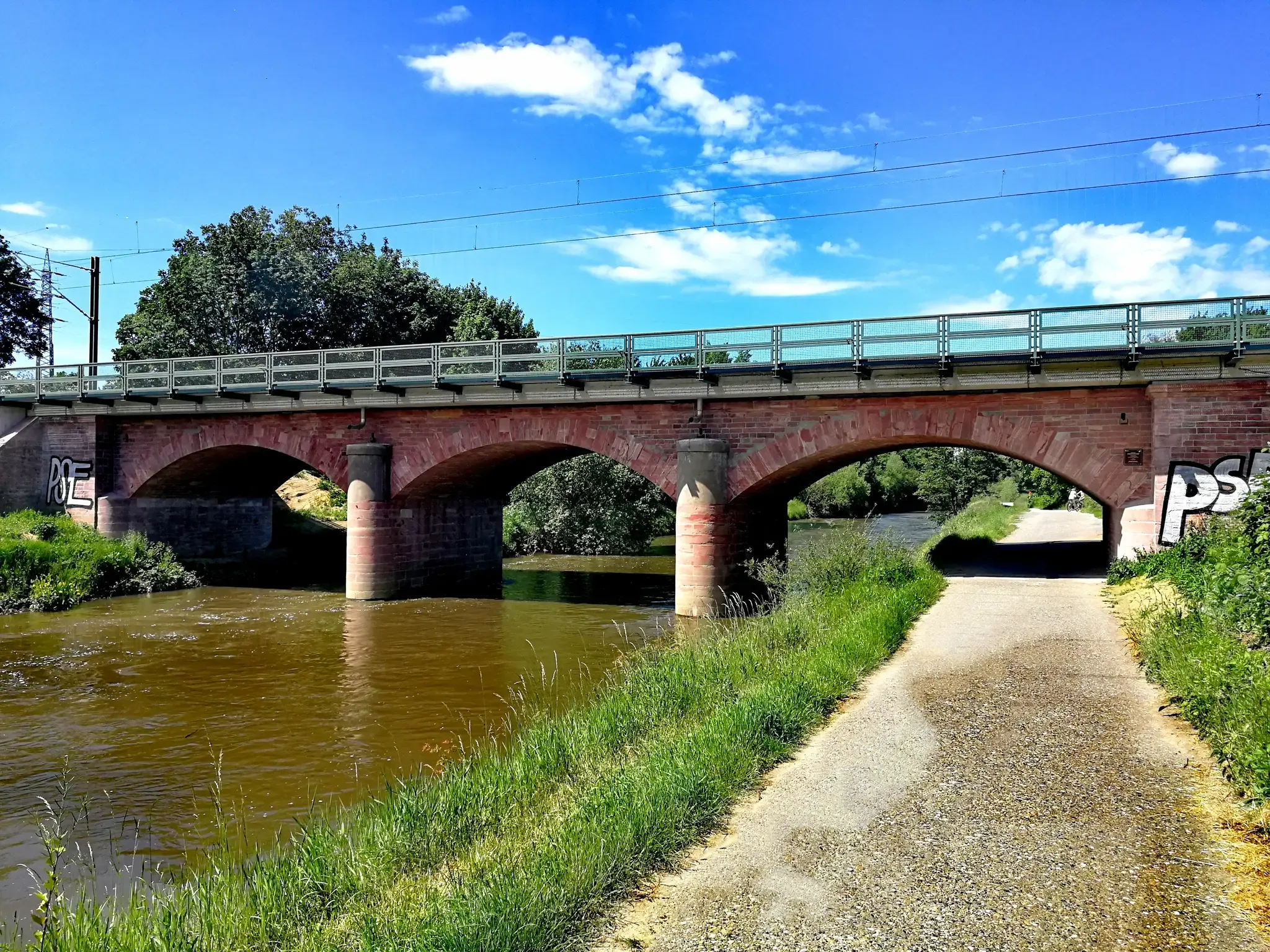
Nidda Cycle Path – Riding through nature on Frankfurt's doorstep
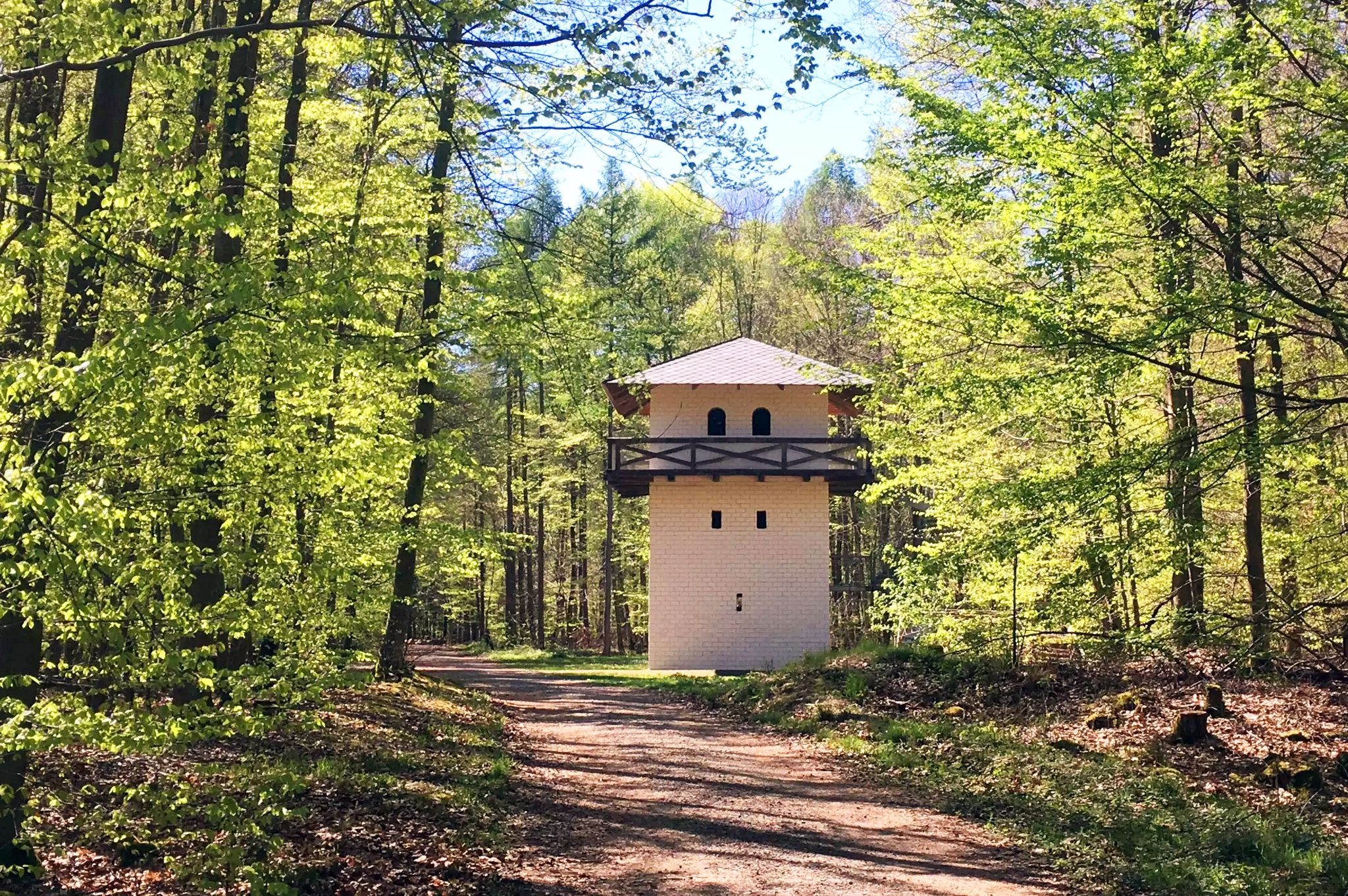
German Limes Cycle Path – Riding from the Rhine to the Danube
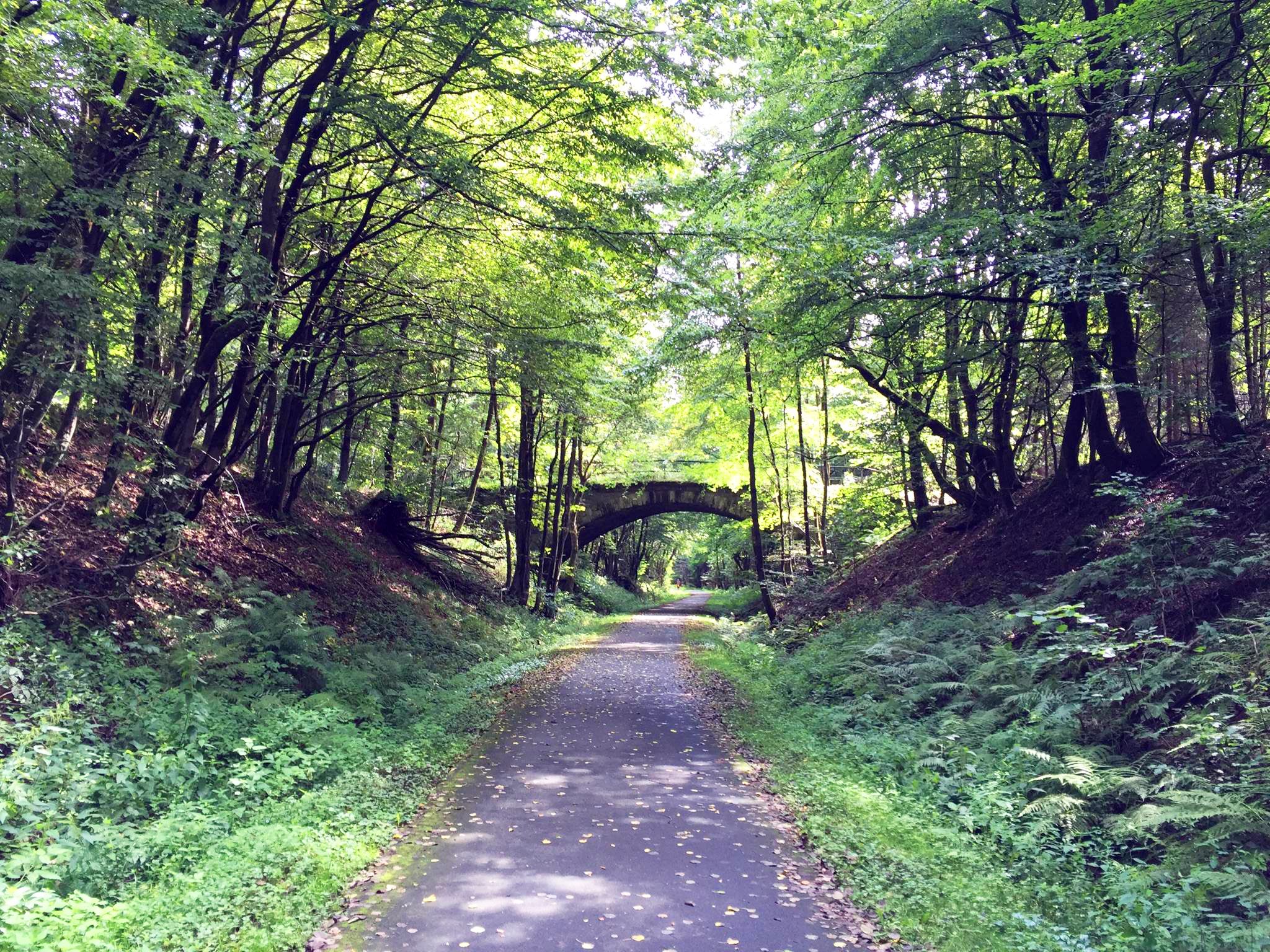
Volcano Cycle Path — from the Vogelsberg to the Wetterau region
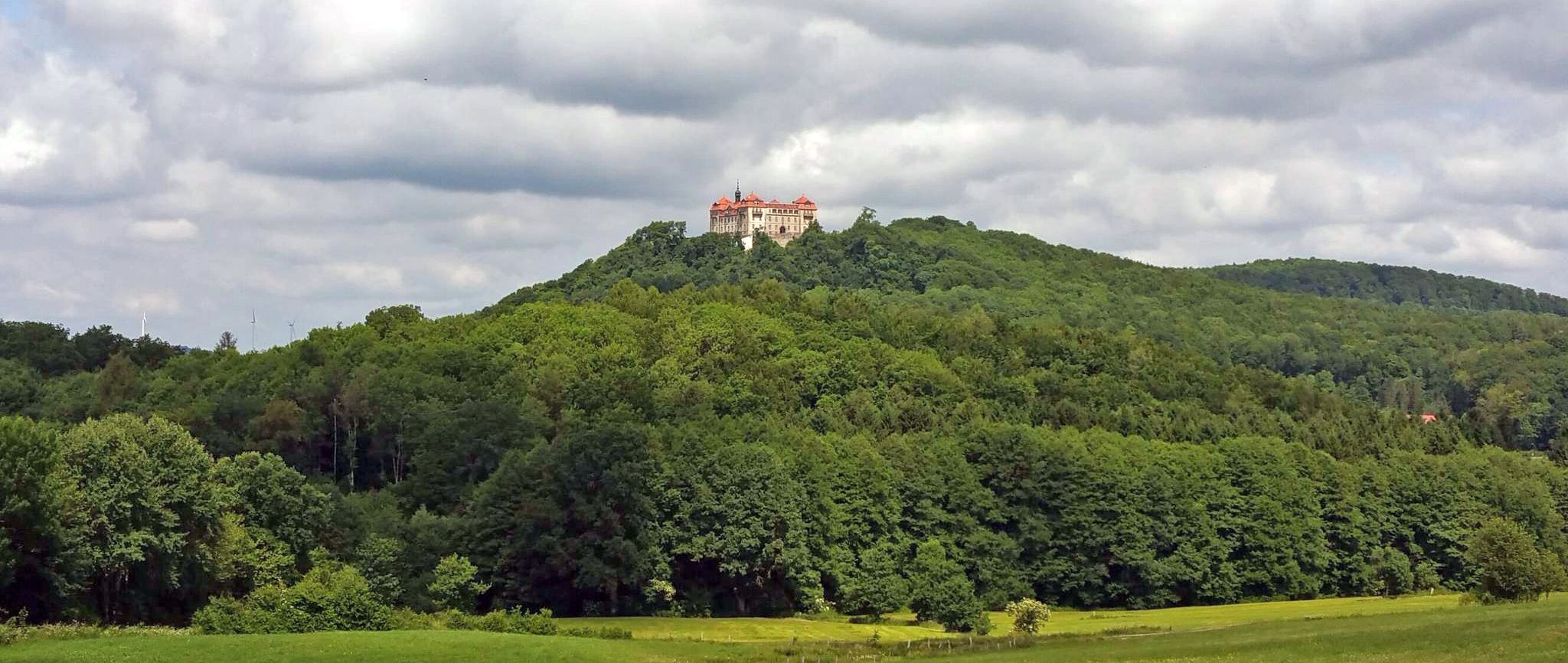
BahnRadweg Hessen — castles, palaces & beautiful nature
Changing habitats – themed cycling in FrankfurtRheinMain
Delightfully scenic hiking in the Taunus range
Autumn views: to the most beautiful vantage points in the RMV area
Geotours in the Vogelsberg Volcanic Region

Winter adventures by public transport – hikes for the whole family

Orchards, vineyards, taverns – hikes in the RMV area
Other adventures in Wetteraukreis


Tips from the Community

In the Nidderauen nature reserve near Stockheim, your gaze quickly wanders upwards. The white stork breeds in the crowns of the deadwood. Numerous stork families find their home here. Their impressive nests can be easily observed from the roadside. But lapwings, snipes, and tree frogs also share this species-rich area, which was placed under special protection as early as 1981. The course of the Nidder was partially renatured in 2005, and in the process, a wide network of still waters was created, serving as a retreat for resting birds.
1
0

The Hassia spring was drilled in 1936 by Wilhelm and Otto Hinkel in cooperation with the city of Bad Vilbel. Since 1978, the spring has been solely owned by Hassia Mineralquellen. The spring has an annual yield of 40,000 cubic meters. The mineral water, which comes predominantly from a depth of 120 meters, contains 2,040 mg of valuable minerals per liter and is characterized by a high calcium content and a particularly well-balanced mineral composition. In 1955, the spring was officially recognized as a medicinal spring. Today, Hassia spring water is used in two spa facilities for therapeutic baths. Above all, however, Hassia spring water is marketed as a natural mineral water and has been one of the best-known and most popular German mineral waters for decades. Excerpt from the analysis by the Fresenius Institute Taunusstein dated August 7, 2006 (mg/liter) Sodium (Na) 276 Potassium (K) 24.3 Magnesium (Mg) 49.5 Calcium (Ca) 200 Iron (Fe) 3.7 Chloride (Cl) 195 Sulfate (SO4) 36 Bicarbonate (HCO2) 1240 Total solids 2040 The water has its distinctive taste due to its natural iron content of 3.7 mg/l. During bottling as mineral water, this iron is removed for visual and taste reasons.
10
0

This is where delicious mineral water comes from👍
13
0

Very interesting
3
1

Quickly described: Beautiful
9
0
It really adds value to a hike through the forest, doesn't it?
9
0

Attractive, small fountain temple on the edge of the Bad Vilbel spa park! https://www.kuladig.de/Objectansicht/KLD-329469
12
0
Frequently Asked Questions
What unique natural features can I explore in Wetteraukreis?
Wetteraukreis offers a diverse range of natural features. You can discover extensive wetlands like the Nidda-Auen nature reserve, which is vital for migratory birds and rare plants. The region also boasts significant geological formations, including former basalt quarries and Miocene sand pits that reveal its volcanic past. Additionally, there are several prominent elevations providing panoramic views over the landscape.
Where can I experience the region's geological history?
For a deep dive into the region's geological past, visit the Hungen-Langd quarry. This site is scientifically important for its exposed Miocene lava flows and remnants of a volcanic crater. Another interesting location is the Miocene Rockenberg sands with quartzites within the "Hölle von Rockenberg" nature conservation area, showcasing distinctive sand and sandstone formations from the Tertiary period.
Are there significant wetland areas for nature observation in Wetteraukreis?
Yes, the Nidda-Auen nature reserve is a prime example. This extensive wetland is a crucial habitat for migratory birds, including cranes and waders, and hosts rare plant species. You might even spot Heck cattle, which help maintain the open landscape through their grazing. The reserve offers numerous observation points for birdwatching and is ideal for gentle hikes and cycling.
What are some prominent viewpoints in Wetteraukreis?
Several elevations offer excellent views. Hausberg, part of the Taunus range, features a modern observation tower with a gigantic 360-degree panorama. The Winterstein Tower also provides expansive vistas, including views of Frankfurt and large parts of the Wetterau. For a more secluded experience, the Friedrichsberg Summit in the Michelnau Forest offers peaceful forest views.
What outdoor activities are available near the natural monuments?
The natural monuments in Wetteraukreis are excellent starting points for various outdoor activities. You can enjoy hiking, cycling, and birdwatching, especially in wetland areas. Geological sites offer unique opportunities for nature study. For more structured routes, explore the hiking trails or road cycling routes available in the region.
Are there specific hiking trails recommended around these natural monuments?
Yes, many natural monuments are integrated into hiking networks. For instance, the Limes Circular Trail Entrance is a family-friendly path with Roman-era sculptures and information boards. You can find more hiking options, including moderate trails like the "Unterwegs auf dem Salz-Wanderweg" or the "Eschbach Cliffs – Maibacher Schweiz Forest Trail loop," in the Hiking in Wetteraukreis guide.
Can I go cycling near the natural monuments?
Absolutely. The region is well-suited for cycling, particularly along river paths. The Confluence of the Nidder and the Nidda is part of the Niddaradweg cycling route, offering a pleasant ride. The Wölfersheimer See is also at the center of the Wetterau Lake District's cycling routes. Discover more options in the Road Cycling Routes in Wetteraukreis guide.
Are there family-friendly natural monuments in Wetteraukreis?
Many natural monuments are suitable for families. The Limes Circular Trail Entrance is highly recommended for its easy path and engaging Roman-themed features. The Celtic World at the Glauberg offers a museum and archaeological park that can be educational and fun for all ages. Additionally, the Wölfersheimer See provides recreational opportunities like soccer golf and relaxing by the water.
What is the best time of year to visit the natural monuments in Wetteraukreis?
The natural monuments in Wetteraukreis can be enjoyed throughout the year, but each season offers a different experience. Spring and autumn are ideal for hiking and cycling due to milder temperatures and vibrant foliage or blooming nature. Summer is great for longer days and water-related activities around lakes. Winter can offer serene, quiet landscapes, especially for those who enjoy crisp, cold walks.
What do visitors enjoy most about the natural monuments in Wetteraukreis?
Visitors particularly appreciate the diversity of experiences. Many enjoy the peaceful, secluded spots like the Confluence of the Nidder and the Nidda for resting. The engaging and educational aspects of sites like the Celtic World at the Glauberg and the Limes Circular Trail Entrance are also highly rated, especially for families. The expansive views from elevated points like Hausberg are frequently highlighted as well.
Are there any historical sites with natural settings among the monuments?
Yes, the region beautifully blends history with nature. The Celtic World at the Glauberg is a prime example, featuring an archaeological park and museum set against a scenic backdrop. The Celtic burial mound and post alignments at Glauberg also offer a historical experience within a natural landscape. Even man-made structures like Vilbel Castle with moat are nestled directly on the Nidda River, combining historical architecture with a natural waterside setting.
Most popular routes in Wetteraukreis
Most popular attractions in Wetteraukreis

Get inspired with the komoot mobile app


Didn’t find what you were looking for?
Find even more amazing natural monuments in Wetteraukreis by checking out the top Highlights region by region:
Explore more
Extend your search for the best caves by checking out these guides of the top ones in Wetteraukreis:
