Top 13 Natural Monuments in Louisiana
Best natural monuments in Louisiana include a diverse array of sites showcasing the state's unique ecosystems. Louisiana features extensive wetlands, river swamps, forests, and barrier islands, offering varied natural landscapes. These locations provide opportunities to explore rich biodiversity and significant natural landmarks. The state's natural features range from vast basins to unique geological formations and protected wildlife habitats.
Best natural monuments in Louisiana
- The most popular natural monuments is Big Lake City Park, a lake that is surrounded by…
Last updated: September 2, 2026
Oak Alley Plantation
Highlight • Historical Site
Translated by Google •
Tip by

Big Lake City Park
Highlight • Lake
Tip by

Sign up now to discover places like this
Get recommendations on the best single tracks, peaks, & plenty of other exciting outdoor places.
Sign up for free
Dueling Oaks
Highlight • Natural Monument
Translated by Google •
Tip by

Couturie Forest
Highlight • Forest
Translated by Google •
Tip by
Sabine National Wildlife Refuge
Highlight • Natural
Tip by

Atchafalaya National Wildlife Refuge
Highlight • Natural
Translated by Google •
Tip by
Poverty Point National Monument
Highlight • Monument
Tip by
Driskill Mountain (Highest Point in Louisiana)
Highlight • Summit
Tip by

Top of the “mountain”
Highlight • Viewpoint
Tip by
Poverty Point World Heritage Site
Highlight • Historical Site
Tip by

Sign up for free to discover even more natural monuments in Louisiana.
Sign up for free
Already have an account?
Start today with a free account
Your next adventure awaits.
Login or Signup
Popular around Louisiana


Tips from the Community

Beautiful atmosphere with the cat-like oaks and their symbiotic vegetation. It's wonderful to create a pleasant atmosphere in the shade.
2
0

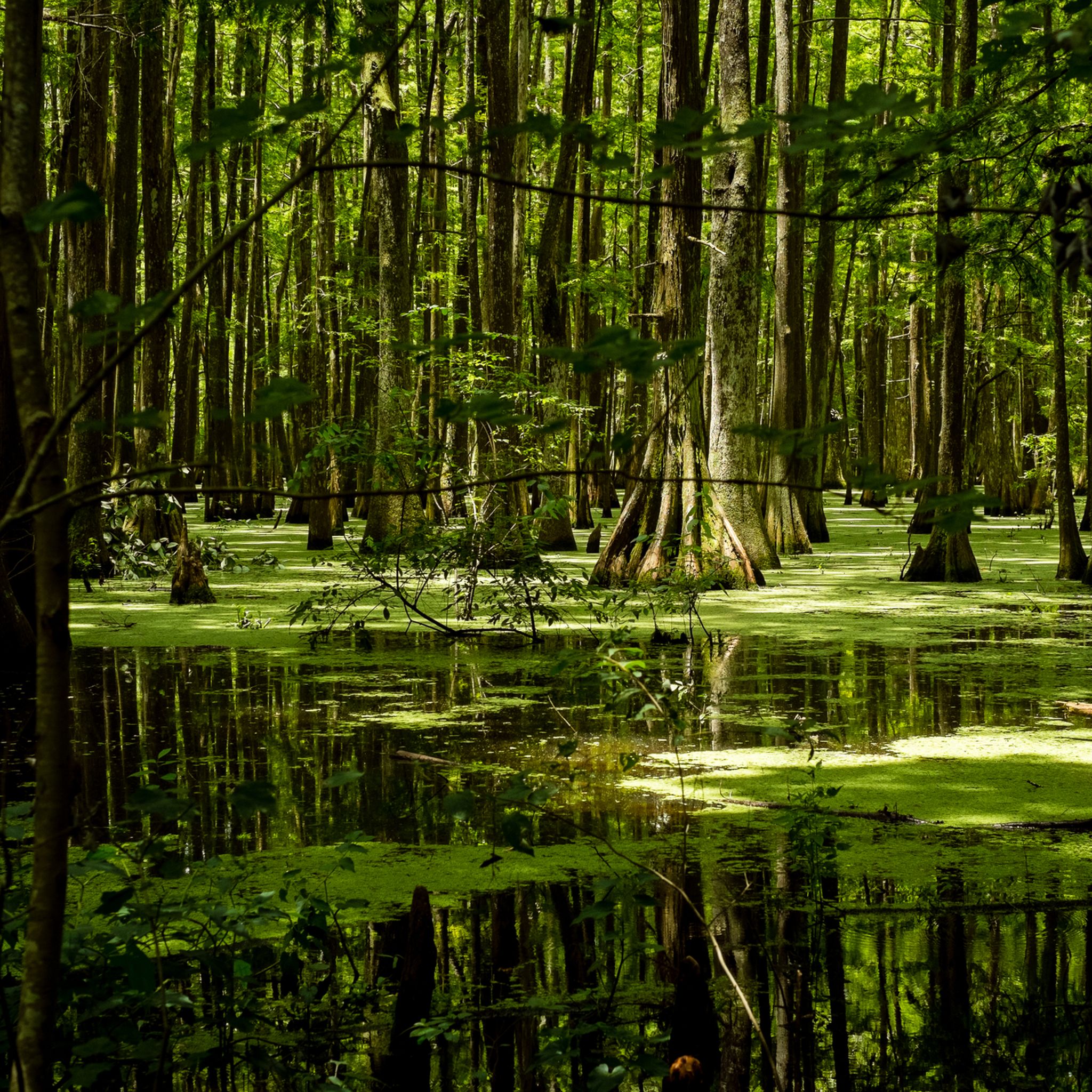
The Atchafalaya National Wildlife Refuge, west of Baton Rouge, lies in the heart of North America's largest wetland. White-tailed deer, herons, river otters, and even alligators live among mighty cypress trees, flooded depressions, and quiet bayous, warming themselves on sunny banks or gliding silently through the water. Over 200 species of birds can be observed here. The natural dynamics of the water—flooding in spring, retreating in summer—make the area a biodiverse habitat and a popular destination for anglers, hunters, and nature observers. The best way to explore the nature reserve is on an airboat tour.
0
0
Oak Alley Plantation, an old sugar cane plantation located on the west bank of the Mississippi River in Louisiana, is known for its impressive avenue of ancient oak trees leading to the 19th-century mansion. Scenes from Interview with the Vampire, Hush… Hush, Sweet Charlotte, and The Long Hot Summer were filmed here. Beyoncé's Deja Vu was also filmed here. Today, the property is open to the public.
0
0
Recognized as a UNESCO World Heritage Site in 2014, Poverty Point preserves a record of North America’s Late Archaic era. Managed as a Louisiana state historic park, the 400-acre property includes interpretive galleries, ranger-led tram tours, and trails that trace the concentric ridges and towering "Mound A". Exhibits display tools, figurines, and ochre pigments traded from as far as the Appalachians, underscoring the site’s exchange network. Ongoing research and stewardship protect this fragile cultural landscape.
0
0

The Sabine National Wildlife Refuge is a habitat for various wildlife species, including ducks, geese, alligators, nesting birds, butterflies, and migrant songbirds. The refuge features two observation trails: one in this location in a freshwater impoundment and another just north on State Highway 27 in a coastal brackish marsh. Here, the Wetland Walkway is a peaceful one-and-a-half-mile boardwalk trail, where you'll see abundant wildlife and have an opportunity to capture some great photos. There is a raised observation tower offering stunning views, especially at sunset. It's a fantastic place to immerse yourself in nature in a peaceful environment.
0
0


An absolute MUST for everyone if you are in the area; very interesting and informative to learn about the history of the country
3
0
Beautiful, old oak trees in the park, which provide pleasant shade in the sultry heat
3
0
Frequently Asked Questions
What types of natural features can I explore in Louisiana's natural monuments?
Louisiana's natural monuments offer a diverse range of features. You can find extensive wetlands and river swamps, such as the vast Atchafalaya Basin, which is the largest river swamp in the U.S. Other notable features include cypress-tupelo swamps at places like Cypress Island Preserve, bottomland hardwood forests, and unique geological formations like the salt dome of Avery Island. The state also features longleaf pine forests, sandstone bluffs, and even the highest point in Louisiana, Driskill Mountain.
Are there family-friendly natural monuments in Louisiana?
Yes, many natural monuments in Louisiana are suitable for families. For instance, Big Lake City Park offers a pleasant environment with art sculptures and bird habitats, including a bike path over the water. Couturie Forest, within City Park, is a great spot for observing nature and wildlife. The Sabine National Wildlife Refuge features a peaceful boardwalk trail, the Wetland Walkway, perfect for families to spot wildlife and enjoy scenic views from an observation tower.
Which natural monuments offer opportunities for wildlife observation?
Louisiana is a haven for wildlife enthusiasts. The Atchafalaya Basin is incredibly rich in biodiversity, home to over 65 species of reptiles and amphibians, more than 250 bird species, and mammals like the Louisiana black bear. Cypress Island Preserve at Lake Martin is renowned for its large nesting colonies of waterbirds, including roseate spoonbills, egrets, and herons, and is one of the most alligator-abundant lakes. The Sabine National Wildlife Refuge is a habitat for ducks, geese, alligators, and migratory birds, with dedicated observation trails. Jean Lafitte National Historical Park and Preserve (Barataria Preserve) also offers excellent opportunities to see alligators and over 300 species of birds.
What historical or cultural sites are located within or near natural monuments in Louisiana?
Louisiana offers several sites that blend natural beauty with rich history. Oak Alley Plantation is a historical site famous for its impressive avenue of ancient oak trees leading to a 19th-century mansion, offering insights into the region's past. Poverty Point National Monument and Poverty Point World Heritage Site are significant archaeological sites showcasing ancient earthworks. Avery Island, while a natural salt dome, is also home to Jungle Gardens and Bird City, a private bird sanctuary with historical significance in conservation, alongside the famous Tabasco factory.
Are there hiking opportunities near Louisiana's natural monuments?
Yes, you can find various hiking opportunities. For example, Kisatchie National Forest, Louisiana's only National Forest, offers hundreds of miles of trails for hiking across diverse landscapes. The Jean Lafitte National Historical Park and Preserve (Barataria Preserve) features developed trails and boardwalks for easy exploration of its wetlands. You can find more detailed hiking routes and guides for the region, including trails like the Audubon Park Loop and Jungle Gardens Loop, on komoot's Hiking in Louisiana guide.
What other outdoor activities can I do near these natural monuments?
Beyond hiking, Louisiana's natural monuments and surrounding areas provide diverse outdoor activities. The Atchafalaya Basin is excellent for boating, fishing, and wildlife viewing. Kisatchie National Forest offers extensive opportunities for mountain biking, horseback riding, ATV use, camping, and fishing. Grand Isle is a premier destination for fishing, birdwatching, and beach activities like swimming and surfing. For cycling enthusiasts, komoot offers various routes, including the Mississippi River Levee Trail and Tammany Trace, detailed in the Road Cycling Routes in Louisiana guide.
What is the best time to visit Louisiana's natural monuments?
The best time to visit Louisiana's natural monuments generally depends on your preferred activities and tolerance for heat and humidity. Spring (March to May) and Fall (September to November) offer milder temperatures, making them ideal for outdoor activities like hiking, birdwatching, and exploring. Spring is particularly vibrant for bird migrations and nesting season at places like Cypress Island Preserve and Grand Isle. Summers can be very hot and humid, while winters are generally mild.
Where can I find scenic views among Louisiana's natural monuments?
Many natural monuments in Louisiana offer breathtaking scenic views. The serene, moss-draped cypress trees at Cypress Island Preserve create a picturesque atmosphere. The Sabine National Wildlife Refuge features an observation tower offering stunning views, especially at sunset. Kisatchie National Forest includes scenic drives like the Longleaf Trail Scenic Byway, providing panoramic views of its diverse landscapes. Dueling Oaks also provides a beautiful natural setting.
Are there any unique or lesser-known natural monuments worth exploring?
While many sites are well-known, Louisiana has unique natural areas. Honey Island Swamp is often touted as one of the most pristine and least-altered river swamps, offering an untouched wilderness experience with ancient cypress trees and abundant wildlife. Avery Island, a geologically rare salt dome, provides a distinct ecosystem with its Jungle Gardens and Bird City sanctuary. These offer a different perspective compared to the more common wetland experiences.
What do visitors enjoy most about Louisiana's natural monuments?
Visitors frequently praise the immersive natural experiences and rich biodiversity. Many appreciate the opportunity to observe abundant wildlife, from alligators and various bird species to unique plant life. The peaceful environment of places like the Sabine National Wildlife Refuge and the dense forests of Couturie Forest are often highlighted. The historical context found at sites like Oak Alley Plantation also adds a unique dimension to the natural exploration.
What should I wear when visiting natural monuments in Louisiana?
Given Louisiana's climate and terrain, it's advisable to wear lightweight, breathable clothing, especially during warmer months. Long sleeves and pants can offer protection from sun and insects. Comfortable, closed-toe walking shoes are essential for trails and boardwalks. Depending on the season, a hat, sunglasses, and insect repellent are also highly recommended. If you plan on water activities, quick-drying fabrics are beneficial.
Most popular routes in Louisiana
Most popular attractions in Louisiana

Get inspired with the komoot mobile app


Didn’t find what you were looking for?
Find even more amazing natural monuments in Louisiana by checking out the top Highlights region by region:
Explore more
Extend your search for the best caves by checking out these guides of the top ones in Louisiana:
