Top 20 Natural Monuments in Galicia
Best natural monuments in Galicia showcase a diverse landscape shaped by Atlantic and Mediterranean climates, featuring rugged coastlines, lush forests, and majestic mountains. This region in Spain's northwestern corner is characterized by unique geological formations, pristine beaches, and dramatic coastal views. Galicia offers a rich tapestry of natural phenomena and ecosystems, making it a notable destination for outdoor exploration.
Best natural monuments in Galicia
- The most popular natural monuments is Beach of the Cathedrals, a beach known for its…
Last updated: July 9, 2026
Fisterra Lighthouse
Highlight • Monument
Translated by Google •
Tip by

Ancient Chestnut Tree in Ramil
Highlight • Natural Monument
Translated by Google •
Tip by
Sign up now to discover places like this
Get recommendations on the best single tracks, peaks, & plenty of other exciting outdoor places.
Sign up for free
Santa Irene Fountain
Highlight • Natural Monument
Translated by Google •
Tip by

Compass Rose at the Tower of Hercules
Highlight • Monument
Translated by Google •
Tip by

A Ferida Monument
Highlight • Monument
Translated by Google •
Tip by

Sanctuary of Our Lady of the Boat
Highlight • Religious Site
Translated by Google •
Tip by
Beach of the Cathedrals
Highlight • Beach
Translated by Google •
Tip by

Barosa Waterfall and Mills
Highlight • Waterfall
Translated by Google •
Tip by

Menhirs for Peace
Highlight • Monument
Translated by Google •
Tip by
Pilgrim's Boot Sculpture
Highlight • Monument
Translated by Google •
Tip by
Sign up for free to discover even more natural monuments in Galicia.
Sign up for free
Already have an account?
Start today with a free account
Your next adventure awaits.
Login or Signup
Popular around Galicia
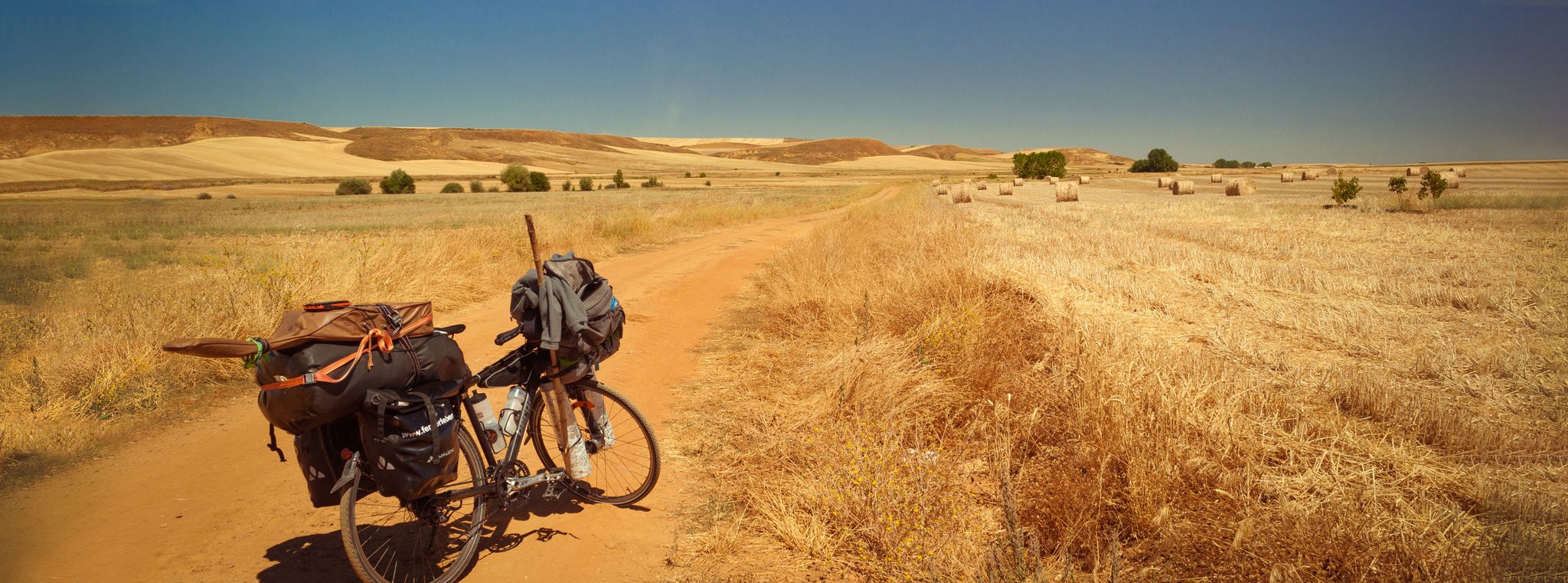
Camino Francés and Camino Finisterre – Cycling pilgrimages in Spain
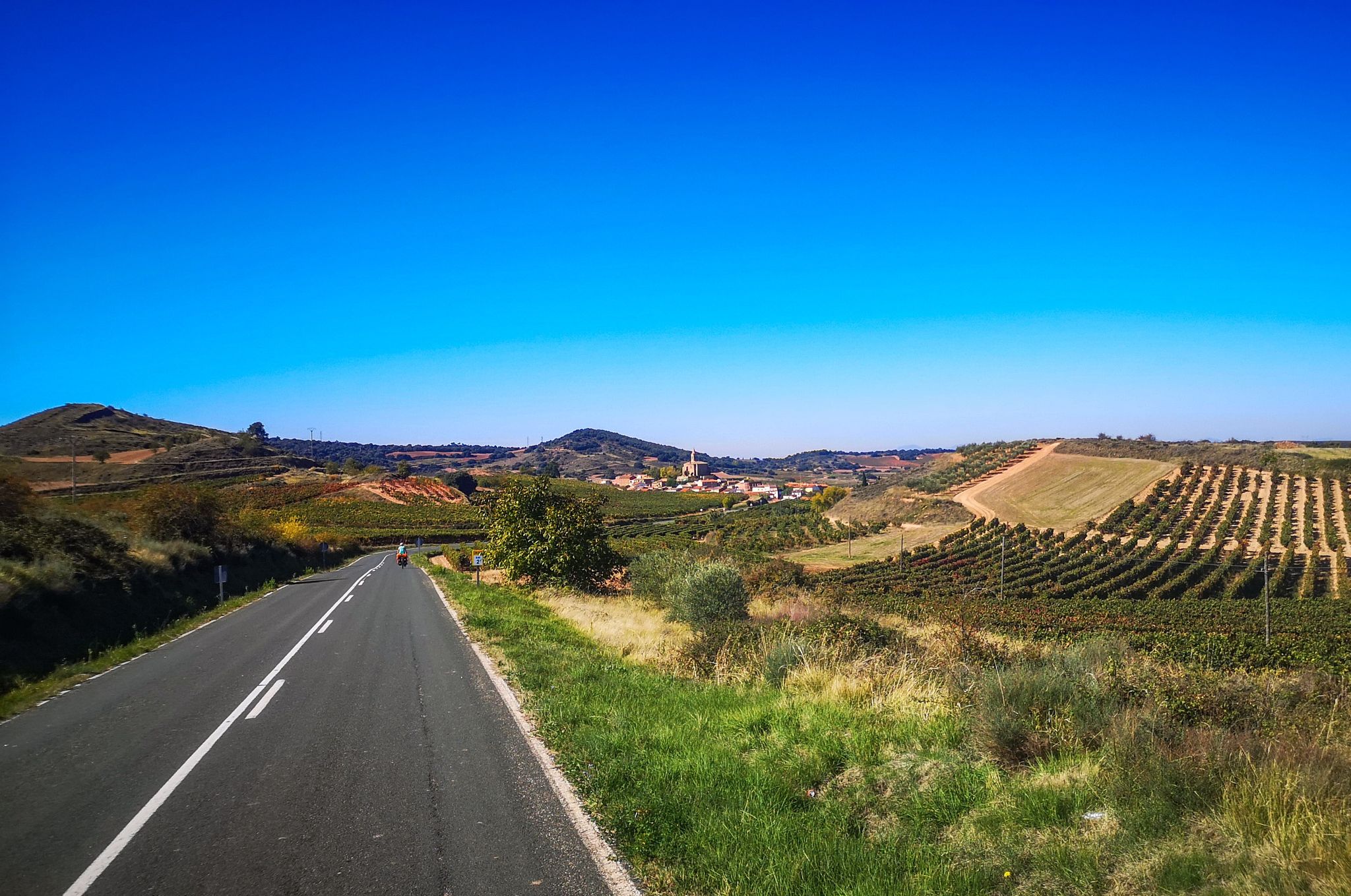
Santiago de Compostela – A journey through northern Spain (10 days)
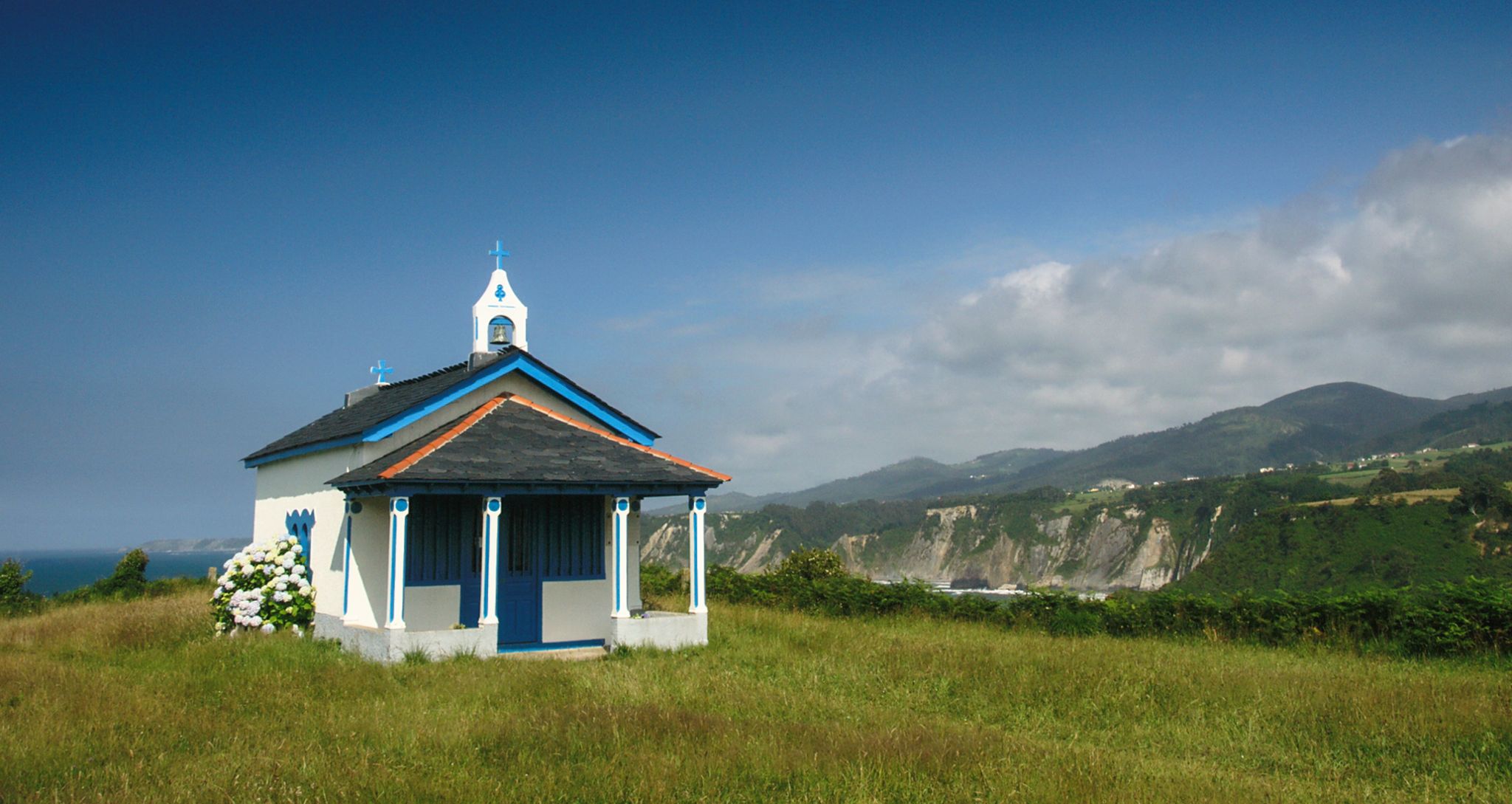
Camino del Norte – 15 stages
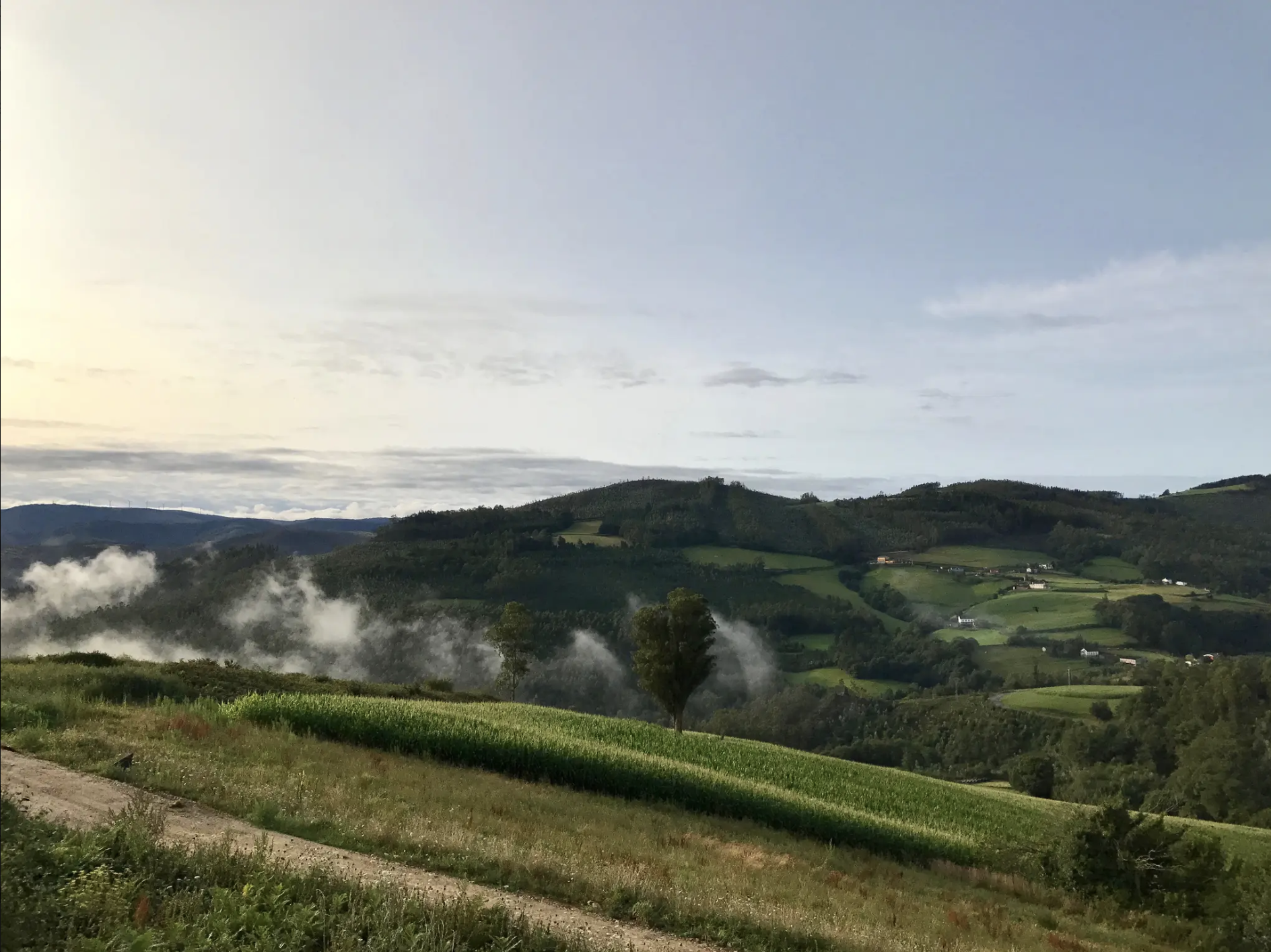
Camino del Norte (in reverse) – Discovering northern Spain's stunning coastline
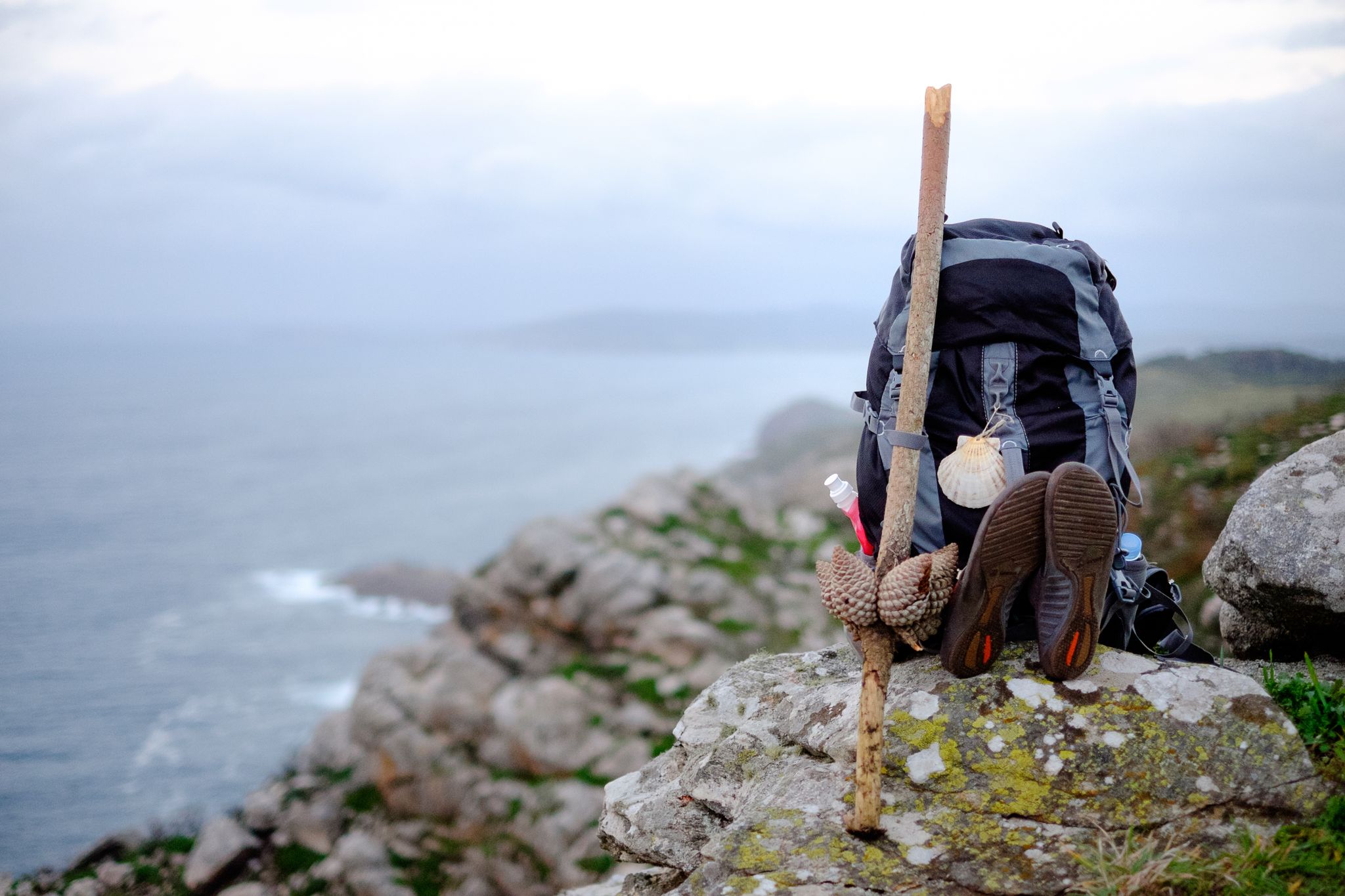
Way of St. James – 60 miles
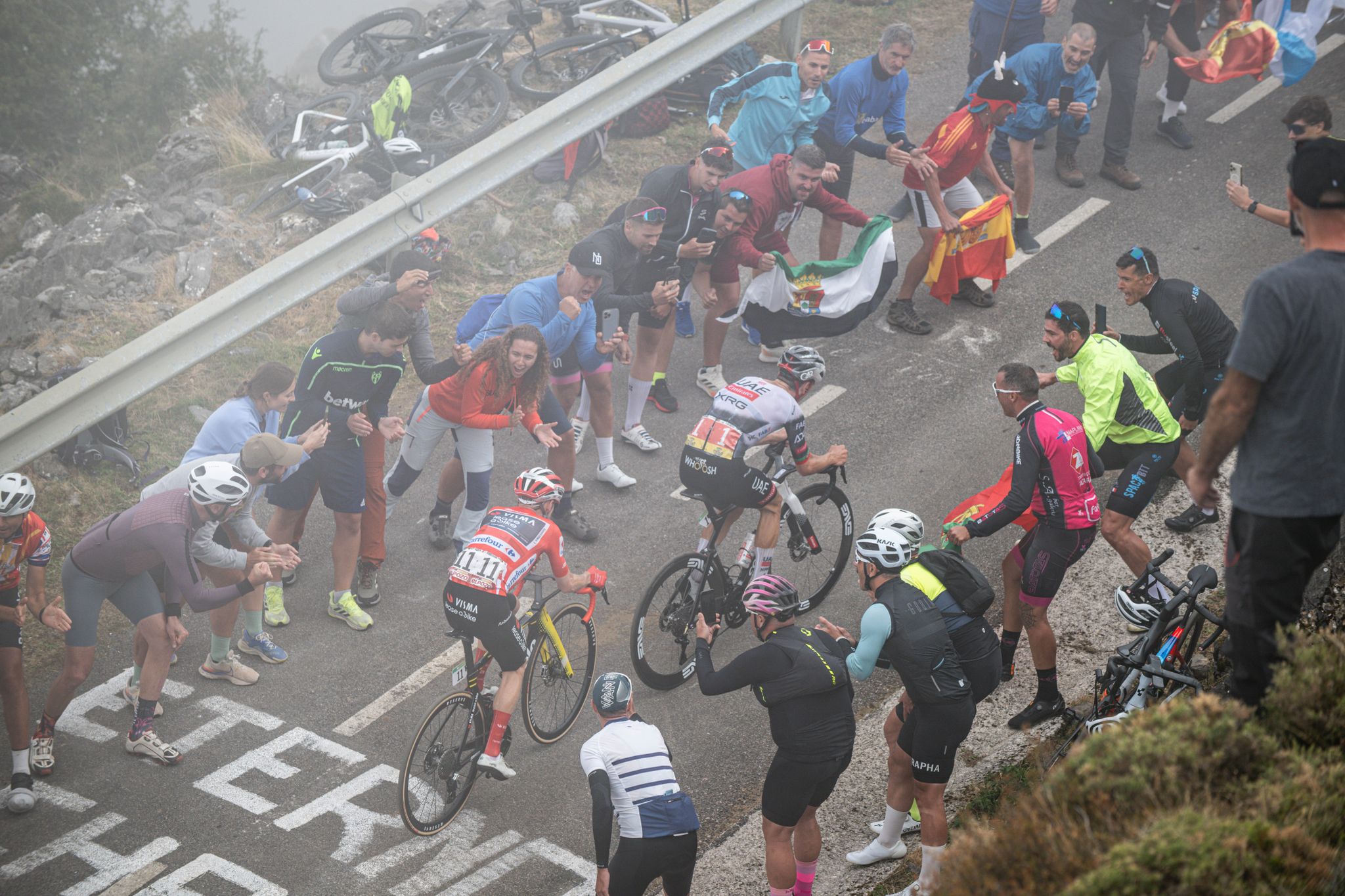
Mythical Passes and Sections of La Vuelta
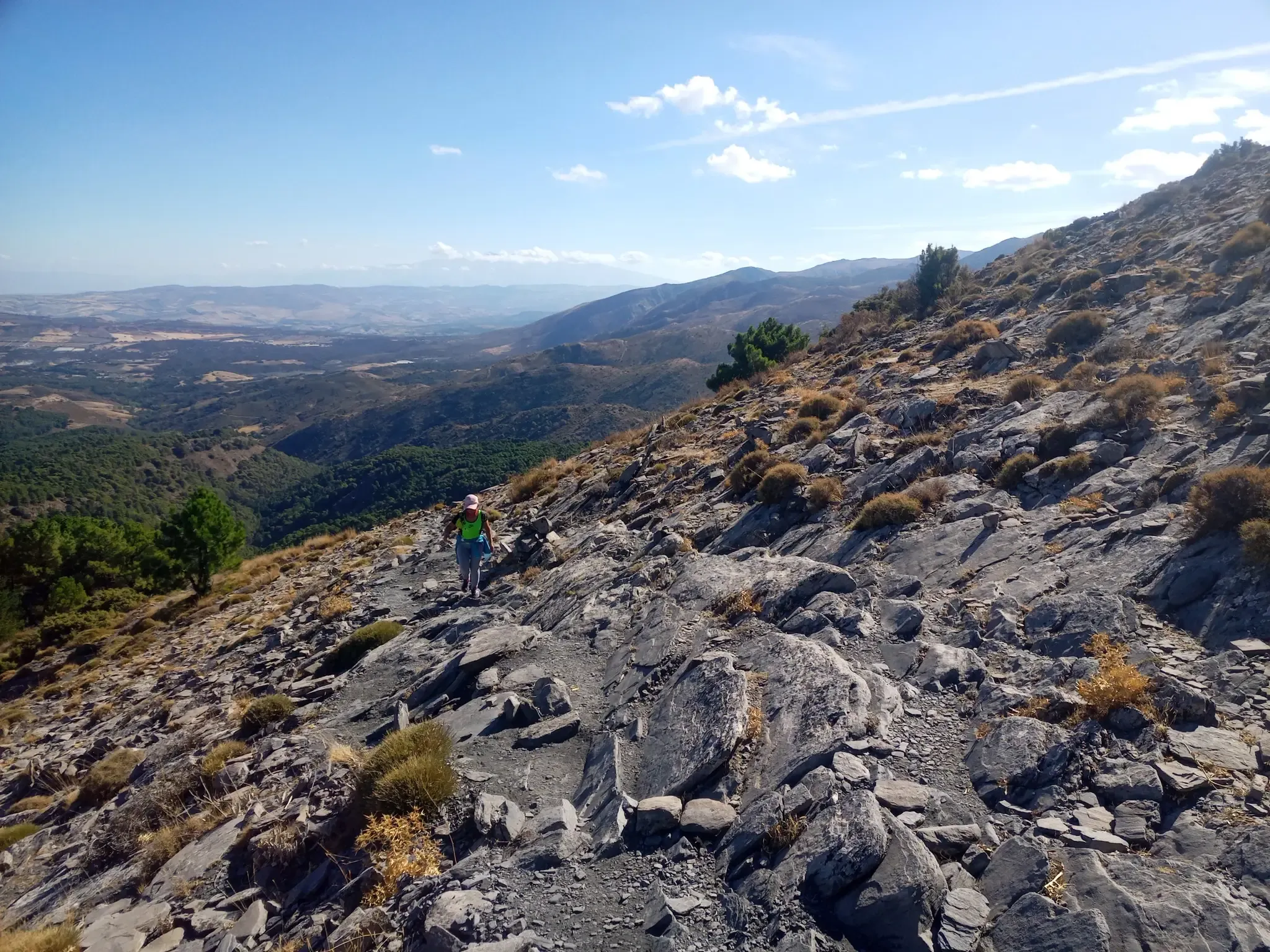
12 hiking gems throughout Spain
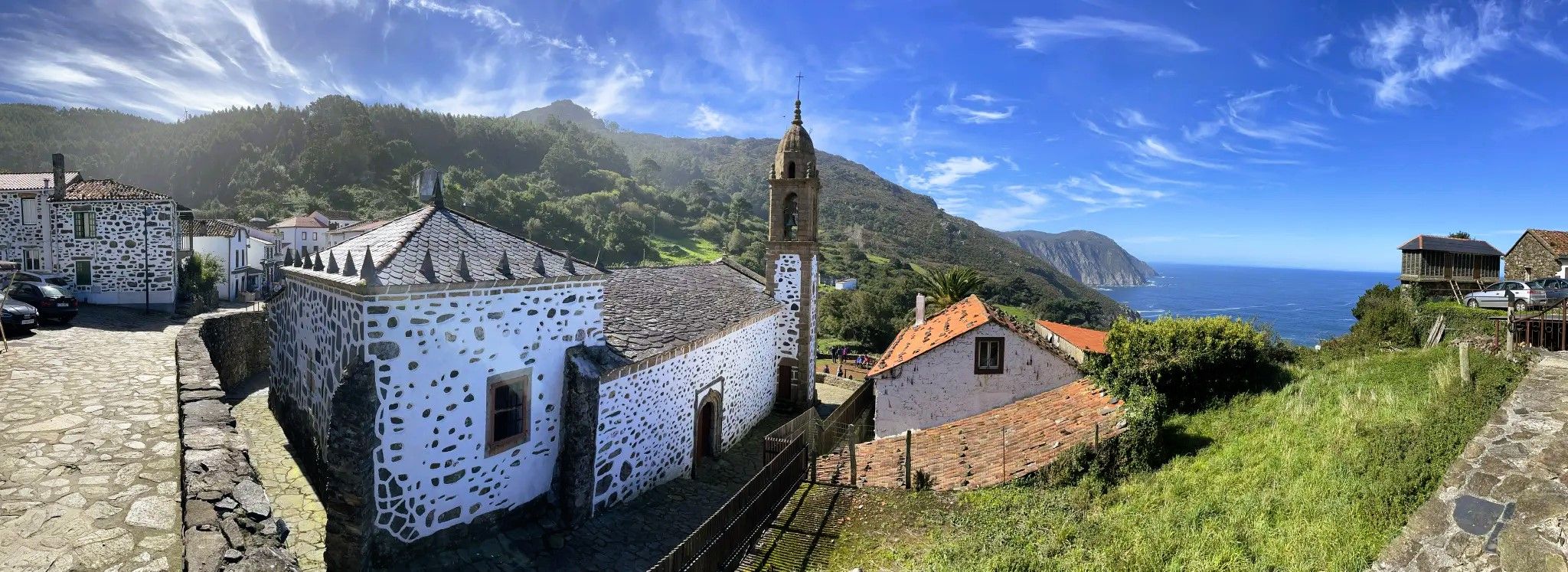
A journey through time – Camiño do Medievo (GR 55)
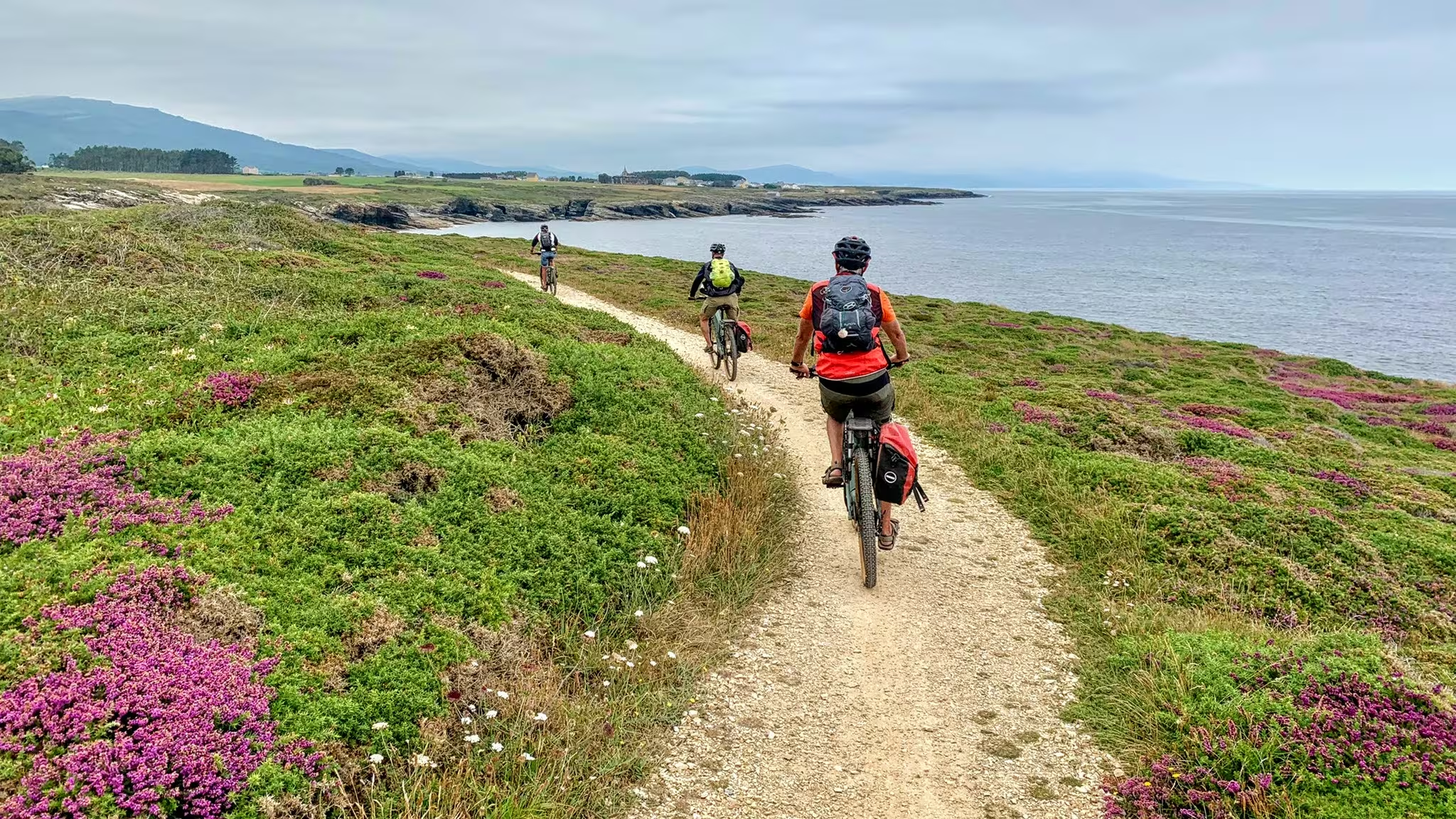
Galician coast by bike – Cantabrian Route nature trail
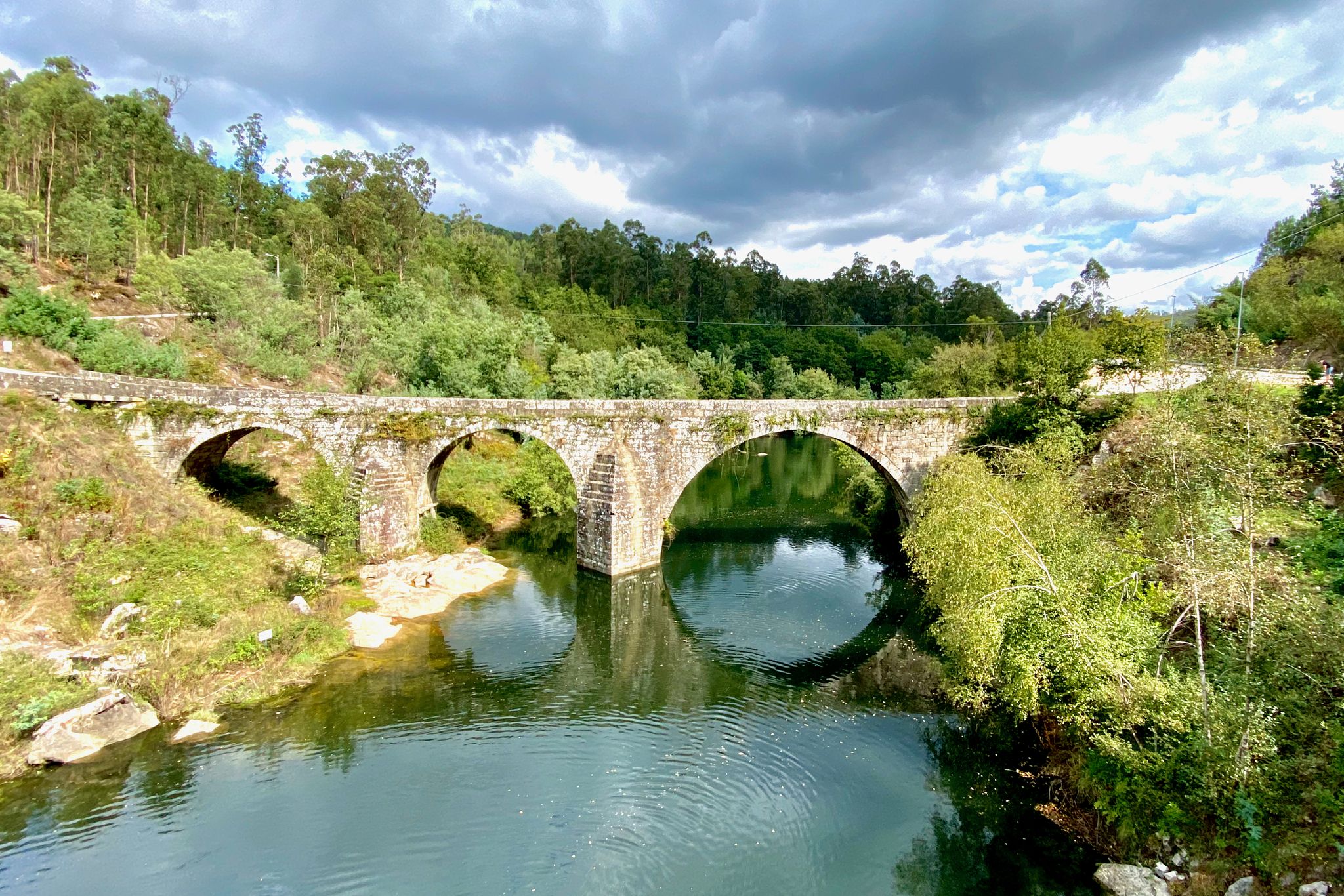
Spain’s Vigo region – bikepack the Sendeiro das Greas (GR 58)
Other adventures in Galicia


Tips from the Community

A beautifully designed compass rose below the lighthouse.
0
0


In the small village of Ramil at the foot of the Camino, just before Triacastela, stands one of Galicia's most beautiful century-old chestnut trees. Its trunk spans 8.5 meters and, with its hollow spaces and thick branches that seem to embrace the tree, resembles an X-ray of time.
0
1

The compass rose next to the Torre de Hercules lighthouse.
4
1

The Playa de las Catedrales, known in Galician as Praia das Catedrais, is an impressive natural monument located on the coast of the province of Lugo, in Galicia, Spain. Its official name is Playa de Aguas Santas, but it is popularly known as Playa de las Catedrales due to the appearance of its cliffs, which are reminiscent of the arches and vaults of a cathedral.
8
0

Large deciduous tree that is common in the mountains of Galicia. The fruits are covered with a green rind with thorns, the "erize". The season for harvesting chestnuts is November, and in Triacastela and throughout Galicia in general it is celebrated with a festival called "magesto". The main use of the chestnut tree is to obtain its wood and use its fruit as food for the population in general and as food for livestock.
1
0

It's truly worth a One-Day-Off from the Camino del Norte 😍
3
0
Frequently Asked Questions
What are some of the most popular natural monuments to visit in Galicia?
Galicia offers a diverse range of natural monuments. Among the most popular is the Beach of the Cathedrals, famous for its dramatic rock formations and sea caves, best explored at low tide. Another highly regarded site is the Ancient Chestnut Tree in Ramil, home to centuries-old trees reaching impressive heights. The Fisterra Lighthouse, while man-made, is a significant landmark at what was once considered the 'end of the world', offering breathtaking views of the Atlantic.
Are there any family-friendly natural monuments in Galicia?
Yes, many natural monuments in Galicia are suitable for families. The Beach of the Cathedrals is a fantastic place for children to explore at low tide. The Barosa Waterfall and Mills offers beautiful scenery and historical watermills, often with picnic options. Additionally, the Ancient Chestnut Tree in Ramil provides an easy and engaging natural experience for all ages.
What kind of unique natural features can I expect to see in Galicia?
Galicia is rich in unique natural features. You can witness the dramatic coastal erosion at Praia das Catedrais, where the sea has sculpted cathedral-like arches. The region also boasts the only waterfall in continental Europe where a river, the Xallas, plunges directly into the Atlantic Ocean at Fervenza do Ézaro. Inland, explore the ancient temperate rainforest of Fragas do Eume Natural Park or the impressive Sil River Canyon, often called 'Galicia's grand canyon'.
What are the best times to visit Galicia's natural monuments?
The best time to visit Galicia's natural monuments largely depends on the type of experience you seek. For coastal sites like the Beach of the Cathedrals or the Cíes Islands, summer (June to September) offers warmer weather for beach activities, though advance booking is often required due to popularity. Spring (April-May) and autumn (October) provide milder temperatures, fewer crowds, and lush landscapes, ideal for hiking in areas like Fragas do Eume or exploring the Sil River Canyon.
Are there opportunities for hiking or other outdoor activities near these natural monuments?
Absolutely. Galicia's natural monuments are often surrounded by excellent opportunities for outdoor activities. For instance, you can find numerous hiking trails throughout the region, including routes near the Cíes Islands and within the Fragas do Eume Natural Park. There are also options for gravel biking and running. You can explore more routes in the Hiking in Galicia, Gravel biking in Galicia, and Running Trails in Galicia guides.
Can I find any historical or cultural sites alongside the natural monuments?
Yes, Galicia's natural beauty often intertwines with its rich history and culture. For example, the Fisterra Lighthouse stands on a cape steeped in ancient legends. The Sil River Canyon is known as 'Sacred Riverbanks' due to the numerous monasteries carved into its isolated slopes. You can also visit the ancient Castro de Santa Trega at Monte de Santa Tecla, offering panoramic views and archaeological remains.
What are the Cíes Islands known for, and how can I visit them?
The Cíes Islands, part of the Atlantic Islands of Galicia National Park, are renowned for their pristine white sands and crystal-clear emerald waters, with Playa de Rodas often hailed as one of the world's best beaches. They are accessible by ferry, but due to their protected status and limited capacity, advance booking is essential, especially during peak season.
Where can I see a giant moving sand dune in Galicia?
You can experience a giant moving sand dune at the Dunes of Corrubedo Natural Park in A Coruña. This unique park features a dune over a kilometer long and 20 meters high, along with beaches, marshes, and lagoons, making it a significant ecological site and one of Galicia's most visited natural parks.
Are there any natural monuments in Galicia that are particularly significant for geology or ancient trees?
Yes, Galicia boasts several sites of geological and botanical significance. The Geological folding of Campodola-Leixazós in O Courel showcases a 350-million-year-old geological fold exposed to the open air. For ancient trees, the Ancient Chestnut Tree in Ramil and Fraga de Catasós are notable, with some chestnut trees reaching nearly 30 meters high and 5 meters wide, considered among the best specimens in Europe.
What do visitors appreciate most about the natural monuments in Galicia?
Visitors frequently praise the breathtaking and diverse landscapes, from the dramatic coastal formations of the Beach of the Cathedrals to the lush, ancient forests of Fragas do Eume. The sense of tranquility, the unique geological features, and the opportunities for outdoor exploration, often combined with rich historical context, are highly valued. Many also enjoy the pristine beaches and the stunning viewpoints that offer panoramic vistas of the region's natural beauty.
Is there a waterfall in Galicia that flows directly into the ocean?
Yes, the Fervenza do Ézaro is a unique natural monument in Galicia. It is the only waterfall in continental Europe where a river, the Xallas, plunges directly into the Atlantic Ocean. This spectacular cascade drops approximately 100 feet over granite slopes and is even illuminated on summer nights.
What is the highest waterfall in Galicia?
The tallest waterfall in Galicia is Seimeira de Vilagocende, located in eastern Lugo. It cascades an impressive 50 meters into the Porteliña river, nestled within a quiet forest, offering a serene and captivating natural spectacle.
Most popular routes in Galicia
Most popular attractions in Galicia

Get inspired with the komoot mobile app


Didn’t find what you were looking for?
Find even more amazing natural monuments in Galicia by checking out the top Highlights region by region:
Explore more
Extend your search for the best caves by checking out these guides of the top ones in Galicia:
