Top 20 Natural Monuments in Southern Denmark
Natural monuments in Southern Denmark encompass a diverse range of landscapes, from vast wetlands and sandy islands to ancient forests and glacial archipelagos. This region is characterized by its unique geological formations, shaped by past ice ages and the dynamic forces of the North Sea. Visitors can explore a variety of natural features, including extensive coastlines, protected wetlands, and rolling hills. The area offers significant opportunities for outdoor activities amidst its rich biodiversity and compelling natural heritage.
Best natural monuments…
Last updated: August 19, 2026
Ellenbogen
Highlight • Natural Monument
Translated by Google •
Tip by

Filsø
Highlight • Lake
Translated by Google •
Tip by

Sign up now to discover places like this
Get recommendations on the best single tracks, peaks, & plenty of other exciting outdoor places.
Sign up for free
Ellenbogen Tip (Northernmost Point of Germany)
Highlight • Beach
Translated by Google •
Tip by

Ellenbogen Point
Highlight • Beach
Translated by Google •
Tip by

Blåvand Beach North
Highlight • Beach
Translated by Google •
Tip by

Men at Sea Sculpture
Highlight • Monument
Translated by Google •
Tip by

Lakolk Beach
Highlight • Beach
Translated by Google •
Tip by

List East Lighthouse
Highlight • Monument
Translated by Google •
Tip by

Sand-Covered Oak Forest (Versandete Eichen)
Highlight • Forest
Translated by Google •
Tip by

Skjern Meadows Nature Reserve
Highlight • Natural Monument
Translated by Google •
Tip by
Sign up for free to discover even more natural monuments in Southern Denmark.
Sign up for free
Already have an account?
Start today with a free account
Your next adventure awaits.
Login or Signup
Popular around Southern Denmark
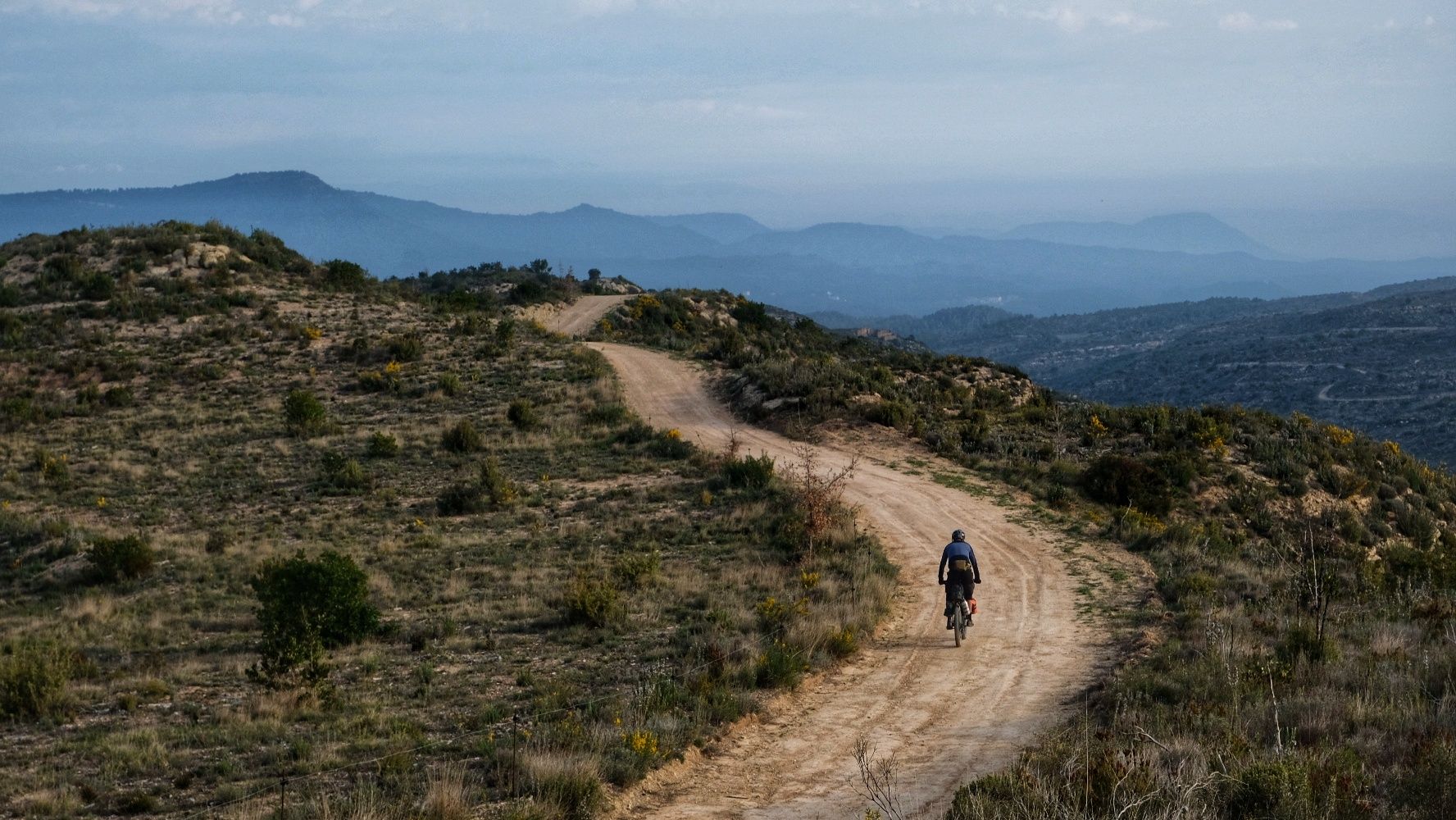
European Divide Trail — 7,600 km across the continent
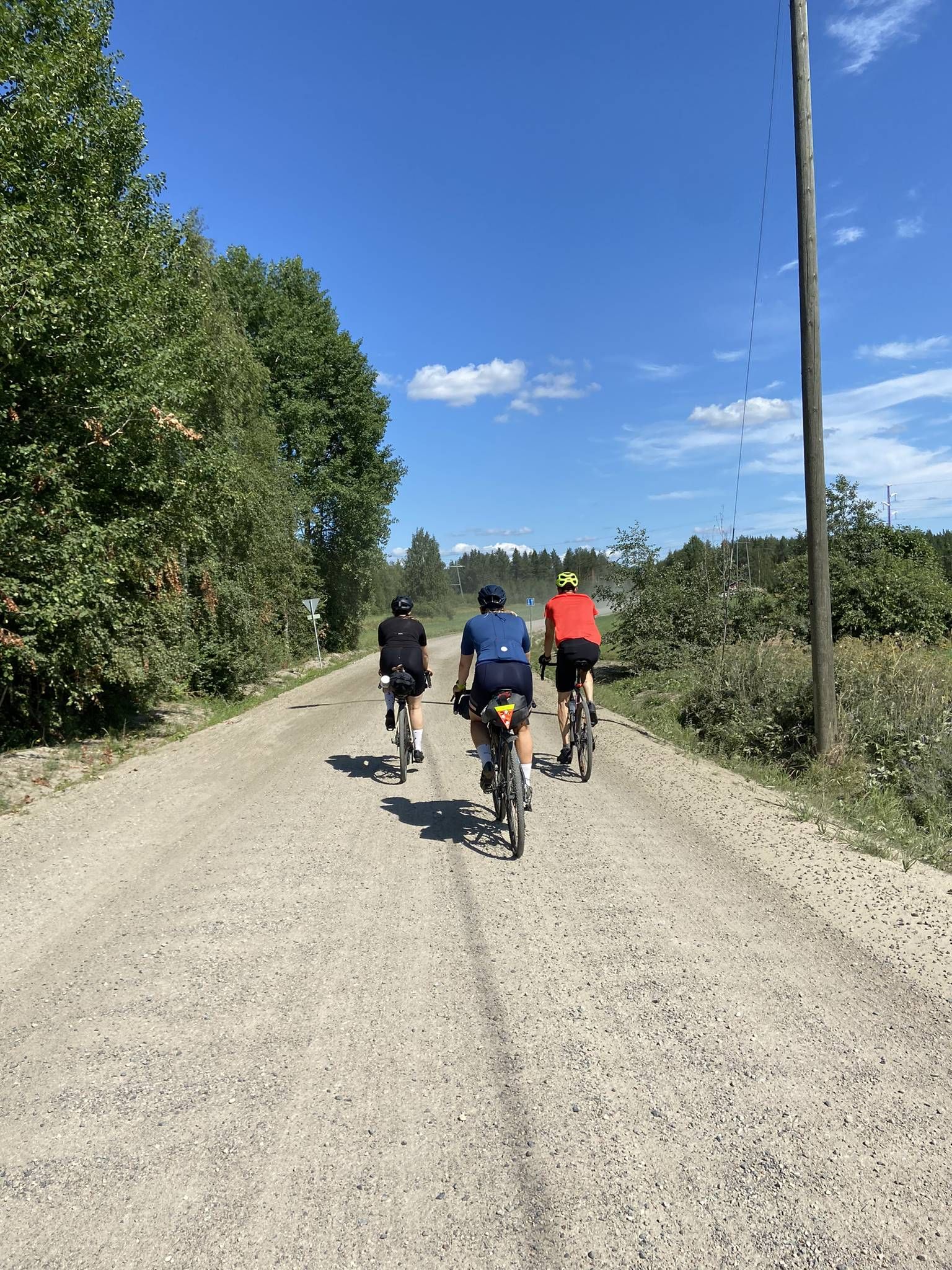
Naples to North Cape — Two friends, one purpose and many scoops of ice-cream
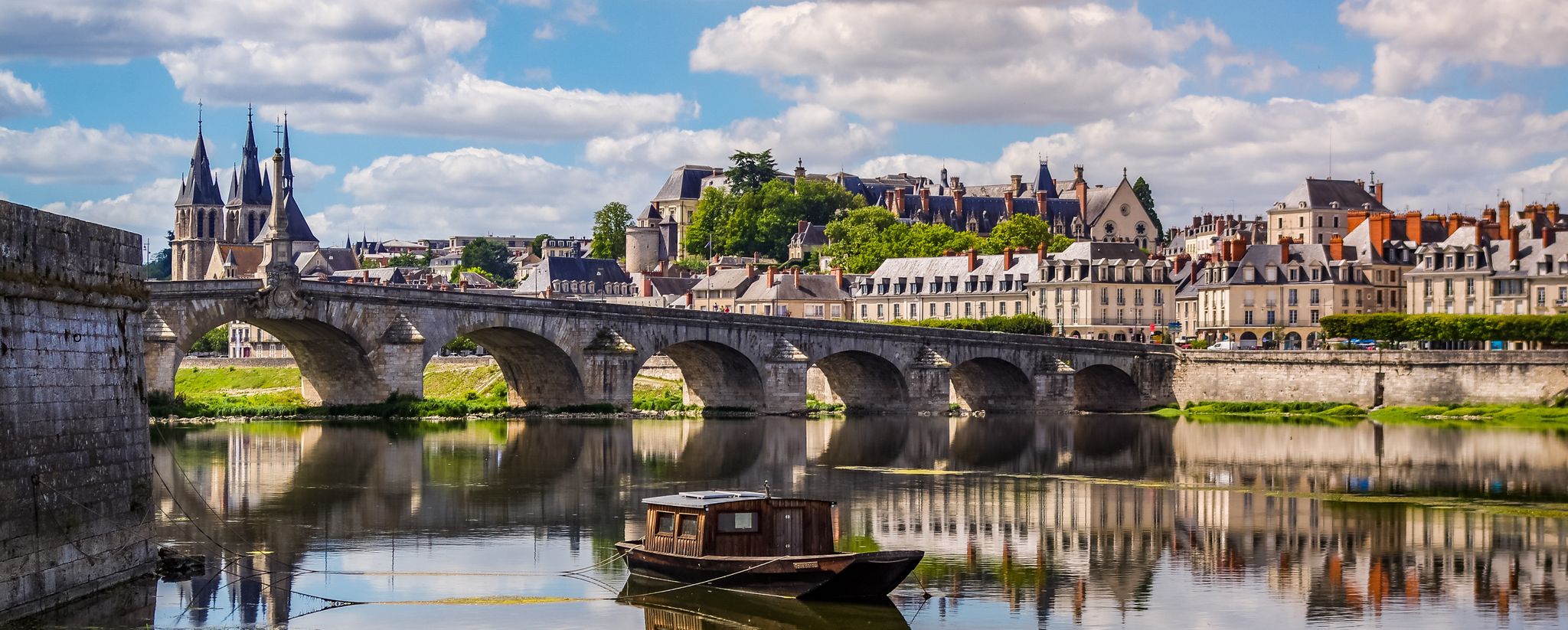
EuroVelo 3 – A cycling pilgrimage from Norway to France
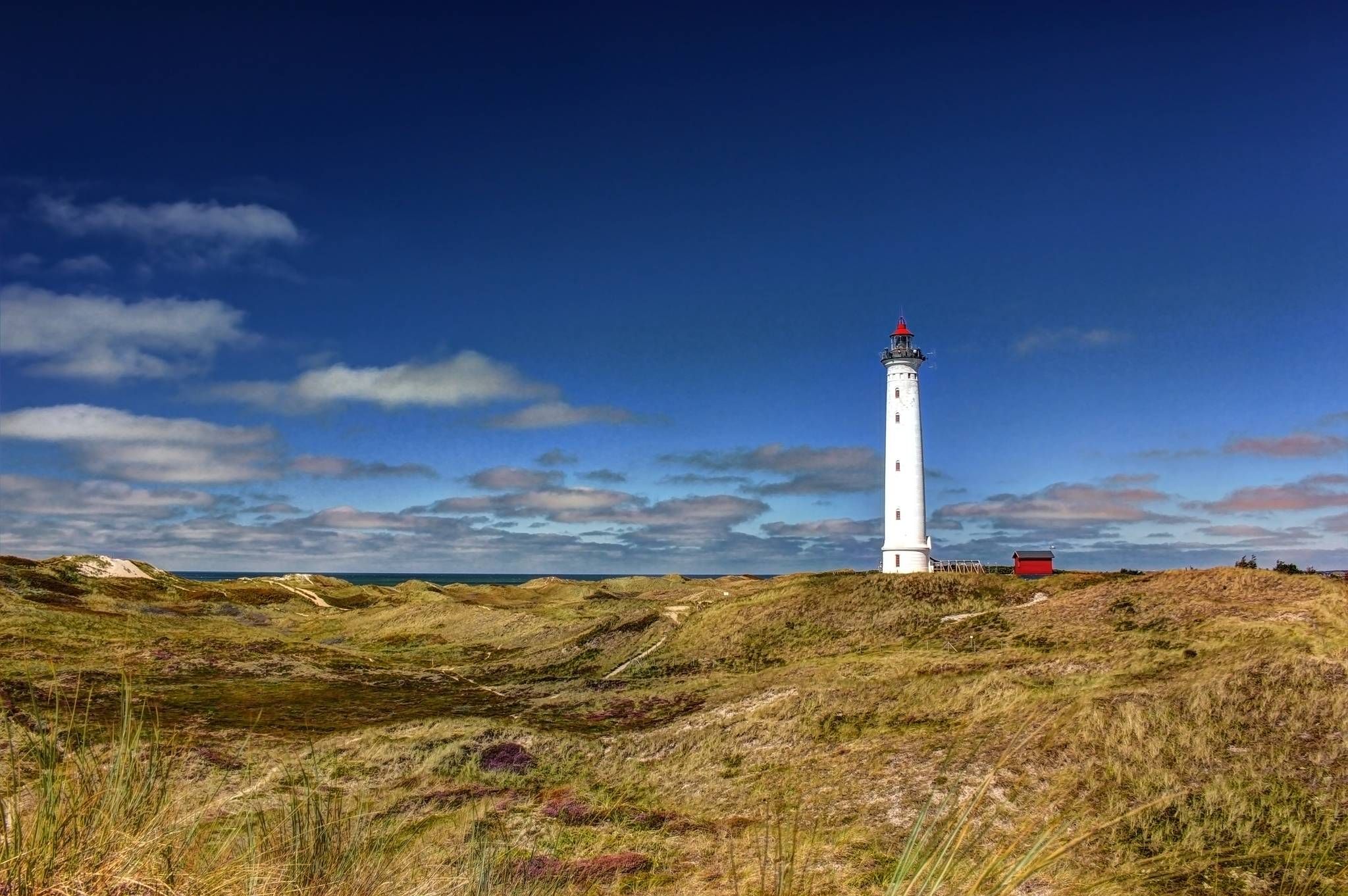
The North Sea Coast Cycle Route – Denmark
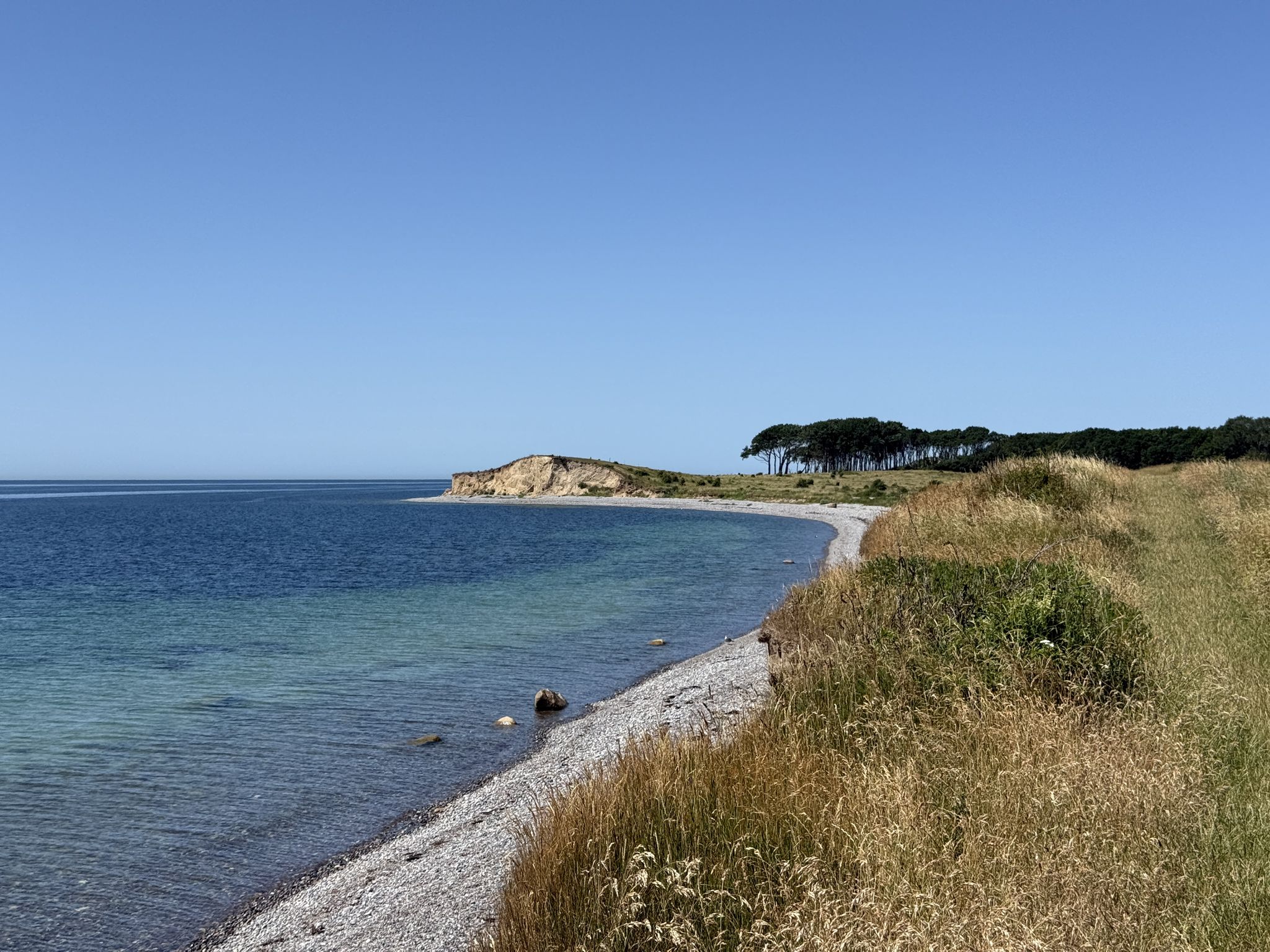
Experience Langeland’s vastness on the Herregårdsroute
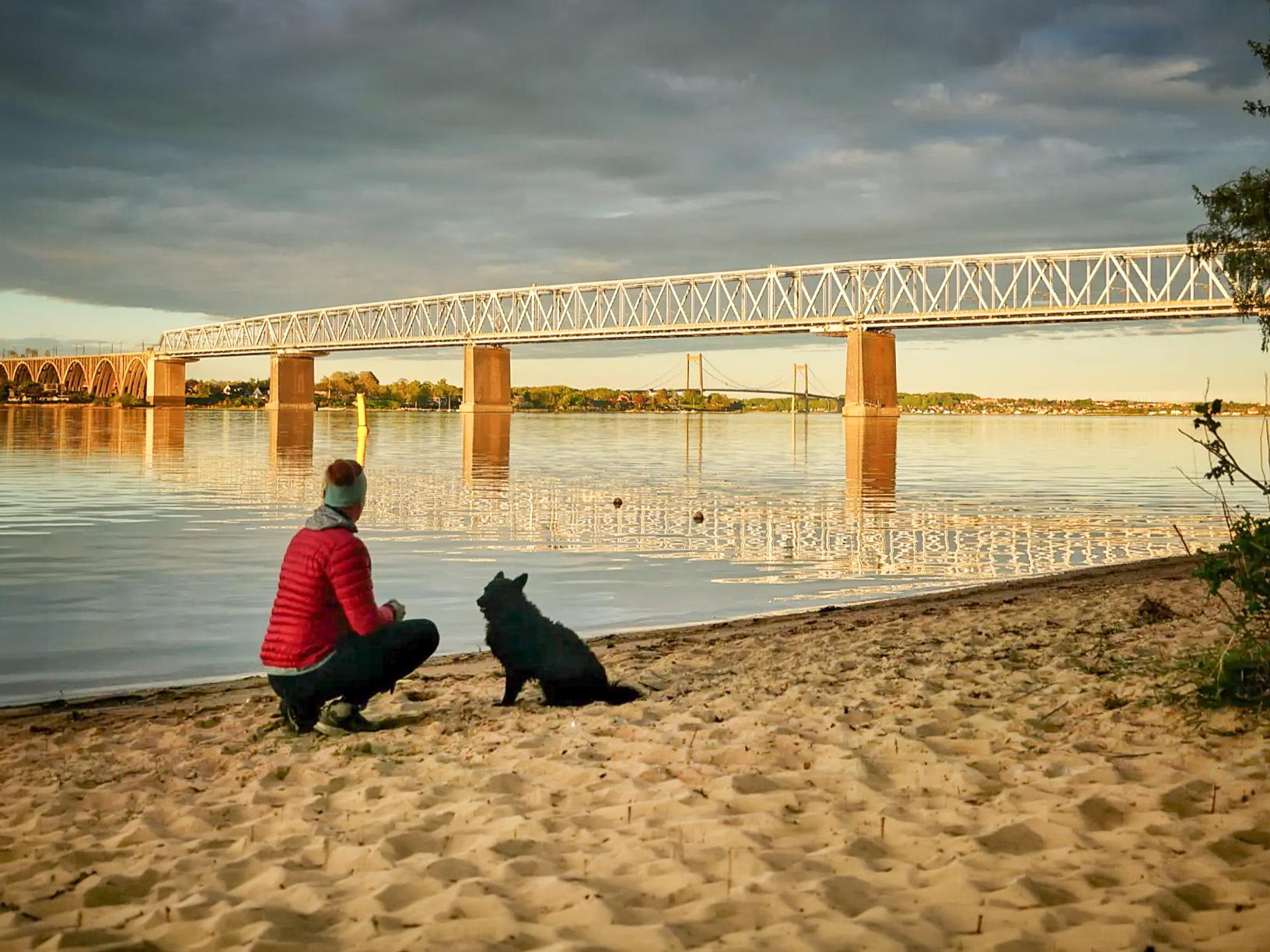
Lillebælt Trail – coastal paths and porpoises on Funen
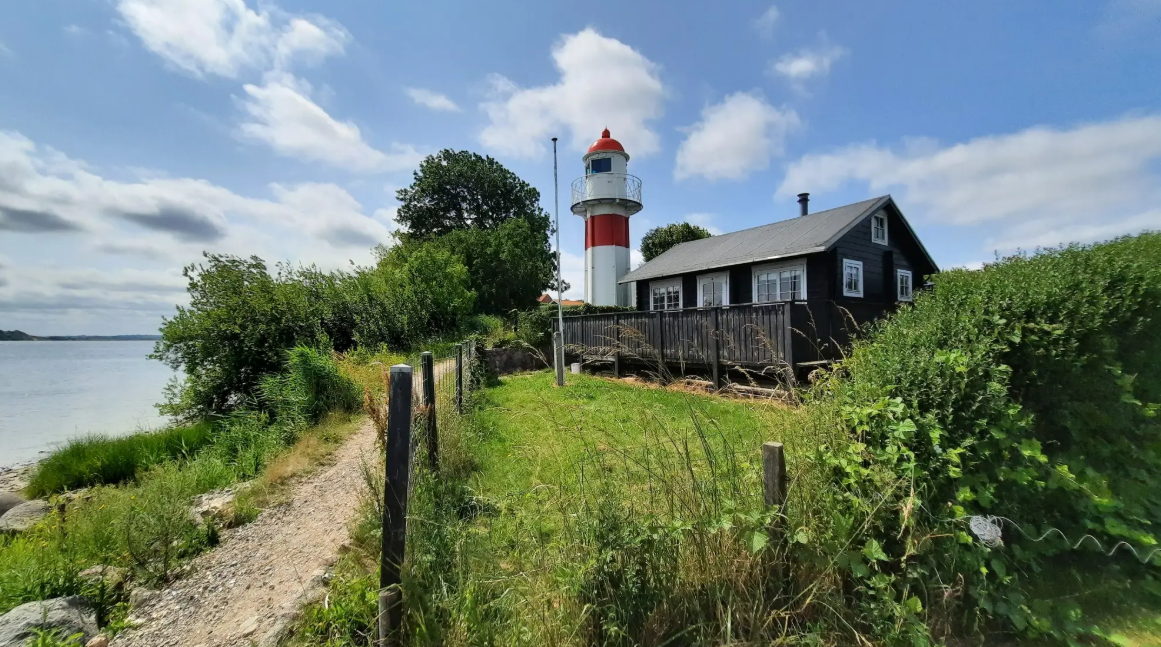
A Historic Journey on the Southern Jutland Coastline — The Gendarme Path
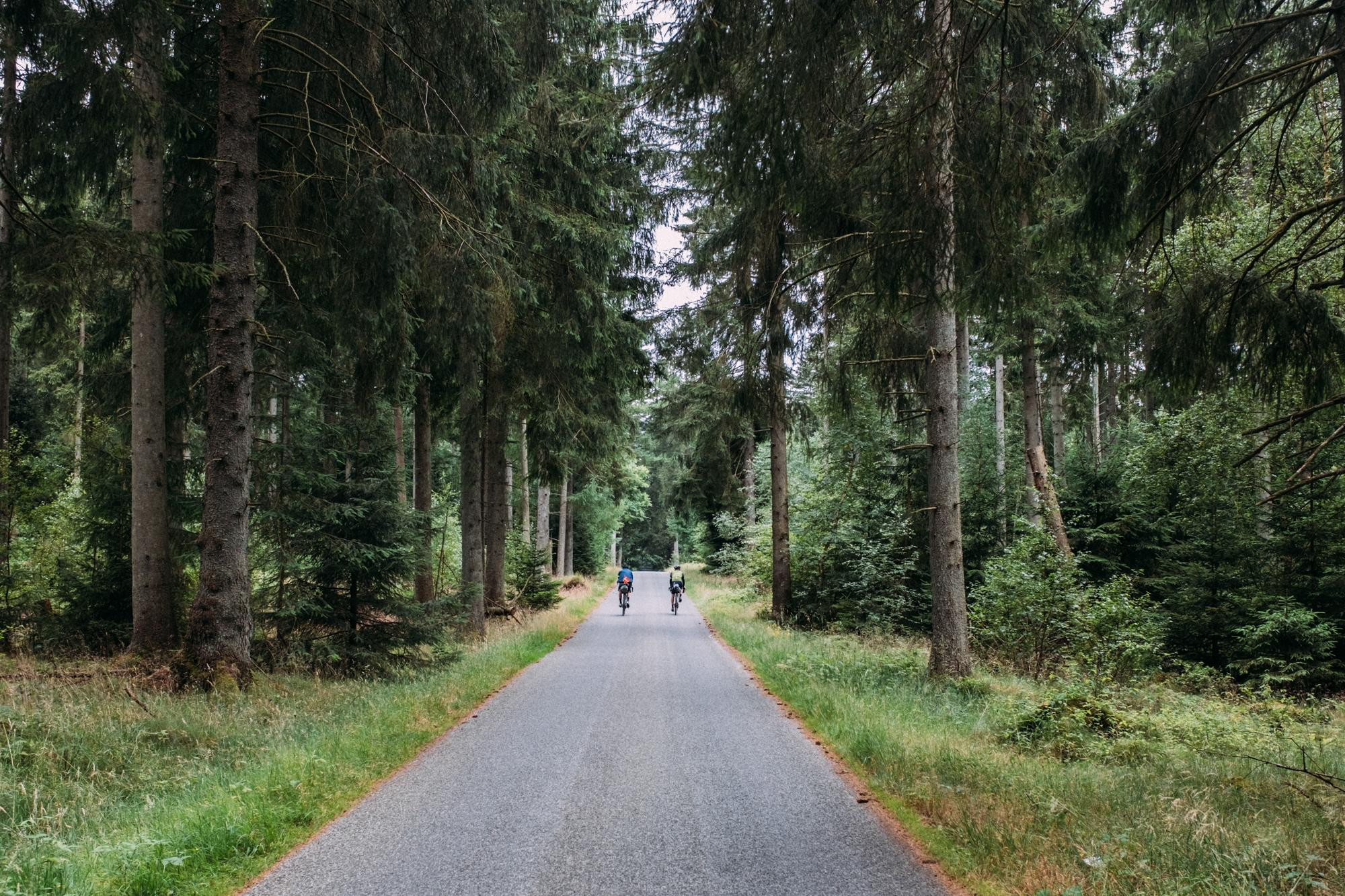
National Cycle Route 3: Pilgrims Route
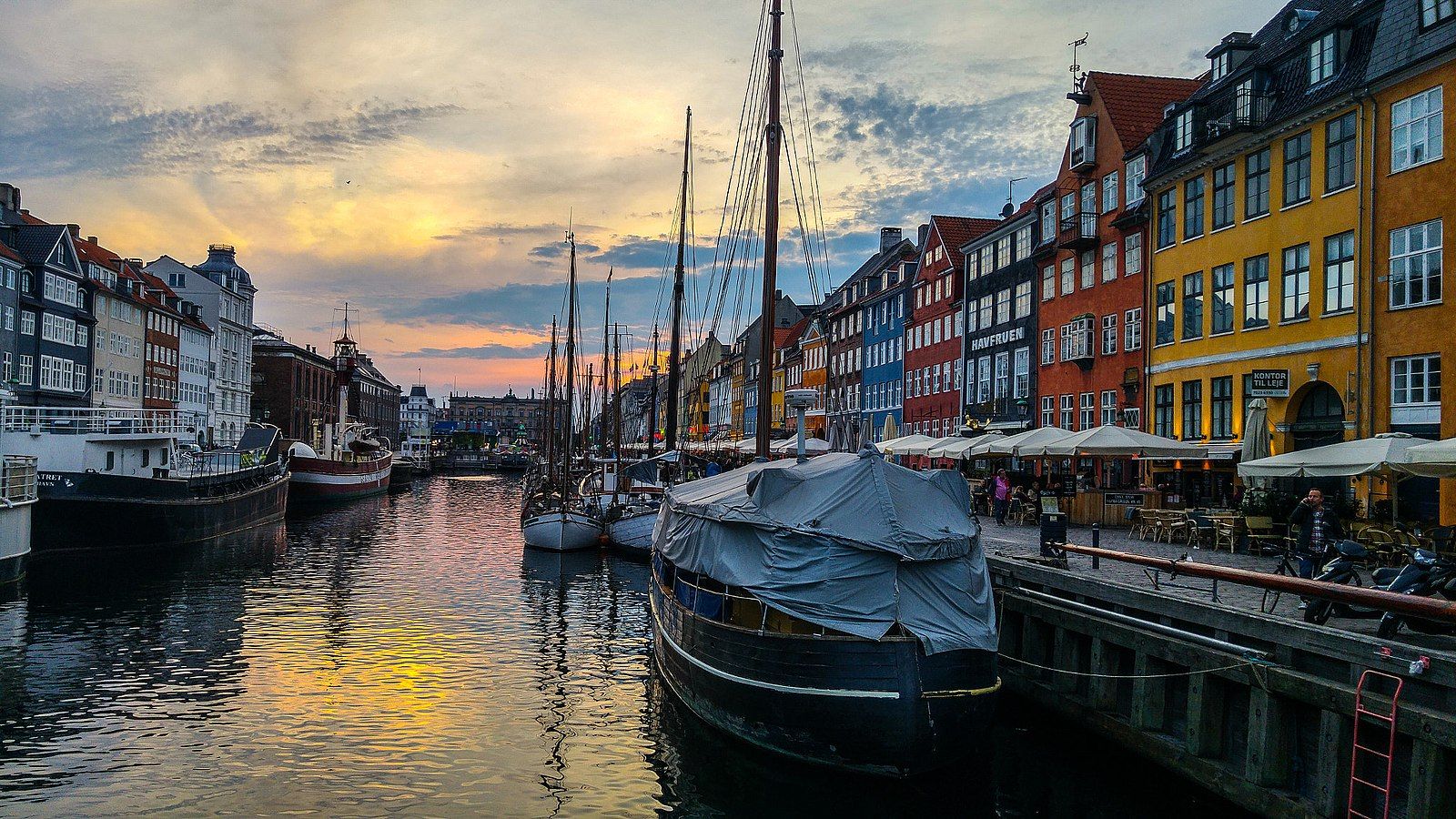
Esbjerg to Copenhagen – National Cycle Network Route 6
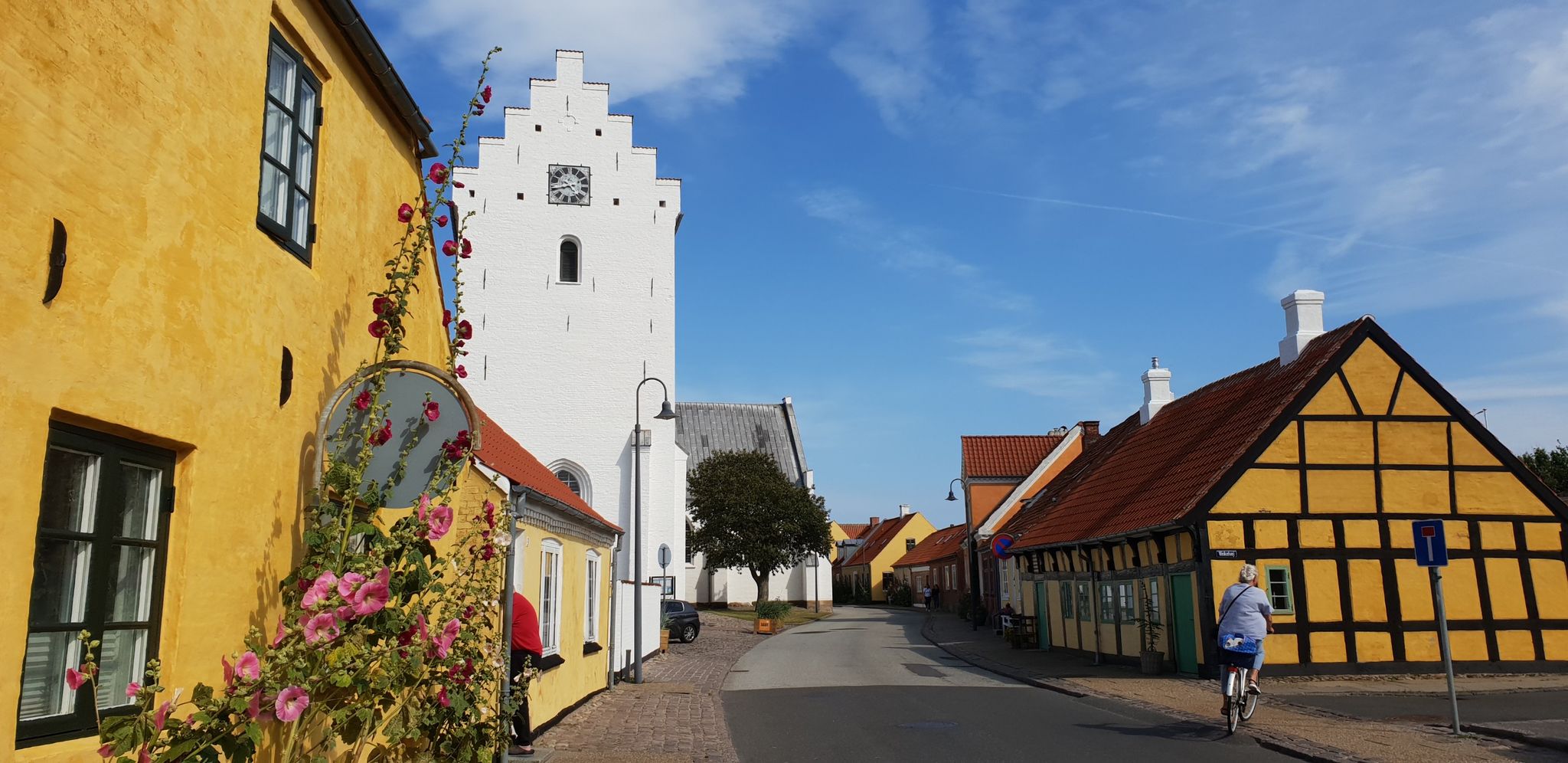
East Coast Route – National Cycle Network Route 5
Other adventures in Southern Denmark


Tips from the Community

A fascinating thought: 500 million cubic meters of water are moved back and forth at Germany's northernmost point when the tides alternate. Hence the turbulence and currents, and the resulting swimming ban. The open North Sea and the Wadden Sea meet at the Elbow.
2
0

Great natural landscape, especially when the heather is in bloom. The paths are very walkable.🌤🇩🇰
1
1

Interesting area with lots of water and animals.
1
1

Just unwind and take a walk along the beach.
3
0

Very beautiful animals in the pasture
1
2

Nice photo motif. Cannot be visited and the way there is private. But you can also see it so well from the bike path.
3
0

An oak forest that is unparalleled I haven't seen that before Already impressive 👍🔝
1
0

You should definitely experience a sunset there
2
0
Frequently Asked Questions
What unique natural features can I explore in Southern Denmark?
Southern Denmark offers a diverse range of natural features. You can explore the vast mudflats and sand dunes of the Wadden Sea National Park, a UNESCO World Heritage site, or the incredibly wide, sandy beaches of Rømø Island. The region also features unique landscapes like the Sand-Covered Oak Forest (Versandete Eichen), where trees are partially covered by sand, and the glacial landscapes of the South Fyn Archipelago.
Are there family-friendly natural monuments in Southern Denmark?
Yes, many natural monuments in Southern Denmark are suitable for families. For instance, Filsø offers scenic viewpoints and opportunities for cycling, which can be enjoyed by all ages. The expansive beaches of Rømø Island and Blåvand Beach North are also popular for family outings, offering space for relaxation and play.
What is the best time to visit Southern Denmark's natural monuments?
The best time to visit depends on your interests. For birdwatching, especially to witness the 'Sort Sol' (Black Sun) phenomenon with immense flocks of migratory birds, spring and autumn are ideal for the Wadden Sea National Park. Summer is perfect for enjoying the beaches and outdoor activities like cycling and hiking. The Gendarme Path is beautiful throughout the warmer months, offering pleasant walking conditions.
What kind of wildlife can I expect to see at these natural sites?
Southern Denmark's natural monuments are rich in wildlife. The Wadden Sea National Park is a critical resting and feeding ground for millions of migratory birds, and you can often spot seals basking on sandbanks. Areas like the Skallingen Peninsula are known for their rich animal world, including various bird species and sheep.
Are there historical or cultural sites near the natural monuments?
Yes, some natural monuments are intertwined with history. Nørreskoven Forest on Als Island features ancient grave mounds and other historical monuments, offering a blend of natural beauty and cultural heritage. The South Fyn Archipelago also holds traces of ancient forests and Stone Age settlements, revealing a history spanning over ten thousand years.
What outdoor activities can I do near these natural monuments?
Southern Denmark offers a wide range of outdoor activities. You can enjoy cycling around Filsø or explore the extensive network of road cycling routes. The Gendarme Path is an 84 km certified European Quality Walking Path perfect for hiking. For those interested in water sports, Rømø Island is popular for kitesurfing, windsurfing, and beach sailing. You can also find running trails and gravel biking routes throughout the region.
Where can I experience unique geological formations?
The South Fyn Archipelago is a designated Geosite, recognized for its spectacular inundated glacial landscapes. It comprises 55 islands, with its geology revealing a history shaped by rising sea levels and past ice ages. Specific geological highlights like Ristinge Klint contain deposits from past interglacial and ice ages, offering significant insights into landscape history.
What is special about the Wadden Sea National Park?
The Wadden Sea National Park is a UNESCO World Heritage site known for its vast mudflats, sand dunes, and salt marshes. It's a crucial habitat for migratory birds, especially during spring and autumn when millions create the 'Sort Sol' phenomenon. The unique ecosystem, shaped by the North Sea's tides, allows visitors to observe seals and a rich biodiversity.
Can I visit the northernmost point of Germany from Southern Denmark?
While technically in Germany, the Ellenbogen, which is the northernmost point of Sylt, Germany, is only four kilometers away from the Danish island of Rømø and can be clearly seen from there on a clear day. It is a significant bird and nature reserve, home to diverse wildlife including birds, sheep, and seals.
Are there any nature reserves with untouched landscapes?
Yes, the Skallingen Peninsula is a nature reserve in the northern Wadden Sea, known for its fantastic, untouched nature and rich animal world. It's a relatively new peninsula where nature is allowed to thrive, offering a truly wild experience.
What are some popular walking paths in the region?
The Gendarme Path is an 84 km long certified European Quality Walking Path that runs along the eastern coastline of Southern Denmark. It offers a unique walking opportunity through idyllic rolling hills and calm waters, showcasing the best of the Danish countryside. Additionally, Skjern Meadows Nature Reserve also features trails for walking.
What makes Rømø Island a unique natural monument?
Rømø Island, part of the Wadden Sea, is renowned for its incredibly wide, sandy beaches and spectacular sand dunes that act as a natural barrier. Its expansive beaches are among the finest, popular for relaxation and activities like kitesurfing and windsurfing, with unique sand formations created by the water.
Most popular routes in Southern Denmark
Most popular attractions in Southern Denmark

Get inspired with the komoot mobile app


Didn’t find what you were looking for?
Find even more amazing natural monuments in Southern Denmark by checking out the top Highlights region by region:
Explore more
Extend your search for the best caves by checking out these guides of the top ones in Southern Denmark:
