Top 20 Natural Monuments in Dubrovnik-Neretva
Best natural monuments in Dubrovnik-Neretva showcase a diverse landscape, from the Adriatic coastline with its numerous islands and sea caves to the unique river delta of the Neretva. The region features significant natural sites, including protected national parks, lush arboretums, and distinctive geological formations. These areas offer a range of natural environments, reflecting the area's rich biodiversity and karst topography.
Best natural monuments in Dubrovnik-Neretva
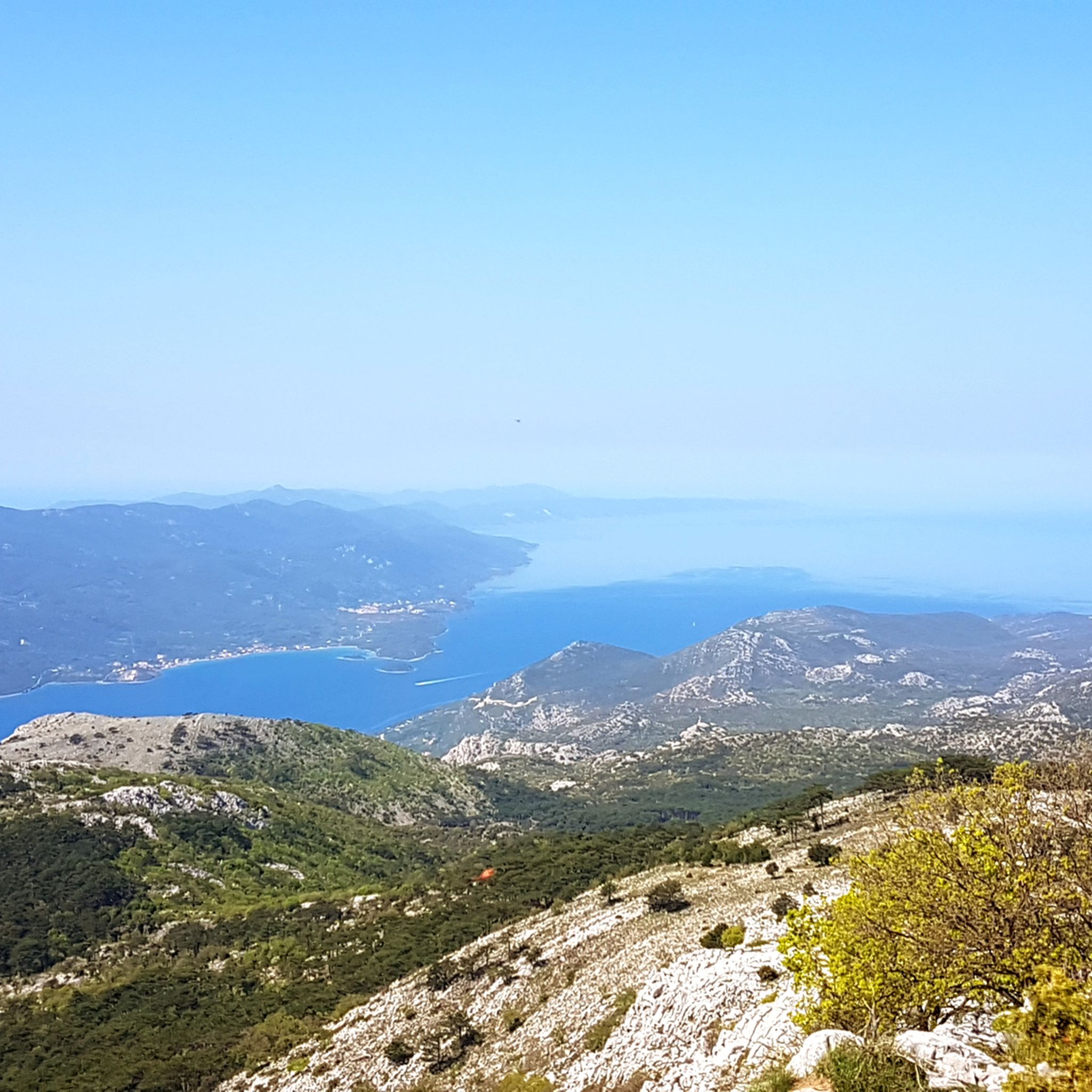
- The most popular natural monuments is Saint Ilija Summit, a summit that is the…
Last updated: October 13, 2026
Saint Ilija Summit
Highlight • Summit
Tip by

Dead Sea
Highlight • Lake
Showing Translation
Tip by

Sign up now to discover places like this
Get recommendations on the best single tracks, peaks, & plenty of other exciting outdoor places.
Vela Spila Cave
Highlight • Cave
Tip by

Malo Jezero and Veliko Jezero
Highlight • Lake
Translated by Google •
Tip by

Ancient Plane Trees of Trsteno
Highlight • Natural Monument
Rather suitable for camping with car …
Translated by Google •
Tip by

Mljet National Park
Highlight • Lake
Showing Translation
Tip by

Trsteno Arboretum
Highlight • Natural Monument
Translated by Google •
Tip by

Maximilian's Gardens
Highlight • Natural Monument
Translated by Google •
Tip by

Trsteno Arboretum
Highlight • Natural Monument
Translated by Google •
Tip by

Đorđić Mayneri Park
Highlight • Natural Monument
Translated by Google •
Tip by

Sign up for free to discover even more natural monuments in Dubrovnik-Neretva.
Already have an account?
Start today with a free account
Your next adventure awaits.
Popular around Dubrovnik-Neretva
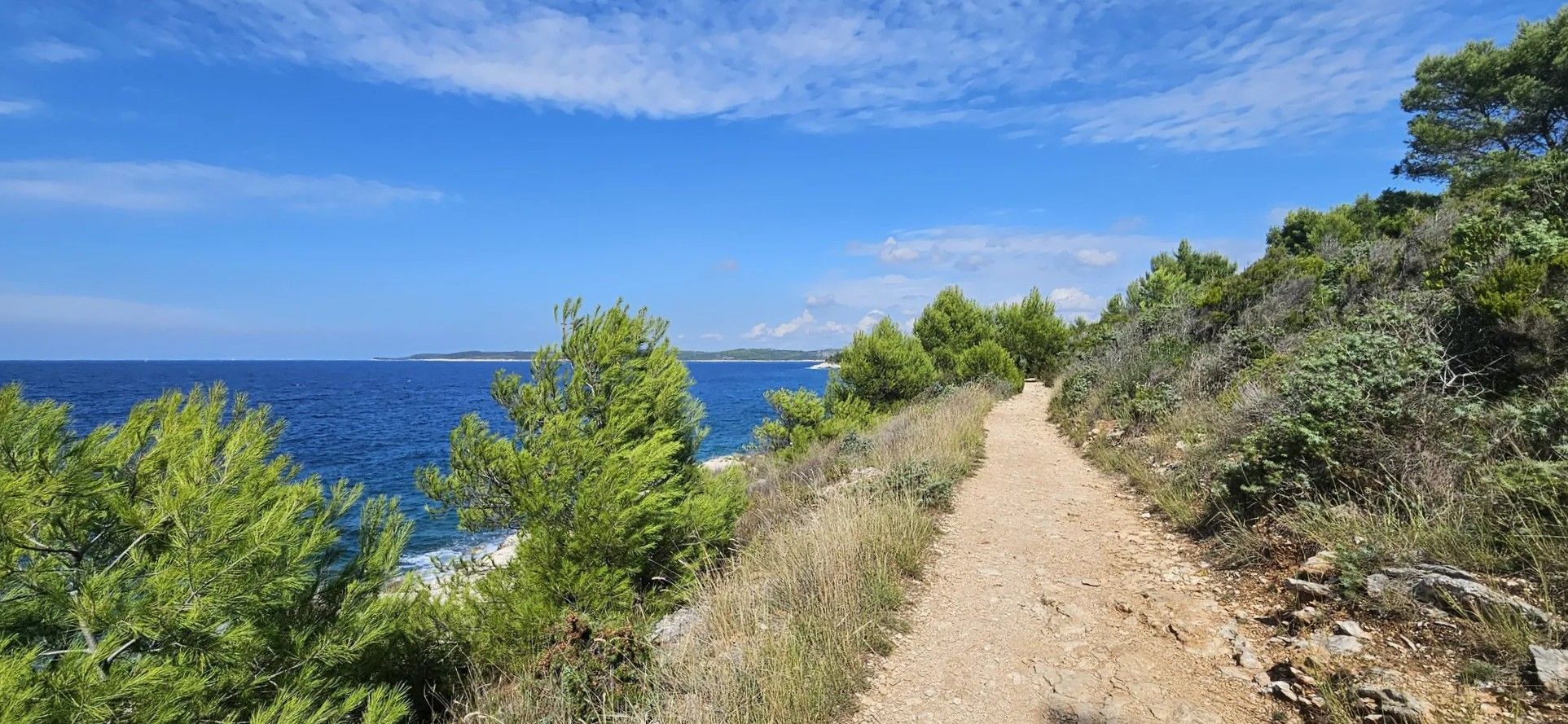
From Sea to Summit: Trail Running in Croatia

Triathlon 360 – my journey around the world
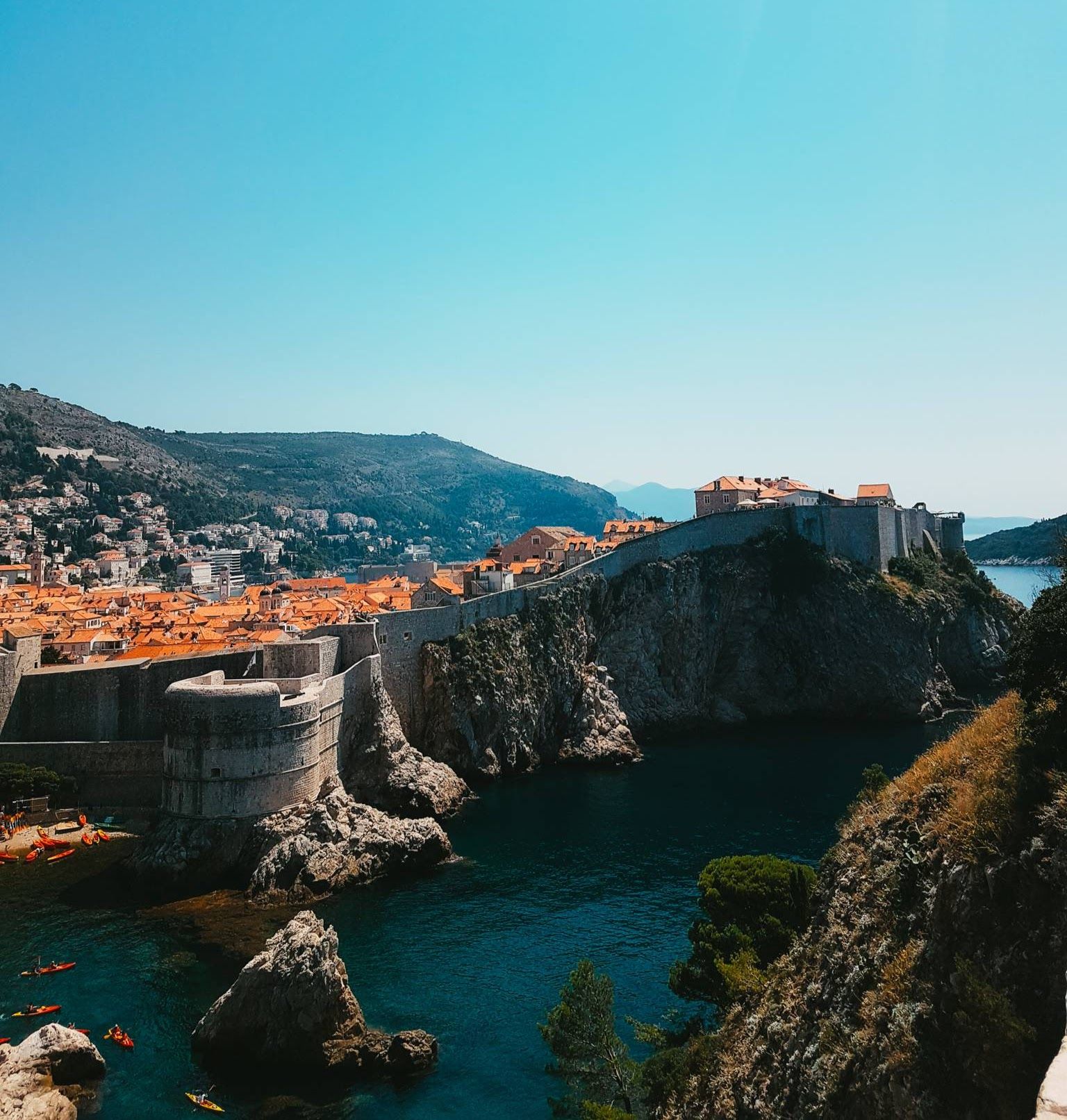
The Ciro Trail — Along the railtrail from Mostar to Dubrovnik
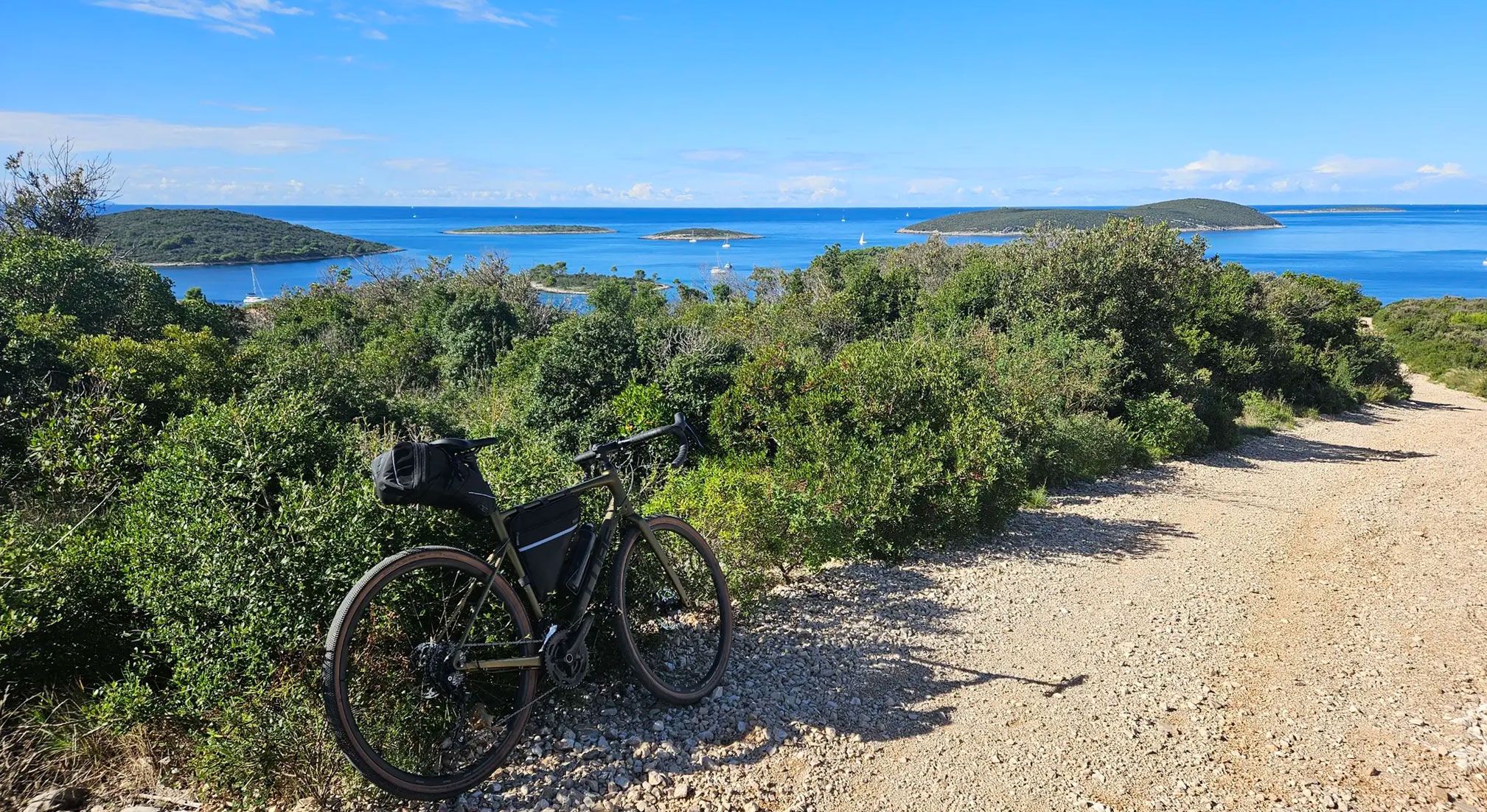
Between Coastal Panoramas and Dream Beaches: Island Bike Tours in Croatia
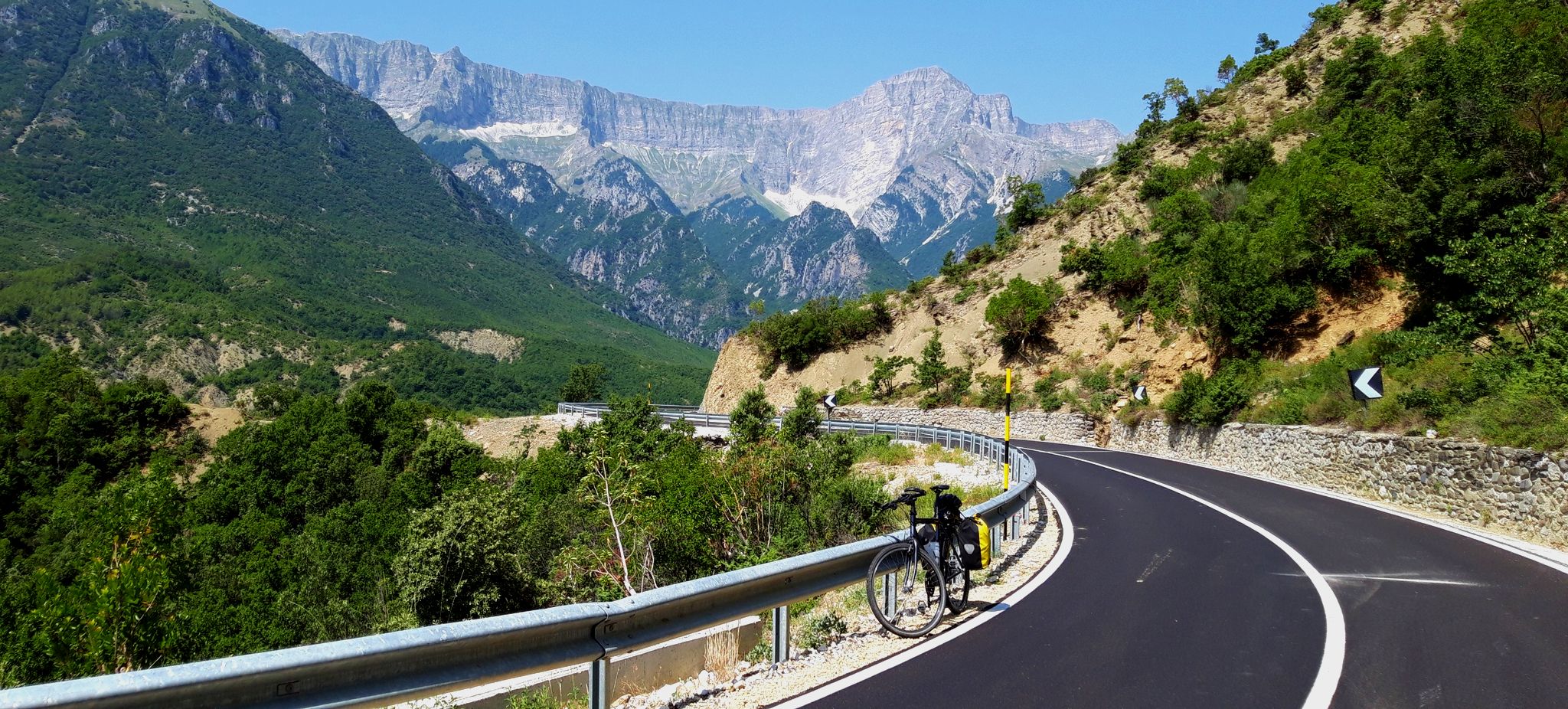
Balkan cycling adventure – Dubrovnik to Corfu
Hiking in Dubrovnik-Neretva
Cycling in Dubrovnik-Neretva
Road Cycling Routes in Dubrovnik-Neretva
Running Trails in Dubrovnik-Neretva
MTB Trails in Dubrovnik-Neretva
Other adventures in Dubrovnik-Neretva


Tips from the Community

Mljet National Park awaits you with dense pine forests, two saltwater lakes, and numerous opportunities for hiking, swimming, or diving.
0
0

There is a small shelter under the summit, on the east side.
0
0


360-degree view of the entire peninsula. Path accessible from the west
0
0


In 1859, Archduke Maximilian (then Viceroy of Veneto) and his wife, Charlotte of Belgium, discovered the island. Enchanted by the location, Charlotte purchased it, and the imperial couple transformed the former monastery—then in ruins—into a summer residence. Following the botanical tradition of the Benedictines, Maximilian devoted much of his efforts to transforming the island into a veritable exotic garden, with specimens from Australia and South America. Source: Wikipedia
0
0

Frequently Asked Questions
What are some of the most unique natural features in Dubrovnik-Neretva?
The Dubrovnik-Neretva County boasts a diverse range of natural features. You can explore the unique interconnected saltwater lakes, Malo Jezero and Veliko Jezero, within Mljet National Park. Another distinctive feature is the Mrtvo More (Dead Sea) on Lokrum Island, a shallow saltwater lake with a pleasant bathing temperature. The region also features impressive sea caves like the Blue Cave on Koločep Island and the Vela Spila Cave, alongside the unique river delta ecosystem of the Neretva Valley.
Are there family-friendly natural monuments in Dubrovnik-Neretva?
Yes, several natural monuments are ideal for families. Mrtvo More (Dead Sea) on Lokrum Island is very popular due to its shallow, warm waters, perfect for children. The lakes in Mljet National Park also offer safe swimming and easy paths for cycling. Additionally, the Ancient Plane Trees of Trsteno and the Trsteno Arboretum are great for leisurely strolls amidst nature and history.
What kind of historical or cultural natural monuments can I visit?
The region offers several natural monuments with significant historical ties. The Trsteno Arboretum, for example, is the oldest collection of exotic trees and plants on the eastern Adriatic coast, dating back to 1492. On Lokrum Island, you can explore the Maximilian's Gardens and the ruins of a Benedictine monastery amidst lush nature. Mljet National Park also features a 12th-century Benedictine monastery on St. Mary's islet within Veliko Jezero.
What is the best season to visit the natural monuments in Dubrovnik-Neretva?
The best season to visit is generally from late spring to early autumn (May to October). During these months, the weather is warm and sunny, ideal for swimming, hiking, and exploring. The lakes in Mljet National Park and the Dead Sea on Lokrum Island are particularly inviting due to their pleasant bathing temperatures. Spring and autumn also offer milder temperatures, perfect for hiking the trails, such as those leading to Saint Ilija Summit, without the intense summer heat.
How difficult are the trails around the natural monuments in Dubrovnik-Neretva?
Trail difficulty varies. For instance, the hike to Saint Ilija Summit is considered intermediate to challenging, requiring moderately fit individuals, especially given the potential for summer heat. However, many paths around the lakes in Mljet National Park and on Lokrum Island are easy and suitable for leisurely strolls or cycling. Always check specific trail descriptions for difficulty ratings and prepare accordingly.
What outdoor activities can I do near the natural monuments?
The region offers a wide range of outdoor activities. You can enjoy cycling around the lakes in Mljet National Park, swimming and snorkeling in the clear waters of the Elaphiti Islands, or exploring sea caves by kayak. The Neretva Valley is excellent for birdwatching and traditional boat safaris. For more structured activities, you can find various MTB trails, gravel biking routes, and running trails throughout Dubrovnik-Neretva County.
Are there good hiking routes near the natural monuments?
Yes, there are numerous hiking opportunities. Mljet National Park features scenic trails, including the Scenic Trail in Mljet National Park, offering beautiful forest and viewpoint experiences. The ascent to Saint Ilija Summit on Pelješac provides extensive views for moderately fit hikers. Lokrum Island also has walking paths through its botanical gardens and forests. For more options, explore the running trails guide for the region, which includes many suitable for hiking.
What do visitors particularly enjoy about the natural monuments in Dubrovnik-Neretva?
Visitors frequently praise the stunning views, especially from spots like Montokuc Viewpoint and Saint Ilija Summit. The unique experience of swimming in the warm, calm waters of Mrtvo More and the lakes of Mljet National Park is also a highlight. Many appreciate the tranquility and natural beauty, often noting the lush forests and clear waters. The blend of natural landscapes with historical elements, such as the Benedictine monastery on St. Mary's islet, also adds to the appeal.
Can I reach these natural monuments by public transportation?
While some natural monuments, like Lokrum Island, are easily accessible by regular ferry services from Dubrovnik, others may require a combination of public transport and local transfers or private vehicles. Mljet National Park is accessible by ferry to the island, with local buses or rental options within the park. Remote areas or specific trailheads might have limited public transport access, so it's advisable to check local schedules and options for your specific destination.
Are there any natural monuments suitable for swimming and relaxing on a beach?
Absolutely. Lokrum Island offers rocky beaches and the unique Mrtvo More (Dead Sea), which is perfect for a relaxing swim. The Elaphiti Islands, particularly Lopud with its sandy Šunj Beach, are renowned for their beautiful beaches and crystal-clear waters. The two lakes in Mljet National Park also provide excellent opportunities for swimming in a serene natural setting.
What makes the Neretva Valley a unique natural monument?
The Neretva Valley is unique as one of Croatia's largest wetlands, formed by the Neretva River delta. It's often called the 'mandarin valley' due to extensive fruit plantations and is a vital breeding ground for birds, showcasing diverse flora and fauna. The valley also features the freshwater Baćina Lakes, which are connected to the sea, offering a distinct ecosystem compared to the coastal islands. It's a prime spot for birdwatching and traditional boat rides.
Most popular routes in Dubrovnik-Neretva
Most popular attractions in Dubrovnik-Neretva

Get inspired with the komoot mobile app


Didn’t find what you were looking for?
Find even more amazing natural monuments in Dubrovnik-Neretva by checking out the top Highlights region by region:
Explore more
Extend your search for the best caves by checking out these guides of the top ones in Dubrovnik-Neretva:
