Top 20 Natural Monuments in South Australia
Best natural monuments in South Australia showcase diverse landscapes shaped by millions of years of geological processes. The region features rugged mountain ranges, pristine coastlines, and ancient cave systems. These sites offer unique geological insights and opportunities to explore varied natural features across the state.
Best natural monuments in South Australia
- The most popular natural monuments is Waterfall Gully, a waterfall that serves as a starting point for walks up to the top of the waterfall and further into…
Last updated: August 19, 2026
Sugarloaf
Highlight • Natural Monument
Tip by

Adelaide Botanic Garden
Highlight • Forest
Tip by

Sign up now to discover places like this
Get recommendations on the best single tracks, peaks, & plenty of other exciting outdoor places.
Sign up for free
Belair National Park
Highlight • Forest
Tip by

Waterfall Gully
Highlight • Waterfall
Tip by

Wilpena Pound
Highlight • Natural Monument
Translated by Google •
Tip by

Adam Linday Gordon Lookout
Highlight • Lake
Tip by

Second Falls
Highlight • Waterfall
Tip by
Marino Coastal Walking Trail
Highlight (Segment) • Trail
Tip by
Hallett Cove Conservation Park
Highlight • Natural Monument
Tip by
Flying Fox Colony in Adelaide Parklands
Highlight • Natural
Translated by Google •
Tip by

Sign up for free to discover even more natural monuments in South Australia.
Sign up for free
Already have an account?
Start today with a free account
Your next adventure awaits.
Login or Signup

Other adventures in South Australia

Tips from the Community

Sugarloaf is the Hallett Cove Conservation Park's most iconic geological landmark. The rock formation sits inside a giant crescent-shaped depression called “The Amphitheatre”, carved out by erosion over the last 10,000 years. Sugarloaf has three distinct layers, and is a cross-section of sediment layers deposited in an ancient glacial meltwater lake. The red bottom layer is made up of dark red sands, clays, and heavy boulders dropped from an ancient lake floor. The white middle layer is composed of light-coloured sand that filled the basin when the massive ice caps rapidly melted away roughly 280 million years ago. On top, the brown cap is a thin layer of newer brown clay carried down over the sand by rivers and creeks flowing out from the nearby Mount Lofty Range.
1
0
Hallett Cove Conservation Park has some unique walking tracks with geology unique to the area. Free car parks are available at the main southern entrance on Heron Way with a trackhead that has flushing public toilets, picnic tables, and the popular beachfront Boatshed Café. Explore Australia's best visual record of Permian glaciation, with amazing landforms scraped and polished by a massive ice sheet about 280 million years ago when Australia was still part of the supercontinent Gondwana.
1
0

Belair National Park is South Australia’s oldest national park and covers more than 800 hectares of native bushland in the Adelaide Hills. There is a network of walking tracks that wind through open woodland, grassy valleys, and historic sites, and the area is home to plenty of wildlife, including kangaroos, koalas, emus, and abundant birdlife. Just 20 minutes from Adelaide, it’s a popular destination for bushwalking, picnicking, and enjoying nature close to the city.
0
0

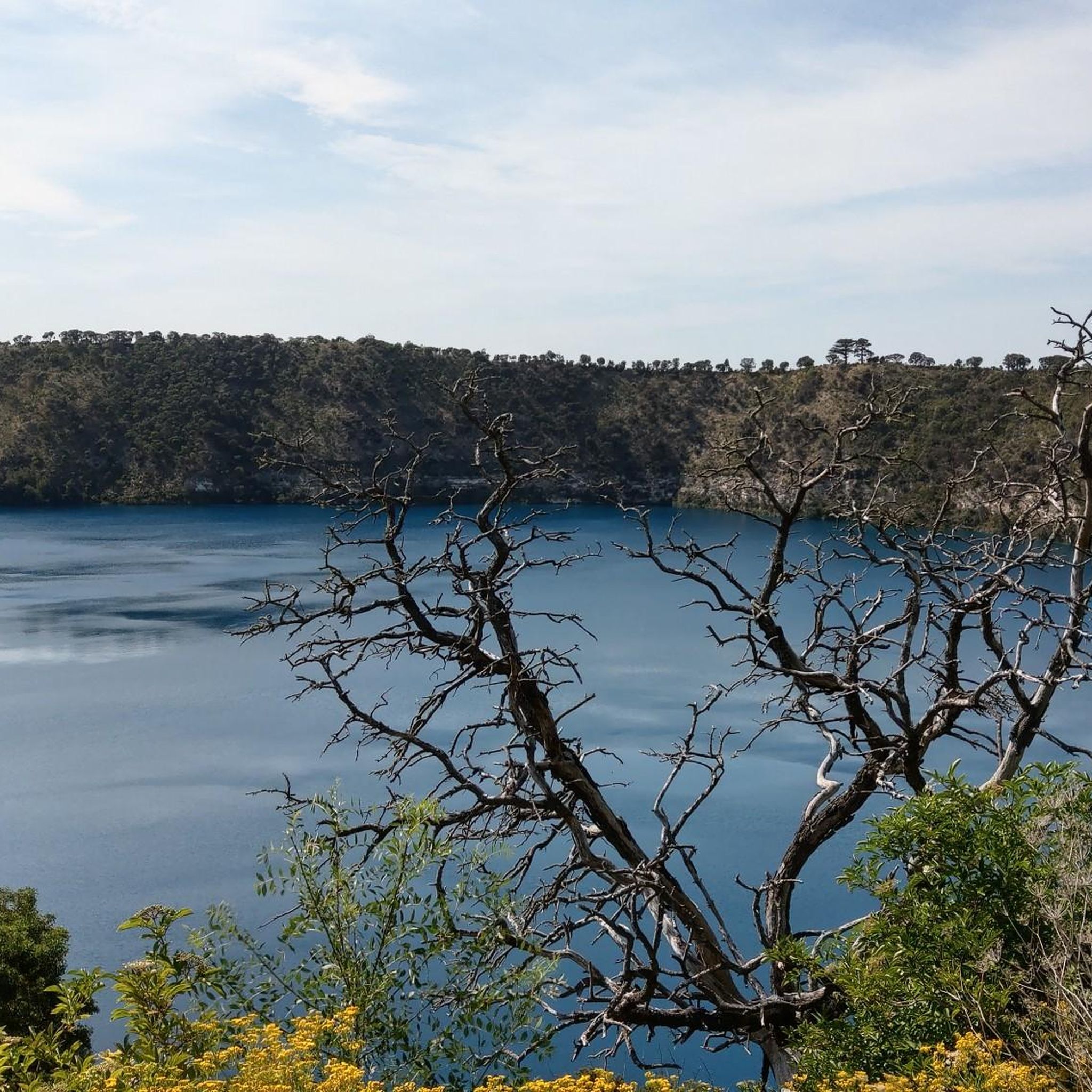
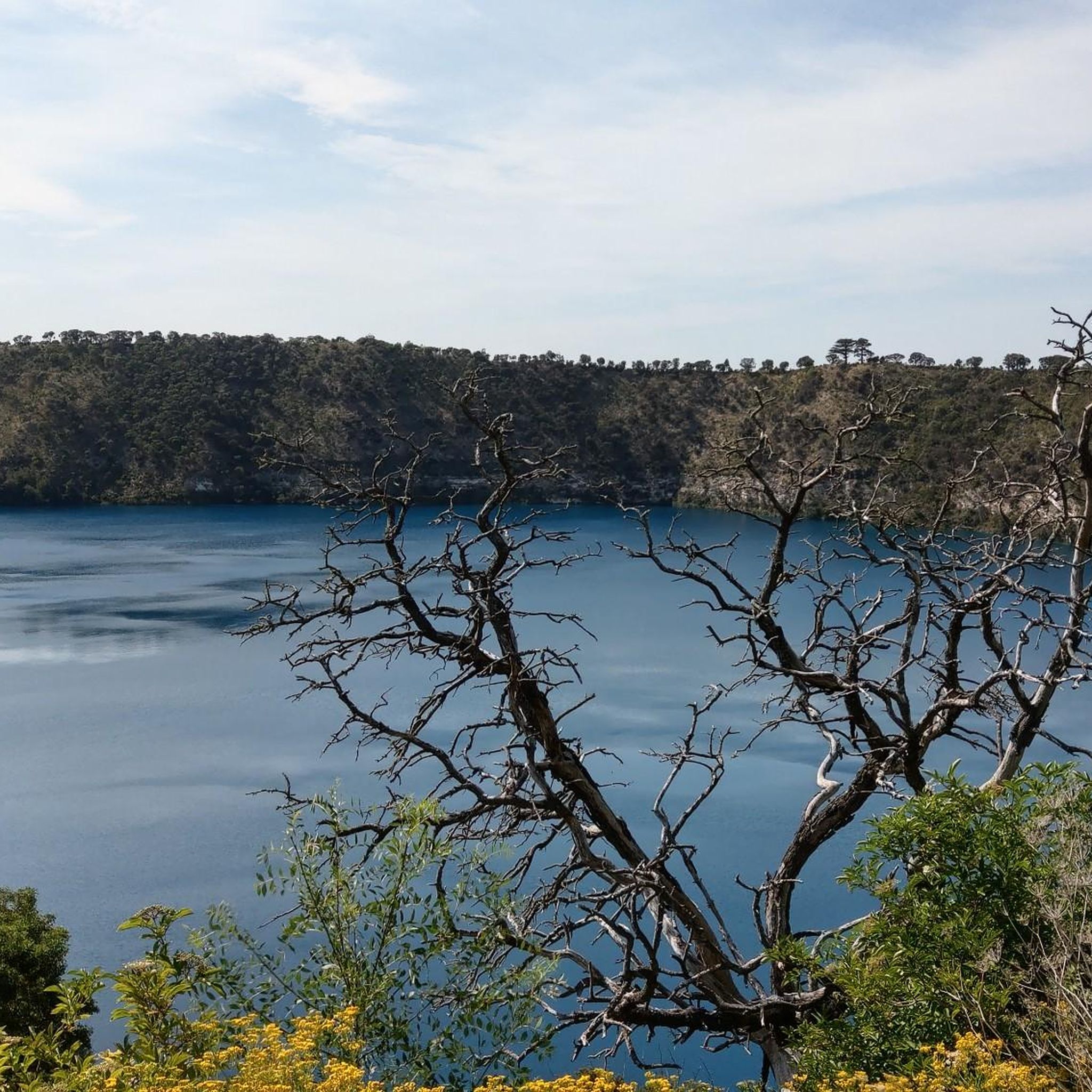
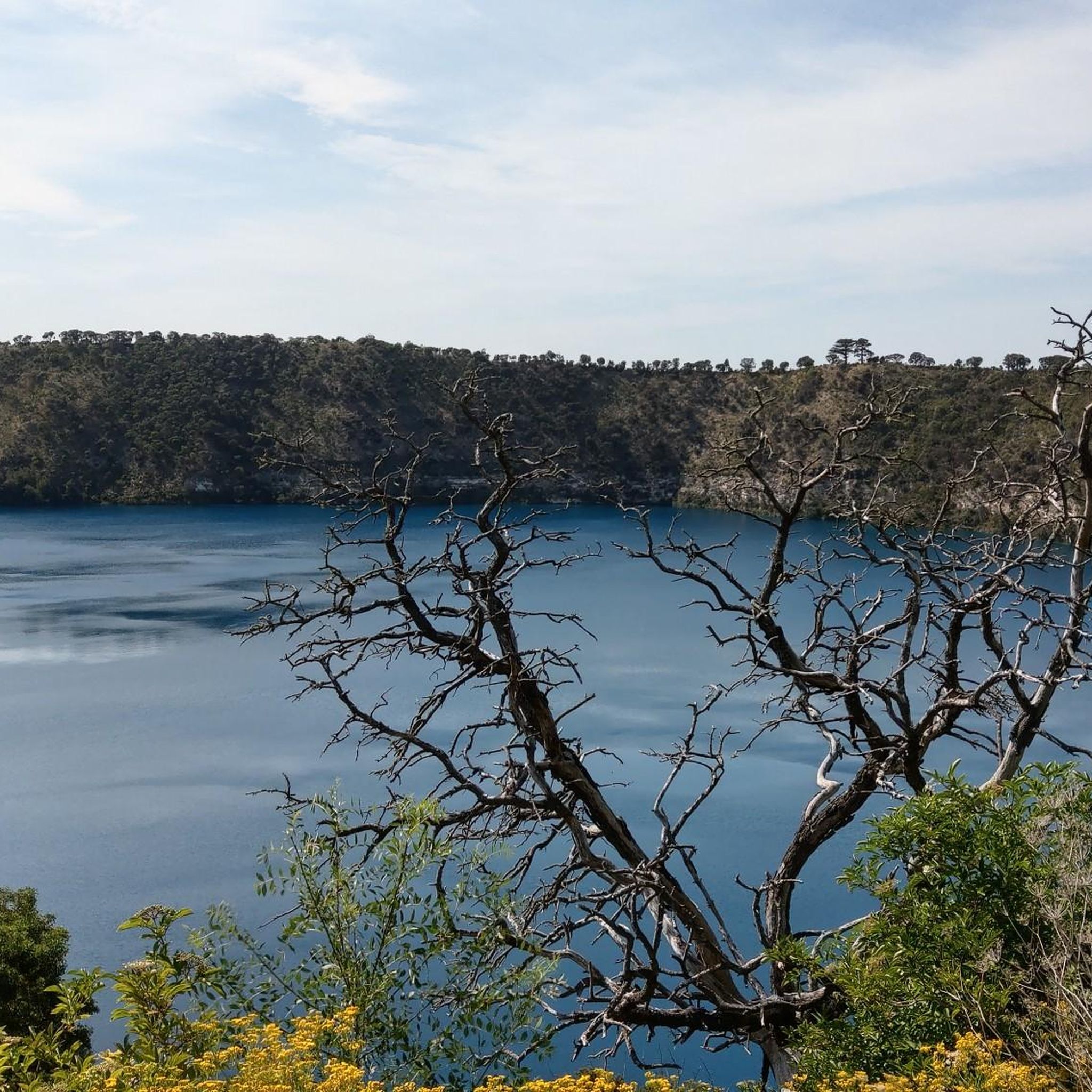
This lookout to the lake is named after Adam Lindsay Gordon who performed "Gordon's Leap" in 1864, jumping his horse onto the crater rim and back down. A sign by the parking lot tells you about his history.
0
0
You can walk down to the beach by the carpark to get closer to the water. A paved ramp takes you from the carpark up onto the trail, where there is an overlook of the coast with a bench to rest and enjoy the view.
1
0
Second Falls is one of the three waterfalls along Fourth Creek, and is hidden deeper within the gorge than the more visited First Falls. The water spills over a rocky cliff into a sheltered gully surrounded by steep slopes and native bushland, and is at its best after winter rain. Reaching the falls involves a more rugged walk, making this part of the park feel quieter and more tucked-away than the other, more popular areas.
0
0

Water grotto and beautiful plants
0
0
A very beautiful and well-maintained garden park.
0
0
Frequently Asked Questions
What types of natural monuments can I explore in South Australia?
South Australia offers a diverse range of natural monuments, from rugged mountain ranges and ancient cave systems to pristine coastlines and unique rock formations. You can discover colossal natural amphitheaters like Wilpena Pound, dramatic coastal cliffs such as Bunda Cliffs, and vibrant geological wonders like the Pink Lakes. The region also features spectacular waterfalls like Waterfall Gully, and unique crater lakes like Blue Lake / Warwar.
Are there any family-friendly natural monuments in South Australia?
Yes, several natural monuments are suitable for families. Waterfall Gully and Second Falls offer easy walks and opportunities to explore the creek. The Adelaide Botanic Garden is also family-friendly with its expansive gardens and architectural features. For a unique experience, the Flying Fox Colony in Adelaide Parklands can be fascinating, and Blue Lake / Warwar provides stunning views that children often enjoy.
What are some notable geological features to see in South Australia?
South Australia is rich in geological wonders. You can witness the ancient granite formations of Remarkable Rocks on Kangaroo Island, sculpted by millions of years of weather. The Naracoorte Caves National Park, a UNESCO World Heritage site, showcases spectacular stalactites and stalagmites, along with significant megafauna fossils. Near Mount Gambier, the Blue Lake / Warwar changes to a vibrant cobalt blue seasonally. Further north, the Organ Pipes in Gawler Ranges National Park are impressive volcanic rhyolite columns, and the Bunda Cliffs on the Nullarbor Plain offer dramatic coastal scenery.
Where can I find unique rock formations in South Australia?
For unique rock formations, visit Remarkable Rocks on Kangaroo Island, known for its precariously balanced granite boulders. On the Eyre Peninsula, Murphy's Haystacks are ancient, wind-worn pink granite inselbergs resembling hay bales. The Organ Pipes in Gawler Ranges National Park feature impressive volcanic rhyolite columns. The Painted Desert also offers a unique landscape with its colorful geological formations.
Are there any natural monuments with historical or cultural significance?
Absolutely. Wilpena Pound, known as Ikara to the Indigenous Adnyamathanha people, is a significant 'meeting place' with rich Aboriginal culture, including cave paintings and rock engravings. The Naracoorte Caves National Park holds global significance for its exceptionally well-preserved megafauna fossils, offering a glimpse into prehistoric life. The Adelaide Botanic Garden, established in 1857, is also a historical site with architectural features like the 19th-century Palm House.
What outdoor activities can I do near these natural monuments?
Many natural monuments offer opportunities for outdoor activities. Near Waterfall Gully, you can embark on hikes, including the popular trail up to Mount Lofty Summit. The Hiking in South Australia guide provides details on routes like 'Waterfall Gully to Mt Lofty Summit'. For those interested in running, the Running Trails in South Australia guide features routes like the 'River Torrens loop from Adelaide'. Cycling enthusiasts can find options in the Cycling in South Australia guide, with routes such as the 'River Torrens Linear Park – Glenelg Esplanade loop'.
What is the best time to visit South Australia's natural monuments?
The best time to visit depends on the specific monument and your preferred activities. For sites like Remarkable Rocks, visiting at sunrise or sunset can offer magical views and fewer crowds. The Blue Lake / Warwar is most vibrant in its cobalt blue hue during spring. Generally, the shoulder seasons (spring and autumn) offer pleasant weather for exploring outdoor sites, avoiding the peak heat of summer or the cooler, wetter conditions of winter, especially for hiking in areas like Wilpena Pound.
Are there any natural swimming spots among the monuments?
Yes, Little Blue Lake, near Mount Gambier, is a natural swimming amphitheater with crystal-clear freshwater, surrounded by dramatic 10-meter limestone walls. It's an ideal spot for swimming on warm days. While the larger Blue Lake / Warwar is a stunning sight, it is not suitable for swimming.
Can I find any caves or sinkholes to explore?
South Australia is home to impressive cave systems and sinkholes. The Naracoorte Caves National Park features a network of 28 limestone caves, with four open to the public for tours, including the Victoria Fossil Cave and Alexandra Cave. For a unique experience, the Umpherston Sinkhole (The Sunken Garden) in Mount Gambier is a collapsed limestone cave transformed into an enchanting garden. You can also explore Giant's Cave.
What are some of the most visually striking natural monuments for photography?
For photography, Remarkable Rocks on Kangaroo Island offers dramatic and unique shapes against the ocean backdrop. The Blue Lake / Warwar, with its vibrant seasonal color change, is incredibly photogenic. The Pink Lakes, such as Lake MacDonnell, provide surreal landscapes with their striking neon pink hues. The Bunda Cliffs offer spectacular coastal scenery and breathtaking views of the Southern Ocean, perfect for capturing vast, rugged beauty.
Are there any natural monuments accessible for visitors with mobility challenges?
The Adelaide Botanic Garden is noted as wheelchair accessible, offering well-maintained paths to explore its extensive plant collections and architectural features. While many natural monuments involve rugged terrain, some viewpoints or visitor centers at larger parks may offer accessible facilities. It's always advisable to check specific site information for detailed accessibility options.
Where can I see wildlife at these natural monuments?
Wildlife viewing opportunities are abundant. At dusk, possums often emerge at the Umpherston Sinkhole / The Sunken Garden in Mount Gambier. The Naracoorte Caves National Park is home to critically endangered bent-wing bats, which can be observed through specific bat tours and observation centers. The Flying Fox Colony in Adelaide Parklands is an impressive sight, with hundreds of bats in the trees. Many natural parks, including Ikara-Flinders Ranges National Park where Wilpena Pound is located, are home to diverse native fauna.
Most popular routes in South Australia
Most popular attractions in South Australia

Get inspired with the komoot mobile app


Didn’t find what you were looking for?
Find even more amazing natural monuments in South Australia by checking out the top Highlights region by region:
Explore more
Extend your search for the best caves by checking out these guides of the top ones in South Australia:
