Top 5 Castles in Durrës
Best castles in Durrës offer a journey through the city's extensive history as a strategic port on the Adriatic Sea. The fortifications reflect influences from Byzantine, Venetian, and Ottoman periods, showcasing diverse architectural layers. Visitors can explore ancient walls and ruins that provide panoramic views of the city and the sea. The area is characterized by its coastal location and significant archaeological sites.
Best castles in Durrës
- The most popular castles is Venetian Tower (Kulla Veneciane), a historical site…
Last updated: October 13, 2026
Venetian Tower (Kulla Veneciane)
Highlight • Historical Site
Translated by Google •
Tip by

Krujë Castle
Highlight • Castle
Showing Translation
Tip by

Sign up now to discover places like this
Get recommendations on the best single tracks, peaks, & plenty of other exciting outdoor places.
Skanderbeg Museum (Krujë)
Highlight • Historical Site
Showing Translation
Tip by
Rodoni Castle
Highlight • Castle
Kalaja e Rodonit (Rodoni Castle)
The castle is located on Kepi i Rodonit (Rodon Cape), a promontory on the coast of Albania, near Durrës.
Translated by Google •
Tip by

Rozafa Castle Watchtower
Highlight • Castle
Showing Translation
Tip by
Krujë Castle and National Museum
Highlight • Castle
Translated by Google •
Tip by

Start today with a free account
Your next adventure awaits.
Tips from the Community

VR tour through history in English and ascent costs 600 Lek per person, about 6 Euros. Quite expensive compared to other facilities.
0
0

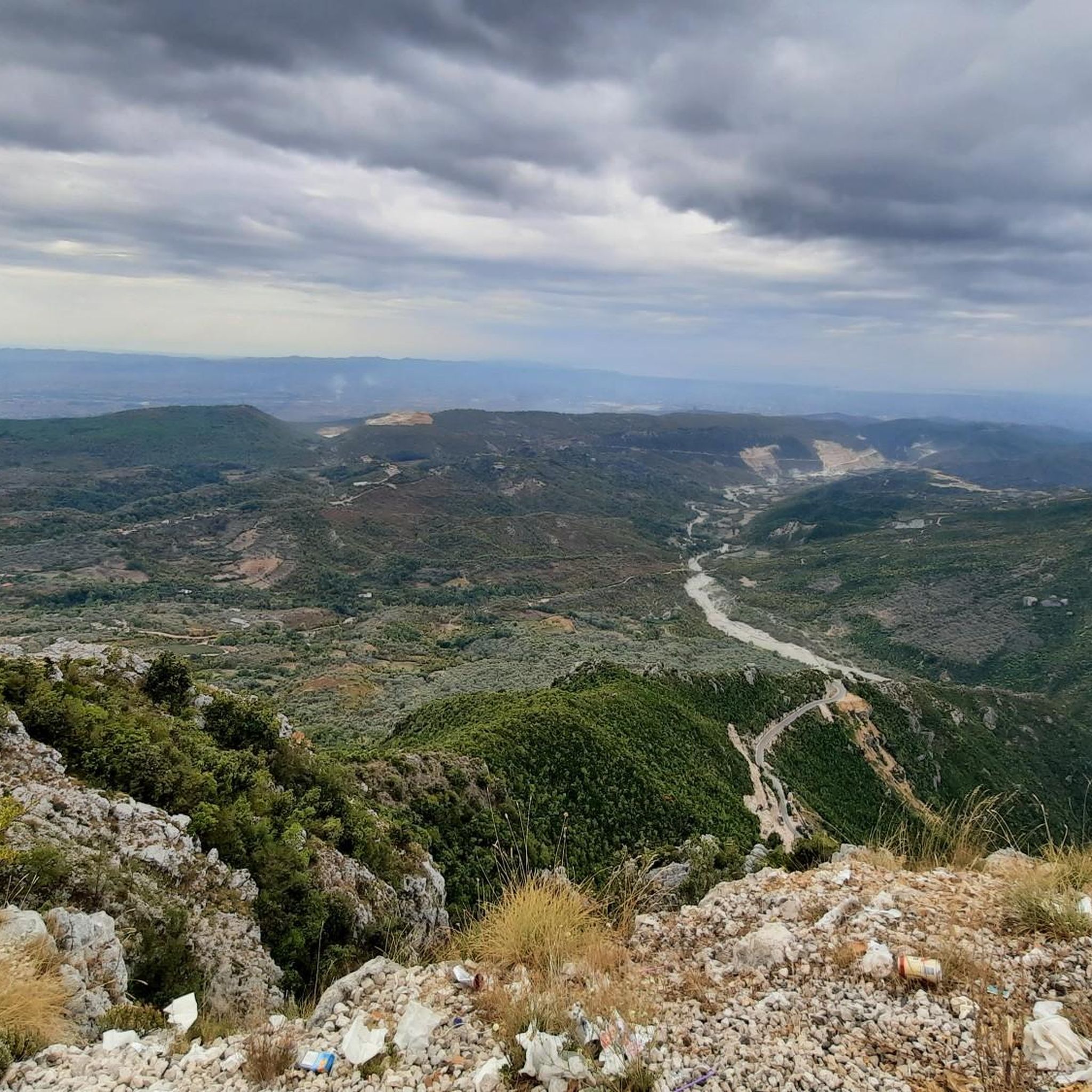
Watchtower at the highest point of the Rozafa fortress, with sightlines over Shkodër, the lake, and the plains towards the Drin and Buna. The tower marks the southern part of the castle complex and forms a recognizable landmark during tours of the walls and inner courtyards.
7
0
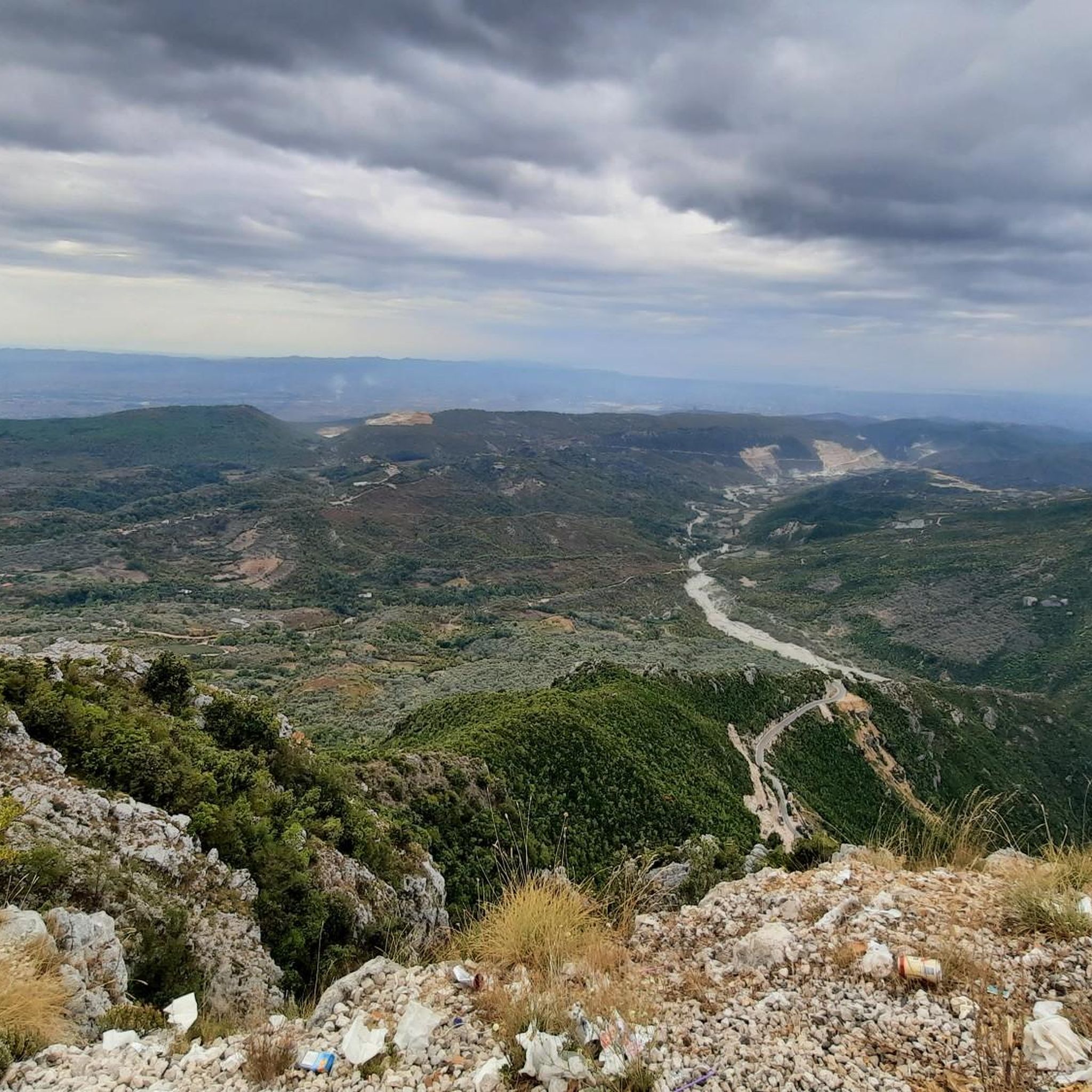
Medieval mountain fortress at 598 meters above Krujë, known as the historical center of Skanderbeg's battles. Within the walls lie the Skanderbeg Museum (1980s, in medieval style) and the 18th-century Dollma-tekke. Views over the city, plains, and the Adriatic coast on clear days.
8
0
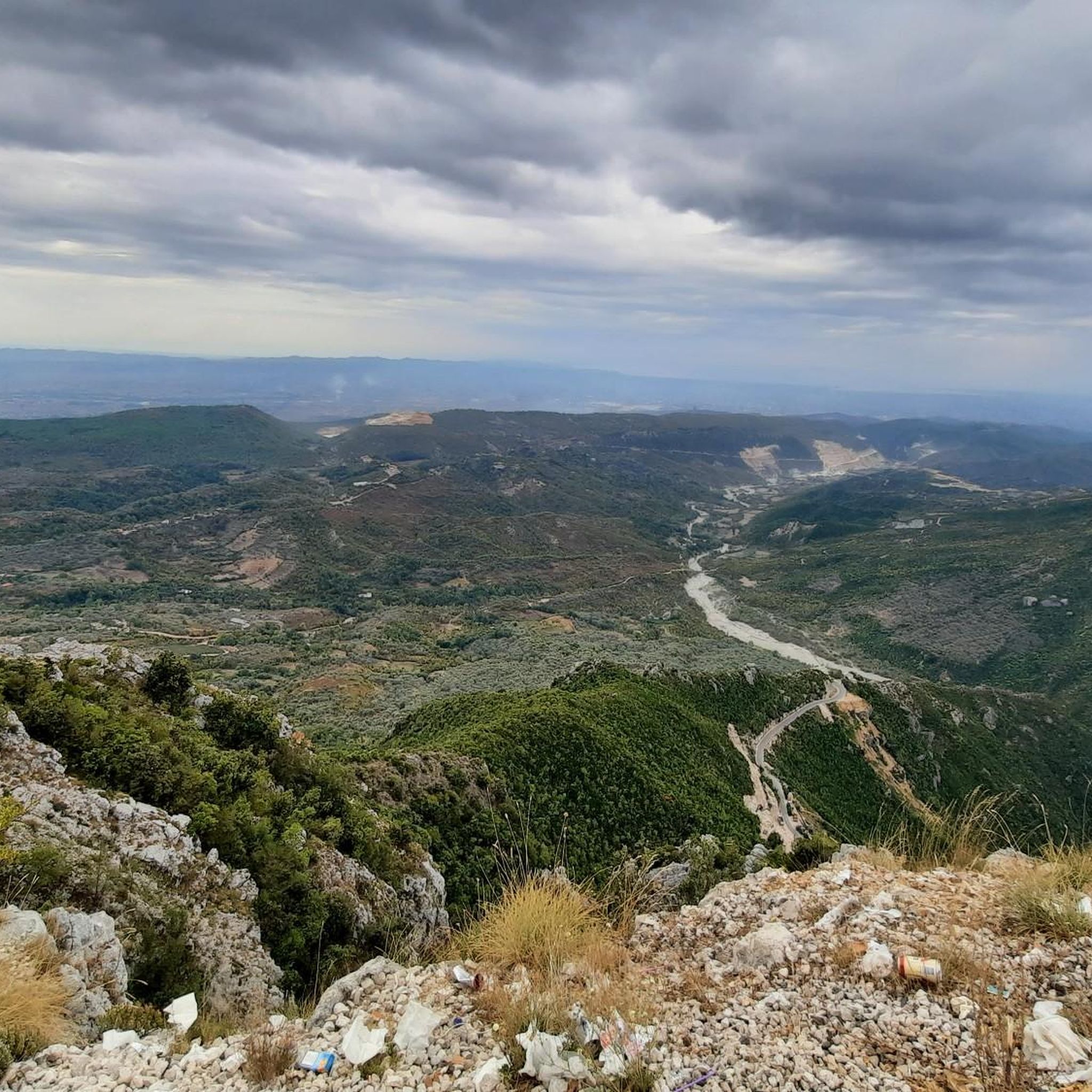
The Skanderbeg Museum in Krujë is the national tribute to Gjergj Kastrioti Skanderbeg, Albania’s most important historical figure. It stands within the walls of Krujë Castle and was designed in the 80s as a monumental, almost fortress-like museum that evokes the medieval atmosphere of Skanderbeg's struggle. The museum focuses on Skanderbeg and his fight against the Ottoman Empire, featuring weapons, maps, and historical iconography.
7
0

A very lively square and arguably one of the most beautiful castle complexes in all of Albania. Highly recommended. A stroll along the equally picturesque street leading to the hotel, past the souvenir stalls, is also worthwhile.
0
0
Here's some information I've researched about the ruins: Kalaja e Rodonit (Rodoni Castle) The castle is located on Kepi i Rodonit (Rodon Cape), a promontory on the coast of Albania, near Durrës. Construction of the castle began in 1450 by Gjergj Kastrioti Skënderbeu and was completed around 1452. Today, the site is a popular tourist destination due to its combination of nature, sea views, and historical ruins. A walking trail ("Falëza e Kishës - Kalaja e Kepit të Rodonit") was recently marked, approximately 2 km long (round trip), with views of the castle. Visitors should note that the ruins are in a severe state of disrepair – they are no longer a complete castle, but rather ruins with little infrastructure. Wikipedia (English): Castle of Rodon https://en.wikipedia.org/wiki/Castle_of_Rodon Albanian-language information page: Kalaja e Rodonit – IETT https://www.iett.al/kalaja-e-rodonit/
0
0

This tower, part of a former Byzantine fortress, was built in the 5th century under Emperor Anastasius I. It gained importance in the 15th century under Venetian rule and served as an important observation post for the city's defense against threats from the sea. The cylindrical tower was strategically located for artillery purposes. Today, it is a historical landmark in Durrës, particularly attracting culture enthusiasts.
2
0

The Venetian Tower in Durrës stands proudly as part of a former Byzantine fortress. This monumental cultural site has stood the test of time since the reign of Emperor Anastasius I. The tower evolved over time and rose to prominence under Venetian rule in the 15th century. Its cylindrical tower, strategically placed for artillery purposes, served as an important observation post in the defense of the city against threats from the sea. The tower remains a testament to Durrës's defensive past.
2
0
Frequently Asked Questions
What are the most historically significant castles in Durrës?
Durrës is rich in history, with fortifications reflecting various eras. The Durrës Castle, essentially the fortified old city, dates back to the 5th century and shows Roman, Byzantine, Venetian, and Ottoman influences. The Venetian Tower is a key part of these walls. Further north, Rodoni Castle, though mostly in ruins, has origins from the 4th century BCE, built by the Illyrians.
What kind of views can I expect from the castles in Durrës?
Many castles in the Durrës region offer stunning panoramic views. From the city walls of Durrës Castle and the Venetian Tower, you can enjoy vistas of the city and the Adriatic Sea. Rodoni Castle, located on a promontory, provides breathtaking views of the sea channel and dramatic coastal scenery. Krujë Castle offers great views across the city and plains.
Is there a castle that offers a unique historical interpretation experience?
Yes, the Venetian Tower, a distinctive circular building within the Durrës Castle complex, has been transformed into the first Albanian Heritage Interpretation Center. It offers visitors a modern, interactive experience with VR headsets and multimedia tools to explore the city's history.
Are the castles in Durrës suitable for families?
Yes, several castles in the Durrës region are considered family-friendly. The Venetian Tower and Krujë Castle are both categorized as family-friendly. Exploring the ancient walls and ruins can be an engaging experience for children, especially with the interactive elements at the Venetian Tower.
What are the entrance fees and opening hours for Durrës Castle?
The Durrës Castle walls are largely accessible as they are integrated into the city. However, specific sections like the Venetian Tower may have an entrance fee. Visitors have noted a fee of around 6 euros to access the top of the tower. For the most current information on opening hours and exact fees for specific parts of the castle or the Heritage Interpretation Center, it's advisable to check local signage or official tourism websites.
How accessible are the castles in Durrës by public transport?
The main Durrës Castle and the Venetian Tower are located in the city center of Durrës, making them easily accessible by local public transport or on foot from most parts of the city. For castles further afield, like Rodoni Castle or Krujë Castle, public buses or taxis might be required, often followed by a walk.
Are there dining options near the castles?
Yes, especially near the more central castles. Krujë Castle has several restaurants within its vicinity. The area around Durrës Castle and the Venetian Tower, being in the city center, offers numerous cafes and restaurants. Rodoni Castle, being more remote, has fewer immediate options, so it's wise to plan accordingly.
What is the best time of year to visit the castles in Durrës?
The coastal climate of Durrës makes spring (April-May) and autumn (September-October) ideal for visiting the castles. During these months, the weather is pleasant for exploring, avoiding the intense heat of summer and the cooler, wetter conditions of winter. The natural beauty of the coastal areas, especially around Rodoni Castle, is also enhanced during these seasons.
Can I visit the castles with my dog?
While specific regulations for each site may vary, outdoor areas like the walls of Durrës Castle and the ruins of Rodoni Castle are generally more accommodating for dogs on a leash. However, indoor attractions such as museums (like the Skanderbeg Museum within Krujë Castle) or the interactive center in the Venetian Tower typically do not permit pets. It's always best to check directly with the site beforehand.
Are there hiking trails near the castles in Durrës?
Yes, there are hiking opportunities in the region. For example, near Rodoni Castle, a walking trail called “Falëza e Kishës - Kalaja e Kepit të Rodonit” has been marked, offering a 2 km round trip with views of the castle. You can find more easy hikes in the Durrës region, including routes around Krujë Castle, by exploring the Easy hikes in Durrës guide.
What other outdoor activities can I do near the castles?
Beyond hiking, the Durrës region offers various outdoor activities. You can find MTB Trails in Durrës, with routes like the 'Castle Ruins in Albania loop from Kavaja'. For road cycling enthusiasts, there are numerous Road Cycling Routes in Durrës, including loops from Tirana that pass through scenic areas. The coastal location also provides opportunities for beach activities near the city's fortifications.
What is the connection between Durrës Castle and the Amphitheatre?
The Durrës Castle walls and the Amphitheatre of Durrës are intrinsically linked, forming a historical corridor of monumental structures in the city center. The Amphitheatre, built in the 2nd century AD, is the largest Roman amphitheater in the Balkans and is often visited in conjunction with the nearby castle remains, highlighting the city's long and complex history.
What makes Rodoni Castle unique compared to others in the region?
Rodoni Castle stands out due to its dramatic location on a promontory jutting into the Adriatic Sea. While mostly in ruins, its strategic position offers breathtaking sea views and showcases diverse architectural styles from its Illyrian, Roman, Byzantine, and Venetian past. It's a compelling destination for those interested in rugged historical exploration and natural beauty, distinct from the more urban Durrës Castle.
Most popular attractions in Durrës

Get inspired with the komoot mobile app


Explore more
Looking for the best castles somewhere else? Discover other guides in Durrës:
