Top 20 Natural Monuments in Faro
Best natural monuments in Faro are primarily found within the Ria Formosa Natural Park, a protected lagoon system spanning approximately 60 kilometers along the Algarve coast. This area features a network of islands, sandbars, lagoons, and salt marshes. It serves as a habitat for diverse wildlife, including over 200 bird species. The region offers varied landscapes for exploration.
Best natural monuments in Faro
- The most popular natural monuments is Natural Arch at Praia da Marinha, a natural monument that…
Last updated: July 10, 2026
Natural Arch at Praia da Marinha
Highlight • Natural Monument
Translated by Google •
Tip by

Benagil Caves
Highlight • Cave
Translated by Google •
Tip by

Sign up now to discover places like this
Get recommendations on the best single tracks, peaks, & plenty of other exciting outdoor places.
Sign up for free
Ponta da Piedade — Cliffs and Rock Formations
Highlight • Natural Monument
Translated by Google •
Tip by

Carvalho Beach
Highlight • Beach
Translated by Google •
Tip by

Fishermen's Trail Coastal Cliffs (Rota Vicentina, Algarve)
Highlight • Trail
Translated by Google •
Tip by

Cabo de São Vicente Lighthouse
Highlight • Monument
Showing Translation
Tip by

Amado Beach
Highlight • Beach
Translated by Google •
Tip by

Camilo Beach
Highlight • Natural Monument
Tip by

Farol de Alfanzina
Highlight • Monument
Translated by Google •
Tip by
Burgau Beach
Highlight • Beach
Translated by Google •
Tip by

Sign up for free to discover even more natural monuments in Faro.
Sign up for free
Already have an account?
Start today with a free account
Your next adventure awaits.
Login or Signup
Popular around Faro
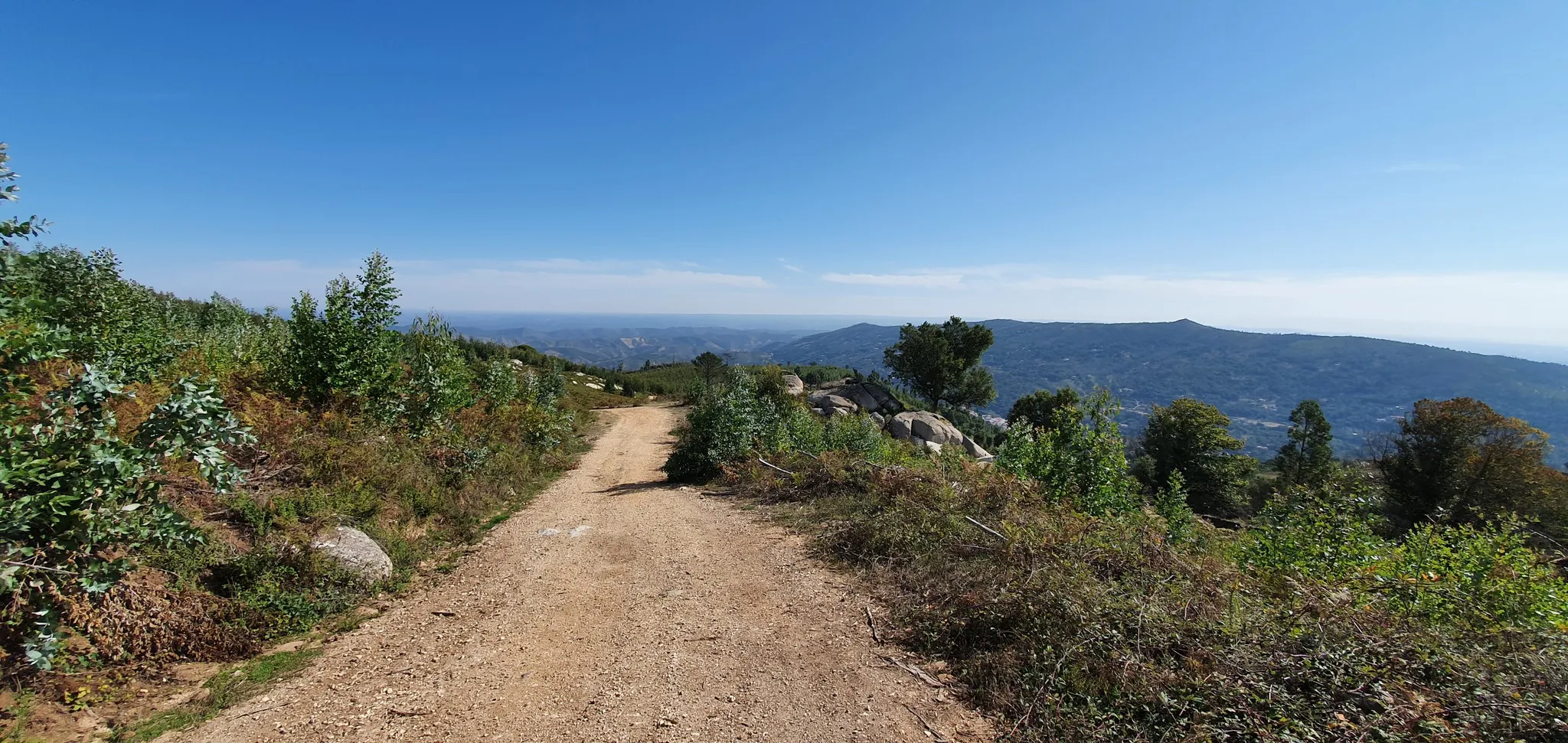
Via Algarviana (GR 13) - hidden corners of the south
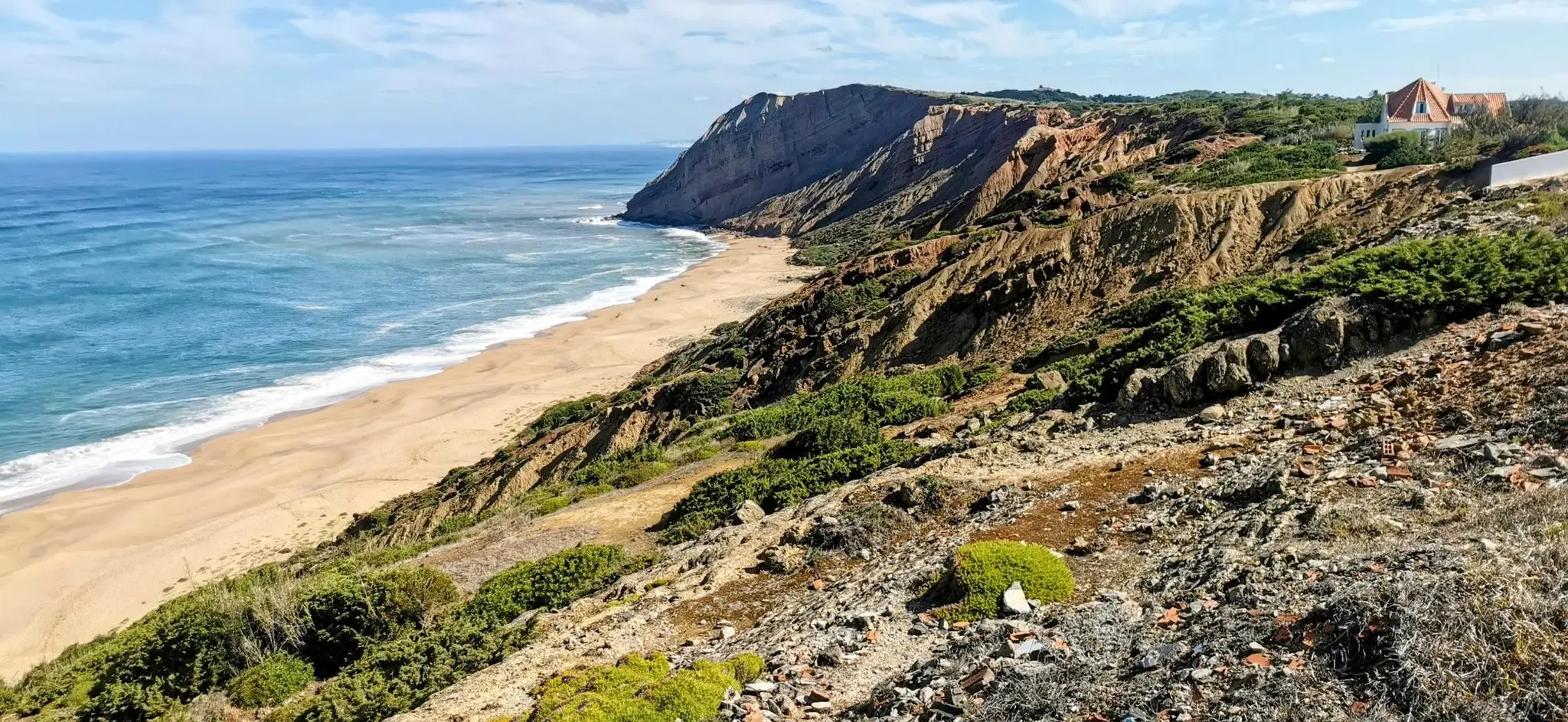
EuroVelo 1 Portugal – Cycle the Atlantic Coast
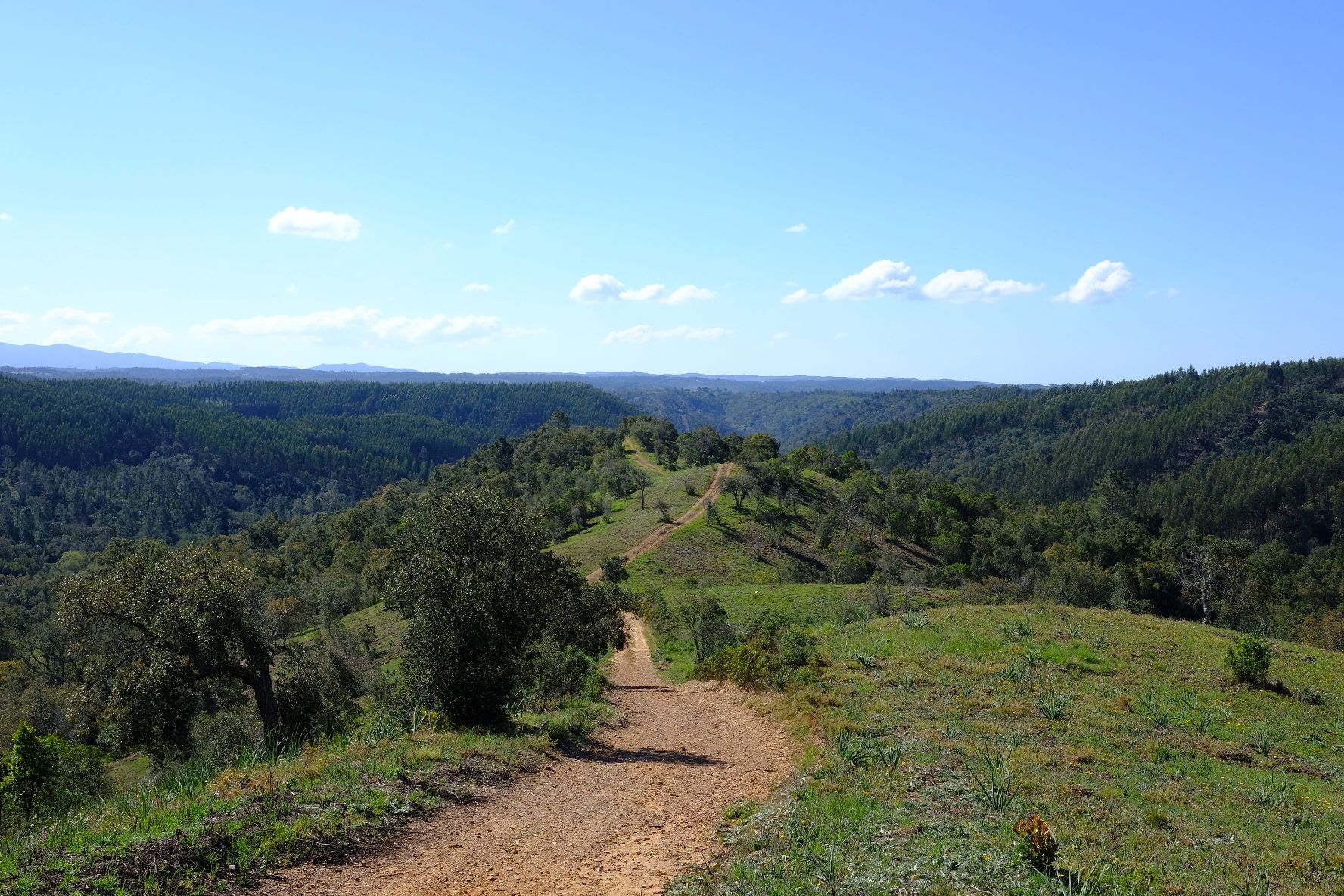
Caminho Histórico – Discover Portugal's beauty and history
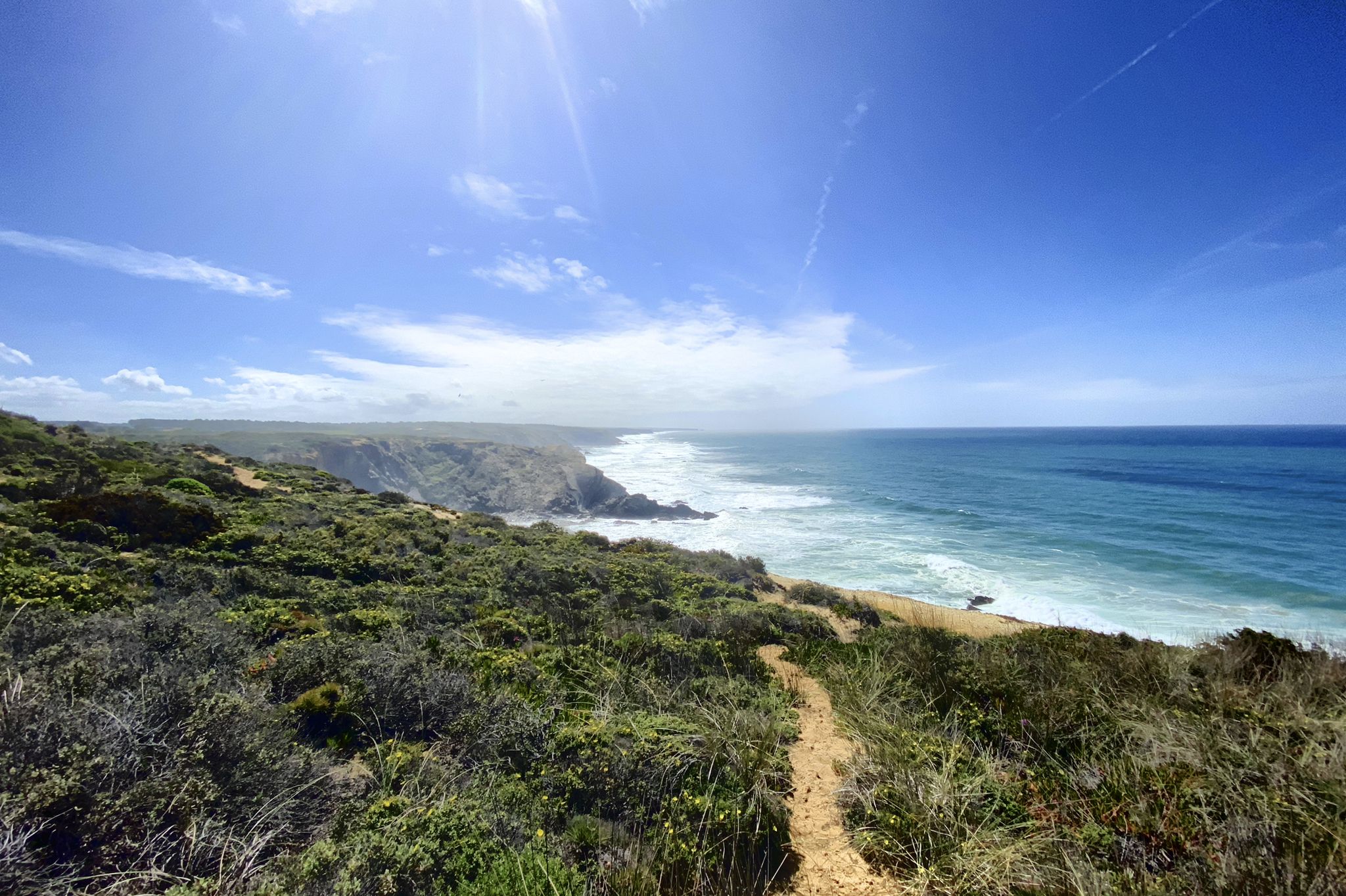
Trilho dos Pescadores – Portugal's Fishermen's Trail
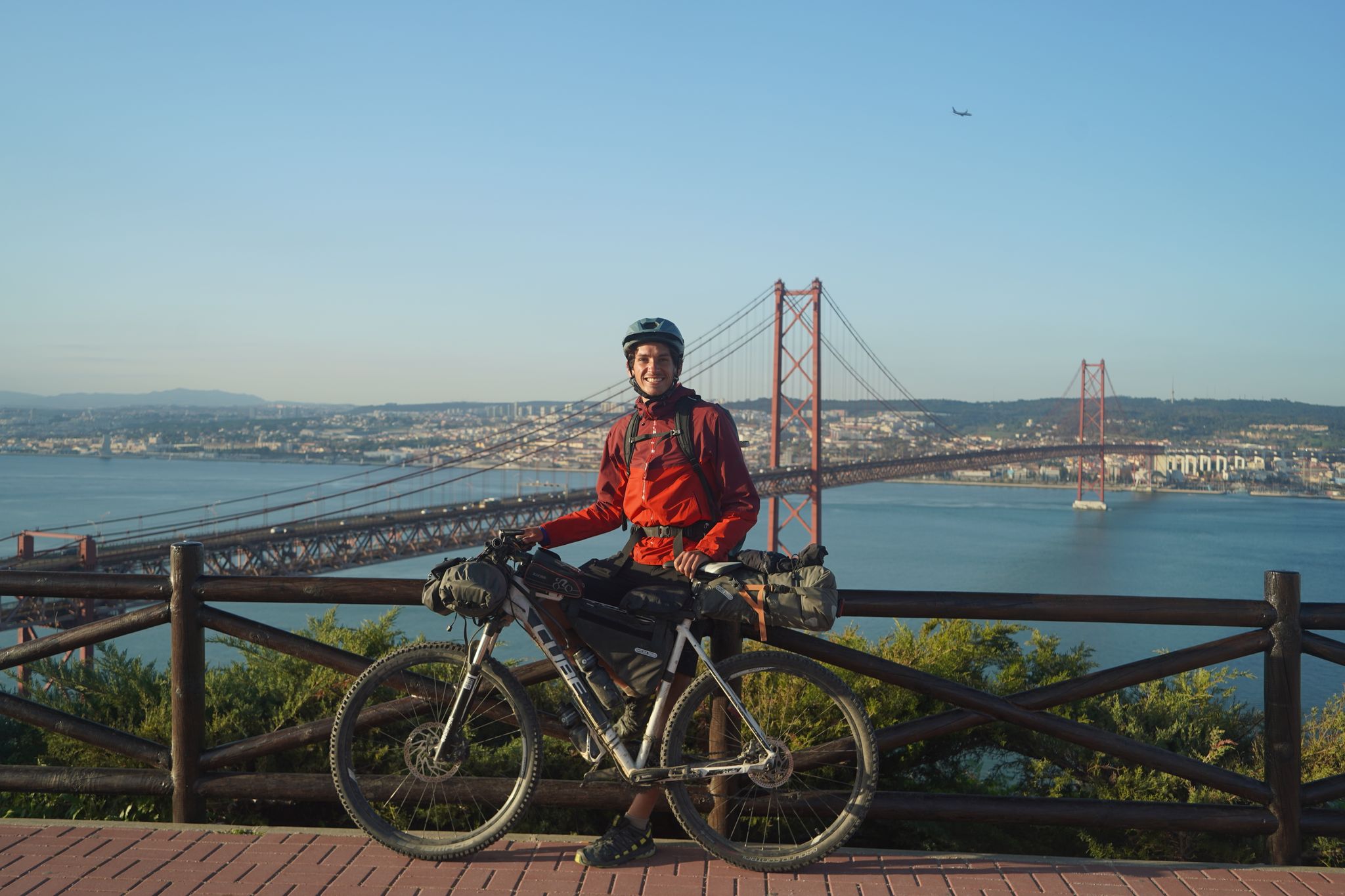
Road to Lisbon – bikepacking the Alps, Pyrenees and Picos de Europa
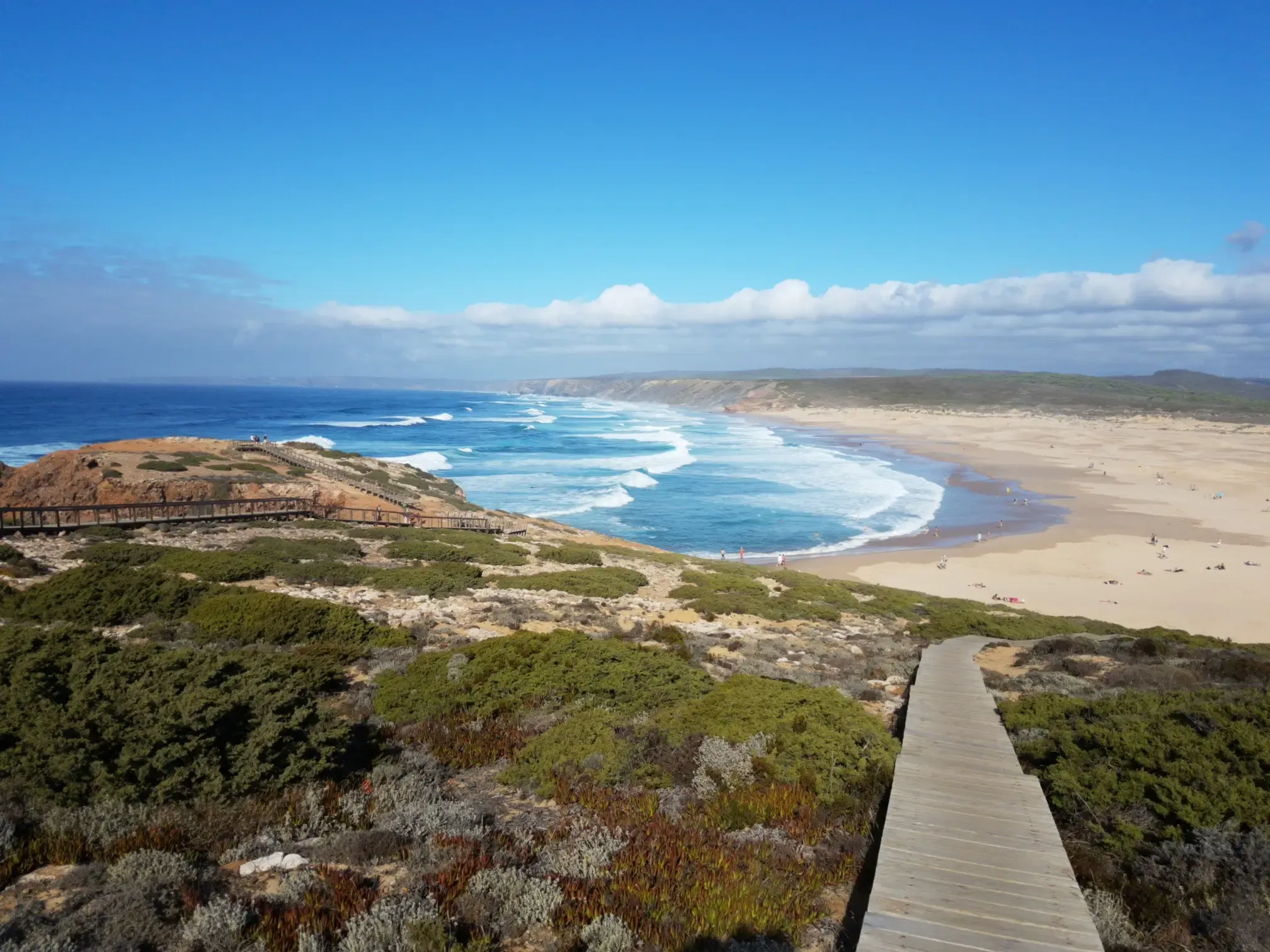
Lisbon to Santo António – The Atlantic Coast of Portugal (south)
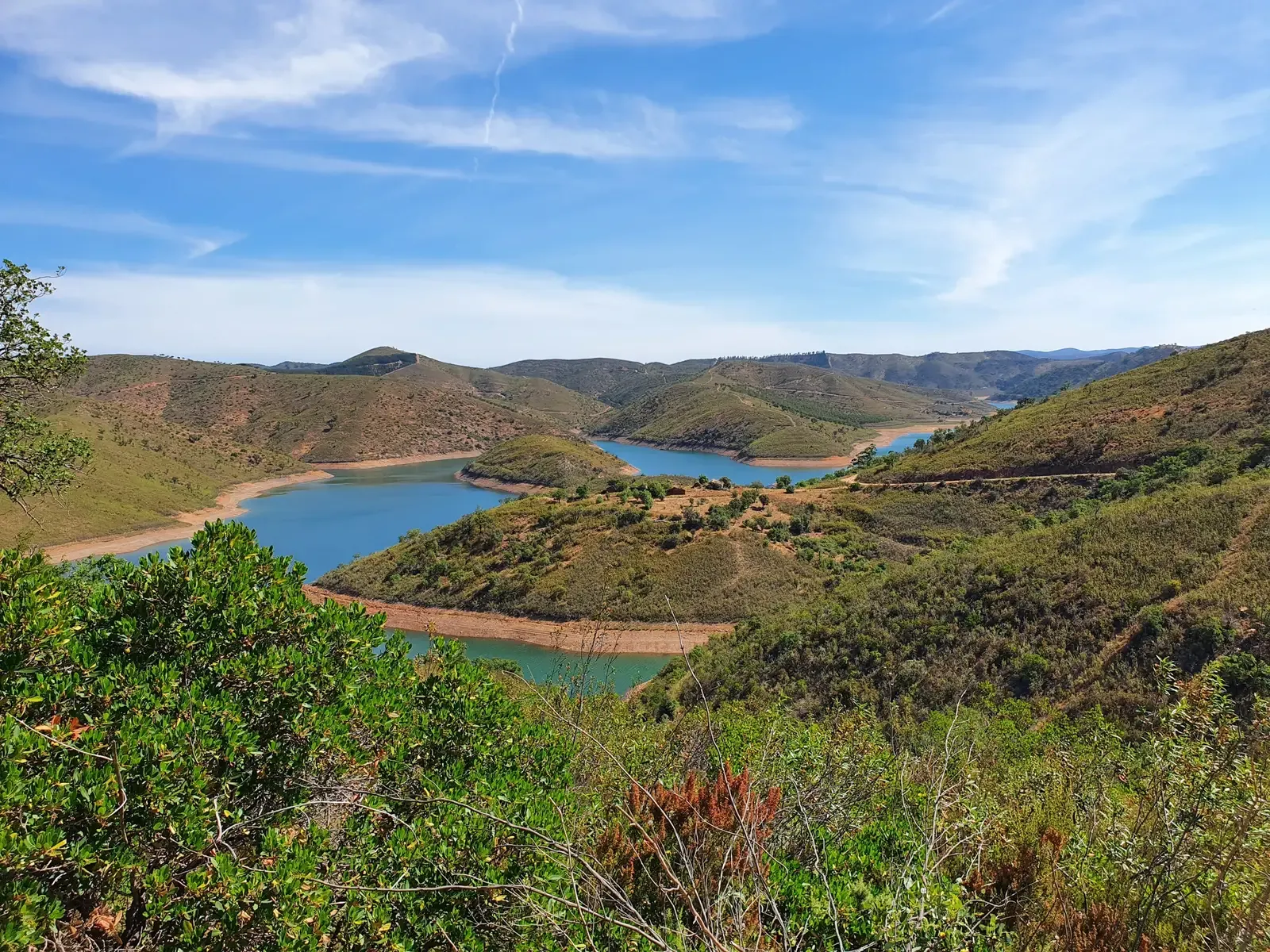
The secret Algarve – Algarviana Way
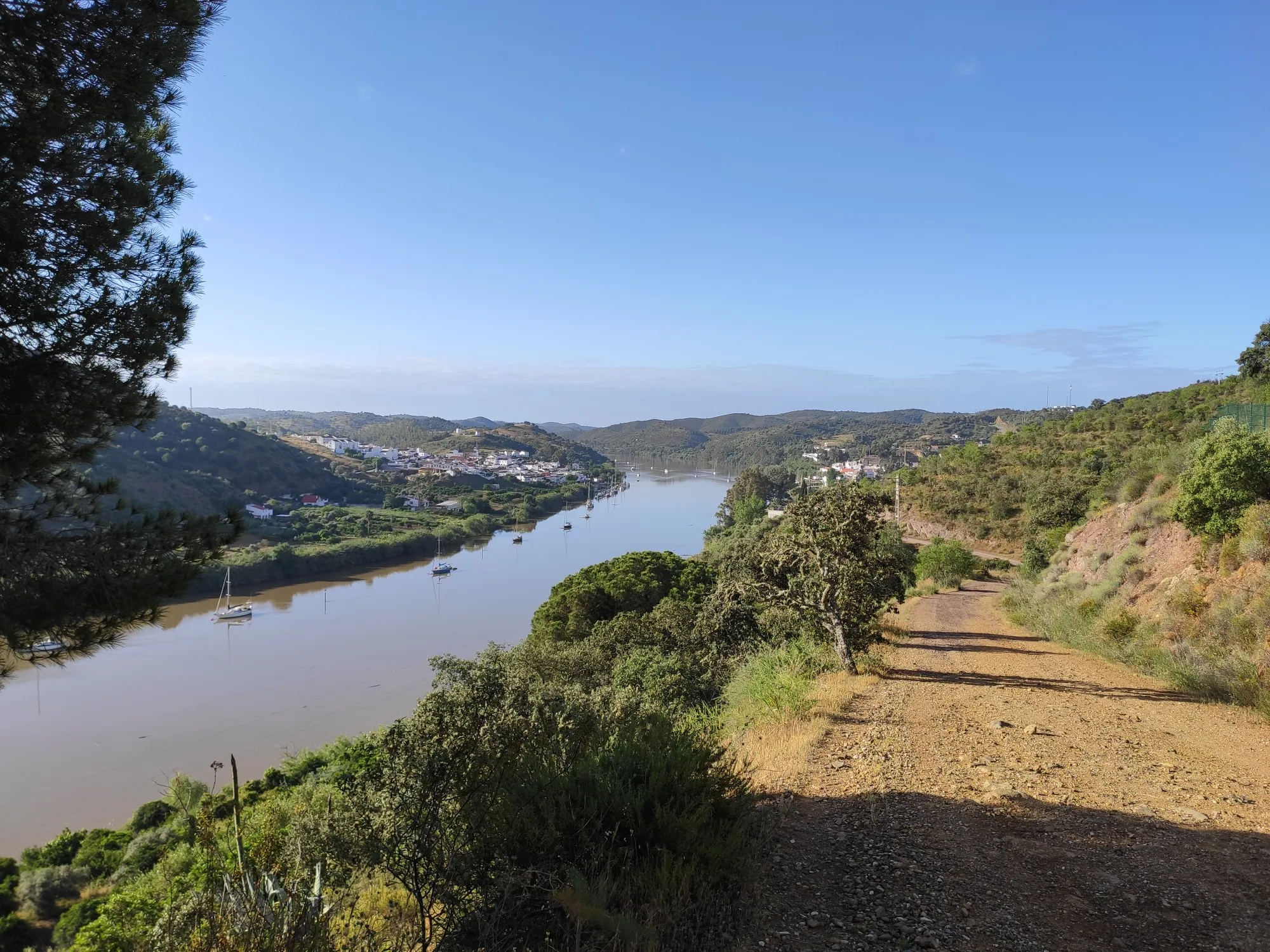
Stories of a river - Great Guadiana Route (GR 15)
European D̶I̶V̶I̶D̶E̶ Connect Trail Project – a journey across Europe
European Divide Trail across the Iberian Peninsula – south
Other adventures in Faro


Tips from the Community

…an easy-to-walk path with fantastic views 🥾👀
3
0
…a scenic hiking trail that is easy to walk!! 🥾👀
3
0

Five kilometers from Sagres rises the mythical Cabo de São Vicente, the last gaze of land for explorers setting off towards the unknown of the vast ocean. Wild, windy, and imposing, this promontory of steep cliffs plunges into the Atlantic, crowned by one of Europe's most powerful lighthouses. Called by the Romans Promontorium Sacrum, the "end of the world" was for centuries a sacred place, shrouded in legends and mysteries. Today, it remains a pilgrimage point for sailors, hikers, and dreamers, where the horizon seems to dissolve into infinity.
2
0

Burgau Beach (Praia de Burgau) is located in a sheltered bay at the foot of the village and is surrounded by high cliffs. The sand is fine and golden, and the water is usually calm, making it ideal for swimming and families. From the beach, you have beautiful views of the coast, and there are restaurants and cafes within walking distance.
2
0
The Farol de Alfanzina is a lighthouse in Portugal, located on the southern coast of the Algarve region. This lighthouse helps ships navigate safely along the coastline, especially around the dangerous rocks and cliffs in that area.
2
0

A wonderful, scenic coastal path.
3
1
Cape St. Vincent is a cape in the Algarve region of Portugal. Cape St. Vincent forms the southwestern point of mainland Europe. Cape St. Vincent is named after Vincent of Zaragoza. The cape is located approximately six kilometers west of the village of Sagres.
10
0
Frequently Asked Questions
What are the main natural attractions in Faro?
The primary natural attraction in Faro is the Ria Formosa Natural Park, a protected lagoon system stretching approximately 60 kilometers along the Algarve coast. This park features a dynamic environment of islands, sandbars, lagoons, and salt marshes, serving as a vital habitat for diverse wildlife. Key areas within the park include Natural Arch at Praia da Marinha, Benagil Caves, and Ponta da Piedade — Cliffs and Rock Formations.
What kind of wildlife can I expect to see in Faro's natural monuments?
The Ria Formosa Natural Park is a haven for wildlife, especially birds. Over 200 bird species, including flamingos, storks, purple swamphens, and spoonbills, use it as a crucial stopover point for migration. The park is also home to chameleons and the elusive Egyptian Mongoose, and boasts the world's largest concentration of seahorses.
Are there family-friendly natural monuments in Faro?
Yes, several natural monuments in Faro are suitable for families. Cabo de São Vicente Lighthouse offers historical interest and views. Beaches like Camilo Beach, Amado Beach, and Burgau Beach are also popular choices for families, offering clear waters and amenities.
What are the best ways to explore the Ria Formosa Natural Park?
Exploring the Ria Formosa Natural Park is best done by boat, which allows you to navigate its intricate channels and observe the natural beauty and fishing activities. You can also visit its barrier islands like Ilha Deserta (Barreta Island), Ilha do Farol, and Ilha da Culatra, which offer pristine beaches and unique ecosystems.
Can I visit the famous Benagil Caves?
Yes, the Benagil Caves are a must-see. While you can view them from above via hiking trails, it is highly recommended to explore them by boat to fully appreciate their breathtaking views and distinctive rock formations. Kayak and stand-up paddleboard tours are also popular options.
Are there hiking opportunities near Faro's natural monuments?
Absolutely. The region offers numerous hiking opportunities. For instance, the Natural Arch at Praia da Marinha is an ideal starting point for cliff hikes, including a section of the 7 Hanging Valleys Trail. The Fishermen's Trail Coastal Cliffs also provides stunning views. For more options, explore the Mountain Hikes in Faro guide.
What is Ilha Deserta and why should I visit it?
Ilha Deserta, also known as Ilha da Barreta, is the only uninhabited island in the Ria Formosa Natural Park. It offers 7 to 10 kilometers of pristine, secluded sandy beaches and untouched nature. It's ideal for those seeking a wild and peaceful experience, far from crowds. It is also home to Cabo de Santa Maria, the southernmost point of mainland Portugal.
What is the best time to visit the natural monuments in Faro?
The Ria Formosa Natural Park and its surrounding natural monuments can be enjoyed year-round. Spring and autumn offer pleasant temperatures for hiking and birdwatching, while summer is ideal for beach activities and boat tours. The dynamic landscape, influenced by tides and currents, offers stunning scenery regardless of the season.
Are there any historical or cultural sites near the natural monuments?
While the focus is on natural beauty, some sites blend both. The Cabo de São Vicente Lighthouse is a historical landmark offering panoramic views. Additionally, islands like Ilha do Farol and Ilha da Culatra feature picturesque fishing communities, providing a glimpse into local life and traditions alongside their natural beauty.
What other outdoor activities can I do near Faro's natural monuments?
Beyond hiking, Faro offers diverse outdoor activities. You can find numerous routes for road cycling in the area, as detailed in the Road Cycling Routes in Faro guide. Mountain biking enthusiasts can explore trails listed in the MTB Trails in Faro guide. Many beaches, like Amado Beach, are also popular for surfing.
What makes Ponta da Piedade a significant natural monument?
Ponta da Piedade — Cliffs and Rock Formations is renowned for its dramatic cliffs, sea stacks, and unique rock formations carved by the ocean. It offers breathtaking panoramic viewpoints over the Atlantic Ocean and is best explored by boat or kayak to navigate its grottoes and arches.
Are there cafes or facilities available near the natural monuments?
Some natural monuments and nearby areas offer facilities. For example, Ilha Deserta has one eco-friendly, solar-powered restaurant, Estaminé. Cabo de São Vicente Lighthouse, Camilo Beach, and Amado Beach also have cafes or nearby amenities, making them convenient for visitors.
Most popular routes in Faro
Most popular attractions in Faro

Get inspired with the komoot mobile app


Didn’t find what you were looking for?
Find even more amazing natural monuments in Faro by checking out the top Highlights region by region:
Explore more
Extend your search for the best caves by checking out these guides of the top ones in Faro:
