Top 20 Natural Monuments in Prato
Natural monuments in Prato offer diverse landscapes for outdoor exploration. This region, situated in Tuscany, Italy, features a varied terrain ranging from expansive parks and mountain ranges to unique geological formations. Prato provides opportunities to experience serene natural environments and encounter local wildlife.
Best natural monuments in Prato
- The most popular natural monuments is Mount Cantagrilli, a summit known for its panoramic views and the presence of wild horses and cows. This meadow peak in the Calvana Mountains offers…
Last updated: June 26, 2026
Croce della Retaia
Highlight • Summit
Translated by Google •
Tip by

Mount Cantagrilli
Highlight • Summit
Translated by Google •
Tip by
Sign up now to discover places like this
Get recommendations on the best single tracks, peaks, & plenty of other exciting outdoor places.
Sign up for free
Devil’s Rock (Pietramarina)
Highlight • Natural Monument
Translated by Google •
Tip by

Monte Maggiore Summit (917 m)
Highlight • Summit
Translated by Google •
Tip by

Geppe's Cross
Highlight • Summit
Translated by Google •
Tip by

Cascine di Tavola Park
Highlight • Forest
Translated by Google •
Tip by

Pietramarina Archaeological Area
Highlight • Historical Site
Translated by Google •
Tip by
Faggione of Luogomano
Highlight • Natural Monument
Translated by Google •
Tip by

Malaparte Cave
Highlight • Cave
Where did Dante go from to go to hell? But from Prato of course! Curzio Malaparte …
Translated by Google •
Tip by

Viale delle Cascine di Tavola
Highlight • Forest
Translated by Google •
Tip by
Sign up for free to discover even more natural monuments in Prato.
Sign up for free
Already have an account?
Start today with a free account
Your next adventure awaits.
Login or Signup
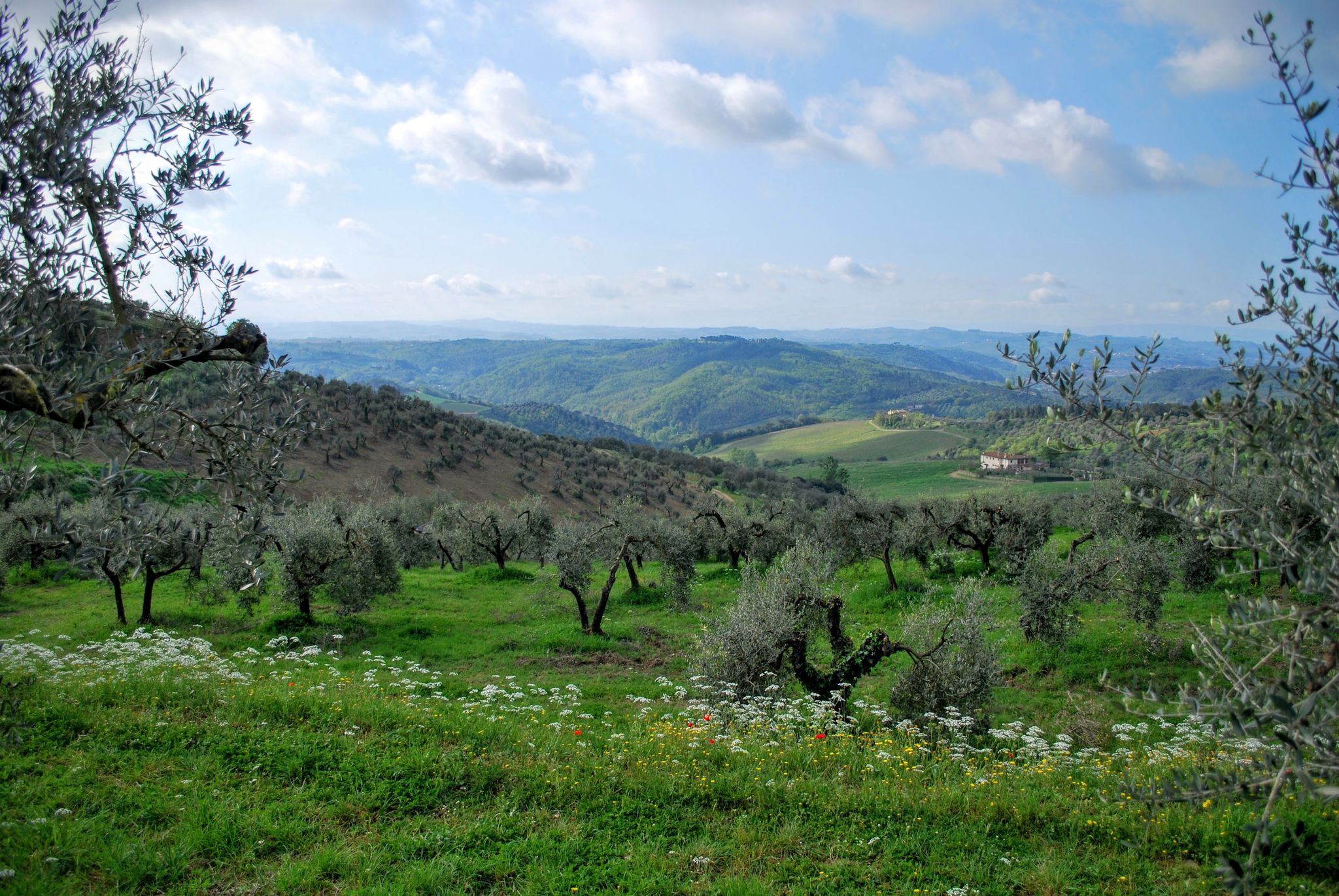
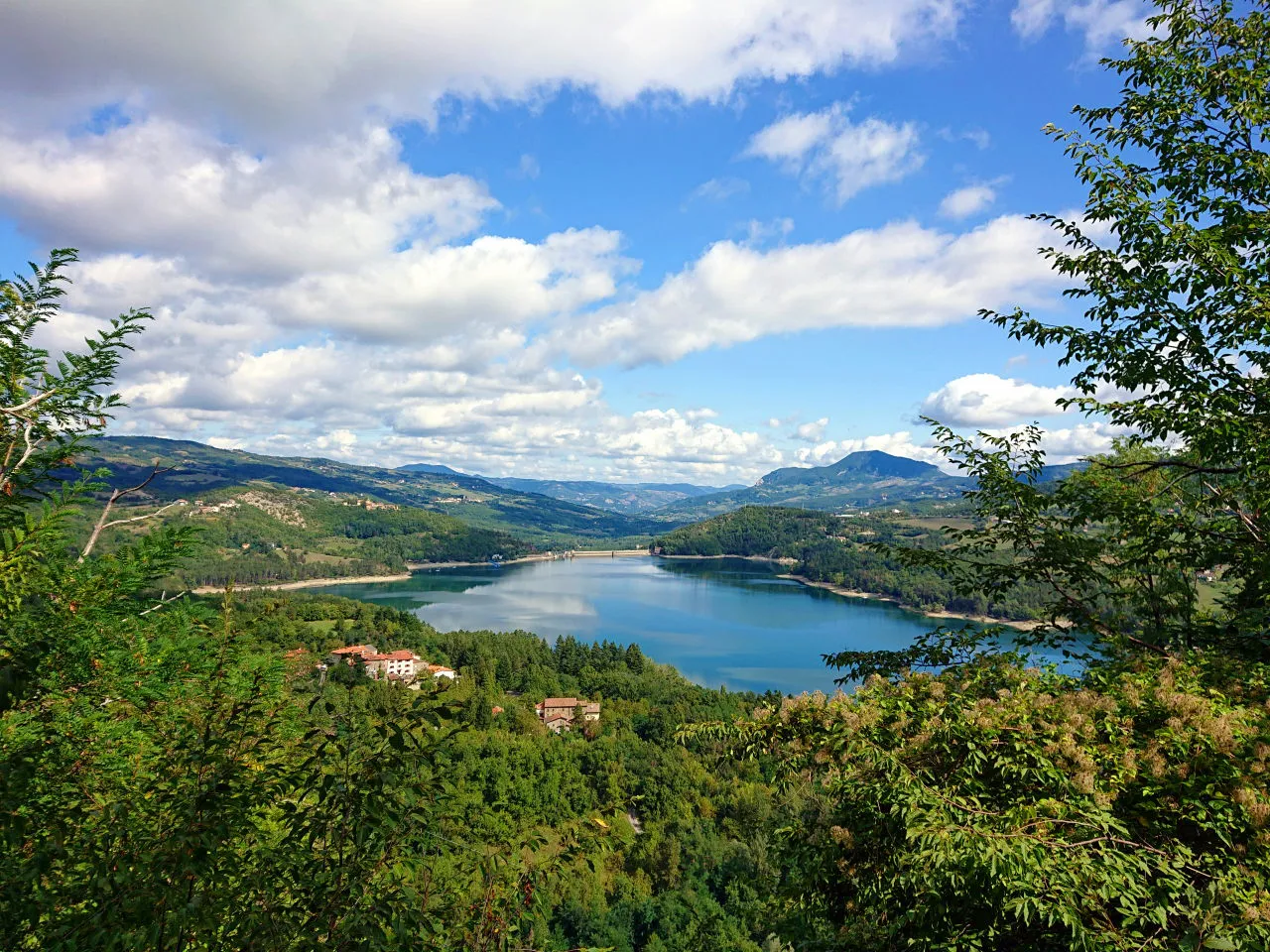
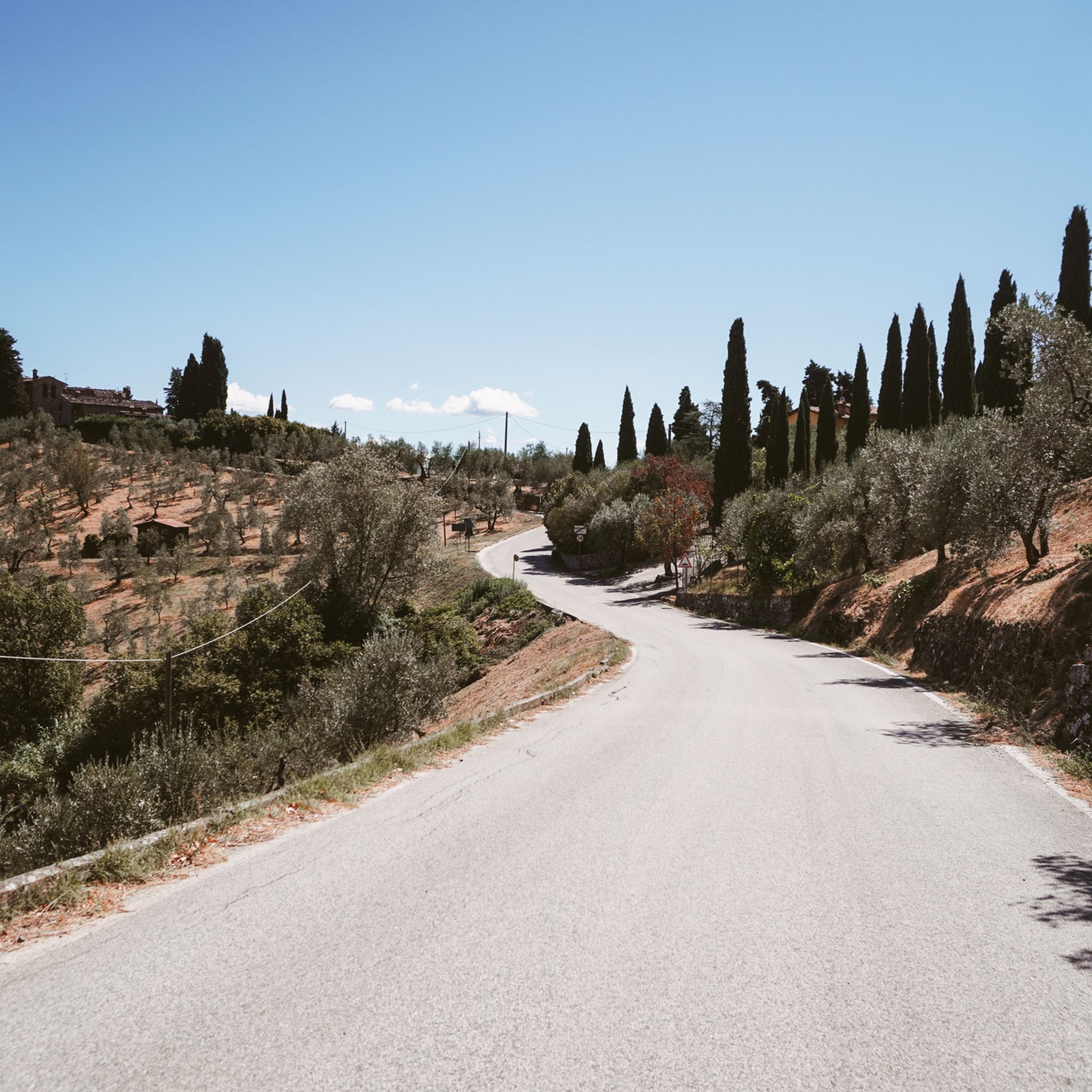
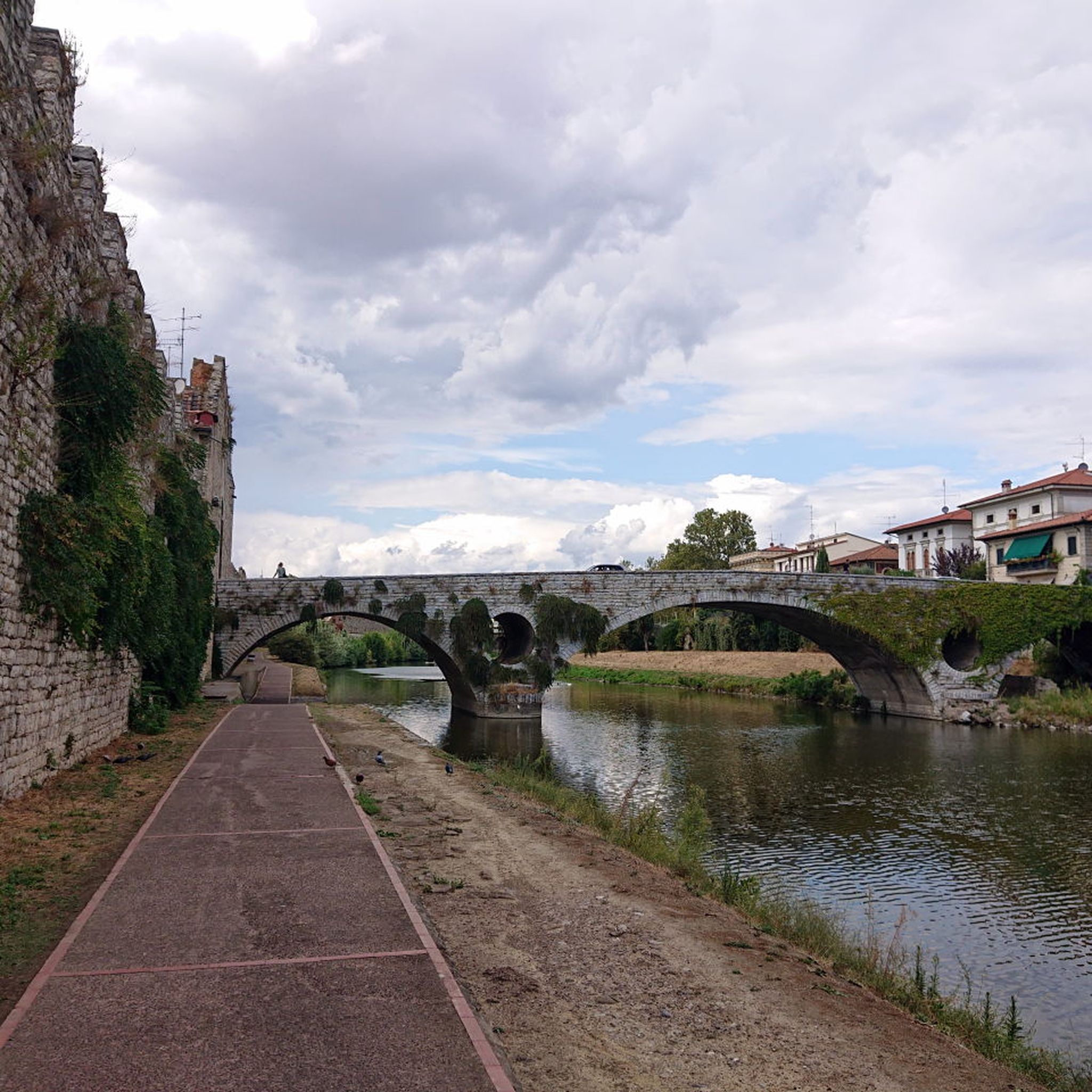


Tips from the Community

Parco delle Cascine di Tavola is a protected natural area and a public park of about 300 hectares located in the southern area of the municipality of Prato. Born in the 15th century at the behest of Lorenzo the Magnificent, it represents the city's main green lung and combines immense historical, landscape, and agricultural value. History and Medici Origins Conceived in the 15th century together with the nearby Villa Medicea di Poggio a Caiano. It was born as a model farm with a dense network of canals for land reclamation from swamps. The Medici Farm: A square-plan building with a water moat, built by Giuliano da Sangallo between 1477 and 1479 for livestock breeding and the production of cheeses destined for Florence.
0
0

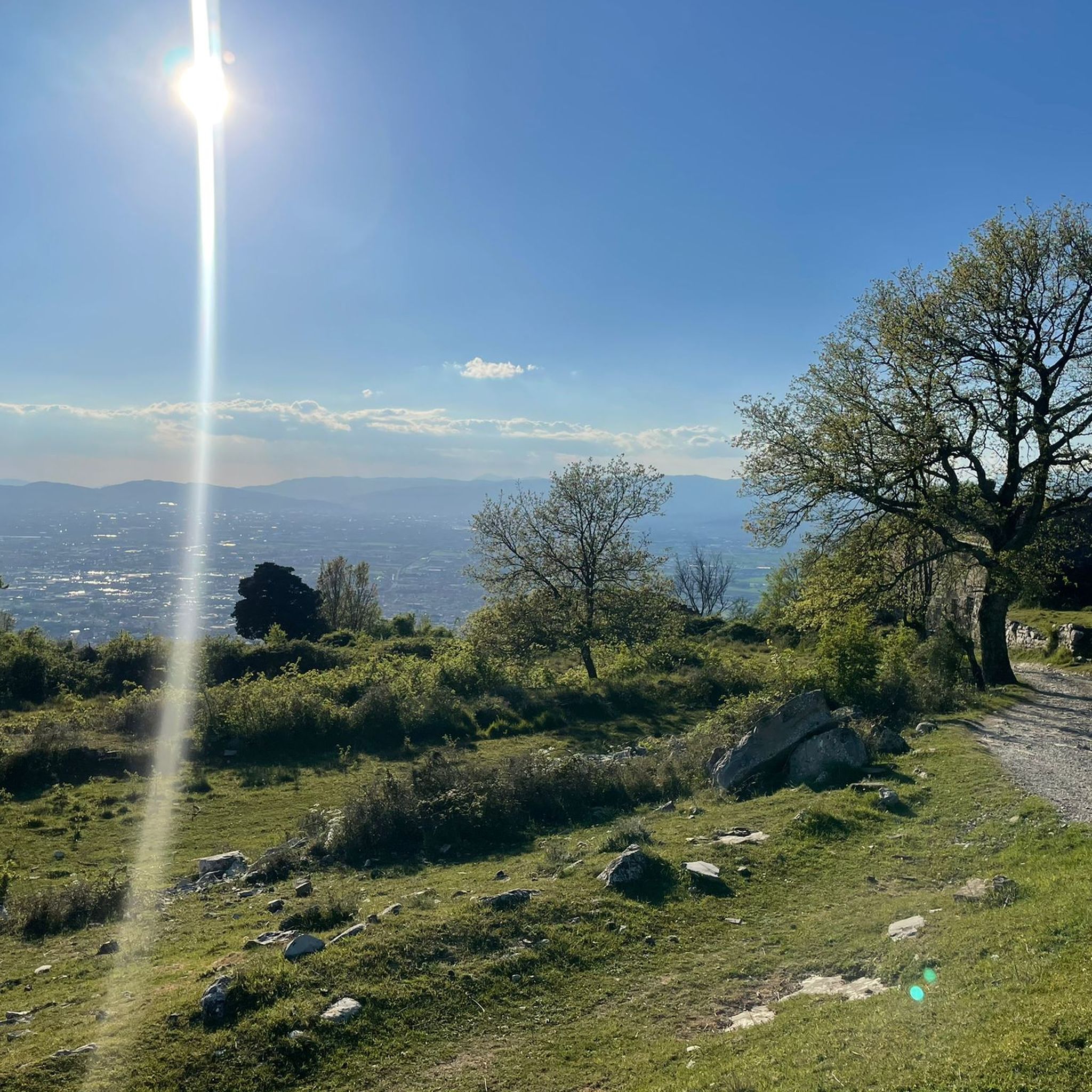
Path a bit hidden but breathtaking view
0
0

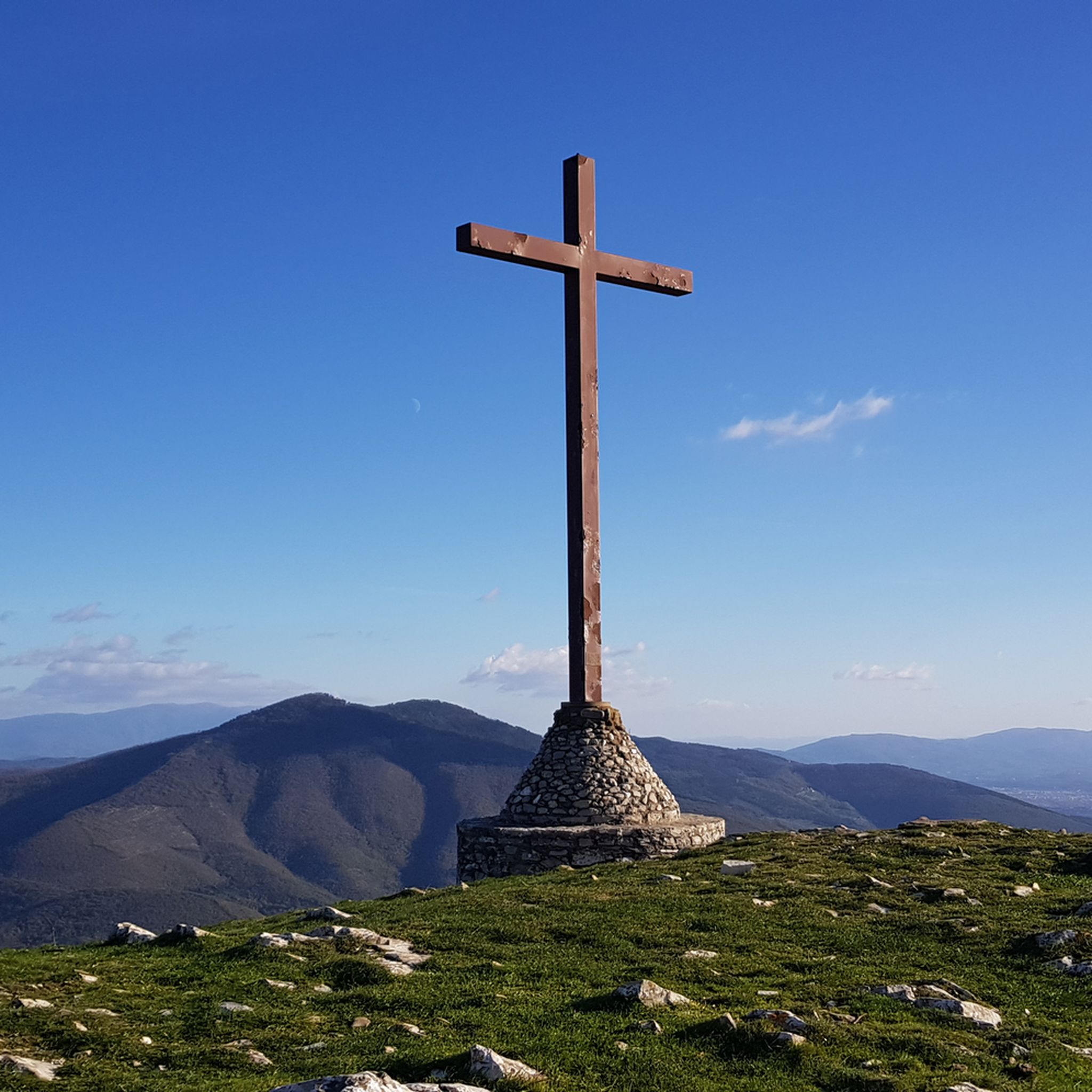
Perhaps the most famous crucifix in Italy is not found on the heights of the mountains, although of course there are many summit crosses throughout the country – like the CROCE DI GEPPE here – but in literature: The author Giovanni Guareschi, creator of the protagonists 'Don Camillo' and 'Peppone', included another main character in his stories – which are well-known and popular far beyond the borders of the country: The crucified Christ, who speaks to Don Camillo from the high altar. The author himself offers the following comment: “So, one has to explain: If the priests feel offended by Don Camillo, they can smash a candlestick over my head for all I care; if the communists are offended by Peppone, they can split a club in two over my back; but if someone feels offended by the words of Christ, nothing can be done. Whoever speaks in my stories… is my Christ, that is, the voice of my conscience. My personal matter, my own affair. And therefore: each for himself and God for all.” (G. Guareschi)
0
0

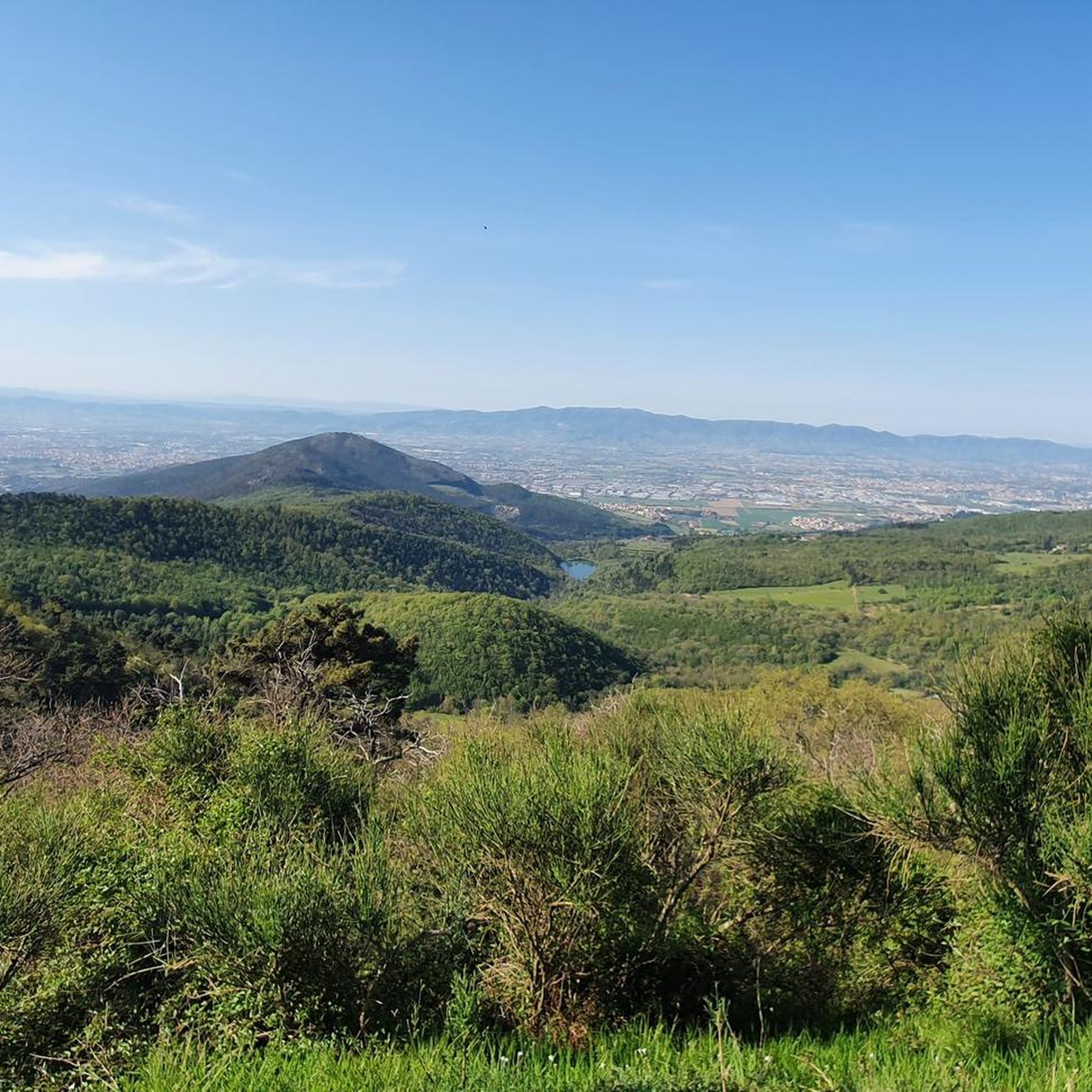
It is the pinnacle of Prato's hikes, starting from the slopes to get some fresh air, or for those with more time, as a stopping point for beautiful hikes in Calvana.
0
0


Climb to be done with MTB push due to the steep slope
1
0


Frequently Asked Questions
What kind of natural features can I expect to see in Prato's natural monuments?
Prato's natural monuments offer a diverse range of features. You can explore expansive parks like Parco di Galceti with its pine groves and lakes, mountain ranges such as the Monteferrato Area featuring unique serpentine rock formations and Apennine forests, and prominent peaks like Croce della Retaia and Monte Cantagrilli with their panoramic views. The region also boasts picturesque streams like Rio Buti, known for its natural pools and waterfalls, and unique geological formations such as the sandstone monolith of Devil’s Rock (Pietramarina).
Are there family-friendly natural monuments or trails in Prato?
Yes, several natural monuments in Prato are suitable for families. The Parco di Galceti is an excellent choice, offering an expansive green space with wildlife observation, educational facilities at the Centre for Natural Sciences, and easy paths. Other family-friendly options include the Faggione of Luogomano, the Etruscan Source, and the Viale delle Cascine di Tavola, which are noted for their accessibility and pleasant environments.
What are the best natural monuments for panoramic views in Prato?
For breathtaking panoramic views, consider visiting Croce della Retaia and Mount Cantagrilli in the Calvana Mountains, which offer expansive vistas over the Florentine plain and the city of Prato. On clear days, views from Croce della Retaia can even stretch to the port of Livorno and the island of Capraia. The Monte Maggiore Summit (917 m) also provides spectacular panoramas of the Marina and Bisenzio valleys. Additionally, the Pinone Climb (Vitolini–Montalbano) is known for its beautiful views of the valley, with Florence visible in the distance.
What geological features are notable among Prato's natural monuments?
Prato's natural monuments showcase interesting geological formations. The Monteferrato Area is particularly known for its distinctive serpentine rock, historically referred to as 'Prato green marble.' You can also find unique sandstone monoliths, such as Devil’s Rock (Pietramarina), which features steps carved directly into the stone. The Rio Buti stream carves through a narrow rock channel, creating a succession of waterfalls and caves with stalactites and stalagmites, like Forra Lucia and Tana di Buti.
What outdoor activities can I do near Prato's natural monuments?
The natural monuments in Prato are excellent for various outdoor activities. Hiking is very popular, with numerous trails traversing historical villages, agricultural landscapes, and majestic forests in the Monteferrato Area and Calvana Mountains. You can find easy hikes in Prato, including routes around Galceti Park, or more challenging waterfall hikes. The Rio Buti stream is ideal for trekking, hiking, and even canyoning, with opportunities for swimming in its natural pools. For cyclists, there are road cycling routes in Prato, including challenging climbs like Il Pinone.
Are there hiking trails near these natural monuments?
Yes, there are many hiking trails available. The Monteferrato Area and the Calvana Mountains offer extensive networks of paths for all levels. For easy walks, explore routes like the Galceti Park loop. If you're looking for waterfall hikes, you can find trails leading to the Massacorbi Waterfall. For more information on various hiking options, you can explore guides like Easy hikes in Prato or Waterfall hikes in Prato.
What is the best season to visit Prato's natural monuments?
The best season to visit Prato's natural monuments largely depends on your preferred activity. Spring (April-May) is ideal for enjoying beautiful blooms, especially on Monte Cantagrilli, and pleasant temperatures for hiking. Autumn (September-October) also offers comfortable weather and vibrant fall foliage. Summer can be warm, but areas like Rio Buti provide refreshing natural pools for swimming. Winter can be suitable for hiking, especially on clearer days, but some higher elevations might be colder.
What historical or archaeological sites are associated with Prato's natural monuments?
Several natural monuments in Prato have historical or archaeological significance. The Parco di Galceti, for instance, dates back to 1045 and has evidence of prehistoric habitation. The Devil’s Rock (Pietramarina) is near an Etruscan citadel, and while the steps on the rock were likely carved more recently, the boulder itself may have been frequented by Etruscans. The Pietramarina Archaeological Area is another significant site combining natural beauty with ancient history.
Can I encounter wildlife at Prato's natural monuments?
Yes, Prato's natural monuments are home to diverse wildlife. In Parco di Galceti, you can observe hawks, herons, peacocks, deer, fallow deer, roe deer, wild boars, and a colony of grey herons in winter. The Monteferrato Area supports rare bird and mammal species, including deer, wild boars, shrews, and long-eared bats. On Monte Cantagrilli, it's possible to encounter wild horses and cows grazing freely, adding to the natural experience.
Are there any natural monuments in Prato that are less known but worth visiting?
Beyond the most popular spots, Prato offers several hidden gems. The Geppe's Cross provides stunning views and a rewarding hike. The Faggione of Luogomano is a notable natural monument for its ancient tree. The Etruscan Source offers a blend of natural beauty and historical intrigue. These sites provide a quieter experience while still showcasing the region's natural charm.
What do visitors enjoy most about Prato's natural monuments?
Visitors frequently highlight the stunning panoramic views, especially from peaks like Croce della Retaia and Mount Cantagrilli. The opportunity to immerse oneself in nature, encounter local wildlife, and explore unique geological formations like Devil’s Rock (Pietramarina) are also highly appreciated. Many enjoy the peaceful and suggestive atmosphere, finding a sense of tranquility upon reaching the summits or exploring the quiet forests.
Are there any specific tips for visiting the Centre for Natural Sciences in Parco di Galceti?
The Centre for Natural Sciences, located within Parco di Galceti, is a significant attraction. It manages enclosures and aviaries for animal rehabilitation and includes a museum with exhibits on birds, mammals, fish, reptiles, insects, minerals, and local archaeological finds. It also features an astronomical observatory and planetarium. It's a popular destination for educational experiences, especially for families and school groups. For more details on opening hours and specific programs, you might want to check the official website of the Centre for Natural Sciences.
Most popular routes in Prato
Most popular attractions in Prato

Get inspired with the komoot mobile app


Didn’t find what you were looking for?
Find even more amazing natural monuments in Prato by checking out the top Highlights region by region:
Explore more
Extend your search for the best caves by checking out these guides of the top ones in Prato:
