Top 20 Natural Monuments in Cagliari
Best natural monuments in Cagliari offer a diverse landscape blending coastal features with unique ecosystems. The region, the capital of Sardinia, is characterized by ancient marine chalky rocks, extensive wetlands, and significant historical sites integrated into natural formations. These natural features provide varied terrain for exploration and are home to diverse flora and fauna.
Best natural monuments in Cagliari
- The most popular natural monuments is Molentargius–Saline Regional Natural Park, an other natural area that is ideal for cycling enthusiasts…
Last updated: August 20, 2026
Molentargius–Saline Regional Natural Park
Highlight • Natural
Translated by Google •
Tip by

Molentargius Salt Pans and Flamingos
Highlight • Natural Monument
Translated by Google •
Tip by
Sign up now to discover places like this
Get recommendations on the best single tracks, peaks, & plenty of other exciting outdoor places.
Sign up for free
Mount Minniminni
Highlight • Summit
Translated by Google •
Tip by

Oasi del Cervo e della Luna – Monte Arcosu Wildlife Sanctuary
Highlight • Natural Monument
Landscape & Flora
Translated by Google •
Tip by

Nuraghe Diana
Highlight • Historical Site
Translated by Google •
Tip by

View of the Grotta dei Colombi
Highlight • Cave
Tip by

Molentargius Canal
Highlight • River
Translated by Google •
Tip by

Mitza Fanebas Spring
Highlight • Natural Monument
Tip by
Sa Pedra de Sa Mitra
Highlight • Natural Monument
Translated by Google •
Tip by

Rock formations at Monti dei Sette Fratelli
Highlight (Segment) • Natural Monument
Translated by Google •
Tip by

Sign up for free to discover even more natural monuments in Cagliari.
Sign up for free
Already have an account?
Start today with a free account
Your next adventure awaits.
Login or Signup
Popular around Cagliari
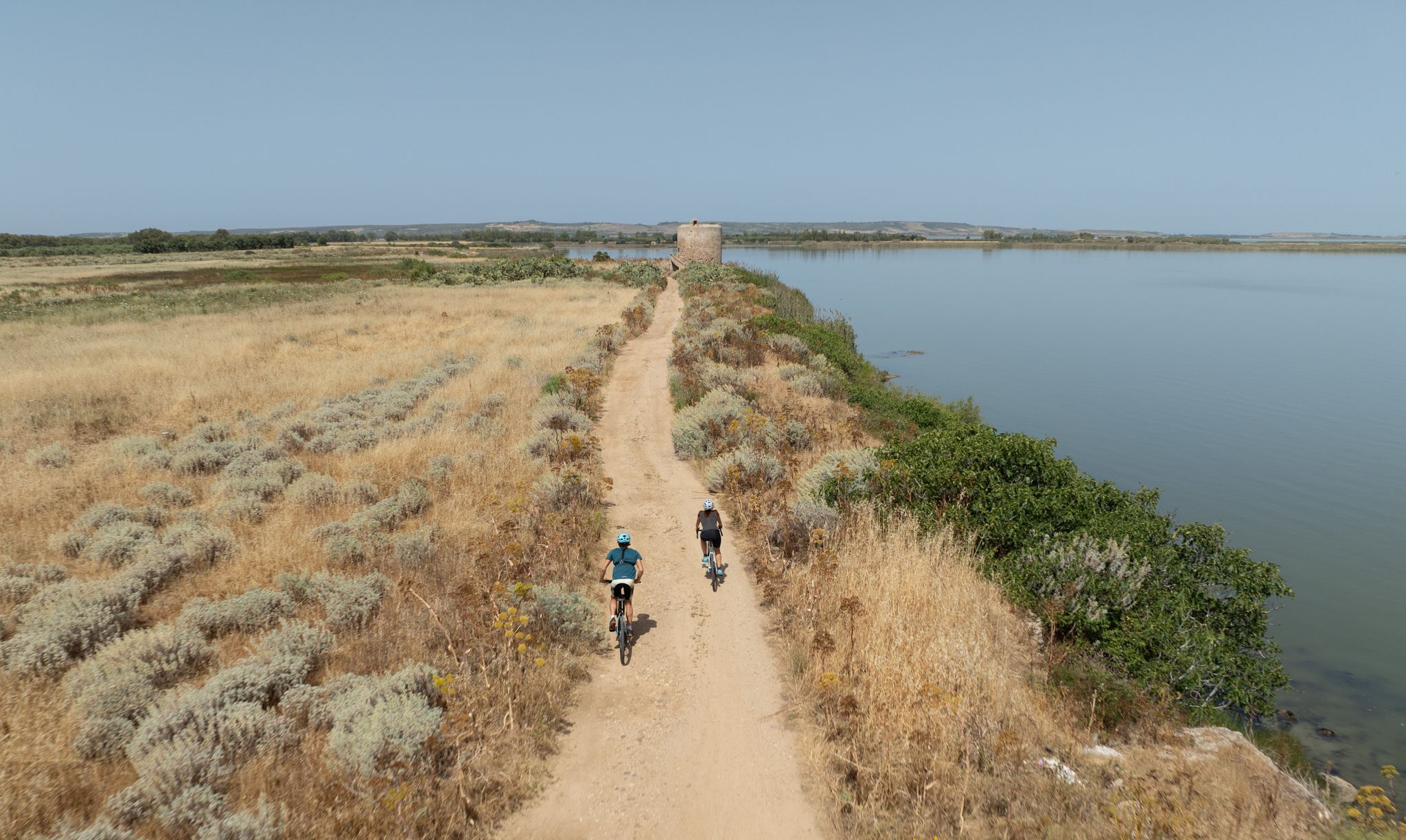
Discover wild Sardinia – 10 superb MTB Tours
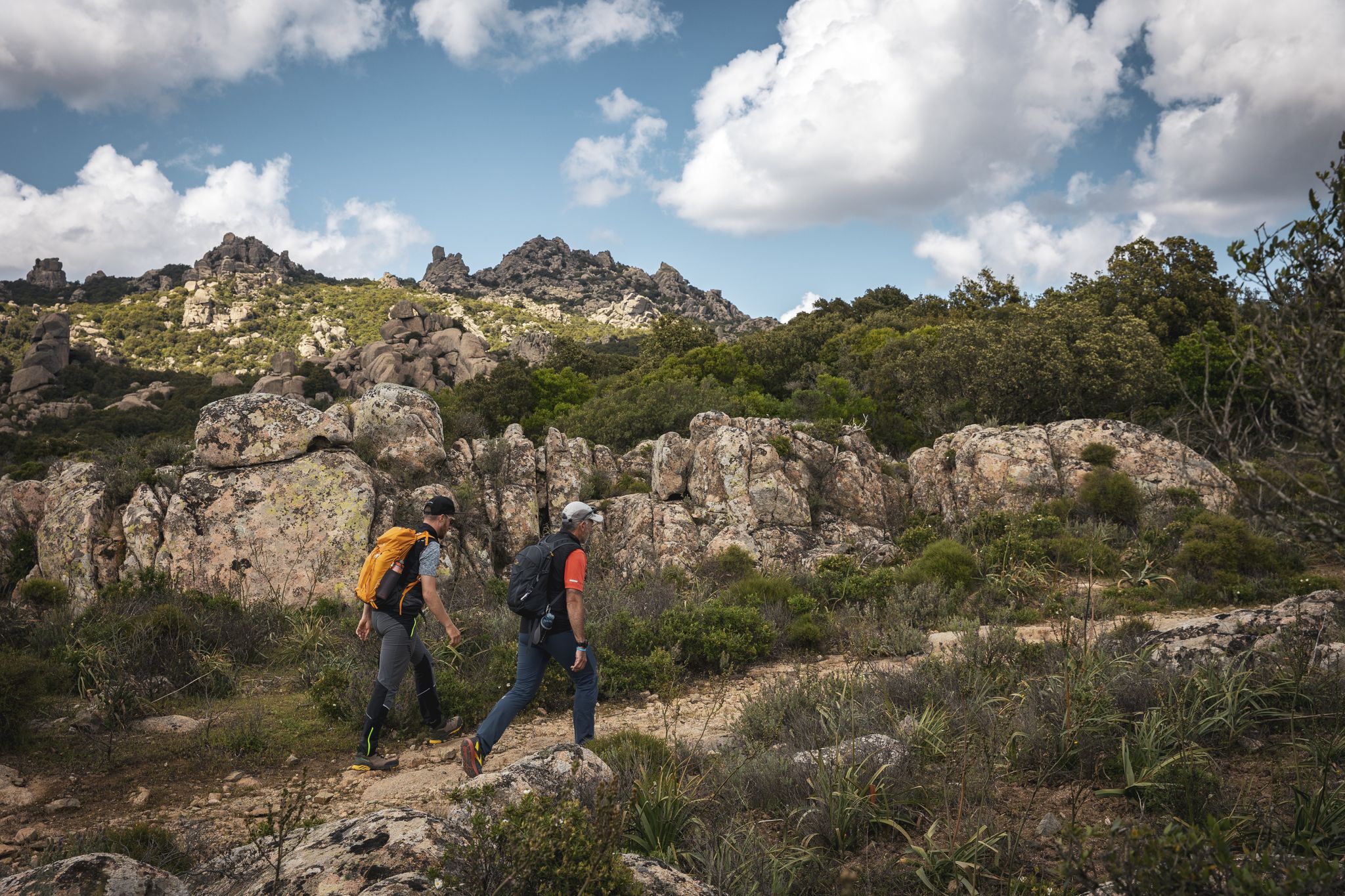
Eternal Sardinia – walks among the wonders of the hinterland
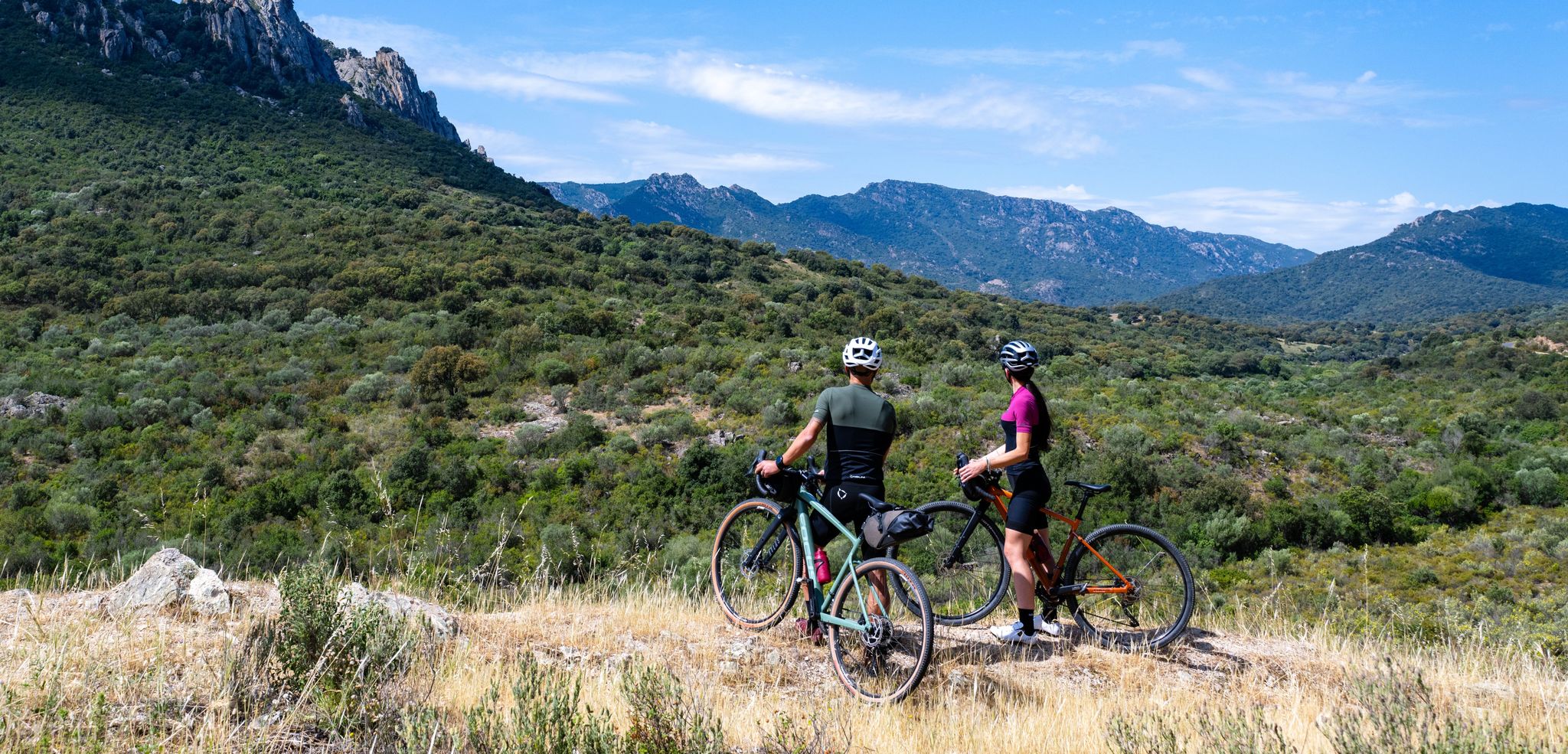
Sardinia by e-bike – enchanting landscapes and ancient culture
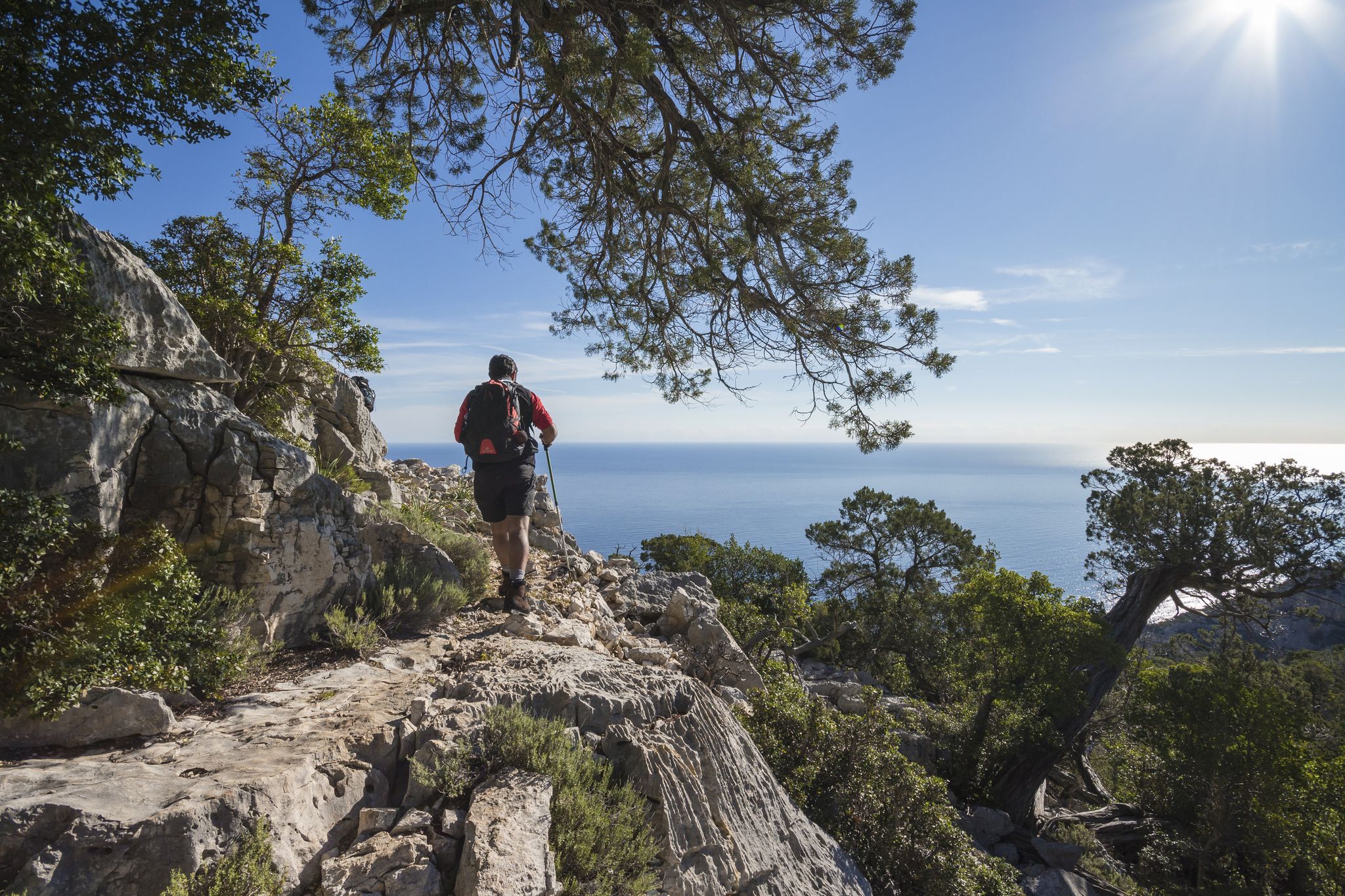
Magnificent Sardinia – day hikes overlooking the sea
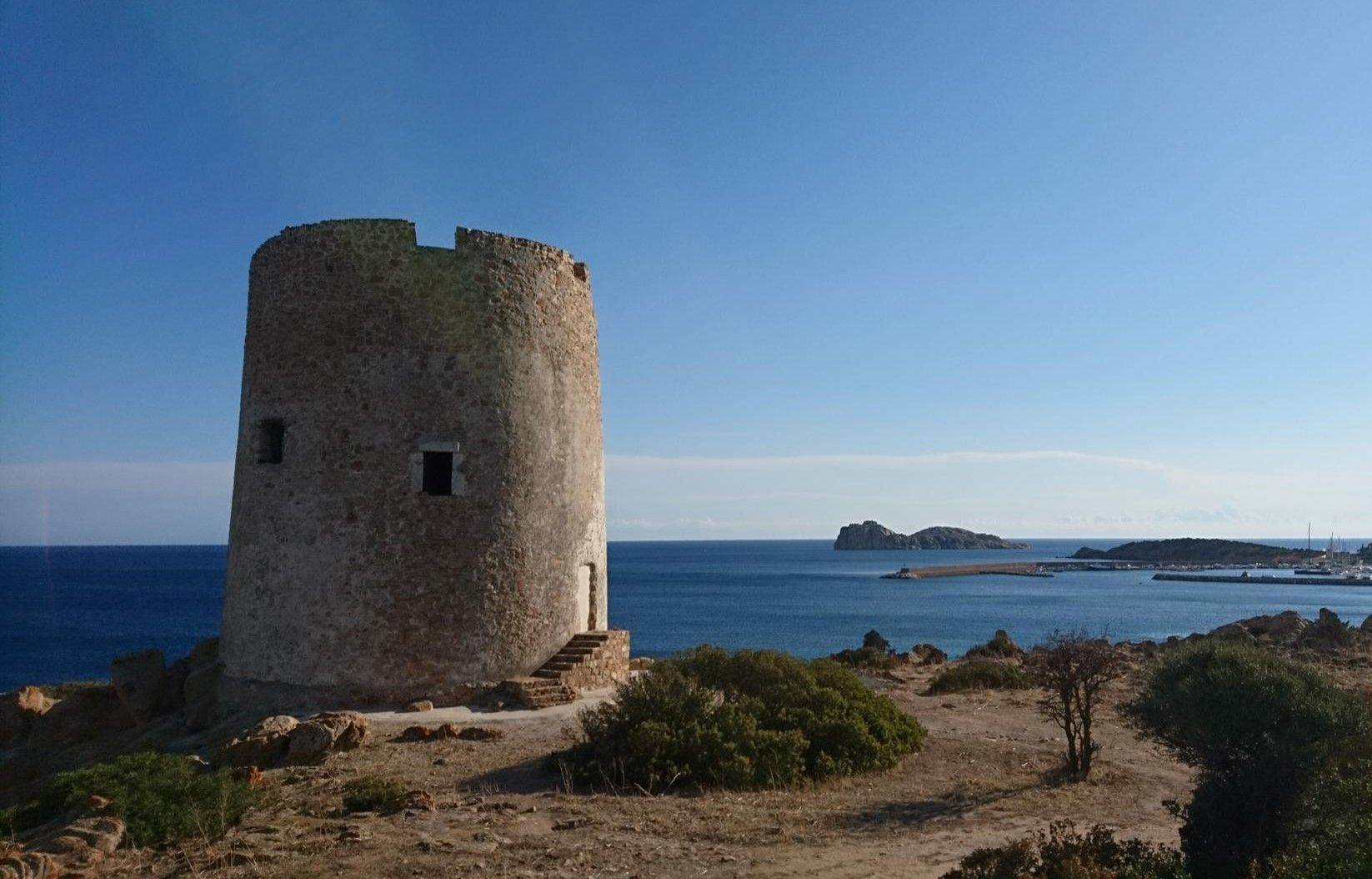
Portoscuso to Cagliari on the Via del Martirio – Cammino 100 Torri
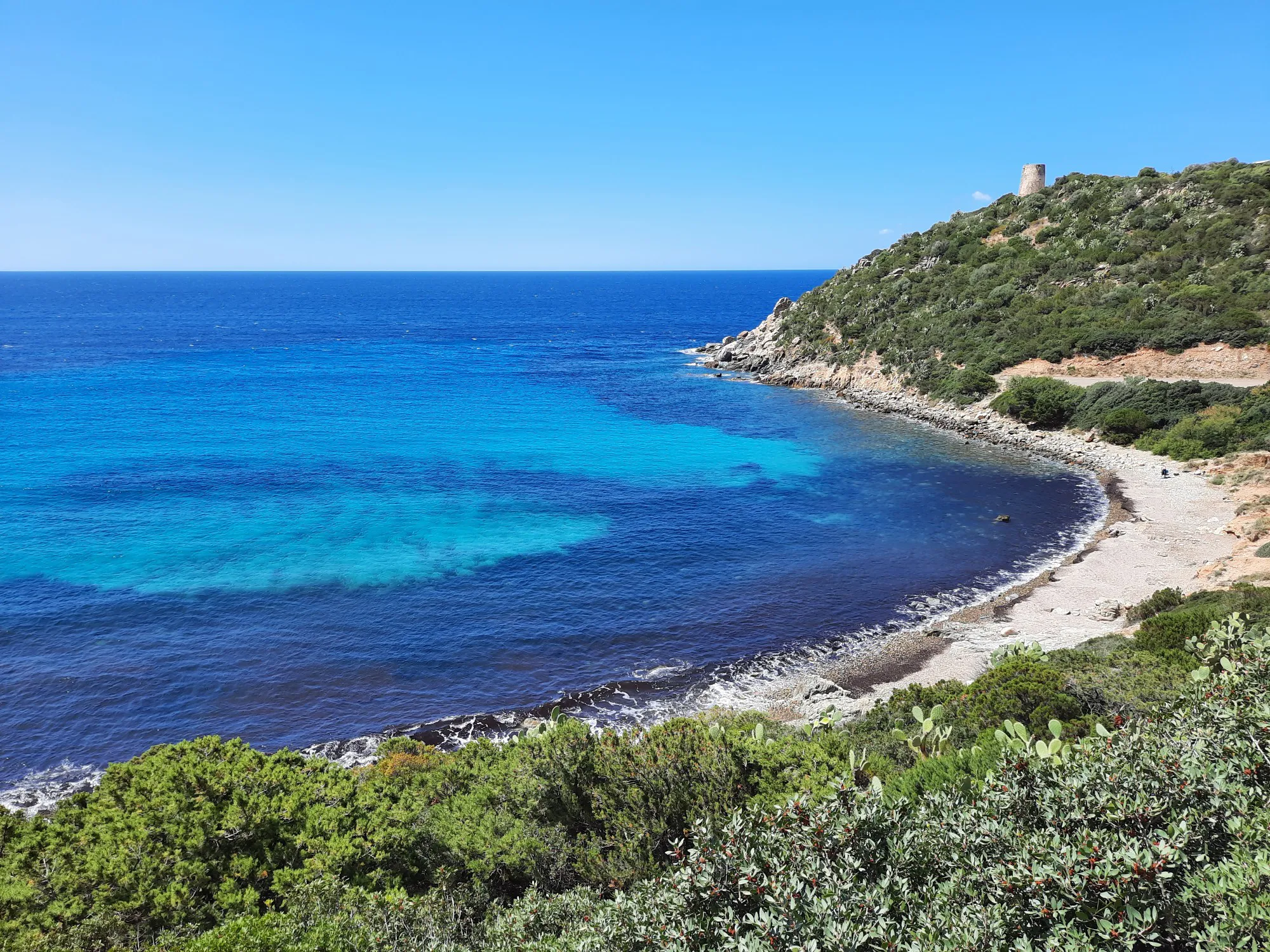
Cagliari to Villasimius on the Via degli Angeli – Cammino 100 Torri
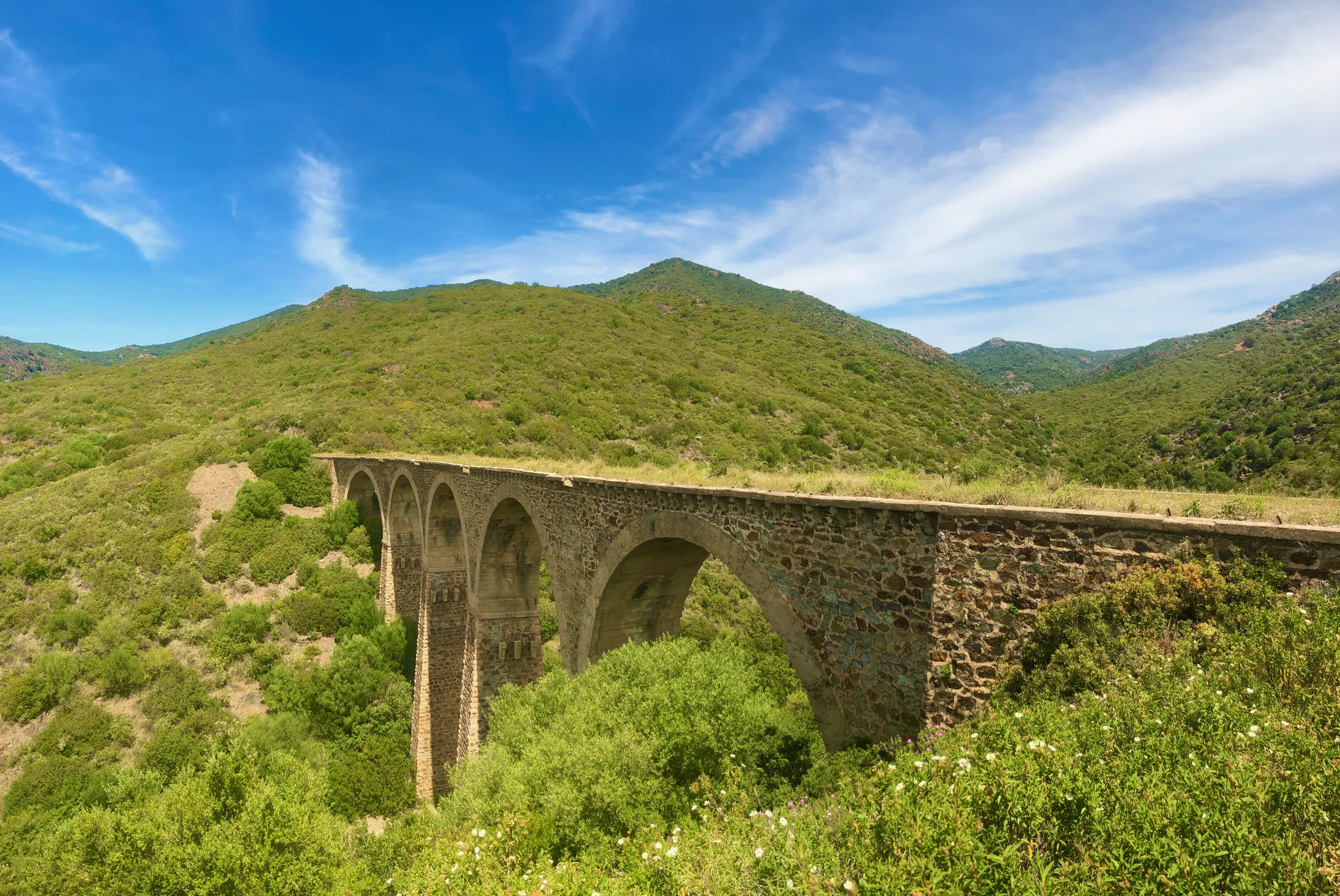
Cycling through the origins of Sardinia – Sulcis Loop
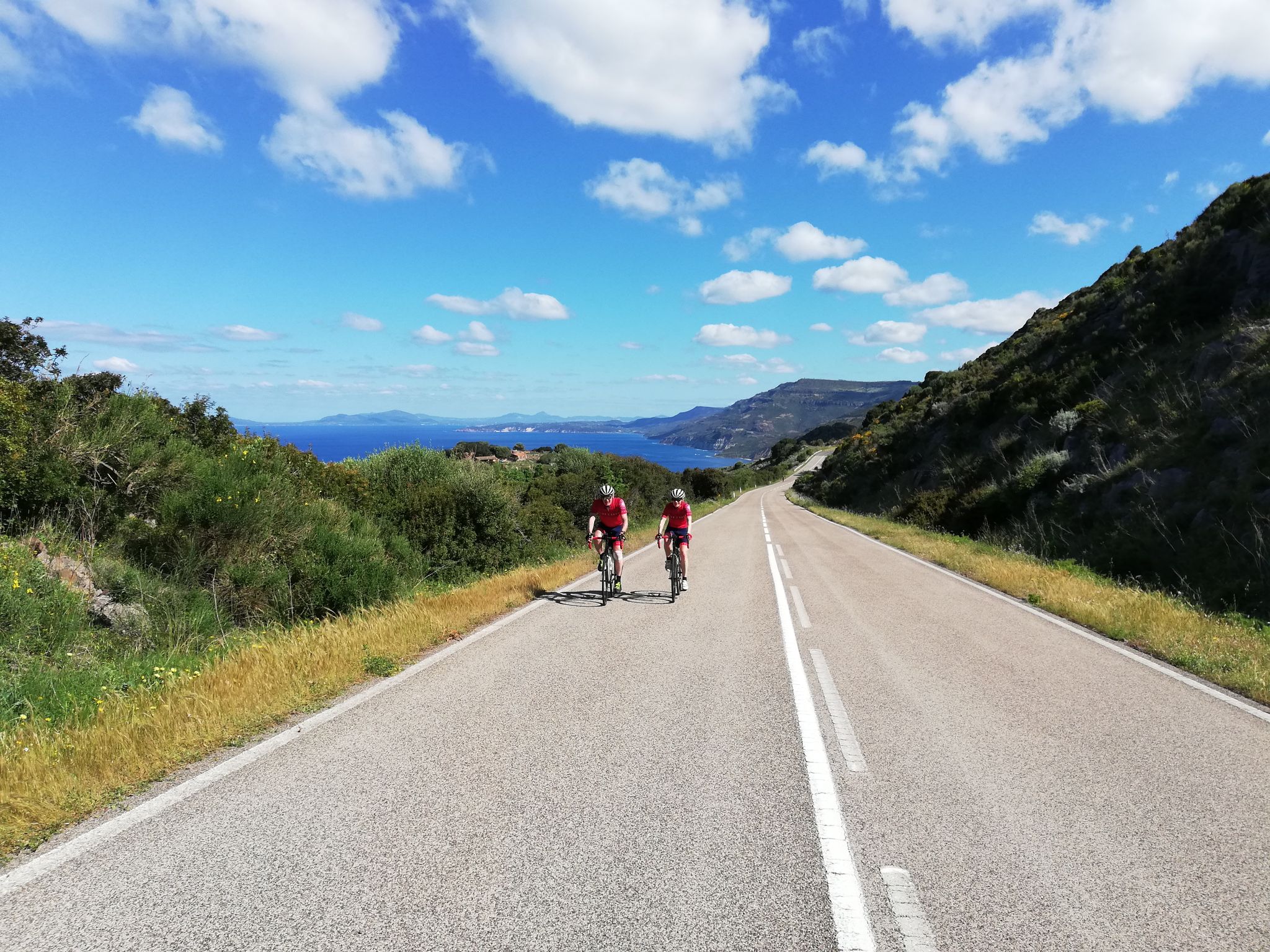
Amazing views on perfectly smooth asphalt - road bike tours in Sardinia
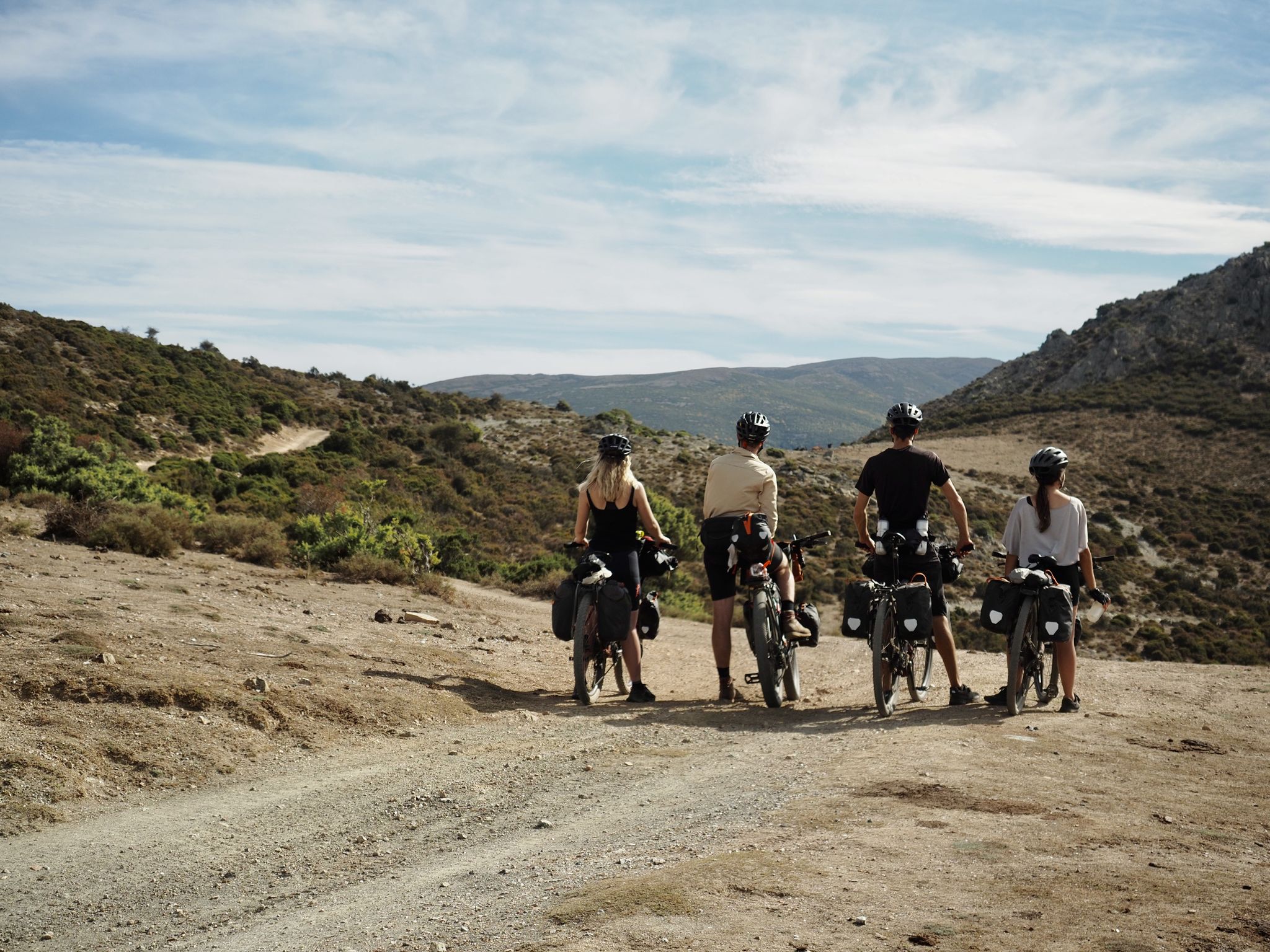
Bikepacking the TranSardinia – the quiet Italian island life
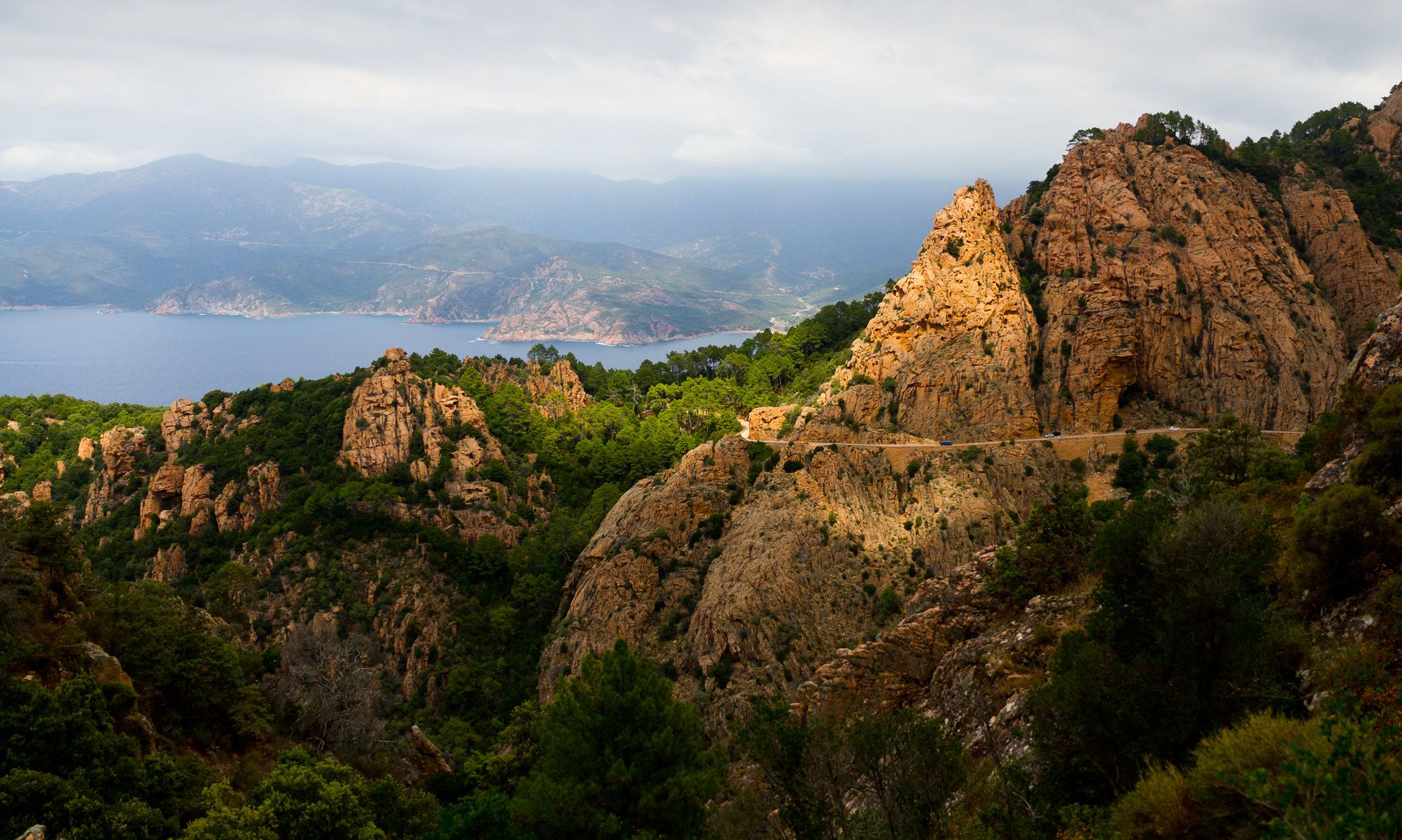
From Cape Corsica to Syracuse — three Mediterranean islands
Other adventures in Cagliari


Tips from the Community

I followed the entire route along the SP1, but there are several trails in the woods that branch off from the dirt road and then rejoin. The highest point is at the end of the Santadi area, then you descend again to the picnic area. I recommend following the SP1 for the uphill sections and using the trails to descend the mountains.
0
0

Hi, can you send me an intermediate MTB route? 600 dsl is 50 km thanks
1
0

This place is a good example of how conservation can be overdone. Driving along the dam allows you to get closer to the flamingos than walking or cycling through the so-called park. I was disappointed. It's better to go to the zoo to see the flamingos.
0
0

Beautiful paths among the rocks
0
1
Nice place reachable by bike
0
0
It connects almost all of Cagliari immersed in nature
5
1
Frequently Asked Questions
What kind of wildlife can I expect to see in Cagliari's natural monuments?
Cagliari's natural monuments are rich in wildlife. At the Molentargius–Saline Regional Natural Park, you can observe a large colony of pink flamingos, along with other aquatic birds like cormorants, great egrets, and avocets. The Sella del Diavolo promontory is home to rare birds such as the peregrine falcon and Sardinian partridge, as well as foxes and wild rabbits.
Which natural monuments offer the best panoramic views in Cagliari?
For breathtaking panoramic views, the Sella del Diavolo promontory is unparalleled, offering vistas of the Gulf of Angels and Poetto Beach. Mount Minniminni also provides a great view over the coast from Muravera to Vilassimus. Additionally, the Rock formations at Monti dei Sette Fratelli offer beautiful views of the surrounding peaks.
Are there family-friendly natural monuments in Cagliari?
Yes, several natural monuments in Cagliari are suitable for families. The Molentargius–Saline Regional Natural Park is excellent for birdwatching and gentle cycling. Poetto Beach, with its fine sand and shallow waters, is also very family-friendly. The Molentargius Canal offers pleasant, car-free paths ideal for cycling or jogging with children.
What outdoor activities can I do near Cagliari's natural monuments?
The natural monuments in Cagliari are perfect for various outdoor activities. You can enjoy cycling through the Molentargius–Saline Regional Natural Park on car-free paths. Hiking trails are available around the Sella del Diavolo. For more structured activities, you can find numerous running trails, gravel biking routes, and road cycling routes throughout the Cagliari region, many of which pass by or through these natural areas.
What is the typical difficulty of trails around Cagliari's natural monuments?
The difficulty of trails varies. The Molentargius–Saline Regional Natural Park offers easy, car-free cycling paths. Hiking trails on the Sella del Diavolo can range from easy walks to more challenging ascents, some even suitable for night hikes. Highlights like Mount Minniminni and View of the Grotta dei Colombi are categorized as challenging, while others like Oasi del Cervo e della Luna – Monte Arcosu Wildlife Sanctuary offer intermediate trails.
Are there any historical or archaeological sites integrated with Cagliari's natural monuments?
Yes, Cagliari uniquely blends natural beauty with ancient history. The Sella del Diavolo promontory holds traces of ancient inhabitants dating back to the Neolithic period. The Grotta della Vipera (Viper's Cave) is a Roman burial monument carved into natural limestone rock, featuring ancient inscriptions. Additionally, Nuraghe Diana is a historical site that is also considered a natural monument, offering a viewpoint.
Is parking available at popular natural monuments like Sella del Diavolo or Molentargius Park?
Parking availability varies. For popular coastal areas like Poetto Beach, there are usually designated parking zones. For the Molentargius–Saline Regional Natural Park, access points often have parking, and bike rentals are available for exploring the park. It's advisable to check local signage or specific access points for Sella del Diavolo for the most current parking information.
Can I bring my dog to Cagliari's natural parks and monuments?
While many outdoor areas in Sardinia are dog-friendly, specific rules can apply to protected natural parks and beaches. For instance, the Molentargius–Saline Regional Natural Park, being a significant bird habitat, may have restrictions on dogs in certain areas or require them to be on a leash. It's always best to check the specific regulations for each natural monument or park before visiting with your dog.
What is the best time of year to visit Cagliari's natural monuments?
The spring (April-May) and autumn (September-October) months are generally ideal for visiting Cagliari's natural monuments. The weather is pleasant for hiking and cycling, and the natural landscapes are vibrant. In spring, you might see more migratory birds in the wetlands. Summer can be very hot, making coastal areas like Poetto Beach and Cala Mosca more appealing for swimming, but less comfortable for strenuous hiking.
Are there any lesser-known natural monuments worth exploring in Cagliari?
Beyond the well-known sites, you might enjoy exploring the Oasi del Cervo e della Luna – Monte Arcosu Wildlife Sanctuary, a forest area offering intermediate trails. The Mitza Fanebas Spring is another natural monument offering a tranquil experience. For a unique coastal feature, the View of the Grotta dei Colombi, a sea cave beneath the Sella del Diavolo, offers a captivating blend of natural beauty and local legend, accessible by boat or adventurous hiking.
What makes Poetto Beach a significant natural monument in Cagliari?
Poetto Beach is Cagliari's main and longest beach, stretching for approximately 8 kilometers. It's a significant natural feature because it's a sandy strip separating the sea from the salt marsh of Molentargius, allowing for unique beach vegetation and attracting wild birds like terns and cormorants. Its fine, white sand and clear, shallow waters make it a natural attraction that merges with the urban environment, offering stunning views including that of the Sella del Diavolo.
How can I explore the Molentargius–Saline Regional Natural Park?
The Molentargius–Saline Regional Natural Park is best explored via its extensive network of nature trails and cycle paths. Bike rentals are available, and guided tours can enhance your experience, especially for birdwatching. The park's car-free paths make it ideal for cycling, jogging, or walking, allowing you to immerse yourself in its unique wetland environment and observe the flamingos.
Most popular routes in Cagliari
Most popular attractions in Cagliari

Get inspired with the komoot mobile app


Didn’t find what you were looking for?
Find even more amazing natural monuments in Cagliari by checking out the top Highlights region by region:
Explore more
Extend your search for the best caves by checking out these guides of the top ones in Cagliari:
