Top 20 Natural Monuments in the Himalaya
Best natural monuments in the Himalaya are characterized by soaring heights, steep jagged peaks, extensive glaciers, and deeply carved river gorges. This region features diverse ecosystems, ranging from lush subtropical forests to frigid alpine deserts. These natural wonders hold immense cultural and spiritual significance, making them notable landmarks. The Himalayas are also the source of major rivers, sustaining millions of people.
Best natural monuments in the Himalaya
- The most popular natural monuments is Thorong La Pass, a mountain pass…
Last updated: July 10, 2026
Poon Hill Viewpoint
Highlight • Viewpoint
Translated by Google •
Tip by

Thorong La Pass
Highlight • Mountain Pass
Tip by

Sign up now to discover places like this
Get recommendations on the best single tracks, peaks, & plenty of other exciting outdoor places.
Sign up for free
Khumbu Glacier
Highlight (Segment) • Natural
Translated by Google •
Tip by

Sagarmatha National Park Entrance
Highlight • Rest Area
Translated by Google •
Tip by

Tiger's Nest Monastery (Paro Taktsang)
Highlight • Religious Site
Translated by Google •
Tip by

Tilicho Lake
Highlight • Lake
Translated by Google •
Tip by
Cho La Pass
Highlight • Mountain Pass
Translated by Google •
Tip by
Rhododendron Forest, Ghorepani–Poon Hill
Highlight • Forest
Translated by Google •
Tip by

Renjo La Pass
Highlight • Mountain Pass
Translated by Google •
Tip by
Muktinath Temple Complex
Highlight • Religious Site
Translated by Google •
Tip by

Sign up for free to discover even more natural monuments in the Himalaya.
Sign up for free
Already have an account?
Start today with a free account
Your next adventure awaits.
Login or Signup
Popular around Himalaya
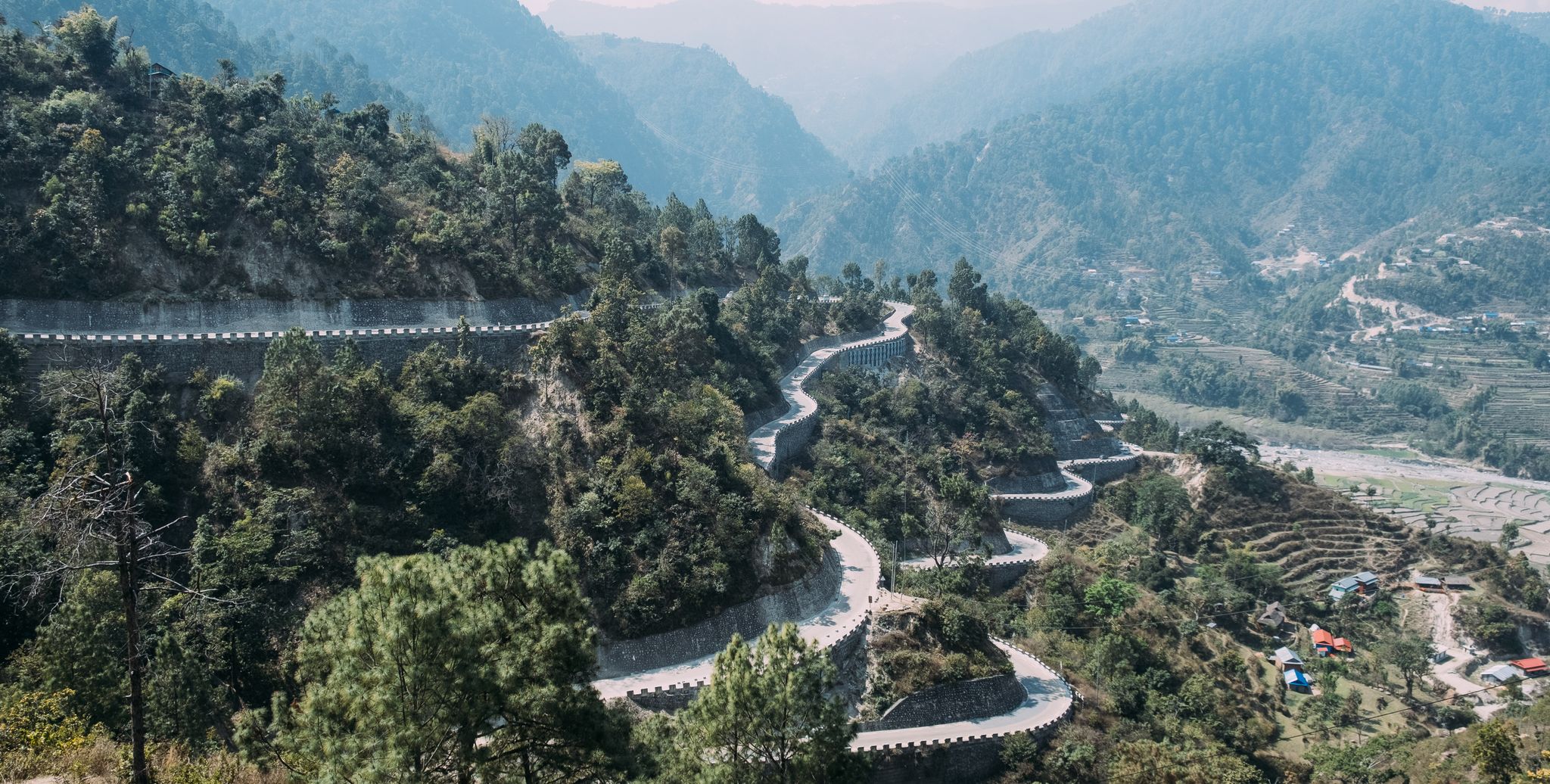
An unforeseen incredible journey – cycling from India to Nepal
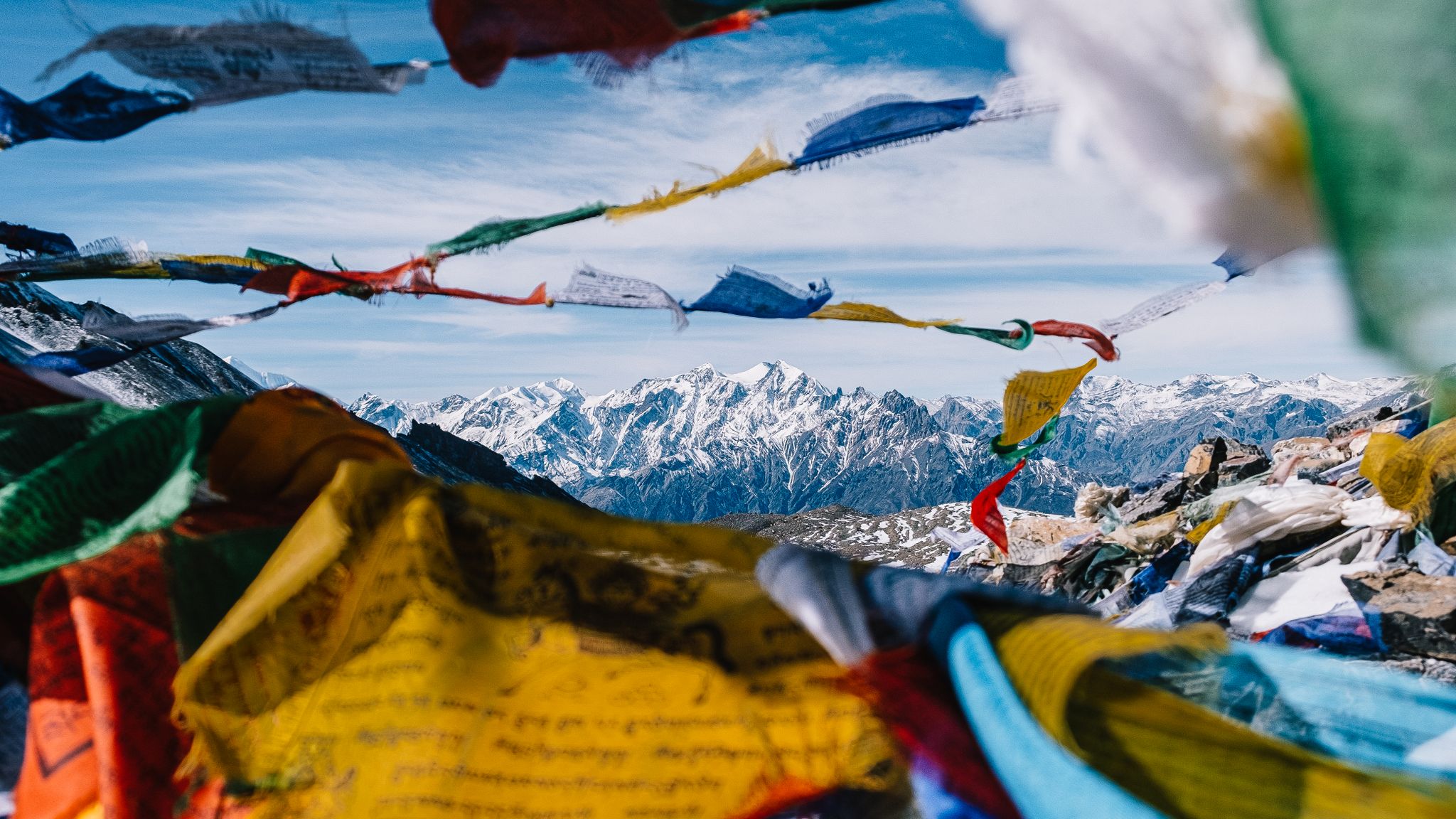
Annapurna Circuit in Nepal – Bikepacking the roof of the world
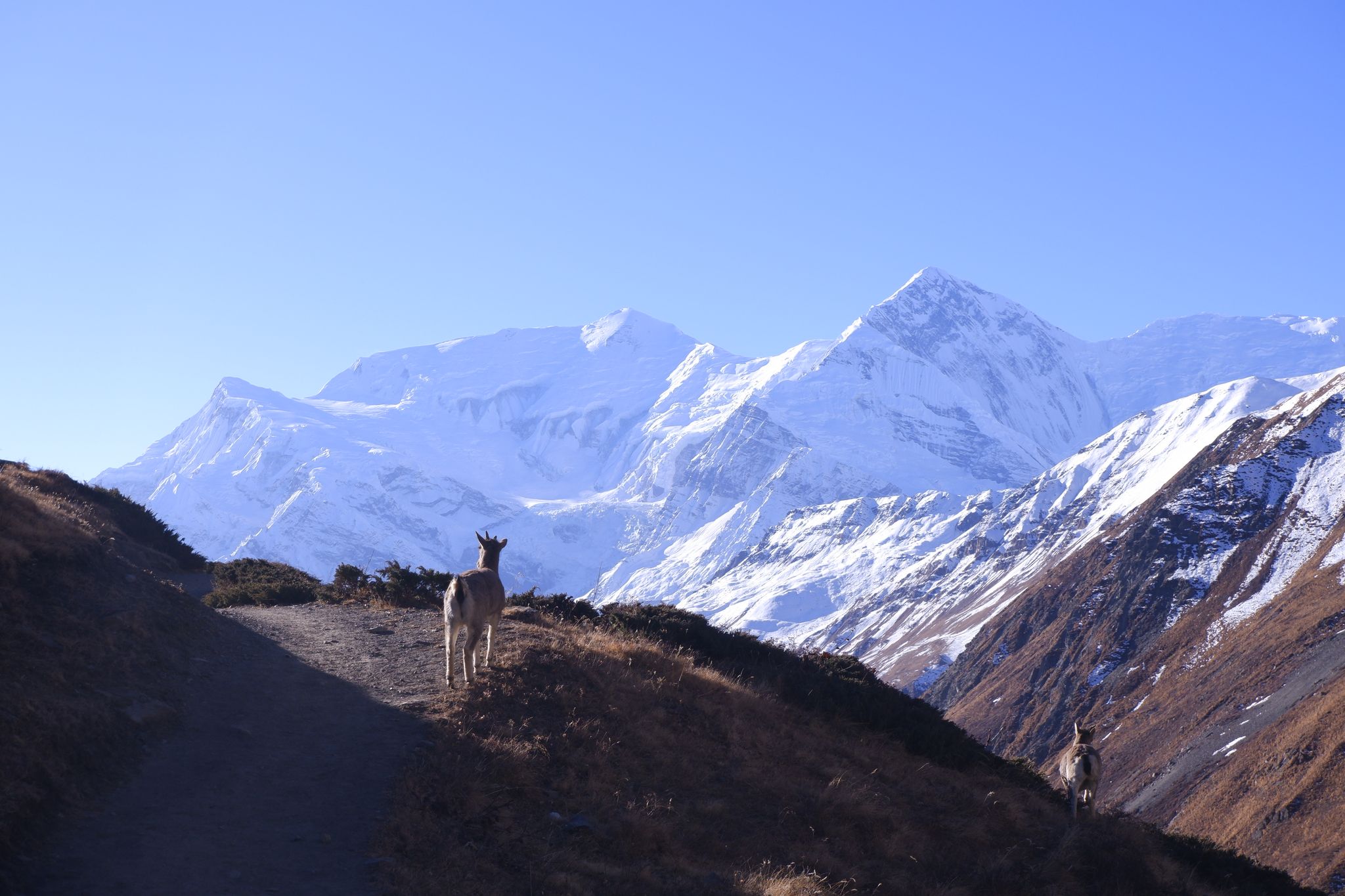
Annapurna Circuit – History and culture at high altitude in Nepal
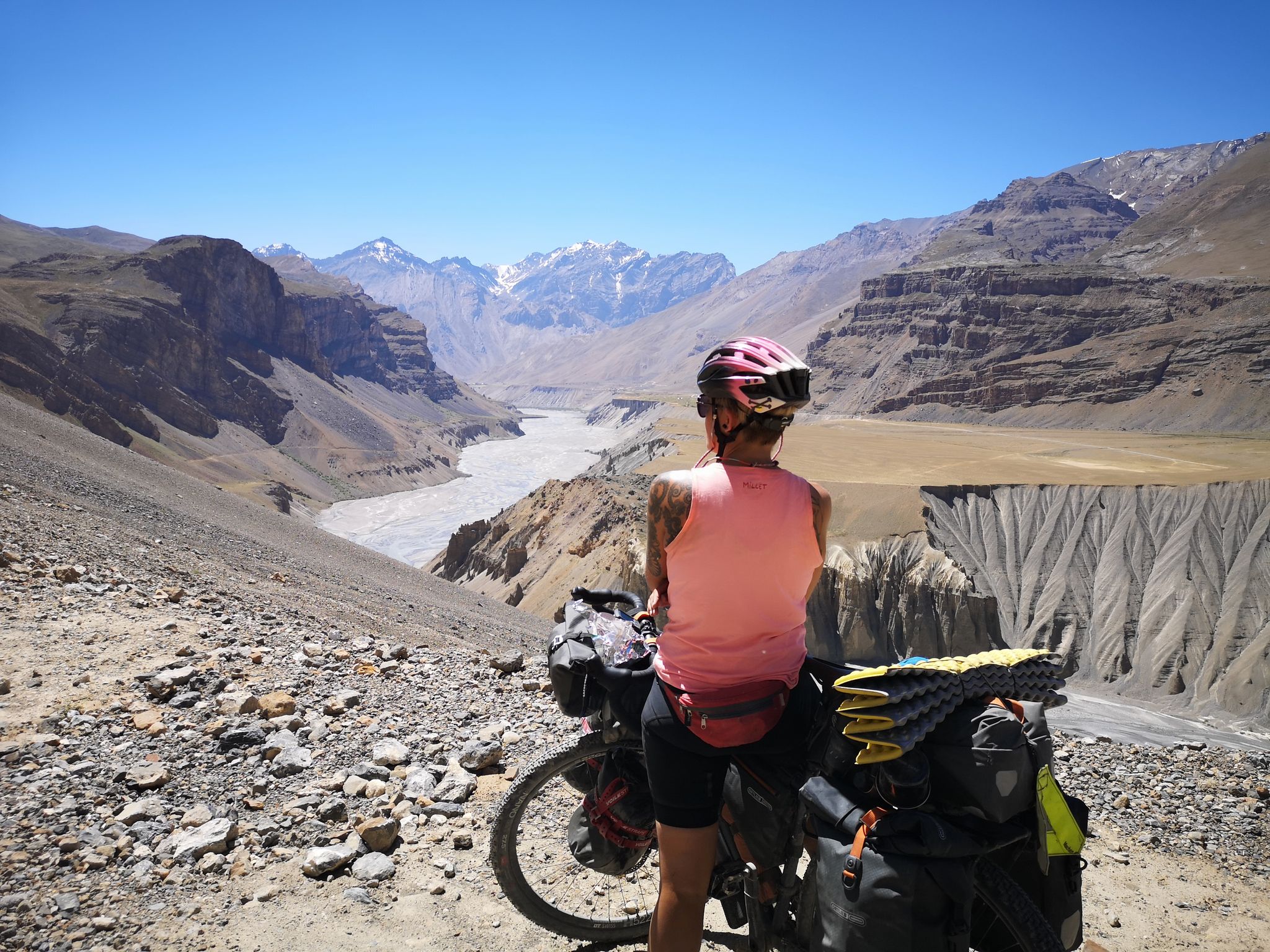
The Spiti Valley – Bikepacking in India
The Leh-Manali Highway – Cycling India
Winter Himalaya: My road to Everest Base Camp at 5364 meters
Beneath mighty Everest – fastpacking and running passes in the Khumbu
Authentic Nepal – trekking in the history of Mustang
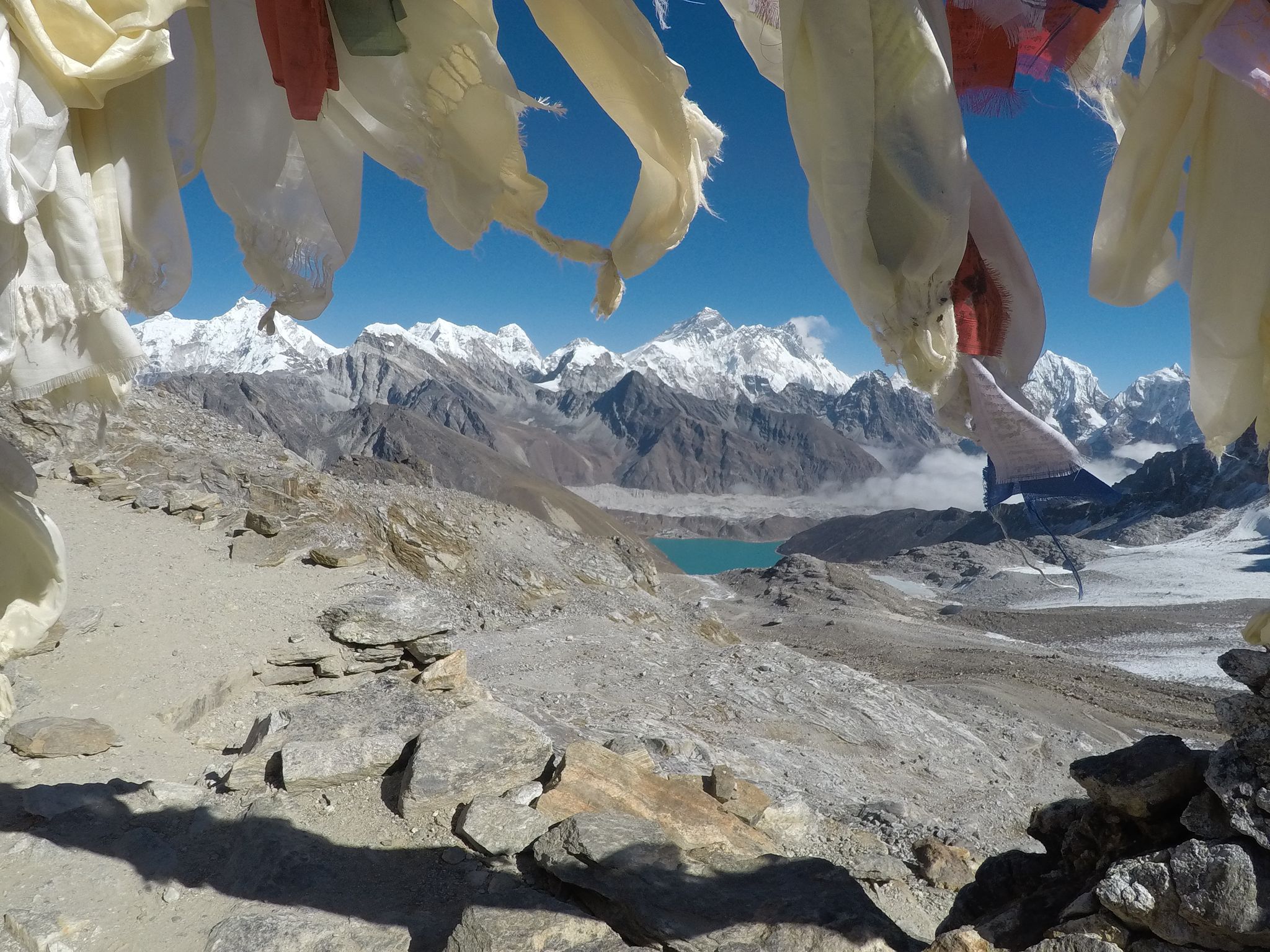
At the foot of Everest – Everest Base Camp with the three passes
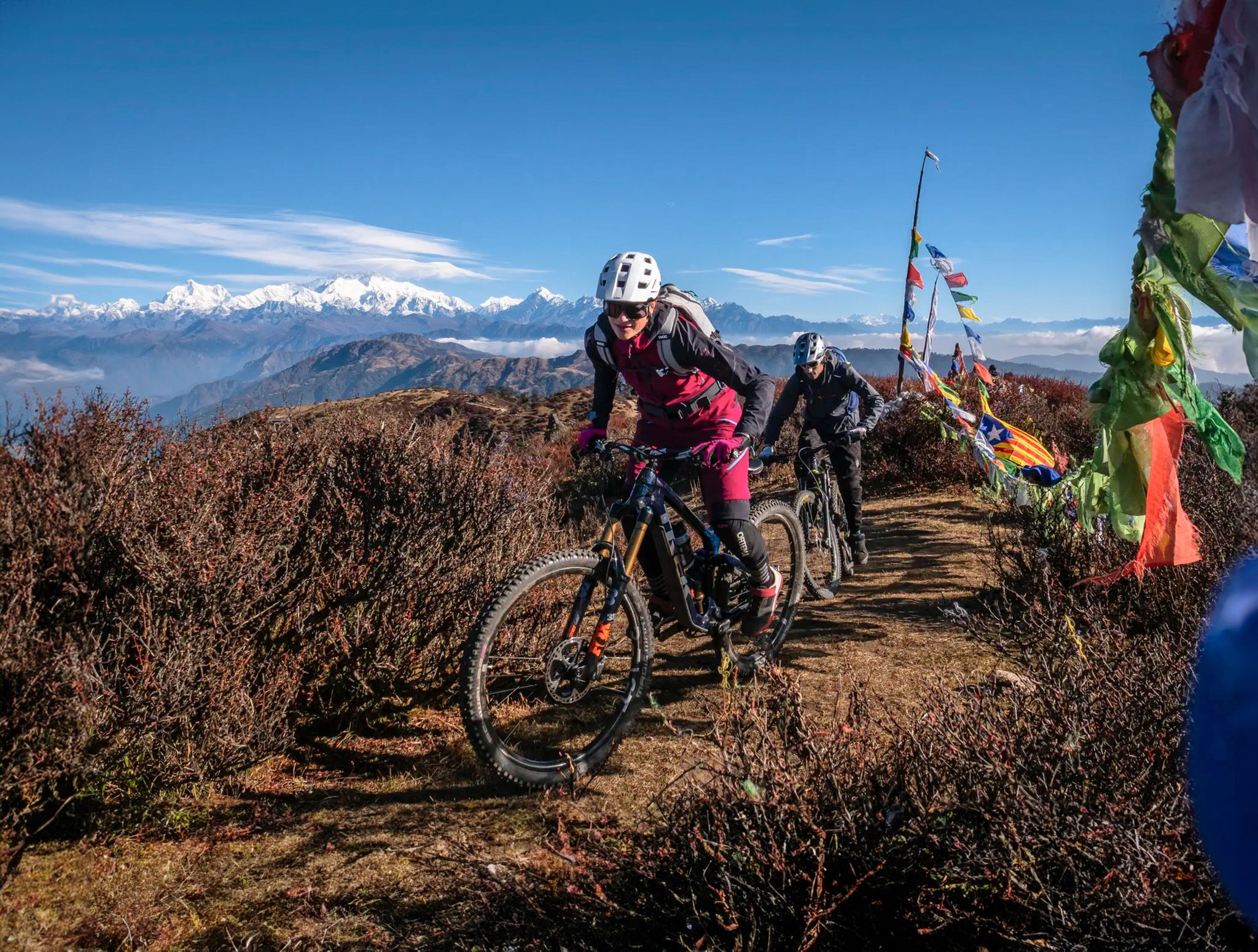
Discover India – an MTB adventure with Steffi Marth


Tips from the Community

The highest pass that can be crossed in the world. It is an experience that will not be forgotten anytime soon.
1
0

Ascent between heaven and earth: the Renjo La Pass 🙏 It's one of the three highest passes in the Himalayas at 5360m. We started the ascent on November 13th, 2025, at 5:00 AM, so we weren't walking up through mud, but rather on frozen ice. Due to the amount of snow, we couldn't take the secured route, but instead had to take the direct path up, which was quite strenuous. Finally at the top 🔝 Renjo La greets you not with triumph, but with awe. Lohtse, Makalu, Nupste, Everest—the giants have once again put on a beautiful display and stand still. What a sight! Namaste 🙏 Fanjo
0
0

Taktshang, also spelled Taktsang or Tiger's Nest, is a Buddhist monastery in the Paro Valley in the Kingdom of Bhutan. The word Taktshang is Tibetan and literally translates to "Tiger's Den." It is located at an altitude of 3,120 meters in the Himalayas and is only accessible by a hike of several hours or by mule. The monastery complex is a frequently photographed cultural landmark of the Kingdom of Bhutan. The monastery was consecrated in 1692 and includes the Taktsang Senge Samdup Cave, where, according to legend, Guru Padmasambhava meditated for three years, three months, three weeks, three days, and three hours in the 8th century. Padmasambhava, also known as the Guru with the Eight Names and holding the honorific title Rinpoche, brought Buddhism to Bhutan. The monastery is dedicated to him. Source: https://de.wikipedia.org/wiki/Taktshang
2
0

a magical journey through the colorful rhododendron forests, especially in the spring. https://www.ez-passoh.com
0
0

Beautiful viewpoint 🤩, the climb from Ghorepani is worth it 👍🏻.
18
0
It's very, very strenuous to hike up there, especially because of the cold, the thin air, and the altitude. But the view is worth it 🤩.
12
0

The rhododendron is the national flower of Nepal, and not without reason. There are more than 30 species of rhododendrons in dozens of sizes and colors. Rhododendrons can be found at altitudes ranging from 1,200 meters to 3,600 meters. The flower grows throughout Nepal and is remarkably colored in all shades of red, pink, yellow, purple, and white.
1
0

An indescribable feeling to reach the pass.
1
0
Frequently Asked Questions
What types of natural monuments can I explore in the Himalaya region?
The Himalaya region offers a diverse range of natural monuments, from soaring mountain peaks and extensive glaciers to high-altitude lakes and deeply carved river gorges. You can discover challenging mountain passes like Thorong La Pass and Cho La Pass, serene lakes such as Tilicho Lake, and unique ecosystems like the Rhododendron Forest near Ghorepani–Poon Hill. The region also features vast ice masses like the Khumbu Glacier and significant cultural sites like the Tiger's Nest Monastery, often nestled within stunning natural backdrops.
Are there any family-friendly natural monuments or activities in the Himalaya?
While many Himalayan natural monuments involve challenging treks, some areas offer more accessible experiences. For instance, the Poon Hill Viewpoint, though requiring a hike, is a popular destination for its magnificent sunrise views over the Annapurna range, and can be part of a family-friendly trek depending on the route chosen. The region's diverse valleys, like Nubra Valley, also offer unique landscapes and cultural experiences that can be enjoyed by families.
What is the best time to visit the natural monuments in the Himalaya?
The best time to visit the natural monuments in the Himalaya generally depends on the specific region and altitude. Spring (March to May) and autumn (September to November) are often considered ideal, offering clear skies, moderate temperatures, and stunning views. During these seasons, the weather is more stable, making high-altitude treks and visits to places like mountain passes and lakes more feasible. Winter can be extremely cold and challenging, especially at higher elevations, while the monsoon season (June to August) brings heavy rainfall and can make trails slippery and views obscured.
What kind of wildlife can I expect to see near natural monuments in the Himalaya?
The diverse ecosystems of the Himalaya support a rich variety of wildlife. Depending on the specific natural monument and its altitude, you might encounter species ranging from the elusive snow leopard and Himalayan Thar in higher, protected areas like the Great Himalayan National Park and Pin Valley National Park, to various bird species and the endangered red panda in lush valleys such as Barun Valley. The region's forests, like the Rhododendron Forest near Ghorepani–Poon Hill, also host unique flora and fauna.
What are some notable viewpoints for experiencing the grandeur of the Himalaya?
For breathtaking panoramic views, the Poon Hill Viewpoint is highly recommended, especially at dawn, offering magnificent vistas of the Annapurna range, Dhaulagiri, and Machapuchare. High mountain passes like Thorong La Pass, Cho La Pass, Renjo La Pass, and Kongma La Pass also provide unparalleled perspectives of the surrounding Himalayan peaks and valleys.
Are there historical or cultural sites integrated with the natural monuments?
Yes, many natural monuments in the Himalaya hold deep cultural and spiritual significance. A prime example is the Tiger's Nest Monastery (Paro Taktsang) in Bhutan, a Buddhist temple complex dramatically perched on a cliffside. Similarly, high-altitude lakes like Gurudongmar Lake are considered sacred by multiple religions. The region's ancient monasteries, often found clinging to cliffs in valleys like Spiti, are integral parts of the natural landscape and rich Indo-Tibetan Buddhist culture.
What outdoor activities can I do near the natural monuments in the Himalaya?
The Himalaya region is a paradise for outdoor enthusiasts. You can embark on challenging mountain hikes, explore scenic road cycling routes, or enjoy invigorating running trails. Many natural monuments, especially mountain passes and viewpoints, are destinations within longer trekking routes, offering opportunities for multi-day adventures. The diverse terrain allows for activities ranging from gentle walks in valleys to strenuous mountaineering expeditions.
What are the difficulty levels for treks to these natural monuments?
The difficulty levels vary significantly. Many high-altitude natural monuments, such as Thorong La Pass, Khumbu Glacier, Tilicho Lake, and the various other mountain passes, are classified as challenging due to high altitudes, steep ascents, and remote conditions. Other sites, like the Poon Hill Viewpoint or the Rhododendron Forest, are generally considered intermediate, requiring a good level of fitness but being less extreme. Always check specific route details and prepare accordingly for the altitude and terrain.
What do visitors enjoy most about the natural monuments in the Himalaya?
Visitors consistently praise the breathtaking scenery and the profound sense of awe inspired by the Himalaya. Many highlight the magnificent views from spots like Poon Hill Viewpoint, especially at sunrise. The sheer scale of the mountains, the unique ecosystems, and the challenge of reaching high-altitude passes like Thorong La Pass are frequently mentioned. The spiritual and cultural significance of sites like the Tiger's Nest Monastery also leaves a lasting impression.
Are there any national parks or protected areas among the natural monuments?
Yes, the Himalaya region is home to several vital national parks and protected areas that safeguard its unique biodiversity and dramatic landscapes. The Sagarmatha National Park, for which there is an entrance, is a UNESCO World Heritage Site encompassing Mount Everest and its surrounding peaks. Other significant parks include the Great Himalayan National Park and Pin Valley National Park, both known for their pristine wilderness, glaciated valleys, and rare wildlife like the snow leopard.
What are some of the highest mountain passes in the Himalaya that are considered natural monuments?
The Himalaya is renowned for its challenging and high-altitude mountain passes. Among the most notable are Thorong La Pass, situated at 5,416 meters, connecting the Manang area to Mustang. Other significant passes include Cho La Pass, Renjo La Pass, and Kongma La Pass, all offering incredible views and demanding treks for experienced adventurers.
Most popular routes in the Himalaya
Most popular attractions in the Himalaya

Get inspired with the komoot mobile app


Explore more
Extend your search for the best caves by checking out these guides of the top ones in the Himalaya:
