Top 20 Natural Monuments around Wila
Natural monuments around Wila offer diverse landscapes in the Zurich Oberland and the Töss Valley. The region features a variety of natural formations, including lakes, waterfalls, and unique rock formations. These sites provide opportunities to explore the local geography and natural heritage. The area is characterized by its natural beauty and accessible outdoor spaces.
Best natural monuments around Wila
- The most popular natural monuments is Bäntal Waterfall and Metal Staircase, a waterfall that features a very good walk through…
Last updated: September 29, 2026
Lake Bichel
Highlight • Lake
Translated by Google •
Tip by

Pfäffikersee Circular Trail
Highlight (Segment) • Trail
Translated by Google •
Tip by

Sign up now to discover places like this
Get recommendations on the best single tracks, peaks, & plenty of other exciting outdoor places.
Tänikon Pond
Highlight • Lake
Translated by Google •
Tip by

Tüfels Chilén
Highlight • Cave
Translated by Google •
Tip by

Groot - Highest point in the canton of Thurgau (991.1 m)
Highlight • Summit
With the Groot (991.1 m), we head to the highest elevation in the Canton of Thurgau: literally "the Top of Mostindien." …
Translated by Google •
Tip by

Sign up for free to discover even more natural monuments around Wila.
Already have an account?
Start today with a free account
Your next adventure awaits.
Tips from the Community

Natural spring with a large proportion of tufa.
9
0

Groot - Highest Point in the Canton of Thurgau With the Groot (991.1 m), we head to the highest elevation in the Canton of Thurgau: literally "the Top of Mostindien." Interestingly, about 10 m further on lies the so-called ridge, which is also the highest point of the elevation. It rises 5 m higher than the Groot and is located entirely in Mosnang, or rather, in the Canton of St. Gallen. On this tour, we explore the idyllic Tössberg region.
15
0


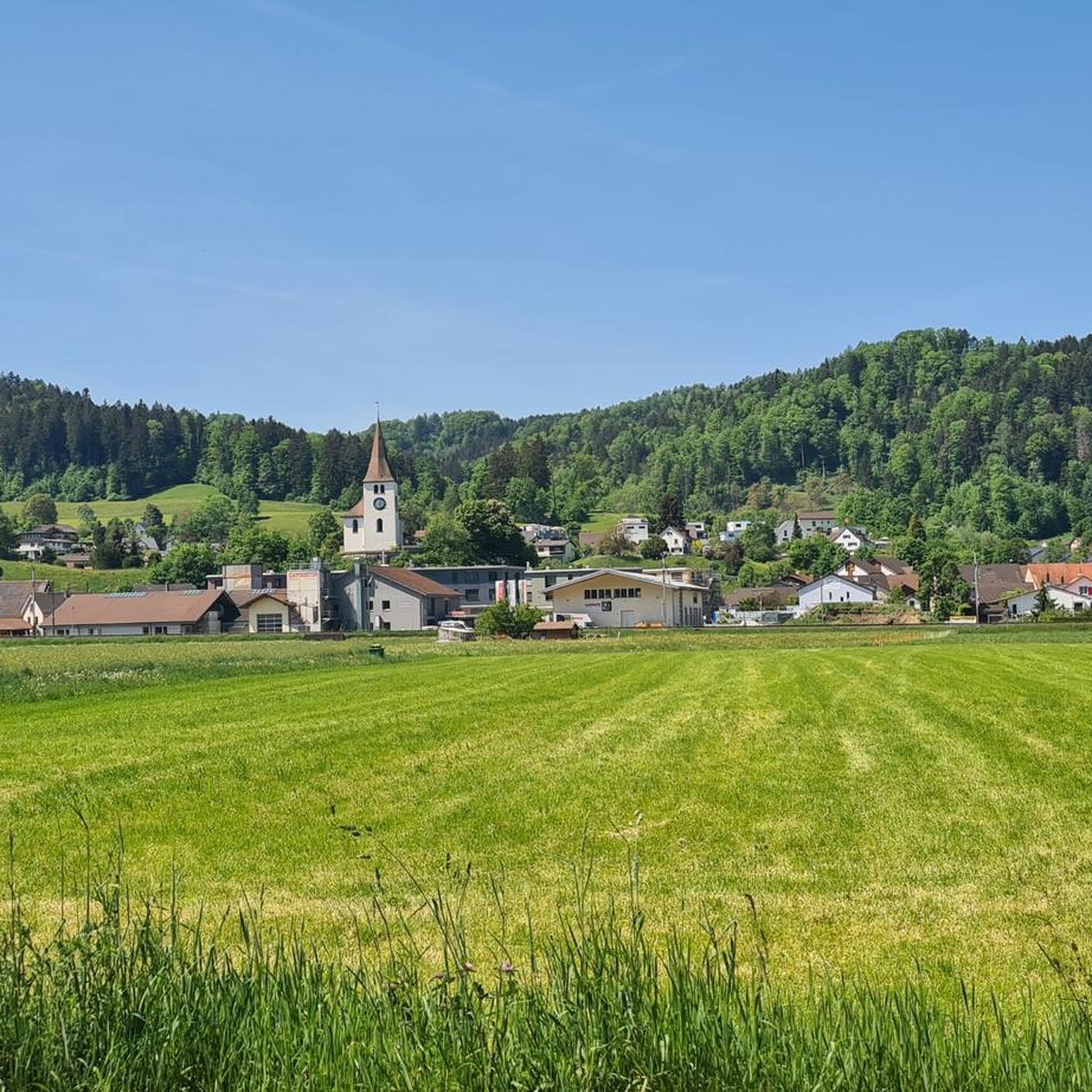
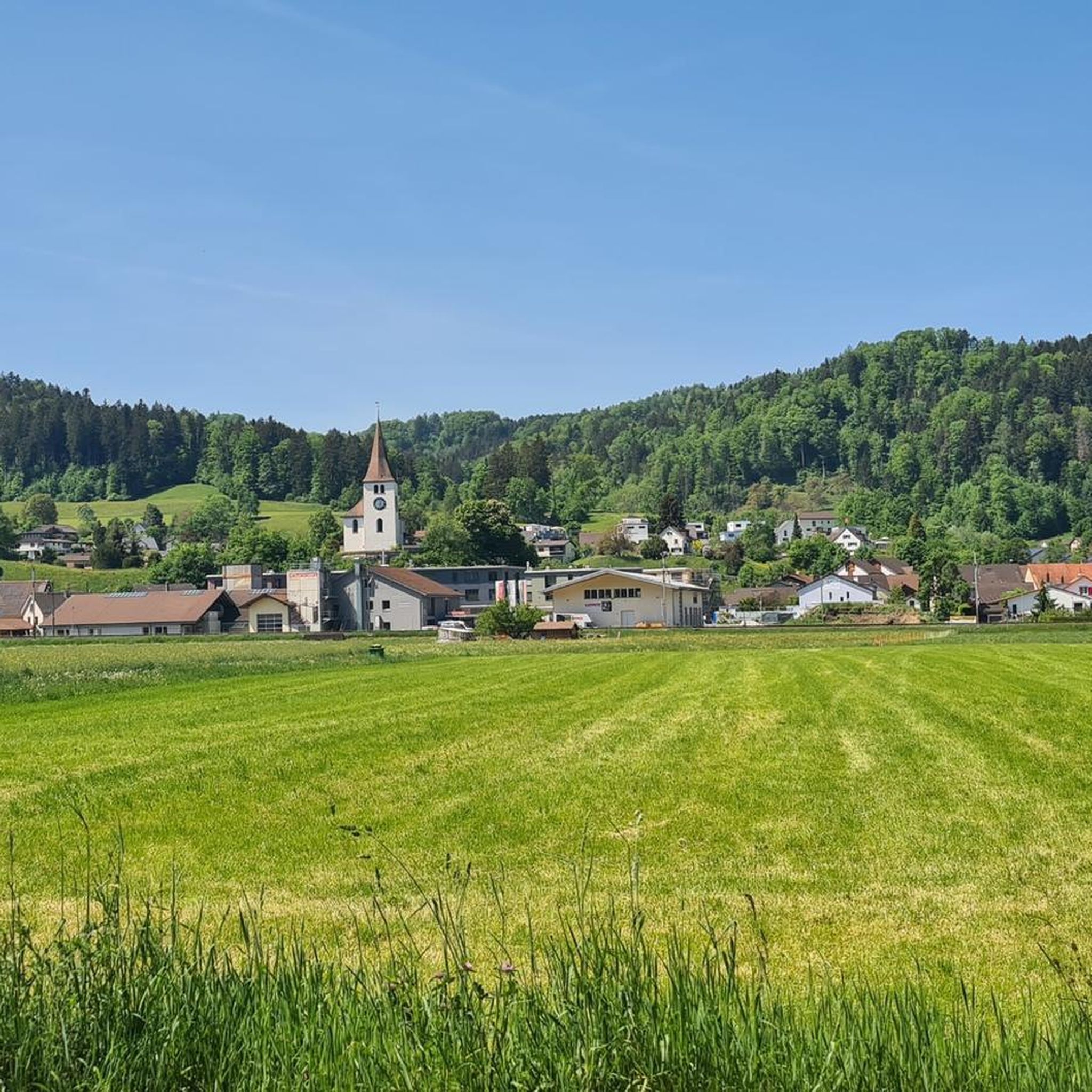
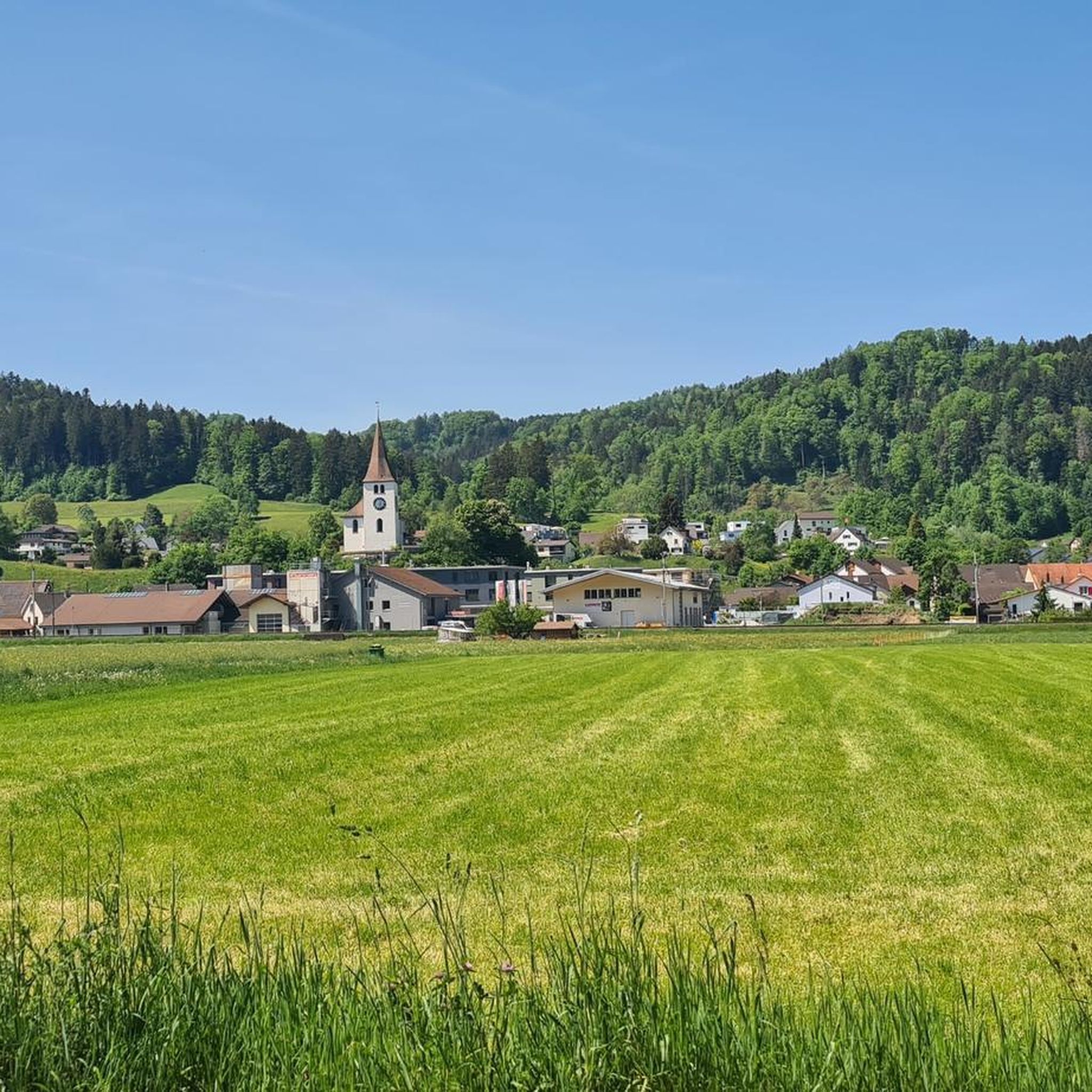
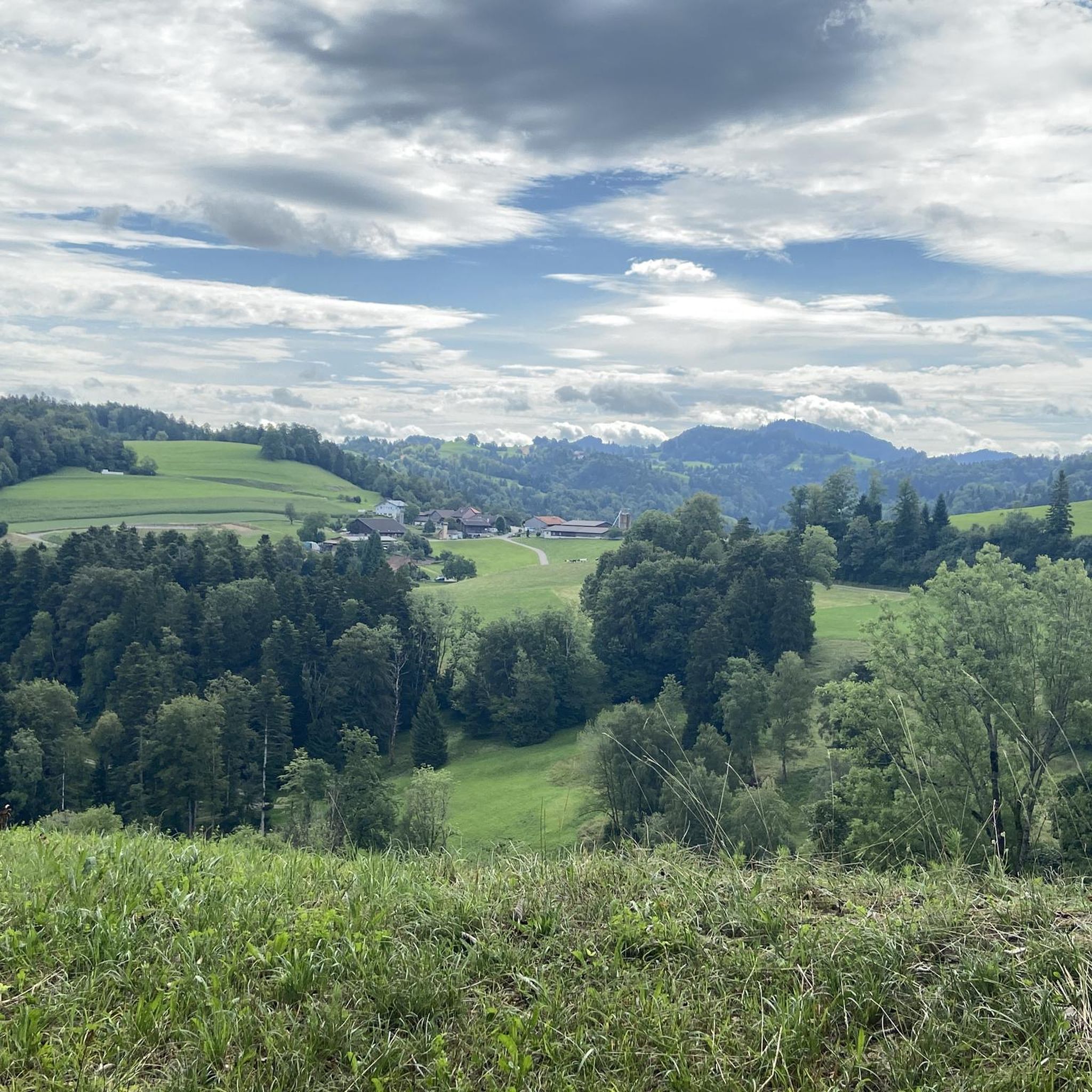
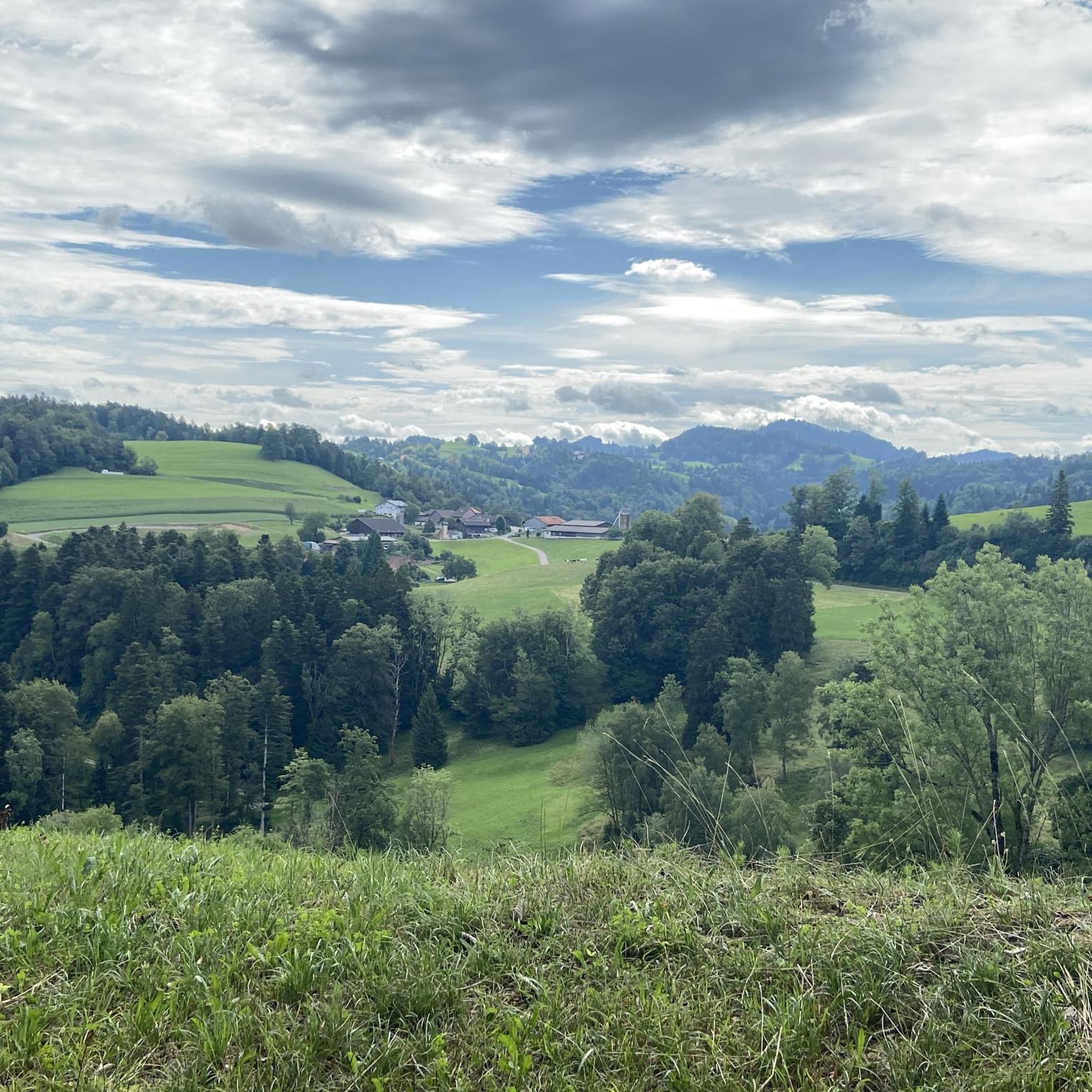
From here you have a great view of the Säntis... fantastic with distant views...
2
0

Idyllic pond near Tänikon Monastery. Several rest areas with benches.
1
0

The canton Thurgau/St. Gallen is about 3 m away and 2 m lower than the Groot vantage point, which is already in the canton of St.Gallen. Well, bad luck 🤨
3
0
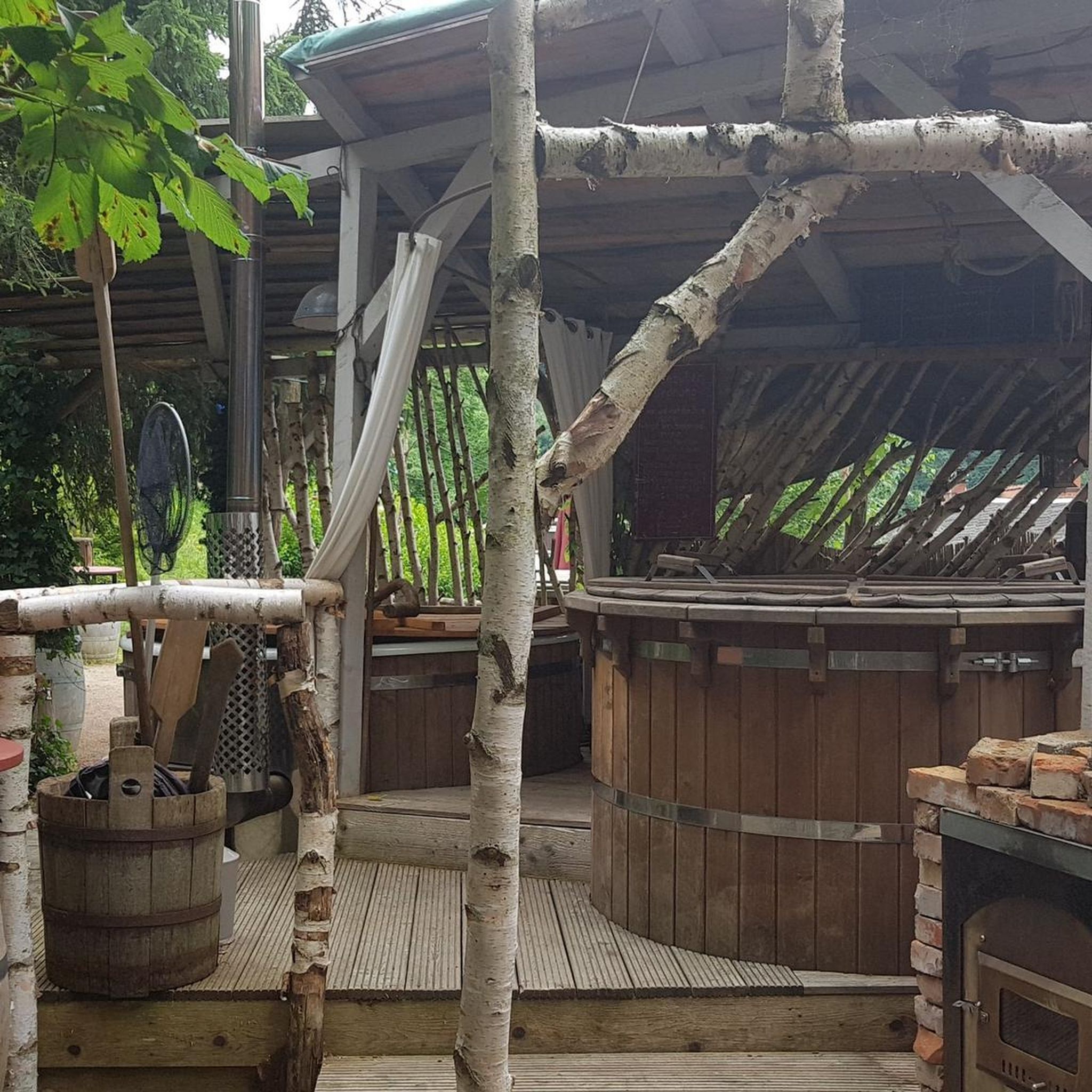
The ideal place to take a break... there is even a barbecue area with wood...
2
0
Frequently Asked Questions
What types of natural monuments can I explore around Wila?
The Wila region, situated in the Zurich Oberland and Töss Valley, offers a diverse range of natural monuments. You can find beautiful lakes like Lake Bichel and the Pfäffikersee Circular Trail, impressive waterfalls such as the Bäntal Waterfall and Metal Staircase, and unique rock formations like the tufa spring at Tüfels Chilén.
Are there family-friendly natural monuments in the Wila area?
Yes, several natural monuments around Wila are suitable for families. Lake Bichel is a lovely bathing lake in summer, offering a peaceful natural setting. The Pfäffikersee Circular Trail is also family-friendly, providing comfortable paths around the lake with views of nature and moorland. The Bäntal Waterfall and Metal Staircase is also noted as family-friendly, offering an engaging walk.
What are some unique geological features or rock formations to see near Wila?
Near Wila, you can discover unique geological formations. The Tüfels Chilén is a rare rock formation from Quelltuff (tufa), formed by a natural spring. This site also has a historical connection to 19th-century tuff stone quarries. The Bäntal Waterfall and Metal Staircase features a metal staircase built into a gorge, leading to a waterfall, showcasing how human engineering can interact with natural rock formations.
Can I find good hiking trails near Wila's natural monuments?
Absolutely. The region around Wila is excellent for hiking. The Pfäffikersee Circular Trail is a popular circular hike offering great views. For more extensive hiking options, you can explore various routes in the area, including moderate to difficult trails like the 'Hintereggen – Hunter's Hut loop from Turbenthal' or the 'Forest Stream in Zurich – Hutziker Gorge Trail loop from Turbenthal'. You can find more details on these and other hiking routes on the Running Trails around Wila guide.
What is the best time of year to visit the natural monuments around Wila?
The natural monuments around Wila offer different experiences throughout the year. Summer is ideal for swimming at Lake Bichel and enjoying the lush greenery. The Bäntal Waterfall can be particularly refreshing on warmer days. In the winter half-year, places like Lake Bichel provide a quiet natural setting, perfect for peaceful walks.
Are there any historical or cultural aspects associated with Wila's natural monuments?
Yes, some natural monuments in the Wila area have historical significance. For instance, Tüfels Chilén was believed to be a pagan spring sanctuary in pre-Christian times and later became a site for tuff stone quarrying in the 19th century. The Pfäffikersee Circular Trail also passes by the romantic farming village of Seegräben with its typical half-timbered houses, offering a glimpse into earlier times, and the stately Roman fort appears on the horizon.
How can I reach the natural monuments around Wila using public transport?
While specific public transport details for each monument are best checked locally, Wila is part of the Zurich Oberland, which generally has good public transport connections. The Pfäffikersee Circular Trail, for example, starts from Pfäffikon ZH, which is easily accessible. For detailed planning, it's recommended to check local transport schedules for routes to the specific starting points of your chosen natural monument or trail.
Are there options for cycling or mountain biking near Wila's natural monuments?
The Wila region offers excellent opportunities for both cycling and mountain biking. You can find various routes, such as the 'Kyburg Castle – Töss Cycling Route loop from Wila' for touring bicycles, or mountain bike trails like the 'Lake Bichel – Hutziker Gorge Trail loop from Wila'. These routes often pass by or near natural features. More details on these activities can be found in the Cycling around Wila guide and the MTB Trails around Wila guide.
Where can I find a peaceful lake to visit near Wila?
For a peaceful lake experience near Wila, Lake Bichel is an excellent choice. It's known for its tranquil environment, offering a lovely bathing spot in summer and a quiet natural setting during the colder months. The Pfäffikersee Circular Trail also provides serene views of Lake Pfäffikersee, with its reed belts and moorland landscapes.
What do visitors particularly enjoy about the natural monuments in Wila?
Visitors to Wila's natural monuments appreciate the diverse landscapes and the opportunities for outdoor activities. The Bäntal Waterfall and Metal Staircase is highly praised for its unique walk through the valley and the chance to cool off. The Pfäffikersee Circular Trail is loved for its great views of mountains and nature, while Lake Bichel is valued for its peaceful environment and bathing opportunities.
Are there any natural monuments around Wila that are less known or 'hidden gems'?
While the guide highlights popular spots, the Tüfels Chilén, with its rare tufa rock formation and historical context as a former pagan sanctuary, could be considered a hidden gem for those interested in unique geological and cultural sites off the main tourist path. It offers a fascinating glimpse into the region's natural and historical past.
What is the highest point in the canton near Wila that is considered a natural monument?
The Groot, at 991.1 meters, is recognized as the highest point in the Canton of Thurgau, making it a notable natural monument. While technically the ridge a bit further on is slightly higher and located in the Canton of St. Gallen, the Groot itself offers a significant elevation and is part of the idyllic Tössberg region, providing expansive views.
Most popular routes around Wila
Most popular attractions around Wila

Get inspired with the komoot mobile app


Explore more
Extend your search for the best caves by checking out these guides of the top ones around Wila:
