Top 20 Natural Monuments around the Dora Baltea
Best natural monuments around the Dora Baltea include the river itself, its glacial origins, and unique geological formations. The Dora Baltea river, originating from glaciers in the Mont Blanc area, carves through the Aosta Valley and Piedmont, offering diverse natural landscapes. This region features significant morainic amphitheatres, protected nature reserves, and numerous glacial lakes. These natural features provide opportunities for various outdoor activities and observation of unique ecosystems.
Best natural monuments around the Dora Baltea
- The most popular natural monuments…
Last updated: July 10, 2026
Lake Pistono and the Archaeological Park of the Stilt Houses
Highlight • Lake
Translated by Google •
Tip by

The Dancing Lands
Highlight • Natural Monument
Translated by Google •
Tip by

Sign up now to discover places like this
Get recommendations on the best single tracks, peaks, & plenty of other exciting outdoor places.
Sign up for free
Lake Ville
Highlight • Lake
Translated by Google •
Tip by

Black Lake
Highlight • Lake
Translated by Google •
Tip by

Burnel di Nomaglio
Highlight • Natural Monument
Translated by Google •
Tip by

Les Iles Nature Reserve
Highlight • Natural Monument
These lakes now provide refuge …
Translated by Google •
Tip by

Ancient Petit Rouge Vine
Highlight • Natural Monument
Translated by Google •
Tip by

Lago San Michele
Highlight • Lake
Translated by Google •
Tip by

View of the Brenva Glacier
Highlight • Viewpoint
Translated by Google •
Tip by

Lago Sirio
Highlight • Lake
Translated by Google •
Tip by
Sign up for free to discover even more natural monuments around the Dora Baltea.
Sign up for free
Already have an account?
Start today with a free account
Your next adventure awaits.
Login or Signup
Popular around Dora Baltea
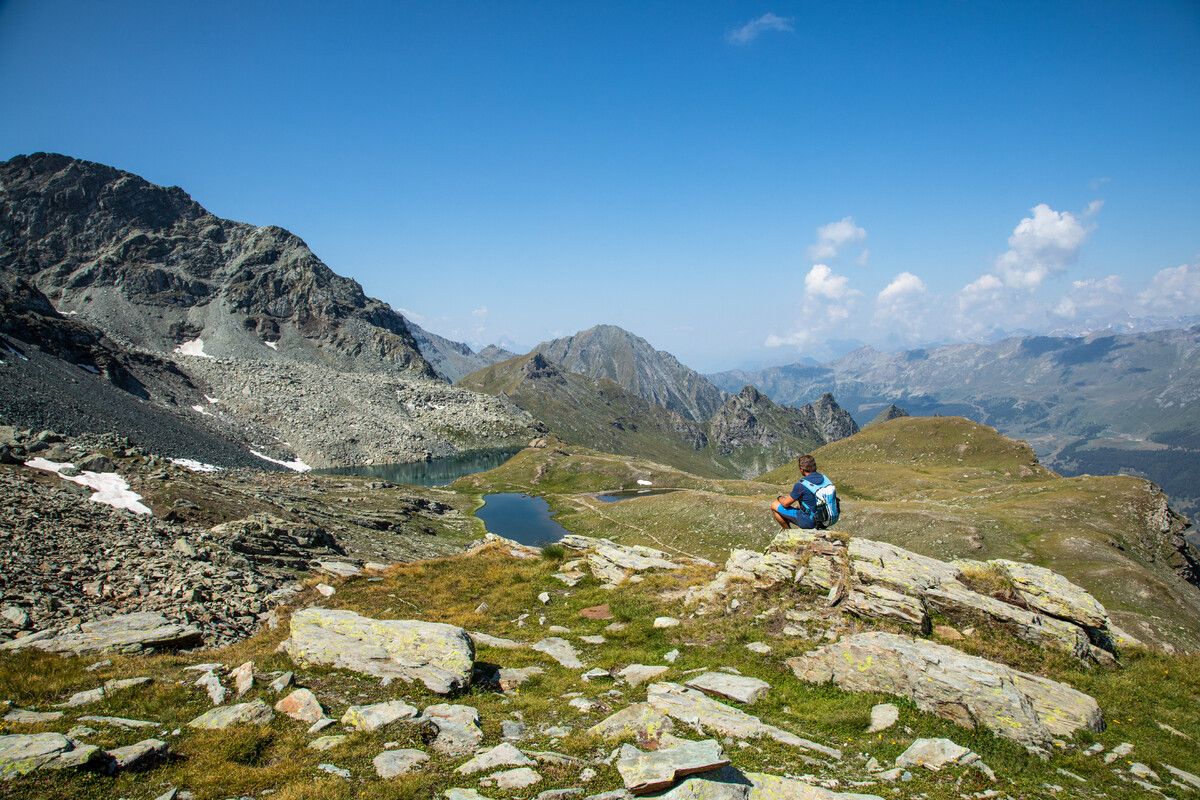
Alta Via n. 1 of the Aosta Valley — a walk among Italian giants
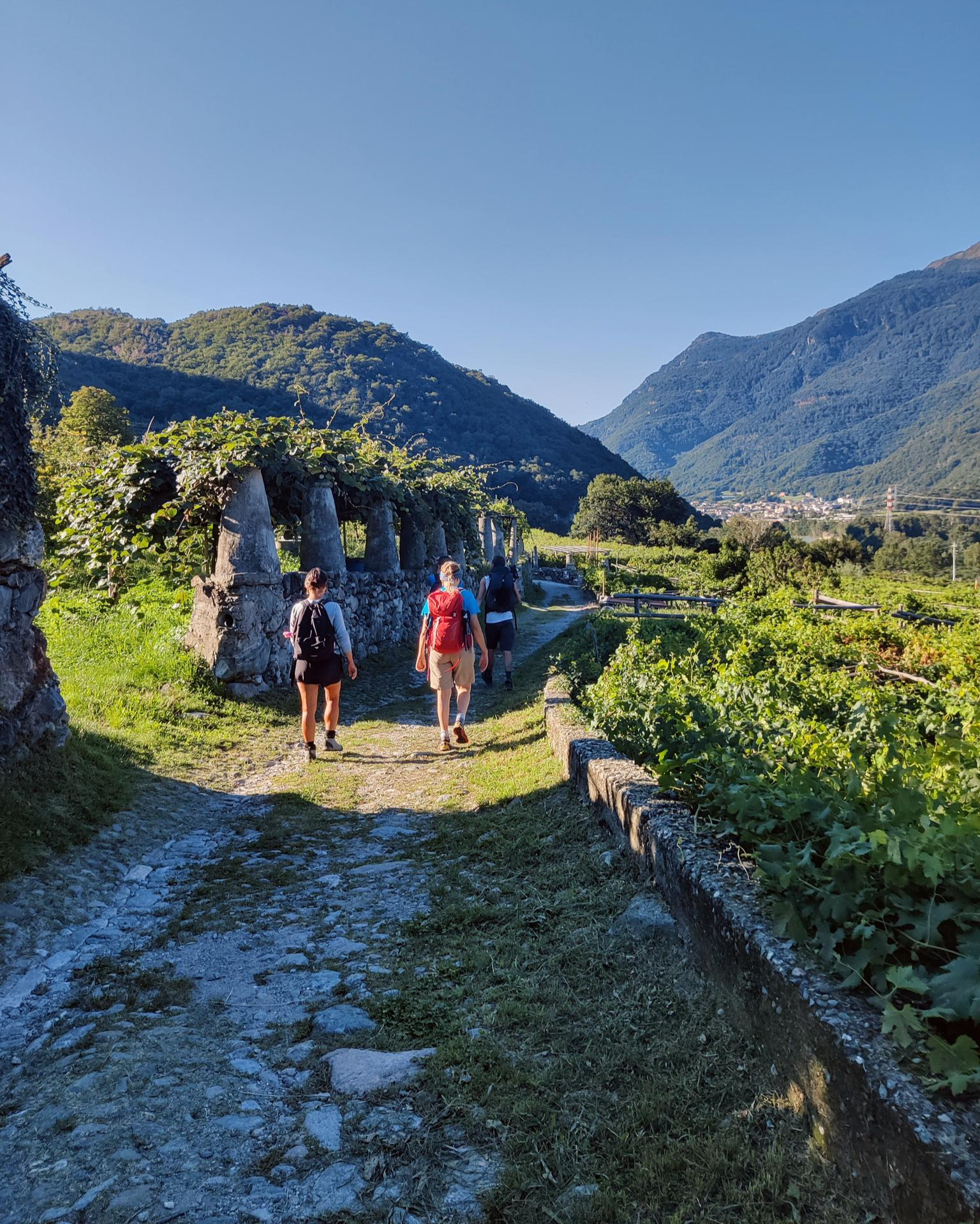
Piemont's Via Francigena
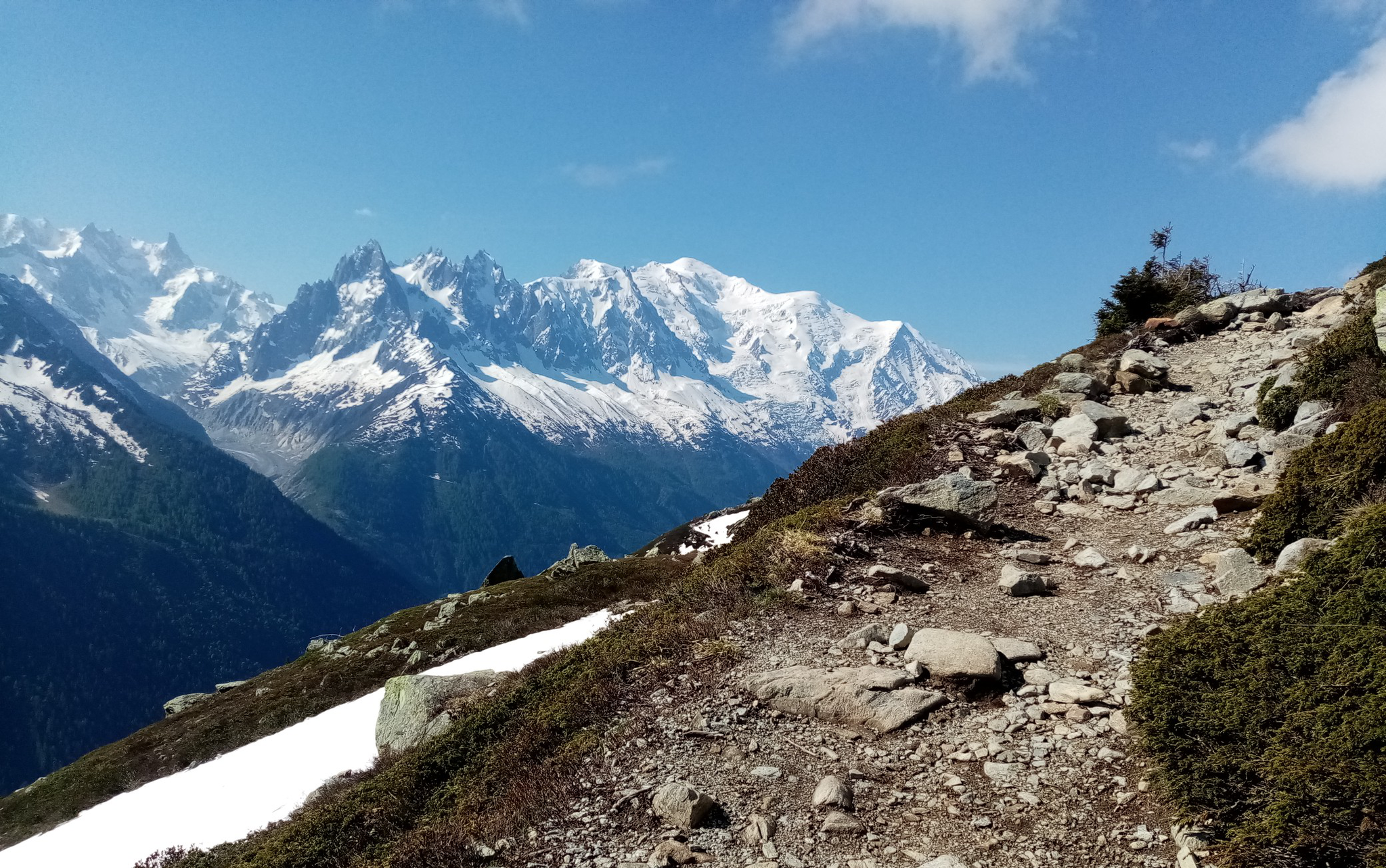
Ultra-Trail du Mont-Blanc – following the footsteps of legends
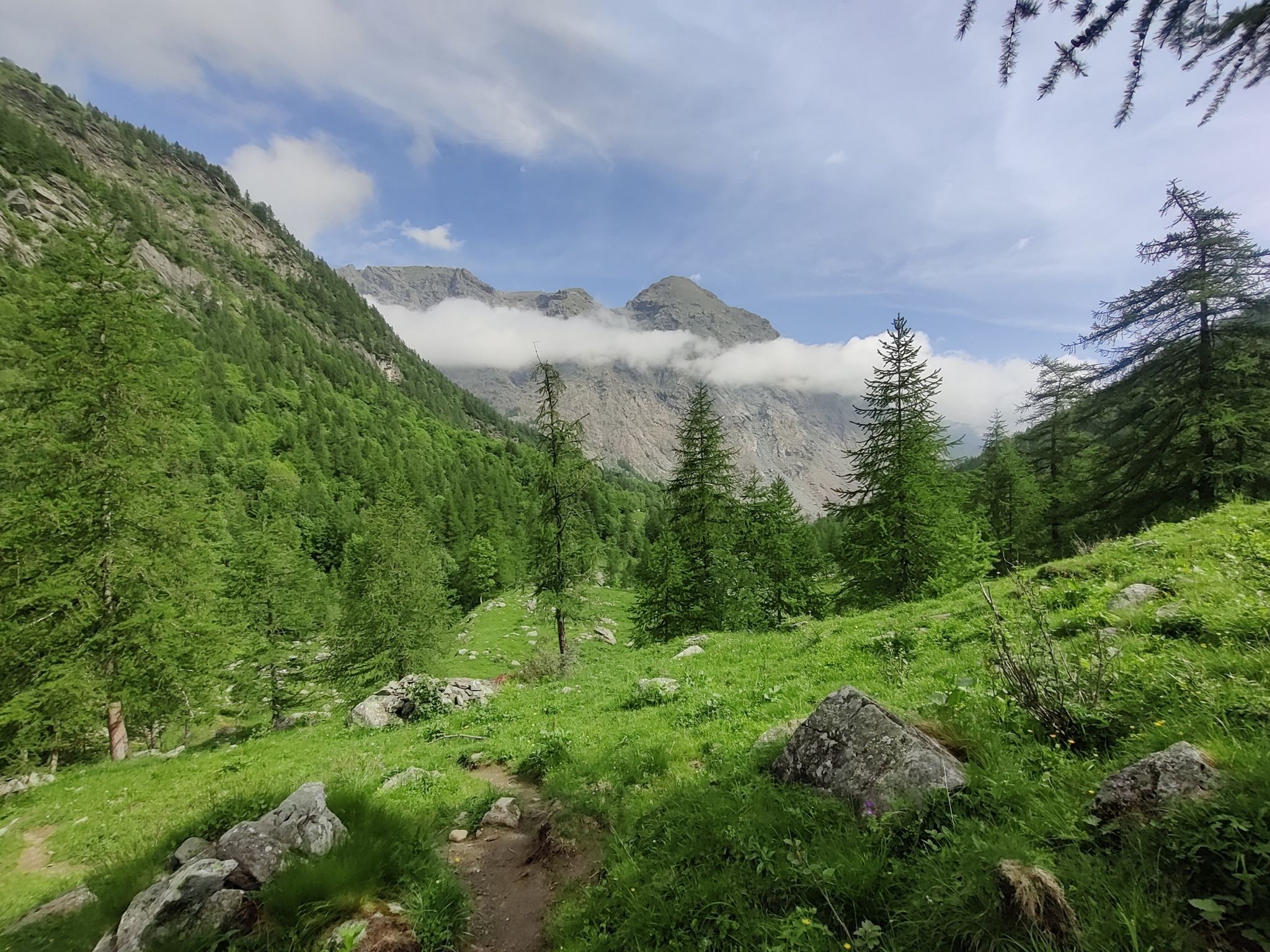
GTA Central Piedmont – Dense forests, lakes and impressive waterfalls
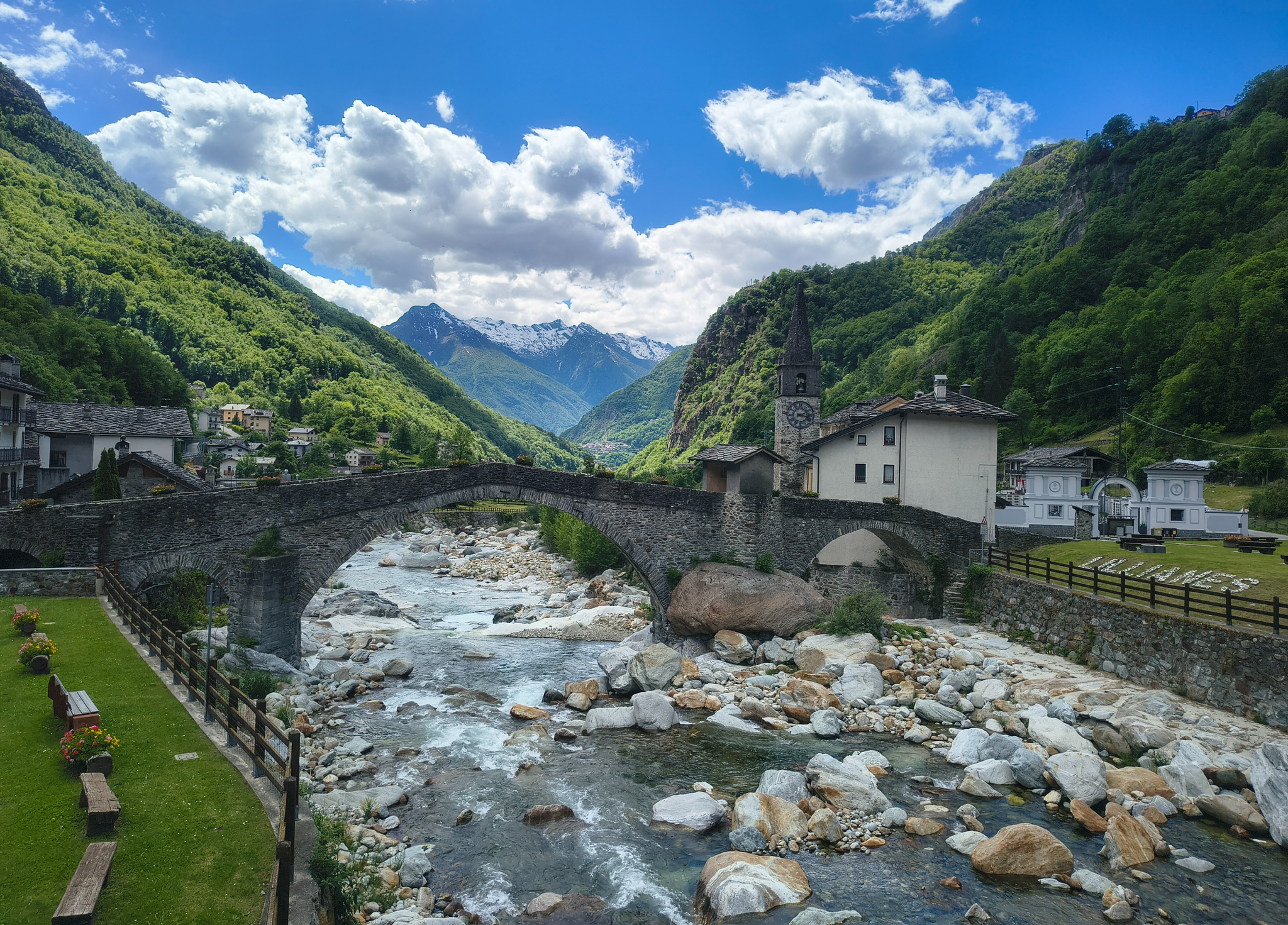
Three days on the Cammino Balteo – The historic Aosta Valley
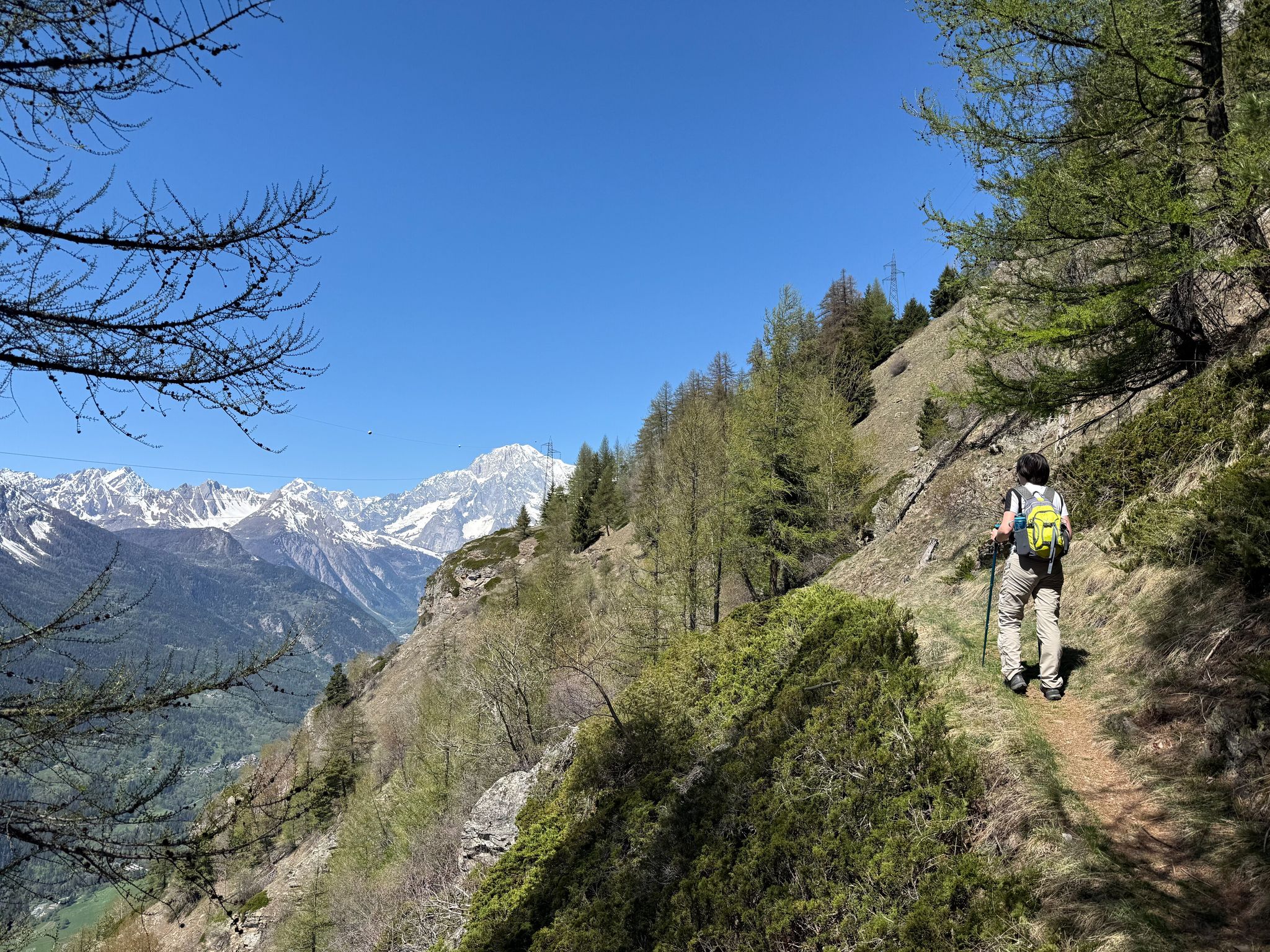
Cammino Balteo – castles, vineyards and trails of the Aosta Valley
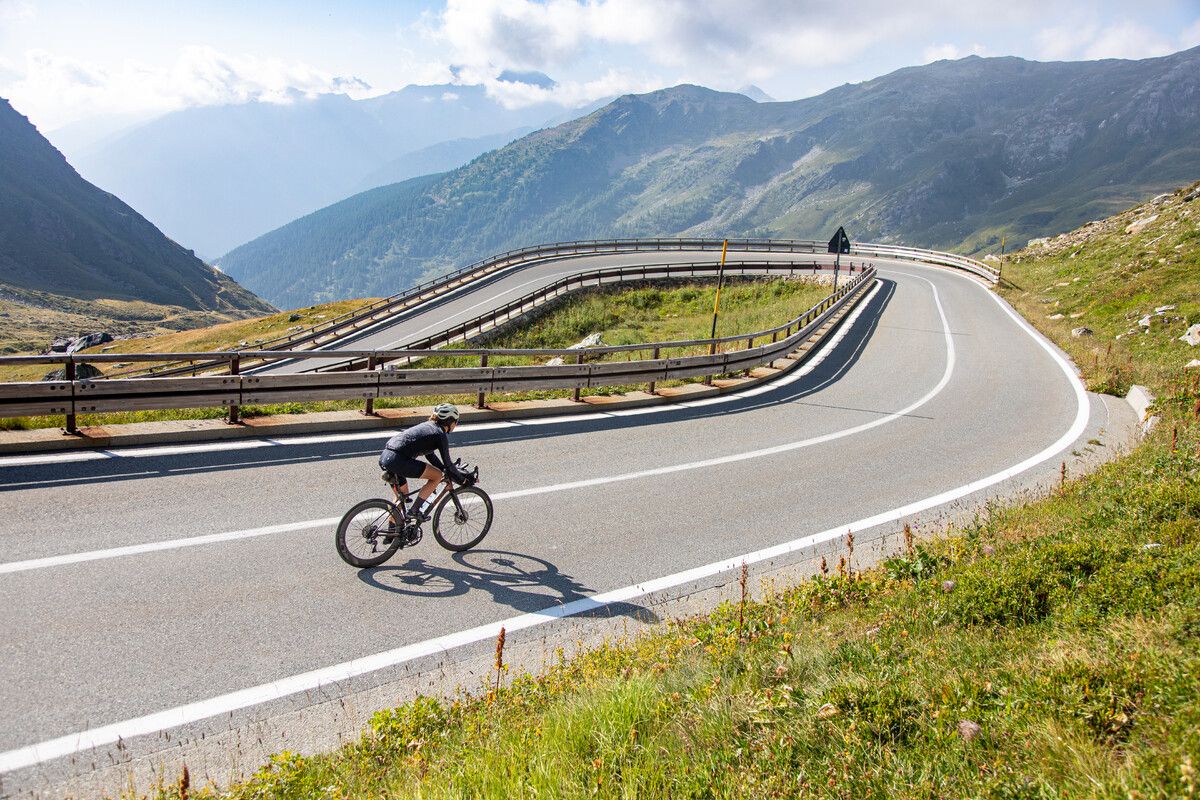
Road cycling in the Aosta Valley – major climbs and alpine routes
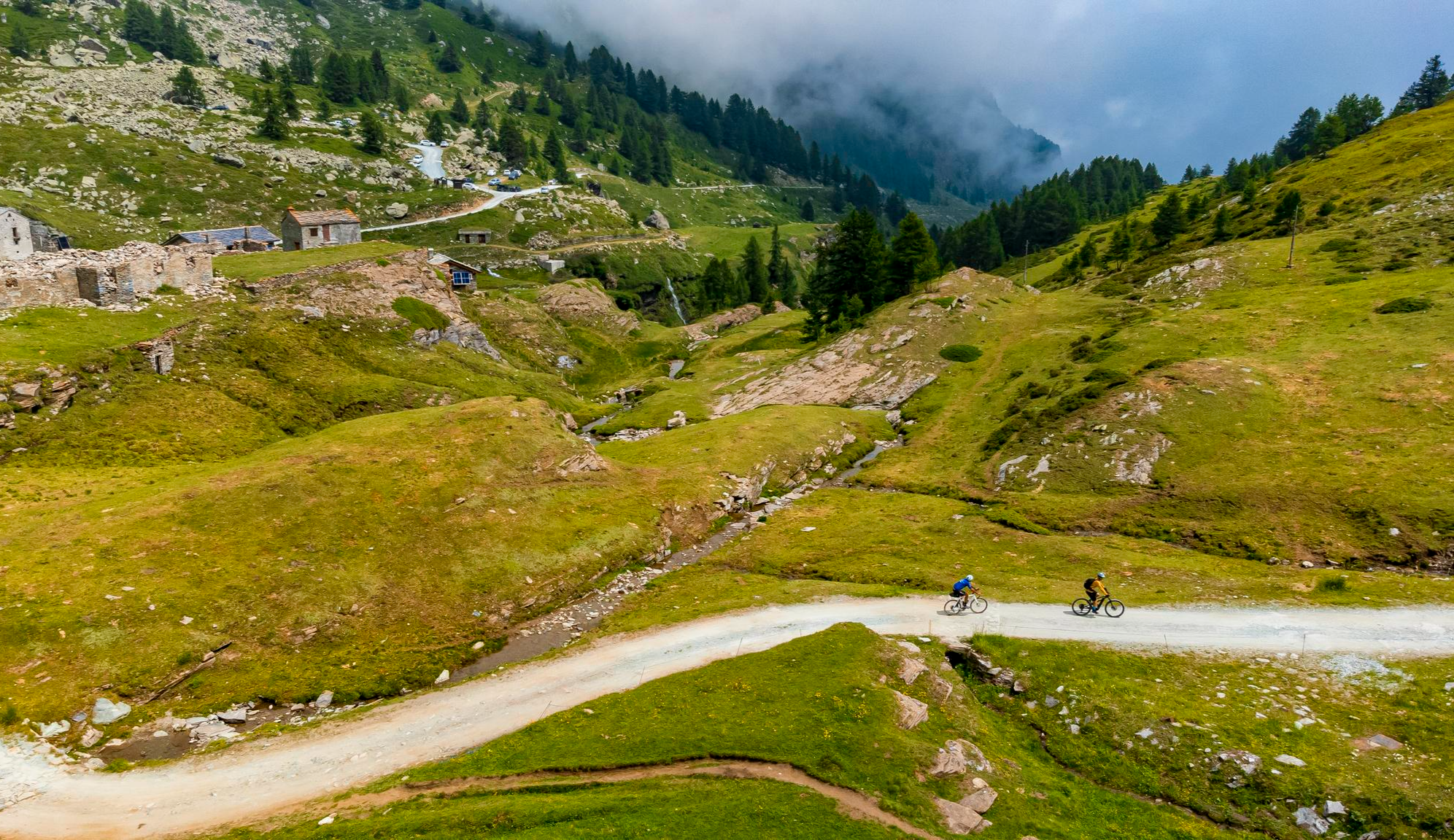
Must-do gravel routes in the Aosta Valley – the heart of the Italian Alps
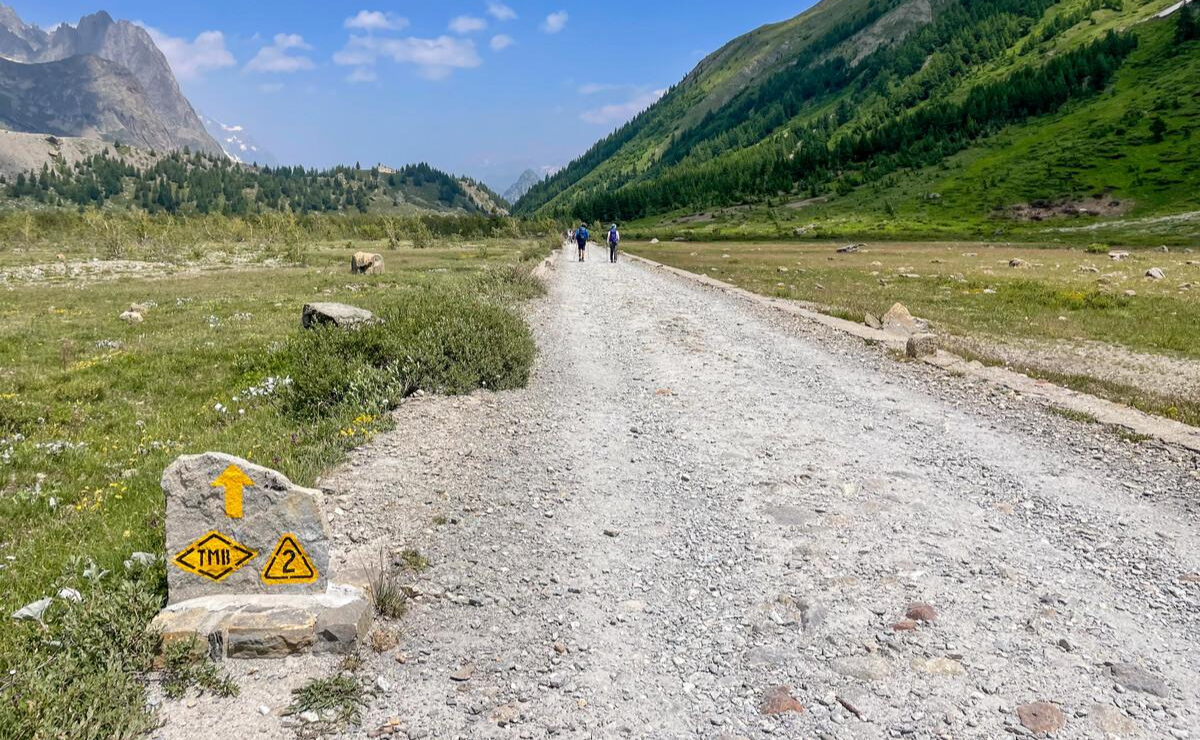
Alta Via n. 2 of the Aosta Valley — high peaks and beautiful valleys in Italy
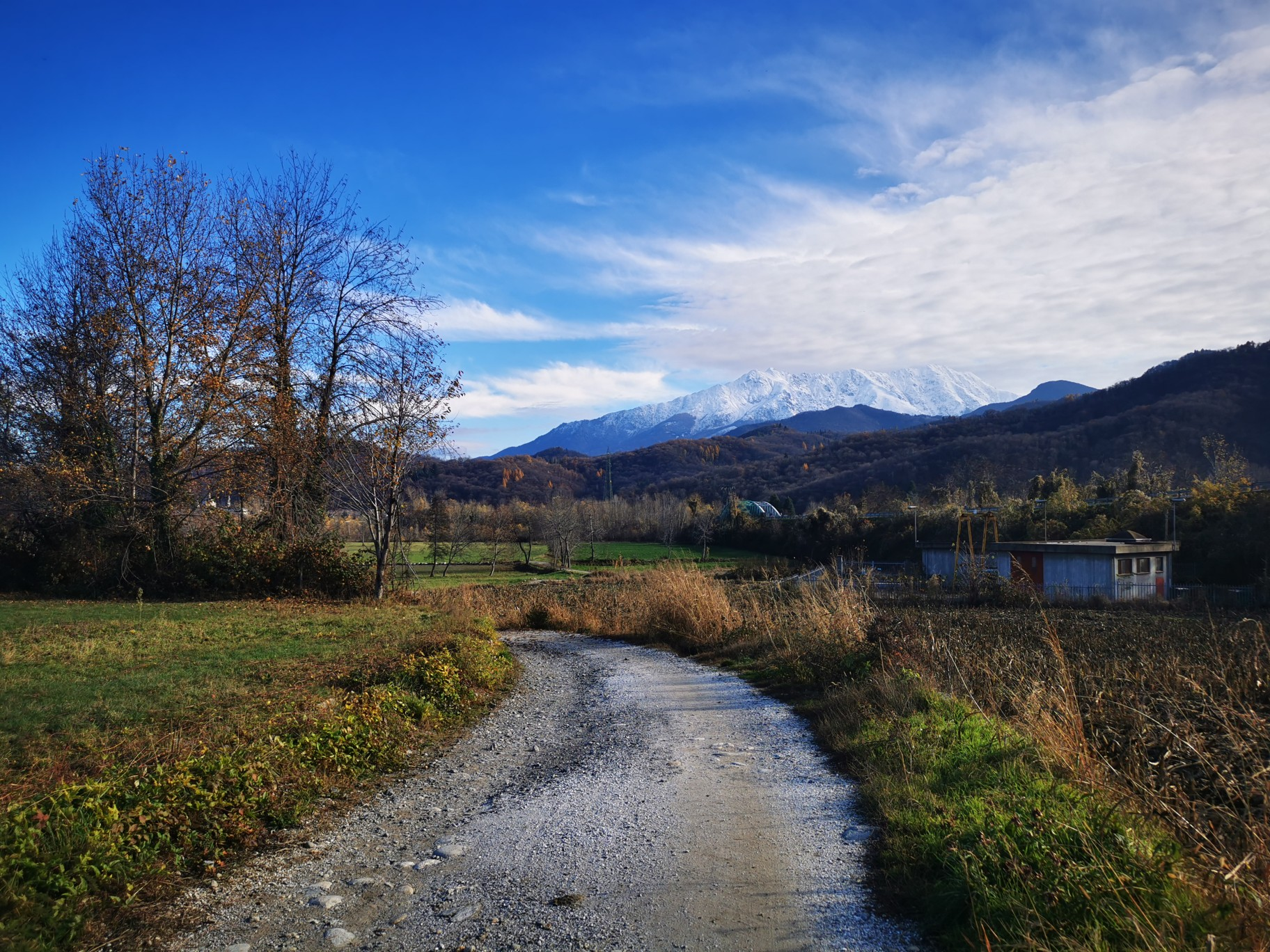
The alpine northwest – mountain gravel between Piedmont and the Aosta Valley
Other adventures around the Dora Baltea


Tips from the Community

The Burnel is an ancient cup-marked stone located halfway along Via Maestra, the road that crosses the center of Nomaglio. On its surface, the cup marks engraved in prehistoric times are still visible, small hemispherical cavities whose exact function remains a subject of debate among scholars — perhaps linked to propitiatory rites or cult practices. In more recent times, the stone was adapted into a fountain, with a basin carved out for water, and on the stone, you can also observe the grooves left by the blades and knives that the villagers used to come here to sharpen. The name "burnel" indicates precisely this: a fountain with a stone basin. It is an object that, in a few square centimeters, tells of centuries of daily use superimposed on prehistoric traces, and has accompanied the life of the village for times much older than the stone houses with the typical Canavese arches that surround it.
0
0

For mountain biking, the various trails you can explore are truly spectacular. It's hard to say which is the most beautiful!
0
0


Nomaglio is a small but pleasant, characteristic village that deserves a quick stop and a bike ride.
0
0
The five lakes of the moraine amphitheater are beautiful, each with its own unique characteristics. They're all worth exploring, preferably on foot, but some are also accessible by mountain bike. If you'd like to learn more about them, please contact me - Piero7
0
0

Plain with a view, a short stop is worthwhile.
0
0

finding peace like this place elsewhere, if you go there during the week, is very difficult
0
0
Frequently Asked Questions
What are some of the most unique natural monuments to visit around the Dora Baltea?
The Dora Baltea region offers several unique natural monuments. One fascinating spot is The Dancing Lands, a small forest near Ivrea where the peat soil rests on water, creating an elastic, bouncing sensation when walked upon. Another significant feature is the Dora Baltea river itself, originating from the Pré de Bar and Miage Glaciers in the Mont Blanc area, which is a natural monument showcasing powerful alpine geological processes.
Are there any natural monuments suitable for families with children?
Yes, several natural monuments are family-friendly. Lake Pistono and the Archaeological Park of the Stilt Houses is a great option, offering splendid lake views and a reconstruction of an ancient village. Lake Ville is also highly recommended, featuring a wheelchair-accessible walkway right above the lake, making it inclusive for all. Additionally, Lago Sirio provides a promenade and bathing establishments, perfect for a family day out.
What kind of wildlife and ecosystems can I observe in the natural reserves?
The natural reserves along the Dora Baltea protect diverse ecosystems. At Les Îles Nature Reserve, you can observe a crucial stopover and feeding ground for migratory birds, as well as amphibians, reptiles, and various fish. The Marais Nature Reserve offers lush riverine flora like reeds, alders, and willows, while Lo Tsatelet Natural Reserve is excellent for birdwatching, especially for birds of prey during migratory periods. The Holay Pond Nature Reserve is notable for its wetlands and rare amphibian species.
Are there opportunities for hiking or other outdoor activities near these natural monuments?
Absolutely. The Dora Baltea region is excellent for outdoor activities. You can find numerous hiking trails, including the popular Lake Sirio and Terre Ballerine Loop Trail. For more challenging adventures, explore the mountain hikes around the Dora Baltea, such as the Blue glacial river flowing past Mont Blanc – Miage Glacier and Lake loop. The Dora Baltea river itself is renowned for whitewater sports like rafting and kayaking.
What is the best time of year to visit the natural monuments around the Dora Baltea?
The best time to visit largely depends on your preferred activities. For whitewater sports on the Dora Baltea, May to June offers the best conditions due to increased snowmelt. For hiking and enjoying the scenic beauty, late spring through early autumn (May to October) generally provides pleasant weather. Birdwatching is particularly rewarding in spring and autumn at reserves like Lo Tsatelet.
Can I find any historical or cultural sites integrated with the natural monuments?
Yes, some natural monuments have historical significance. Lake Pistono and the Archaeological Park of the Stilt Houses features a full-scale reconstruction of an ancient village from 6500 years ago, offering a glimpse into how people lived. Additionally, the Ancient Petit Rouge Vine is a natural monument with historical ties to local viticulture.
What are the glacial origins of the Dora Baltea river and where can I see them?
The Dora Baltea river originates from the confluence of two glacial streams: the Dora di Ferret, fed by the Pré de Bar Glacier, and the Dora di Veny, fed by the Miage Glacier. Both are located in the majestic Mont Blanc area. You can experience the grandeur of these origins and the surrounding alpine environment, for example, by visiting viewpoints like the View of the Brenva Glacier.
Are there any natural monuments that are particularly good for photography?
Many natural monuments in the Dora Baltea region offer stunning photographic opportunities. The glacial lakes, such as Black Lake and Lago di Campagna, are immersed in picturesque woods and offer beautiful reflections. The Ivrea Morainic Amphitheatre, with its glacial lakes and surrounding hills, provides vibrant colors throughout the seasons, making it ideal for landscape photography.
What is the Ivrea Morainic Amphitheatre and what natural features does it contain?
The Ivrea Morainic Amphitheatre (IMA) is a monumental geological formation in Piedmont, shaped by the Dora Baltea glacier during the Quaternary glaciations. It's one of Italy's largest morainic amphitheatres. Within this area, you'll find unique features like The Dancing Lands and the Five Lakes of Serra d'Ivrea, which include Lago San Michele, offering beautiful glacial lake scenery.
What do visitors enjoy most about the natural monuments around the Dora Baltea?
Visitors particularly enjoy the diverse natural beauty and unique experiences. Many appreciate the peculiar sensation of walking on The Dancing Lands. The stunning views from lakes like Lago Sirio and Lake Pistono, often with ancient castles in the backdrop, are also highly praised. The peaceful immersion in nature, whether hiking through forests or observing wildlife in reserves, is a common highlight.
Most popular routes around the Dora Baltea
Most popular attractions around the Dora Baltea

Get inspired with the komoot mobile app


Explore more
Extend your search for the best caves by checking out these guides of the top ones around the Dora Baltea:
