Paratge Natural d'Interès Nacional del Massís del Pedraforca
Paratge Natural d'Interès Nacional del Massís del Pedraforca
Top 8 Natural Monuments around Paratge Natural d'Interès Nacional del Massís del Pedraforca
Best natural monuments around Paratge Natural d'Interès Nacional del Massís del Pedraforca are centered on the iconic Pedraforca massif, known for its distinctive "U-shaped" silhouette formed by two main peaks. This region, part of the Cadí-Moixeró Natural Park, showcases impressive geological complexity resulting from millions of years of erosion. The dramatic north face and the adjacent Gresolet Valley, with its well-preserved fir and beech forests, contribute to the area's ecological value and scenic beauty. The landscape offers diverse natural features for exploration.
Best natural monuments around Paratge Natural d'Interès Nacional del Massís del Pedraforca
- The most popular natural monument is Pollegó Superior of Pedraforca (2,506 m), a summit that offers spectacular views of the emblematic mountain. This peak is part of Pedraforca's peculiar shape, characterized by two peaks separated by a large hill.
- Another must-see spot is Pedraforca Scramble, a climb that provides various options for ascent on the side of the gallows. Visitors can expect a direct climb, often busy but wide enough for different routes.
- Visitors also love Verdet Pass, a mountain pass. This location serves as a suitable place to rest and gather strength before continuing with challenging climbs.
- Paratge Natural d'Interès Nacional del Massís del Pedraforca is known for its summits, viewpoints, and unique geological formations. The area offers a variety of natural monuments to see and explore, from high peaks to forested valleys.
- The natural monuments around Paratge Natural d'Interès Nacional del Massís del Pedraforca are appreciated by the komoot community, with more than 50 upvotes and 30 photos shared across the highlights.
Last updated: May 14, 2026
Pollegó Superior of Pedraforca (2,506 m)
Highlight • Summit
Translated by Google •
Tip by

Pedraforca climbing section
Highlight • Climb
Translated by Google •
Tip by

Sign up now to discover places like this
Get recommendations on the best single tracks, peaks, & plenty of other exciting outdoor places.
Sign up for free
Pla de la Serra
Highlight • Viewpoint
Translated by Google •
Tip by
Verdet Pass
Highlight • Mountain Pass
Translated by Google •
Tip by

Coves dels Talibans
Highlight • Cave
We will enter the forest towards the Torrent de Cal Ninot. You have to be careful about the milestones as the road is not well paved and it is easy to get lost. In this case, we chose to climb some walls climbing straight to look for the entrance to the Taliban Caves.
The first cave consists of two or three ropes where you can secure or grab. There is not much difficulty in the steps as they are practically diagonal. From the top of the cave the views are spectacular. We will continue along a canal that will take us to a balcony, then we will go down about 5m around the wall on the left until we see the entrance to the second Cave or Big Hole of the Feixa Alta. Much bigger and longer. In this case, it is not necessary to climb as much, although it also consists of a pair of ropes.
Translated by Google •
Tip by

Start today with a free account
Your next adventure awaits.
Login or Signup
Popular around Paratge Natural d'Interès Nacional del Massís del Pedraforca
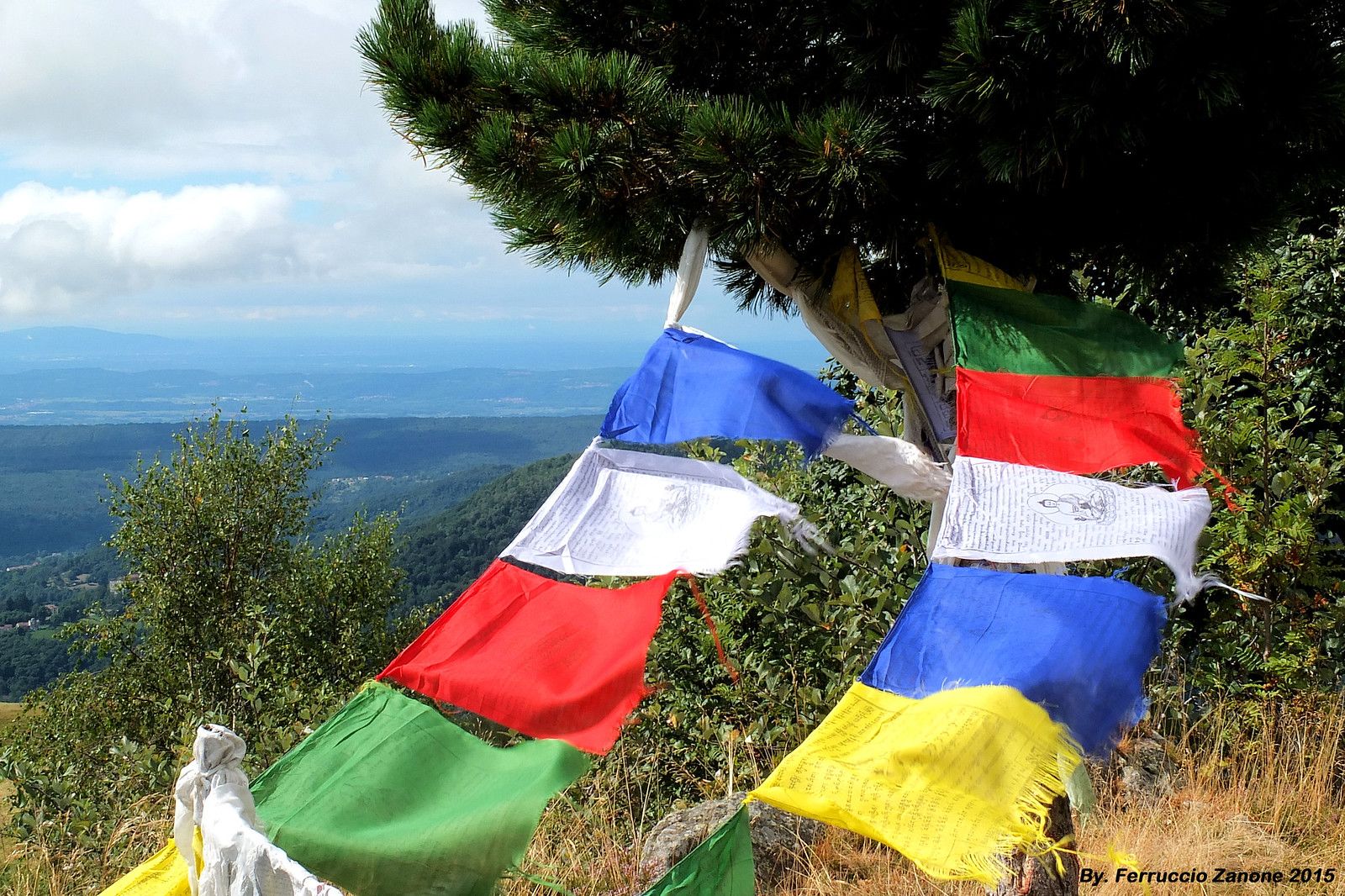
The symbol of Nepal in the Pyrenees – Cavalls del Vent
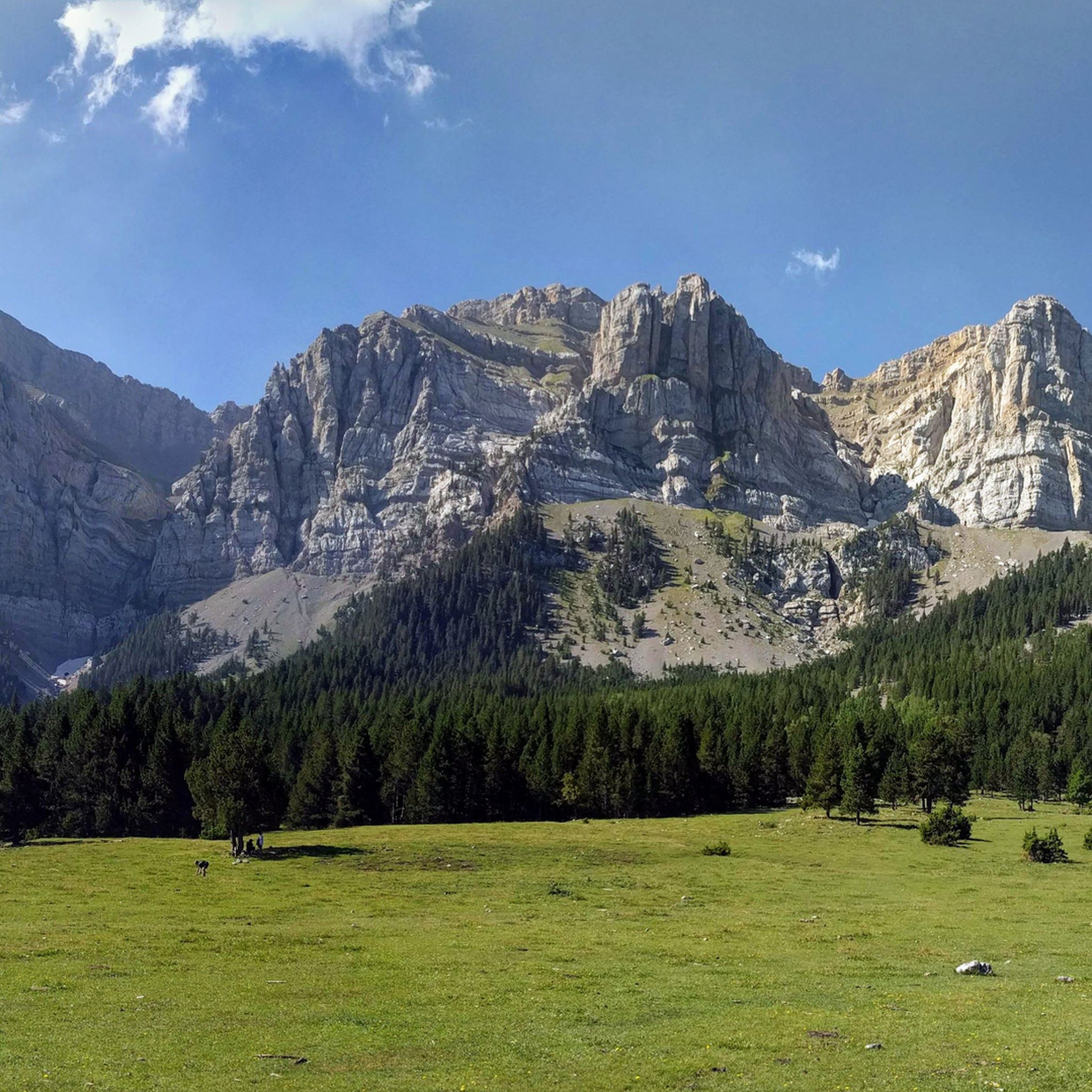
Hiking around Paratge Natural d'Interès Nacional del Massís del Pedraforca
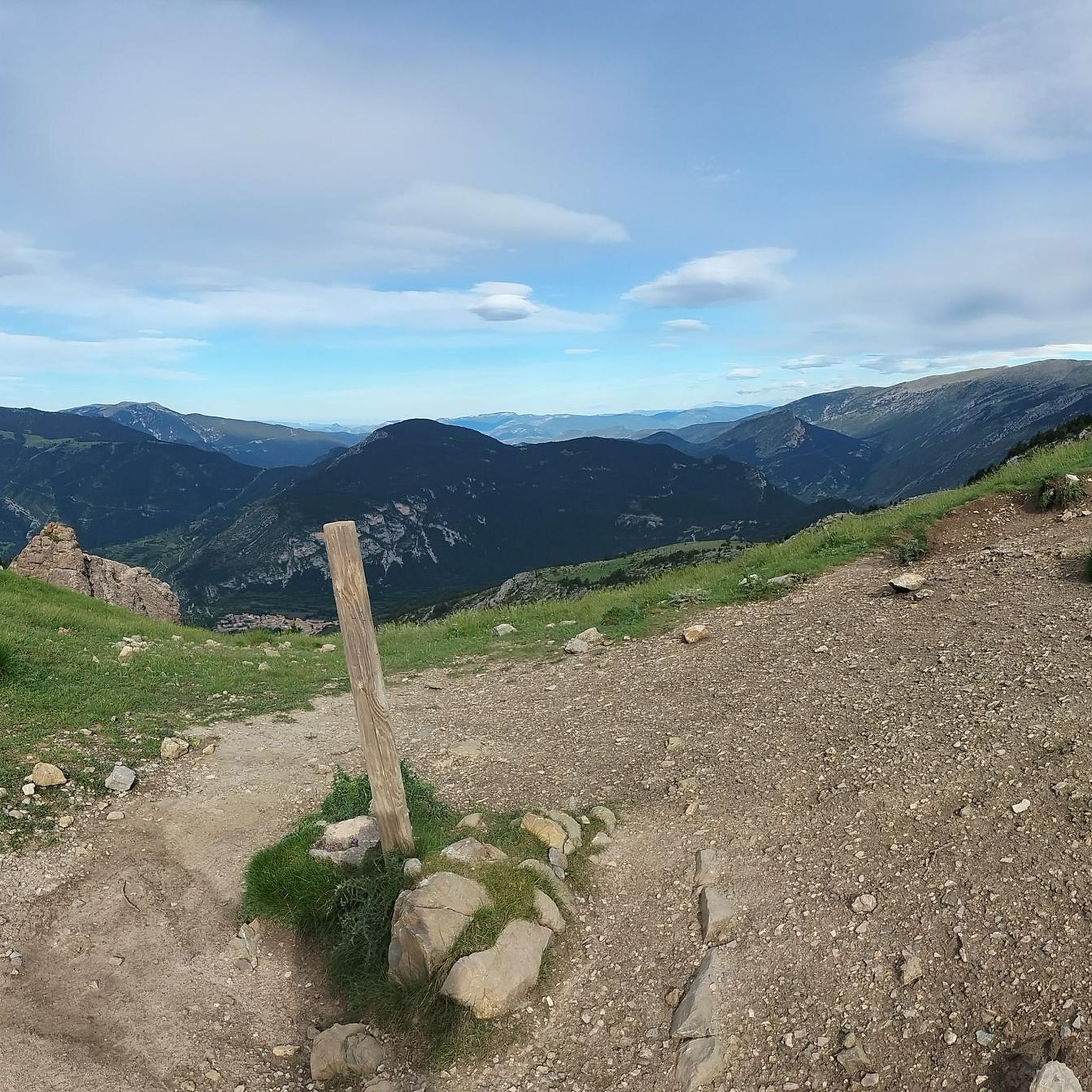
Running Trails around Paratge Natural d'Interès Nacional del Massís del Pedraforca
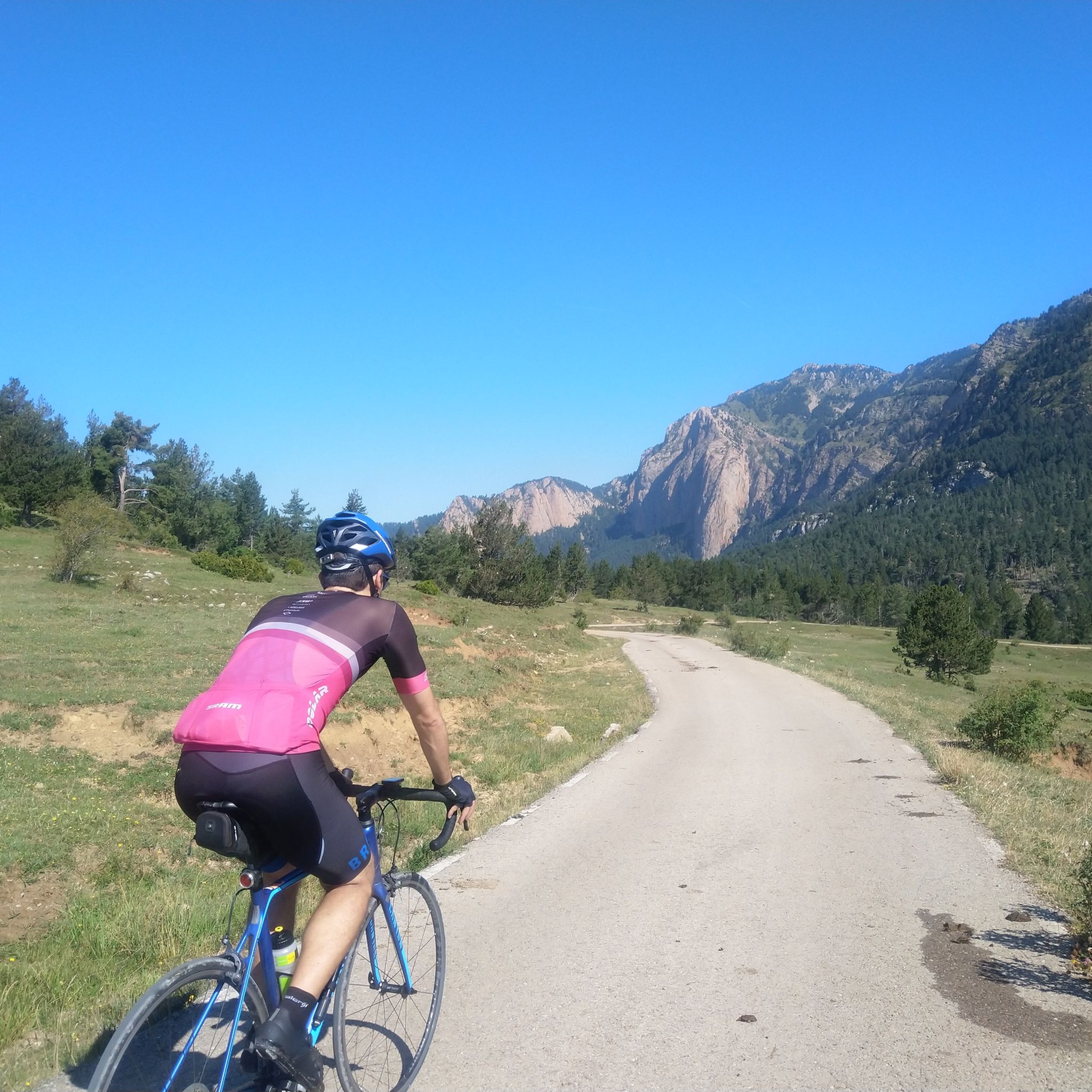
Road Cycling Routes around Paratge Natural d'Interès Nacional del Massís del Pedraforca
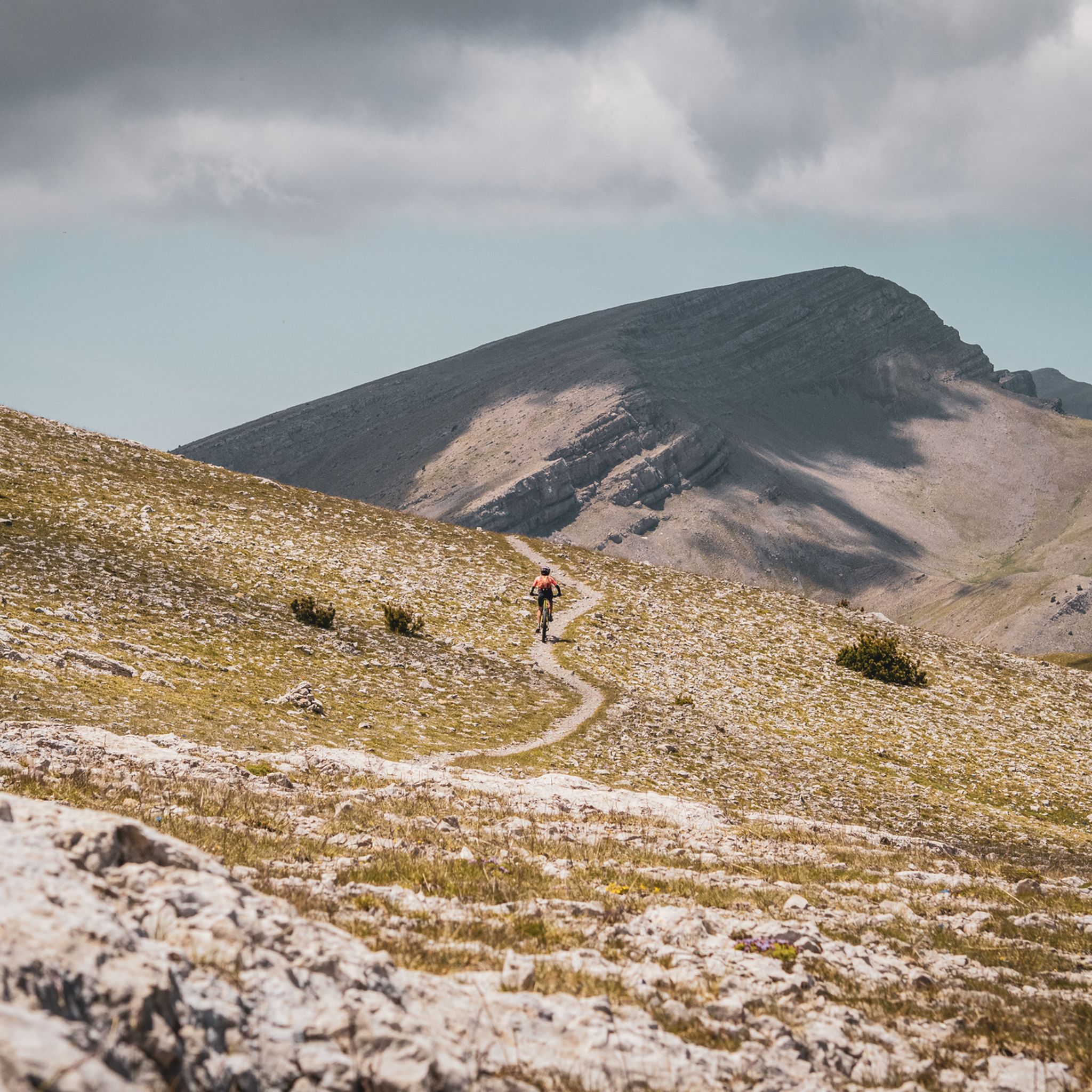
MTB Trails around Paratge Natural d'Interès Nacional del Massís del Pedraforca
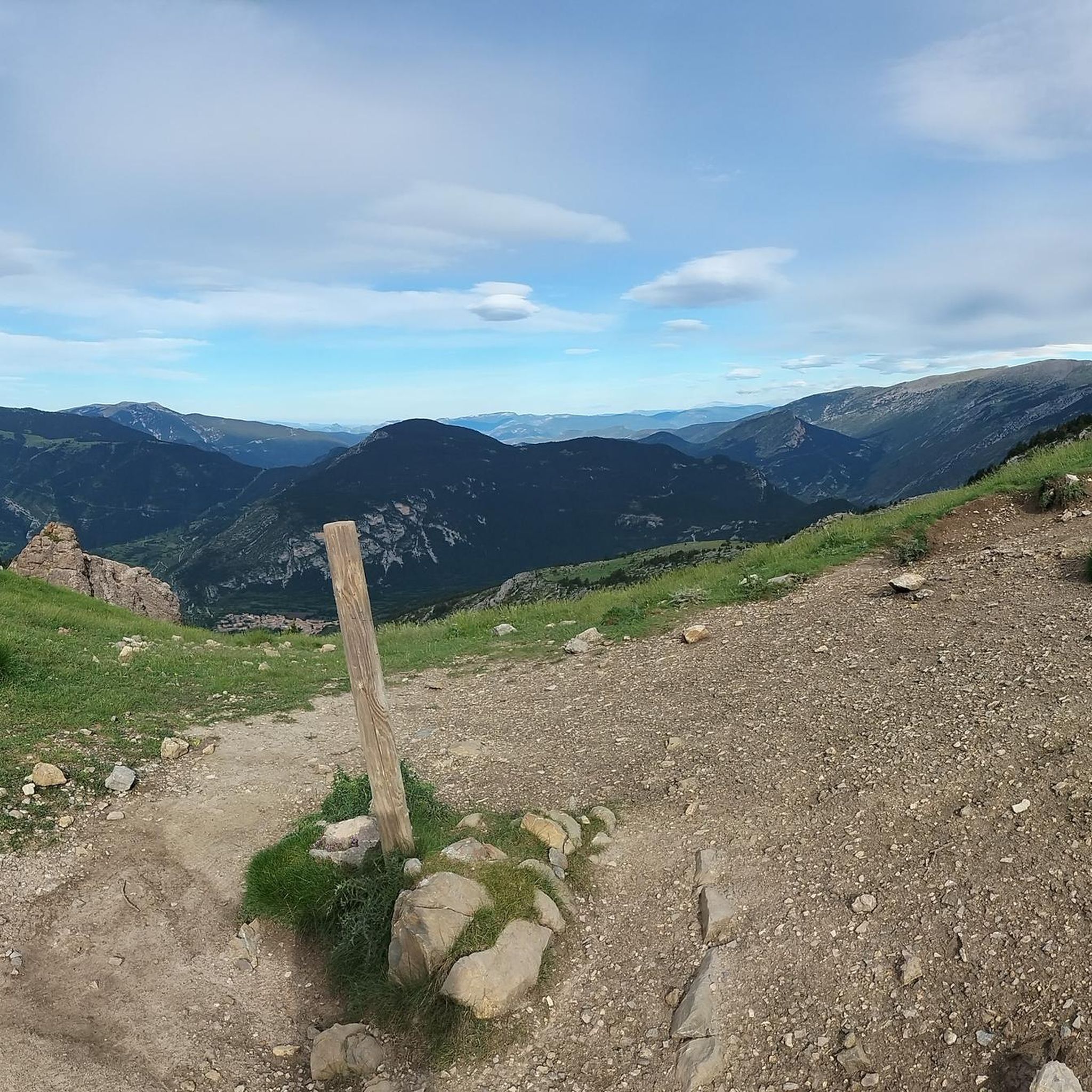
Cycling around Paratge Natural d'Interès Nacional del Massís del Pedraforca

Mountain Hikes around Paratge Natural d'Interès Nacional del Massís del Pedraforca

Gravel biking around Paratge Natural d'Interès Nacional del Massís del Pedraforca
Other adventures around Paratge Natural d'Interès Nacional del Massís del Pedraforca

Tips from the Community

The views are beautiful but I recommend doing this route during the week so as not to arrive and meet a lot of people above. On weekends there can be a lot of traffic.
0
0
Spectacular stretch of climbing, I loved it and it does not present much difficulty.
0
0
The Collado del Verdet is a good place to rest, eat something and gather strength for the entertaining and long climb that awaits us.
0
0

Quite vertical ascent, with slightly dangerous sections, you have to be in good physical shape, wear suitable footwear and be vigilant. I recommend leaving space between people due to detachment.
0
0

You leave the wood to admire the Pedraforca. You can also rest for a moment since the slope gives a moment's respite.
2
0

the Pollegó Superior, with its 2506.4m, is the culmination of Pedraforca, a magical and emblematic mountain for all mountaineers in general and for Catalans in particular. For this reason the number of people who ascend it in a weekend can reach 600 and about 150 on weekdays. Obviously in winter time things change substantially and you may not even find anyone. High mountain equipment, depending on the season, is a must. While it has somewhat compromised access, along with the prepared people many newcomers try to crown the summit. This is the second Catalan mountain where the GRAEs perform more, behind Montserrat.
0
0

To access it, take the road that goes up to the Mirador de Gresolet and Refugi Estasen and halfway up we enter a dirt track making a turn of about 180º. There we can park, if we prefer and bring a car 4x4 or high we can go up the track a few meters to get closer to a water tank. We will enter the forest towards the Torrent de Cal Ninot. You have to be careful about the milestones as the road is not well paved and it is easy to get lost. In this case, we chose to climb some walls climbing straight to look for the entrance to the Taliban Caves. The first cave consists of two or three ropes where you can secure or grab. There is not much difficulty in the steps as they are practically diagonal. From the top of the cave the views are spectacular. We will continue along a canal that will take us to a balcony, then we will go down about 5m around the wall on the left until we see the entrance to the second Cave or Big Hole of the Feixa Alta. Much bigger and longer. In this case, it is not necessary to climb as much, although it also consists of a pair of ropes.
0
0

If you have vertigo up here you will notice it, take a jacket it's cold at the top.
6
0
Frequently Asked Questions
What are the most prominent natural monuments in the Paratge Natural d'Interès Nacional del Massís del Pedraforca?
The iconic Pedraforca massif is the most significant natural monument, renowned for its distinctive "U-shaped" silhouette, known as the Enforcadura. This feature is formed by its two main peaks, the Pollegó Superior (2,506 m) and the Pollegó Inferior. The dramatic north face and the adjacent Gresolet Valley, with its well-preserved fir and beech forests, also contribute to the area's natural beauty.
What makes the Pedraforca massif unique?
The Pedraforca massif is unique due to its striking "U-shaped" silhouette, called the Enforcadura, which is a result of millions of years of erosion on calcareous materials and soft marl. This distinctive geological formation, shaped by the Alpine orogeny, makes it a symbolic mountain of Catalonia and a fascinating site for geologists and hikers alike.
What kind of views can I expect from the natural monuments?
Visitors can expect breathtaking panoramic views, especially from points like the Pollegó Superior of Pedraforca. From the Pla de la Serra viewpoint, you begin to appreciate the magnitude of the climb and the impressive landscape. The iconic silhouette of Pedraforca itself offers spectacular photographic opportunities from various vantage points, such as the mirador de Gresolet.
What is the best time to visit the natural monuments around Pedraforca?
The best time to visit is generally during spring, summer, and early autumn when the weather is more stable for hiking and climbing. However, the weather in the mountains can change rapidly, so it's always advisable to check forecasts and be prepared for varying conditions, especially at higher elevations.
Are there family-friendly activities or natural monuments suitable for families?
While many routes around the Pedraforca massif are challenging, there are easier hiking trails available. For example, the guide for easy hikes around Paratge Natural d'Interès Nacional del Massís del Pedraforca offers options like the Lluís Estasen Refuge loop from Gósol or the Beech Spring loop from Saldes, which are suitable for families looking for less strenuous walks.
What should I bring when hiking to the natural monuments?
When hiking, especially on more challenging routes like the Pedraforca Scramble or the Pedraforca climbing section, it is important to wear non-slip boots and bring a jacket or windbreaker as mountain weather changes quickly. Carrying at least 1.5 liters of water per person is also recommended. For climbs, ensure you have appropriate gear and leave space between people due to potential rock detachment.
What outdoor activities can I do near the natural monuments of Pedraforca?
The region offers a variety of outdoor activities. Besides hiking and climbing around the massif, you can explore waterfall hikes or go cycling. There are challenging cycling routes like the Pedraforca 360º circular route, as well as various hiking trails ranging from easy to difficult.
Are there challenging climbs or hikes for experienced mountaineers?
Yes, the Pedraforca massif is a paradise for mountaineers. The Pedraforca Scramble and the Pedraforca climbing section offer vertical ascents with ropes, requiring good physical shape and suitable footwear. The dramatic north face of Pedraforca, with a vertical drop of 600 to 800 meters above the Gresolet valley, presents a formidable challenge for experienced climbers.
What kind of wildlife can I spot in the Paratge Natural d'Interès Nacional del Massís del Pedraforca?
The diverse forests and meadows of the massif support a rich array of middle and high-mountain fauna. Visitors may spot chamois, squirrels, foxes, wildcats, wood grouse, and various raptors, making it a valuable site for wildlife observation.
Where can I find places to rest or eat near the natural monuments?
The Verdet Pass is a suitable place to rest and gather strength, especially before continuing with challenging climbs. While specific cafes are not listed, the area around the natural park has refuges and small villages where you can find refreshments and accommodation.
What do visitors say about the Pedraforca Scramble?
Visitors describe the Pedraforca Scramble as a very straight climb on the side of the gallows, often busy but wide enough for various climbing options. Tips include wearing non-slip boots, ensuring no stones fall, and bringing enough water. Many find it an enjoyable and rewarding experience.
What geological features are notable in the Pedraforca massif?
The massif's impressive and unique profile is a result of millions of years of erosion on calcareous materials and soft marl, shaped by the Alpine orogeny. This geological history has created a landscape of superimposed rock layers, including the iconic Enforcadura, which is the distinct separation between its two main peaks.
Most popular routes around Paratge Natural d'Interès Nacional del Massís del Pedraforca
Most popular attractions around Paratge Natural d'Interès Nacional del Massís del Pedraforca

Get inspired with the komoot mobile app


Explore more
Extend your search for the best caves by checking out these guides of the top ones around Paratge Natural d'Interès Nacional del Massís del Pedraforca:
